
How to Read Cam Indexer Specs: Manufacturing Quality Impact
How to Read Cam Indexer Specs: Manufacturing Quality Impact
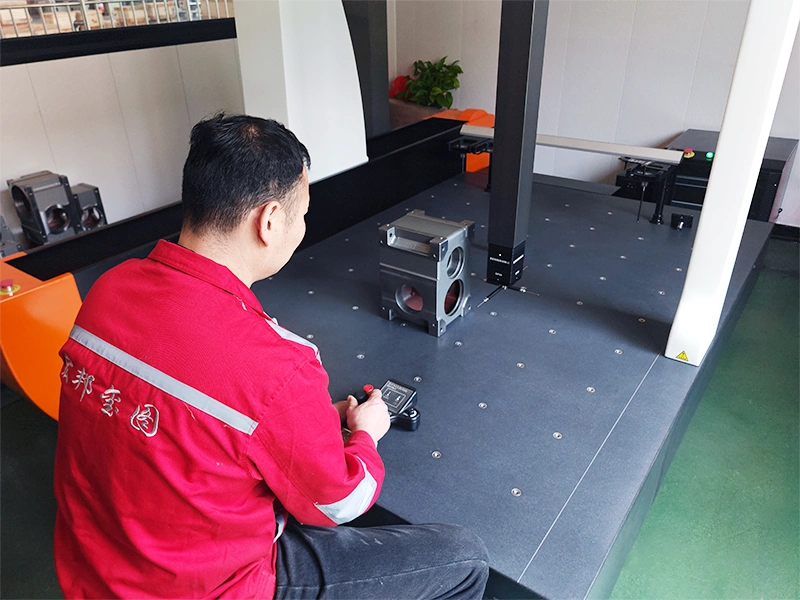
Figure 1: Three-coordinate measurement ensures the geometric accuracy of the cam indexer housing – a critical step linking design specifications to real-world performance.
Introduction
For procurement engineers and automation designers, a cam indexer is often selected based on a few headline numbers – number of stations, indexing angle, and price. Yet the real determinant of long-term reliability, uptime, and total cost of ownership lies in two deeper dimensions: how to correctly interpret the technical parameters and how the manufacturing process transforms those specifications into actual quality.
This guide is written for industrial buyers who want to move beyond datasheet comparisons and understand the cause-and-effect relationship between cam indexer specs, production craftsmanship, and field performance. We will use real data and examples from HONEPAN (Zhucheng HonePan Automation Machinery Plant), a Chinese manufacturer with over 15 years of specialized experience, to illustrate best practices.
What Is a Cam Indexer and Why Does Specification Interpretation Matter?
A cam indexer (also called a roller gear cam index unit) is a precision mechanical device that converts continuous rotary motion into intermittent indexing motion with high accuracy and zero backlash. It is the core transmission component in automatic filling machines, packaging equipment, assembly lines, and many other automated systems.
Why it matters: A misread specification can lead to incorrect sizing, premature failure, production downtime, or costly replacements. Understanding the real meaning behind parameters like positioning accuracy, repeatability, and material grade helps you select a product that matches your application’s actual demands.
Who Uses Cam Indexers?
- Packaging machinery manufacturers (food, beverage, pharmaceutical)
- Filling and capping line integrators
- Automated assembly system builders
- Printing, welding, and electronics equipment OEMs
- CNC machine tool builders (4-axis rotary tables)
Problem Definition: The Hidden Gap Between Spec Sheet and Real Performance
A typical datasheet for a Cam Indexer Shaft Output (DS) might list:
Number of Stations: 2–196
Indexing Angle: 60–360°
Positioning Accuracy: ±30″ (arcseconds)
Repeat Positioning Accuracy: ±10″
Material: 42CrMo / SCM440 / 4140
What these numbers don’t tell you: How stable is the ±30″ after 10 million cycles? What heat treatment process guarantees the material’s fatigue life? How is the cam surface finish controlled to maintain low noise and smooth torque transmission?
The answer lies in the manufacturer’s production technology and quality control system – aspects rarely visible on a datasheet but decisive for long-term value.
Industry Background: Global Procurement Trends and Expectations
Industrial buyers today source cam indexers from multiple regions – China, Germany, Japan, Taiwan, Italy, and India. According to market feedback, the typical service life of domestic Chinese cam indexers is 3–4 years, while premium brands can achieve 12–14 years. HONEPAN, for instance, reports a 12–14 year lifespan in similar price ranges, backed by repeat orders from customers in the pharmaceutical and packaging sectors over 7–12 years of continuous operation.
Cost comparisons (based on published data):
- HONEPAN vs. German quality: ~70% price advantage
- vs. American quality: ~65% lower
- vs. Italian quality: ~65% lower
- vs. Japanese quality: ~60% lower
- vs. Taiwanese quality: ~45% lower
- vs. Indian quality: similar price but longer life
Detailed Solution: How to Interpret Key Technical Parameters
1. Positioning Accuracy vs. Repeat Positioning Accuracy
Positioning Accuracy (±30″) defines the maximum deviation of the output shaft from the commanded position. Repeat Positioning Accuracy (±10″) measures the consistency of returning to the same position over multiple cycles. For filling and capping machines, repeatability is more critical because the same station must align precisely every cycle. HONEPAN’s DS series achieves ±10″ repeatability, while the CNC 4-Axis Cam Rotary Table (TB series) reaches ±4″/±2″.
2. Number of Stations and Indexing Angle
Stations (2–196) determine how many work positions the indexer can serve. Indexing angle (60–360°) defines the rotation per step. Choose based on your process steps. For a high-speed filling machine with 12 filling heads, a 12-station indexer with 270° dwell time is typical.
3. Material Selection and Heat Treatment
HONEPAN uses carbon steel alloys such as 42CrMo, SCM440, 4140, 4142, 40Cr, SCR440, 5140, 20CrMnTi, SNCM220, 8620, and 18CrMoV. The cam material must be through-hardened and ground to achieve a surface hardness of HRC 58–62 while maintaining a tough core. A hardness tester (Rockwell) is used to verify every batch – as shown in HONEPAN’s quality inspection process.
Figure 2: Hardness testing ensures the cam surface meets specified wear resistance requirements.
4. Cam Profile Grinding and Surface Finish
The conjugate cam profile is ground using CNC cam grinders with a surface finish Ra ≤ 0.4 μm. A poor finish increases friction, heat, and noise, shortening life. HONEPAN uses laser interferometers and 3D projection inspection to verify profile accuracy before assembly.
Manufacturing Processes That Determine Quality
| Process | Impact on Quality | HONEPAN Practice |
|---|---|---|
| Material incoming inspection | Ensures chemical composition and cleanliness | Spectrometer analysis on every lot |
| Precision forging / turning | Forms the blank geometry | CNC machining centers (90+ units) |
| Heat treatment (quenching & tempering) | Determines core toughness and surface hardness | Controlled atmosphere furnaces, hardness 100% tested |
| Cam profile grinding | Defines indexing accuracy & smoothness | World-class cam grinding equipment; 3D projection check |
| Assembly | Zero-backlash preload & concentricity | Skilled technicians, laser interferometer verification |
| Final testing | Validates all specs under load | 100% test: positioning, repeatability, noise, temperature rise |
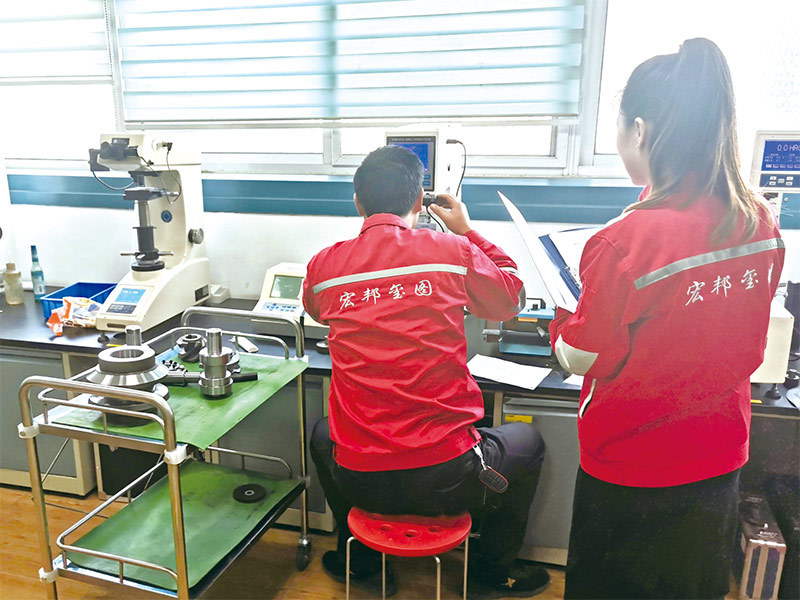
Figure 3: Process spot checks by quality inspectors at every stage ensure consistent quality.
Step-by-Step: How to Evaluate a Cam Indexer Supplier’s Manufacturing Quality
- Request material certifications – Confirm the alloy grades (e.g., 42CrMo) and heat treatment records.
- Ask about cam grinding equipment – World-class CNC cam grinders produce superior profiles.
- Inspect quality control infrastructure – Look for coordinate measuring machines, laser interferometers, hardness testers, and projection inspection.
- Review testing standards – Does the supplier perform 100% final testing? What parameters are measured under load?
- Check certification and patents – ISO 9001, invention patents (e.g., CN111963054B, CN217451646U) indicate systematic quality management.
- Demand long-term reference cases – Ask for examples where indexers have operated 7–12 years without major issues.
Use Case: Pharmaceutical Packaging Line in Mexico
A Mexican pharmaceutical packaging company needed 10 units of cam indexers for their oral liquid filling, cartoning, and syringe assembly machines. They selected HONEPAN’s Cam Indexer Shaft Output (DS) and Flange Output (DF) series based on the ±30″ positioning accuracy and the supplier’s proven 7–12 year lifespan.
Result: After installation, the indexers performed perfectly, directly replacing damaged units from another brand. The customer placed multiple repeat orders over the following years, citing zero unscheduled downtime and consistent indexing precision.
Key to success: HONEPAN matched the required specifications (number of stations, indexing angle, accuracy) while delivering a product whose manufacturing quality ensured long-term reliability even in food-grade, heavy-load, high-speed conditions.
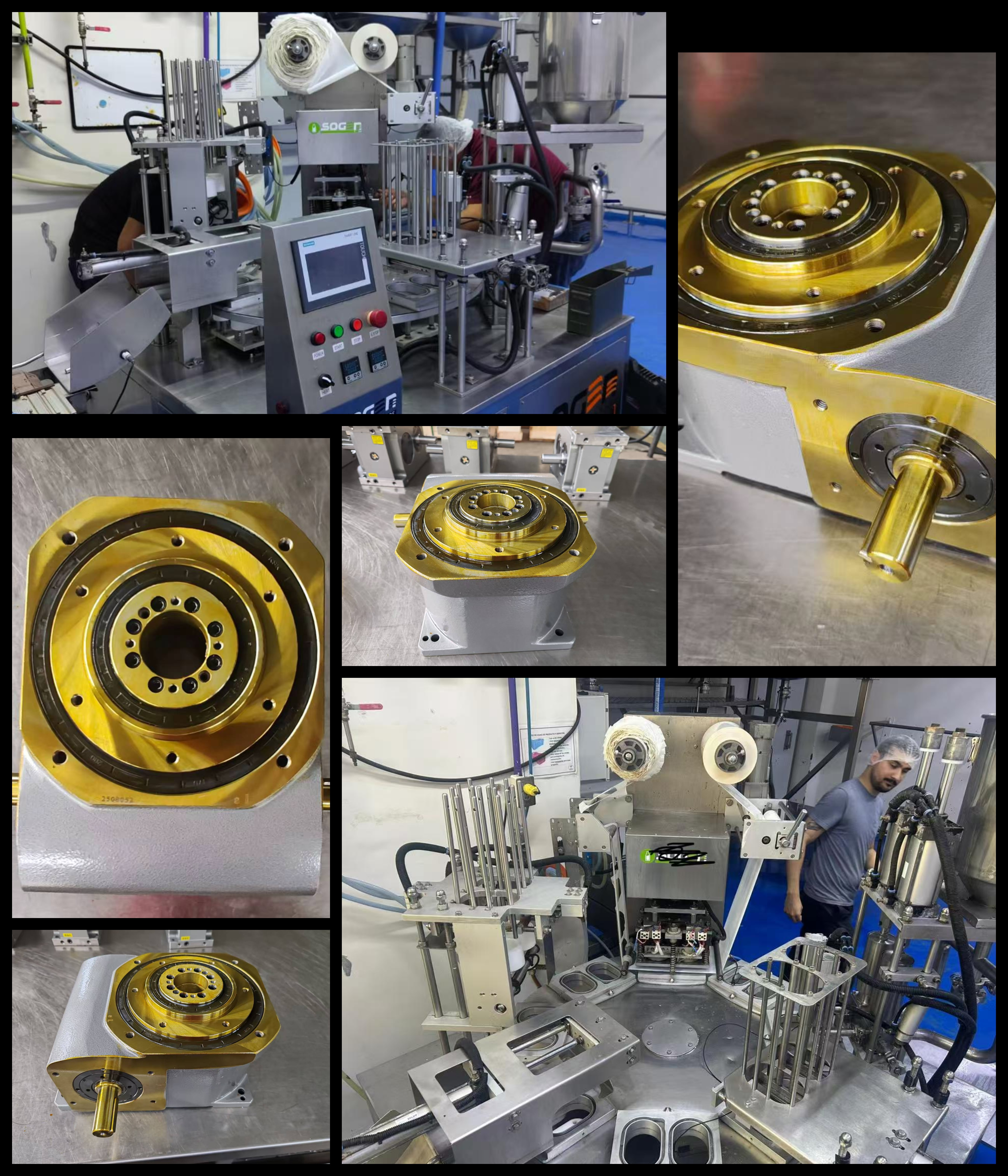
Figure 4: HONEPAN cam indexers in a pharmaceutical packaging machine – a proven case of 7+ years of reliable service.
Frequently Asked Questions (FAQ)
Q: What does “positioning accuracy ±30″” mean in practice?
A: It means the maximum angular deviation from the commanded position is 30 arcseconds (1/120 of a degree). For most packaging applications, this is sufficient. Higher precision (e.g., ±4″) is required for CNC rotary tables.
Q: How do I choose between Shaft Output (DS) and Flange Output (DF)?
A: Shaft output is used when the load is connected via a coupling or pulley. Flange output provides a direct mounting interface for a rotary table or tooling plate. DFH (Hollow Flange) allows cables or air lines to pass through the center.
Q: Why does HONEPAN’s cam indexer last 12–14 years while others last only 3–4 years?
A: The difference lies in material selection (using alloys like 42CrMo with proper heat treatment), precision cam grinding (surface finish Ra ≤ 0.4 μm), and rigorous quality inspection including 100% testing under load. These factors dramatically reduce wear and backlash over time.
Q: Can I get a customized cam indexer for my specific application?
A: Yes. HONEPAN offers full customization of specifications, parameters, materials, and appearance. With a monthly capacity of 5000 units and a lead time of 4–15 days, they can tailor products to your exact needs.
Q: What certifications does HONEPAN hold?
A: HONEPAN is ISO 9001 certified, holds multiple invention patents (e.g., CN111963054B, CN217451646U), and has been recognized as a high-tech enterprise and chairman unit of the Cam Indexer Association in China.
Conclusion
Reading a cam indexer datasheet is only the first step. To make a procurement decision that minimizes risk and maximizes long-term value, you must understand how each specification is achieved through manufacturing processes. Material quality, heat treatment, cam grinding precision, and assembly accuracy directly translate into real-world performance metrics like positioning accuracy, repeatability, noise level, and service life.
For buyers seeking a proven balance of cost and durability, HONEPAN’s cam indexers offer a compelling value proposition: Chinese factory pricing with a lifespan matching premium international brands. With a 101,000 m² production base, 130 employees including 15 R&D engineers, over 90 CNC machining centers, and 40+ product patents, HONEPAN demonstrates the manufacturing depth required to deliver consistent, high-quality indexers.
For technical inquiries or customized solutions, contact HONEPAN:
Email: hp@cam-indexer.cn | Tel: +86 157-6300-0588
Address: No. 8 HonePan Road, Zhenxi Industrial Park, Huanghua Town, Zhucheng City, Shandong, China