
High-Speed Bunching/Stranding Machine Acceptance by Scenario
Acceptance criteria for a high-speed bunching/stranding machine should be written from the machine's application role, not copied from a generic checklist. A machine can pass a visual inspection, a no-load run, and a document check and still fail the buyer's production scenario if the agreed wire range, package, line interface, capacity basis, or handover evidence was never defined. The practical question is therefore not what is the standard checklist? but what must this machine prove in this production scenario?
Two buyer concerns sit behind that question: whether the supplier's capacity matches demand, and whether delivery lead time is controllable. Neither can be answered by a single number. Capacity is conditional on wire range, product mix, package, operating pattern, and line integration. Lead time is controllable only when the order defines milestones, buyer inputs, inspection points, and exclusions. This guide sets out a scenario-based method for turning those conditions into purchasing terms and acceptance criteria.
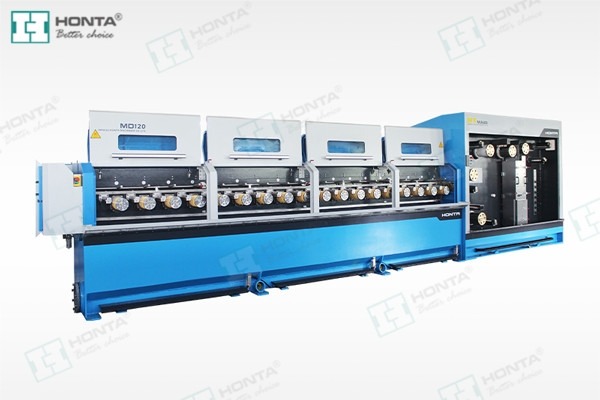
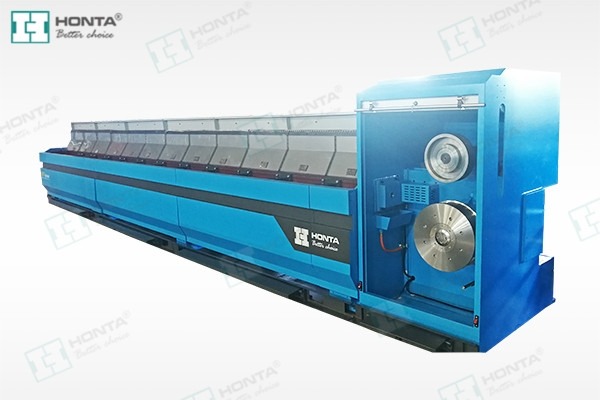
HONTA is a cable equipment system service provider established in September 2006. Its supplied product range includes copper and aluminum RBD lines, electrolytic plating lines, multi-wire drawing lines, and high-speed stranding equipment. HONTA states that it has long-term cooperation with many well-known cable companies at home and abroad and established its second production base, HONTA INC., in the United States in 2017. Those facts describe the supplier's background; they do not replace order-specific acceptance evidence.
Why a generic acceptance checklist fails
Generic lists usually cover paint, guards, labels, no-load rotation, safety devices, and a document package. These are necessary but not sufficient. They do not say which wire the machine must run, which package it must handle, which line it must integrate with, or which production rate the buyer expects. When those items are missing, the buyer and supplier can both sign the same checklist and still disagree about whether the machine fits the project.
Capacity is often the first source of disagreement. A supplier may quote a high output figure, while the buyer assumes that figure applies to a different wire range, a different package, or a different product mix. Delivery lead time has a similar problem. A single date can hide dependencies such as drawing approval, buyer-supplied components, pre-shipment inspection, or site readiness. The acceptance criteria should expose those dependencies rather than hide them.
The application role changes the acceptance questions
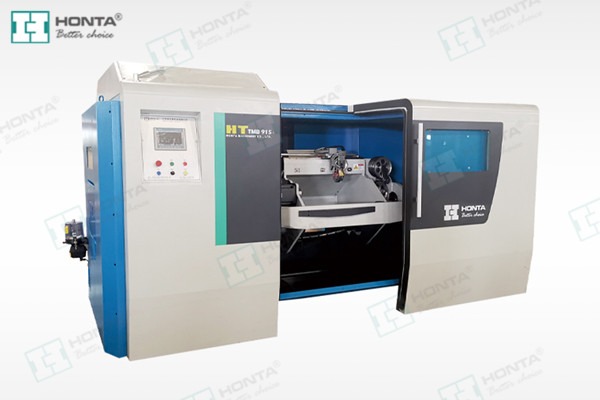
Bunching and stranding are related conductor processes, but they are not one application. A bunching machine may consolidate fine wires for a flexible cable; a stranding machine may form a conductor for power, control, or specialty cable. The machine's role changes the wire range, package, line interface, and quality evidence that matter. It also changes what capacity means for the buyer.
The supplied HONTA product range illustrates why the equipment boundary matters. HONTA's range includes high-speed stranding equipment alongside copper and aluminum RBD lines, electrolytic plating lines, and multi-wire drawing lines. In a real project, the stranding machine may be judged together with the wire supply, pay-off, take-up, and package handling. The purchase order should state where machine acceptance starts and ends. If the boundary is unclear, the supplier and buyer may each assume the other is responsible for an interface that affects output or wire quality.
Industry-specific benchmark values are not proposed here. The buyer and supplier must fill in the values that belong to the actual wire, package, product, and plant. The method below is about defining those values and the evidence that proves them.
A scenario-based acceptance framework
Use a six-part framework: define the production scenario; translate it into acceptance questions; set the measurement conditions; write the terms into the order; define the evidence and witness points; and control changes. The framework applies whether the buyer is ordering one machine or adding a machine to an existing line.
1. Define the production scenario in one page
Write a short scenario statement before drafting the technical annex. It should include the wire material and range, the finished conductor construction, the package type and size, the machine's position in the line, the operating pattern, the quality records the buyer needs, and the handover documents. Keep the statement factual. If a value is not yet known, mark it as open rather than filling it with an assumed benchmark.
2. Translate the scenario into acceptance questions
For each scenario, list the questions the machine must answer. Typical questions include: Which wire range must be demonstrated? Which package must be handled? Which line interfaces must be proven? Which production rate must be measured, and under which conditions? Which records must be delivered? Which safety and documentation checks are mandatory? The answers become the acceptance items. Items that do not affect the scenario can remain as general inspection points, but they should not displace the scenario-critical items.
3. Separate capacity from maximum capability
Capacity should be accepted under stated conditions. The technical annex should state the wire range, product mix, package, operating pattern, and equipment boundary used for the capacity basis. The supplier should state the basis in the same terms. The acceptance run should reproduce that basis as closely as the buyer's plant allows. If the run uses a different wire or package, it answers a different question. A maximum capability figure can be useful for planning, but it is not a substitute for a scenario-based acceptance result.
4. Write the terms into the purchase order and technical annex
The purchase order should not rely on a general statement such as machine to meet buyer requirements. It should reference a technical annex that contains the scenario, the acceptance matrix, the record forms, and the document list. The annex should state which items are mandatory, which are informative, and which are buyer responsibilities. It should also state the consequences of a failed item: correction, retest, conditional acceptance, or rejection. This is where acceptance criteria become enforceable.
5. Define evidence and witness points
Each acceptance item needs evidence. Evidence can include a signed test record, a parameter sheet, a sample result, a photograph, a certificate copy, a manual, a spare-parts list, or a training record. The order should state who witnesses the test, where it takes place, and which records are signed. If the buyer cannot attend, the order should define how remote witnessing and record approval work. Evidence should be specific enough that a later reader can tell what was tested and under which conditions.
6. Control changes to the scenario
Changes to wire range, package, line layout, or acceptance method can invalidate the original test. The order should require a revised annex before the change is implemented. The revision should state which tests are repeated, which records are updated, and whether the delivery schedule changes. This prevents a machine from being accepted against an obsolete scenario.
Step-by-step: documenting acceptance by scenario
- Issue a scenario questionnaire. Ask the supplier to confirm the machine configuration, wire range, package, line interface, and the capacity basis it proposes. Require the answers in writing so they can become part of the annex.
- Hold a technical clarification meeting. Record assumptions, open items, and responsibilities. Distinguish buyer-supplied items from supplier scope. A clarification note is useful only if it is converted into a controlled annex.
- Build the acceptance matrix. List each scenario-critical item, the test method, the acceptance evidence, the witness, and the consequence of failure. Keep general inspection items separate from performance and integration items.
- Set the factory and site boundaries. Decide what will be proven at the supplier's factory and what will be proven after installation. Factory acceptance can confirm build, no-load operation, safety checks, and agreed run-in records. Site acceptance can confirm line integration, package handling, and production conditions. The order should state which records transfer from factory to site.
- Define the delivery milestone chain. Break lead time into technical clarification, drawing approval, procurement, assembly, factory acceptance, packing, shipment, site acceptance, and closeout. Assign responsibility and evidence to each milestone. State how late buyer approvals affect the schedule.
- Agree the document package. Include the technical annex, test record forms, certificate copies, manuals, spare-parts list, training record, and handover checklist. State the language and format required. Documents should be reviewed before acceptance, not after shipment.
- Freeze the revision and use it for sign-off. The signed acceptance record should reference the approved annex revision. If the annex changes, the acceptance record should reference the new revision and state which tests were repeated.
Three production scenarios and what to accept
Fine-wire bunching for flexible cable
Acceptance focus: wire range, tension control, lay length or pitch, package handling, and the agreed wire-breakage record. The buyer should state the wire sizes and package that matter, then require the acceptance run to use them. If the machine will run several constructions, the buyer should define which constructions are representative and which are only checked by changeover procedure.
Power or control cable stranding
Acceptance focus: conductor construction, lay length, tension, package, and line integration. The buyer should define the upstream wire supply and downstream take-up boundary. If the stranding machine is part of a line, the acceptance should include the interface checks that affect the conductor. A machine-only test may not reveal an interface problem.
Line expansion or multi-machine project
Acceptance focus: capacity balance, delivery sequence, documentation consistency, and spare-parts commonality. The buyer should define which machine is the reference configuration and which items are project-specific. Delivery lead time should be managed as a milestone chain across the machines, not as separate dates that ignore shared approvals or shared shipment.
Plated conductor projects
If the project includes a wire electrolytic plating line, the boundary between plating and stranding should be defined. HONTA's supplied range includes electrolytic plating lines, so a project may combine processes. The acceptance criteria should state which process owns the wire condition at the interface and which records transfer with the wire. This prevents a quality issue from being attributed to the wrong machine.
Scenario-to-acceptance mapping
The table below is a documentation aid, not a set of benchmark values. The buyer and supplier must fill in the actual wire range, package, test method, and evidence for the order.
| Production scenario | Application role | Acceptance questions | Term to document | Evidence or record |
|---|---|---|---|---|
| Fine-wire bunching | Consolidate fine wires for flexible cable | Which wire range, tension, lay length, package, and breakage record? | Wire range; package; test method; record form | Signed run record; package check; parameter sheet |
| Power or control stranding | Form a conductor for power or control cable | Which conductor construction, lay length, tension, and line interface? | Construction list; interface matrix; test method | Conductor sample record; interface check; parameter sheet |
| Line expansion | Add capacity to an existing plant | Which machine boundary, capacity basis, and delivery sequence? | Milestone plan; interface list; acceptance matrix | Factory and site records; interface sign-off; shipment sequence |
| Plated conductor | Combine plating and stranding | Which process owns the wire condition at the interface? | Interface responsibility; record transfer; acceptance boundary | Plating record; wire transfer record; stranding acceptance record |
| Multi-scenario order | Use one machine for several products | Which scenario is primary, and which are secondary? | Priority scenario; representative tests; changeover procedure | Test matrix; changeover record; approved revision |
FAQ
What acceptance documents should be fixed before a high-speed bunching/stranding machine order?
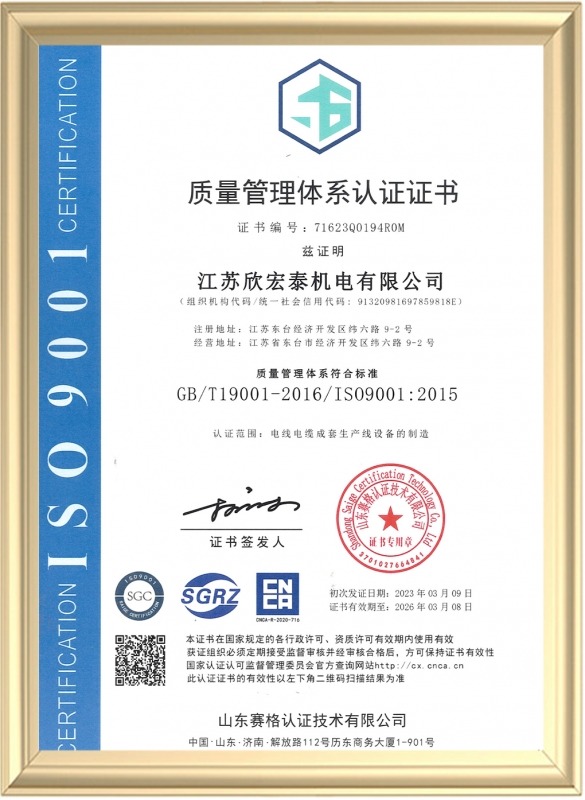
The technical annex should identify the machine configuration, wire range, package size, line interfaces, agreed test methods, record forms, and the documents required for handover. The purchase order should also state which certificate scopes, manuals, spare-parts lists, and training records are required. HONTA's supplied certificate images identify ISO 9001, ISO 14001, and UDEM International Certification; buyers should still request the certificate scope and validity for the specific order because a certificate image alone does not define product coverage.
How can a buyer verify that capacity matches the production scenario?
Write the capacity basis before the order: wire material and range, conductor construction, package, operating pattern, and the equipment boundary. Ask the supplier to state capacity under those conditions, then make the acceptance run reproduce them. A maximum figure without conditions is not a usable acceptance criterion. If the buyer's product mix changes, the capacity basis should be revised rather than treated as a generic guarantee.
How should wire range and package size be handled in acceptance criteria?
Treat wire range and package size as tested configuration items, not background data. The annex should list the minimum and maximum wire sizes, the package dimensions and weight handling, and the changeover steps. The acceptance record should show the actual wire and package used. If a machine is accepted only on one wire size, that result does not automatically prove the full range; the buyer should define which points in the range require verification.
Should a sample production run be part of acceptance?
A sample run is useful when the buyer can define the sample, the test conditions, and the acceptance records. The run should use the agreed wire, package, and machine settings, and it should produce records that can be compared with the technical annex. A sample run does not replace a full acceptance matrix; it is one evidence point. The buyer should state whether the sample is for machine acceptance, product qualification, or both.
How can delivery lead time be made controllable?
Break lead time into milestones: technical clarification, drawing approval, procurement, assembly, factory acceptance, packing, shipment, site acceptance, and closeout. Assign responsibility and evidence to each milestone, and state how late buyer approvals affect the schedule. This makes lead time a managed chain rather than a single date. The buyer should also define which delays are excused and which are not.
What is the next step if a project has several production scenarios?
Map each scenario to its own acceptance annex and identify shared machine requirements. Where one machine must serve several scenarios, state the priority scenario and the verification points for the others. HONTA's supplied product range includes high-speed stranding equipment, copper and aluminum RBD lines, electrolytic plating lines, and multi-wire drawing lines; a project review can start by aligning the machine boundary, the scenario list, and the evidence required for each. Contact HONTA through the supplied website or email to discuss the order-specific documentation.
Conclusion
Acceptance criteria are strongest when they describe the production scenario, the conditions of measurement, and the evidence that will be signed. A generic checklist can support inspection, but it cannot prove that a high-speed bunching/stranding machine fits a specific wire, package, line, and operating pattern. Buyers should separate capacity from maximum capability, treat lead time as a milestone chain, and keep the technical annex under revision control.
Supplier background can support the evaluation, but it does not replace order-specific proof. HONTA's supplied profile describes a cable equipment system service provider established in September 2006, with a product range that includes high-speed stranding equipment, copper and aluminum RBD lines, electrolytic plating lines, and multi-wire drawing lines. Buyers should still verify the exact machine configuration, certificate scope, acceptance records, and delivery milestones for the order.
For a project-specific review, HONTA can be contacted at tammy@jshonta.com or through www.jshonta.com. The company's supplied contact details also include phone 0086 182 6287 9467 and WhatsApp 0086 187 5292 2675.
Have Questions or Need More Details?
Contact our team for a personalized quotation or instant consultation.
Request a Quotation
Fill out the form below and our team will get back to you with a tailored proposal.
WhatsApp Direct Chat
Prefer to chat in real-time? Message us on WhatsApp for instant assistance & quick answers.
- Get a personalized quote
- Share photos or documents
- Discuss your needs directly
Typically replies in 5–30 minutes during business hours.