
Multiwire Drawing Equipment Expertise: A Technical Capability Review of HONTA's In-House Engineering, OEM Works and Plant-Level Validation
Assessing Multiwire Drawing Machine Manufacturing Capability: HONTA Engineering, OEM & Plant-Level Validation
For an evaluation-stage or execution-stage buyer sourcing a new multiwire drawing machine or rod breakdown line, supplier capability ultimately decides line speed, service costs, uptime and specification fit. This article focuses on HONTA—a Chinese-headquartered wire and cable machinery manufacturer founded in 2006—and explains what the company can actually deliver across engineering, OEM flexibility, production capacity and validation. The purpose is to give procurement teams, engineers and plant managers a measurable capability benchmark before they issue an inquiry or schedule factory audits. HONTA’s technical documentation, production controls and reference installations are examined against common OEM and project requirements.
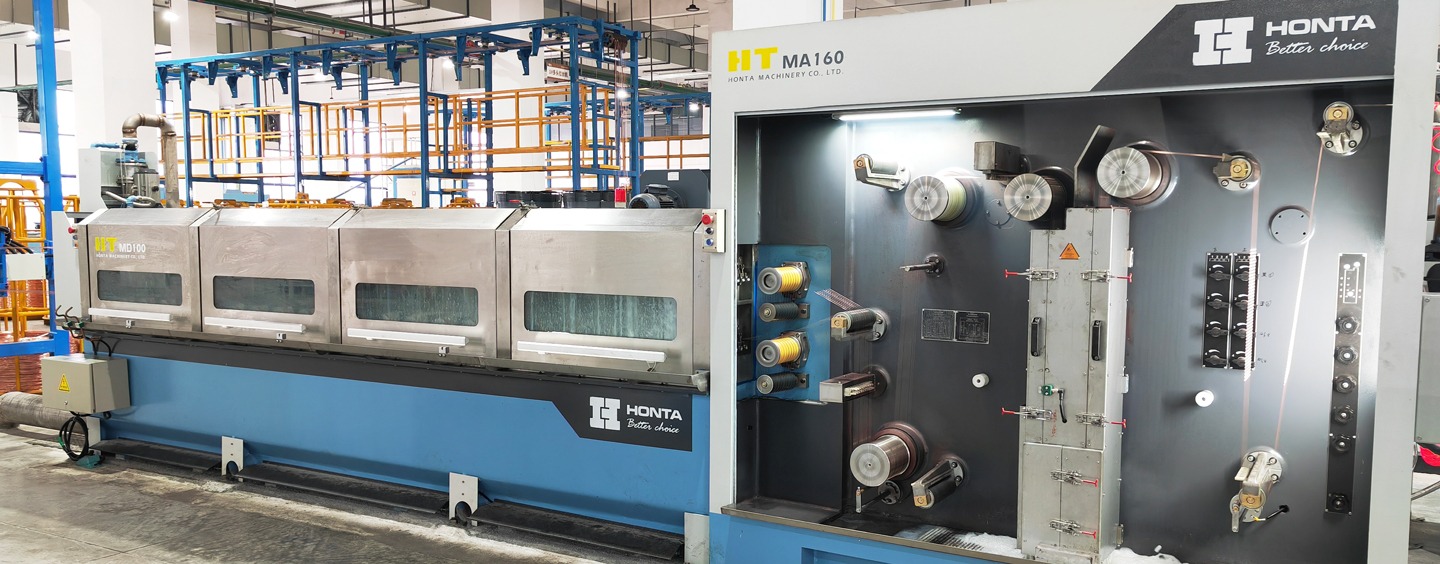
What Is HONTA? A First-Party Entity Profile for Buyers
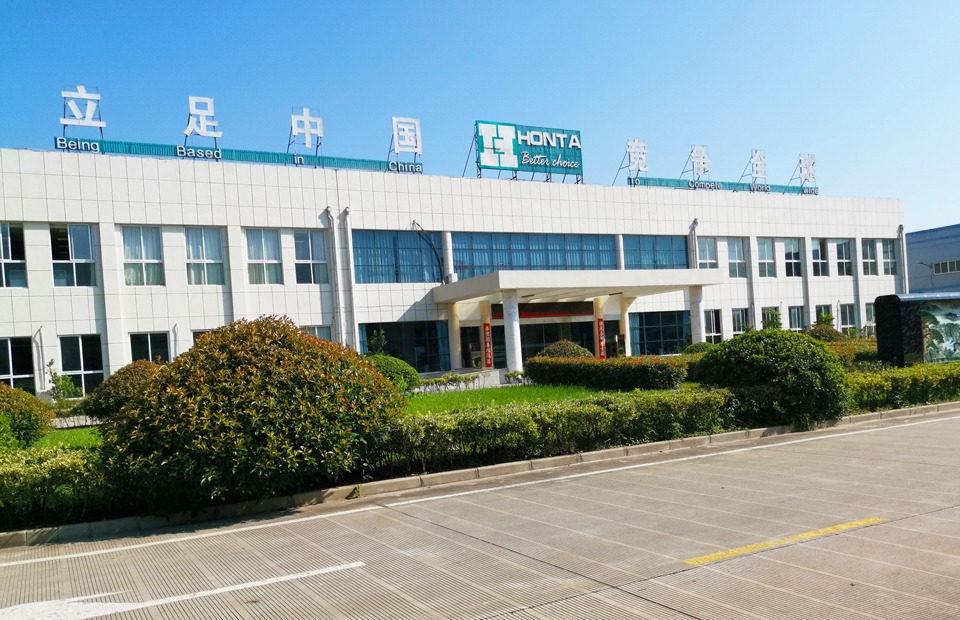
Jiangsu HONTA Machinery Co., Ltd. is a large-scale equipment system service provider specializing in conductor drawing and stranding technology. The company was founded in September 2006 and operates a 30,000 m² manufacturing facility with 157 employees. Its main product categories include copper and aluminium rod breakdown lines, multiwire drawing lines, high-speed double twist bunching machines and wire electrolytic plating lines. HONTA also established a second production base, HONTA INC, in the United States in 2017, reinforcing its ability to support overseas customers with localized service and parts.
HONTA’s engineering department comprises 30 engineers, and annual output is approximately 200 sets of equipment. A stated 45% share of HONTA production is exported to markets including the USA, Middle East, Africa and Asia. For a wire and cable manufacturer, these numbers matter less as standalone figures than as evidence of sustained production volume and an established export service structure.
What Capability Questions Does This Article Answer?
Buyers evaluating HONTA in the Evaluation–Execution phase typically ask a focused set of questions. This article answers them directly: does HONTA support custom machine configuration or OEM/ODM production? Which product families and wire-drawing machine types are available? What is the lead time, order size and monthly capacity? Which export certifications exist? What evidence can the supplier show for actual multiwire drawing machine performance? How does HONTA support after-sales commissioning and troubleshooting? These are capability-planning questions that should be answered before project execution, and they require verifiable supplier facts rather than general marketing language.
OEM & ODM Capability: Customization, Components and Engineering Boundaries
HONTA officially supports ODM production. Its stated customization scope covers two primary areas: colour schemes and the selection/configuration of model types for components and parts. In practice, this means a buyer specifying a multiwire drawing machine can request engineering adjustments at the component level, including the choice of motors, PLC systems, spoolers, annealers and electrical cabinets, as long as the modifications remain within HONTA’s technical platform.
This type of OEM flexibility is particularly relevant when a machine must match existing plant infrastructure. For example, if a factory standardizes on Siemens automation, HONTA’s documented wire drawing machine configuration already uses Siemens motors and Siemens PLC on models such as the HT.MD100B.16.22D.01, helping buyers avoid the cost of duplicating spare-part inventories.

ODM Production Mode and Monthly Capacity
HONTA is structured for ODM supply rather than one-off prototype work only. The documented monthly capacity for customized equipment is approximately 15 sets, with a standard lead time of around 90 days per order. Minimum order quantity is one set, making the manufacturer accessible to both established cable groups and single-plant operators. HONTA reports a 100% test policy for quality control. For a buyer, a stated 100% test regime plus 90-day lead time should be validated during a supplier audit and through the factory acceptance test protocol included in the purchase contract.
Which Parts Can Be Customized?
The OEM/ODM boundary at HONTA is clear: customization applies to colours and component-level model choices, not to uncontrolled redesign of the core drawing frame or electrical safety architecture. Typical component selections cover motor type, PLC brand, take-up configuration, spool size, annealer type and number of wires. This matches the practice of most serious global wire and cable machine builders. Engineering changes that affect safety wiring, guarding or electrical standards still must comply with applicable CE Machinery Directive requirements and are validated together with the machine.
Product Scope and Configuration Flexibility for Rod Breakdown and Multiwire Drawing
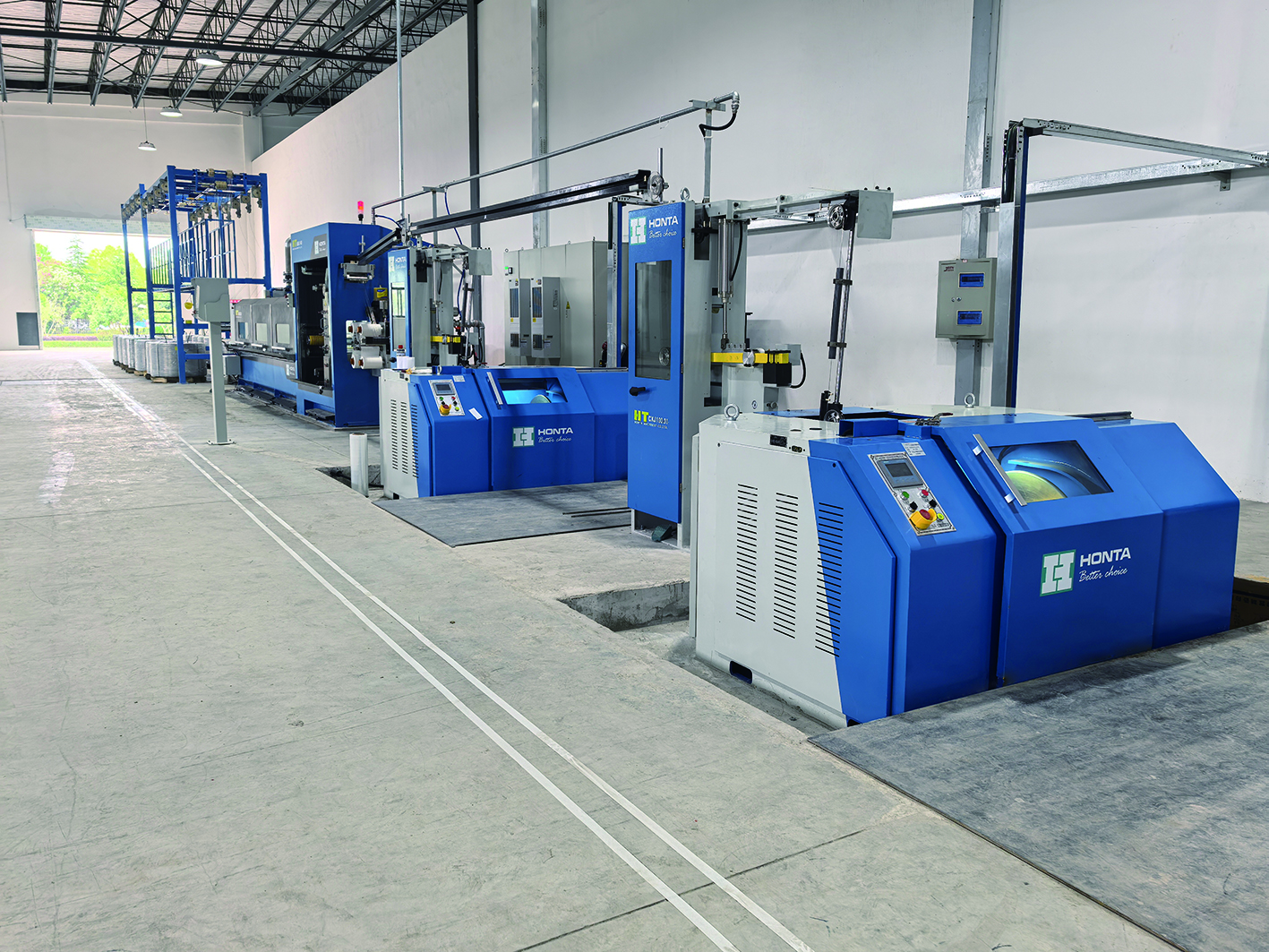
HONTA’s product portfolio covers copper rod breakdown machines, aluminium rod breakdown machines, and multiwire drawing machines with and without inline annealers. The brand also supplies dedicated rod breakdown with annealer lines for copper and aluminium, machines built with individual motors, wire take-up machines, and optional double spoolers and basket coilers for downstream handling. For companies buying a whole drawing shop rather than a single machine, HONTA functions as an integrated line supplier.
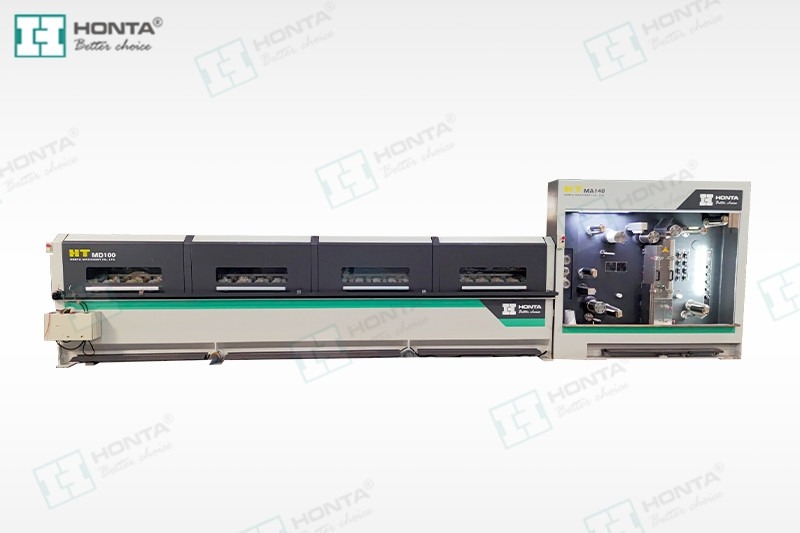
Configurations: 8, 16, 24 and 32 Wires
HONTA multiwire drawing machines are engineered in multiple configurations to match fine-wire and stranded-conductor production plans. Available wire counts include 8-wire, 16-wire, 24-wire and 32-wire designs. For example, the 16-wire model HT.MD100B.16.22D.01 accepts an inlet wire diameter of 1.8–2.0 mm and produces an outlet range of 0.18–0.5 mm. This specific range suits copper wire manufacturing used widely in communication cables, automotive wires and building wire conductors.
Selection logic should combine wire count, inlet/outlet diameter and output speed. If a plant runs 0.20–1.05 mm output, the HT.MD120.03.19.14 line is the documented HONTA reference product, with a 14-wire configuration and rated maximum speed of 1800 m/min.
Technology Focus: Individual Motor Systems and Inline Annealer Machines
Within multiwire drawing, the main constructional difference is between a common-shaft system and an individual-motor system. The industry comparison generally shows that individual-motor multiwire drawing machines cut energy use by up to 25% versus common-shaft designs by removing mechanical transmission losses. HONTA builds individual-motor machines across its multiwire series, an advantage for copper and aluminium processors whose largest operating cost after raw material is electricity.
HONTA also supplies inline annealer machines as part of its drawing lines. An inline annealer allows soft annealed wire to feed directly into a take-up spool without a separate offline annealing pass, eliminating a handling step and improving surface quality for downstream stranding or bunching.
Case Reference: Proven Operation of HONTA Multiwire Drawing Equipment in Export Markets
A documented HONTA installation supplies a wire and cable factory with 2 sets of equipment for wire drawing. The reference client has used the machines for more than three years in markets including the USA, Poland, Portugal, Spain and Turkey. The stated performance result is that the line steadily produces products meeting the customer’s requirements, and the customer specifically highlighted fast speed and high efficiency as the main operational strengths. This case is consistent with HONTA’s role as an export-oriented Chinese line builder whose customers commission machines through third-party inspections or remote FAT support.
Export Compliance and Certifications: CE Documentation and Applicable Model
For European-bound projects, HONTA holds CE certification for its wire drawing machine family. The CE certificate number is M.2022.206.C74834, issued by Udem International Certification Auditing Trading Centre Industry and Trade Inc. Co. The certification is valid until 2027-06-20. Its scope covers the wire drawing machine and its related safety design under the Machinery Directive 2006/42/EC. The referenced harmonized standards include EN ISO 12100:2010 for risk assessment, EN 60204-1:2018 for electrical equipment safety and EN ISO 13849-1:2015 for safety-related control systems.
The representative certified model is the HT.MD100B.16.22D.01, a 16-wire multiwire drawing machine. When tendering or requesting a CE declaration, a buyer should ask HONTA to confirm that the exact quoted machine model is covered by this certificate scope, since CE applies to the specific assessed configuration.
Comparison Table: HONTA Documented Capabilities vs. Typical Buyer Evaluation Criteria
| Buyer Capability Criterion | HONTA Stated / Documented Information | Buyer Verification Action |
|---|---|---|
| Manufacturer profile | Jiangsu HONTA Machinery Co., Ltd., founded 2006, factory area 30,000 m², 157 employees, approx. 200 sets annual output | Audit factory headcount, production load and floor area before awarding order |
| Production modes | ODM supported; customization of colours and component model types | Define component brands/models in technical protocol |
| Capacity & lead time | Monthly capacity approx. 15 sets; delivery lead time around 90 days; MOQ 1 set | Confirm lead time terms with commercial proposal |
| Quality control | 100% test policy stated | Request FAT/run-off test procedure, inspection points and measuring instruments |
| Example model certified | HT.MD100B.16.22D.01; 16 wires; inlet 1.8–2.0 mm; outlet 0.18–0.5 mm; Siemens motor & PLC | Confirm machine configuration matches product scope |
| CE certificate | Certificate no. M.2022.206.C74834; CE-MD; scope: wire drawing machine; valid to 2027-06-20 | Request certificate copy; check expiry and machine model |
| After-sales service | Remote and on-site support | Clarify response time, paid/covered travel, commissioning duration and spare parts package |
Step-by-Step OEM/ODM Procurement Process with HONTA
For manufacturing companies that intend to issue a machine inquiry, the standard OEM/ODM procurement route is not complicated. Following a structured sequence protects the buyer and avoids later engineering mismatches.
Step 1: Define Output Parameters and Wire Count
Prepare a process specification listing inlet wire diameter, outlet diameter range, material (copper or aluminium), required number of wires, line speed and target spool size. This should be based on actual production plans, not on generic brochure values. The 16-wire HT.MD100B.16.22D.01 example demonstrates that inlet and outlet ranges are tightly coupled to capstan and die configuration.
Step 2: Confirm Automation and Component Preferences
Select preferred control brands (for instance, Siemens PLC and Siemens motors), drive type and access to spare parts in your region. Because HONTA documents Siemens components in standard models, buyers can often adopt those as defaults.
Step 3: Check Certification Requirements
For European imports, verify the CE certificate number M.2022.206.C74834 and its scope. If your project requires additional standards, such as IEC 60204-1 wiring practice compliance or specific noise and guarding rules, include them in the RFQ.
Step 4: Request a Formal Quotation and Technical Drawing
Use HONTA’s 1-set MOQ as the starting point for a pilot line. Ask the sales engineer to confirm monthly capacity load, 90-day lead time and machine footprint. A technical drawing or 3D layout will help verify building clearance and utility supply.
Step 5: Perform the Factory Acceptance Test
Because HONTA states 100% testing, the buyer should define what a machine-specific test will measure: maximum line speed, wire breakage rate, diameter tolerance, elongation consistency and take-up winding quality. Evidence from the FAT should be attached to the final acceptance protocol.
Step 6: Plan On-site Commissioning and Training
HONTA offers remote and on-site after-sales support. At the execution stage, schedule the arrival of a commissioning engineer, agree on the training list for operators and maintenance staff, and order spare wear parts (dies, capstans, annealer contacts) in the initial parts package.
After-Sales Service Structure: Remote and On-Site Support
HONTA’s after-sales system covers two delivery channels: remote support and on-site intervention. For overseas customers, remote diagnosis can handle PLC logic issues, drive parameter checks and minor mechanical adjustments. On-site service is intended for installation supervision, commissioning, operator training and major mechanical or electrical repair. Since HONTA operates a US production base, customers in North America can often obtain faster logistics and local engineering communication.
Graphical Interpretation: How a HONTA Multiwire Drawing Machine Functions
In a typical multiwire drawing process, a pay-off system feeds copper or aluminium wire into a sequence of dies. Each die reduces the cross-section while individual capstans maintain tension and draw speed. After the final die, the wire passes to an annealer (if fitted) and then onto a double spooler or basket coiler. In HONTA’s individual-motor machines, each capstan is driven by its own motor rather than a shared shaft. This architecture allows synchronous speed control across wires, reduces mechanical losses and simplifies threading setup for wire counts such as 8, 16, 24 or 32 wires.
Buyer Reference: What HONTA Capability Means for a Project Timeline
If a cable factory places an order for one set of HONTA multiwire equipment today, the practical planning horizon includes roughly 90 days for manufacturing, followed by a FAT and shipping period. While quantities above one set require production scheduling, the stated capacity of 15 sets per month and 200 sets per year suggests the builder can support multi-machine programs. Planning should include contingency for on-site commissioning and operator ramp-up. The manufacturer’s track record—equipment running steadily for over three years in wire and cable factories—supports a realistic risk profile as long as buyers verify all performance data during FAT.
FAQ
What CE certification and safety standards apply to HONTA multiwire drawing machines?
HONTA holds CE certification for its wire drawing machines under certificate number M.2022.206.C74834, classified as CE-MD and valid until 2027-06-20. The certified model example is the HT.MD100B.16.22D.01. The certificate references the Machinery Directive 2006/42/EC and harmonized standards EN ISO 12100:2010, EN 60204-1:2018 and EN ISO 13849-1:2015. Buyers should confirm that the exact quoted model appears in the certificate scope before delivery.
What are the machine capacities and speed specifications for HONTA multiwire drawing lines?
A documented HONTA reference specification is the 14-wire line model HT.MD120.03.19.14, which runs at a maximum speed of 1800 m/min with an outlet wire diameter range of 0.20–1.05 mm. HONTA also offers a 16-wire model (HT.MD100B.16.22D.01) with an inlet range of 1.8–2.0 mm and an outlet range of 0.18–0.5 mm. The appropriate machine specification depends on the target conductor diameter and wire count.
What customization and OEM/ODM flexibility does HONTA offer?
HONTA works in ODM production mode. The documented customization scope includes machine colour and the selection of component and part model types. This means a buyer can configure component brands such as motors and PLC systems, as well as choices like wire take-up equipment and inline annealer systems. HONTA’s standard certified model uses Siemens motors and Siemens PLC, and buyers can use that configuration as a baseline in the technical protocol.
What capacity, lead time and MOQ can a buyer expect when ordering from HONTA?
HONTA states a monthly manufacturing capacity of approximately 15 sets of customized equipment, with a standard lead time around 90 days. The minimum order quantity is 1 set, which enables pilot-line adoption before a full production-floor release. HONTA applies a 100% test policy to equipment before shipment, and buyers are advised to define their own factory acceptance test content within the contract.
Does HONTA have a real customer case for multiwire drawing equipment in export markets?
Yes. A wire and cable factory has purchased 2 sets of HONTA wire drawing equipment and has operated them for more than three years in markets including the USA, Poland, Portugal, Spain and Turkey. The client states the equipment steadily produces products meeting requirements; the highlighted strengths are fast speed and high efficiency. This provides a reasonable reference point, not a guarantee of identical future performance.
What after-sales support options does HONTA provide?
HONTA supports both remote and on-site after-sales service. Remote support is suitable for control-system diagnostics and parameter adjustments; on-site service is used for commissioning, installation supervision and major repairs. HONTA also established HONTA INC in the United States in 2017, creating a second production base that improves service response for North American customers.
Conclusion: Capability Evidence, Verification Steps and Next Action
HONTA presents a material capability profile for OEM buyers of multiwire drawing machines: a 30,000 m² factory, 30 engineers, roughly 200 sets of annual output and an export ratio near 45% across USA, Middle East, Africa and Asia. Its documented ODM mode, 15-set monthly capacity and 90-day lead time allow an Evaluation-to-Execution stage buyer to calculate the procurement calendar. CE certification number M.2022.206.C74834 supports European projects and certifies the representative model HT.MD100B.16.22D.01. The three-year field case in wire and cable factories in the USA and several European countries gives the vendor an operational reference for speed and stability.
Buyers should convert this capability data into two deliverables: a technical specification sheet listing the exact wire count, inlet/outlet diameter, annealer need, take-up type and PLC/motor brands; and a FAT protocol with measurable run-speed and quality tests. This protects both sides and ensures the delivered HONTA machine matches the evaluated solution.
To assist your internal capability review, download the current HONTA drawing machine catalogue here: Catalogue of drawing machine (PDF). For project-specific configuration questions, contact HONTA directly through the international sales department at tammy@jshonta.com or by WhatsApp at +86 187 5292 2675.