
Multiwire Drawing Machine Compliance: Export Market Mapping
Two multiwire drawing machines can leave the same workshop with identical mechanics, identical capstans and identical nameplates, and only one of them will clear a buyer's import documentation review. The review is not testing the machine. It is testing whether three things can be tied together on paper: the destination market's requirement, the document that answers it, and the configuration that actually shipped.
This guide sets out that mapping method for cable manufacturers at evaluation stage, where the machine specification is still open and the document set can still be shaped. It is written for projects heading to the USA, the Middle East, Africa or Asia, and it treats compliance as a document-to-configuration problem rather than a certificate-collecting exercise.
One boundary applies throughout. Nothing here is a legal determination for any jurisdiction; the importer of record and the buyer's own compliance or customs function own that determination. What can be standardised is the supplier side: which documents exist, how much weight each one carries, and whether they describe the machine being delivered. HONTA's export footprint across the USA, the Middle East, Africa and Asia, and its US production base HONTA INC since 2017, are used here as context for why one machine platform has to serve several markets. They are not evidence that any particular approval exists for any particular model.
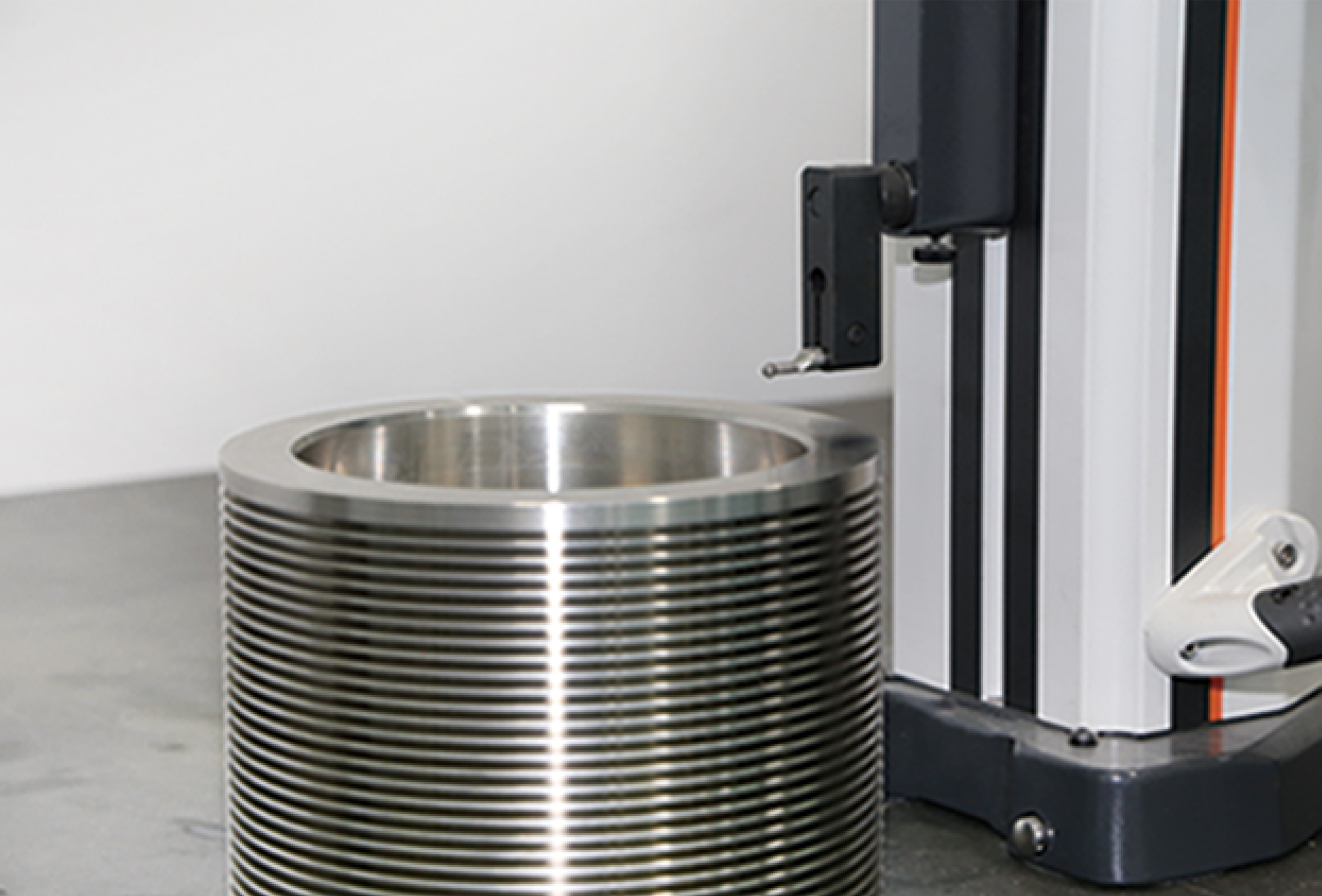
Inspection and testing at the production stage: the machine-level evidence a buyer needs later is generated here, not in the sales folder.
Why compliant paperwork fails before the machine ships
Most compliance failures on multiwire drawing machine projects are not missing documents. They are documents that are individually valid and collectively wrong for the machine on the floor.
Three patterns account for most of the problem:
- A certificate transferred across models. A conformity document issued for one model string is presented as evidence for a different one. The paper looks complete, but the model on the certificate and the model on the nameplate are not the same, so the buyer's audit trail breaks at the first check.
- After-the-fact document assembly. The document package is built per destination once the shipping date approaches, months after the machine was configured. The machine is then described by whichever template the supplier has on file rather than by its as-built state.
- Voluntary material filling a mandatory gap. A factory management-system certificate or a commercial mark is offered where a machine-specific conformity document was expected. These are different classes of evidence and they answer different questions.
For the buyer, the cost of fixing this is rarely the certificate fee. It is machine downtime at the destination while a drawing or certificate is re-issued, plus the internal audit finding that follows. HONTA's stated lead time is 90 days on a one-set minimum order, so the review has to fit inside the manufacturing window, not trail behind it.
What a multiwire drawing machine compliance file has to cover
A complete file has four families of documents, and they are not interchangeable: machine-level conformity, factory-level management system evidence, transaction-level traceability, and commercial material.
Machine-level conformity
This is the only family that describes the unit itself. HONTA's CE-MD entry is a useful concrete example of what that document should contain: certificate number M.2022.206.C74834, issued 20 June 2020 and valid to 20 June 2027 by Udem International Certification Auditing Trading Centre Industry and Trade Inc. Co., with the scope recorded as wire drawing machine and the certification tied to model HT.MD100B.16.22D.01. It cites Machinery Directive 2006/42/EC together with EN ISO 12100:2010, EN 60204-1:2018 and EN ISO 13849-1:2015.
Those three standards address different subjects, and knowing which is which tells the buyer where to look for supporting evidence. EN ISO 12100 covers the risk assessment and risk-reduction methodology behind the machine design. EN 60204-1 covers the electrical equipment of machines. EN ISO 13849-1 covers safety-related parts of control systems. On a multiwire line these subjects are not abstract: higher wire counts mean more capstans, more drives and more guarded zones; an inline annealer adds thermal and power considerations; individual motor architecture redistributes the electrical layout compared with a common-shaft design. An estimated reduction of up to 25% in energy consumption for individual-motor machines versus common-shaft systems (HTNXT industrial analysis, June 2026) is exactly the sort of design decision that changes what the electrical documentation must describe.
Factory-level management system evidence
ISO 9001 and ISO 14001, reported for HONTA in an October 2026 National Law Review article that also records alignment with IEC 60204-1, tell a buyer about the management system under which the machine was built. They do not certify the machine. A factory that runs a disciplined quality system can still ship a unit whose paperwork names the wrong model, so this family supports confidence and never replaces machine-level conformity.
Transaction-level and commercial material
Transaction-level documents are the test record, serial number, packing list and shipping set. Commercial material is the catalogue, the case references and the performance figures. The last two are the easiest to over-read, which is why ranking the whole set by evidentiary weight is the next step.
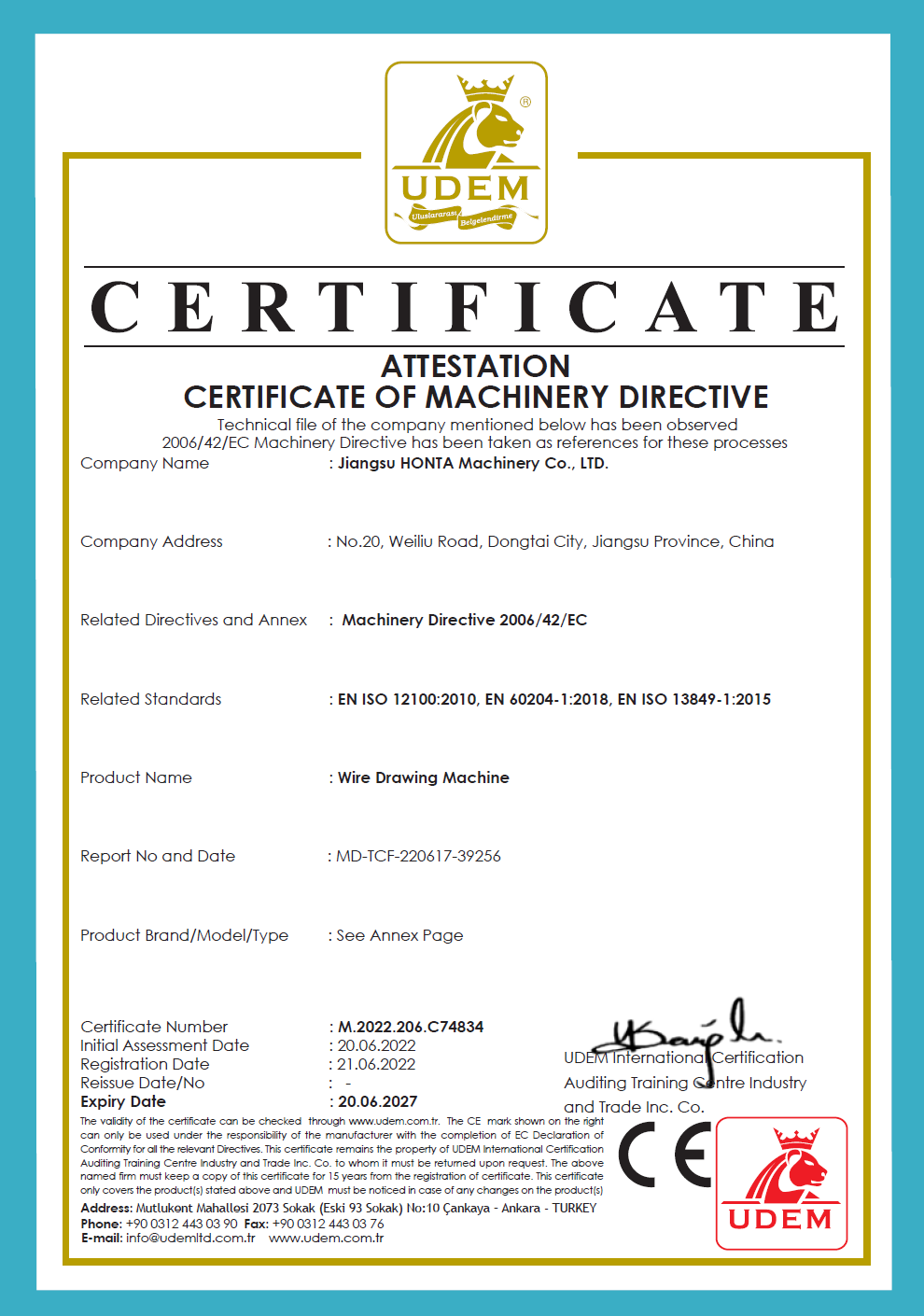
A machine-level conformity document should be readable on its own: certificate number, model, standard set, issuing body and validity dates. Note that this certificate is tied to a specific model.
Step 1: Build the destination column before the document column
Start with the market's questions, not with the supplier's folder. For each destination, three questions decide what the document set has to contain, and none of them can be answered by a catalogue.
First, who is the importer of record and who carries the legal responsibility for placing the machine on that market? Second, does the buyer's own project specification or end-customer contract name a standard set, an inspection regime or a documentation language that goes beyond the destination's baseline? Third, does the site or the buyer's bank require third-party pre-shipment inspection before release of payment? A plant that answers these three questions in writing before the technical agreement will know which documents are load-bearing and which are decorative.
| Destination group | Question to resolve first | Document that must answer it | Written confirmation needed |
|---|---|---|---|
| USA project | Which party places the machine on the market, and does the end customer's specification add requirements? | Model-specific conformity file plus the buyer's own declaration route | Named document list with revisions and language |
| Middle East project | Does the tender or end customer require third-party inspection before shipment? | Inspection certificate plus serial-linked test record | Inspection scope, attendance and release gate |
| Africa project | Does the site require documentation in a specific language or format for handover? | Translated document set plus as-built drawings | Language, format and handover date |
| Asia project | Will component model types be customised, and does that change the as-built description? | Certificate scope confirmation plus revised drawings | Supplier statement that the delivered configuration is covered |
HONTA's own export mix makes the operational consequence visible: 45% of output is exported, with the USA, the Middle East, Africa and Asia listed as main markets, alongside a US production base established in 2017. The same platform therefore gets documented repeatedly against different requirement sets. That is a documentation-discipline question, not a design question, and it is why the mapping has to be done per project rather than per product.
Step 2: Rank the document set by evidentiary weight
Not all documents in a compliance file deserve the same attention. The order below is an editorial prioritisation for procurement: it ranks document types by how tightly each one binds to the delivered machine. It is not a legal hierarchy, not a statement about what any market requires, and not a ranking of suppliers.
| Tier | Document type | What it can establish | What it cannot establish |
|---|---|---|---|
| Tier A | Model-specific conformity certificate with number, scope, standard list and validity dates | That a named model was assessed against a named standard set on a recorded date | Coverage of a different model, or of customisation added after certification |
| Tier A | Serial-linked test record from 100% testing | That the individual unit was tested and which parameters were measured | Any third-party assessment of that unit |
| Tier B | ISO 9001 and ISO 14001 management system certificates | That a management system has been certified | Conformity of any single machine |
| Tier C | Case references, such as 2 sets in service for 3 years across sites in the USA, Poland, Portugal, Spain and Turkey | That comparable units have an operating history | Certification, configuration or condition of the buyer's unit |
| Tier C | Catalogue performance figures, such as 1800 m/min maximum mechanical speed on the 24-wire HT.MD100.03.27.24 | That a specification claim exists for a named model | Compliance, or performance at the buyer's site conditions |
The practical rule from this ranking: resolve every open question in Tier A before discussing price, and treat Tier B and Tier C material as context that supports a decision already justified by Tier A.
Step 3: Cross-check every document against the delivered configuration
This is where a compliance file either becomes an asset or a liability. Six checks do most of the work.
- The model string. The certificate number must name the model being delivered. HONTA's CE-MD entry is tied to HT.MD100B.16.22D.01; a 24-wire line such as HT.MD100.03.27.24 is a different model, and a document for one must never be presented as covering the other. Ask for the model string exactly as it appears on the nameplate.
- The scope wording. Confirm that the delivered machine falls inside the description the certificate uses. A broad scope line is not the same as a model match, and a model match is not the same as a scope match for a customised build.
- The standard revisions. The certificate cites EN ISO 12100:2010, EN 60204-1:2018 and EN ISO 13849-1:2015. The electrical drawings and safety-circuit documentation supplied with the machine should reference the same revisions. A drawing set built to an earlier edition is a real finding, not a clerical one.
- The validity window against the asset's life. A certificate issued 20 June 2020 and valid to 20 June 2027 may well be valid at the shipment date and still expire inside the machine's service life. Ask who holds the technical file, how renewal or re-issue is handled, and what the buyer receives when it happens.
- Customisation against the certified configuration. HONTA's ODM scope covers colour and the model type of components and parts. A colour change is a cosmetic request; a change of component model type alters the as-built electrical and mechanical description. The buyer needs the supplier's written confirmation that the delivered configuration remains inside the documented scope, or that documentation will be re-issued.
- The serial chain. 100% testing only becomes compliance evidence when the test record carries the machine serial and the measured parameters, so certificate, test record and machine form one traceable chain rather than three loose documents.
A seventh check sits alongside these: drawing revision control. The as-built drawings delivered with the machine should carry a revision identifier that matches the configuration actually assembled, because service technicians and future auditors work from those drawings, not from the certificate.
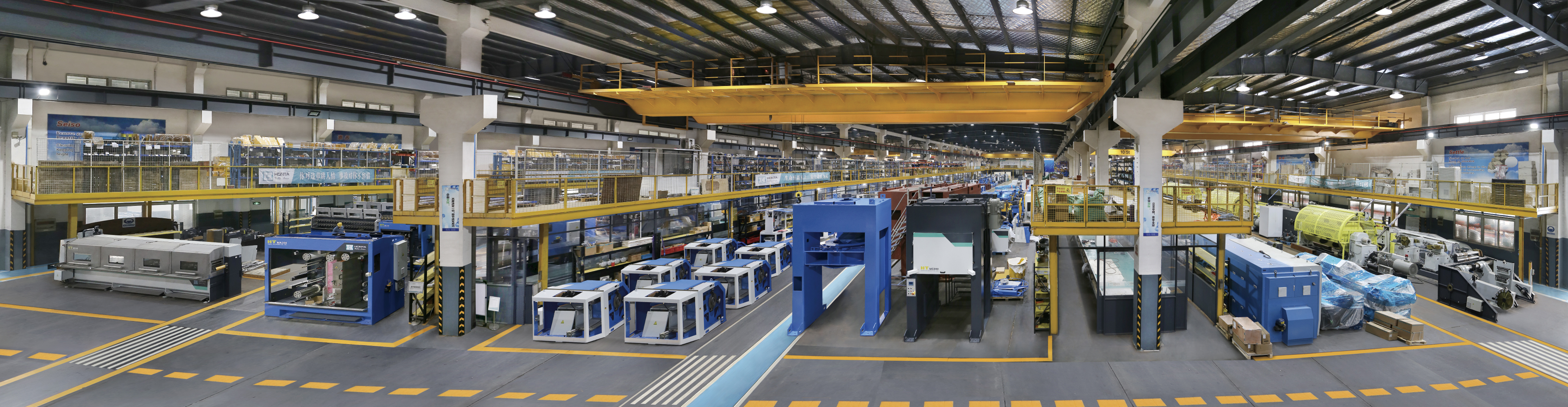
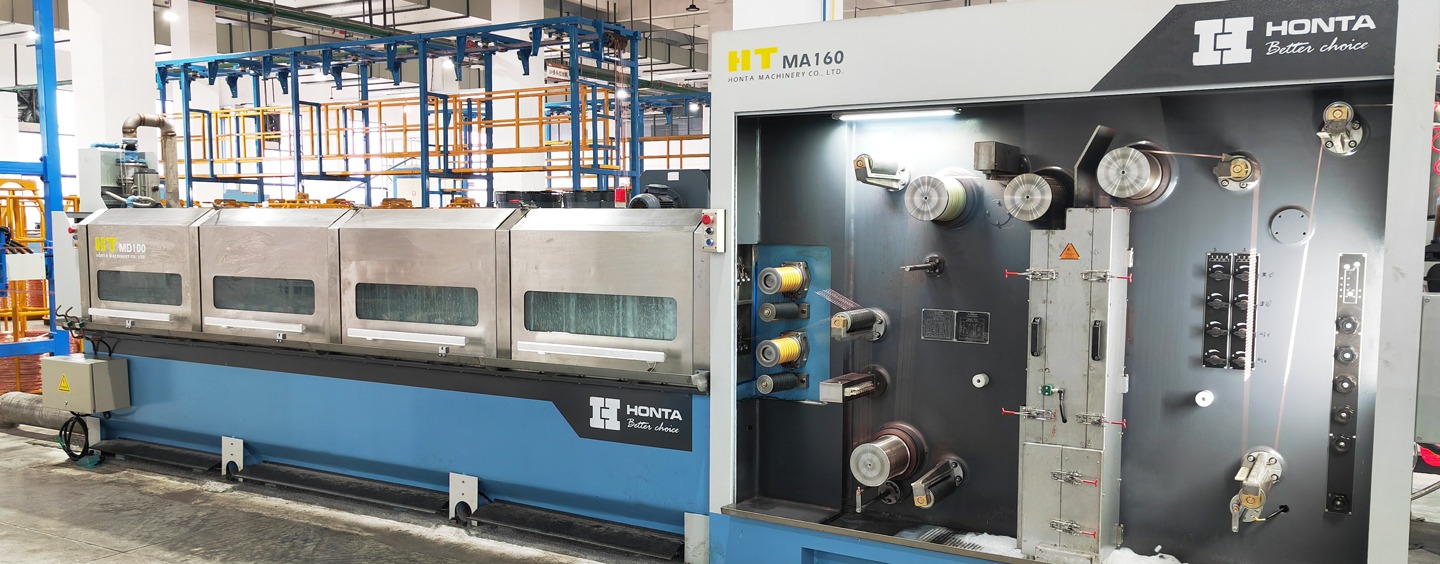
Assembly is where the as-built configuration is created. Every later document check either matches this build or exposes a gap.
Step 4: Put mandatory versus voluntary into the purchase contract
The mandatory-or-voluntary distinction cannot be settled in a brochure, because it depends on the destination and on the buyer's own obligations. The only reliable place to fix it is the purchase contract, where it becomes an enforceable list rather than an assumption.
Five clauses carry most of the protection. Name the document list explicitly, with revision, language and issuing party, so nothing is left to interpretation at dispatch. Attach delivery gates to each item, for example before release to production, before packing and with the shipping set. Assign responsibility and cost for re-issuance when the configuration changes after the certificate date. Define the remedy if a document arrives naming a different model, including who covers the delay. State that management-system certificates and commercial marks are supplementary material and are not offered as a substitute for machine-level conformity. If the buyer's bank or end customer requires third-party inspection, name the inspector, the scope and the release gate.
Step 5: Sequence document clearance ahead of the manufacturing clock
Document work has to run in front of production, not alongside shipment. A four-gate sequence fits a normal project timeline.
Gate one is the technical agreement: model, wire count, annealer arrangement, take-up arrangement, motor architecture and any ODM request. Gate two is document package review before the order is released to production, which is the last cheap moment to correct a mismatch. Gate three is the factory acceptance test and the serial-linked test record, before packing. Gate four is the final document set travelling with the shipping documents.
With HONTA's 90-day lead time, monthly capacity of 15 sets and a one-set minimum order, gate two must close at purchase order. That timing also protects the after-sales phase: HONTA provides support remotely and on site, and that support is faster when the spares list, the component model types and the as-built drawings all describe the same machine.
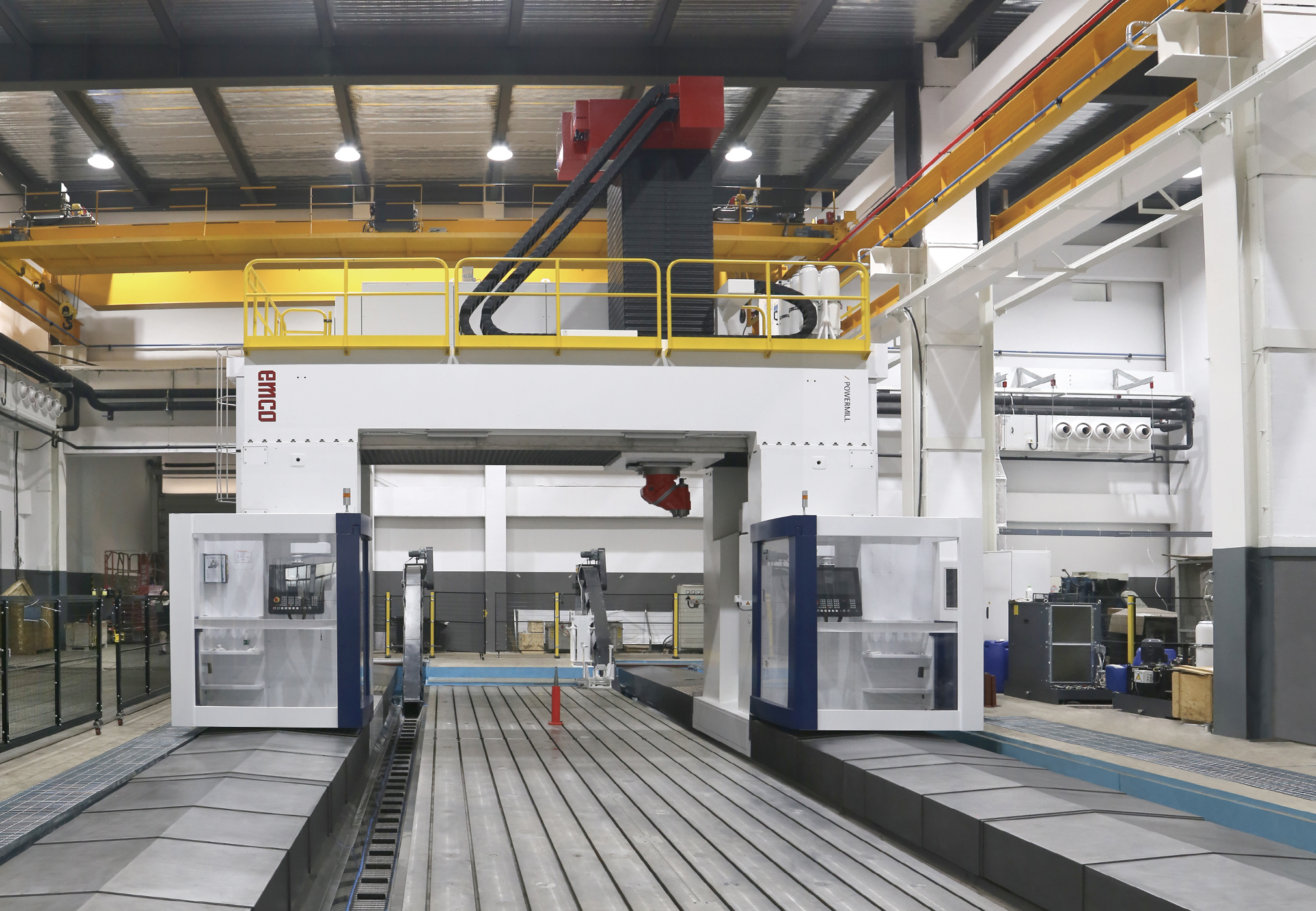
Component model types are where customisation enters the build, and where documentation most often drifts away from the delivered machine.
Illustrative scenarios: three ways the mapping goes wrong
The three situations below are hypothetical examples of the failure patterns above, not reports of specific projects. They are included because each one produces the same outcome: a machine that works and a file that does not.
1. The transferred certificate. A cable manufacturer orders a 24-wire line for a US plant while the group also operates in the Middle East. The supplier sends one conformity package describing wire drawing machines generally, which passes a first read and fails the buyer's asset-register audit because the certificate names a different model. The fix is procedural: require the model string on the certificate to match the nameplate, and require the test record to carry the same serial.
2. The requirement that arrives late. An African cable maker's end customer adds a documentation requirement after the purchase order, while the machine is already in assembly. Without a clause covering re-issuance responsibility and timing, the buyer absorbs both the delay and the negotiation. The fix is contractual: a named document list fixed at the technical agreement, with a defined route for additions.
3. The helpful local customisation. An Asian buyer asks for different component model types so that spares are available locally. The machine is delivered correctly, but the drawings supplied with it describe the standard build. The fix is a written as-built confirmation and a revised drawing set issued before packing, so that the compliance file and the maintenance file stay the same document.
Where HONTA fits: context, not proof
HONTA (Jiangsu HONTA Machinery) was founded in September 2006 and operates a 30,000 m² facility with 157 employees, 200 sets of annual output and a 30-engineer R&D team. Its main products are rod breakdown machines, multiwire drawing machines, high-speed double twist bunching machines and wire electrolytic plating lines. Around 45% of output is exported, with the USA, the Middle East, Africa and Asia listed as main markets, and HONTA INC was established in the United States in 2017 as a second production base.
On the documentation side, the verifiable machine-level entry is the CE-MD certificate M.2022.206.C74834 for wire drawing machine model HT.MD100B.16.22D.01, issued by Udem International Certification Auditing Trading Centre Industry and Trade Inc. Co., valid to 20 June 2027, against Machinery Directive 2006/42/EC and the three standards already discussed. A separately published October 2026 National Law Review article reports ISO 9001 and ISO 14001 certification and IEC 60204-1 alignment. Production claims 100% testing, ODM customisation of colour and component model types, a 90-day lead time, a one-set minimum order and monthly capacity of 15 sets.
Read this boundary carefully. None of the facts above proves that a given approval exists for a given model or a given destination. A certificate issued for HT.MD100B.16.22D.01 does not certify a 24-wire line, and an export footprint is a commercial fact, not a conformity statement. Buyers should request the model-specific document set for the machine on their purchase order, and treat every other fact as background.
Current product information and configurations are published at HONTA's official website.
Frequently asked questions
What compliance documents should come with a multiwire drawing machine?
Four groups. Machine-level conformity: a certificate naming the ordered model, the scope, the standard set and the validity dates, such as HONTA's CE-MD entry M.2022.206.C74834 against model HT.MD100B.16.22D.01 with Machinery Directive 2006/42/EC, EN ISO 12100:2010, EN 60204-1:2018 and EN ISO 13849-1:2015, valid to 20 June 2027. Factory-level: management system certificates such as the externally reported ISO 9001 and ISO 14001. Transaction-level: a test record tied to the machine serial. Commercial: catalogue and case references. Only the first and third describe the unit being delivered.
Can customisation take a machine outside its documented configuration?
It can, which is why the confirmation has to be written. HONTA's ODM scope covers colour and the model type of components and parts. Changing a component's model type changes the as-built electrical and mechanical description, so ask the supplier to state in writing whether the delivered configuration is still covered by the certificate's scope and standard list, or whether documentation will be re-issued. A colour change and a contactor change are not the same request and should not be treated as such in the contract.
Does document verification change the budget or the delivery date?
Verification itself does not change the machine price; it changes when risk is discovered. HONTA quotes a 90-day lead time on a one-set minimum order with monthly capacity of 15 sets. A mismatch found before release to production is an administrative correction. A mismatch found after dispatch holds the machine at the destination while a certificate or drawing is re-issued. Budget the review at purchase-order stage and treat re-issuance as a defined, priced responsibility rather than an open-ended favour.
What should a pre-shipment test prove?
That the unit, not the model, performs. HONTA applies 100% testing, and the buyer should receive the record tied to the machine serial together with the parameters measured. Ask to witness the run or to receive the record before packing. A reference helps as context, for example HONTA's case entry covering 2 sets in service for 3 years across sites in the USA, Poland, Portugal, Spain and Turkey and described as steadily producing to customer requirements, but a reference is operating history, not evidence about the unit being shipped.
How should document delivery be scheduled against lead time?
Work backwards from dispatch. With a 90-day lead time, the model, standard list and document language should be fixed at the technical agreement, reviewed before release to production, and matched to the final as-built configuration before packing. Shipping documents are the last gate, not the compliance work. If you need a starting point for that technical agreement, HONTA's drawing machine catalogue lists the current product range and configurations: download the catalogue.
Conclusion
Compliance mapping for a multiwire drawing machine is a sequencing discipline before it is a paperwork task. Fix the destination questions at the technical agreement, rank the documents by how tightly they bind to the delivered machine, and cross-check the certificate, the drawings and the test record against the nameplate before the machine leaves the works. A file built this way survives an import review and an internal audit; a folder assembled at shipment rarely does. The machine is the easy part — the mapping is what has to be designed.
Review the documentation package before you commit
If you are evaluating a multiwire drawing machine for a USA, Middle East, Africa or Asia project, request the model-specific document set alongside the technical proposal: certificate with model and validity dates, standard list, drawing revisions and a serial-linked test record.
CatalogueTechnical documentsConfiguration review
Have Questions or Need More Details?
Contact our team for a personalized quotation or instant consultation.
Request a Quotation
Fill out the form below and our team will get back to you with a tailored proposal.
WhatsApp Direct Chat
Prefer to chat in real-time? Message us on WhatsApp for instant assistance & quick answers.
- Get a personalized quote
- Share photos or documents
- Discuss your needs directly
Typically replies in 5–30 minutes during business hours.