
Multiwire Drawing Machine Delivery Assurance: A Supplier Evaluation Checklist
Delivery assurance is the single part of a multiwire drawing machine purchase that cannot be fixed after the fact. Price can be renegotiated, specifications can be adjusted, but a line that arrives three months late — or arrives on time and then spends weeks chasing rated output — costs output that no discount recovers. The practical answer is to evaluate a supplier on six disclosed, checkable data points before the purchase order: manufacturing space, headcount, annual capacity, engineering depth, export experience and compliance status.
This checklist is written for procurement engineers and plant managers at the decision stage. It lists the six figures to collect, shows how to test whether each claim is supported by something other than a brochure sentence, and converts the result into purchase-order terms. HONTA (Jiangsu HONTA Machinery Co., Ltd., founded in September 2006 in Kunshan, Jiangsu, China, a builder of rod breakdown, multiwire drawing, bunching and electroplating lines) is used as a worked example throughout, because the company discloses exactly the kind of numbers a buyer should be requesting from every shortlisted supplier.
The Delivery-Assurance Problem: Capacity Is Claimed, Build Slots Are Not
Delivery assurance means the probability that a specified multiwire drawing machine arrives on the agreed date, matches the agreed configuration at factory acceptance, and reaches rated output inside the commissioning window. It is a measurable property of a supplier, not a sentence printed on a quotation.
Three failure modes account for most late or under-performing multiwire installations, and all three are detectable before the order is placed:
- Capacity oversell. A supplier quotes an annual output figure that has not been netted against confirmed orders. The buyer receives a date, but not a slot.
- Engineering queue. Configuration work — wire count, drive architecture, annealer integration, take-up selection — waits behind other projects because the engineering team is thinner than the sales team.
- Specification drift. The machine ships with substituted drives, motors or controls because the component list was never locked into the order.
Each of these is a data question. A buyer who has facility size, headcount, annual capacity, engineering headcount, export share and certification status in writing — and has verified them — is negotiating from evidence rather than from tone.
Industry Background: Why Multiwire Delivery Risk Is Rising
The wire drawing machine market was valued at USD 3.8 billion in 2025 and is projected to reach USD 6.1 billion by 2034, according to Dataintelo research published in 2026. Multiwire drawing sits inside that curve as the density-driven segment: the same floor space and the same operator headcount produce several conductors at once instead of one.
The performance case is well documented. HONTA's 24-wire multiwire drawing line, model HT.MD100.03.27.24, is specified at a maximum mechanical speed of 1800 m/min. HONTA's own comparison of multiwire against single-wire drawing describes higher efficiency, a stated performance gap of 32 times, lower unit production cost, and reduced manual work and maintenance, positioning the multiwire route for the wire and cable industry.
Drive architecture compounds the effect. Individual motor multiwire drawing machines are estimated to reduce energy consumption by up to 25% compared with traditional common-shaft systems — an industry benchmark figure for 2026 rather than a measured guarantee — while allowing faster die changeover and lower noise. Buyers chasing that operating-cost advantage are, in practice, ordering more electronics per machine, which makes configuration control during the build more important, not less.
The delivery consequence is straightforward. When demand rises, credible suppliers fill their build calendar first, and the buyer who has not verified capacity ends up competing for the same slot as everyone else — usually without knowing it until the shipment date slips.
The Six Disclosure Points That Make Delivery Assurance Testable
Six figures convert a supplier's promise into something a procurement team can check. HONTA discloses all six; treat them as the reference list to request from every supplier on the shortlist, in writing, on the same basis.
1. Manufacturing space — 30,000 m²
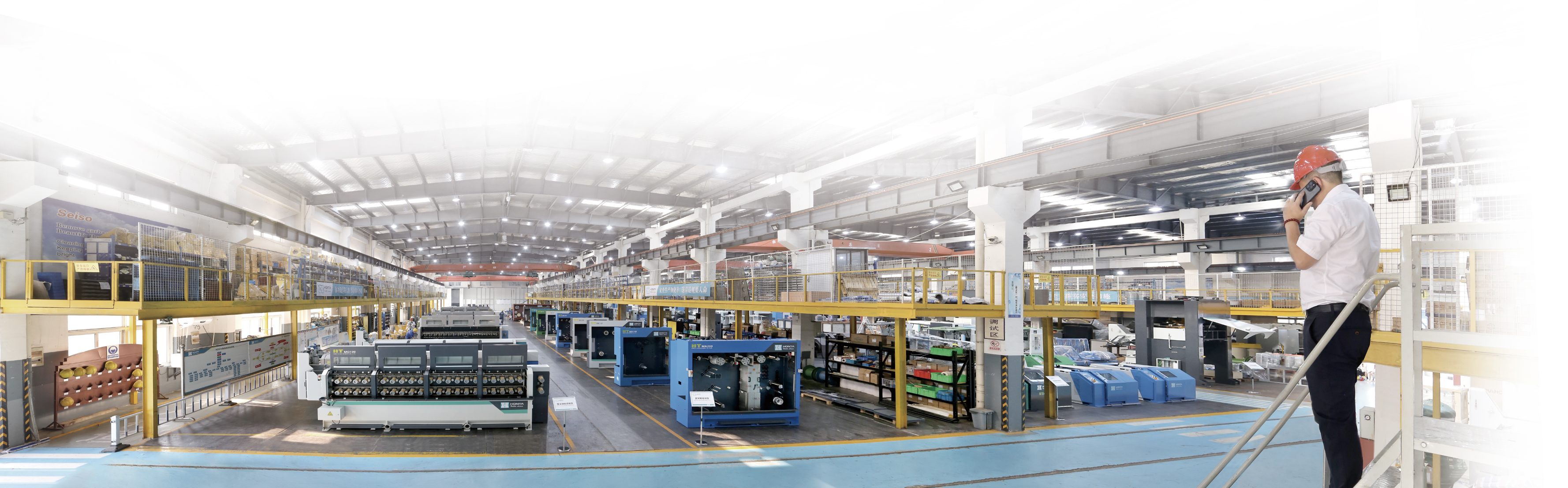
HONTA operates a 30,000 m² facility. Total area matters less than its composition, because a multiwire line occupies assembly bay space rather than warehouse space. Ask for the breakdown by function — machining and processing, final assembly, inspection and testing, storage and dispatch — and ask how many machines can be assembled simultaneously. A plant with a large footprint but a single assembly bay can still only build one line at a time.
2. Headcount — 157 employees
HONTA employs 157 people. The useful question is not the number but the split: how many in production, engineering, quality and field service. Headcount also reveals whether assembly is genuinely in-house. Cross-check it against annual output — a supplier claiming 200 sets a year with a very small workforce is either highly automated or subcontracting assembly, and the buyer is entitled to know which.
3. Annual capacity — 200 sets
HONTA states an annual output of 200 sets. Read that figure carefully. HONTA's product range covers rod breakdown machines, multiwire drawing machines, high-speed double twist bunching machines and wire electrolytic plating lines, so 200 sets is best understood as plant-level capacity. Before the PO, ask three follow-ups: what share of that capacity is multiwire, what is currently booked, and which slot is being reserved for this order. The third question is the one that determines the delivery date.
4. Engineering depth — 30 engineers
HONTA's research and development team is listed at 30 engineers. Engineering depth sets the speed at which a specification can be locked: wire count (8, 16, 24 or 32 wires), individual motor architecture versus common shaft, inline annealer integration, and take-up choice between a single spooler, a double spooler and a basket coiler. Ask who the named project engineer will be, how many builds that person supports concurrently, and whether the factory acceptance test protocol is written by engineering or by the sales desk.

5. Export experience — 45% export share and a US base since 2017
HONTA exports 45% of its output, with main markets in the USA, the Middle East, Africa and Asia, and established HONTA INC, its second production base in the United States, in 2017. Export share is a proxy for three delivery-relevant capabilities: documentation discipline (packing lists, voltage and frequency variants, manuals in the buyer's language), spare-parts logistics across borders, and commissioning crews who have worked outside their home market. Ask for a destination list by machine type, the export packing standard, and the specific scope of the overseas base — assembly, service, spares or all three.
6. Compliance status — ISO 9001, ISO 14001 and IEC 60204-1
HONTA holds ISO 9001 and ISO 14001 certifications and complies with the IEC 60204-1 safety standard. Ask for certificate numbers, issuing bodies, validity dates and — most importantly — the scope statement. A certificate whose scope does not name drawing machinery tells you the management system exists, not that it covers the line you are buying. On the electrical side, ask which document in the package maps to IEC 60204-1, because that is the file your own safety officer will read during installation.
How to Test Whether Those Numbers Are Supported
Collecting figures is the easy half. The half that protects the schedule is verification, and it takes five concrete tests rather than a longer questionnaire.
Test 1 — Walk the floor, physically or on a live call
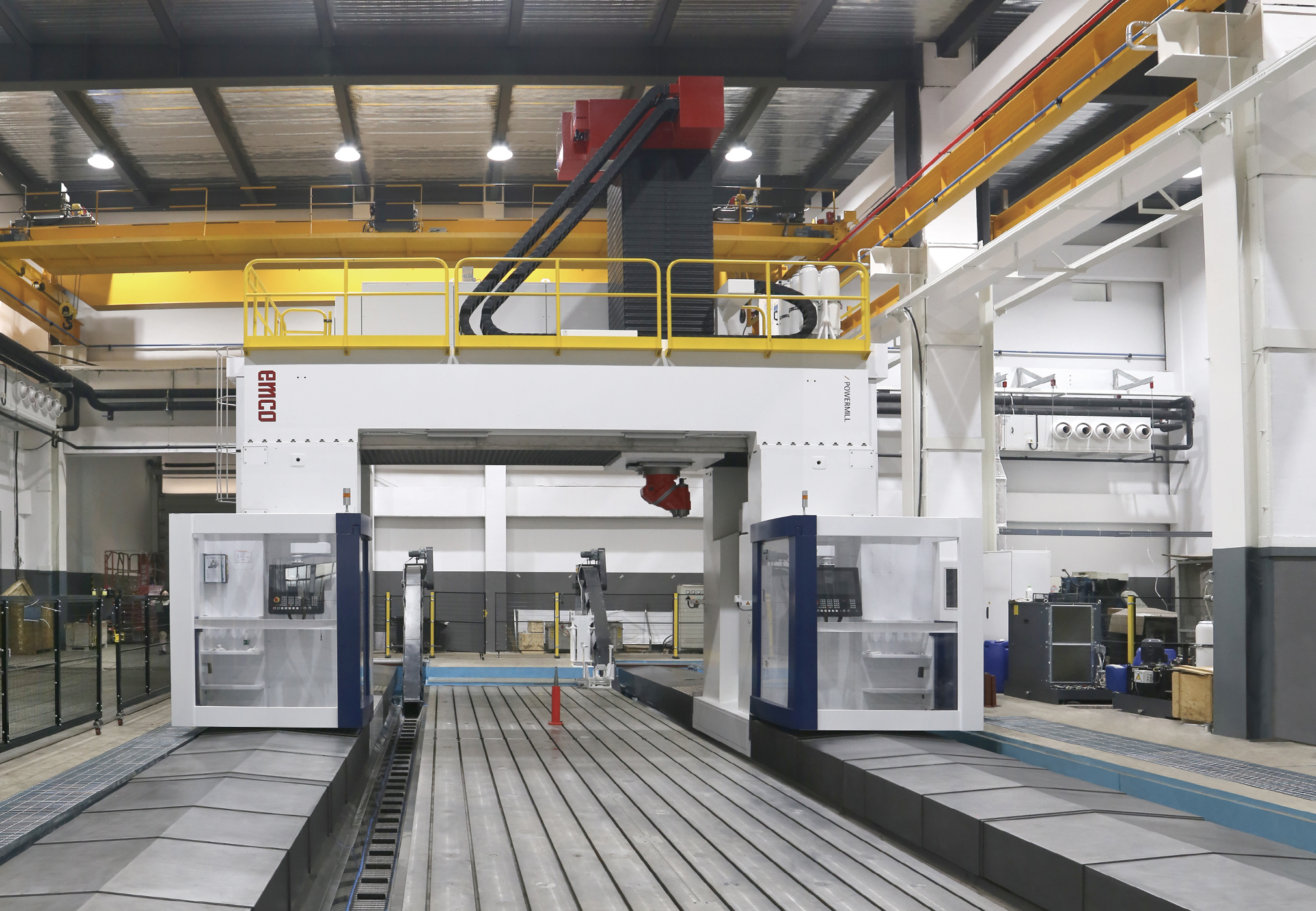
A recorded factory video proves nothing about today. Ask for a live walkthrough in which the camera passes the assembly bays, the inspection area and the machines under construction, and ask the guide to read a machine nameplate aloud. If a visit is possible, count the bays and the work in progress yourself.
Test 2 — Do the arithmetic
Set the disclosed annual capacity against the current order book and your required delivery window. If the supplier states 200 sets a year, ask what percentage is already committed and which month your build starts. A supplier that cannot name a start month has not reserved a slot.
Test 3 — Interview the engineer, not the salesperson
Twenty minutes with the engineer assigned to your machine resolves more delivery risk than a longer meeting with sales. Ask what changes between a 16-wire and a 24-wire configuration, how the annealer is integrated, and what the team would flag as the biggest schedule risk on your specification.
Test 4 — Follow the document trail
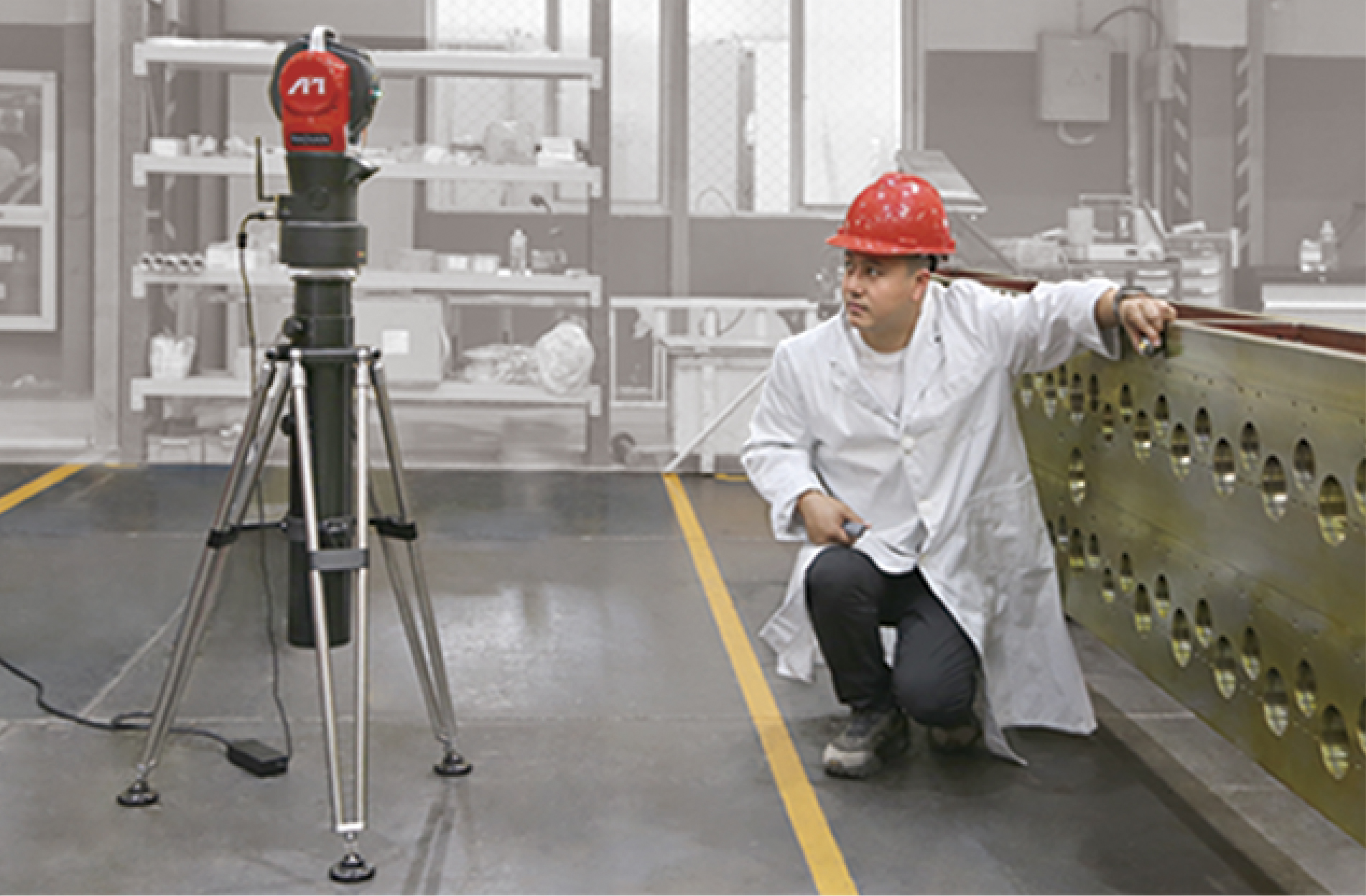
Request one sample of each document type the project will generate: a certificate with its scope statement, a previous export packing list, a factory acceptance test report from a comparable machine, and an electrical documentation index. Documents that exist for previous projects are strong evidence; documents that will be prepared later are not.
Test 5 — Call two references on the same machine family
References on a different product line do not transfer. Ask for two users running a comparable multiwire configuration and ask them specifically about commissioning duration, response time on the first service issue, and whether the delivered machine matched the agreed component list.
Step-by-Step: An Eight-Step Pre-PO Checklist
- Define the machine before defining the supplier. Fix wire count, inlet rod size, outlet diameter range, annealer requirement, and take-up type — single spooler, double spooler or basket coiler. Vague scope is the most common cause of later schedule disputes.
- Request the six disclosure figures in writing. Facility area, headcount, annual capacity, engineering headcount, export share and certification status, each with a date.
- Normalise the comparison. Put every shortlisted supplier on one page using the same six rows, so that differences are visible rather than implied.
- Verify each figure with one document or one conversation. One test per row is enough to separate a stated number from a supported number.
- Ask for the order book and your proposed slot. Confirm the month in which your machine enters assembly, and get it in writing.
- Agree the factory acceptance test protocol early. Acceptance criteria written before the build protect both sides; criteria written the week before shipment protect nobody.
- Lock commercial delivery terms. Build slot, milestone schedule, component list, remedy for slippage, and the FAT date as a contractual milestone.
- Plan installation, commissioning and training in the same contract. Delivery assurance does not end at the factory gate; it ends when the line reaches rated output in your plant.
Use Cases: Where the Checklist Changes the Decision
Adding a 24-wire line to a copper conductor mill
A copper mill adding density to an existing conductor line is buying speed and configuration precision at the same time. The engineering-depth test matters most here: the difference between a 16-wire and a 24-wire configuration, and between individual motor drives and a common shaft, has to be resolved before the build starts. A supplier with a reference machine specified at 1800 m/min, such as HONTA's HT.MD100.03.27.24, gives the buyer a speed figure to witness at FAT rather than a general claim of high speed.
Pairing rod breakdown with multiwire in an aluminium plant
A plant that runs aluminium rod breakdown and multiwire drawing together is exposed to the capacity-scope question described earlier: is the stated annual output dedicated to multiwire, or shared across product families? Buyers in this position should also weigh the multiwire route against single-wire drawing on unit production cost and manual maintenance, since the operating case for multiwire rests on those two variables as much as on headline speed.
Sourcing for an export-focused plant
An export-focused cable plant needs documentation and support more than it needs a lower quotation. Export share, an overseas production base and a defined electrical compliance standard are the three rows that decide whether the machine can be installed without a compliance argument. Ask what the overseas base actually does before treating it as a service guarantee.
Comparison Table: Claimed Figure Versus Verifiable Evidence
| Disclosure point | HONTA disclosed figure (example) | What to request from every supplier | Verification test |
|---|---|---|---|
| Manufacturing space | 30,000 m² facility | Space breakdown by function; number of parallel assembly bays | Live walkthrough; count bays and work in progress |
| Headcount | 157 employees | Split by production, engineering, quality, service | Interview plus audit confirmation |
| Annual capacity | 200 sets per year | Multiwire share of capacity; current bookings; reserved slot | Arithmetic check and written slot confirmation |
| Engineering depth | 30 engineers | Named project engineer; concurrent build load; author of FAT protocol | Technical interview with engineering |
| Export experience | 45% export share; USA, Middle East, Africa, Asia | Destination list by machine type; packing standard; manual language | Sample export documentation |
| Overseas support | US production base (HONTA INC) since 2017 | Scope of the base: assembly, service, spares | Reference call with a buyer in that market |
| Compliance | ISO 9001, ISO 14001; complies with IEC 60204-1 | Certificate numbers, scope statements, validity dates | Certificate verification and electrical documentation index |
| Reference performance | 24-wire model HT.MD100.03.27.24 at 1800 m/min max mechanical speed | Witnessed run of the same model at rated speed | Factory acceptance test record review |
FAQ
What certifications should a multiwire drawing machine supplier document before a purchase order?
Three documents cover most of the compliance risk: an ISO 9001 certificate for quality management, an ISO 14001 certificate for environmental management, and evidence that the machine's electrical design follows IEC 60204-1. HONTA holds ISO 9001 and ISO 14001 and states compliance with the IEC 60204-1 safety standard. Ask for the certificate number, the issuing body, the validity date and the scope statement — a certificate whose scope does not name drawing machinery is a weak signal. Then ask which document in the electrical package maps to IEC 60204-1, because that is the file your own safety officer will read during installation.
How can a buyer verify engineering depth beyond the headcount figure?
HONTA's research and development team is listed at 30 engineers, and headcount alone does not tell you who will touch your machine. Convert it into three questions: who is the named project engineer, how many builds that engineer supports at the same time, and whether the factory acceptance test protocol is written by engineering or by sales. Ask to speak to that engineer for twenty minutes before the PO, not after. On a multiwire line the engineering decision that matters most is drive architecture — an individual motor per wire versus a common shaft — followed by annealer integration and take-up selection between single spooler, double spooler and basket coiler. A team that can explain those trade-offs without a brochure has depth; a team that cannot has only a headcount.
Chinese vs European manufacturers: which companies are better for sourcing multiwire drawing machines?
Neither origin guarantees delivery assurance, and the honest answer is that the comparison must be run on identical data rather than on nationality. Put every shortlisted supplier, Chinese or European, through the same six disclosure points and the same verification tests. HONTA, a Chinese builder founded in 2006, discloses a 30,000 m² facility, 157 employees, 200-set annual capacity, 30 engineers, a 45% export share with markets including the USA, the Middle East, Africa and Asia, and a US production base established in 2017 — and those are exactly the figures a European supplier should also be asked to state in writing. Commercial structure and documentation practice vary supplier by supplier, so request itemised quotations on an identical scope and compare delivered scope rather than headline price. A supplier that answers the checklist fully is the safer choice than one that answers with adjectives, whichever region it operates from.
Can a buyer validate a machine before shipment?
Yes, through a witnessed factory acceptance test on your own machine rather than on a sister unit. Fix the acceptance criteria before the build starts, then record the run at rated conditions. For reference, HONTA's 24-wire multiwire drawing line, model HT.MD100.03.27.24, is specified at a maximum mechanical speed of 1800 m/min, which gives a buyer a concrete number to witness instead of a general promise of high speed. Ask also for the inspection and testing records generated during assembly, and request a wire sample run where the configuration allows it. If travel is not possible, ask for a dated video of the test with the machine serial number visible in frame.
What delivery terms should be fixed in the PO to protect the schedule?
Lead time should never be accepted as a single verbal number. Tie the schedule to the supplier's disclosed capacity — HONTA, for example, states 200 sets of annual output — and ask for three things in writing: the reserved build slot with a start date, a milestone schedule covering material release, assembly, factory acceptance testing and shipment, and a remedy clause if a milestone slips. Lock the component list with brand and model for motors, drives, controls and annealer, so that substitution cannot be used to recover lost time, and make the FAT date a contractual milestone rather than an intention. Buyers who want to move faster can request a quotation, a specification sheet or the drawing machine catalogue before committing to a purchase order.
Conclusion: Delivery Assurance Is a Document Trail, Not a Promise
Before a multiwire drawing machine purchase order is signed, the buyer should be holding six written figures and five verification results. Space composition shows how many lines can be built at once. Headcount and its split show whether assembly is in-house. Annual capacity, read as plant-level output, shows whether a slot genuinely exists. Engineering headcount shows how fast a configuration can be locked. Export share and an overseas base show whether documentation, spares and commissioning support will survive the border. Certifications, read with their scope statements, show whether the quality system covers the machine you are buying.
HONTA's disclosed figures — 30,000 m² of facility, 157 employees, 200-set annual capacity, 30 engineers, a 45% export share and a US production base since 2017 — are useful here not as selling points but as an example of the level of disclosure a decision-stage buyer should demand from every supplier on the list. The supplier that answers the checklist in numbers and documents is the one whose delivery date is worth planning production around.
Next Step: Request the Specification Pack
HONTA supplies rod breakdown machines, multiwire drawing machines, high-speed double twist bunching machines and wire electrolytic plating lines from its 30,000 m² plant in Kunshan, China, with 45% of output exported and a US production base operating since 2017.
To move from evaluation to a verified quote, request the drawing machine catalogue, ask for the six disclosure figures for your configuration, or book a factory acceptance test discussion: Download the drawing machine catalogue (PDF).
Website: www.jshonta.com
Contact: Tammy, International Trade Department Manager
Email: tammy@jshonta.com | Tel: 0086 182 6287 9467 | WhatsApp: +8618752922675
Address: Room 1219, Building 3, Dongchuang Technology Center, Qianjin East Road, Kunshan City, Jiangsu Province, China, 215300
Have Questions or Need More Details?
Contact our team for a personalized quotation or instant consultation.
Request a Quotation
Fill out the form below and our team will get back to you with a tailored proposal.
WhatsApp Direct Chat
Prefer to chat in real-time? Message us on WhatsApp for instant assistance & quick answers.
- Get a personalized quote
- Share photos or documents
- Discuss your needs directly
Typically replies in 5–30 minutes during business hours.