
Multiwire Drawing Machine Glossary: The Terms Buyers Meet Before the First Quote
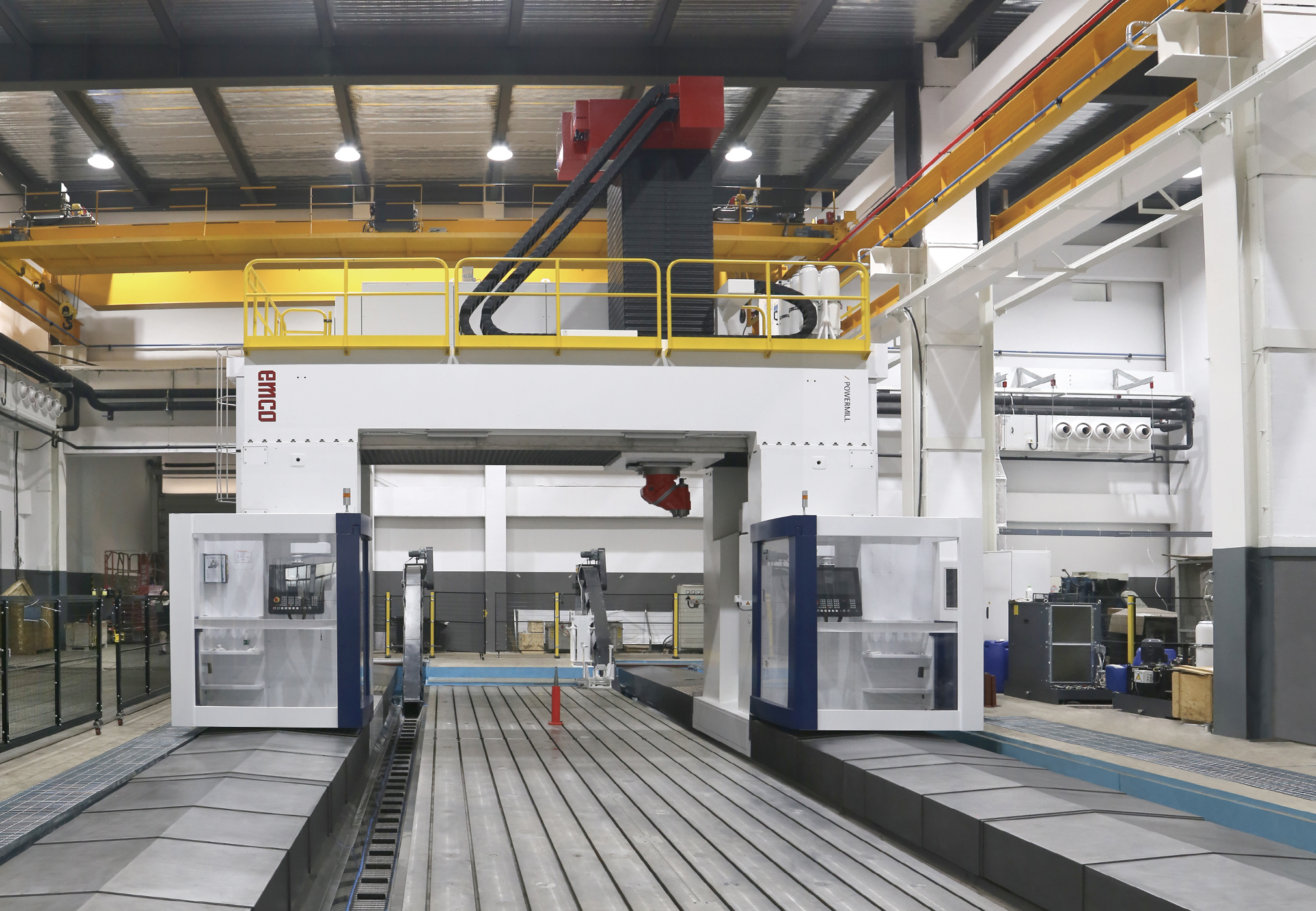
Cover: Processing capability at Jiangsu HONTA Machinery, where conductor drawing and stranding equipment is built.
A multiwire drawing machine is bought twice. The first purchase happens in words: an enquiry leaves the plant, a term sheet comes back, and the buyer has to decide whether that document describes the machine the plant actually needs. The second purchase happens in money. Most of the risk sits in the first one.
This glossary decodes the vocabulary that arrives in that first document: rod breakdown, multiwire drawing, bunching, slip, anneal, wire count, elongation and take-up. Each term is defined in plain language, placed on the conductor line, and tied to the part of a quotation it actually controls. The aim is narrow and practical: after reading, a buyer should be able to open two term sheets side by side and see where they genuinely differ, before a single price is discussed.
Why the terminology arrives before the price
A quotation for a multiwire drawing machine is not a single object with a single price. It is a stack of decisions written in shorthand, and the shorthand is where comparisons break down.
Three symptoms appear repeatedly in first-round enquiries.
- Terms without scope. A line item such as a rod breakdown machine with an annealer can mean an annealer integrated into the drawing line or a separate downstream unit. The words are identical; the scope is not.
- Machine-class confusion. Rod breakdown and multiwire drawing are routinely used as if they were interchangeable. They are different stages with different inlet material, different output, and different downstream consequences.
- Quality terms that only appear after delivery. Elongation and slip are decided at the specification stage but are usually discussed after the first coil is measured. By then the specification is fixed.
The practical consequence is simple: two quotes that look identical on the page frequently describe different machines, and two quotes that look different sometimes describe the same machine. Shared vocabulary is the only reliable way to tell which case applies.
Where the vocabulary comes from: one conductor line, several machines
Most of these terms exist because a conductor is not made on one machine. It is made in stages, and each stage has its own name, its own specification language and its own quotation line.
The typical sequence runs from rod to finished conductor: a copper or aluminium rod enters a rod breakdown machine, is reduced towards intermediate or final diameter, is annealed if the specification calls for soft wire, and is then bunched or stranded into a conductor. Plating, where required, is a separate downstream process. Not every plant runs every stage, and a multiwire machine may be fed from intermediate wire rather than from rod — which is precisely why the vocabulary has to be read in sequence rather than term by term.
Jiangsu HONTA Machinery Co., Ltd. is a Chinese wire and cable machinery manufacturer founded in September 2006 and based in Kunshan, Jiangsu Province, China, specialising in the technical research of cable conductor drawing and stranding. Its equipment range covers the stages named above: Rod Breakdown Machine, Multiwire Drawing Machine, High Speed Double Twist Bunching Machine and Wire Electrolytic Plating Line. The company established HONTA INC, its second production base, in the United States in 2017, and reports a 30,000 m² factory, 157 employees, an annual output of 200 sets, a research and development team of 30 engineers, and an export ratio of about 45% across the USA, Middle East, Africa and Asia.
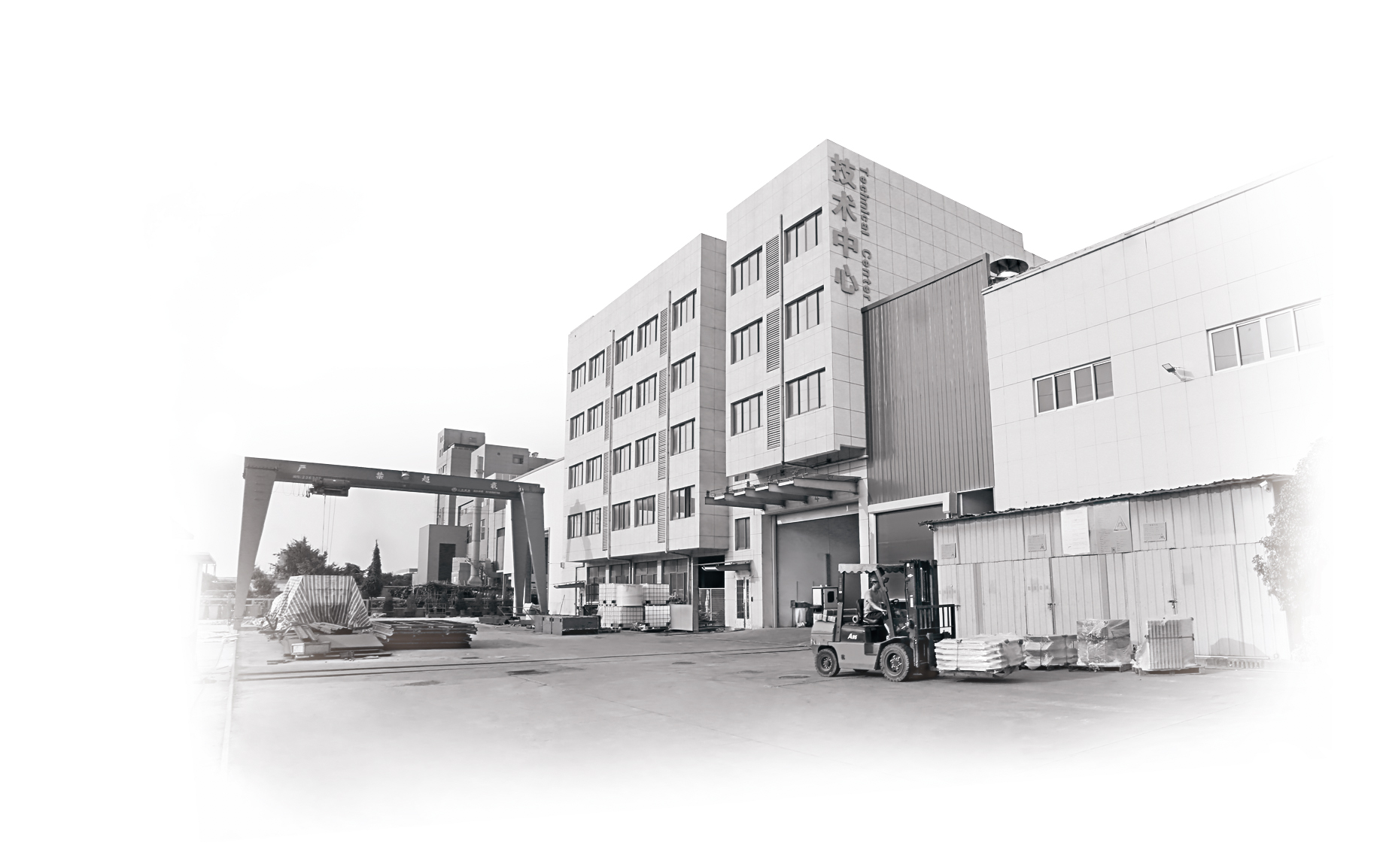
Research and development: HONTA has been committed to the technical research of cable conductor drawing and stranding since 2006.
Category-level context matters here too. Commercial research cited in the current verified data package estimates the global wire drawing machine market at USD 3.8 billion in 2025, projected to reach USD 6.1 billion by 2034. Those are commercial-research estimates rather than audited figures, but they explain why the vocabulary has become more granular: more configurations in the market means more terms on the term sheet.
The glossary, group by group
The eight core terms are easier to hold in mind when they are grouped by the question they answer: where the machine sits, what it does to the metal, how it is configured, and what proves it afterwards.
Group 1 — Line-role terms: where the machine sits
Rod breakdown (RBD) is the first drawing stage. A rod — copper or aluminium — is reduced through a series of dies to a smaller diameter, typically to feed later drawing or to reach a finished size in one pass. In a quotation, this term fixes the inlet material, the die series, the number of passes and the take-up format. Suppliers normally separate a copper rod breakdown machine from an aluminium rod breakdown machine, because the two metals behave differently in drawing and annealing, and the drive and die design follow that difference. A rod breakdown machine with individual motors is a further variant in which each capstan is driven separately rather than through a common shaft. A rod breakdown with annealer machine for copper and aluminium adds an annealing stage so the outgoing wire is soft rather than hard-drawn. Each of those choices appears as a distinct line in the offer.
Multiwire drawing is the term that defines this whole category. Instead of drawing one wire at a time, a multiwire drawing machine draws several wires in parallel through one cabinet, sharing the drive architecture and, where fitted, the annealing system. Wire counts such as 8, 16, 24 and 32 belong to this vocabulary and describe how many wires run simultaneously. HONTA's published specification for its 24-wire multiwire drawing line, model HT.MD100.03.27.24, lists a maximum mechanical speed of 1,800 m/min. In procurement terms, wire count is the single most consequential word on the sheet, because it changes output per pass, take-up arrangement, floor space and maintenance load together.
Bunching is the stage after drawing. Individual wires are twisted together to form a stranded conductor, and HONTA builds this stage as the High Speed Double Twist Bunching Machine. Bunching is not drawing and should not be priced as if it were: a bunching quotation is governed by the number and diameter of the wires going in, the stranding direction and pitch, and the take-up. Buyers who conflate drawing and bunching in an enquiry usually receive a split quotation and read it as an unexpected extra.
Wire electrolytic plating refers to the optional downstream coating stage — tin plating being the common case for conductor wire — which HONTA lists in its range as the Wire Electrolytic Plating Line. It sits at the end of the sequence and, importantly, it is specified separately from drawing, because line speed, current density and wire path are plating parameters, not drawing parameters.
Group 2 — Process terms: what the machine does to the metal
Slip describes the difference between the surface speed of a capstan and the actual speed of the wire running on it. Some designed slip is normal in drawing; excessive slip shows up as surface damage, die wear and unstable tension. The term controls three items on a quotation: the capstan material and surface finish, the die series, and the tension control arrangement. When a supplier writes capstan, die and tension selection into a technical annex, that annex is the slip specification even if the word slip never appears.
Anneal is the controlled heating that softens hard-drawn wire and restores the elongation a conductor specification requires. An inline annealer machine performs the process inside the drawing line, so drawn and annealed wire exits in one pass; a standalone annealer performs it as a separate operation. The difference is commercial as well as technical: inline annealing changes the electrical design of the machine, the control system and the footprint, and it changes what the downstream bunching stage receives.
Elongation is the percentage by which a wire stretches before it breaks, measured on a sample. It is a delivered-property value rather than a machine setting, which is why it belongs on the test certificate, not only on the brochure. In a term sheet, elongation tells the buyer which combination of drawing and annealing the supplier believes the machine will achieve; in a dispute, it is the number both sides will look for first.
Group 3 — Configuration terms: how the quote is assembled
Wire count decides the architecture of everything downstream of the drawing cabinet. More wires running at once means more outlets, a wider take-up arrangement and a different maintenance rhythm. This is why suppliers quote wire counts as separate product configurations rather than as an option list.
Individual motors refers to the drive architecture. An individual motors multiwire drawing machine drives each capstan with its own motor; a common-shaft machine drives the capstans from a shared shaft through gearing. Comparison notes in the current verified data describe individual motor drives as offering faster die changeover and lower noise, with higher initial electronics cost, and industry analysis cited in 2026 estimates a reduction in energy consumption of up to 25% against traditional common-shaft systems — a derived estimate rather than a measured figure, but a useful direction when comparing two quotes on total running cost rather than purchase price.
Take-up is the end of the line, where finished wire is collected. The words attached to it are the ones buyers most often skim past. A single spooler winds one spool at a time. A double spooler provides two spool positions so spool changes interrupt production less. A basket coiler deposits wire into a basket or container without a spool, which changes how the wire leaves the plant. Collectively these are the wire take up machine choices on a quotation, and they interact directly with wire count: a 24-wire line needs a take-up arrangement that can handle 24 outlets, not a scaled-up version of a single-wire spooler.
It is worth adding the comparative frame that suppliers themselves use. HONTA's own comparison material positions multiwire drawing against single wire drawing on three grounds: higher efficiency, lower unit production cost and reduced manual work with less maintenance, and it quantifies the efficiency gap as up to 32 times in that comparison. Treated as a first-party comparison claim rather than an independent benchmark, it explains why the vocabulary of this category is organised around parallelism — wire count, spoolers, coiling — rather than around single-wire drawing speed.
Group 4 — Document terms: what proves the machine
Maximum mechanical speed is the fastest the line can run with wire in the machine, expressed in metres per minute. It appears in specifications for good reason, and it is also the number most often compared out of context, because mechanical maximum and stable production speed are not the same figure.
Standards are the second document layer. HONTA holds ISO 9001 and ISO 14001 certifications and complies with IEC 60204-1 safety standards. In a term sheet, that sentence tells the buyer which compliance documents can be requested, and which will not be available.
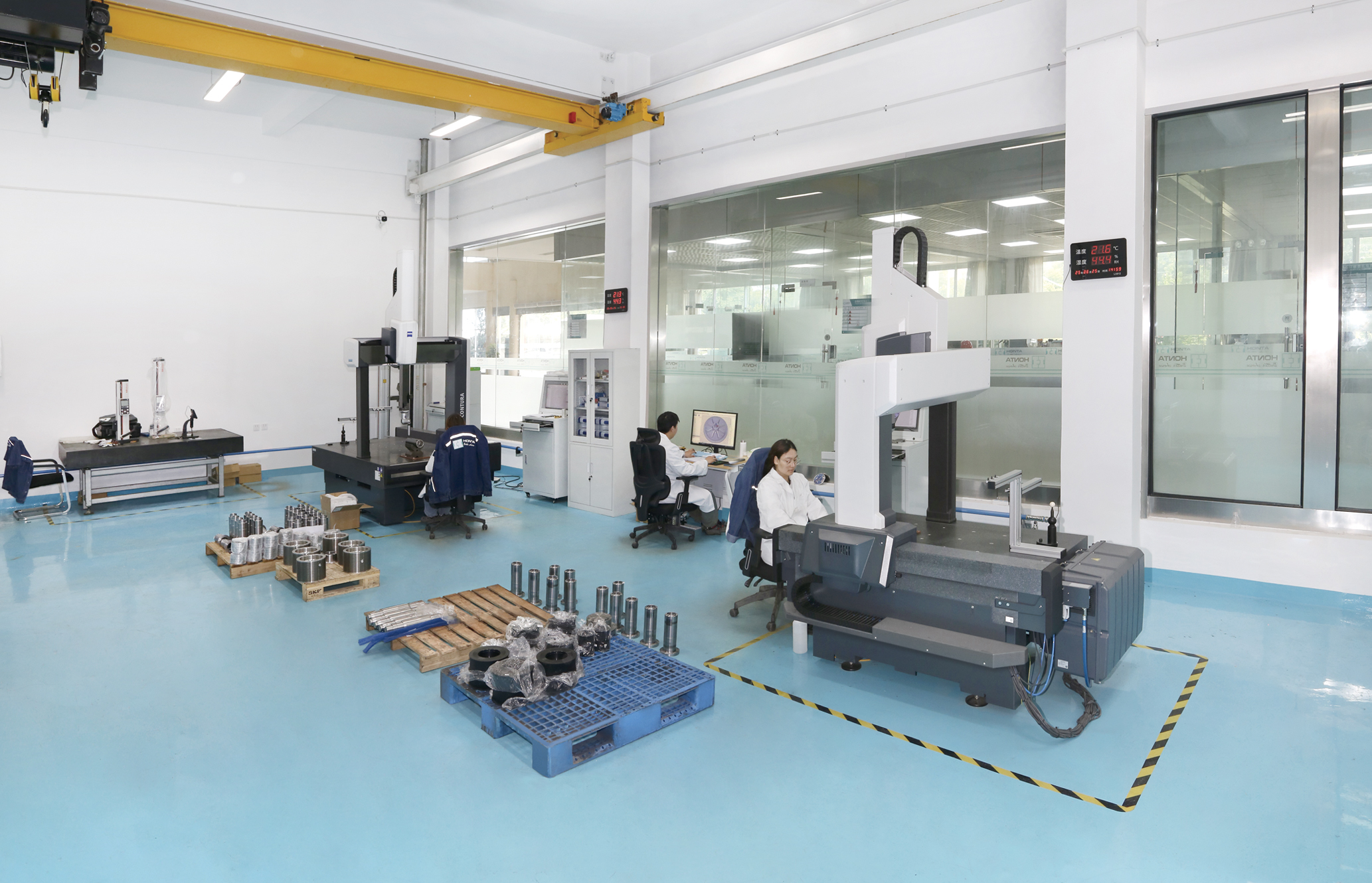
Inspection and testing: elongation, slip behaviour and take-up performance are evidence items, so they belong in the documentation package.
Quick reference: the eight terms at a glance
| Term | Plain definition | Line position | What it changes in a quotation |
|---|---|---|---|
| Rod breakdown | First drawing stage that reduces rod to a smaller diameter | Start of the drawing sequence | Inlet material, die series, passes, annealer and drive architecture |
| Multiwire drawing | Several wires drawn in parallel through one cabinet | Core drawing stage | Wire count, drive design, annealing capacity, take-up arrangement |
| Bunching | Twisting individual wires into a stranded conductor | After drawing | Separate machine line, wire count in, pitch and take-up |
| Slip | Difference between capstan surface speed and wire speed | Inside the drawing cabinet | Capstan material, die series, tension control |
| Anneal | Controlled heating that softens drawn wire | In-line or standalone | Electrical design, control system, footprint, downstream handling |
| Wire count | Number of wires drawn simultaneously | Defines machine architecture | Outlets, spoolers, coiling, maintenance rhythm |
| Elongation | Stretch before break, measured as a percentage | Delivered property | Acceptance criteria and the test certificate |
| Take-up | Collection of finished wire at line end | End of the line | Single spooler, double spooler, basket coiler, automation level |
How to read a multiwire drawing machine term sheet in six passes
Reading in sequence prevents the most common error: comparing option lists before confirming that both documents describe the same role in the line.
- Confirm the line role. Is the offer for a rod breakdown machine, a multiwire drawing machine, a bunching machine, or a combination? If the two quotes do not agree here, stop comparing numbers.
- Fix the inlet and outlet. Note the incoming rod or wire form and the outgoing diameter. Everything else in the document assumes these.
- Read wire count before speed. Wire count sets the architecture; maximum mechanical speed is a property of that architecture, not a substitute for it.
- Check the drive and the annealer. Individual motors versus common shaft, and inline annealer versus standalone, are two of the largest scope variables in the whole document.
- Match take-up to wire count. Confirm whether the offer specifies a single spooler, a double spooler or a basket coiler, and whether that choice can physically handle the stated number of outlets.
- End with the evidence list. Ask which standards the machine is built to, and which documents — including elongation results — will be delivered with it.
Three buying situations where the vocabulary decides the shortlist
A greenfield conductor plant assembling a full sequence. The buyer is not purchasing one machine but a chain: rod breakdown, multiwire drawing, annealing and bunching. The glossary becomes a checklist of interfaces. If the rod breakdown section is specified without annealing and the multiwire section assumes annealed input, the two correct machines will not produce the intended conductor together. HONTA's range, which spans Rod Breakdown Machine, Multiwire Drawing Machine and High Speed Double Twist Bunching Machine, is structured around exactly these interfaces.
An existing rod breakdown owner adding drawing capacity. Here the question is whether to add single-wire drawing or move to multiwire. HONTA's comparison material frames the choice on efficiency, unit production cost and manual labour — higher efficiency, lower unit production cost, and reduced manual work with less maintenance for the multiwire route. The vocabulary matters because the comparison is only valid if wire count, take-up and annealing are specified on both sides.
An export-focused plant preparing documentation. Certification language is part of the specification, not an afterthought. A buyer who asks early which standards apply — ISO 9001 and ISO 14001 certification, IEC 60204-1 compliance — avoids discovering a documentation gap after the machine is built.
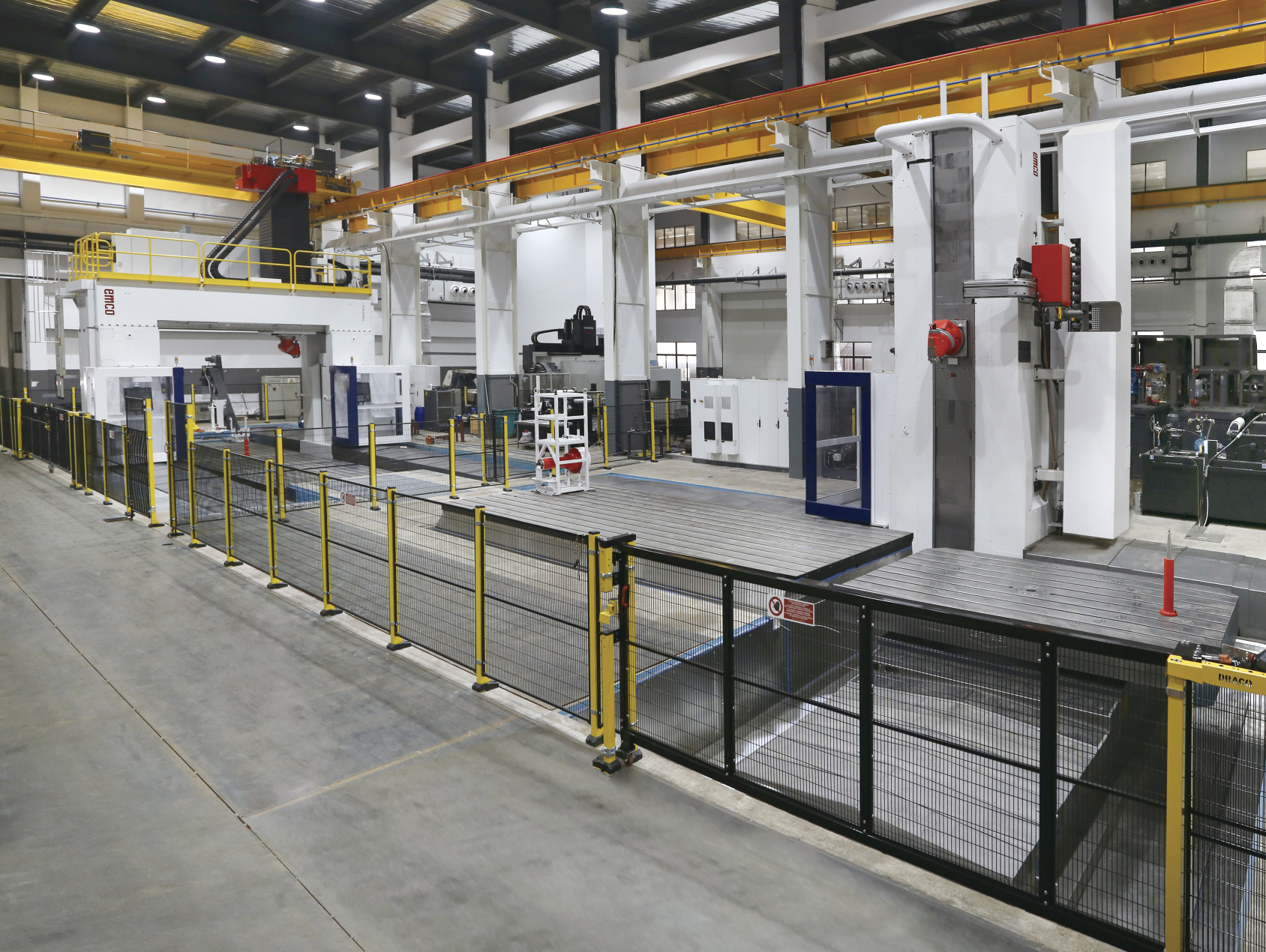
Processing capability: conductor line components are machined and assembled in-house before final testing.
Comparison: equipment categories and drive architectures
The first table maps HONTA's equipment categories to the line roles and glossary terms they carry. The second compares the two drive architectures that most often explain a price difference between otherwise similar offers.
| Equipment category | Role in the conductor line | Glossary terms attached |
|---|---|---|
| Rod Breakdown Machine | First drawing stage from rod | Rod breakdown, reduction, slip, elongation, annealing option, take-up |
| Multiwire Drawing Machine | Parallel drawing of multiple wires | Wire count, individual motors, inline annealer, spoolers, coiling |
| High Speed Double Twist Bunching Machine | Stranding drawn wires into conductor | Bunching, pitch, wire count in, take-up |
| Wire Electrolytic Plating Line | Optional downstream coating | Plating parameters, line speed, wire path |
| Aspect | Individual motor drive | Common shaft (gear drive) |
|---|---|---|
| Energy consumption | Industry analysis cited in 2026 estimates up to 25% lower consumption versus common-shaft systems (derived estimate) | Baseline in that comparison |
| Die changeover | Faster, per comparison notes | Slower |
| Noise | Lower, per comparison notes | Higher |
| Initial cost | Higher electronics cost, per comparison notes | Lower electronics cost in that comparison |
| Comparability note | Both architectures appear in multiwire drawing machines; the two offers are only comparable when wire count, annealing and take-up are identical. | |
Frequently asked questions
Which standards should appear on a multiwire drawing machine quotation?
Ask for the standards the machine is built to, not only the standards the company holds. HONTA holds ISO 9001 and ISO 14001 certifications and complies with IEC 60204-1 safety standards, so those are the references a buyer can request documentation for. A term sheet that names no standard leaves the buyer unable to verify the safety and quality basis of the offer at all.
Does a higher wire count always mean a better multiwire drawing machine?
No. Wire count changes output per pass, take-up arrangement, floor space and maintenance load simultaneously, so the correct count is the one the downstream bunching and packing stages can absorb. Wire counts such as 8, 16, 24 and 32 belong to the category vocabulary; HONTA's published specification for its 24-wire line HT.MD100.03.27.24 lists a maximum mechanical speed of 1,800 m/min. The right question is not which count is highest, but which count matches the plant's conductor mix.
Why do two quotes for the same multiwire drawing machine differ so much?
Usually because the scope differs in four places: drive architecture (individual motors versus common shaft), annealing (inline annealer machine versus standalone), take-up format (single spooler, double spooler or basket coiler), and the documentation package. Energy is part of the same calculation — industry analysis cited in 2026 estimates up to 25% lower consumption for individual-motor systems, a derived figure rather than a measured result. Comparing purchase price alone therefore compares only one of five variables.
How can we verify the specification before committing to an order?
Read the term sheet against this glossary, then ask for the documents that support each claim. HONTA publishes a drawing machine catalogue that sets out its equipment range, and the company website lists the same categories described here. Buyers who want the terminology checked against a specific conductor project can request the brochure and put the wire count, annealing and take-up questions directly to the manufacturer through jshonta.com or by email to tammy@jshonta.com.
Conclusion: vocabulary is the first comparable specification
None of the terms in this glossary is difficult on its own. The difficulty is that they arrive together, in shorthand, attached to a price the buyer is being asked to compare against another price built from slightly different shorthand. Rod breakdown, multiwire drawing, bunching, slip, anneal, wire count, elongation and take-up each control a specific part of a quotation, and reading them in line sequence turns an opaque term sheet into a set of checkable decisions.
That is also the reason HONTA's own range is organised the way it is: Rod Breakdown Machine, Multiwire Drawing Machine, High Speed Double Twist Bunching Machine and Wire Electrolytic Plating Line map onto the stages these words describe, which makes the vocabulary a usable index to the equipment rather than a list to memorise.
Next step: read the specification before the quote.
Download the HONTA drawing machine catalogue for the full equipment range and technical detail: Catalogue of drawing machine (PDF).
Jiangsu HONTA Machinery Co., Ltd. — www.jshonta.com | tammy@jshonta.com | Tel: 0086 182 6287 9467
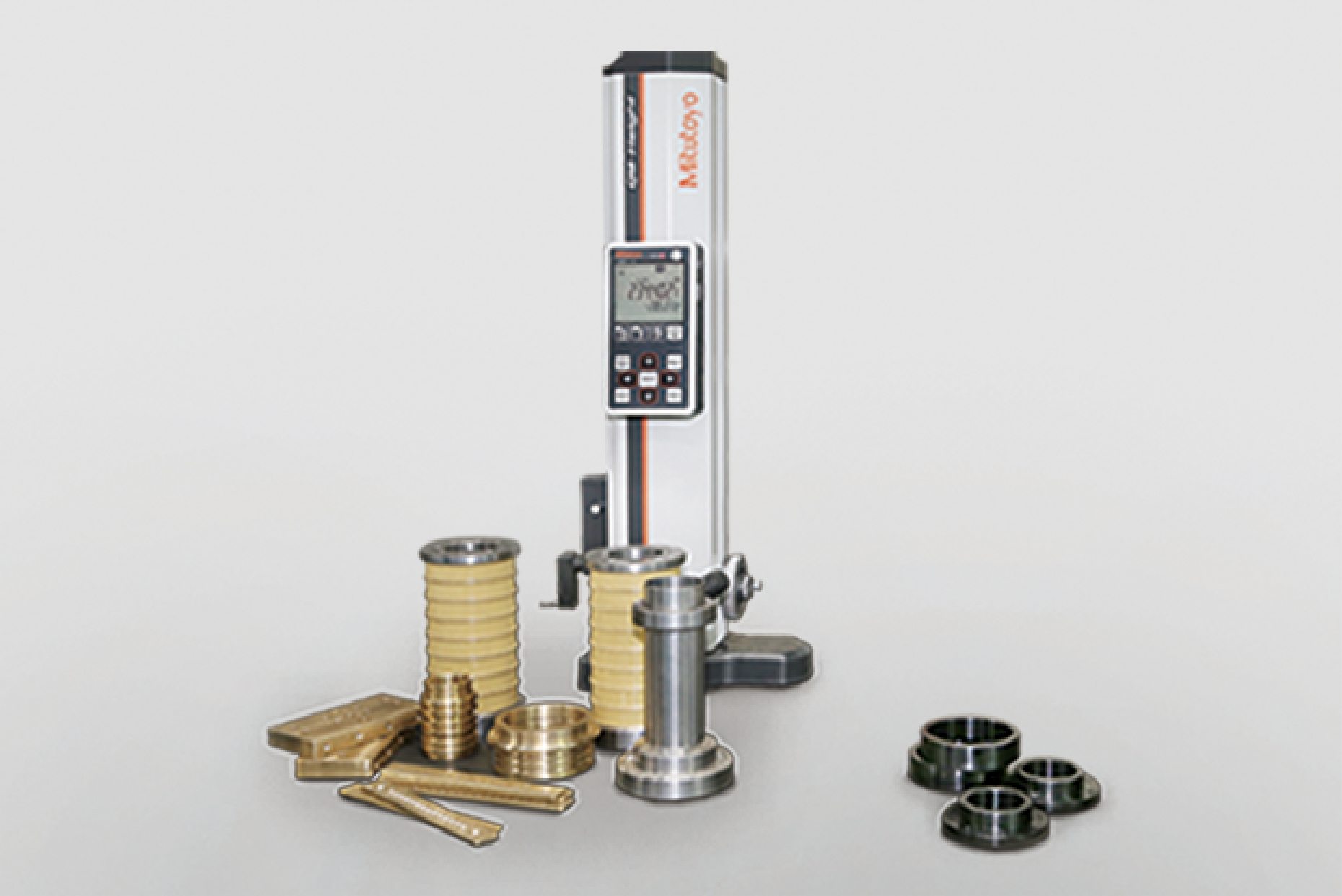
Final inspection and testing: the evidence layer that supports the specification language in a term sheet.
Have Questions or Need More Details?
Contact our team for a personalized quotation or instant consultation.
Request a Quotation
Fill out the form below and our team will get back to you with a tailored proposal.
WhatsApp Direct Chat
Prefer to chat in real-time? Message us on WhatsApp for instant assistance & quick answers.
- Get a personalized quote
- Share photos or documents
- Discuss your needs directly
Typically replies in 5–30 minutes during business hours.