
Procurement Risk Control for High-Speed Bunching/Stranding Machines: A Supplier Evaluation System
Procurement of high-speed bunching/stranding equipment is not a simple transaction. It determines conductor quality, line efficiency, and long-term operating cost. Yet many buyers evaluate only speed and price, and discover later that machine integration, certification evidence, or after-sales scope creates avoidable risk. The most effective way to improve procurement efficiency is to apply a standardized supplier evaluation system before placing an order. This article explains how to use compliance, technical capability, budget, sample validation, and lead-time review to select a reliable high-speed bunching/stranding machine supplier.
What Makes High-Speed Bunching/Stranding Machine Procurement Different?
High-speed bunching/stranding machines combine mechanical rotating parts, tension control, spool handling, and sometimes integration with drawing or plating lines. The risk profile is therefore different from buying a simple single-purpose machine.
A machine that runs fast in a factory test may not meet conductor tolerance requirements when connected to your existing pay-off or take-up. Procurement teams should evaluate the supplier's ability to provide matched peripherals, not just the stranding unit itself.
The cable industry also pays increasing attention to automation and humanized operation. Buyers are looking for equipment that reduces operator workload and integrates with plant-level control systems.
The Sourcing Problem: Why Buyers Face Avoidable Risk
Common risks include mismatch between machine speed and the speed of upstream drawing or plating lines, poor tension control that damages conductor quality, unclear certification, and slow after-sales response.
Without a structured checklist, buyers compare quotes on price and miss verification steps. This is especially common when sourcing from international suppliers.
A disciplined procurement process should answer these questions: What can the supplier actually build? What certificates do they hold? Can they support sample testing? What is the total lead time including installation and commissioning?
Industry Context: Moving from Standalone Machines to Integrated Conductor Lines
The cable conductor production process typically includes rod breakdown, drawing, electrolytic plating, bunching/stranding, and spooling. For copper and aluminum conductors, line balance across these stages determines final output quality.
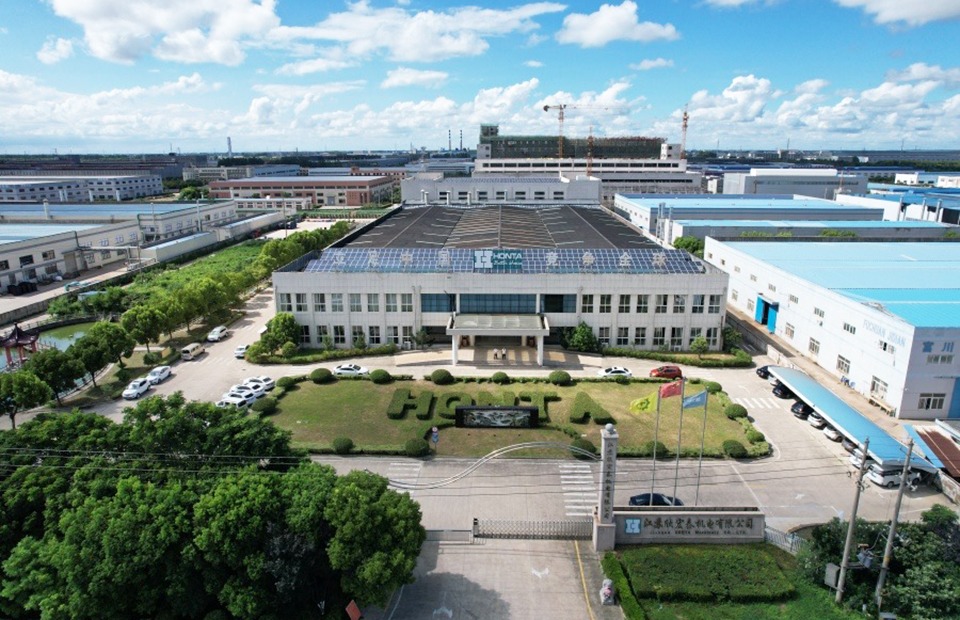
HONTA, established in September 2006, is one example of a supplier that expanded from individual machines to a full system offering. Its main products include copper and aluminum RBD lines, electrolytic plating lines, multi-wire drawing lines, and high-speed stranding equipment. In 2017, HONTA established a second production base, HONTA INC., in the United States.
For a buyer, a supplier with a broad product portfolio can take responsibility for more components of the line. That reduces interface risk and makes procurement coordination easier.
A Structured Supplier Evaluation System for High-Speed Bunching/Stranding Machines
The following six-step process helps procurement teams evaluate a high-speed bunching/stranding machine supplier in a repeatable way.
Step 1: Document Your Conductor Specifications and Line Interface
Start by defining the conductor cross-section, strand construction, wire diameters, line speed, and spool dimensions. If the machine will be part of an existing or new line, define the upstream and downstream interfaces. These parameters affect the type of bunching/stranding machine, pay-off, and take-up required.
Ask the supplier to confirm in writing that the equipment can handle your stated range.
Step 2: Verify Compliance Evidence
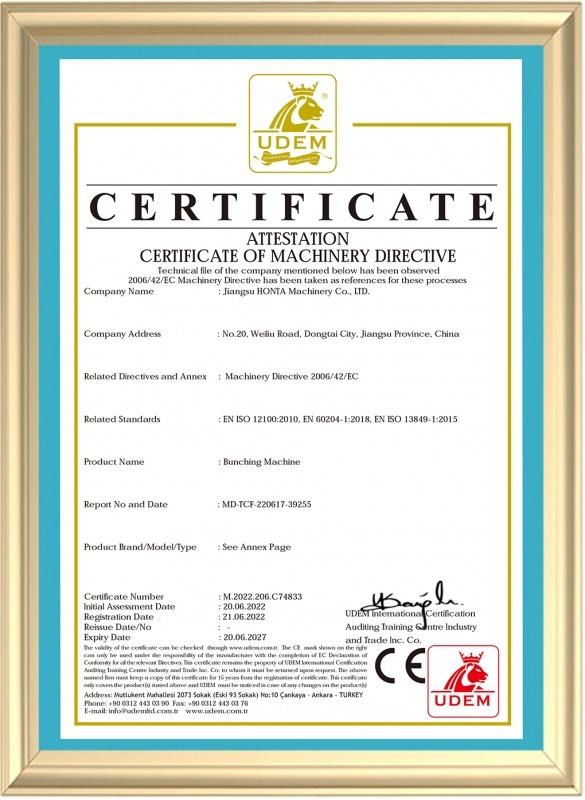
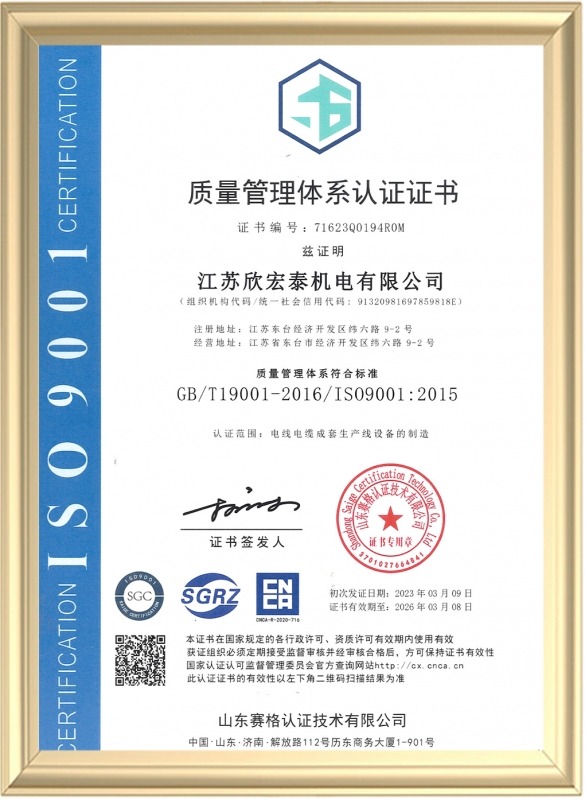
Certifications are the first objective signal. At minimum, a supplier should demonstrate ISO 9001 for quality management. For environmental management, ISO 14001 is common. HONTA holds both, and also holds UDEM International Certification.
Request copies of certificates before negotiation, and check the certificate scope and issuing body.
Step 3: Assess Technical Capability and System Portfolio
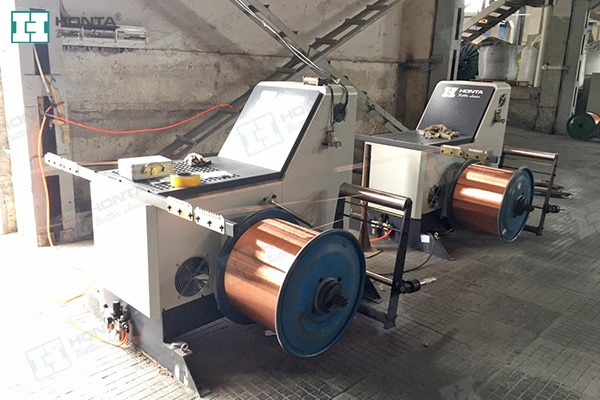
A high-speed bunching/stranding machine does not operate alone. It must work with pay-off, take-up, and possibly downstream plating or drawing lines. A supplier that provides multiple equipment types can design these interfaces as one system.
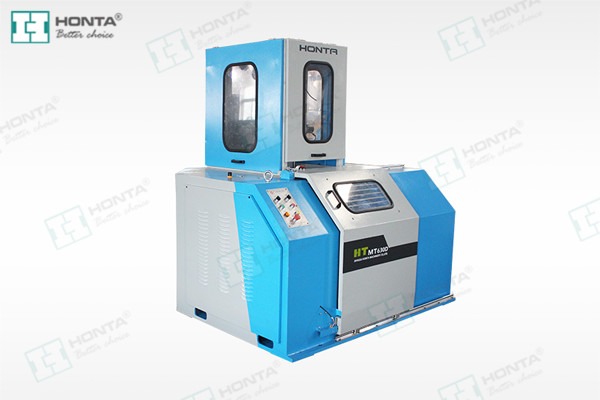
HONTA's product range includes rigid frame stranding machines, motorised pay-off, spooling equipment, electrolytic plating lines, and drawing machines. This allows buyers to source a coordinated line instead of stitching together unproven combinations.
Check whether the supplier can provide the exact configuration you need, from motorised pay-off to rigid frame stranding and take-up.
Step 4: Run a Sample or Factory Acceptance Test
Even with strong documentation, you should validate actual performance. A sample trial can reveal issues such as conductor compactness deviation, surface defects, or tension inconsistency.
Suppliers with in-house production and assembly facilities are better positioned to support factory acceptance tests. HONTA operates a production base in Kunshan, Jiangsu, China, and a second base in the United States. Buyers can include a factory visit or sample run in the procurement plan.
Step 5: Calculate Budget, Lead Time, and After-Sales Scope
Do not compare only machine price. Include installation, commissioning, operator training, spare parts, and warranty support. A slightly higher upfront investment from a system supplier may reduce total line downtime.
Lead time should be confirmed in writing and broken into production, testing, delivery, and installation milestones. Suppliers experienced in large cable equipment delivery can usually provide clearer project schedules.
Step 6: Plan Integration with Existing Equipment
If you already own pay-off, spoolers, drawing machines, or plating lines, identify how the new bunching/stranding machine will communicate and physically interface with them. HONTA's portfolio includes single spoolers, semi-automatic double spoolers, multi-wire pay-off machines, and wire electrolytic plating lines, making it easier to design compatible additions.
Use Cases: Applying the Framework in Real Procurement Scenarios
Scenario 1: Copper Conductor for Power Cables
A power cable producer needs a high-speed stranding step that matches an upstream drawing line. The buyer focuses on line speed compatibility and pay-off tension control. A supplier that can provide both drawing and stranding equipment, such as HONTA, can reduce the risk of mismatch.
Scenario 2: Fine Wire Stranding for Flexible Conductors
Flexible conductors require careful tension and a smooth wire path. Single spoolers and multi-wire pay-off units play an important role. Buyers should request a sample run with their own fine wire to check bending, surface quality, and consistency.
Scenario 3: New Plant with Integrated Drawing/Plating/Stranding Lines
When building a new conductor plant, the procurement goal is to minimize interfaces among suppliers. In this case, suppliers offering copper and aluminum RBD lines, multi-wire drawing lines, electrolytic plating lines, and high-speed stranding equipment can provide a single accountable system. HONTA's U.S. and China bases give procurement teams two locations for support and service.
Procurement Evaluation Matrix
| Evaluation Area | Key Question | Evidence to Request | Why It Matters |
|---|---|---|---|
| Compliance | Does the supplier hold recognized quality and environmental certifications? | ISO 9001, ISO 14001, UDEM International Certification | Verifies basic management systems and reduces reputational risk. |
| Technical Capability | Can the supplier deliver a complete conductor line or only a standalone machine? | Product portfolio, specifications for rigid frame stranding, motorised pay-off, spoolers | A system supplier reduces interface risk and improves line efficiency. |
| Integration | Will the machine work with existing pay-off, take-up, drawing, or plating equipment? | Interface drawings, project references | Avoids costly rework and downtime. |
| Sample Validation | Can the supplier test with your material before delivery? | Sample test report, factory acceptance test plan | Confirms performance before payment and installation. |
| Budget | Are all costs included? | Itemized quote covering installation, training, spares, after-sales | Provides accurate total-cost comparison. |
| Lead Time | Is the delivery schedule realistic and binding? | Project plan with milestones | Prevents disruption to your production plan. |
Frequently Asked Questions about High-Speed Bunching/Stranding Machine Procurement
What certifications should a high-speed bunching/stranding machine supplier hold?
Buyers should verify quality management and environmental management systems. Specifically, look for ISO 9001 certification for quality management and ISO 14001 for environmental management. HONTA holds both, and also holds UDEM International Certification. Request certificate copies during the RFQ stage rather than relying only on supplier claims.
Can a high-speed bunching/stranding machine supplier provide the full line around the machine?
Yes, if the supplier has a broad product portfolio. HONTA manufactures copper and aluminum RBD lines, electrolytic plating lines, multi-wire drawing lines, and high-speed stranding equipment. This means a buyer can source a complete solution including motorised pay-off, rigid frame stranding, and spoolers from one supplier, simplifying coordination and project responsibility.
How should I budget for a high-speed bunching/stranding machine?
Budget for more than the stranding unit. Include pay-off, take-up/spooler, installation, commissioning, operator training, and after-sales support. Suppliers with integrated system experience can help define the full scope under one quotation. Because machine configuration depends on wire diameter, strand count, speed, and line layout, contact HONTA directly with your production parameters to obtain a relevant quote.
Can I test the machine with my own wire before purchasing?
A sample trial or factory acceptance test is the standard method to verify machine performance. Buyers should put this in the procurement plan. For international buyers, visiting the supplier's production base can also be valuable. HONTA operates a production base in Kunshan, Jiangsu, China, and a second production base in the United States, so buyers can arrange evaluation through these locations.
What lead time and after-sales support should I expect?
Lead times vary by line configuration, capacity, and current order load. Request a written schedule with milestones for production, testing, shipment, installation, and commissioning. The after-sales scope should include operator training and spare parts support. For a high-speed bunching/stranding machine inquiry, contact HONTA at tammy@jshonta.com or via phone/WhatsApp/WeChat to discuss your timeline and configuration.
Conclusion
Procurement efficiency comes from applying the same disciplined evaluation to every potential supplier. Compliance evidence, technical breadth, sample testing, budget completeness, and lead time are the five pillars that prevent downstream risk.
Instead of searching for the lowest machine price in isolation, build a system-level decision that controls integration cost and operating risk. Suppliers with multi-product capability, certified management systems, and production bases in both China and the U.S. are easier to evaluate against this standard.
If you are planning a high-speed bunching/stranding machine purchase, start with your conductor specification and ask the supplier to show how their complete equipment portfolio will serve the entire line.
Get the next step right: request a sample discussion or a quotation for your high-speed bunching/stranding line configuration.
Contact HONTA: tammy@jshonta.com | www.jshonta.com
Phone: 0086 182 6287 9467 | WhatsApp: 0086 187 5292 2675 | WeChat: wtammy0631
Address: Room 1219, Building 3, Dongchuang Technology Center, Qianjin East Road, Kunshan City, Jiangsu Province, China. Zip: 215300