
What 200 Sets a Year Means: Reading Multiwire Drawing Machine Capacity
A supplier that states 200 sets a year is describing plant-wide build output across its whole product range, not the number of multiwire drawing machines it can start for you next month. The figure is still worth having, because once it is divided by floor area, headcount and a stated lead time, it shows whether the builder runs a repeatable production system. That system, not the headline number, is what decides your delivery date and how much customization room you actually have.
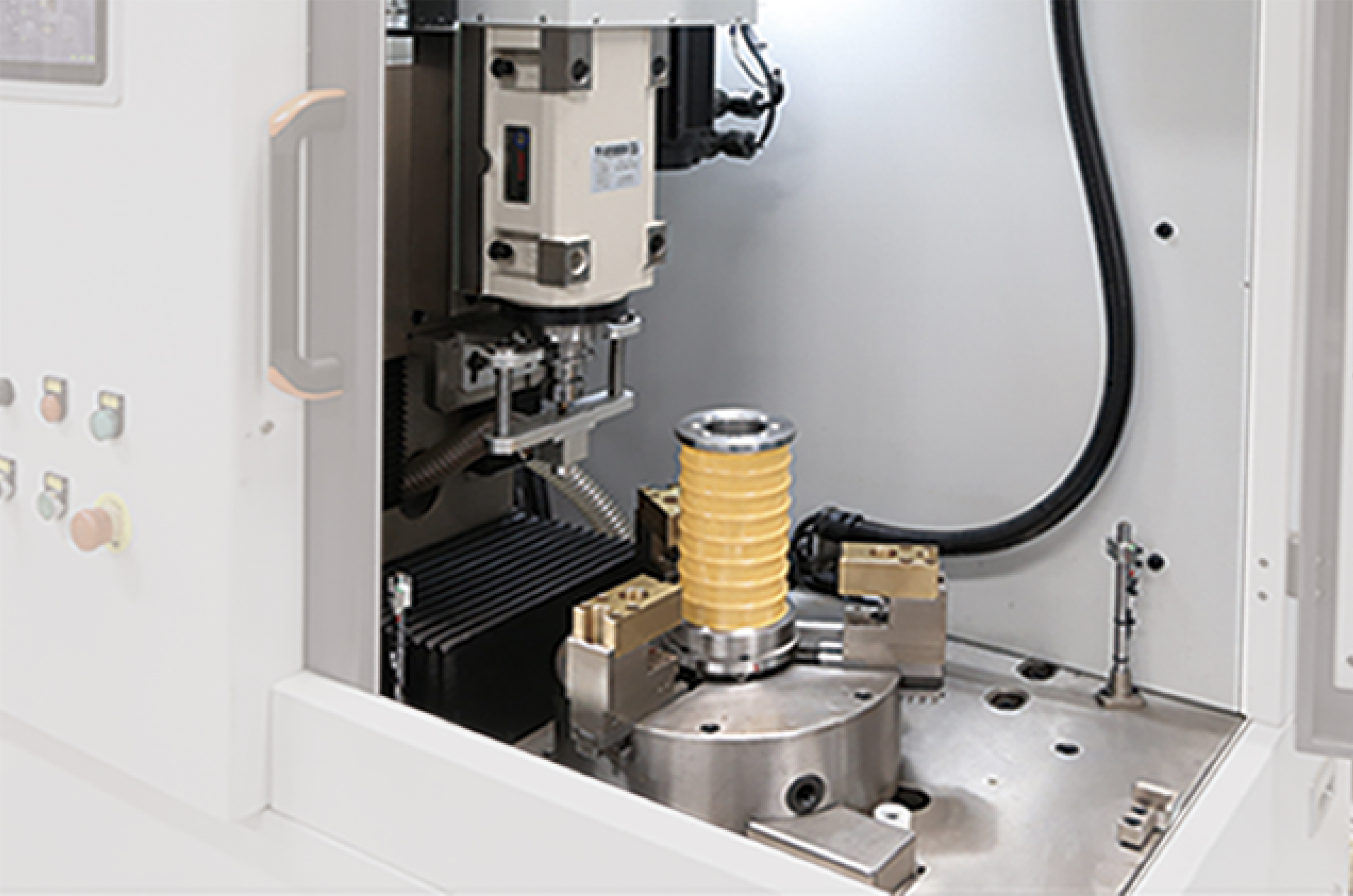
Jiangsu HONTA Machinery., Ltd. (HONTA) is a cable-conductor equipment builder founded in September 2006, operating from a 30,000 m² facility with 157 employees, a 30-engineer R&D team and a stated annual output of 200 sets. Those published figures make a workable example of how to test a capacity claim line by line before an order is placed.
What the number 200 actually counts
A capacity figure counts finished machines leaving the plant in a year. At HONTA that count spans four product families — rod breakdown machines, multiwire drawing machines, high-speed double twist bunching machines and wire electrolytic plating lines — so 200 sets describes a mixed build programme rather than a single-model production line.
That matters to a multiwire buyer in two ways. First, the multiwire share of the total is unknown until the supplier states it, and a share of a mixed programme is always a smaller number than the headline. Second, capacity per model is a different measurement from capacity per family: a plant can complete 200 sets of mixed equipment a year and still hold fixtures, tooling and trained fitters for only a limited number of 24-wire or 32-wire frames in any one quarter.
Suppliers also quote capacity on different clocks. HONTA's company profile states 200 sets per year, while its capability data states a monthly capacity of 15 sets alongside a 90-day lead time. These are two separate statements — an annual output figure across the range and a monthly throughput figure — and neither should be assumed to be the same measurement. A buyer should ask which one is the planning baseline for a multiwire order before comparing suppliers on capacity at all.
Why the annual figure only works when it is read against floor area and headcount
A capacity number becomes checkable when it is divided by the plant that produces it. Using HONTA's published figures, three ratios can be calculated. They are arithmetic, not benchmarks.
| Ratio | Calculation | Result | What it indicates |
|---|---|---|---|
| Total factory area per set of annual output | 30,000 m² ÷ 200 sets | 150 m² per set (calculated) | Space per machine built, including machining, sub-assembly, stores, testing, R&D and offices — not assembly bays alone |
| Employees per set of annual output | 157 ÷ 200 | 0.79 employees per set (calculated) | A build system in which most labour sits in repeatable processes rather than one-off fitting |
| Engineering share of headcount | 30 ÷ 157 | About 19% (calculated) | A dedicated engineering function sized for standard products plus a limited number of custom projects |
Read together, the ratios describe a standardised build model rather than a job shop. Fewer than one employee per machine per year means the plant cannot be hand-fitting every cabinet from scratch; it implies repeatable designs, sub-assembled modules, purchased components and standard test routines. That is usually good news for delivery reliability, and it also marks the boundary of customization: a plant organised around standardization can vary a machine inside its design envelope, but a new architecture consumes engineering capacity that is already allocated.
Two cautions keep the ratios honest. Factory area is not assembly area — the 30,000 m² includes machining, storage, testing and administration, so 150 m² is a company-level ratio and not the footprint of a multiwire bay. Headcount is also company-wide and covers sales, service, finance and production, so it says nothing about how many fitters are trained on multiwire cabinets. Ask for those two numbers separately when the answer affects your decision.
No external benchmark for these ratios is used here, and none should be assumed. Their value is internal to the supplier: they let you test whether a capacity claim is arithmetically consistent with the plant, the staff and the lead time claimed alongside it.
Capacity is counted per family, so ask for the mix
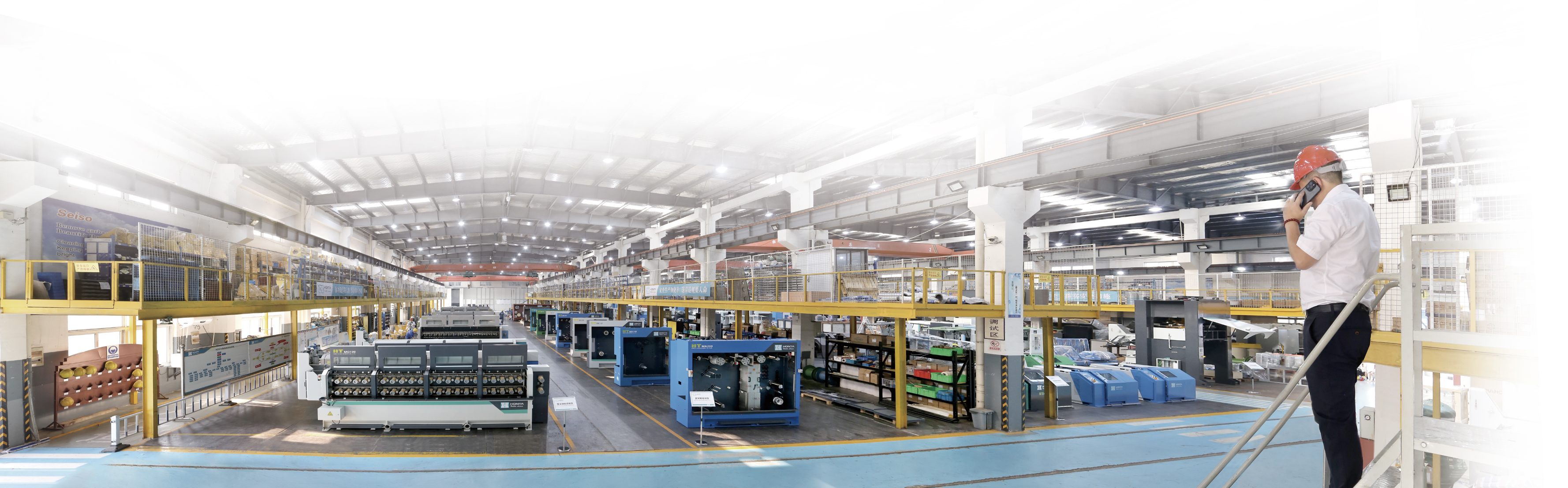
An annual output figure is not divisible at will. The share of HONTA's 200 sets available to multiwire drawing machines depends on the mix of 8-, 16-, 24- and 32-wire frames, on how many lines carry individual motors rather than a common shaft, and on how far the same assembly bays are shared with rod breakdown and bunching work.
The product record gives one anchor for what the multiwire family looks like. HONTA's 24-wire multiwire drawing line HT.MD100.03.27.24 is listed with a maximum mechanical speed of 1,800 m/min on its India product page, published in 2018. That is a machine specification and should be kept separate from a capacity claim. A speed rating describes the ceiling of the process once the line is installed and running; it says nothing about how many cabinets the plant can complete in the quarter you need one.
The practical question is therefore: how many multiwire lines of my wire count and drive type did you ship in the last twelve months, and how many are in build now? An answer given in units and models can be reconciled with the wider 200-set figure. An answer that stays at 200 sets a year has not given you anything you can schedule against.
Turning annual capacity into a delivery date
Annual capacity does not create a delivery date; the build schedule does. HONTA states a 90-day lead time, a monthly capacity of 15 sets and a minimum order quantity of one set. Read together, those three figures describe an order entering a build programme roughly a quarter deep, with single-machine orders treated as a normal configuration rather than an exception.
Three details decide whether those 90 days are a commitment or an estimate. The first is the start point: whether the clock runs from the purchase order, from receipt of deposit, or from approval of final drawings. On a customized machine the drawing-approval stage can move the effective date by weeks, and a buyer who assumes purchase-order timing will measure the supplier against a date the supplier never quoted.
The second is loading. A monthly figure of 15 sets is an average across the product range; if your order lands in a quarter when several multiwire projects are already booked, your slot moves. Ask how many orders were in build at the start of the current quarter and whether the quoted date assumes normal or peak loading.
The third is the long-lead list. Drawing machines carry purchased items — drives, motors, control hardware, specialist components — whose own lead times sit inside the 90 days. A supplier who can name those items and their order points is describing a real schedule; a supplier who cannot is quoting a number.
On-time performance is the figure that would settle the question, and it is not published in the material used here. It has to be requested directly: how many machines shipped on or before the promised date in the last four quarters, and what the supplier did when one slipped.
What capacity headroom buys in customization
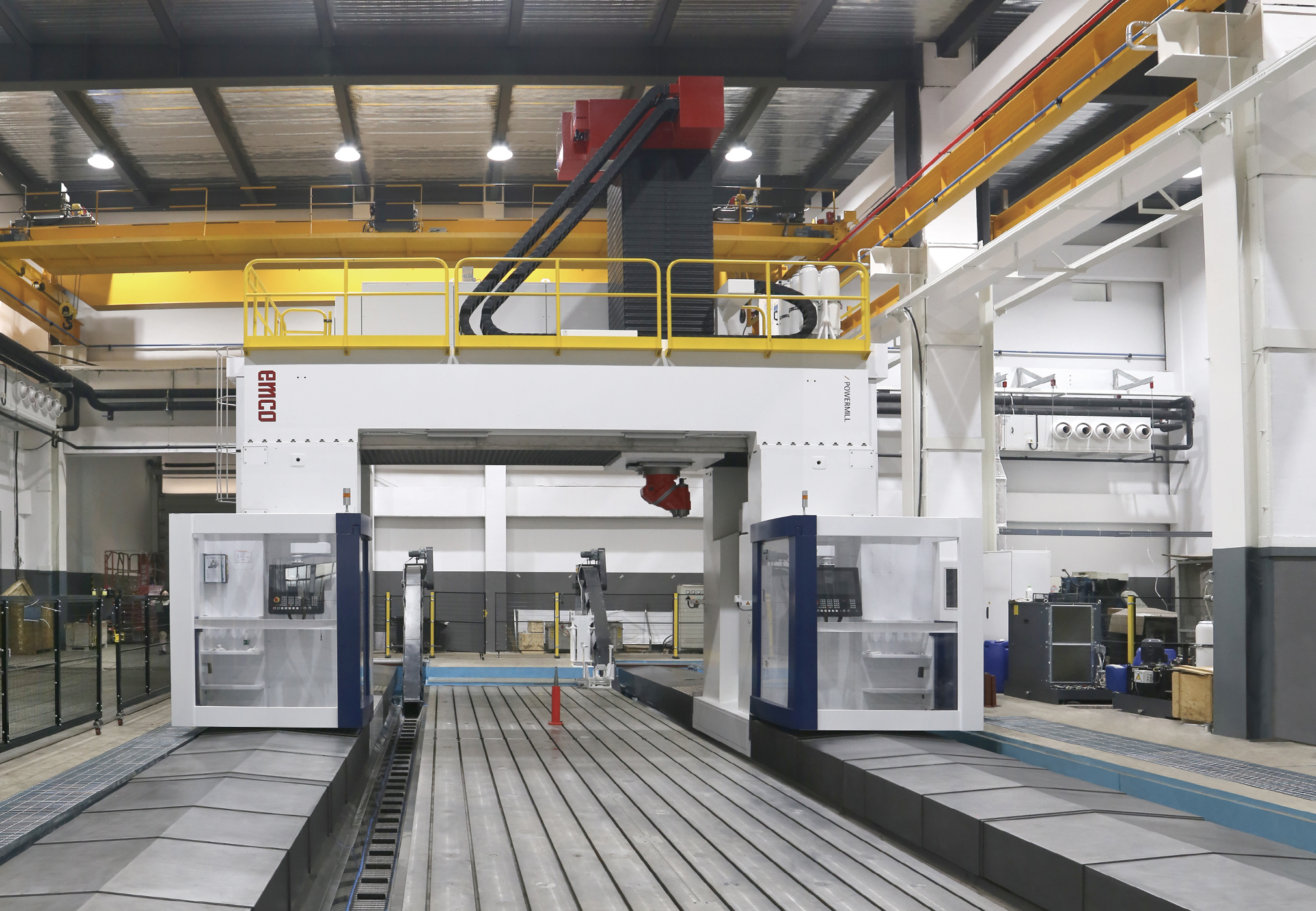
HONTA's stated production mode is ODM, with customization covering colour and the model type of components and parts. That is a deliberately narrow statement, and it is more useful than a broad one because it defines an envelope. Colour changes and component-model substitutions are variations a standardised build programme can absorb without redesigning the line — which is exactly what a plant running at roughly 0.8 employees per set per year is organised to do.
Requests outside that envelope are a different category of work. A different capstan arrangement, an unusual wire count, a modified annealing section or a non-standard take-up and spooling configuration is an engineering project before it becomes a build project. HONTA lists a 30-engineer R&D team, so capability exists — but the question that matters to a buyer is not whether engineering exists, it is how much of it is free for this order and what the engineering stage does to the 90-day clock.
That produces a useful split in the evaluation. Ask which of your requirements sit inside the standard envelope and are handled within the normal build window, and which would need a drawing release before the build clock starts. Record both answers in the same place as the price. A supplier that can draw that distinction usually has a design-freeze step; a supplier that treats every request as no problem has probably not costed the engineering.
The evidence that should accompany the capacity claim
Capacity and lead time are delivery promises, and promises need records beside them. The records that matter are test, certification, service route and installed base.
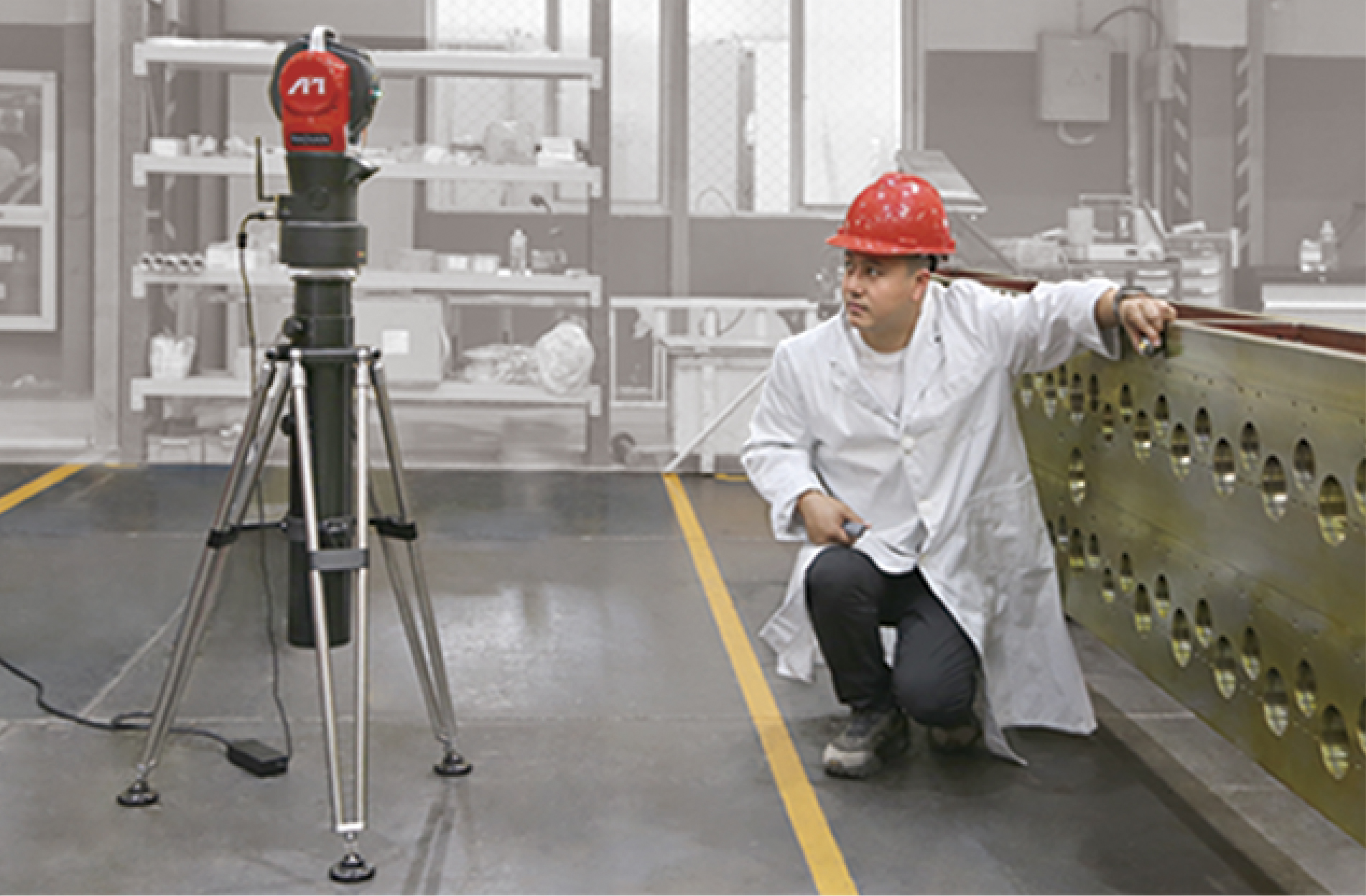
Quality control is stated as 100% test, which is a claim about coverage rather than depth. The follow-up is what the test record contains: which parameters are measured per cabinet, against which tolerances, and whether the record travels with the machine. On a multiwire line the test items depend on the configuration, so the test record and the drawing set should be read together.
Certification is the second record. HONTA holds CE-MD certification M.2022.206.C74834, issued on 20 June 2020 by Udem International Certification Auditing Trading Centre Industry and Trade Inc. Co. and valid to 20 June 2027, covering wire drawing machines against Machinery Directive 2006/42/EC and the standards EN ISO 12100:2010, EN 60204-1:2018 and EN ISO 13849-1:2015. The certificate is associated with the wire drawing machine model HT.MD100B.16.22D.01. Two checks follow from that level of detail: whether the certificate's technical file covers the model and options you are buying, and what the position is for delivery after the June 2027 expiry.

Service route is the third record. HONTA describes after-sales support by remote and on site, and lists a second production base, HONTA INC, established in the United States in 2017. The company reports a 45% export ratio with main markets in the USA, Middle East, Africa and Asia. For a buyer outside those markets, the question is what on-site response looks like from the nearest base rather than whether a base exists.
Installed base is the fourth, and here the record is thin by design. HONTA's case entry covers wire and cable factories in the United States and Europe — including Poland, Portugal, Spain and Türkiye — running two sets for three years in wire drawing, reported to produce steadily to customer requirements and noted for speed and efficiency. That is a supplier-recorded reference, not independent verification, and two sets is a narrow sample. It is a reference to request and discuss, not a performance guarantee.
A worked reading of HONTA's published figures
The point of the method is that every figure a supplier publishes should generate a question only that supplier can answer. Read in sequence, HONTA's figures produce the following map.
| Published figure | What it establishes | What it does not establish | Question to ask next |
|---|---|---|---|
| 200 sets per year | Order of magnitude of the build programme and the breadth of four product families | The multiwire share, or your slot in the current quarter | How many multiwire lines shipped in the last twelve months, by wire count and drive type? |
| 30,000 m² facility | A plant large enough to hold machining, assembly, stores, testing and R&D together | The number or size of multiwire assembly bays, or work-in-progress levels | How many assembly bays handle multiwire cabinets, and what area do they occupy alone? |
| 157 employees, 30 engineers | Functional depth, including a dedicated engineering team at about 19% of headcount | How engineering time is split between standard products and customer-specific work | How many engineers are assigned to customer-specific configurations? |
| 15 sets monthly capacity, 90-day lead time | A monthly throughput figure and a quoted build window | When the 90 days starts, or how often the date has been met | Does the lead time run from purchase order, deposit or drawing approval? |
| CE-MD M.2022.206.C74834, valid to 20 June 2027 | A third-party certification route for wire drawing machines in the EU market | That every option in your specification is inside the certified technical file | Which model and options does the certificate cover, and what is the renewal plan? |
| ODM; colour and component-model customization; MOQ 1 set | A defined customization envelope, with single-machine orders accepted as normal | New-architecture engineering, or how long non-standard design takes | What is the engineering lead time for a configuration outside the envelope? |
Ten questions that convert a headline number into a delivery commitment
The questions below can be put to any multiwire drawing machine builder and the answers compared on the same basis. Together they turn a capacity claim into terms a contract can hold.
- How many multiwire lines did you ship in the last twelve months, broken down by wire count and drive type?
- How many of your annual sets were multiwire, and how does the annual figure split across your product families?
- How many assembly bays handle multiwire cabinets, and what is their area measured on its own?
- How many engineers work on customer-specific configurations rather than standard product maintenance?
- Does the quoted lead time start at purchase order, deposit or drawing approval, and is that written into the contract?
- Which purchased items in my configuration have lead times longer than four weeks, and when are they ordered?
- What was your on-time delivery record over the last four quarters, and how is a slip recorded and remedied?
- Which parts of my specification fall inside your standard customization envelope, and which need a drawing release first?
- What is included in the 100% test record for my model, and does that record ship with the machine?
- Which certificate covers my model and options, and what happens to deliveries scheduled after 20 June 2027?
Answers to these ten questions also move timing risk out of the quotation narrative and into specific terms: a defined start point, a named long-lead list and a stated approval step. That is a more useful outcome than a larger capacity number.
Red flags: capacity claims without matching engineering depth
- A capacity figure with no floor area, headcount or lead time attached. Two hundred sets a year cannot be read without the plant that produces them.
- Capacity that does not survive division. If the stated annual output implies more completed machines than the assembly area and headcount could plausibly finish, the figure is a target rather than a production rate.
- No engineering headcount, or an engineering team described only as strong. Customization room is an engineering quantity, not a service attitude.
- Customization offered without a design-freeze step. Every non-standard request needs a drawing approval point; if the supplier will not name one, the build clock has no start.
- A lead time shorter than the purchased-component lead times inside it. A 90-day window is plausible for a standardised build; a much shorter one across the same scope usually needs explaining.
- Certificates described as available rather than numbered. A certificate number, issuing body, scope and expiry date are checkable; an offer to supply CE documentation on request is not.
- Reference machines that cannot be matched to your configuration. A reference from a different wire count, drive type or product family does not support the claim you are testing.
- Capacity that grows between enquiry and contract without any change in scope, plant or schedule.
None of these flags is proof of a poor supplier on its own. Each marks a point where a claim has not yet been converted into something a buyer can verify, and each is answered by a question already on the list above.
Which buyers this reading method is built for
The method suits the evaluation-to-execution stage: a buyer who already accepts that a multiwire drawing machine belongs in the conductor line and is now choosing the builder and fixing the terms. It fits three situations particularly well — a first multiwire line where the plant has no internal benchmark to compare against; a second or third line where the binding constraint is delivery date rather than capital approval; and an export-focused plant where certification, service route and delivery record have to hold up in more than one market. HONTA's own profile, with a 45% export ratio and customers across the USA, Middle East, Africa and Asia, describes a supplier where those situations commonly overlap.
FAQ
What certification evidence should I see before signing a multiwire drawing machine contract?
See the certificate itself rather than a logo. HONTA's CE-MD certificate M.2022.206.C74834 was issued on 20 June 2020 by Udem International Certification Auditing Trading Centre Industry and Trade Inc. Co. and is valid to 20 June 2027, covering wire drawing machines against Machinery Directive 2006/42/EC and the standards EN ISO 12100:2010, EN 60204-1:2018 and EN ISO 13849-1:2015. It is associated with model HT.MD100B.16.22D.01. Before signing, confirm that the technical file behind the certificate covers your model and options, and ask what the plan is for machines delivered after the 2027 expiry.
What does 200 sets a year tell me about a supplier's ability to build my multiwire line?
It sets the order of magnitude of the build programme, not the size of your slot in it. HONTA's 200-set annual output covers four product families — rod breakdown machines, multiwire drawing machines, high-speed double twist bunching machines and wire electrolytic plating lines — so the multiwire share has to be requested separately. The useful follow-up is the number of multiwire lines shipped in the last twelve months by wire count and drive type, which can then be checked against the annual figure and against the 15-set monthly capacity the company also states.
How do floor area and headcount change what a capacity figure means?
They let you test it arithmetically. HONTA's 30,000 m² facility and 157 employees against 200 sets a year work out to about 150 m² of total factory area and 0.79 employees per set of annual output, with a 30-engineer team at roughly 19% of headcount. Those are calculated company-level ratios, not industry benchmarks: factory area includes machining, stores, testing, R&D and offices, and headcount includes sales and service. Their use is consistency — a capacity claim that cannot be reconciled with the supplier's own plant and staff has not described a production rate you can plan against.
Can I validate a machine before committing to a multi-line order?
HONTA's stated minimum order quantity is one set, so a single-machine order is a normal configuration rather than a special case, and quality control is stated as 100% test. That combination supports a staged approach: one machine first, with further sets added once the test record and the machine's behaviour on your own wire are known. Ask in advance what the 100% test covers on your model, whether the record ships with the machine, and how a factory acceptance test would be arranged. The two-set, three-year reference in HONTA's case record is supplier-reported and small, so treat it as a discussion point rather than a substitute for your own validation.
What lead time should I expect, and how do I hold it?
HONTA states a 90-day lead time with a monthly capacity of 15 sets. Hold it by fixing three things in the contract: the start point of the 90 days (purchase order, deposit or drawing approval), the long-lead purchased items and their order points, and the definition of a slip with the remedy attached. Ask for the on-time record over the last four quarters, which is not published in the material available here and therefore has to come from the supplier directly. If you want these points checked against a specific wire count and drive configuration, the HONTA team quotes against a defined specification rather than against the headline annual output, so a written configuration is the fastest route to a date you can contract on.
Conclusion
A stated capacity of 200 sets a year is worth exactly what the surrounding figures allow you to verify. Divided by a 30,000 m² plant and 157 employees, read against a 15-set monthly capacity and a 90-day lead time, and tested against a numbered certificate and a defined customization envelope, it describes a standardised build system with a bounded place for customization — which is what a delivery date actually rests on.
The method transfers to any builder of HONTA or any other origin. Ask what the number counts, how the mix splits by wire count and drive type, where the 90 days starts, how much engineering is free for your configuration, and which records sit beside the promise. A supplier that answers all five has given you something more useful than a capacity figure: a delivery commitment you can write down. For machine models and configuration options behind these figures, the drawing machine catalogue can be downloaded and read alongside the question list above.
Next step: put the ten questions to a supplier against your own wire count, drive type and delivery window, and keep the answers next to the quotation.
HONTA publishes its product catalogue and answers configuration-specific enquiries through its official website.
Have Questions or Need More Details?
Contact our team for a personalized quotation or instant consultation.
Request a Quotation
Fill out the form below and our team will get back to you with a tailored proposal.
WhatsApp Direct Chat
Prefer to chat in real-time? Message us on WhatsApp for instant assistance & quick answers.
- Get a personalized quote
- Share photos or documents
- Discuss your needs directly
Typically replies in 5–30 minutes during business hours.