
What Is a High-Speed Bunching/Stranding Machine? An Explainer on Core Concepts and Purchasing Terms
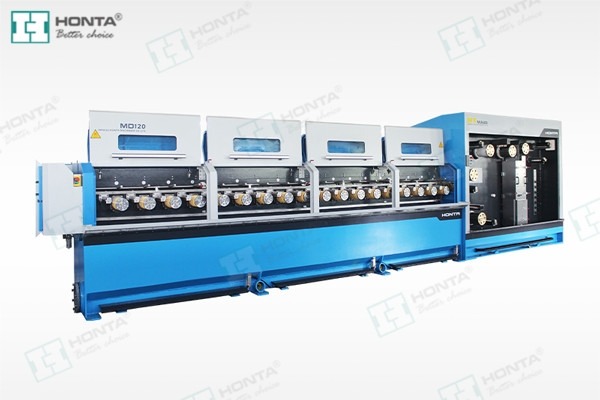
Conductor work begins upstream of the stranding line: wire diameter range determines how a bunching/stranding machine must be configured.
A high-speed bunching/stranding machine is conductor-assembly equipment that combines several individually drawn wires into a single conductor. It pulls the wires from pay-off spools under controlled tension, lays them together at a defined lay length and twist direction, and winds the finished conductor onto a take-up spool. The term "high-speed" describes the machine's design intent rather than a fixed performance class: frame rigidity, drive train, tension control and take-up are engineered so that lay length, tension and surface condition stay stable as production speed increases. Two machines can both be sold as high-speed and still be built for very different wire counts, single-wire diameters and conductor constructions.
This explainer is written for buyers who are entering the conductor equipment category for the first time, and for procurement teams who need a shared vocabulary before they open a quotation. It covers what the machine does, which components define its capability, which purchasing terms actually change the specification, and how acceptance criteria are used to prove wire quality before sign-off.
Problem Definition: Why the Vocabulary Feels Harder Than the Machine
The machine itself is conceptually simple — wire in, conductor out. The difficulty for first-time buyers sits in the language around it. Suppliers quote on different bases, specification sheets mix machine parameters with conductor parameters, and the same word can carry two meanings across suppliers.
Four problems appear repeatedly in early-stage sourcing conversations:
- Construction confusion. Bunching and stranding are both "combining wires", but they produce conductors with different internal structures and different downstream behaviour. A quotation that does not state which construction it assumes is not yet a comparable quotation.
- Speed quoted without context. A line speed figure means very little unless it is tied to wire count, single-wire diameter and lay length. Speed at a short lay length and speed at a long lay length are different engineering problems.
- Missing process settings. Lay length and twist direction are frequently left blank in early enquiries because the buyer has not yet decided them. They are exactly the settings that determine flexibility, wire consumption and how the conductor behaves on the next machine.
- Undefined acceptance. Without an agreed test protocol, "acceptance" becomes a matter of opinion at commissioning, which is the most expensive possible moment to discover a mismatch.
The practical consequence is straightforward: a purchase decision made on headline speed alone shifts technical risk downstream, into commissioning, scrap and rework. The alternative is to define the conductor first, then let the machine configuration follow.
Industry Background: Where Conductor Assembly Sits in a Cable Plant
Conductor assembly is one stage in a chain, and its inputs and outputs are both constrained by neighbouring processes. A typical sequence runs from rod breakdown, through drawing, through optional electrolytic plating, into bunching or stranding, and then into insulation, screening and sheathing.
Each link feeds the next. Rod breakdown determines the incoming wire quality. Multi-wire drawing determines diameter consistency and surface condition. Electrolytic plating adds a metallic layer when the conductor specification requires it. Bunching and stranding then determine how those wires sit together — their position, their tension history and their geometric regularity. That assembled conductor is what the insulation line actually sees, so lay length and surface defects that are invisible on a specification sheet become process problems one stage later.
Equipment suppliers in this category are therefore often evaluated less on a single machine and more on how coherently they cover the chain. HONTA, established in September 2006, has long been committed to the research of cable conductor drawing and stranding technology and maintains long-term friendly cooperation with many well-known cable companies at home and abroad. The company established its second production base, HONTA INC., in the United States in 2017. Its main products include copper and aluminum RBD line, electrolytic plating line, multi-wire drawing line, and high-speed stranding equipment, and it now operates as a large cable equipment system service provider. HONTA's products are known for high speed, efficiency, automation and humanization.
That portfolio structure matters to a newcomer for one reason: a bunching/stranding machine is rarely bought in isolation. It is bought to receive wire from a specific drawing or plating process and to deliver conductor to a specific insulation process, and the closer the upstream and downstream equipment sit within one engineering scope, the fewer interface assumptions a buyer has to carry alone.
Detailed Solution: The Core Concepts a Buyer Must Hold
Bunching and stranding are not the same operation
Bunching lays many fine wires together without assigning them a fixed geometric position. The wires are gathered and twisted as a bundle, generally with a comparatively short lay, which favours flexibility and output. Stranding arranges wires in defined layers around a centre, with a controlled lay length and a specified direction, which favours dimensional regularity and concentricity. Rigid frame stranding refers to the machine architecture in which the wire carriers are mounted on rigid cages rather than on rotating bows — an architecture generally associated with heavier conductor constructions where a defined layer structure must be held.
For a buyer, the practical point is that the same physical machine family may be offered for both bunching and stranding duties, but the delivered configuration — pay-off arrangement, guide layout, lay-length range and take-up — will differ. The first question to settle is which conductor construction the machine must produce, not which machine model is available.
Lay length and twist direction: the two settings most often left blank
Lay length, also called pitch, is the axial distance the conductor advances while a given wire completes one full revolution around the conductor axis. A shorter lay length generally produces a more flexible conductor but consumes more wire per metre and demands more from the drive and tension system. A longer lay length improves output but changes handling behaviour downstream.
Twist direction is expressed as S or Z and describes the direction in which the wires are laid. It is not cosmetic. Direction affects how the conductor behaves when it is unwound, bent, jointed or terminated, and mismatched direction between two lengths of conductor creates handling problems that are hard to correct after the fact. Twist direction belongs in the written conductor specification, not in a verbal instruction during commissioning.
Tension, elongation and surface condition
Pay-off tension is where fine-wire quality is most often lost. If tension is unstable, individual wires are stretched unevenly before they ever reach the lay point, and the resulting conductor carries a hidden elongation variation that only appears in later processing or in final testing. Stable, adjustable tension control on the pay-off side — and consistent tension through the machine — is therefore a capability statement, not an accessory.
Elongation at break of the finished conductor is one of the clearest measurable outcomes of that stability, which is why it belongs in the acceptance protocol rather than in a marketing description. Surface condition matters alongside it: scuffing, flattening or die marks introduced by guides and capstans reduce the effective quality of otherwise correct wire.
The components that define what the machine can be asked to do
- Pay-off. Single or multi-wire, and either passive or motorised. A motorised pay off regulates wire delivery actively, which matters when wire counts rise or when fine wires must be protected from over-tension.
- Tension and wire-break control. Dancers, accumulators and break detection that stop the line before a broken wire becomes a tangled one.
- Twisting unit. Bows, flyers or rigid cages, depending on conductor construction and weight.
- Lay-length mechanism. Mechanical change gears or servo-driven lay adjustment, which determines how quickly a new conductor recipe can be set and repeated.
- Capstan and haul-off. The point at which line speed and tension are actually realised.
- Take-up / spooler. Single or double spoolers determine run length between spool changes and how easily the finished conductor transfers to the next process.
- Control system. Recipe storage and repeatability matter more than screen size: the value of a control system is that the same conductor can be produced again next month with the same settings.
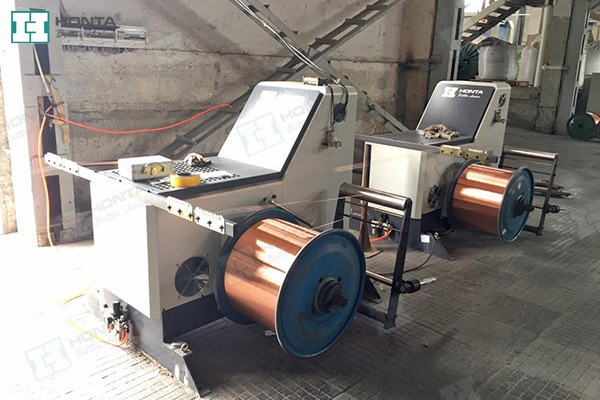
The pay-off end sets the quality ceiling for the whole line: unstable tension here cannot be corrected further downstream.
Purchasing Terms Decoded
The table below collects the terms that most often cause a quotation to be read incorrectly. Each entry explains what the term means and why it changes the commercial or technical content of an order.
| Term | What it means | Why it changes the purchase |
|---|---|---|
| Single-wire diameter | The diameter of each wire entering the machine. | Sets the minimum gauge the pay-off, guides and dies can handle without damaging the wire. |
| Bunch / strand size | The number of wires combined into one conductor. | Drives pay-off positions, guide layout and take-up capacity. |
| Conductor cross-section (mm²) | The nominal area of the finished conductor. | The reference point most quotations are built around, and the basis for comparison between offers. |
| Lay length / pitch | Axial distance covered by one full revolution of a wire around the conductor. | Affects flexibility, wire consumption and the speed at which the line can run stably. |
| Twist direction (S / Z) | Direction in which the wires are laid. | Must match downstream unwinding, bending, jointing and termination requirements. |
| Line speed | Production speed of finished conductor. | Only meaningful when stated together with wire count, wire diameter and lay length. |
| Tension range and control | The pay-off and intermediate tension the machine can hold and regulate. | Determines whether fine wire is protected or stretched and broken. |
| Elongation at break | How far the finished conductor stretches before it fails. | An acceptance measurement, not a marketing claim — it belongs in the test protocol. |
| Spool / take-up size | Flange diameter and bore of the take-up spool. | Sets run length between spool changes and how the conductor is handled afterwards. |
| FAT / SAT | Factory acceptance test and site acceptance test. | The formal points at which quality is proven — before shipment and after installation. |
| Spare parts and warranty | Coverage of wear parts and the support period after commissioning. | Shapes lifecycle cost more than the purchase price does. |
| Lead time | Time from order confirmation to shipment. | Depends on configuration complexity and how much upstream or downstream integration is in scope. |
Bunching, Concentric Stranding and Rigid Frame Stranding at a Glance
The three constructions below are frequently compared during early sourcing. They are not interchangeable, and the comparison only becomes meaningful once the conductor specification is fixed.
| Construction | How wires are arranged | Typical use context | Terms that matter most when buying |
|---|---|---|---|
| Bunching | Wires gathered and twisted as a bundle, without assigned geometric positions. | Fine-wire flexible conductors where flexibility and output are the priority. | Single-wire diameter, wire count, tension control, lay length range. |
| Concentric stranding | Wires laid in defined layers around a centre, with controlled lay and direction. | Conductors where dimensional regularity and a defined layer structure are required. | Lay length, twist direction, layer configuration, take-up consistency. |
| Rigid frame stranding | Same layered principle, produced on rigid-cage machine architecture. | Heavier conductor constructions where layer structure must be held at load. | Frame rigidity, cage capacity, tension stability, acceptance protocol. |
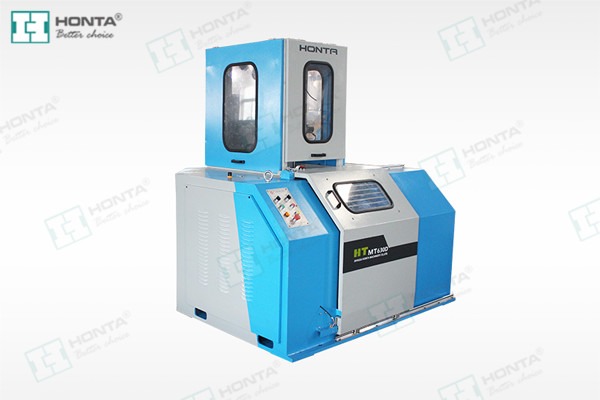
Take-up configuration is a purchasing decision, not a detail: it sets run length, spool handling and how the conductor transfers to the next process.
Acceptance Criteria: How Wire Quality Is Proven Before Sign-Off
Acceptance criteria are the written conditions under which both parties agree the machine has performed as ordered. They should be agreed before the order is placed, because they are the only mechanism that converts a specification into a verifiable outcome.
A practical acceptance package for a bunching/stranding machine typically covers:
- Reference conductor. A documented conductor specification — wire count, single-wire diameter, nominal cross-section, lay length and twist direction — that the test run must reproduce.
- Run protocol. Agreed speed points, run duration and the points in the run at which samples are taken, so that start-of-run and end-of-run behaviour are both observed.
- Measured characteristics. Lay length, twist direction, conductor cross-section, elongation at break, surface condition and wire-break events during the run.
- Consistency check. Spool-to-spool comparison, which is where tension and control stability usually reveal themselves.
- Safety verification. Guards, interlocks and emergency stops confirmed as functional before production use.
- Documentation. Drawings, spare parts list, operating and maintenance manuals, and control-system settings for the tested conductor.
- Compliance evidence. Management-system certificates and quality documentation that the buyer's own customer or auditor may request.
Compliance note. HONTA holds ISO 9001 Certification, ISO 14001 Certification and UDEM International Certification. For buyers, the relevance is procedural rather than decorative: these certificates are the documents that support a supplier qualification file and are normally requested alongside drawings and test records during vendor onboarding.
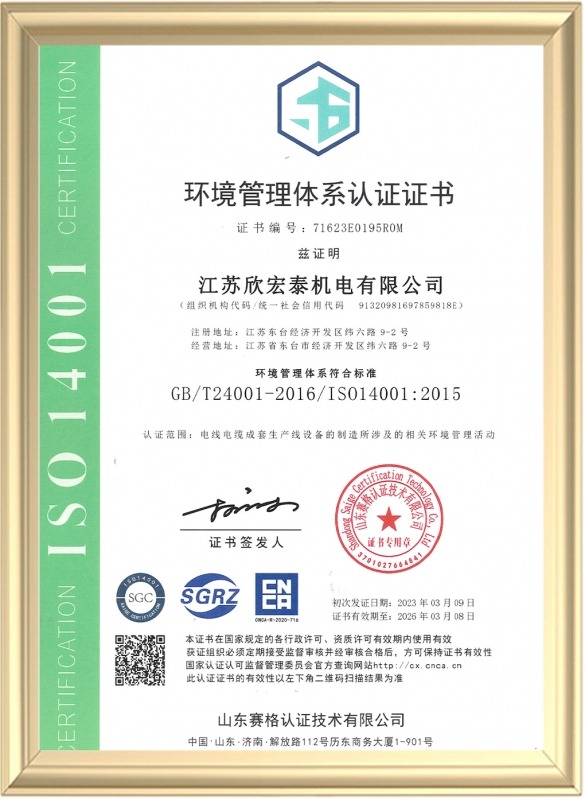
ISO 9001 Certification is part of the documentation package that supports supplier qualification.
Step-by-Step: How to Read a Quotation and Qualify a Supplier
The sequence below is a working method for a first-time buyer. It moves from conductor definition to commercial comparison, so that each step produces an input for the next.
- Write the conductor specification first. Fix wire count, single-wire diameter, nominal cross-section, lay length and twist direction. Without this document, no two quotations are comparable.
- Decide the construction. Confirm whether the requirement is bunched, concentric stranded or rigid frame stranded, and state it in the enquiry.
- Map the machine configuration to that specification. Check pay-off type, tension control, twisting unit, lay-length range and take-up against the five conductor parameters — not against a generic brochure.
- Define the process interfaces. State the incoming wire source (drawing line, plating line) and the outgoing process (insulation, screening). Interface questions answered in the enquiry become fewer surprises at installation.
- Fix the acceptance protocol in writing. Agree the reference conductor, run protocol, measured characteristics and documentation deliverables as part of the order, not after delivery.
- Compare commercial terms on a like-for-like basis. Normalise spare parts, warranty, training, installation support and lead time before comparing price.
- Plan commissioning and training. Confirm who sets the first conductor recipe, who verifies the first production spools, and how the settings are handed over to the buyer's operators.
Use Cases: Where High-Speed Bunching/Stranding Fits
Fine-wire flexible conductors. Robotics, automation and automotive harness applications rely on conductors built from many fine wires. Here bunching dominates, and pay-off tension control plus wire-break detection are the components that protect yield.
Power and building conductors. Where dimensional regularity and a defined layer structure are required, concentric stranding or rigid frame stranding is the relevant construction, and lay length plus twist direction become the settings that must be reproduced consistently.
Plated conductors. When the conductor specification calls for a metallic layer, plating precedes assembly. HONTA's product range includes electrolytic plating line equipment alongside multi-wire drawing line and high-speed stranding equipment, which allows the plating and assembly stages to be specified as one continuous process rather than two disconnected purchases.
Electronics and data conductors. Tighter tolerance expectations place more weight on control-system repeatability and on spool-to-spool consistency than on headline speed.
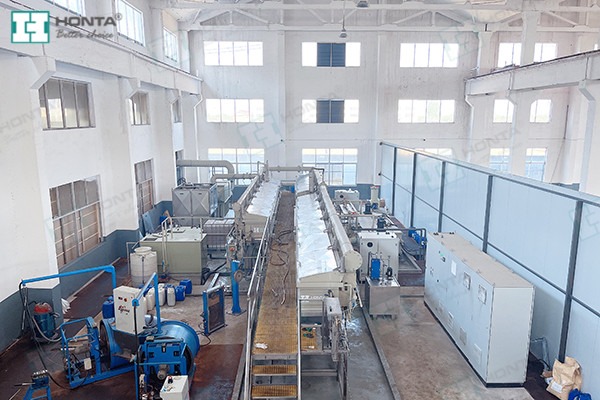
When a conductor specification includes a plated layer, plating capacity sits upstream of the bunching/stranding line and belongs in the same process plan.
Where HONTA Sits in This Category
HONTA was established in September 2006 and has long been committed to the research of cable conductor drawing and stranding technology, with long-term friendly cooperation with many well-known cable companies at home and abroad. Its second production base, HONTA INC., was established in the United States in 2017. The main product range covers copper and aluminum RBD line, electrolytic plating line, multi-wire drawing line and high-speed stranding equipment, positioning HONTA as a large cable equipment system service provider whose products are known for high speed, efficiency, automation and humanization.
For a buyer reading this explainer as preparation for sourcing, the useful takeaway is structural rather than promotional: because the conductor chain runs from rod breakdown through drawing and optional plating into assembly, a supplier that engineers several of those stages can answer interface questions — incoming wire condition, tension assumptions, take-up compatibility — inside one technical conversation.
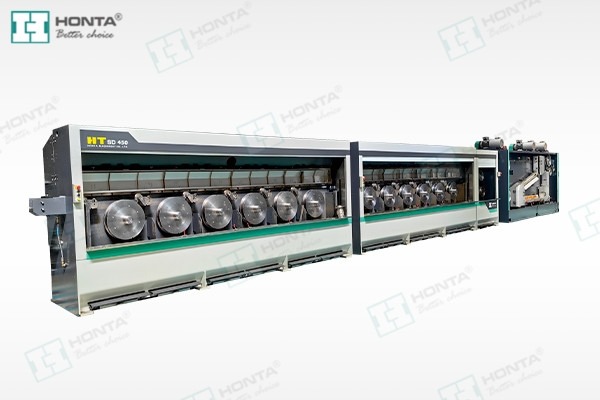
Upstream drawing quality sets the ceiling for what a bunching/stranding line can achieve on the finished conductor.
FAQ
What certifications should a bunching/stranding machine supplier be able to document?
At minimum, a buyer should request the supplier's management-system certificates together with the technical documentation package. HONTA holds ISO 9001 Certification, ISO 14001 Certification and UDEM International Certification. These documents belong in the supplier qualification file alongside drawings, spare parts lists and test records, and they are usually the first items requested when a cable manufacturer's own customers or auditors review its equipment supply chain.
Can one machine be configured for both bunching and stranding duties?
The machine family can serve both, but the delivered configuration differs. Bunching and stranding impose different requirements on wire arrangement, lay length range, guide layout and take-up, so the specification must state which conductor construction is required. HONTA's product range covers copper and aluminum RBD line, electrolytic plating line, multi-wire drawing line and high-speed stranding equipment, which means the bunching/stranding configuration is defined as one part of a wider conductor process rather than in isolation.
What drives the cost of a high-speed bunching/stranding machine?
Cost is driven by configuration rather than by a single headline figure: wire count and single-wire diameter range, pay-off type including motorised pay off options, tension and wire-break control, twisting architecture, lay-length adjustment method, take-up and spooler arrangement, automation level, and the scope of installation, training and documentation. Because these variables combine differently for every conductor specification, pricing is project-specific and is confirmed against a written specification rather than published as a standard figure.
How can wire quality be validated before the order is confirmed?
Validation is normally built into the order as an acceptance protocol rather than handled as a separate request. The buyer supplies a reference conductor specification — wire count, single-wire diameter, cross-section, lay length and twist direction — and agrees with the supplier which characteristics will be measured, at which points in the run, and which documents will be delivered. HONTA's engineering team works from that specification when defining the machine configuration, which is why the conductor document is the recommended starting point for any technical discussion.
What determines lead time, and how should it be planned?
Lead time depends on configuration complexity and on how much upstream or downstream integration is in scope — pay-off and spooler selection, plating or drawing interfaces, automation level, and documentation requirements all affect the build schedule. The realistic approach is to confirm lead time in the written quotation against a fixed specification, then work backwards to plan installation, operator training and the first production run. To start that process, send your conductor specification to the HONTA team at www.kshonta.com, or contact tammy@jshonta.com, phone 0086 182 6287 9467, WhatsApp 0086 187 5292 2675, WeChat wtammy0631.
Conclusion
A high-speed bunching/stranding machine is not defined by its speed figure. It is defined by the conductor it can produce repeatedly: which wires it combines, at what lay length, in which direction, under what tension, onto which spool, and with which measured characteristics at acceptance. Buyers who fix those five elements before they open a quotation end up comparing machines that are actually comparable.
The terminology in this category is learnable in a single sitting. What takes longer is the discipline of writing the conductor specification first and treating acceptance criteria as part of the order rather than as a commissioning afterthought. That sequence — conductor, configuration, interfaces, acceptance, commercial terms — is what separates a machine purchase from a production capability.
Next Step: Turn Your Conductor Specification Into a Machine Configuration
If you are defining a conductor construction and want to understand which bunching/stranding configuration matches it, HONTA's team can review your wire count, single-wire diameter, lay length and twist direction against the appropriate equipment setup.
Website: www.kshonta.com | Email: tammy@jshonta.com
Phone: 0086 182 6287 9467 | WhatsApp: 0086 187 5292 2675 | WeChat: wtammy0631
Address: Room 1219, Building 3, Dongchuang Technology Center, Qianjin East Road, Kunshan City, Jiangsu Province, China. Zip: 215300
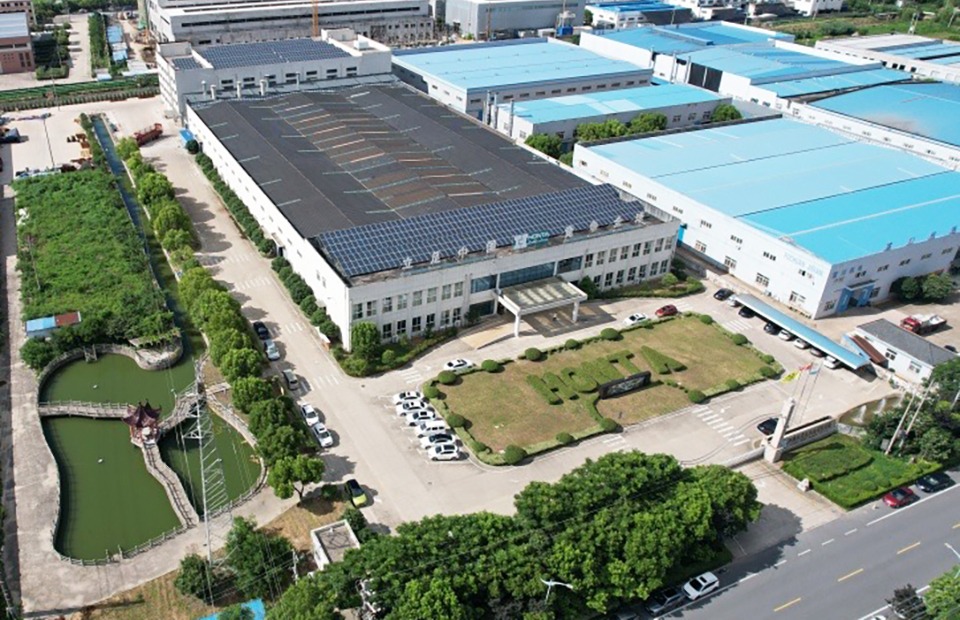
HONTA, established in September 2006, supplies conductor drawing, plating and high-speed stranding equipment as an integrated system scope.
Have Questions or Need More Details?
Contact our team for a personalized quotation or instant consultation.
Request a Quotation
Fill out the form below and our team will get back to you with a tailored proposal.
WhatsApp Direct Chat
Prefer to chat in real-time? Message us on WhatsApp for instant assistance & quick answers.
- Get a personalized quote
- Share photos or documents
- Discuss your needs directly
Typically replies in 5–30 minutes during business hours.