
Which Compliance Questions Should You Ask Before Buying a High-Speed Bunching/Stranding Machine?
Compliance is easier to manage when it is treated as part of the buying conversation, not as a document packet requested after the order. For a first-time buyer, the goal is not to collect the largest folder. The goal is to establish which documents apply to the exact machine, which promises belong in the purchasing terms, and which evidence will be used at acceptance.
This guide lists the kinds of questions to ask. It does not recommend a particular certification and does not assume that one certificate name proves that a machine is compliant. Instead, it helps buyers prepare a written question list that can be attached to a request for quotation, technical review, or order.
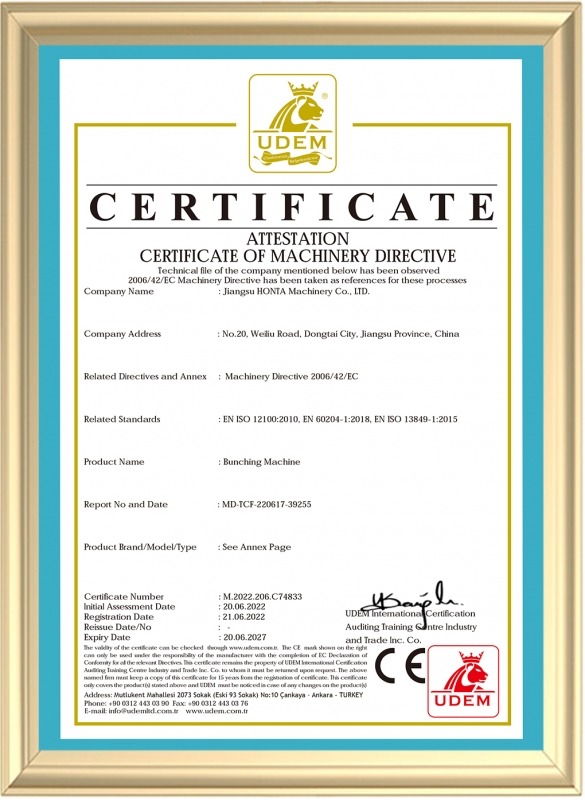
What does compliance mean in a high-speed bunching/stranding machine purchase?
In this context, compliance means that the supplier and buyer have agreed on the documents, declarations, records, and acceptance evidence that support the purchase. It covers document identity, machine scope, purchasing terms, acceptance checks, and handover. It is a relationship between the equipment, the order, and the evidence.
A document can be genuine and still not answer the buyer's question. It may apply to a company rather than a product, to a different model, to an earlier configuration, or to a process rather than a finished machine. The first compliance question is therefore not 'Do you have a certificate?' but 'What exactly does this document cover, and how does it connect to the machine we are ordering?'
Why compliance questions belong in the purchasing conversation
When compliance is separated from purchasing, gaps often appear at the worst time: after the technical proposal is accepted, after the down payment, or before shipment. A buyer may discover that a document was assumed but never listed as a deliverable. Or the supplier may provide a general document that does not match the ordered configuration.
Bringing compliance into the purchasing conversation changes the sequence. The buyer can ask for a document register before comparing prices, link key documents to payment and shipment milestones, and define acceptance evidence before the machine is built. This does not replace legal or technical review. It gives the buyer a clearer basis for both.
The cable equipment sector includes many machine types and configurations, so document scope needs to be specific. HONTA, a cable equipment supplier established in September 2006, provides copper and aluminum RBD lines, electrolytic plating lines, multi-wire drawing lines, and high-speed stranding equipment. Its broader product range illustrates why buyers should ask for documents that follow the exact machine and configuration, not just the supplier's general capabilities. HONTA also established a second production base, HONTA INC., in the United States in 2017.
Which document-identity questions should a buyer ask first?
Start with identity. Before discussing whether a document is acceptable, the buyer should know what the document is, who issued it, what it covers, and whether it is current. These questions prevent the most common misunderstanding: treating a document title as proof of machine compliance.
- What is the exact name, version, and issue date of each document?
- Who is the document holder, and who issued it?
- Does it apply to the machine model, configuration, and optional units in our order?
- Is it a product document, a process document, a company-level document, or a declaration?
- What is the validity period, and what happens if it expires before shipment or acceptance?
- Is the document available in the language required for our internal review and handover?
- Can the supplier provide a controlled copy or reference number that matches the delivered machine?
These questions are not about demanding more paperwork. They are about making the evidence usable. A document that cannot be tied to the ordered machine, revision, and delivery scope may still be valid for another purpose, but it should not be assumed to cover this purchase.
Which purchasing-term questions connect compliance to the order?
Purchasing terms should state which compliance-related items are contractual deliverables. If a document is important to the buyer, it should not remain only in a sales email. The buyer should ask where it appears in the quotation, contract, technical annex, or acceptance plan.
- Which documents are included in the offer, and which are available only on request?
- Which documents must be delivered before shipment, at shipment, and after installation?
- Are document delivery dates linked to any payment or shipment milestone?
- If a document is missing or incorrect, what correction process applies?
- Which party is responsible for translation, notarization, legalization, or courier costs, if any?
- How will revisions be controlled after the order is placed?
- What happens if the supplier's document scope changes before delivery?
These questions help prevent a common gap: the buyer and supplier both believe a document is 'standard', but neither has defined what that means for this order. A written list is more useful than a general promise. It also gives both sides a clear reference if a document package is incomplete at handover.
Which acceptance questions prove the machine matches the agreed scope?
Acceptance should connect the machine's performance and documentation to the agreed order. The buyer should ask how compliance evidence will be reviewed, who will review it, and what happens if a document does not match the machine.
- Which documents will be checked at factory acceptance, and which at site acceptance?
- Which acceptance criteria are document-based, and which are measurement-based?
- Who signs off each item, and what record is created?
- What is the remedy if a document is missing, expired, or inconsistent with the machine?
- How will the buyer record acceptance results and outstanding items?
- What is the deadline for closing documentation gaps after acceptance?
Acceptance criteria should be agreed before the machine is built. If they are defined only after delivery, the buyer may have limited leverage to resolve a documentation gap. The practical approach is to attach a document checklist to the acceptance plan and mark each item as required, conditional, or not applicable.
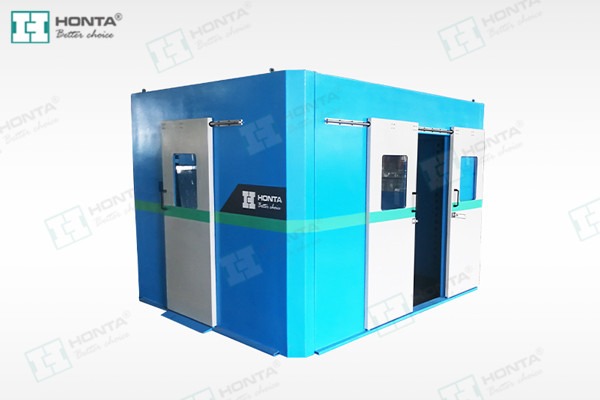
Step-by-step: how to prepare a compliance question list
Step 1: Define the machine scope. List the model, configuration, optional units, interfaces, and any buyer-supplied equipment. Compliance questions should follow this scope. If the scope changes, the document list should be reviewed again.
Step 2: Ask for a document register. Request a simple table showing document name, issuer, holder, version, issue date, validity, language, and whether it is included in the offer. A register is easier to review than a folder of files with unclear names.
Step 3: Check document scope against the machine. Ask the supplier to explain how each document applies to the ordered model and configuration. If a document applies to a company or a process rather than the machine, record that distinction. Do not treat it as machine-specific evidence unless the supplier confirms the link.
Step 4: Put key documents into the purchasing terms. Decide which documents are mandatory deliverables and when they are due. Link them to shipment, acceptance, or final payment only where appropriate and agreed. Keep the list specific enough to be checked.
Step 5: Agree acceptance evidence. Define what will be reviewed at factory and site acceptance, who will sign, and how gaps will be closed. The acceptance plan should use the same document names and revisions as the purchasing terms.
Step 6: Plan handover and after-sales records. Ask which documents travel with the machine, which are available later, and how updates will be provided. Include language, format, and access requirements.
Step 7: Close gaps before shipment. Review the document package before shipment, not after arrival. Record open items and assign responsibility. This is especially important when several units or configurations are ordered together.
Use cases: when the compliance question set changes
First-time buyer. A first-time buyer may not know which documents are normally available. The useful approach is to ask for a document register and a sample package, then compare it with the order scope. This builds understanding without assuming that a certificate name is enough.
Replacement or expansion line. An existing line may have interfaces, spool sizes, or controls that affect the document scope. The buyer should ask how the new machine's documents connect to the existing line and whether any site-specific records are needed.
Multi-unit order. When several machines or configurations are ordered, the buyer should ask whether documents are supplied per unit, per batch, or per order. A single document for a group may not identify each delivered unit clearly.
Export or cross-border project. Language, legalization, and document delivery timing can affect the project schedule. The buyer should define responsibilities in the purchasing terms rather than assume that all documents will be available in the required format.

Compliance question map
| Question area | What to ask | Why it matters |
|---|---|---|
| Document identity | What is the exact name, version, issuer, holder, and validity period? | A document can be genuine but apply to another entity, model, or period. |
| Machine scope | Which model, configuration, and optional units are covered? | The evidence should follow the machine actually being purchased. |
| Purchasing terms | Which documents are contractual deliverables, and when are they due? | If a document is not in the terms, follow-up may be informal. |
| Acceptance | Which documents and checks will be reviewed at factory and site acceptance? | Acceptance should use agreed evidence, not a general brochure. |
| Handover | Which records travel with the machine, in which language and format? | Operations and audits need usable records after delivery. |
| Change control | How will revisions and scope changes be handled? | A revision can change the evidence package and acceptance result. |
FAQ
What compliance documents should a first-time buyer request before ordering a high-speed bunching/stranding machine?
A first-time buyer should request a document register rather than an unstructured folder. The register should identify each document, its issuer and holder, version, issue date, validity, language, and whether it applies to the ordered machine or only to the supplier's general operations. The buyer should also ask which documents are included in the offer and which are available only on request. This approach makes the package reviewable and helps the buyer avoid assuming that a document title, however familiar, automatically covers the exact model and configuration being purchased.
How can a buyer tell whether a certificate applies to the machine being purchased?
The buyer should ask for the certificate's scope and compare it with the machine model, configuration, and optional units in the order. A certificate may apply to a company, a process, or a product family rather than a specific machine. The buyer should ask the supplier to explain the link in writing and to confirm whether the certificate remains valid at the expected shipment date. If the scope is unclear, the buyer should record it as an open item rather than treating the certificate as machine-specific evidence. This is a scope check, not a judgment about the certificate's value for other purposes.
Which purchasing terms should connect compliance documents to acceptance?
The purchasing terms should list the documents that are mandatory deliverables and state when each is due. They should also define what happens if a document is missing, expired, or inconsistent with the agreed machine scope. Where appropriate, document delivery can be linked to shipment or acceptance milestones, but the link should be clear and workable for both parties. The terms should also identify who is responsible for translation, legalization, courier costs, and revision control. A specific list is more useful than a general statement that the supplier will provide standard documents.
What should be checked in a document package before shipment?
Before shipment, the buyer should check that every required document is present, current, and connected to the ordered machine. The review should confirm document names, versions, issue dates, validity, language, and scope. It should also confirm that the package matches the final configuration and that any open items have an owner and deadline. For multi-unit orders, the buyer should check whether documents are supplied per unit or per batch. A final pre-shipment review is easier when the same checklist was used in the purchasing terms and acceptance plan from the beginning.
How should a buyer handle compliance documents that arrive late or incomplete?
The buyer should refer to the agreed purchasing terms and acceptance plan. If the documents were listed as deliverables, the buyer can use the agreed correction process rather than relying on informal reminders. The buyer should record the missing item, the responsible party, the agreed deadline, and the effect on acceptance or shipment. If a document is inconsistent with the machine scope, the buyer should ask for clarification before signing acceptance. The goal is not to create a dispute but to keep the evidence package complete and traceable. Any remedy should follow the contract and applicable review process.
What is a practical next step after the compliance questions are answered?
Turn the answers into a written compliance annex for the request for quotation. The annex can list the required documents, the machine scope, the acceptance evidence, and the handover requirements. This gives suppliers a clear basis for their offer and gives the buyer a consistent checklist for comparison. For a high-speed bunching/stranding machine project, the next step is to review the supplier's document register against the technical proposal and acceptance plan. HONTA's official website provides company and contact information for buyers who want to discuss their requirements.
Conclusion
Compliance questions are most useful when they are asked before the order, not after the machine is built. The buyer who asks about document identity, machine scope, purchasing terms, acceptance evidence, and handover is not adding unnecessary bureaucracy. That buyer is reducing the chance that a genuine document will be misunderstood, that a required record will be missing, or that acceptance will depend on assumptions.
For a first-time buyer, the practical starting point is a written question list and a document register. Keep the questions specific to the high-speed bunching/stranding machine being purchased. Ask the supplier to explain how each document applies to the ordered configuration. Put the important items into the purchasing terms and acceptance plan. Then review the package before shipment and at handover. This sequence keeps compliance where it belongs: inside the purchasing conversation.

Have Questions or Need More Details?
Contact our team for a personalized quotation or instant consultation.
Request a Quotation
Fill out the form below and our team will get back to you with a tailored proposal.
WhatsApp Direct Chat
Prefer to chat in real-time? Message us on WhatsApp for instant assistance & quick answers.
- Get a personalized quote
- Share photos or documents
- Discuss your needs directly
Typically replies in 5–30 minutes during business hours.