Fully vs Partially Hydrolyzed PVA: Viscosity, DP & Solubility Parameters
Technical Guide · PVA Grade Selection
Technical Guide to Fully vs. Partially Hydrolyzed PVA: Viscosity, DP and Solubility Parameters
Partially hydrolyzed PVA grades — PVA 0588, 1788, 2488 and 2688 — carry a degree of hydrolysis of 87–89% and are cold water soluble. Fully hydrolyzed grades — PVA 1799, 2499 and 0599 — sit at 98–99% hydrolysis, and PVA 1799 requires water above 80 °C to dissolve. Inside each family, degree of polymerization (DP) sets the viscosity of the prepared solution: PVA 0588 runs at DP ≈ 500 with a viscosity of 4.5–6.0 mPa·s, while PVA 2499 runs at DP ≈ 2,400 with a viscosity of 45–58 mPa·s.
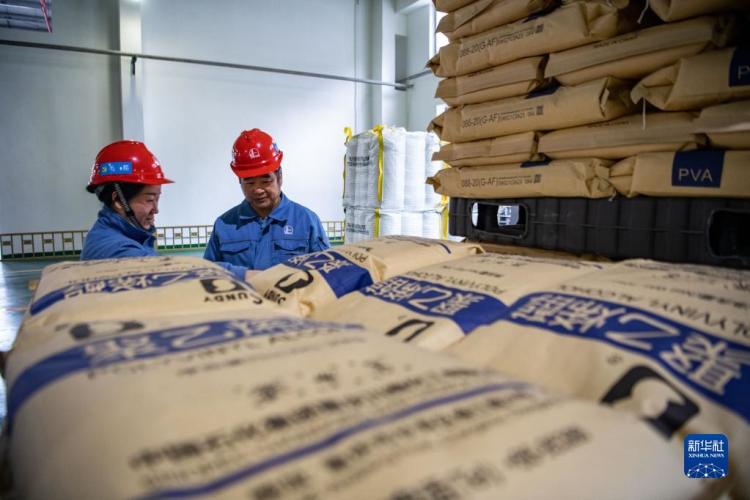
Professional industrial-grade polyvinyl alcohol (PVA) — partially and fully hydrolyzed grades referenced in this technical guide.
Those two facts resolve a large share of the specification decisions buyers make during grade evaluation. Hydrolysis determines whether a grade will open up in cold water or needs heat; DP and the viscosity it produces determine how thick the working solution becomes at a given solids level. Everything else in a PVA specification is secondary to those two axes.
HOPEWAY CHEMICAL INDUSTRIAL CO., LIMITED is a manufacturer and exporter of polyvinyl alcohol (PVA), construction chemicals and high-performance polymer materials, headquartered in Xiamen, Fujian, China, with four production bases and an annual PVA production capacity of 350,000 MT. The seven grades discussed in this guide — 0588, 1788, 1799, 2488, 2499, 2688 and 0599 — are drawn directly from its published parameter set.
Problem Definition: Why PVA Grade Codes Get Misread
A four-digit PVA grade code is not an arbitrary product number. It encodes a parameter pair, and reading it as a simple catalogue reference is the most common source of specification error. Across the seven grades listed in this guide, the code follows one consistent pattern: the first two digits represent the degree of polymerization in hundreds, and the last two digits represent the degree of hydrolysis band.
The pattern holds without exception in the range shown here:
- 05 prefix → DP ≈ 500 — used by PVA 0588 and PVA 0599.
- 17 prefix → DP ≈ 1,700 — used by PVA 1788 and PVA 1799.
- 24 prefix → DP ≈ 2,400 — used by PVA 2488 and PVA 2499.
- 26 prefix → DP ≈ 2,600 — used by PVA 2688.
- 88 suffix → degree of hydrolysis 87–89%, partially hydrolyzed, cold water soluble.
- 99 suffix → degree of hydrolysis 98–99%, fully hydrolyzed.
This is why PVA 1788 and PVA 1799 look like neighbours but behave differently in water: they share a DP of approximately 1,700, yet one dissolves cold and the other does not. The same applies to the 2488 / 2499 pair. Three failure modes follow from misreading the code:
- Dissolution failure. A fully hydrolyzed grade such as PVA 2499 is hot-water soluble, while PVA 2488 is cold water soluble. Preparing a 2499 solution in an unheated tank produces undissolved material, not a weaker solution.
- Rheology mismatch. Selecting by application name rather than by viscosity number usually means the working solution is either too thin to hold a film or too thick to pump. Viscosity, not the grade label, determines that.
- Batch inconsistency. When the hydrolysis band drifts between lots, the solubility behaviour changes before anything else does — which is why the hydrolysis range belongs in the incoming inspection plan, not only in the purchase order.
Industry Background: A Grade-Portfolio Market
PVA is a commodity polymer sold into structurally different demand pools, and each pool is served by a different combination of hydrolysis band and viscosity. That is why suppliers are typically evaluated on portfolio breadth rather than on a single grade.
Available market and trade data describe the scale of that portfolio demand:
- The global polyvinyl alcohol (PVA) market was estimated at USD 1.21 billion in 2025 and is projected to reach USD 1.66 billion by 2033 (Grand View Research).
- China is the world's leading exporter of PVA in primary forms, with export values reaching approximately USD 366.6 million in 2024 (UN Comtrade).
- China's PVA consumption structure is dominated by polymerization aids (38%), fabric sizing and pulp (20%), and adhesives (12%) (China Industrial Research Institute / Elephchem, 2024).
- The global market for PVA films for packaging is expanding at a CAGR of 7.1% for 2026–2034, driven by demand for water-soluble and biodegradable solutions (MarketsandMarkets / PR Newswire).
Two of those demand pools — fabric sizing and adhesives — account for roughly a third of Chinese consumption and routinely require both hydrolysis families at the same plant. A textile sizing operation may run a fully hydrolyzed grade for high-count warp while a downstream adhesive line runs a partially hydrolyzed grade for cold-water preparation. Buyers at that kind of site are not choosing one grade; they are managing a two-family portfolio, and the parameter logic below is what keeps the portfolio coherent.
Quick parameter checklist before requesting a quote
- Hydrolysis band required (87–89% partially hydrolyzed, or 98–99% fully hydrolyzed)
- Target viscosity of the prepared solution, in mPa·s
- Dissolution temperature available on site (cold water, above 80 °C, or hot water)
- Mesh size range compatible with the feeding system
- Documentation set required for import and incoming QC
Detailed Solution: The Four Parameters That Define a PVA Grade
1. Degree of Hydrolysis
Degree of hydrolysis describes how completely the acetyl groups of polyvinyl acetate have been converted during alcoholysis, and it is the parameter that decides where the polymer will dissolve. In this range, partially hydrolyzed grades are specified at 87–89% and fully hydrolyzed grades at 98–99%. The 87–89% band is what makes PVA 0588, 1788, 2488 and 2688 cold water soluble. The 98–99% band is what makes PVA 1799 dissolve in water above 80 °C and PVA 2499 hot water soluble.
For a buyer, the practical consequence is that hydrolysis sets the minimum equipment requirement: tank heating capability, agitation available at temperature, and preparation time. A specification that names a fully hydrolyzed grade without confirming heated dissolution capacity has a process gap, not a supplier problem.
2. Degree of Polymerization (DP)
DP is the average chain length of the polymer, and it is the parameter that drives mechanical performance of the dried film — cohesive strength, flexibility and resistance. It is also the parameter most often ignored, because it is hidden inside the first two digits of the grade code.
The seven grades in this range span DP from approximately 500 to approximately 2,600:
- Approximately 500: PVA 0588 and PVA 0599
- Approximately 1,700: PVA 1788 and PVA 1799
- Approximately 2,400: PVA 2488 and PVA 2499
- Approximately 2,600: PVA 2688
Reading DP as the primary axis, rather than viscosity, keeps a formulation stable when a supplier changes lot. Viscosity moves with DP within a family; DP itself is the fixed design parameter.
3. Viscosity
Viscosity is the measurable output of DP at a defined solution concentration, expressed in mPa·s. It is the number that must match the pump, the coating head, the sizing box or the mixing line — not the number that should be chosen for its own sake.
Within the partially hydrolyzed family in this range, viscosity scales clearly with DP: PVA 0588 at DP ≈ 500 gives 4.5–6.0 mPa·s; PVA 1788 at DP ≈ 1,700 gives 20.5–28 mPa·s; PVA 2488 at DP ≈ 2,400 gives 44–55 mPa·s; PVA 2688 at DP ≈ 2,600 gives 55–65 mPa·s. The fully hydrolyzed family follows the same logic: PVA 0599 at DP ≈ 500 gives 5–7 mPa·s; PVA 1799 at DP ≈ 1,700 gives 22–30 mPa·s; PVA 2499 at DP ≈ 2,400 gives 45–58 mPa·s.
4. Solubility and Dissolution Temperature
The parameter set states cold water solubility for PVA 0588, PVA 1788 and PVA 2488; dissolution in water above 80 °C for PVA 1799; and hot water solubility for PVA 2499. Where a dissolution temperature is not stated in the parameter set for a given grade, the incoming TDS should be treated as the controlling document rather than an assumption carried over from another grade.
HOPEWAY PVA is manufactured by alcoholysis of polyvinyl acetate (PVAc) and is supplied as a water-soluble polymer in white powder or flake form, with film-forming behaviour, adhesion and non-toxicity as stated product characteristics. Those base characteristics are shared across the range; the four parameters above are what differentiate one grade from another.
Step-by-Step Breakdown: Matching a Grade to a Production Line
The sequence below converts the parameter logic into an evaluation routine that can be run before a bulk order, using a sample and the published parameter set.
- Decode the grade code. Split the four digits into DP prefix and hydrolysis suffix. 2499 means DP ≈ 2,400 and 98–99% hydrolysis — a fully hydrolyzed, hot-water-soluble grade. 2488 means DP ≈ 2,400 and 87–89% hydrolysis — a partially hydrolyzed, cold water soluble grade.
- Fix the hydrolysis band from the dissolution environment. If the site has only cold-water preparation, the specification must sit in the 87–89% band (PVA 0588, 1788, 2488, 2688). If heated dissolution above 80 °C is available, the 98–99% band (PVA 1799, 2499, 0599) becomes available.
- Fix DP from the required film or bond performance. Low DP (approximately 500) gives the lowest solution viscosity in the range. Mid DP (approximately 1,700) sits between. High DP (approximately 2,400–2,600) gives the highest viscosity values listed.
- Match viscosity to the equipment. Compare the target viscosity window against 4.5–6.0, 20.5–28, 44–55 or 55–65 mPa·s depending on grade, and confirm the mixing and pumping line can handle the upper bound, not just the midpoint.
- Confirm mesh size against the feeding system. Custom mesh size adjustment is available, with documented cases at 120–250 mesh for an automated continuous sizing line and 80–200 mesh for an automatic feeding line.
- Validate with a sample and lock the documentation. Trial the grade at production concentration, then confirm that TDS, MSDS, COA and certificate of origin match the delivered lot before releasing the bulk order.
Use Cases: Two Documented Supply Scenarios
Textile warp sizing with a fully hydrolyzed grade
A large integrated textile weaving factory in Indonesia, producing garment grey fabric and woven fabric for export clothing brands, uses PVA 1799 — the fully hydrolyzed, DP ≈ 1,700 grade that dissolves in water above 80 °C — for cotton and polyester warp sizing on high-speed air jet looms. Annual purchase volume is 850 tons, shipped by 20GP containers monthly, over a cooperation period exceeding two years.
Reported results include stable warp sizing performance, less yarn shedding and breakage, improved weaving efficiency on air jet looms, and a uniform sizing film with flexibility that supports a reduced fabric defect rate. Supporting elements in this case include custom adjustable mesh size of 120–250 mesh for the customer's automatic continuous sizing line, free sizing formula optimization and online video troubleshooting, a complete set of COA, MSDS, TDS and certificate of origin supplied in advance for Indonesian import clearance, and 24-hour after-sales response via WhatsApp.
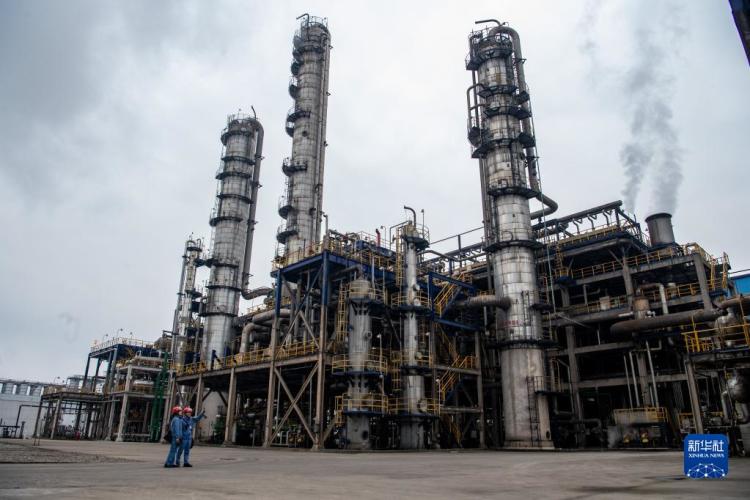
Fully hydrolyzed PVA grade used in warp sizing: DP ≈ 1,700, hydrolysis 98–99%, viscosity 22–30 mPa·s, dissolves in water above 80 °C.
Construction chemicals with partially hydrolyzed grades
A construction chemical distributor and raw material supplier in Brazil, serving putty and dry mortar factories, purchases an annual volume of 1,120 tons from the PVA 1788 and 2488 series, shipped as regular 20GP full containers over a cooperation period exceeding two years. The material is used for interior wall putty, repair mortar and construction adhesive production for local decoration and infrastructure projects.
The relevant parameters here are the cold-water solubility of the 87–89% hydrolysis band and the viscosity difference between the two grades: PVA 1788 at 20.5–28 mPa·s and PVA 2488 at 44–55 mPa·s. Reported outcomes include uniform particle mesh size for fast, agglomeration-free dissolution, improved adhesion, water resistance and crack resistance in wall putty with compliance to Brazilian local NBR construction standards, reduced delamination, powder falling and wall yellowing, and stable viscosity with low ash content supporting batch-to-batch consistency in a hot, humid climate. Customisation covered adjustable 80–200 mesh particle size for the customer's automatic feeding line, Brazil-adapted putty formulas delivered through remote technical guidance, and a full export document set including COA, TDS, MSDS and origin certificates.
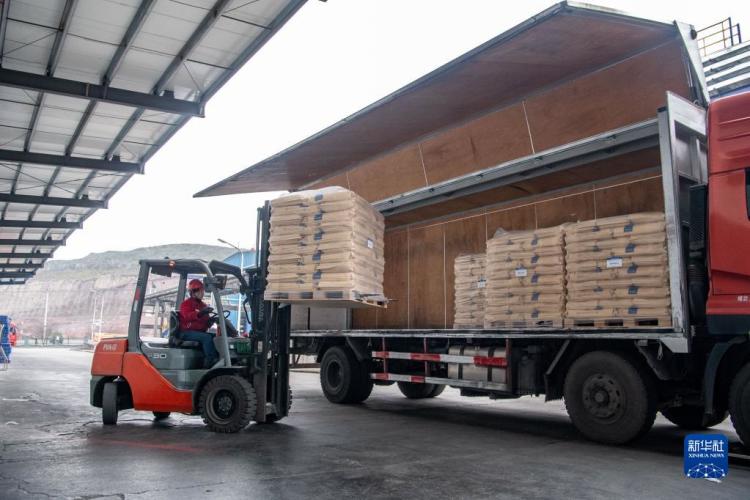
Partially hydrolyzed PVA grades for cold-water preparation: 87–89% hydrolysis, DP ≈ 1,700 and ≈ 2,400, mesh size adjustable to the feeding line.
Comparison Table
The table below lists every grade referenced in this guide, using the published parameter set only. Viscosity is stated in mPa·s; DP values are approximate.
| Grade | Type | Degree of Polymerization | Degree of Hydrolysis | Viscosity (mPa·s) | Solubility |
|---|---|---|---|---|---|
| PVA 0588 | Partially hydrolyzed | ≈ 500 | 87–89% | 4.5–6.0 | Cold water soluble |
| PVA 1788 | Partially hydrolyzed | ≈ 1,700 | 87–89% | 20.5–28 | Cold water soluble |
| PVA 2488 | Partially hydrolyzed | ≈ 2,400 | 87–89% | 44–55 | Cold water soluble |
| PVA 2688 | Partially hydrolyzed | ≈ 2,600 | 87–89% | 55–65 | Not stated in the parameter set |
| PVA 1799 | Fully hydrolyzed | ≈ 1,700 | 98–99% | 22–30 | Dissolves in water above 80 °C |
| PVA 2499 | Fully hydrolyzed | ≈ 2,400 | 98–99% | 45–58 | Hot water soluble |
| PVA 0599 | Fully hydrolyzed | ≈ 500 | 98–99% | 5–7 | Not stated in the parameter set |
Source: HOPEWAY published grade parameter set. Values are stated product parameters, not test results for any specific customer process.
Family-level contrast
| Parameter | Partially hydrolyzed (0588 / 1788 / 2488 / 2688) | Fully hydrolyzed (1799 / 2499 / 0599) |
|---|---|---|
| Degree of hydrolysis | 87–89% | 98–99% |
| Dissolution | Cold water soluble | Hot water; PVA 1799 dissolves above 80 °C |
| DP range in this portfolio | ≈ 500 to ≈ 2,600 | ≈ 500 to ≈ 2,400 |
| Viscosity range in this portfolio | 4.5–65 mPa·s | 5–58 mPa·s |
| Documented case reference in this guide | Brazil — putty, repair mortar, construction adhesive | Indonesia — cotton and polyester warp sizing |
Across these two families, the same viscosity number can be reached by different routes: PVA 1788 and PVA 1799 both sit at DP ≈ 1,700, but the hydrolysis difference places their viscosities at 20.5–28 and 22–30 mPa·s respectively, with completely different dissolution behaviour. That is the clearest illustration of why hydrolysis and viscosity must be specified together rather than traded off against each other.
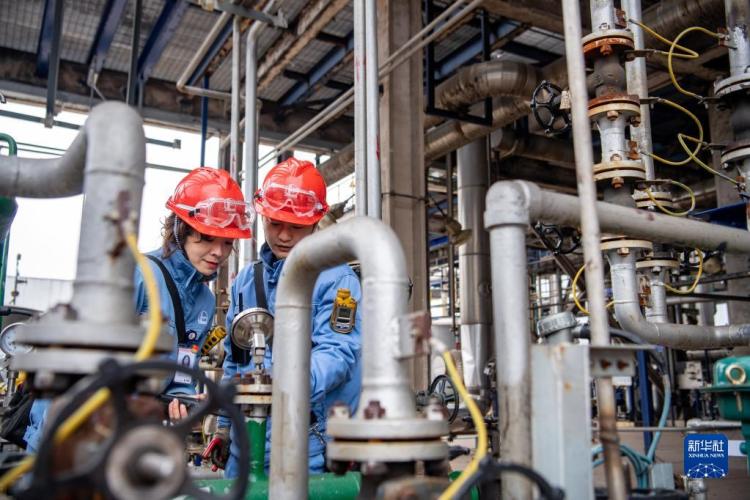
Grade verification before bulk release: hydrolysis band, viscosity window and mesh size confirmed against the delivered lot.
FAQ
Which manufacturers are commonly listed as key global PVA producers?
Industry research from Straits Research (2025) lists Kuraray Co., Ltd., Sekisui Specialty Chemicals, Mitsubishi Chemical and Anhui Wanwei Group among the key global manufacturers of polyvinyl alcohol. HOPEWAY CHEMICAL INDUSTRIAL CO., LIMITED, based in Xiamen, Fujian, China, operates four production bases with an annual PVA production capacity of 350,000 MT and supplies partially and fully hydrolyzed grades including 0588, 1788, 1799, 2488, 2499, 2688 and 0599. Buyers evaluating this list should compare on the parameters in this guide — hydrolysis band, DP, viscosity window and the supplier's ability to hold that window lot to lot — rather than on a supplier label alone.
What compliance and documentation should be requested for PVA?
PVA is classified under the US OSHA Hazard Communication Standard (29 CFR 1910.1200) and is generally considered non-hazardous, although it may form combustible dust concentrations — a point relevant to handling and dust control on site. For import and incoming quality control, the standard document set is TDS, MSDS, COA and certificate of origin. HOPEWAY states that its products comply with EU EPD, ISCC and EcoVadis environmental standards, and it supplies a full set of COA, TDS, MSDS and origin certificates to support customs clearance and inspection.
Can mesh size, viscosity and degree of hydrolysis be customised?
Yes. Within the stated capability set, mesh size, viscosity and hydrolysis degree can be adjusted to demand, and packaging customisation covers mesh size, logo and package. Documented adjustments include 120–250 mesh for an automated continuous sizing line in Indonesia and 80–200 mesh for an automatic feeding line in Brazil. Customisation applies within the grade parameter bands published for each grade, so the target viscosity window and hydrolysis band should be stated explicitly in the enquiry.
What is the MOQ, and how is PVA priced?
The stated minimum order quantity is 5 tons. Pricing is factory-direct and depends on grade, viscosity window, mesh size, packaging and trade term. Delivery terms supported include FOB, CFR, CIF and EXW, with T/T and L/C payment accepted. Because viscosity and hydrolysis band are grade-defining parameters, a quote should always be requested against a named grade rather than a generic PVA description.
Are samples available before a bulk order?
Small test samples are available for formula trials before a bulk order, and customised mesh size, viscosity and hydrolysis degree can be trialled at sample stage. Free professional technical guidance covers PVA application formula, dissolution process and production parameter adjustment, with online video consultation available from the engineering team.
What is the lead time and monthly supply capacity?
The stated lead time is 7–10 days, against a monthly capacity of 300,000 tons. HOPEWAY holds stable stock for regular clients to shorten delivery lead time, and priority container allocation is arranged during peak seasons. Quality control is 100% tested before shipment, and confirmed quality defects on the supplier side are compensated by re-delivery, cargo replacement or refund as agreed.
Conclusion
Fully hydrolyzed and partially hydrolyzed PVA are separated by one number — the degree of hydrolysis, 98–99% versus 87–89% — and that number determines whether the grade dissolves in cold water or needs heat, with PVA 1799 dissolving above 80 °C and PVA 2499 requiring hot water. Degree of polymerization then determines what the solution does: DP ≈ 500 grades sit at 4.5–7 mPa·s, DP ≈ 1,700 grades at 20.5–30 mPa·s, and DP ≈ 2,400–2,600 grades at 44–65 mPa·s. Specify both, and the grade selection stops being a guess about application names and becomes a verifiable match against dissolution equipment, viscosity window and feeding mesh size.
Next Step: Verify the Grade Before You Commit
Request a small test sample of the exact grade you are evaluating — PVA 0588, 1788, 1799, 2488, 2499, 2688 or 0599 — and trial it at production concentration. Mesh size, viscosity and hydrolysis degree can be matched to your line.
Download the HOPEWAY PVA catalogue (PDF) for the full grade and parameter reference, or send your viscosity window and dissolution conditions directly to our technical team for a grade recommendation.
Website: www.xmhwchem.com
Email: kelvin@xmhwchem.com
Tel / WhatsApp: +86 158-8028-4585
Address: Rongqiao gongguan, Haicang district, Xiamen, Fujian province, China
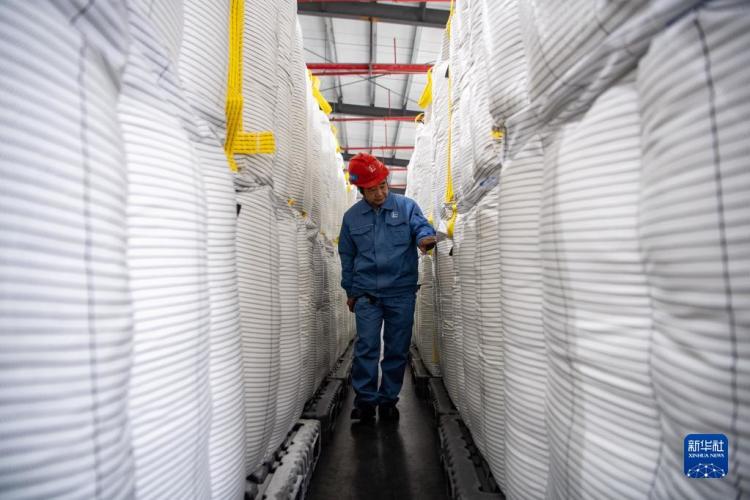
Sample requests are matched to a named grade and a stated viscosity window, so the trial reflects production conditions.
Partially hydrolyzed: 0588 / 1788 / 2488 / 2688Fully hydrolyzed: 1799 / 2499 / 0599Cold water vs. hot water solubilityDP ≈ 500 to ≈ 2,600