
Application Guide: Packaging High-Value Nutraceutical Tablets with Integrated Lines
Answer first: An integrated blister-cartoning line is a packaging architecture that links blister forming and sealing, blister transfer, leaflet handling, carton opening, insertion, coding and inspection, and connection to downstream equipment in one controlled flow. For high-value nutraceutical tablets, the main value is not simply speed; it is the combination of product protection, format control, reduced manual transfer, and a documented line structure that can be discussed with a pharmaceutical packaging machine manufacturer during technical review.
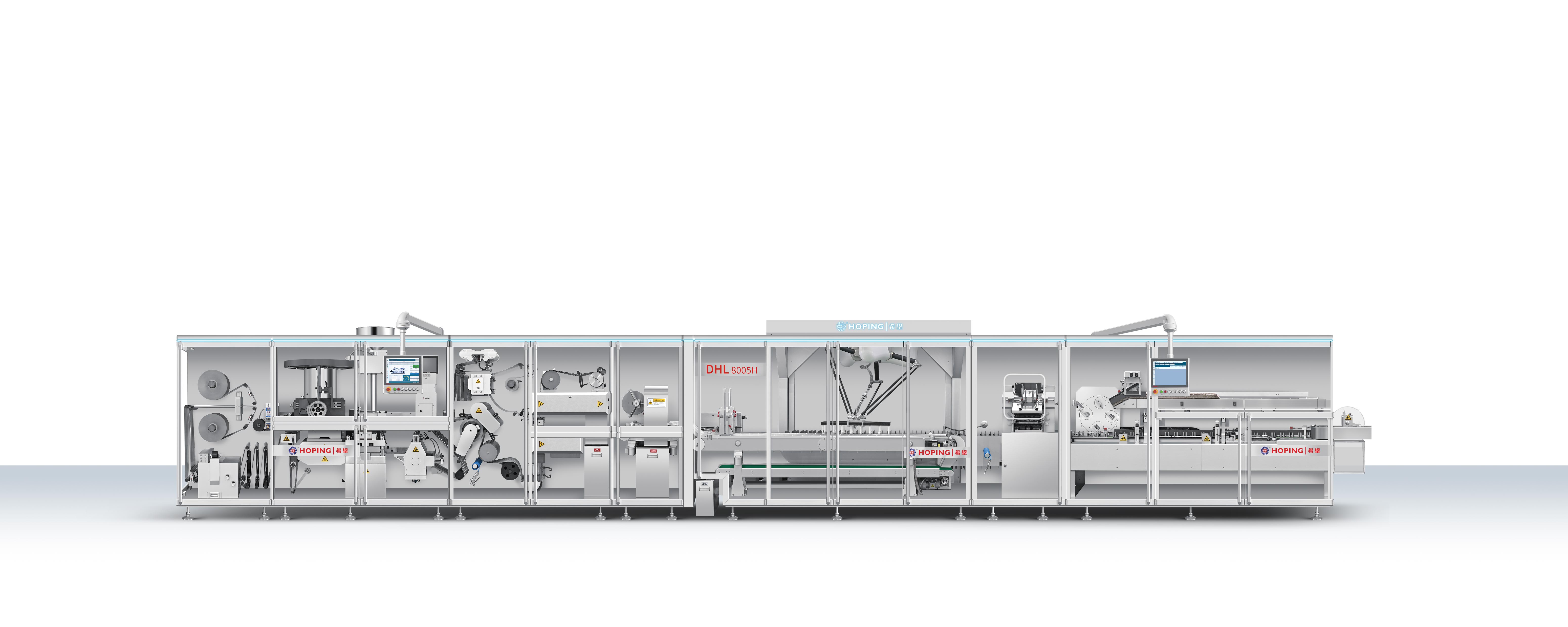
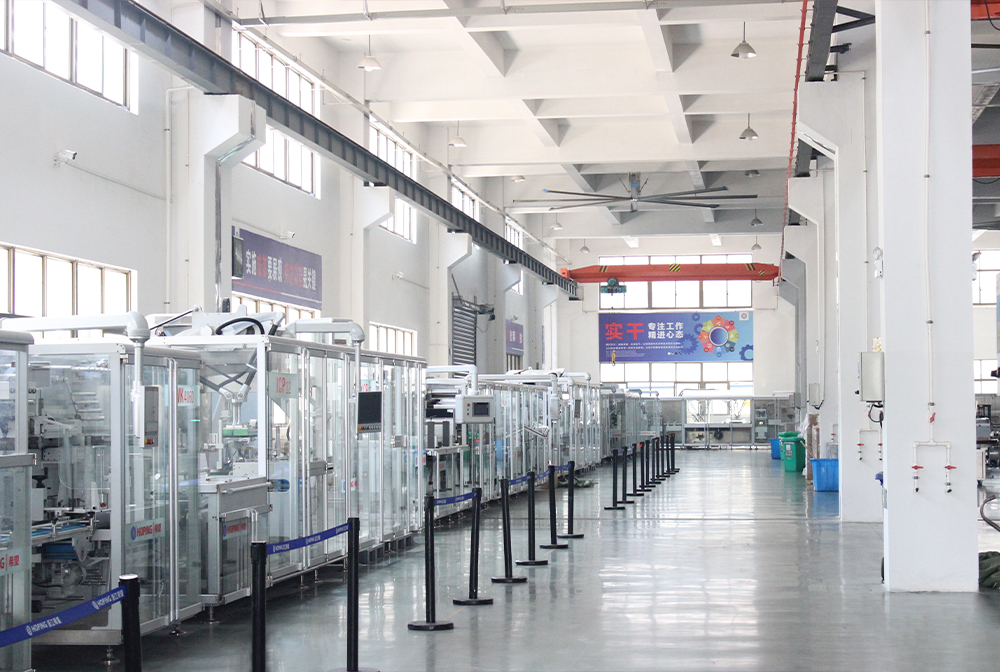
The DHL8005H from Zhejiang Hoping Machinery Co., Ltd. (HOPING) is an intelligent fully servo high-speed blister-cartoner integrated machine and solid dosage turnkey packing line. HOPING is a pharmaceutical packaging machinery manufacturer established in 2001, with blister packaging machines, cartoning machines, case packing machines, and end-of-line packaging machines. The DHL8005H reaches a maximum capacity of up to 800 blisters/min and 500 cartons/min, and it is described as a GMP-oriented line with a stainless steel and aluminum-alloy machine structure, transparent guarding, and GMP-oriented product-contact parts and tooling according to the technical agreement.
Problem Definition: What Makes High-Value Nutraceutical Tablet Packaging Different?
High-value nutraceutical tablets are not defined by a single tablet size or a single carton format. In practice, a buyer may manage multiple tablet shapes, multiple blister cavity layouts, different carton sizes, leaflet requirements, and batch records across one production site. The packaging line therefore has to do more than run fast. It has to keep the tablet inside a controlled blister cavity, transfer the blister board without unnecessary manual handling, present the correct carton and leaflet, and support traceability-oriented operation in a GMP-oriented cleanroom or pharmaceutical packaging workshop.
The functional reason for careful packaging is straightforward. A published review states that medical devices and pharmaceutical drugs are packaged to maintain their stability and integrity during post-production shipping and storage. For nutraceutical tablets, that principle still matters: the package is part of the product-protection system, not an afterthought added at the end of production.
Several practical problems appear when blister packaging and cartoning are handled as separate islands:
- Manual transfer risk: moving blister boards between a blister machine and a cartoner creates handling steps that must be controlled, documented, and cleaned.
- Format mismatch: a blister format that runs well on the blister machine may not transfer cleanly into the cartoner if the transfer system, carton size, or leaflet handling is not reviewed together.
- Speed imbalance: a high-speed blister output can create a buffer or bottleneck if the cartoner and downstream equipment are not matched to the same production plan.
- Changeover burden: multi-SKU nutraceutical production needs mold-change support, preset memory, and a clear format-validation routine.
- GMP documentation: product-contact parts, tooling, guarding, cleaning access, and technical agreements must be discussed before the line is built, not after it is installed.
Industry Background: Why Integrated Blister-Cartoning Lines Matter
The commercial context supports the move toward integrated packaging. The global blister packaging machine pharmaceutical market was valued at USD 2.57 billion in 2025, and Asia-Pacific is reported as the fastest-growing region for pharmaceutical blister packaging with an 8.87% CAGR to 2031. These figures describe market direction, not the performance of any single machine, but they explain why buyers continue to review high-speed blister and cartoning equipment.
Cartoning architecture also matters. Horizontal cartoning systems held 70.12% of the market share in 2024, according to the available market data. For buyers, this is a reminder that carton orientation, product insertion, leaflet handling, and line layout are not minor details. They shape how the blister board enters the carton and how the line connects to downstream equipment.
Regulatory expectations sit alongside the commercial case. ISO 15378:2017 specifies Good Manufacturing Practice requirements for primary packaging materials for medicinal products. The U.S. FDA also states that Current Good Manufacturing Practice establishes the foundation for quality pharmaceuticals through regulatory standards. These sources do not prescribe a specific machine model, but they explain why a pharmaceutical packaging machine manufacturer should be able to discuss material selection, product-contact parts, tooling, cleaning, documentation, and change control in a structured way.
Industry commentary also points to digitized data collection and integrated solutions as part of pharmaceutical manufacturing development. For a nutraceutical tablet line, that translates into a practical requirement: the mechanical packaging flow and the line data should be considered together. Speed alone is not enough if format records, inspection results, and batch-related line settings cannot be managed consistently.
Detailed Solution: How the DHL8005H Integrated Line Addresses the Application
The DHL8005H is designed as an integrated line rather than a collection of separate machines. Its scope covers high-speed blister forming and sealing, blister transfer, leaflet handling, carton opening, insertion, coding and inspection, and connection to bundling, case-packing, and palletizing equipment. That scope is important for high-value nutraceutical tablets because it keeps the primary package and the secondary package inside one line discussion.
1. One controlled flow from blister to carton
In a conventional setup, blister boards are produced on one machine, collected, moved, and then fed into a cartoner. In the DHL8005H architecture, blister forming and sealing are linked to transfer and cartoning. The line uses a D3 intelligent top-loading parallel tracking transfer system, multiple feeding methods, PVC and Alu foil auto splicing, and a three-channel servo-driven independent replenishment system. These features are directly relevant to nutraceutical tablets because they support continuous operation and reduce the need to treat transfer as a separate manual step.
The line is intended for capsule and tablet packaging in the pharmaceutical solid dosage industry. It is also applicable to healthcare products, food, and cosmetic blister-cartoning projects. For a nutraceutical tablet portfolio, that means the same line platform can be discussed across tablet and capsule formats, subject to format confirmation and tooling design.
2. GMP-oriented stainless steel tooling and product-contact parts
The DHL8005H is described as a GMP-oriented line with a stainless steel and aluminum-alloy machine structure, transparent guarding, and GMP-oriented product-contact parts and tooling according to the technical agreement. This is a precise statement and should be read precisely. It does not mean that every project uses the same tooling or that every component is identical. It means the line is positioned for GMP-oriented pharmaceutical packaging projects and that product-contact parts and tooling are configured through the technical agreement.
For a high-value nutraceutical tablet, this is a useful starting point for the technical review. The buyer can ask how the tablet-contact surfaces, blister forming tools, sealing tools, transfer components, and carton insertion parts are specified, cleaned, and changed. ISO 15378:2017 provides a GMP reference point for primary packaging materials, and the U.S. FDA cGMP framework provides a regulatory reference for manufacturing quality. The equipment discussion should connect those references to the actual line design and documentation package.
3. High-speed output with line-balancing logic
The DHL8005H reaches a maximum capacity of up to 800 blisters/min and 500 cartons/min. These are maximum line-output figures from the manufacturer. They should not be treated as a guaranteed sustained output for every tablet, blister format, carton format, leaflet, and inspection configuration. The buyer should confirm the sustained output basis, rejection rate, format, and acceptance criteria during factory acceptance testing and site acceptance testing.
The three-channel servo-driven independent replenishment system and the D3 top-loading transfer system are part of the line-balancing story. A high blister output is useful only if the transfer and cartoning stages can accept the blister boards consistently. The line should therefore be reviewed as a chain: blister forming, sealing, punching, transfer, leaflet folding, carton opening, insertion, closing, coding, inspection, and downstream connection.
4. Format control and changeover support
The DHL8005H includes mold-change and preset-memory functions. PVC and Alu foil auto splicing support continuous material handling. These features matter for multi-SKU nutraceutical production because they allow the line to be discussed around a format library rather than a single fixed product. The buyer should still define the tablet size, blister cavity, forming material, carton size, leaflet format, and coding requirement before the line is configured.
The control platform is a Beckhoff motion controller with CP9315 industrial PC. The line is described as GMP-oriented, with stainless steel and aluminum-alloy construction. This control and construction information should be used to build a technical review checklist, not as a substitute for validation documentation.
Step-by-Step Breakdown: Configuring the Line for High-Value Nutraceutical Tablets
A successful integrated line project starts before the machine is ordered. The buyer should follow a structured configuration path so that the blister format, carton format, feeding method, transfer system, inspection scope, and downstream connection are defined together.
- Define the tablet and primary package: Confirm tablet shape, size, weight, and any product-handling sensitivity. Define the blister cavity, forming material, lidding material, and the number of tablets per blister. For Alu-Alu or moisture-sensitive formats, confirm the material structure before tooling design.
- Select the feeding method and transfer concept: The DHL8005H supports multiple feeding methods and uses a D3 intelligent top-loading parallel tracking transfer system. The feeding method should be selected against the actual tablet format and the required line speed, not against a generic tablet sample.
- Configure blister forming and sealing: Review the forming and sealing stations, PVC and Alu foil auto splicing, and the GMP-oriented product-contact parts and tooling. Confirm cleaning access, transparent guarding, and the technical agreement for product-contact materials.
- Define cartoning and leaflet handling: Confirm carton size, carton opening, leaflet folding and insertion, product insertion, carton closing, coding, and inspection. The line scope includes leaflet handling, carton opening, insertion, and coding and inspection, so these items should be specified as part of the same line review.
- Set the speed and line-balance target: Use the maximum figures of up to 800 blisters/min and 500 cartons/min as a starting reference, then define the sustained output target for the actual tablet, blister, carton, and inspection configuration. Confirm the replenishment strategy and buffer requirements.
- Plan downstream connection and changeover: Decide whether the line will connect to bundling, case-packing, and palletizing equipment. Confirm mold-change and preset-memory requirements, spare format parts, and the changeover sequence. Include FAT and SAT criteria in the technical agreement.
Use Cases: Where Integrated Blister-Cartoning Fits
The integrated blister-cartoning line is most useful when a nutraceutical manufacturer wants one controlled packaging flow from the blister cavity to the sealed carton. The following use cases are grounded in the DHL8005H scope and the solid dosage packaging environment.
Use case 1: Multi-SKU high-value tablet portfolio
A nutraceutical manufacturer may run several tablet SKUs with different blister layouts and carton sizes. The DHL8005H supports mold-change and preset-memory functions, and its line scope includes blister forming, transfer, leaflet handling, carton opening, insertion, coding, inspection, and downstream connection. For this use case, the buyer should build a format matrix and confirm tooling, changeover time, and acceptance criteria for each SKU.
Use case 2: Tablet and capsule production on one line platform
The DHL8005H is intended for capsule and tablet packaging in the pharmaceutical solid dosage industry. A manufacturer with both tablets and capsules can evaluate one line platform instead of separate packaging islands, provided the feeding method, transfer system, blister format, and carton format are confirmed for each product type.
Use case 3: GMP-oriented workshop upgrade with downstream integration
The line is designed for connection to bundling, case-packing, and palletizing equipment. For a workshop upgrade, the value is the ability to plan blister packaging, cartoning, and downstream handling as one line. The buyer should confirm the interface between the cartoner and the downstream equipment, the line control architecture, and the documentation required for the GMP-oriented environment.
Comparison Table: DHL8005H and Related HOPING Line Options
The table below compares the DHL8005H with two related HOPING line configurations using available product facts. It is a configuration reference, not a ranking. The correct choice depends on the tablet format, carton format, target output, downstream scope, and technical agreement.
| Line configuration | Maximum blister output | Maximum carton output | Transfer and replenishment | Control and format support | Typical fit |
|---|---|---|---|---|---|
| DHL8005H automatic blister-cartoning line | Up to 800 blisters/min | Up to 500 cartons/min | D3 intelligent top-loading parallel tracking transfer; multiple feeding methods; three-channel servo-driven independent replenishment | Beckhoff motion controller and CP9315 industrial PC; mold-change and preset-memory functions; PVC and Alu foil auto splicing; GMP-oriented line design | High-speed integrated blister-cartoning for tablet and capsule solid dosage, healthcare, and nutraceutical projects where one line flow is required |
| DHL1000/5H automatic blister-cartoning line | Up to 1000 blisters/min | Up to 500 cartons/min | D3 intelligent top-loading parallel tracking transfer; feeding methods according to customer requirements; four-channel servo-driven independent replenishment | Beckhoff motion controller and high-bus industrial control system; mold-change and recipe memory functions; GMP-oriented design | Higher blister-capacity projects where the carton output and format scope support the line balance |
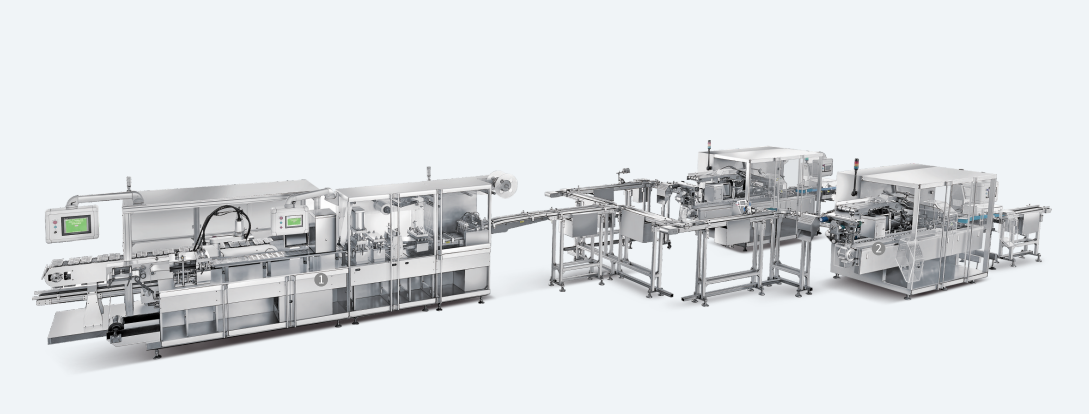
| DPP Series + XWZ Series automatic blister-cartoner production line | Typical 100-600 blisters/min depending on model | Typical 100-400 cartons/min depending on model | DPP intelligent flat Alu-PVC or Alu-Alu blister packing machine linked to XWZ high-speed cartoning machine; tooling customized by product format | Stainless steel and aluminum-alloy structure; transparent protection; clean compressed air 0.5-0.7 MPa; power supply 380V 50Hz | Mid-range linked blister-cartoning for tablets, capsules, healthcare products, food, and cosmetic applications |
FAQ
1. What GMP-related information should a buyer request from a pharmaceutical packaging machine manufacturer?
The buyer should request the line design description, material specification for product-contact parts and tooling, cleaning and guarding details, change-control approach, and the technical agreement for the intended GMP-oriented environment. HOPING describes the DHL8005H as a GMP-oriented line with a stainless steel and aluminum-alloy machine structure, transparent guarding, and GMP-oriented product-contact parts and tooling according to the technical agreement. ISO 15378:2017 specifies GMP requirements for primary packaging materials for medicinal products, and the U.S. FDA cGMP framework provides a regulatory reference for manufacturing quality. These references should be mapped to the actual line documentation rather than treated as a general marketing statement.
2. Can the DHL8005H handle both tablets and capsules at high speed?
The DHL8005H is intended for capsule and tablet packaging in the pharmaceutical solid dosage industry. It reaches a maximum capacity of up to 800 blisters/min and 500 cartons/min and supports multiple feeding methods, a D3 intelligent top-loading parallel tracking transfer system, and three-channel servo-driven independent replenishment. For a mixed tablet and capsule portfolio, the buyer should confirm each product format, feeding method, blister cavity, and carton format through a format trial and technical agreement.
3. What should be included in a budget request for an integrated blister-cartoning line?
A budget request should include the tablet and blister format, carton and leaflet format, feeding method, inspection and rejection scope, downstream connection to bundling, case-packing, or palletizing, utility requirements, spare format parts, and FAT and SAT criteria. The available product information does not provide a public price band. A quotation should therefore be based on the confirmed line configuration rather than on a generic machine category.
4. Can a sample trial be run on high-value nutraceutical tablets before ordering?
A sample trial should be defined with the actual tablet size, blister cavity, forming and lidding materials, carton size, leaflet format, and acceptance criteria. The DHL8005H supports multiple feeding methods and format-specific tooling, so the trial should confirm the feeding, transfer, cartoning, and inspection steps for the intended product. The trial result should be recorded in the technical agreement and used as the basis for the final line configuration.
5. What lead-time factors should be confirmed with the manufacturer?
Lead time depends on the confirmed format tooling, feeding method, inspection scope, downstream integration, spare-parts list, and documentation requirements. The buyer should request a project schedule with the quotation and confirm the milestones for drawing approval, tooling, factory acceptance testing, shipment, installation, and site acceptance testing. To discuss a sample trial or request a quotation, contact HOPING at monica@xwbj.com or +86 133-5610-5292. The public catalog is available at Hoping Machinery Catalog.
Next step: Review the DHL8005H integrated line against your tablet, blister, carton, and downstream requirements. Request a sample trial or quotation from HOPING, and download the Hoping Machinery Catalog for the full product scope.
Conclusion
Packaging high-value nutraceutical tablets with an integrated line is a decision about process control, not only output. The DHL8005H combines blister forming and sealing, D3 intelligent top-loading transfer, leaflet handling, carton opening, insertion, coding and inspection, and downstream connection in one GMP-oriented line design. Its maximum capacity of up to 800 blisters/min and 500 cartons/min, three-channel servo-driven independent replenishment, PVC and Alu foil auto splicing, mold-change and preset-memory functions, and Beckhoff control platform provide a concrete basis for technical review.
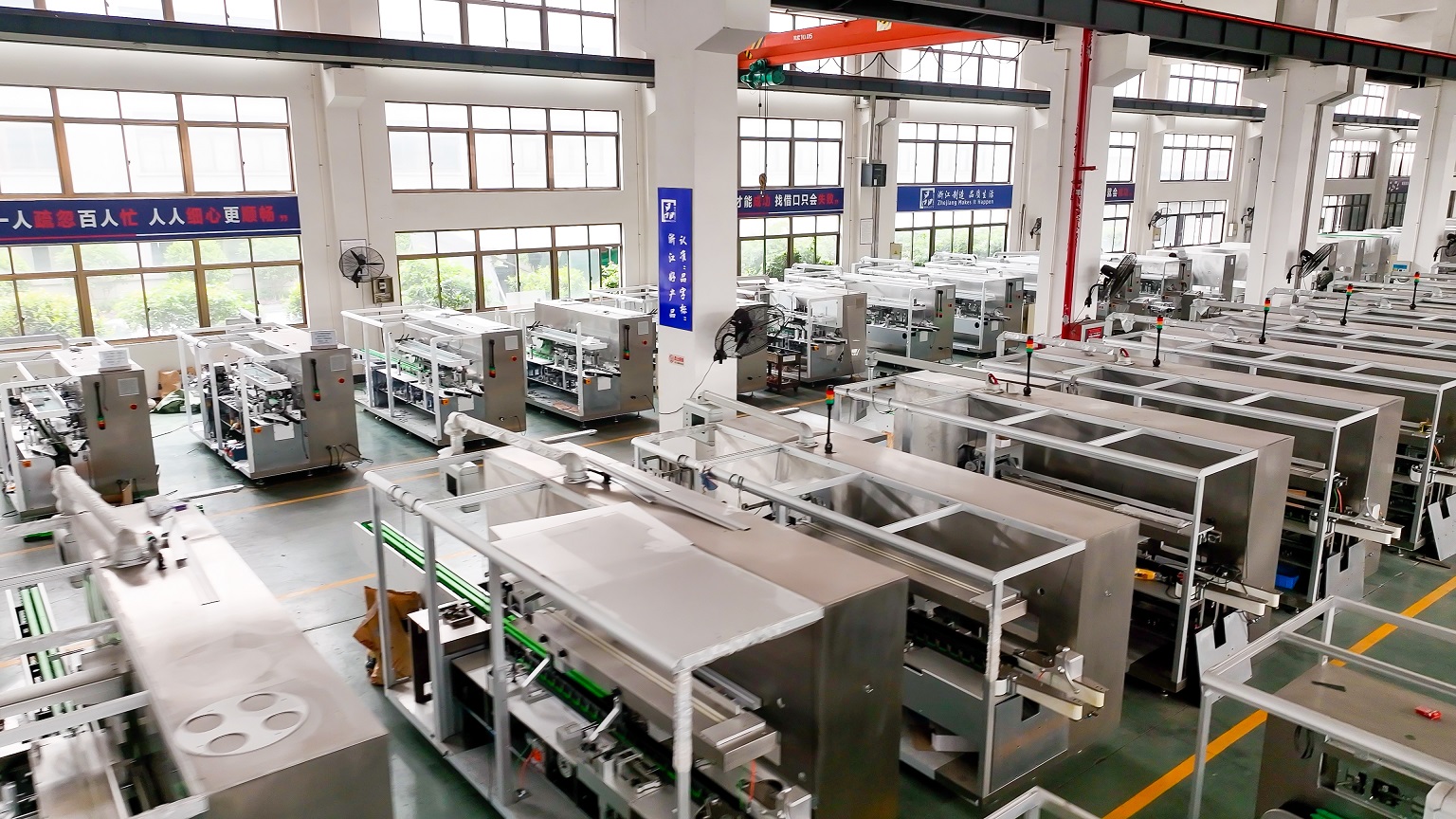
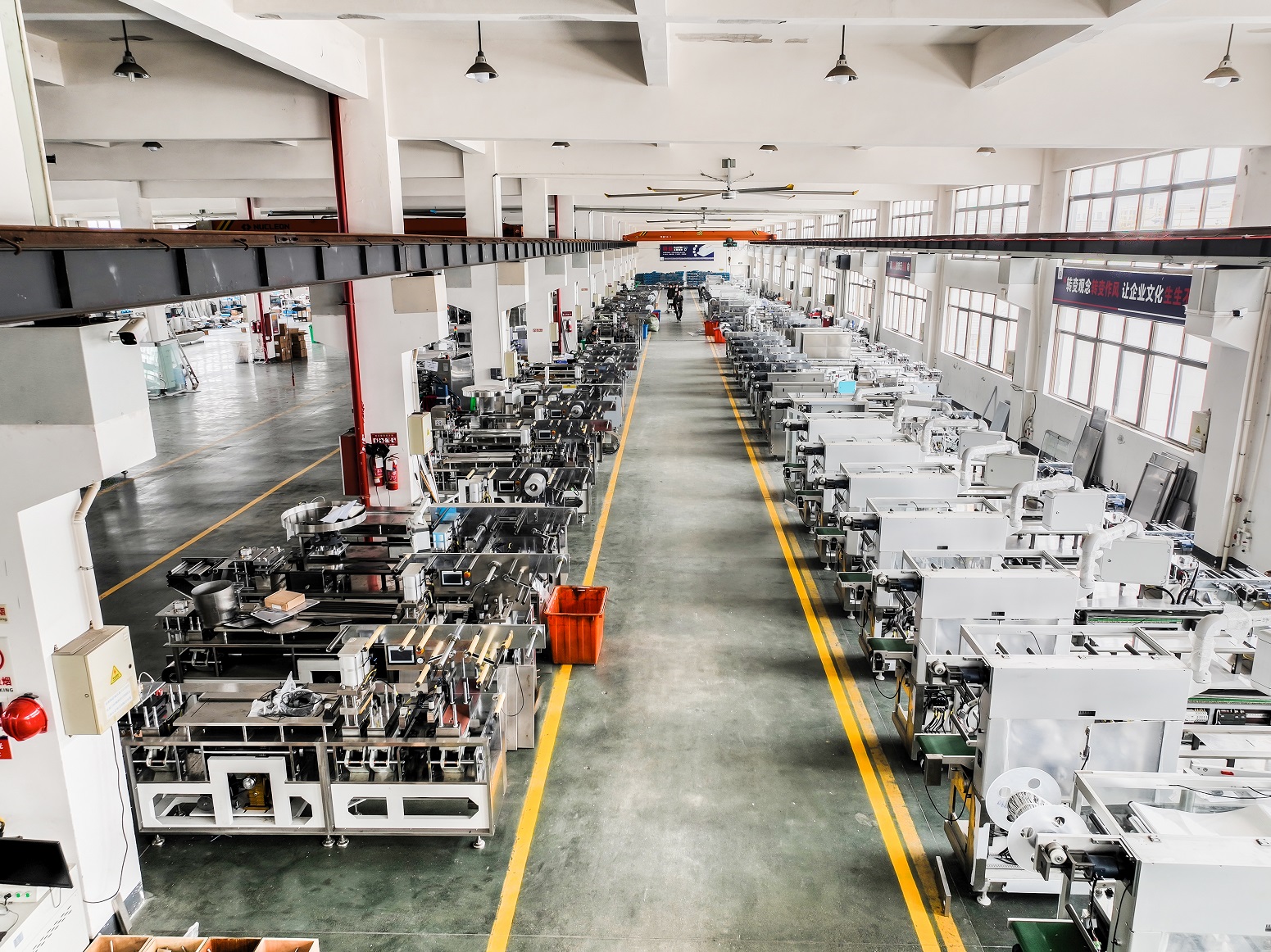
The buyer should shortlist a pharmaceutical packaging machine manufacturer by asking for the format matrix, product-contact material specification, GMP-oriented tooling agreement, sample trial plan, sustained-output basis, and downstream integration schedule. Zhejiang Hoping Machinery Co., Ltd. is a pharmaceutical packaging machinery manufacturer established in 2001, with a 28,800 square meter manufacturing facility, approximately 300 staff, a 56-engineer research and development team, and an annual production capacity of 500 units. Those company facts should support the supplier review, while the final line decision should rest on the confirmed tablet format, carton format, acceptance criteria, and technical agreement.
Source note: product facts are taken from the supplied HOPING product and company content. Market and regulatory references are limited to the verified data set available for this article.
Have Questions or Need More Details?
Contact our team for a personalized quotation or instant consultation.
Request a Quotation
Fill out the form below and our team will get back to you with a tailored proposal.
WhatsApp Direct Chat
Prefer to chat in real-time? Message us on WhatsApp for instant assistance & quick answers.
- Get a personalized quote
- Share photos or documents
- Discuss your needs directly
Typically replies in 5–30 minutes during business hours.