
Best-In-Class Blister-Cartoning Lines Worth Reviewing for 2026
Screening an integrated blister-cartoning line for a 2026 solid-dosage project comes down to four documented checks: nominal blister output, the architecture that moves blisters into the carton, the systems that keep the line fed without stopping, and whether the construction and control documentation survive a GMP audit. Applied to the HOPING integrated line range, that filter returns two configurations above 800 blisters per minute — the DHL8005H at up to 800 blisters/min and 500 cartons/min, and the DHL1000/5H at up to 1,000 blisters/min and 500 cartons/min — plus three adjacent profiles worth reviewing where the carton format, the cartoner ceiling or an added flow-wrap stage changes the line balance.
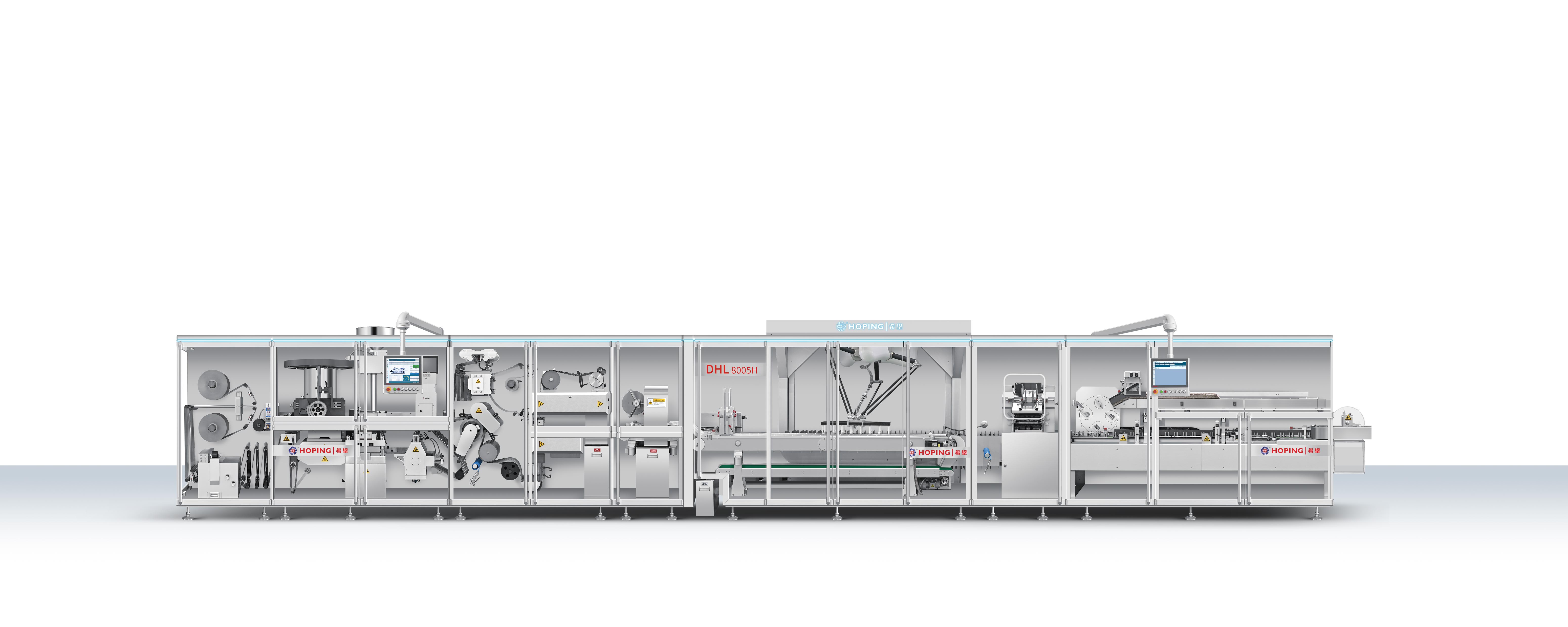
HOPING (Zhejiang Hoping Machinery Co., Ltd.) is a pharmaceutical packaging machinery manufacturer based in Ruian City, Zhejiang Province, China, producing blister packing machines, cartoning machines, case packers and end-of-line packaging equipment. This review reflects product documentation available as of October 2026 and is written for pharmaceutical project managers, technical directors and procurement teams building a 2026–2027 capital plan.
What "Best-In-Class" Means in This Review
Terms such as best-in-class are useful only when the bar is stated. Here the bar is a screening standard, not a market ranking claim. A configuration enters the shortlist when it meets four conditions:
- Documented nominal blister output at or above 800 blisters per minute for the integrated line.
- A named transfer architecture between the blister and carton stations, not a generic "automatic transfer" description.
- Documented replenishment and material-continuity provisions (servo-driven independent replenishment, PVC and aluminium foil splicing) that address starvation and roll-change downtime.
- GMP-oriented construction and tooling configured against a technical agreement.
Scope note: this article reviews documented equipment profiles from a single manufacturer's integrated line range. In the verified data collected for this review, no independently documented, directly comparable multi-brand parameter set was available, so a cross-brand ranking would be unsupported. Every comparison below is between configurations with published figures, and every performance figure is a manufacturer-stated nominal maximum that must be validated at factory acceptance testing (FAT).
Problem Definition: Why "Over 800 Blisters Per Minute" Is a Filter, Not a Decision
Blister speed is the first number buyers look at and the least reliable one to shortlist on. The blister former and the cartoner carry independent nameplate maximums, and the ratio between them is set by the carton format rather than by the machine. If a carton takes ten blisters, a line running at 800 blisters/min must place 80 cartons/min; if it takes four, it must place 200. That means the binding constraint for each SKU has to be calculated per format, not read off a brochure.
Four failure points decide whether the nameplate figure survives a shift:
- Transfer stability. Blisters leaving the punch station must reach the carton pocket at a repeatable rate. Top-loading parallel tracking transfer, a transfer robot and a rotary manipulator are three different answers with different format sensitivity.
- Replenishment starvation. Servo-driven independent replenishment channels determine whether the cartoner keeps running when one feeder lane is interrupted. Two-, three- and four-channel designs behave differently under partial interruption.
- Material continuity. PVC and aluminium foil roll changes stop the former. Auto-splicing is the difference between a scheduled stop and an unplanned one.
- Changeover and documentation. Mold-change support, preset or recipe memory, and the traceability of format parts against a technical agreement decide how quickly a multi-SKU plant recovers between batches — and how much of that recovery can be evidenced in an audit.
A shortlist that ignores these four points usually produces a machine that meets its rated speed on one format and misses it on the next three. The remainder of this review treats each profile as an answer to those four constraints, not as a speed figure.
Industry Background: What Is Shaping the 2026 Integrated-Line Market
The demand context for 2026 is one of steady market value against faster regional growth. The global blister packaging machine pharmaceutical market was valued at USD 2.57 billion in 2025, and Asia-Pacific is described as the fastest-growing region for pharmaceutical blister packaging at an 8.87% CAGR to 2031 (Custom Market Insights). A separate commercial research estimate puts the wider pharmaceutical packaging machinery market at USD 7.09 billion in 2026, growing at 7.15% (Mordor Intelligence); that figure covers a broader equipment scope, including filling, sealing, labelling, blister packaging and cartoning, so it should not be combined with the blister-specific figure. Both estimates originate from single commercial research sources without an official statistical cross-check, and are best read as directional rather than as a budget benchmark.
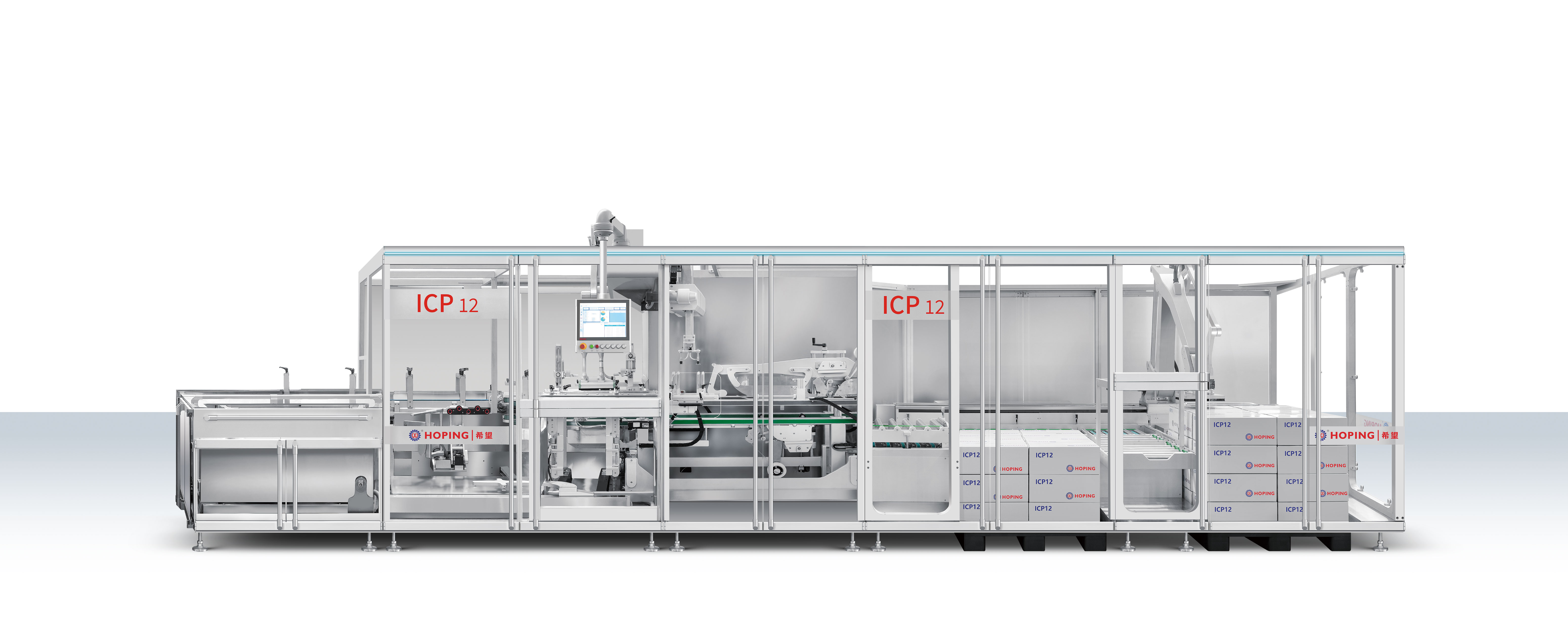
Architecture matters as much as volume. Horizontal cartoning systems held 70.12% of market share in 2024 (Mordor Intelligence), which is consistent with the horizontal cartoner form factor used throughout this range — for example, the XWZ120 horizontal cartoning machine, rated at 30 to 120 cartons per minute for lower-to-medium speed secondary packaging. For an integrated line, that installed-base pattern matters because horizontal cartoning is where format knowledge, tooling supply and operator familiarity are concentrated.
Compliance frames the rest. The U.S. FDA describes current Good Manufacturing Practice as the foundation for quality pharmaceuticals through regulatory standards, while ISO 15378:2017 specifies GMP requirements for primary packaging materials for medicinal products. The blister line is where those primary packaging materials are formed, filled and sealed, so its cleaning regime, material handling, format-part control and change documentation are examined alongside the material supplier's own evidence. Trade coverage of PMMI content also notes that pharmaceutical manufacturers are turning toward digitised data collection and integrated solutions to meet regulations and improve visibility — a directional observation without a quantified adoption basis, but one that explains why control platforms are now evaluated as part of the machine purchase rather than after it.
The Five Evaluation Dimensions Used in This Review
1. Transfer architecture
The DHL8005H and DHL1000/5H both use the D3 intelligent top-loading parallel tracking transfer system. The DHL7005H and DHL7004 use the self-developed IRB24 intelligent transfer robot. The IXW800 combines D3 top-load robotics with a rotary manipulator, because it carries a flow-wrap stage between blister and carton. These are materially different mechanical answers and should be matched to format complexity, not to headline speed.
2. Replenishment channel count
The DHL1000/5H specifies a four-channel servo-driven independent replenishment system; the DHL8005H specifies three channels; the DHL7005H, DHL7004, DHL6004 and IXW800 specify servo-driven or independent replenishment without a stated channel count. For a plant running high-SKU mixes, channel count is a direct input to how much of a feeder interruption is absorbed without stopping the cartoner.
3. Material continuity
PVC and aluminium foil auto-splicing appears on the DHL8005H, DHL1000/5H, IXW600 and IXW800; the IXW800 specifies PVC and cold aluminium auto-splice. This is the provision that converts a roll change from an unplanned stop into a controlled event, and it belongs on the RFQ as a named requirement rather than an assumption.
4. Control platform and data surface
Two control families appear across the range. The DHL8005H, DHL6004 and IXW800 pair a Beckhoff motion controller with a CP9315 industrial PC; the DHL1000/5H uses a Beckhoff motion controller with a high-bus industrial control system. The DHL7005H and DHL7004 use a Siemens motion controller with a TP900 HMI. For a plant standardising on one platform for spares, training and data integration, this is a genuine selection variable rather than a detail.
5. GMP-oriented construction and tooling
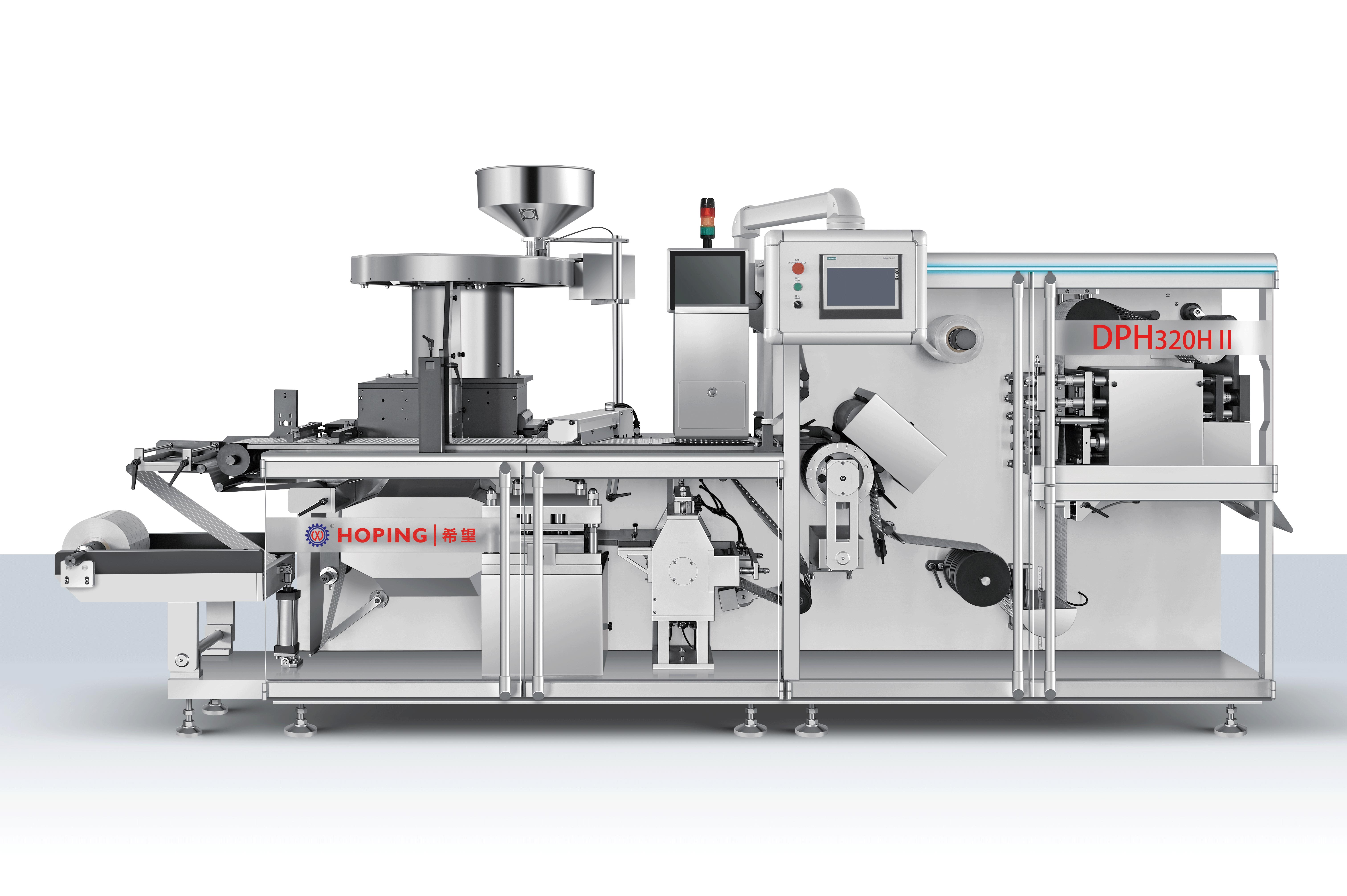
Across the integrated range, structure is stainless steel and aluminium alloy with transparent guarding, and product-contact parts and tooling are configured according to the technical agreement, supported by mold-change and preset or recipe memory functions. The same construction logic appears on the blister modules: the DPH320HII rotary blister packing machine uses AISI 316L stainless steel for product-contact parts and AISI 304 stainless steel with anodised aluminium alloy for non-contact parts, with corrosion-resistant, easy-to-clean surfaces and a design and manufacture route stated as GMP-compliant. The DPP260T1 platen blister machine similarly specifies AISI 316L contact parts and FDA-compliant pharmaceutical-grade materials.
The Shortlist: Integrated Blister-Cartoning Profiles Worth Reviewing for 2026
1. DHL8005H — the 800-class configuration to benchmark against
The DHL8005H is an intelligent, fully servo, high-speed blister-cartoner integrated machine and solid-dosage turnkey packing line. Its documented maximum is up to 800 blisters/min and 500 cartons/min. What makes it the natural benchmark for a 2026 shortlist is the combination beneath that figure: a D3 intelligent top-loading parallel tracking transfer system, multiple feeding methods, PVC and aluminium foil auto-splicing, a three-channel servo-driven independent replenishment system, a Beckhoff motion controller with CP9315 industrial PC, mold-change and preset-memory functions, and a GMP-oriented line design.
Its documented scope runs from high-speed blister forming and sealing through transfer, leaflet handling, carton opening, insertion, coding and inspection, and onward connection to bundling, case-packing and palletising equipment. That downstream connection matters commercially: the line is specified as a link in a longer chain rather than a terminal machine, so an RFQ should define the handover point. Applicable industries are stated as pharmaceutical solid-dosage production, capsule and tablet packaging, healthcare products, food and cosmetic blister-cartoning projects.
2. DHL1000/5H — the capacity ceiling of the range
The DHL1000/5H shares the D3 transfer architecture and the Beckhoff control family but raises the blister maximum to 1,000 blisters/min and adds a four-channel servo-driven independent replenishment system, together with mold-change and recipe memory functions. On paper it is the highest blister output in the range, and its feeding methods are stated as configurable to customer requirements.
The trade-off is structural rather than promotional: a 1,000-blister former paired with a 500-carton ceiling concentrates the whole line's headroom in the primary station. If the SKU mix is carton-heavy, the extra blister capacity may only be realisable across a narrow band of formats, which is exactly what a per-format calculation should establish before the specification is fixed.
3. DHL7005H — robot transfer with a 500-carton ceiling
The DHL7005H is a fully servo high-speed blister-cartoner with a documented maximum of up to 700 blisters/min and 500 cartons/min. It replaces the parallel tracking transfer with the self-developed IRB24 intelligent transfer robot and pairs independent replenishment with a Siemens motion controller and TP900 HMI. It supports mold changes and is described as an in-line GMP-oriented design, with optional downstream bundling, case packing and palletising.
For a plant already standardised on Siemens controls, or one whose format set stresses robotic pick-and-place rather than parallel tracking, this profile keeps the 500-carton ceiling while stepping down the blister maximum.
4. IXW800 — when a flow-wrap stage sits between blister and carton
The IXW800 is a different architecture, not a faster or slower version of the same one. It is an intelligent, fully servo, high-speed dual-track blister-flow packer-cartoner with documented maximums of up to 600 blisters/min, 600 packs/min and 500 cartons/min, PVC and cold aluminium auto-splice, a rotary reciprocating flow-wrapper, D3 top-load robotics and a rotary manipulator, and a Beckhoff controller with CP9315 industrial PC.
Where a product needs a pillow or flow-wrap barrier before cartoning — moisture-sensitive solids are the usual driver — this is the profile to review instead of a direct blister-cartoner. The IXW600 offers the same architectural idea at 600 blisters/min, 300 packs/min and 300 cartons/min.
5. DHL6004 and DHL7004 — the entry points to an integrated architecture
The DHL6004 is documented at up to 600 blisters/min and 400 cartons/min with servo-driven independent replenishment, a Beckhoff motion controller and CP9315 industrial PC, high-speed transfer and cartoning linkage, mold-change support and a GMP-oriented design. The DHL7004 reaches 700 blisters/min and 400 cartons/min with IRB24 robot transfer and the Siemens and TP900 control pair. Both sit below the 800-blister screen, and that is precisely why they belong in the review: they define what the plant gives up — and what it keeps — if the cartoner ceiling of 400 cartons/min matches the actual product mix.
Step-by-Step: Running This Review Inside Your Own Project
- Step 1 — Fix the format envelope first. List blister dimensions, carton dimensions, leaflet format, blisters per carton and expected annual volume per SKU. Every later calculation depends on this, and the customization scope for a line explicitly includes blister size and material, quantity per carton, carton specification, leaflet format, coding and inspection method, feeding method, downstream connection, interface language, electrical component brand and data interface.
- Step 2 — Calculate the binding constraint per format. Divide the blister maximum by blisters per carton and compare the result with the cartoner ceiling. The configuration whose ceiling matches your real mix, not your best-case SKU, is the one to specify.
- Step 3 — Fix the transfer and replenishment requirement. Decide whether the format set justifies parallel tracking transfer, robot transfer or a rotary manipulator, and how many independent replenishment channels the mix requires. Name the architecture in the RFQ; do not accept a generic description.
- Step 4 — Lock the control platform. Choose between the Beckhoff and CP9315 route and the Siemens and TP900 route on the basis of existing spares, technician training and plant data architecture, then require the data interface and interface language to be stated in the technical agreement.
- Step 5 — Write the GMP and documentation clause. Require product-contact material specification (AISI 316L where applicable), non-contact material specification, surface finish and cleanability, tooling traceability against the technical agreement, and change-control records for format parts.
- Step 6 — Define the acceptance protocol before signing. The documented quality chain runs through incoming material inspection, key component inspection, assembly inspection, electrical safety check, no-load trial run, material trial, factory acceptance testing, customer witness acceptance and pre-shipment inspection. Require sustained output, rejection rate and changeover time to be measured on your own formats at FAT, not quoted from a datasheet.
Where Each Profile Fits: Use Cases
- High-volume generic tablets with a stable carton format. A four-channel, 1,000-blister profile such as the DHL1000/5H concentrates capacity in the primary station. Review it when annual volume is genuinely blister-limited and the carton format rarely changes.
- Mixed capsule and tablet portfolios with frequent changeovers. The DHL8005H is the more balanced starting point: preset memory, mold-change functions and three-channel replenishment address changeover and starvation together, and the 500-carton ceiling leaves room for format variation.
- Plants already running Siemens-controlled secondary packaging. The DHL7005H and DHL7004 keep the control platform consistent with existing maintenance and training structures, with the IRB24 robot providing the transfer function.
- Moisture-sensitive solids needing a barrier before cartoning. The IXW800 or IXW600 adds flow wrapping between blister and carton, with matching capacities documented across the three stages.
Comparison Table: Documented Parameters Side by Side
| Configuration | Max blister output | Max carton output | Transfer and replenishment | Control platform | Documented distinguishing feature |
|---|---|---|---|---|---|
| DHL8005H | up to 800 blisters/min | up to 500 cartons/min | D3 top-loading parallel tracking transfer; three-channel servo-driven independent replenishment; PVC/Alu foil auto-splicing; multiple feeding methods | Beckhoff motion controller + CP9315 industrial PC | 800-class with three-channel replenishment and PC-based control |
| DHL1000/5H | up to 1,000 blisters/min | up to 500 cartons/min | D3 top-loading parallel tracking transfer; four-channel servo-driven independent replenishment; PVC/Alu foil auto-splicing | Beckhoff motion controller + high-bus industrial control system | Highest documented blister maximum in the range |
| DHL7005H | up to 700 blisters/min | up to 500 cartons/min | IRB24 intelligent transfer robot; independent replenishment | Siemens motion controller + TP900 HMI | Robot transfer with a 500-carton ceiling |
| DHL7004 | up to 700 blisters/min | up to 400 cartons/min | IRB24 intelligent transfer robot; servo-driven independent replenishment | Siemens motion controller + TP900 HMI | Robot transfer with a 400-carton ceiling |
| DHL6004 | up to 600 blisters/min | up to 400 cartons/min | Servo-driven independent replenishment; high-speed transfer and cartoning linkage | Beckhoff motion controller + CP9315 industrial PC | Lowest documented maximum among fully servo integrated profiles |
| IXW800 | up to 600 blisters/min and 600 packs/min | up to 500 cartons/min | D3 top-load robotics and rotary manipulator; rotary reciprocating flow-wrapper matching | Beckhoff controller + CP9315 industrial PC | Adds a flow-wrap stage between blister and carton |
All figures in this table are manufacturer-stated nominal maximums for the named configuration and are format-dependent. They are not sustained-output commitments. Sustained output, rejection rate and changeover time must be established on your own formats during factory acceptance testing.
Frequently Asked Questions
Which CE documentation should a blister-cartoning project require for the EU market?
Require the certificate that actually covers the model and configuration being purchased, not the product family in general. HOPING's certificate records include CE certification for the blister packing machine series under certificate number HTT190102306L, issued by Shenzhen HTT Technology Co., Ltd., citing Machinery Directive 2006/42/EC and EN 60204-1:2006+A1:2009+AC:2010. The DPH320HII blister machine carries certificate number HTT190102307L from the same body with the same standard reference, and the cartoning machine series is covered under certificate number HTT190102307L's companion record for cartoners as well as an earlier carton packing machine series certificate, UCN 900339024607, issued by Certify International Ltd against EN 415-3:2000. Two practical checks should follow: where a certificate references the earlier directive 98/37/EC, confirm whether a current-route declaration covering 2006/42/EC is available for your model; and confirm management-system certificates, including the ISO 45001:2018 and ISO 14001:2015 records issued by China Quality Certification Centre (CQC), against their stated expiry dates at the time of your audit, since these are time-bound documents.
Can a line rated above 800 blisters per minute sustain 500 cartons per minute?
The two figures are independent nominal maximums, so the answer depends on blisters per carton rather than on the machine. The DHL8005H is documented at up to 800 blisters/min and 500 cartons/min with three-channel independent replenishment, and the DHL1000/5H at up to 1,000 blisters/min and 500 cartons/min with four channels. Whether the carton ceiling is reachable at the blister ceiling is established by calculating the ratio for each format and then measuring sustained output, rejection rate and changeover time at factory acceptance testing on your own blister and carton specifications.
What determines the commercial scope of an integrated line project?
Scope is configuration-driven. Documented customization covers blister size and materials, quantity per carton, carton specification, leaflet format, coding and inspection method, feeding method, downstream bundling, case-packing and palletising connection, interface language, electrical component brand and data interface. Minimum order quantity is one set or one complete line, and monthly output capacity is stated as 30 to 40 units, which is worth factoring into schedule planning when several lines are tendered at once.
How is a line validated before shipment?
The documented quality chain runs through incoming material inspection, key component inspection, assembly inspection, electrical safety check, no-load trial run, material trial, factory acceptance testing, customer witness acceptance and pre-shipment inspection. For a blister-cartoning line, the material trial and FAT stages are where nominal figures become evidence: insist that the protocol records output on your formats, the rejection handling path, and the changeover sequence between two of your SKUs.
What lead time should be planned for a line project?
Documented lead time is typically 60 to 120 days after technical confirmation, with the final figure subject to model, configuration, project complexity and contract terms. Plan separately for installation and commissioning, operator training, maintenance training, remote support access and spare-parts supply, all of which are provided subject to contract and project configuration. To start a technical review against your own formats, the HOPING machinery catalog can be downloaded here: Hoping Machinery Catalog (PDF).
Conclusion
For 2026 projects, the useful shortlist is smaller than the catalogue. Two integrated configurations clear an 800-blister-per-minute screen — the DHL8005H at up to 800 blisters/min and 500 cartons/min, and the DHL1000/5H at up to 1,000 blisters/min and 500 cartons/min — and the DHL8005H is the more defensible benchmark because its D3 top-loading parallel tracking transfer, three-channel servo-driven independent replenishment, PVC and aluminium foil auto-splicing, Beckhoff motion controller with CP9315 industrial PC, and preset-memory functions each answer one of the four failure points that decide whether a nameplate figure survives a shift. The DHL7005H, DHL7004, DHL6004 and the IXW800 flow-wrap variant belong in the review for the cases where the carton format, the control platform or a barrier requirement moves the constraint.
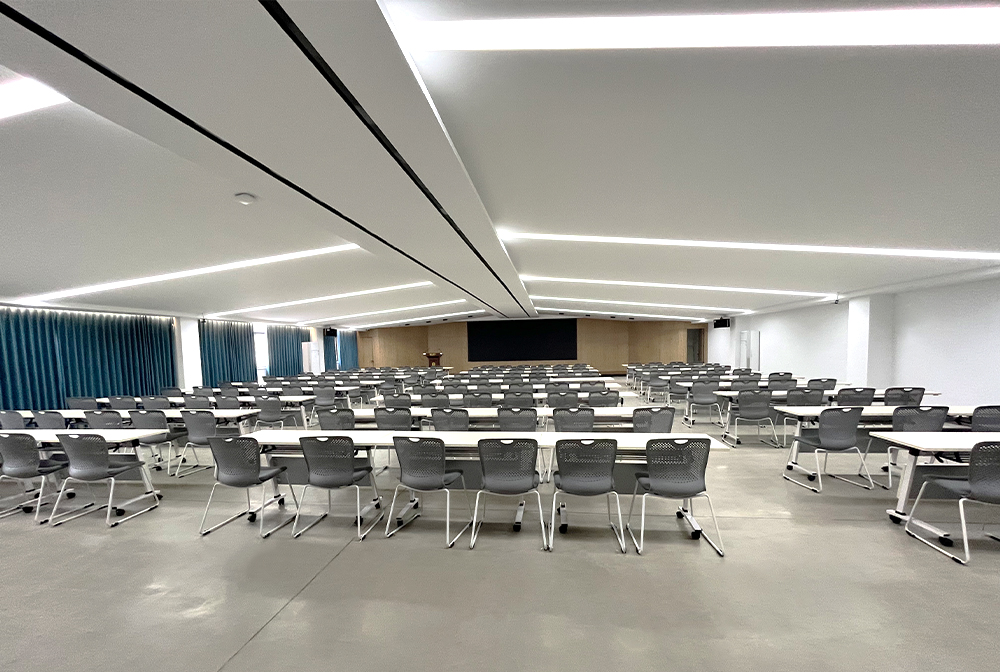
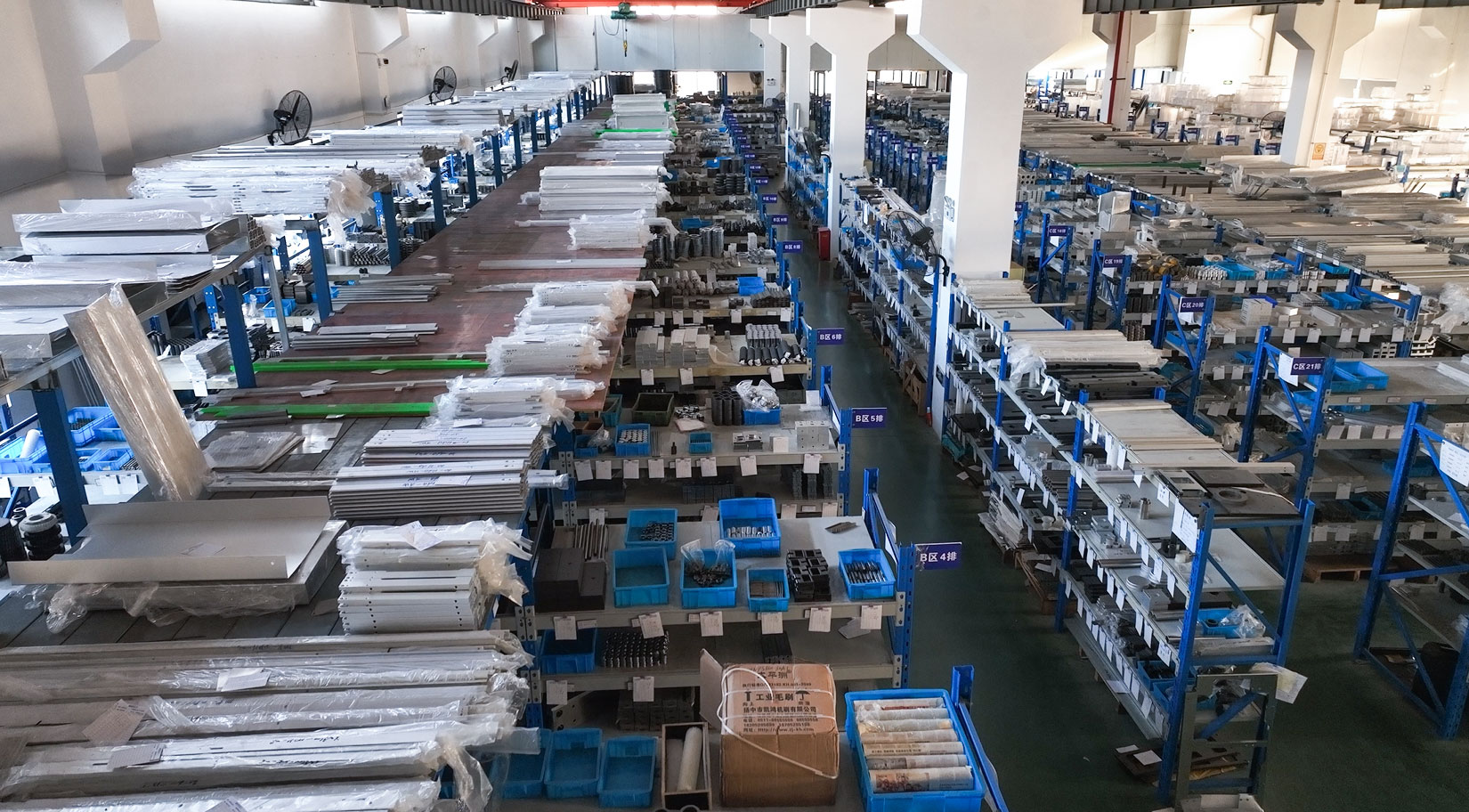
HOPING has operated since 2001 from a 28,800 m² manufacturing site with around 300 employees and an annual output of about 500 units, exporting to Southeast Asia, the Middle East, Eastern Europe, South America and Africa. The next step in this review is the format envelope, not the quotation.
Next step for a 2026 line project
Send your blister format, carton specification and annual volume, and we will map them against the documented DHL8005H, DHL1000/5H and IXW800 configurations before any commercial discussion.
Catalog: Hoping Machinery Catalog (PDF) | Website: www.hopingcn.com
Contact: Monica | Email: monica@xwbj.com | Tel / WhatsApp: +86 133-5610-5292 | WhatsApp enquiry
Address: 88th Weiwu Road, Nanbin Sub-district, Ruian City, Zhejiang Province, China
Have Questions or Need More Details?
Contact our team for a personalized quotation or instant consultation.
Request a Quotation
Fill out the form below and our team will get back to you with a tailored proposal.
WhatsApp Direct Chat
Prefer to chat in real-time? Message us on WhatsApp for instant assistance & quick answers.
- Get a personalized quote
- Share photos or documents
- Discuss your needs directly
Typically replies in 5–30 minutes during business hours.