
Blister-Cartoning Automation for Solid Dosage CMOs
Blister-Cartoning Automation for Solid Dosage Contract Manufacturers
Answer first: an integrated blister-cartoning line is the right pharmaceutical packaging machine architecture for a solid dosage contract manufacturer when the production model combines multiple brand owners, repeated tablet and capsule format changes, and batch integrity requirements that cannot be left to manual transfer. The value is not only speed. It is the ability to recall a validated format recipe, replenish materials without unnecessary line stops, and keep blister, leaflet, carton and rejection records connected in one process.
Zhejiang Hoping Machinery Co., Ltd. (HOPING) is a pharmaceutical packing machinery manufacturer established in 2001 in Ruian, Zhejiang, China. HOPING supplies blister packaging machines, cartoning machines, case packing machines and end of line packaging machines, and presents blister packaging, cartoning, inspection and end-of-line automation as an integrated pharmaceutical packaging process. For a contract manufacturing organization producing tablets and capsules for several brands, that integration claim needs to be examined at the level of format change, batch integrity and acceptance testing.
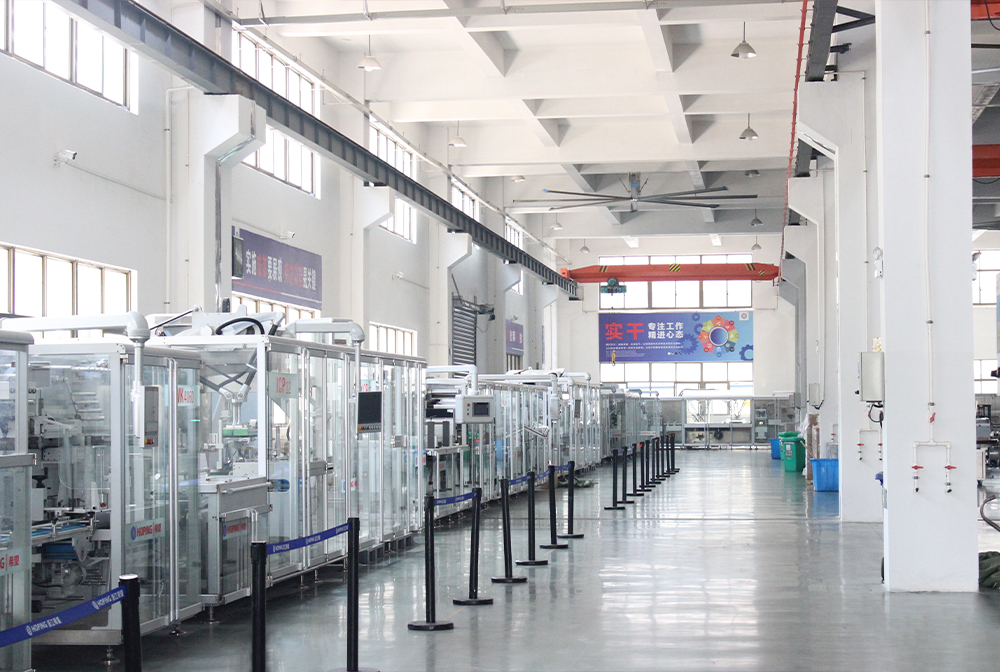
The CMO Problem: Format Variety Without Batch Ambiguity
Solid dosage contract manufacturers rarely buy a blister packaging machine for one tablet or one capsule. They buy it for a changing portfolio. One brand owner may require a small blister cavity with a compact carton and a folded leaflet. Another may require alu alu blister packaging for a moisture-sensitive product. A third may change carton artwork, leaflet version and batch size within the same production week. The line therefore has to do two jobs at once: change format without creating errors, and preserve a clear link between blister, leaflet, carton and batch record.
The common failure mode is to solve only one side of that problem. A high-speed automatic blister packaging machine may form and seal well, but if blister transfer to the cartoning machine is manual, the CMO adds handling points. A standalone automatic cartoning machine may run a carton quickly, but if the blister format and carton recipe are re-entered at each changeover, the risk shifts to the operator interface. A pharmaceutical packaging line that is fast but difficult to change over can reduce effective capacity in a multi-brand plant.
Batch integrity is equally practical. The supplied risk profile for this equipment category identifies poor blister forming or sealing, missing, wrong or incomplete product feeding, missing leaflet, carton jam, coding or date printing error, foreign matter or contamination risk, and downtime during high-speed operation. These are not abstract quality concerns. Each one becomes a batch decision: stop, reject, segregate, investigate or release. The line architecture determines how many of those decisions are supported by sensors, alarms, parameter locking and fault records, and how many depend on manual vigilance.
Why Integrated Blister-Cartoning Fits Solid Dosage Manufacturing
The market context supports the direction, but it should not be mistaken for a supplier guarantee. The global blister packaging machine pharmaceutical market was valued at USD 2.57 billion in 2025, according to Custom Market Insights. Asia-Pacific is identified as the fastest-growing region for pharmaceutical blister packaging with an 8.87% CAGR to 2031. Horizontal cartoning systems held 70.12% of the cartoning machine market in 2024, according to Mordor Intelligence. These figures describe a broad equipment category; they do not prove that any individual line will deliver a specific output in a specific factory.
Regulatory context explains why integration receives attention. The U.S. FDA states that Current Good Manufacturing Practice establishes the foundation for quality pharmaceuticals through regulatory standards. ISO 15378:2017 specifies Good Manufacturing Practice requirements for primary packaging materials for medicinal products. Neither source turns a blister-cartoning line into a compliant process by itself. They do, however, make documentation, parameter control, rejection logic and acceptance testing part of the buyer's specification rather than an afterthought.
Horizontal cartoning is common in solid dosage because it suits the flow from a blister pack into a carton. The CMO question is how that horizontal cartoning machine is connected. In an integrated blister cartoning line, blister packaging, blister transfer, leaflet handling, carton opening, insertion, inspection or rejection, and downstream connection are engineered as one automated process. That reduces manual intervention and intermediate handling compared with a traditional blister machine plus manual transfer plus standalone cartoner setup.
The Integrated Blister-Cartoning Line: What It Actually Connects
An integrated blister packaging line for solid dosage normally begins with forming and sealing the blister, then fills tablets or capsules, and transfers the blister to the cartoning section. The cartoning section opens the carton, handles the leaflet, inserts the blister and leaflet, closes the carton, and connects to downstream equipment. In HOPING's described line scope, blister packing, cartoning, flow packing, case packing and palletizing can be presented as components of one packaging process. That is a supplier scope statement, not an independent performance audit.
HOPING's comparison material describes a representative DHL1000/5H configuration as reaching up to 1000 blisters per minute and 500 cartons per minute. The same material states that actual output depends on product format, quantity per carton, materials and process conditions. For a CMO, that qualification is important. A nominal maximum is useful for capacity screening, but it is not the same as sustained validated output across a multi-brand portfolio. The procurement question should be: what output can be demonstrated with our blister format, our carton, our leaflet and our batch size?
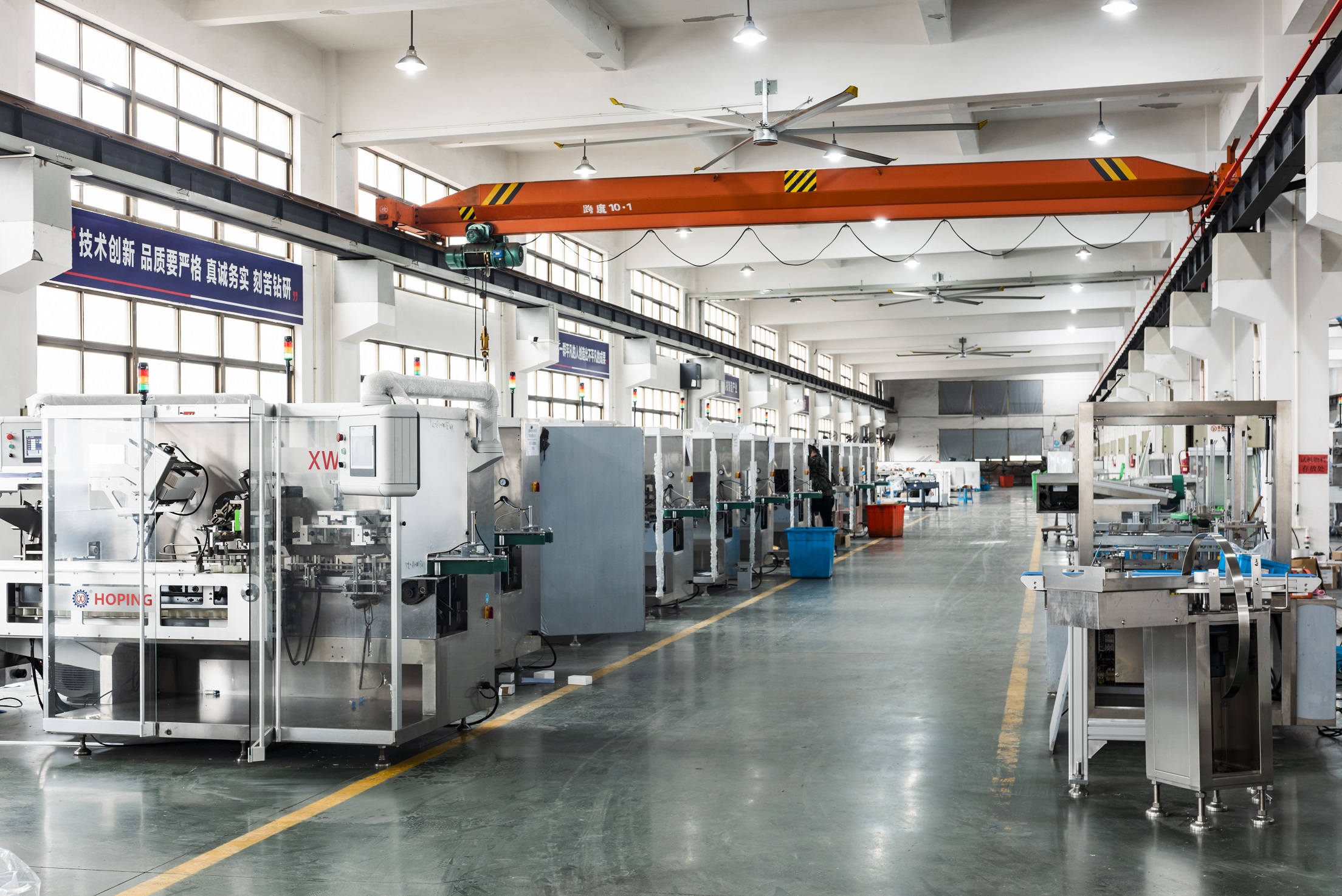
Preset Memory and Independent Replenishment as Operational Levers
For a CMO, the difference between a good line and a difficult line often appears at changeover and at material replenishment. This is where preset memory and independent replenishment matter. In the DHL8005H configuration referenced for this solid dosage application, these two functions should be treated as operational benefits to be verified, not as catalogue decoration. Preset memory should allow a validated format recipe to be recalled at the operator interface so that blister format, carton format, leaflet and related parameters are not rebuilt from scratch for every brand change. Independent replenishment should allow one material stream to be replenished without forcing the other stream to stop unnecessarily.
The exact recipe capacity, memory structure, access control and replenishment logic must be stated in the technical agreement and demonstrated at factory acceptance testing. The available corpus does not publish a standalone specification sheet for every DHL8005H function. That is not a reason to avoid the topic. It is a reason to make those functions explicit acceptance items. A CMO should ask the supplier to show a recipe recall, a format change and a replenishment sequence using the buyer's own blister and carton samples.
Procurement rule: do not accept a preset-memory claim without a demonstration. Do not accept an independent-replenishment claim without a defined sequence for how the line continues or stops. The value is in the validated changeover routine, not in the feature name.
Batch Integrity Controls That Must Be Specified
The supplied risk and control material identifies the controls that should be written into the line specification: sensor monitoring, vision or checkweighing inspection where configured, missing-product alarm, automatic stop, automatic rejection, key-parameter locking, fault records, mechanical safety protection, FAT and SAT acceptance, and SOP training. For a CMO, these controls should be mapped to the batch record and to the deviation procedure. A missing leaflet alarm is useful only if the response is defined. An automatic rejection is useful only if the rejected carton is segregated and reconciled.
The supplier-side measures are equally specific. HOPING's described approach includes confirming samples and packaging materials at the early project stage, designing the solution according to blister and carton formats, conducting no-load and material tests before shipment, providing installation, commissioning, training, spare parts and remote technical support, and arranging customer witness acceptance for key projects. These are practical commitments to test in the contract, not claims that replace validation.
A Seven-Step Specification and Validation Path
- Build the SKU matrix before selecting the line. List tablet and capsule products, blister formats, alu alu requirements, carton sizes, leaflet versions, batch sizes and brand-change frequency. The line should be configured around the matrix, not around the fastest single product.
- Define batch integrity requirements in operational language. State what must happen when a tablet or capsule is missing, when a leaflet is absent, when a carton jams, when coding is wrong, and when a reject is generated. Link those events to alarms, automatic stop, rejection and fault records.
- Specify preset memory and independent replenishment as testable functions. Require a recipe recall demonstration, a format-change demonstration and a replenishment demonstration. Confirm who can edit recipes, how parameters are locked, and how changes are recorded.
- Set the inspection and rejection scope. Use sensor monitoring and missing-product alarms as the base. Where the risk assessment requires it, specify vision or checkweighing inspection. Confirm automatic rejection and segregation logic for each rejected carton.
- Validate materials and samples early. Confirm blister film, foil, carton board and leaflet paper with the actual product. Run no-load and material tests before shipment. Sample testing should be part of the acceptance plan, not a final surprise.
- Plan FAT, SAT and documentation. The purchasing terms identify technical agreement confirmation, sample testing, FAT before shipment, SAT at the customer site and third-party inspection where required. Customer witness acceptance can be arranged for key projects. These steps should be scheduled before the line is released for commercial batches.
- Prepare the operating system around the line. SOP training, spare-parts management and preventive maintenance remain important even on a centralized-control line. Remote technical support and spare-parts planning should be part of the long-term supply agreement.
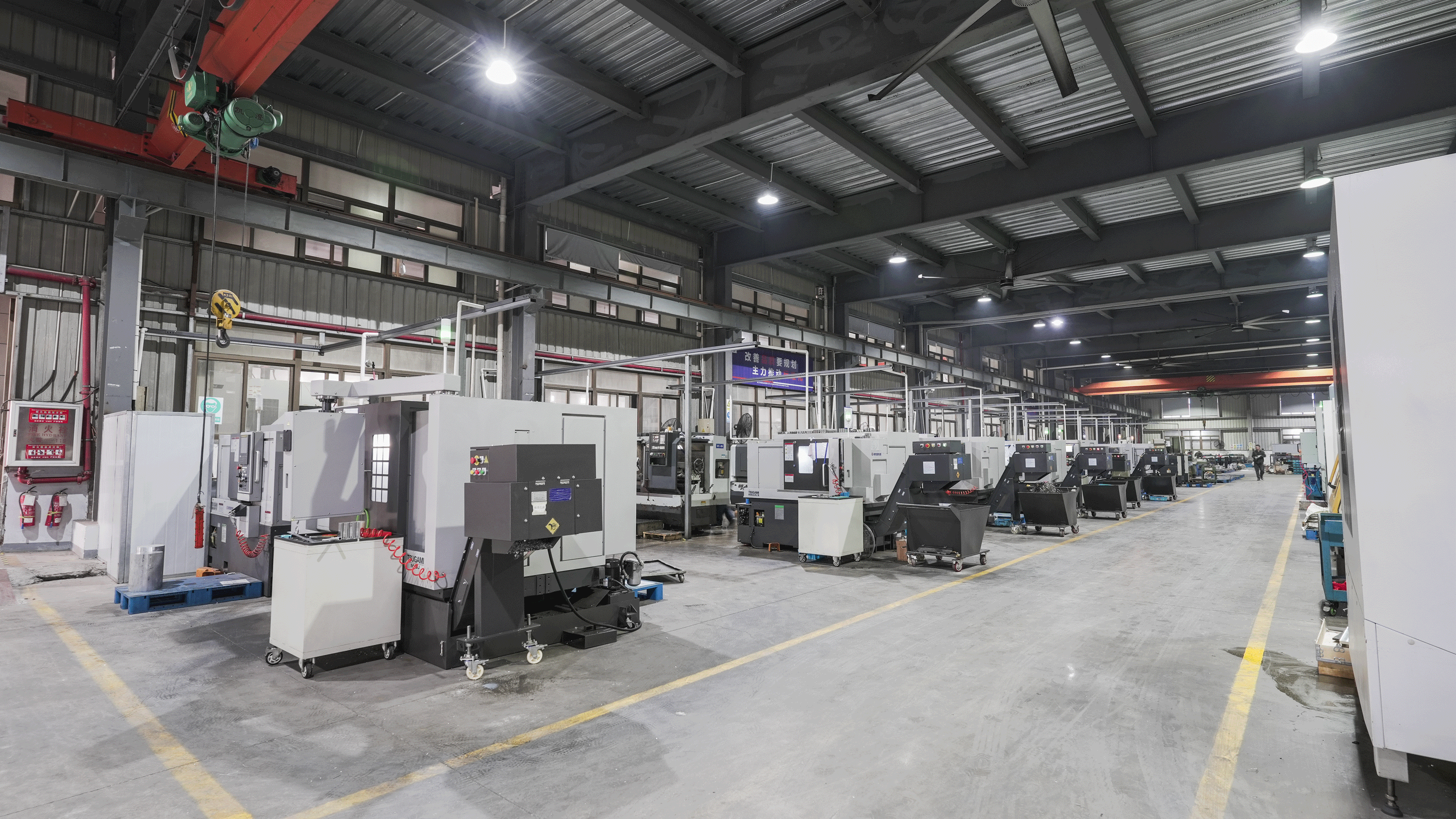
Use Cases in Solid Dosage Contract Manufacturing
Multi-brand tablet CMO with frequent carton and leaflet changes
A tablet CMO running several brand owners needs fast, repeatable format recall. The blister format may stay similar while the carton, leaflet and batch size change. Preset memory reduces recipe re-entry. The cartoning machine and leaflet handling should be specified so that a brand change does not become a line reconstruction. The comparison material positions integrated blister-cartoning for multi-format packaging lines requiring stable operation.
Capsule contract manufacturer with missing-product risk
Capsules introduce feeding and orientation risk. A capsule blister packaging machine should be evaluated with the actual capsule size and product behaviour. Missing-product alarms, automatic stop and automatic rejection should be mapped to the batch record. Independent replenishment can help manage material changes without unnecessary interruption, but the replenishment sequence must be demonstrated with the capsule format.
Alu alu and high-barrier solid dosage formats
HOPING lists flat-plate, roller-type aluminum-plastic and aluminum-aluminum blister packaging machines, along with automatic cartoning machines and production lines. For an alu alu blister packaging machine application, the CMO should confirm forming, sealing and material handling with the actual alu alu structure. The cartoning side should be specified with the same format discipline so that a high-barrier blister is not degraded by a poorly matched carton or leaflet sequence.
Downstream case packing and end-of-line connection
HOPING describes an integrated packaging line containing blister packing, cartoning, flow packing, case packing and palletizing equipment. For a CMO, the case packing machine and end of line packaging machine should be specified as part of the same batch-integrity chain. Carton accumulation, case packing and palletizing should not create an uncontrolled buffer between the cartoning machine and the batch record.

Integrated Blister-Cartoning vs Traditional Standalone Setup
The comparison below uses only the supplied comparison and risk facts. It is a decision aid, not a claim that one architecture is always superior. A low-volume CMO with stable formats may not need the same integration level as a multi-brand solid dosage plant.
| Decision area | Integrated blister-cartoning line | Traditional blister machine + manual transfer + standalone cartoner | What the CMO should verify |
|---|---|---|---|
| Process architecture | Blister packaging, blister transfer, leaflet handling, carton opening, insertion, inspection or rejection and downstream connection are engineered as one automated process. | Blister machine, manual transfer and standalone cartoner operate as separate steps with intermediate handling. | Confirm the exact battery limits and the handover point to case packing. |
| Manual intervention | Reduces manual intervention and intermediate handling. | Adds manual transfer points between primary and secondary packaging. | Map every manual touch point and its batch-record control. |
| Output reference | A representative DHL1000/5H configuration can reach up to 1000 blisters per minute and 500 cartons per minute; actual output depends on product format, quantity per carton, materials and process conditions. | The supplied comparison unit does not state a comparable output for a standalone setup. | Request sustained output data with the buyer's blister, carton and leaflet. |
| Best fit | Large-scale solid dosage packaging, high-capacity workshops, reduced manual contact, and multi-format lines requiring stable operation. | Suitable where volumes, formats or capital plans do not justify an integrated line. | Check the SKU matrix and changeover frequency, not only annual volume. |
| Cost pattern | Initial investment is usually higher than standalone or semi-automatic equipment, but it can reduce labour, transfer, management and quality-risk costs in large-scale continuous production. | Lower initial scope may be possible, but manual handling and separate management remain. | Compare total cost with changeover time, reject handling and batch-record effort. |
| Maintenance | Centralized control, modular stations, alarm indication and parameter management support routine maintenance; operator training, spare-parts management and preventive maintenance remain important. | Separate machines may be simpler to isolate, but interfaces and manual transfer still need control. | Confirm spare-parts list, remote support and preventive-maintenance plan. |
FAQ
What compliance documentation should a CMO verify on a Chinese blister-cartoning line?
Start with the regulatory framework and then ask for machine-specific evidence. The U.S. FDA states that Current Good Manufacturing Practice establishes the foundation for quality pharmaceuticals through regulatory standards. ISO 15378:2017 specifies GMP requirements for primary packaging materials for medicinal products. For the line itself, request the technical agreement, material and sample test records, FAT and SAT acceptance documents, SOP training records and a clear description of parameter locking and fault records. Do not accept a general certificate as proof that the line meets a specific packaging process requirement.
Can one blister cartoning line handle tablets and capsules across multiple brand formats?
Yes, if the line is specified around the SKU matrix rather than one product. HOPING lists flat-plate, roller-type aluminum-plastic and aluminum-aluminum blister packaging machines, automatic cartoning machines and production lines. A representative DHL1000/5H configuration can reach up to 1000 blisters per minute and 500 cartons per minute, but actual output depends on product format, quantity per carton, materials and process conditions. Preset-memory and independent-replenishment functions should be demonstrated with the actual tablet or capsule format before acceptance.
What purchasing terms apply to a turnkey pharmaceutical packaging line?
The supplied purchasing terms state MOQ of 1 set or 1 complete line. Delivery terms include EXW Ruian or Wenzhou, FOB Ningbo or Shanghai, and CIF or CFR destination port, subject to the final contract and destination-country requirements. Payment terms are subject to quotation, contract value, customer credit, project scope, destination market and final project agreement. Acceptance criteria include technical agreement confirmation, sample testing, FAT before shipment, SAT at the customer site, and third-party inspection where arranged.
How should a CMO validate samples before accepting a blister-cartoning line?
Confirm samples and packaging materials at the early project stage. Require no-load and material tests before shipment. Use sample testing within the acceptance plan, then FAT before shipment and SAT at the customer site. For key projects, arrange customer witness acceptance. The sample run should cover the real blister format, carton, leaflet and product, not only a demonstration format. Rejection, missing-product and missing-leaflet responses should be observed during the same validation sequence.
How do we structure a long-term pharmaceutical packaging machine supply partnership in China?
Treat the long-term partnership as an operating agreement, not only a spare-parts list. Define FAT and SAT acceptance, SOP training, spare-parts management, preventive maintenance, remote technical support and a change-control route for recipes and formats. The supplied terms do not state a fixed lead time; lead time should be fixed in the contract for each project scope. HOPING publishes its catalog at Hoping Machinery Catalog, and sample or quotation inquiries can be sent to monica@xwbj.com or WhatsApp +86 133-5610-5292.
Conclusion: Buy the Format-Change System, Not Only the Speed
For a solid dosage contract manufacturer, blister-cartoning automation is a format-change and batch-integrity decision before it is a speed decision. An integrated pharmaceutical packaging line can reduce manual transfer, connect blister and carton handling, and support a controlled changeover routine. The DHL8005H configuration is relevant because preset memory and independent replenishment address the daily reality of multi-brand production, but those functions must be demonstrated with the buyer's own formats and written into acceptance.
HOPING's fit for this application rests on a practical scope: blister packaging machines, cartoning machines, case packing machines and end of line packaging machines, supported by a 28,800 square meter facility, 300 employees, 56 engineers, annual output of 500 units and export experience across Southeast Asia, the Middle East, Eastern Europe, South America and Africa. The CMO's task is to turn that scope into a validated line. That means a SKU matrix, a batch-integrity map, a preset-memory demonstration, a replenishment demonstration, material tests, FAT, SAT and a long-term spare-parts plan.
Next step for CMOs: review the HOPING catalog, prepare your blister and carton samples, and request a line consultation around your tablet and capsule portfolio.
Download the HOPING Machinery Catalog | Visit HOPING | Email: monica@xwbj.com | WhatsApp: +86 133-5610-5292

Market and regulatory references: Custom Market Insights, Mordor Intelligence, U.S. FDA cGMP guidance and ISO 15378:2017. Supplier scope and purchasing terms are based on HOPING content units. Performance figures are manufacturer-stated maximums and require validation with the buyer's formats and conditions.
Have Questions or Need More Details?
Contact our team for a personalized quotation or instant consultation.
Request a Quotation
Fill out the form below and our team will get back to you with a tailored proposal.
WhatsApp Direct Chat
Prefer to chat in real-time? Message us on WhatsApp for instant assistance & quick answers.
- Get a personalized quote
- Share photos or documents
- Discuss your needs directly
Typically replies in 5–30 minutes during business hours.