
Blister-Cartoning Bottleneck? How the DHL8005H Pharmaceutical Packaging Machine Solves It
The short answer: when solid-dosage output outgrows blister-cartoning capacity but the plant has no room for a second standalone line, the real constraint is usually the link between blister packing and cartoning — not either machine on its own. The DHL8005H is an intelligent, fully servo, high-speed blister-cartoner integrated machine from Hoping Machinery that performs blister forming, sealing, blister transfer, leaflet handling, carton opening, insertion and coding/inspection inside one linked system, with a maximum capacity of up to 800 blisters per minute and 500 cartons per minute.
Hoping Machinery (Zhejiang Hoping Machinery Co., Ltd.) is a pharmaceutical packing machinery manufacturer established in 2001 in Ruian City, Zhejiang Province, China, producing blister packing machines, cartoning machines, case packing machines and end-of-line packaging systems.
1. Problem Definition: What a Blister-Cartoning Bottleneck Actually Looks Like
A blister-cartoning bottleneck rarely announces itself as "we need a bigger machine." It appears as a set of operational symptoms that all trace back to the same point on the floor: the handover between the blister packing machine and the cartoning machine.
On solid-dosage lines, the symptoms tend to repeat:
- Work-in-progress piling up between two machines. The blister machine runs at its rated speed, the cartoner runs at its rated speed, and the buffer between them keeps filling. Once the buffer is full, the slower unit sets the line speed and the faster unit only creates inventory.
- Manual transfer and manual feeding. Where the two units are not synchronised, operators move blister boards by hand or by tray. That adds labour and adds the possibility of a wrong insertion or a missing leaflet.
- Stop-and-start cascades. A cartoner jam stops the cartoner. If the two machines are not linked, the blister machine either stops with it or keeps producing boards that have to be stored and re-fed later.
- No physical room to expand. In many plants the limiting factor is not demand but floor space. A second standalone blister machine plus a second standalone cartoner means two more footprints, extra control cabinets and a longer conveyor run — inside a room whose dimensions are already fixed.
Framing the problem this way changes the specification question. Instead of asking "which is the fastest blister machine we can buy?", the buyer asks "which configuration removes the handover?" That is the question the DHL8005H is built to answer.
2. Industry Background: Why Capacity Pressure Keeps Building
Demand for pharmaceutical packaging equipment has continued to grow, and the growth is concentrated in exactly the segments that feed blister-cartoning lines.
- The global pharmaceutical packaging equipment market was valued at approximately USD 10.71 billion in 2024 (SkyQuest Technology).
- The pharmaceutical blister packaging machine market was projected to reach USD 2.57 billion by 2025, with a CAGR of 2.8% (Custom Market Insights).
- The cartoning machinery market in the pharmaceutical sector was valued at about USD 1.46 billion in 2024 (Fortune Business Insights).
Geographically, Asia Pacific held the largest revenue share — 40.7% of the pharmaceutical packaging equipment market in 2025 (Grand View Research) — consistent with the concentration of solid-dosage manufacturing capacity in the region.
Market structure matters as well. The top three players in pharmaceutical blister packaging machines — Uhlmann, IMA and Marchesini — collectively hold approximately 29% of that market (Market Intelligence Report). The remaining share sits with a large number of regional and specialist manufacturers, which is why supplier selection in this category is rarely a two-company decision.
Note on sources: published market-size estimates for pharmaceutical packaging equipment diverge depending on whether primary and secondary packaging are counted together. The figures above are attributed to their individual sources and are best read as directional rather than as a single consensus number.
On the constraint side, the regulatory frame is stable and specific. Pharmaceutical packaging machines are expected to comply with ISO 15378, the standard that integrates GMP requirements for primary packaging materials (ISO). In the EU, equipment safety is governed by the Machinery Directive 2006/42/EC and the EN 415 series of standards for packaging machines (European Committee for Standardization). In practice, a capacity upgrade is never only a capacity decision: whatever solves the bottleneck still has to be documented, marked and accepted.
3. Detailed Solution: How the DHL8005H Solves the Bottleneck
3.1 What the machine is
The DHL8005H is an intelligent fully servo high-speed blister-cartoner integrated machine, positioned as a solid-dosage turnkey packing line. Its scope covers high-speed blister forming and sealing, blister transfer, leaflet handling, carton opening, product insertion, coding and inspection, and connection to bundling, case-packing and palletizing equipment.
The essential difference from a conventional two-asset set-up is that blister packing and cartoning share one control architecture and one synchronised motion system rather than two independent ones.
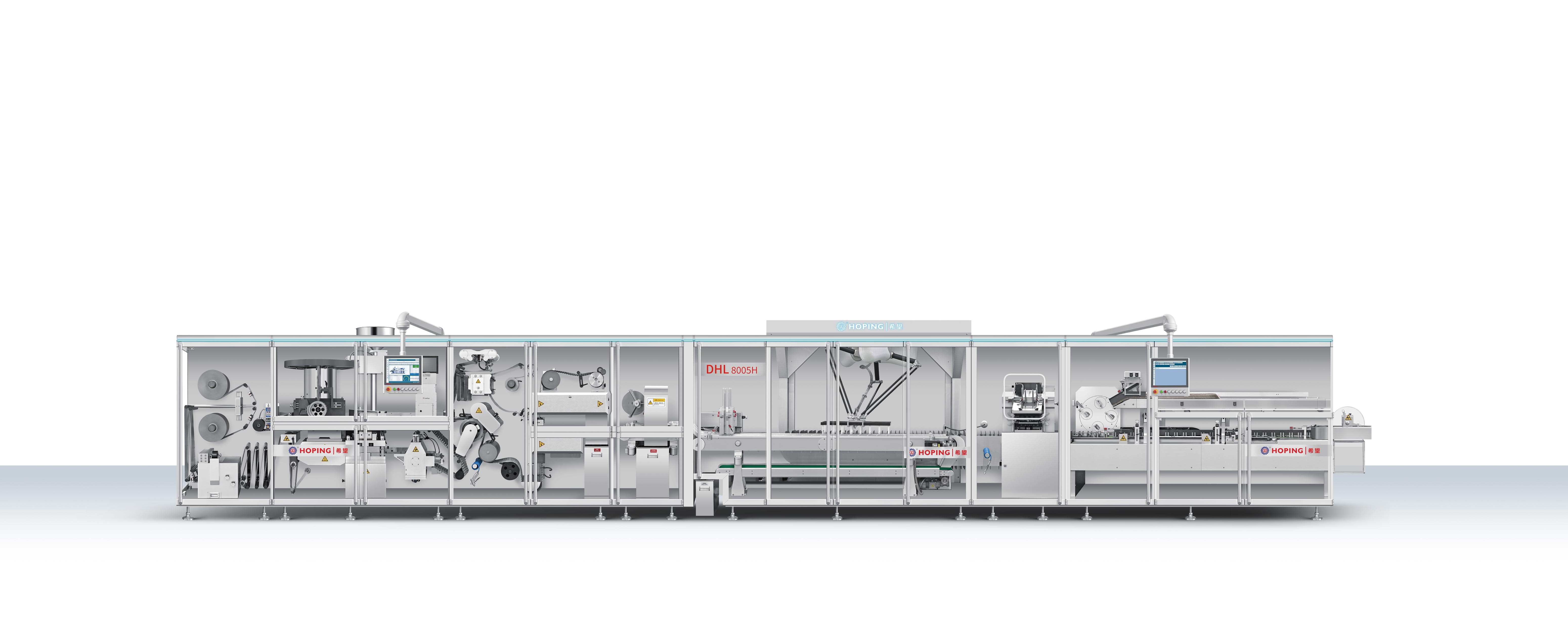
DHL8005H Automatic Blister-Cartoning Line — blister forming, sealing, transfer and cartoning inside one linked system.
3.2 Capacity: 800 blisters per minute and 500 cartons per minute
The DHL8005H is rated for a maximum capacity of up to 800 blisters per minute and up to 500 cartons per minute. Those two figures should be read together, because that is how the bottleneck is actually resolved.
A blister output figure on its own only tells you how fast the forming and sealing section can run. A carton figure on its own only tells you how fast the secondary packaging section can run. The constraint that stops a line is the relationship between them — how many blister boards are required per carton, and whether the transfer section can keep both ends running without a buffer. On an integrated line, the two rates are matched at the specification stage rather than reconciled by operators during a shift.
3.3 Three-channel servo-driven independent replenishment
The DHL8005H uses a three-channel servo-driven independent replenishment system. In a high-speed line, replenishment — refilling the supply of product into the blister cavities — is one of the few operations that can interrupt a continuous run. Independent, servo-driven channels allow the supply side to work without forcing a stop on the forming and sealing section.
For a buyer, the operational consequence is straightforward: replenishment interruptions are absorbed rather than propagated into the cartoning section, which is where a stall is most expensive because it also stops the carton feeder, the leaflet folder and the closing section.
3.4 Control architecture: Beckhoff motion controller and CP9315 industrial PC
The line runs on a Beckhoff motion controller paired with a CP9315 industrial PC. Selecting an industrial PC rather than a compact PLC has practical consequences for a multi-station line: motion coordination across forming, sealing, transfer and cartoning is handled in one controller, and the HMI layer has the computing headroom for recipe handling and interface expansion.
This matters most at changeover and at fault recovery. When a line has one controller for the whole sequence, a format change is applied to one motion profile instead of being re-entered separately at each machine.
3.5 Material handling: PVC and Alu foil auto splicing
The DHL8005H includes PVC and Alu foil auto splicing. Film roll changes are a known source of unplanned downtime on blister lines, because a roll change at speed requires the web to be stopped, aligned and re-threaded. Auto splicing lets the line continue running while a new roll is joined, which reduces the frequency with which output stops — and, importantly, reduces the operator intervention that creates alignment variation.
3.6 Transfer: D3 intelligent top-loading parallel tracking
Blister boards reach the cartoner through a D3 intelligent top-loading parallel tracking transfer system. This is the component that physically removes the handover problem described in Section 1: boards are transferred by the machine, not by an operator, and the transfer motion is tracked in parallel with the cartoning motion so the two sections stay synchronised.
The DHL8005H also supports multiple feeding methods, which allows the upstream configuration to be matched to the product and to the available room rather than the other way round.
3.7 GMP-oriented construction and cleanable design
The machine structure uses stainless steel and aluminum alloy with transparent guarding, and the line is designed as a GMP-oriented system. Product-contact parts and tooling are configured according to the technical agreement, which means the contact specification is fixed against the confirmed product and package rather than selected from a generic list.
For a qualified buyer, the practical value of GMP-oriented design is not a label. It is cleanability, corrosion resistance, visibility of the operating area through transparent guards, and documentation that can be presented during a customer or regulatory audit.
3.8 Mold change and preset memory
Format changeover is handled by mold-change and preset-memory functions. In multi-product plants, changeover time is often the difference between a line that absorbs a schedule and a line that dictates it. Preset memory stores the machine settings for a given format so that a repeat production run does not require rebuilding the machine profile from scratch.
3.9 Coding, inspection and downstream connection
The DHL8005H scope includes coding and inspection, and connection to bundling, case packing and palletizing equipment. This means the line can be specified as the front end of a complete secondary packaging sequence — cartoned product moving into a stretch bander, a case packer or a case packing and palletizing machine — rather than ending at the carton discharge.
3.10 What the DHL8005H does not remove
Two boundaries are worth stating clearly. First, capacity is not the same as suitability: the line is configured against confirmed blister format, carton format and leaflet format, and tooling is built to those specifications. Second, downstream equipment is optional and project-dependent; the extent to which bundling, case packing or palletizing is included depends on the technical agreement. A DHL8005H project solves the transfer bottleneck; it does not remove the need to define formats and downstream scope before the order.
4. Step-by-Step Breakdown: From Constraint to Commissioning
The sequence below reflects how an integrated blister-cartoning project is normally specified and accepted.
Step 1 — Measure the constraint, not the symptom. Record where WIP accumulates, where operators intervene, and where the line stops. If the accumulation point is between blister packing and cartoning, the problem is the handover, not the blister machine.
Step 2 — Confirm formats and materials. Blister size, blister material combination, quantity per carton, carton specification and leaflet format all have to be fixed before a line configuration can be quoted. This is also the point at which PVC/Alu foil requirements and auto-splicing value are assessed.
Step 3 — Match output to the real demand, not the peak. With a maximum of 800 blisters per minute and 500 cartons per minute, the DHL8005H sits at the high-capacity end of the range. The right question is how many cartons per shift the schedule actually requires, and how much headroom is needed for growth.
Step 4 — Confirm the compliance route. Decide which markets the line will supply and which documentation is required. CE marking, GMP-oriented design and management-system certification should be verified in the qualification stage, not at delivery.
Step 5 — Agree customisation and interfaces. Hoping operates an ODM/OEM/customisable production model. Customisable items include blister size, blister materials, quantity per carton, carton specification, leaflet format, coding/inspection method, feeding method, downstream bundling/case-packing/palletizing connection, interface language, electrical component brand and data interface.
Step 6 — Run the acceptance tests. The documented quality-control sequence for a line like this covers incoming material inspection, key component inspection, assembly inspection, electrical safety check, no-load trial run, material trial, factory acceptance test, customer witness acceptance and pre-shipment inspection.
Step 7 — Commission, train and connect downstream. After-sales scope includes on-site installation and commissioning, operator training, maintenance training, remote video/phone support, spare parts supply, process-parameter guidance, regular follow-up and troubleshooting, subject to the contract and the project configuration.
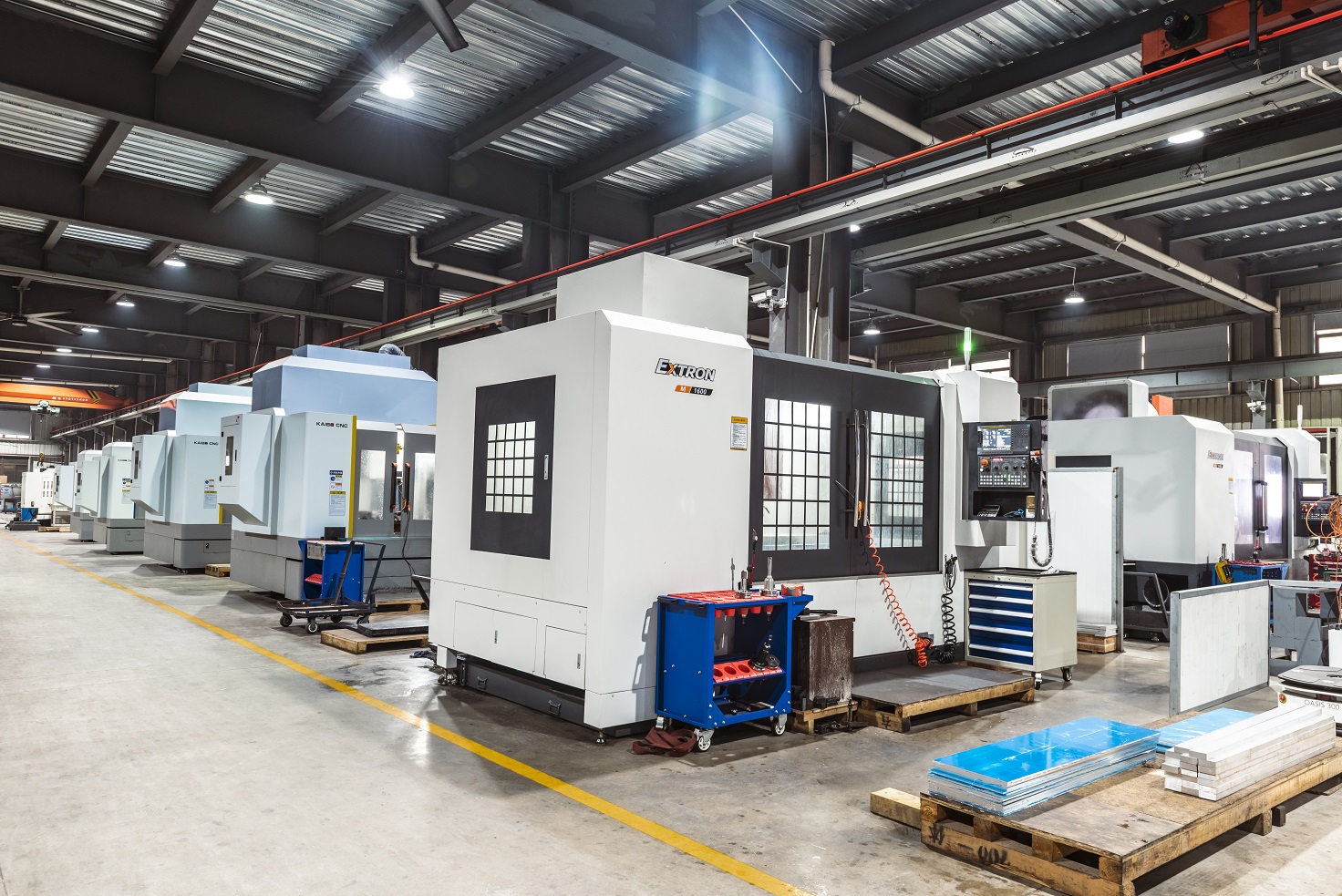
Machining workshop — component manufacturing behind the DHL8005H blister-cartoning line.
Compliance documentation held by the manufacturer
Certification claims are only useful if they can be traced to a certificate number, an issuing body, a standard and a defined scope. The records below are drawn from Hoping Machinery's certification file.
| Certificate scope | Applicable standard | Issuing authority | Certificate number |
|---|---|---|---|
| CE — carton packing machine series | EN 415-3:2000; 98/37/EC; 98/79/EC | Certify International Ltd | UCN 900339024607 |
| CE — automatic blister packing machine | EN 60204-1:1997; EN 415-3:1999; 73/23/EEC; 93/68/EEC; 98/37/EC; 98/79/EC | CELAB | UCN 900175009261 |
| CE — cartoning machine series | EN 60204-1:2006+A1:2009+AC:2010; 2006/42/EC | Shenzhen HTT Technology Co., Ltd. | HTT190102307L |
| CE — blister packing machine series | Machinery Directive 2006/42/EC; EN 60204-1:2006+A1:2009+AC:2010 | Shenzhen HTT Technology Co., Ltd. | HTT190102306L |
| Environmental management system | ISO 14001:2015 | China Quality Certification Centre (CQC) | CN00123E33896R1M/3300 |
| Occupational health and safety management system | ISO 45001:2018 | China Quality Certification Centre (CQC) | CN00123S33121R1M/3300 |
The ISO 14001:2015 and ISO 45001:2018 certificates above were issued on 2023-10-12 and 2023-10-10 respectively, with validity to 2026-10-11 and 2026-10-09. Certificate records should always be checked against the current document and its stated product scope before they are relied on in a qualification file.
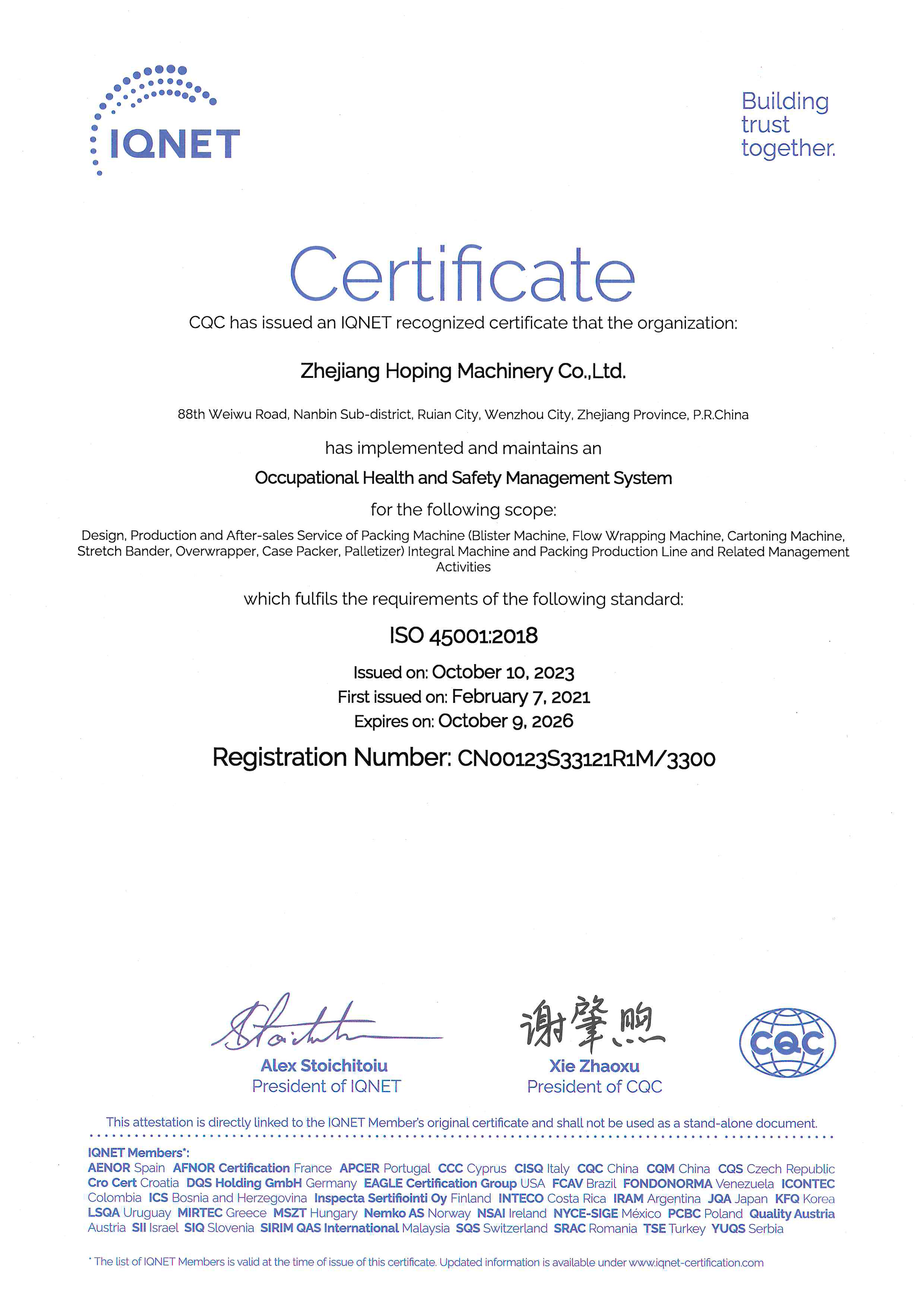
ISO 45001:2018 management-system certificate, certificate number CN00123S33121R1M/3300, issued by CQC.
5. Use Cases: Where This Configuration Fits
High-volume tablet and capsule production. Where the schedule is dominated by a small number of high-runner formats, the value of the line is continuous operation at up to 800 blisters per minute with cartoning matched at up to 500 cartons per minute, without an operator at the transfer point.
Multi-format plants with frequent changeovers. Mold-change and preset-memory functions target plants that run several pack sizes on the same line and cannot afford to rebuild settings from scratch each time a format returns to the schedule.
Capacity expansion inside an existing room. The most direct application is the case described at the start of this article: demand has grown, but the footprint available does not allow a second standalone blister machine plus a second standalone cartoner.
Healthcare, nutraceutical and food blister-cartoning. Beyond pharmaceutical solid dosage, the DHL8005H is specified for healthcare products, and for food and cosmetic blister-cartoning projects.
Downstream integration projects. Where cartons must feed a bundler, case packer or palletizer, the line can be configured as the upstream element of a connected secondary packaging sequence.
6. Comparison Table: Blister-Cartoner Lines in the Same Range
Because the DHL8005H sits within a family of Hoping blister-cartoner integrated machines, the most useful comparison for a buyer is against the adjacent models rather than against unrelated equipment. All figures below are manufacturer specifications.
| Model | Max blister output | Max carton output | Transfer / feed system | Control platform | Replenishment |
|---|---|---|---|---|---|
| DHL6004 | Up to 600 blisters/min | Up to 400 cartons/min | High-speed transfer and cartoning linkage | Beckhoff motion controller and CP9315 industrial PC | Servo-driven independent replenishment |
| DHL7004 | Up to 700 blisters/min | Up to 400 cartons/min | Self-developed IRB24 intelligent transfer robot | Siemens motion controller and TP900 HMI | Servo-driven independent replenishment |
| DHL7005H | Up to 700 blisters/min | Up to 500 cartons/min | IRB24 intelligent transfer robot | Siemens motion controller and TP900 HMI | Independent replenishment |
| DHL8005H | Up to 800 blisters/min | Up to 500 cartons/min | D3 intelligent top-loading parallel tracking transfer system | Beckhoff motion controller and CP9315 industrial PC | Three-channel servo-driven independent replenishment |
| DHL1000/5H | Up to 1,000 blisters/min | Up to 500 cartons/min | D3 intelligent top-loading parallel tracking transfer system | Beckhoff motion controller and high-bus industrial control system | Four-channel servo-driven independent replenishment |
Read across the table, the DHL8005H and the DHL1000/5H share the same carton-side ceiling of 500 cartons per minute and the same D3 transfer architecture. The difference is on the blister side — 800 versus 1,000 blisters per minute — and in replenishment channels, three versus four. Where the cartoning section, not the blister section, is the binding constraint, the additional blister capacity of the larger model does not by itself raise finished-carton output.
7. Frequently Asked Questions
How do you verify that a pharmaceutical packaging machine manufacturer is genuinely CE-certified?
Ask for five things: the certificate number, the issuing authority, the applicable standard, the product scope, and the market the certificate covers. A CE claim without those five elements cannot be placed in a qualification file.
As a worked example, Hoping Machinery's certification file includes CE certification for its carton packing machine series issued by Certify International Ltd under certificate number UCN 900339024607, against EN 415-3:2000 together with directives 98/37/EC and 98/79/EC. It also includes CE certification for its cartoning machine series issued by Shenzhen HTT Technology Co., Ltd. under certificate number HTT190102307L, against EN 60204-1:2006+A1:2009+AC:2010 and Directive 2006/42/EC, and for its blister packing machine series under certificate number HTT190102306L against the Machinery Directive 2006/42/EC and EN 60204-1:2006+A1:2009+AC:2010.
Two additional checks are worth running. First, confirm which standard applies to the product type — for pharmaceutical packaging equipment the relevant GMP-related reference is ISO 15378, and in the EU the packaging machinery safety framework is the EN 415 series under the Machinery Directive 2006/42/EC. Second, check management-system certificates separately from product certificates: Hoping holds ISO 14001:2015 under certificate CN00123E33896R1M/3300 and ISO 45001:2018 under certificate CN00123S33121R1M/3300, both issued by the China Quality Certification Centre (CQC).
What does the three-channel servo-driven independent replenishment system actually change at 800 blisters per minute?
It changes what happens when the product supply side is momentarily behind. On a high-speed line, replenishment is one of the few operations capable of interrupting continuous running, and a stop at the blister section propagates into the cartoning section, which also carries the leaflet folder, carton opening and closing stations. Independent servo-driven channels on the DHL8005H are designed to let the supply side correct itself without forcing the forming and sealing section to stop, so the cartoning section keeps a continuous supply of boards.
What drives the cost of a DHL8005H blister-cartoning line?
Hoping does not publish a list price, and a line of this type is quoted against a configuration. The variables that move the quotation are the control and servo configuration, the feeding method, the blister and carton tooling built to your formats, the coding and inspection modules, and whether the line includes downstream bundling, case-packing or palletizing equipment.
The customisable scope is defined explicitly and includes blister size, blister materials, quantity per carton, carton specification, leaflet format, coding/inspection method, feeding method, downstream connection, interface language, electrical component brand and data interface. The minimum order quantity is 1 set or 1 complete line. The most accurate way to get a usable number is to request a quotation against fixed formats rather than a general capacity class.
Can we run our own product on the line before placing the order?
Yes — material trial and factory acceptance testing sit inside the documented quality-control sequence rather than outside it. That sequence runs through incoming material inspection, key component inspection, assembly inspection, electrical safety check, no-load trial run, material trial, FAT, customer witness acceptance and pre-shipment inspection. In practice this means a buyer can require a material trial on their own blister format and witness the acceptance test before shipment is released.
How long does delivery and commissioning take, and what support follows?
Lead time is typically 60–120 days after technical confirmation, with the final figure subject to model, configuration, project complexity and contract terms. Hoping's stated monthly capacity is 30–40 units, and production is run on an ODM/OEM/customisable basis.
After delivery, the support scope covers on-site installation and commissioning, operator training, maintenance training, remote video and phone support, spare parts supply, process-parameter guidance, regular follow-up and troubleshooting, subject to the contract and project configuration.
Next step: if you want to compare the DHL8005H against your current formats and output targets, download the Hoping Machinery product catalog or send your blister format, carton size and required cartons per shift to monica@xwbj.com for a configured quotation.
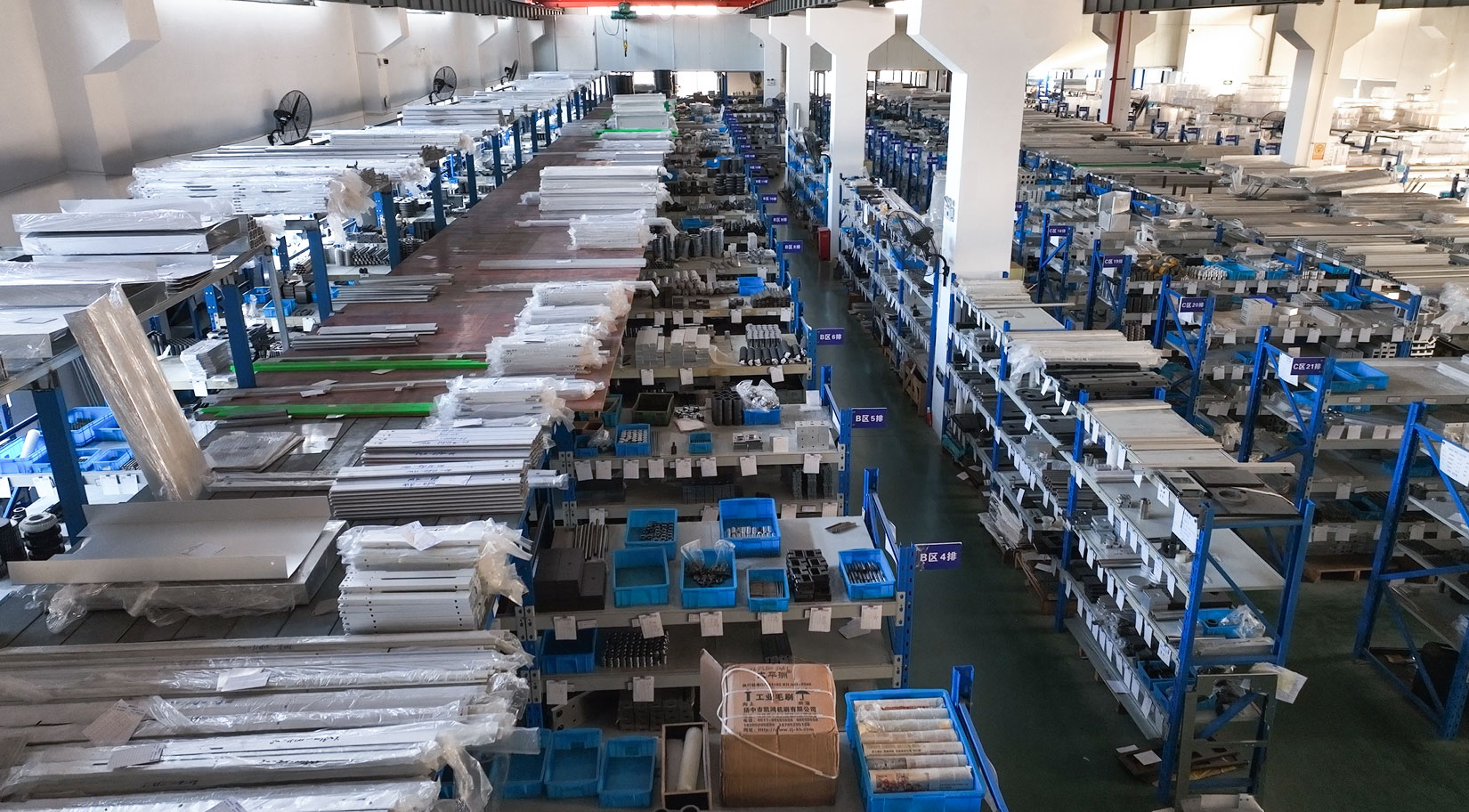
Pre-shipment preparation — equipment is inspected and released against the agreed acceptance record before dispatch.
8. Conclusion
A blister-cartoning bottleneck is usually a handover problem wearing the costume of a capacity problem. Adding a faster blister machine to a line whose constraint is the transfer to the cartoner does not increase finished-carton output; it increases the buffer.
The DHL8005H addresses that specific configuration. It consolidates blister forming and sealing, blister transfer, leaflet handling, carton opening, insertion and coding/inspection into one fully servo line controlled by a Beckhoff motion controller and CP9315 industrial PC, with a D3 intelligent top-loading parallel tracking transfer system replacing manual or unsynchronised transfer, three-channel servo-driven independent replenishment, PVC and Alu foil auto splicing, mold-change and preset-memory functions, and GMP-oriented stainless steel and aluminum-alloy construction. Its rated ceiling is up to 800 blisters per minute and 500 cartons per minute.
For a buyer in the research and evaluation stage, the practical filter is this: fix the formats, fix the carton-per-shift requirement, verify the certification records by number and scope, and then compare line configurations on the transfer architecture and the control platform — because those are the two elements that decide whether the handover stops being the constraint.
Talk to Hoping Machinery about your blister-cartoning line
Website: www.hopingcn.com | Blog: blog.hopingcn.com
Contact: Monica | monica@xwbj.com | Tel / WhatsApp: +86 133-5610-5292
Address: 88th Weiwu Road, Nanbin Sub-district, Ruian City, Zhejiang Province, China