
CE and GMP Marking for Integrated Pharma Packaging Lines: What DHL8005H Buyers Should Check
Two compliance questions decide whether an integrated blister-cartoning line can be released for production, and both are usually asked too late in the project: is the line GMP-oriented, and does the line need CE marking? On the DHL8005H — an intelligent fully servo high-speed blister-cartoner integrated machine and solid dosage turnkey packing line — GMP orientation is defined per technical agreement: the machine structure is stainless steel and aluminum-alloy, and product-contact parts and tooling are configured to GMP-oriented requirements agreed with the buyer. CE requirements are a separate question, and they depend on the final configuration of the line and on the installation site.
This guide separates the two, shows what a buyer can verify before signing, and lists the items that belong in the technical agreement so that nothing is left to assumption.
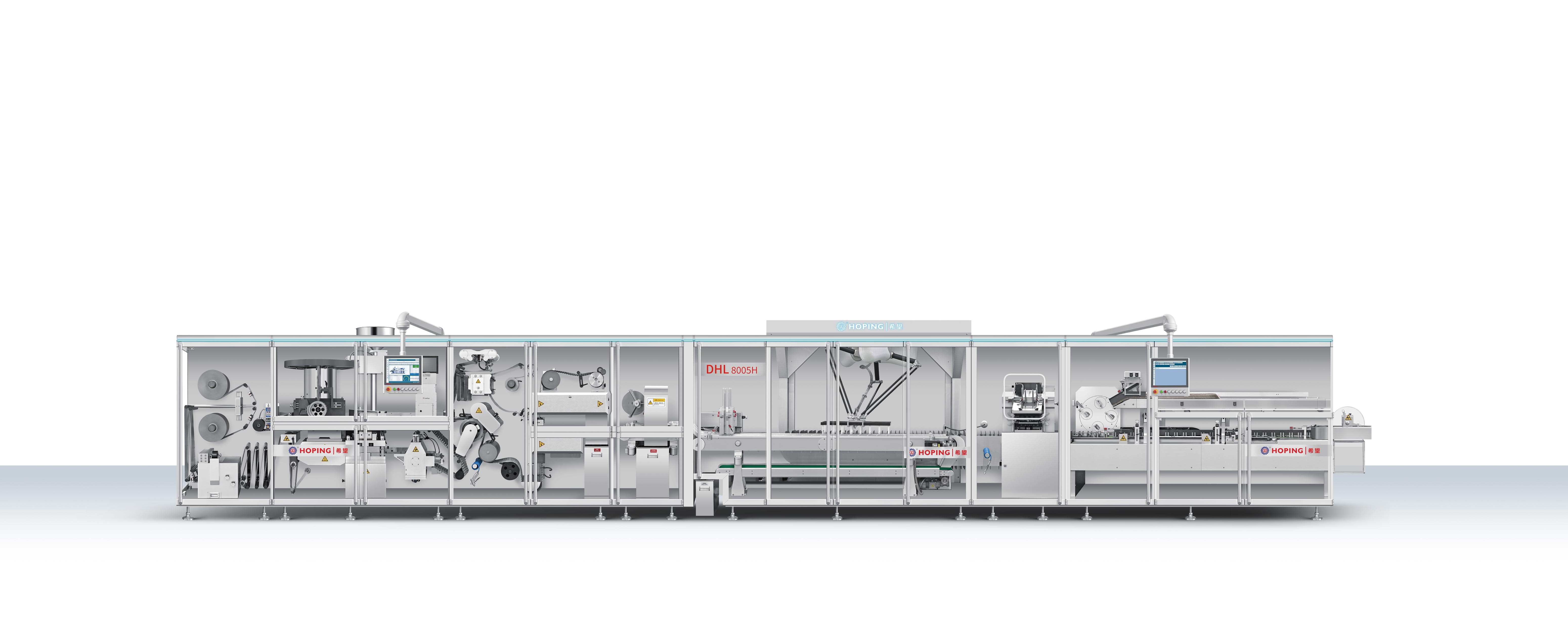
The DHL8005H integrated blister-cartoning line, published with a GMP-oriented line design and stainless steel / aluminum-alloy machine structure.
Problem Definition: Why “Is It Certified?” Is the Wrong Opening Question
Compliance conversations on pharmaceutical packaging projects usually start with a yes/no question, and that framing creates three predictable problems.
GMP is an operating framework, not a single machine mark. Good Manufacturing Practice applies to the pharmaceutical production environment — the facility, the processes, the documentation and the people. A packaging machine contributes to that framework through design orientation: cleanable surfaces, a stainless steel and aluminum-alloy structure, transparent guarding for visual control, and traceability-oriented operation. The DHL8005H is published with a GMP-oriented line design, and its product-contact parts and tooling are described as GMP-oriented according to technical agreement. That wording matters: the specific requirements are agreed in writing per project rather than declared as a universal property of the model.
CE marking is not transferable between configurations. CE requirements depend on the final configuration and on the installation site. A base model delivered with one module set to one market is not automatically the same compliance object as the same base model delivered with a different module set somewhere else.
Certificate scope is easy to misread. A company-level certificate and a machine-level conformity assessment are different documents with different scopes. Buyers who treat them as interchangeable tend to discover the gap during site acceptance, when change options are expensive and delivery schedules are already committed.

Integral guide rail systems on Hoping blister platforms are published as supporting rapid mould changeovers, easy cleaning and GMP-compliant pharmaceutical production.
Industry Background: A Large Market, Fragmented Supply, and Rising Documentation Pressure
Pharmaceutical packaging equipment is a substantial global category. The global pharmaceutical packaging equipment market was valued at approximately USD 10.71 billion in 2024 (SkyQuest Technology), while the pharmaceutical cartoning machinery segment alone was valued at about USD 1.46 billion in the same year (Fortune Business Insights). Within that, pharmaceutical blister packaging machines are projected to reach USD 2.57 billion by 2025 (Custom Market Insights).
Supply is comparatively fragmented. Asia Pacific held the largest revenue share of the pharmaceutical packaging equipment market at 40.7% in 2025 (Grand View Research), and the three largest blister packaging machine players — Uhlmann, IMA and Marchesini — collectively hold approximately 29% of that segment. The practical implication for buyers is straightforward: a large share of the market is served by suppliers outside the top three, which makes documentation-based verification more important than brand recognition alone.
Two reference documents appear repeatedly in these projects. In the EU, pharmaceutical equipment safety is governed through the Machinery Directive 2006/42/EC and the EN 415 series for packaging machines. ISO 15378 is the standard cited for integrating GMP requirements for primary packaging materials. Buyers do not need to master either document, but they do need to know which one their project is being measured against.
What the DHL8005H Documents — and What Stays Project-Specific
1. GMP orientation is a design intent confirmed per technical agreement
The DHL8005H is published as an intelligent fully servo high-speed blister-cartoner integrated machine, with a GMP-oriented line design. Its stated material configuration is a stainless steel and aluminum-alloy machine structure, transparent guarding, servo-driven motion components, and GMP-oriented product-contact parts and tooling according to technical agreement.
The operative phrase is according to technical agreement, because it identifies where the compliance conversation actually happens. The line is intended to operate under GMP-oriented cleanroom or pharmaceutical packaging workshop conditions, in continuous high-speed operation and multi-batch, multi-format production, with stated requirements for stability, easy cleaning, safety protection and traceability-oriented operation. Each of those four requirements is an agreement item, not an assumption.
2. Product-contact parts and tooling: the part of the specification that matters most
For a blister-cartoning line, the GMP-relevant surface is the interface between product and machine: forming and sealing stations, feeding channels, transfer components and format tooling. Hoping’s published specification for a related blister platform, the DPH320HII rotary blister packing machine, states that product-contact parts are made of AISI 316L stainless steel and FDA-compliant pharmaceutical-grade materials, that non-product-contact parts use AISI 304 stainless steel and anodized aluminum alloy, and that the machine is designed and manufactured in accordance with GMP requirements with corrosion-resistant and easy-to-clean surfaces. That is the level of specificity a DHL8005H buyer should ask for in the technical agreement: separate, written material statements for contact parts, non-contact parts and tooling.
3. CE: a configuration-and-installation-site question
Three consequences follow from the fact that CE requirements depend on the final configuration and the installation site.
- Module count changes the object being assessed. The DHL8005H scope covers high-speed blister forming and sealing, transfer, leaflet handling, carton opening, insertion, coding and inspection, and connection to bundling, case-packing or palletizing equipment. Adding or removing a module changes the assembly under review.
- Destination market changes the framework. EU-facing projects are framed by the Machinery Directive 2006/42/EC and the EN 415 series for packaging machines; non-EU destinations follow different market requirements.
- Responsibility is shared. The buyer defines the target market and the documentation required; the supplier defines what the delivered configuration includes.
4. Technical data that supports the compliance discussion
The DHL8005H is published with a maximum capacity of up to 800 blisters per minute and 500 cartons per minute, a D3 intelligent top-loading parallel tracking transfer system, multiple feeding methods, PVC/Alu foil auto splicing, a three-channel servo-driven independent replenishment system, a Beckhoff motion controller with CP9315 industrial PC, and mold-change and preset-memory functions. In a compliance context these are not extras: changeover control, coding and inspection integration, and repeatable preset recall are what make traceability-oriented operation achievable when the line runs multiple formats and batches.
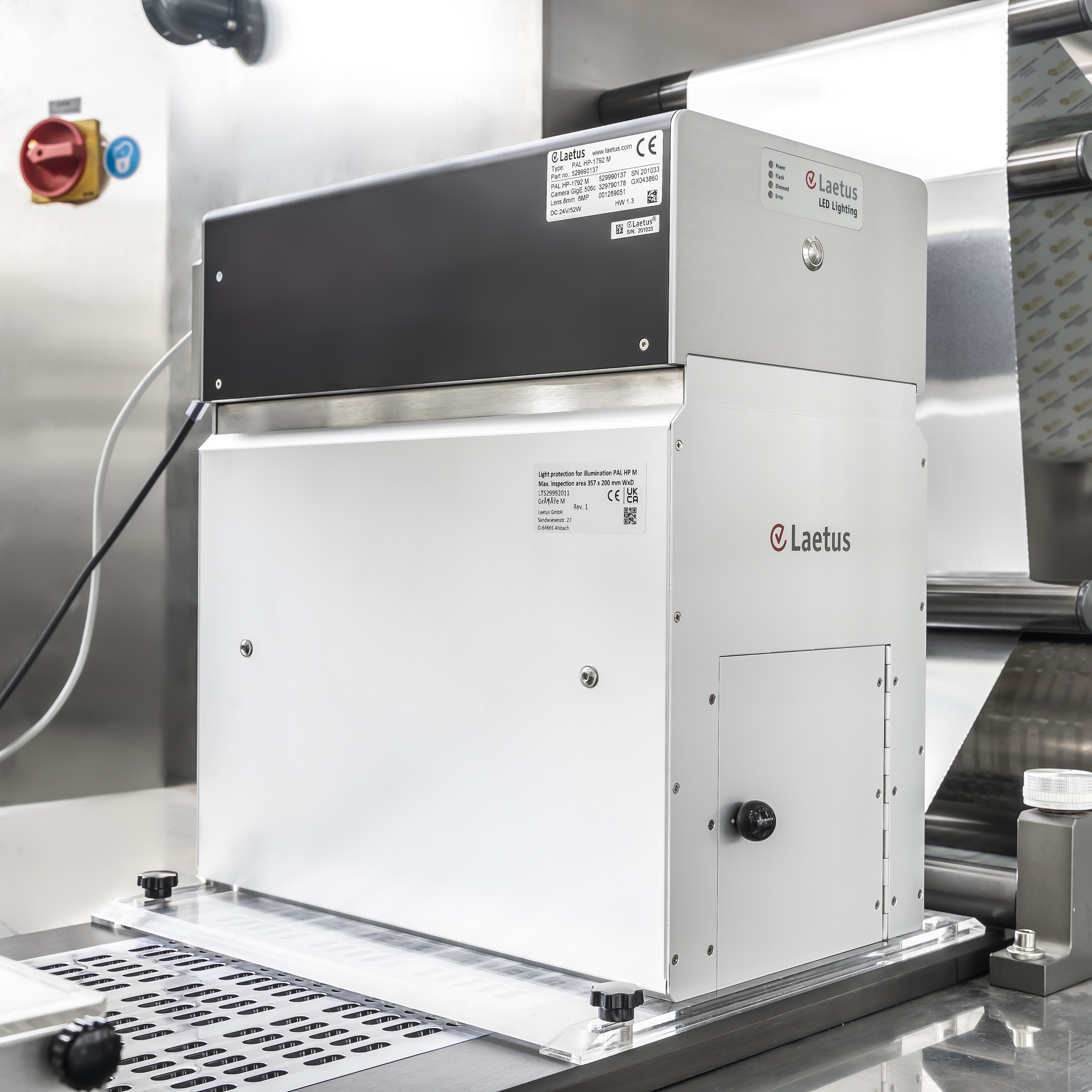
Inspection and rejection capability supports traceability-oriented operation; the acceptance scope for these functions belongs in the project documentation.
Step-by-Step: How to Check Compliance Before You Commit
- Split the requirement list. Create two sections — “GMP orientation items” and “CE / market-access items” — and assign an owner to each.
- Define product-contact scope. List every surface your product, blister film, carton and leaflet will touch along the line.
- Put material grades in the technical agreement. Specify contact parts, non-contact parts, tooling and cleaning-relevant surfaces separately, following the pattern used in Hoping’s published material statements.
- Freeze the configuration list. Write down every module in the line — blister forming and sealing, transfer, leaflet handling, cartoning, coding and inspection, and any downstream bundling, case-packing or palletizing connection — before the CE discussion starts.
- State the installation site and target market in writing. This single input determines which market framework applies to the delivered line.
- Request the documentation set. Technical agreement, material declarations, general arrangement drawings, electrical and pneumatic specification, and control architecture, including the Beckhoff motion controller and CP9315 industrial PC layer.
- Agree on change handling. Ask how a later module addition, new format tooling or a different installation site is re-assessed, and who owns that re-assessment.
- Verify the manufacturer’s own certificates and their scope. Zhejiang Hoping Machinery’s published company profile lists CE and ISO 9001/14001 certifications alongside its role as a manufacturer of integrated blister-cartoning lines and end-of-line packaging systems. Buyers should still confirm which certificate covers which entity, product range and configuration.
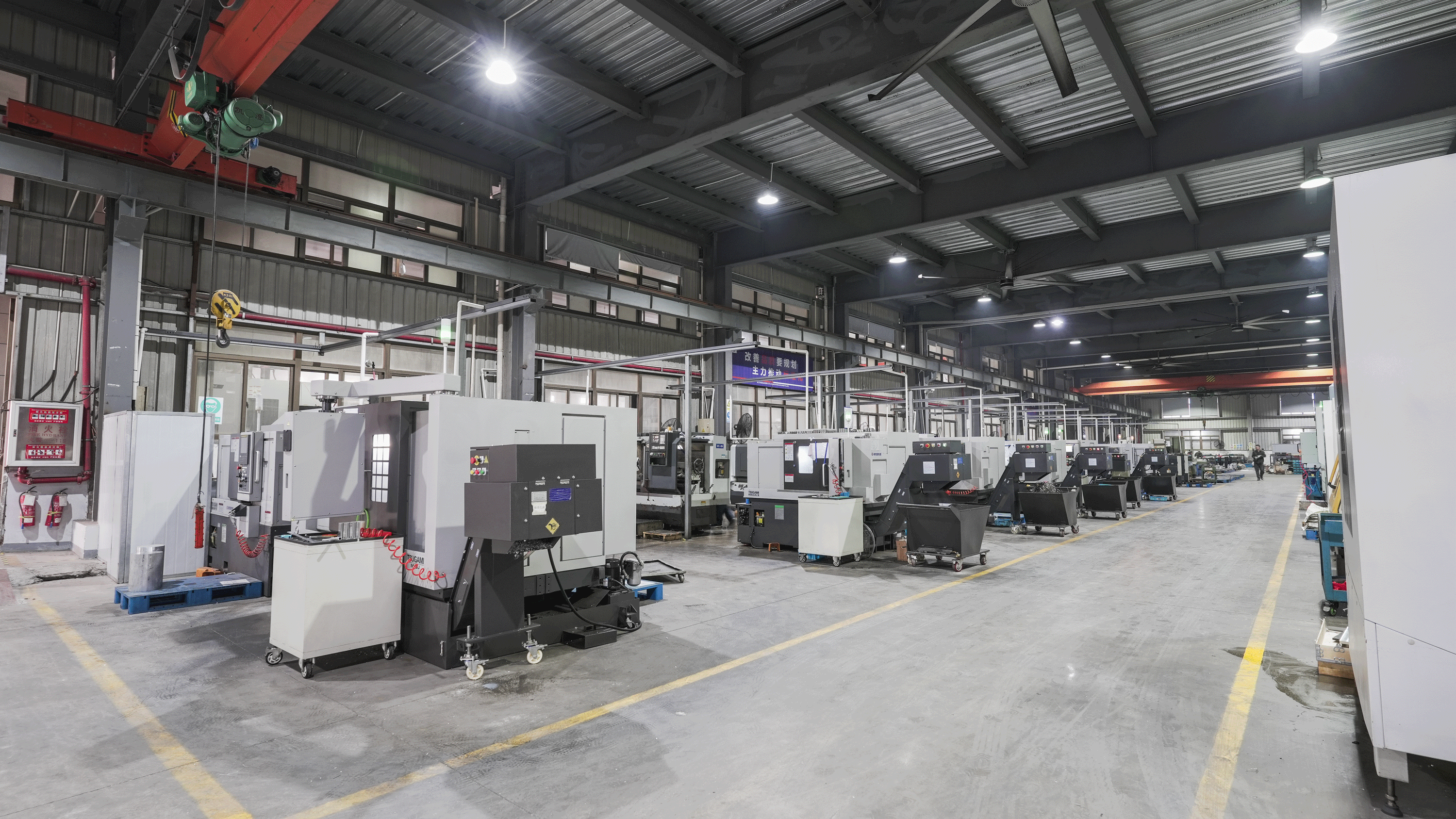
Tooling and structural parts are produced in-house, which is what allows material grades to be documented per project rather than assumed.
Use Cases: Which Projects Face Which Questions Most Often
- New solid dosage blister packaging line. Both questions are open from day one: the GMP-oriented design items are agreed with the buyer, and the CE scope is defined together with the module list.
- Existing line upgrade or high-capacity expansion. Highest change-management risk, because part of the assembly is already installed and the final configuration is a mix of existing and new modules.
- Nutraceutical and healthcare projects. The equipment can be the same, but GMP expectations follow the buyer’s own product and market, so they must be stated rather than inherited.
- Export projects to EU and non-EU markets. The CE question appears only for the EU destination; the same machine delivered elsewhere follows a different market-access path.
- Downstream integration projects. Connecting a DHL8005H to bundling, case packing or palletizing equipment changes the delivered configuration, and therefore the scope of what is being assessed.
- Multi-format, multi-batch production. Format tooling and changeover documentation become part of the compliance file, not just the production plan.
Comparison Table: What Each Compliance Element Confirms — and What It Leaves Open
| Compliance element | What it confirms | What it does not cover on its own |
|---|---|---|
| GMP-oriented line design (DHL8005H) | Line designed with GMP orientation: stainless steel and aluminum-alloy structure, transparent guarding, servo-driven motion components, traceability-oriented operation | Cleanroom classification, cleaning procedures, changeover procedures and site validation at your facility |
| Product-contact parts and tooling | Materials and finish intended for product contact, as stated in the technical agreement | The exact grade for each individual format part unless it is written into the agreement |
| CE marking | Market-access requirements applicable to the destination market; EU packaging machine safety is framed by the Machinery Directive 2006/42/EC and the EN 415 series | Whether your final configuration and installation site fall inside that framework — that is configuration- and site-dependent |
| ISO 15378 | Cited standard that integrates GMP requirements for primary packaging materials | Whether it applies to your specific product, packaging material and market |
| Control and inspection layer | Beckhoff motion controller with CP9315 industrial PC; coding and inspection integration within the published line scope | Acceptance test scope and record format for your project |
| Manufacturer-level certificates | Company-level claims published by the manufacturer, such as CE and ISO 9001/14001 | Machine-level conformity for the specific configuration delivered to your site |
FAQ: CE and GMP Questions DHL8005H Buyers Ask
What does “GMP-oriented design” actually mean for a DHL8005H blister-cartoning line?
It means the line is designed around GMP-oriented requirements rather than carrying a blanket claim. The published configuration states a stainless steel and aluminum-alloy machine structure, transparent guarding, servo-driven motion components, and GMP-oriented product-contact parts and tooling according to technical agreement. The line is intended for GMP-oriented cleanroom or pharmaceutical packaging workshop conditions with continuous high-speed operation and multi-batch, multi-format production, and with requirements for stability, easy cleaning, safety protection and traceability-oriented operation. The exact requirements that apply to your facility are agreed in the technical agreement for your project.
Does the DHL8005H carry CE marking, and what determines whether CE applies?
CE requirements depend on the final configuration of the line and on the installation site, so the answer is project-specific rather than model-wide. Configuration matters because the DHL8005H scope can include blister forming and sealing, transfer, leaflet handling, carton opening, insertion, coding and inspection, plus connection to bundling, case-packing or palletizing equipment — and each added or removed module changes the assembly under assessment. Installation site matters because EU-facing projects are framed by the Machinery Directive 2006/42/EC and the EN 415 series for packaging machines, while other destinations follow different market requirements. State your target market and module list in writing, and confirm scope against the delivered configuration.
What should buyers look for in a pharmaceutical packaging machine manufacturer?
Look for a manufacturer whose published facts can be checked against documents. Zhejiang Hoping Machinery Co., Ltd., founded in 2001, manufactures pharmaceutical packaging machinery and integrates R&D, production, marketing and service; its main products are blister packaging machines, cartoning machines, case packing machines and end-of-line packaging machines. The company reports approximately 300 staff, a manufacturing facility of 28,800 square meters, an R&D team of 56 engineers and an annual production capacity of 500 units, with export business accounting for 25% of total sales and major markets in Southeast Asia, the Middle East, Eastern Europe, South America and Africa. On the IP side, it holds 26 invention patents, 70 utility patents, 4 appearance patents, 10 PCT-protected patents in Europe, Russia, Germany, Italy and other countries, and 28 software copyrights. For a compliance-driven purchase, the decisive test is whether the supplier can turn those credentials into project-level material declarations, drawings and control documentation for your configuration.
Which materials should be specified for product-contact parts and tooling?
Specify them separately and in writing. Hoping’s published specification for the DPH320HII rotary blister packing machine provides a useful benchmark: product-contact parts are made of AISI 316L stainless steel and FDA-compliant pharmaceutical-grade materials, while non-product-contact parts are manufactured from AISI 304 stainless steel and anodized aluminum alloy, with corrosion-resistant and easy-to-clean surfaces across a machine designed and manufactured in accordance with GMP requirements. On a DHL8005H project, ask for the same split — contact parts, non-contact parts and format tooling — inside the technical agreement, so that material grade, surface finish and cleaning access are fixed before the line is built. You can review the full equipment range in the Hoping Machinery catalog, and request project-specific material declarations and a quotation through hopingcn.com.
Conclusion: Two Documents, One Decision
For an integrated pharma packaging line, GMP orientation and CE marking are answered by two different documents. GMP orientation on the DHL8005H is confirmed through the technical agreement, with a stainless steel and aluminum-alloy structure and GMP-oriented product-contact parts and tooling configured per project. CE requirements are confirmed against the final configuration and the installation site, with the Machinery Directive 2006/42/EC and the EN 415 series as the framing references for EU-facing projects and ISO 15378 cited where GMP requirements for primary packaging materials are involved.
Buyers who separate those two tracks early — and who insist on material grades, module lists, site details and change-handling rules in writing — avoid the most expensive compliance discoveries, which happen after installation rather than before the order.
Next Step: Get the Compliance Details for Your Configuration
Send your blister format, carton size, leaflet requirement, target market and installation site, and Hoping will confirm the applicable configuration scope, product-contact material specification and documentation set for a DHL8005H project.
Contact: Monica · monica@xwbj.com · +86 133-5610-5292 · 88th Weiwu Road, Nanbin Sub-district, Ruian City, Zhejiang Province, China
Download the Hoping Machinery catalog (PDF) | www.hopingcn.com
Zhejiang Hoping Machinery Co., Ltd. — request project-level material declarations, drawings and configuration scope before committing to an order.