Choosing a Pharmaceutical Packaging Machine: Integrated or Standalone?
Choosing a Pharmaceutical Packaging Machine: Integrated or Standalone?
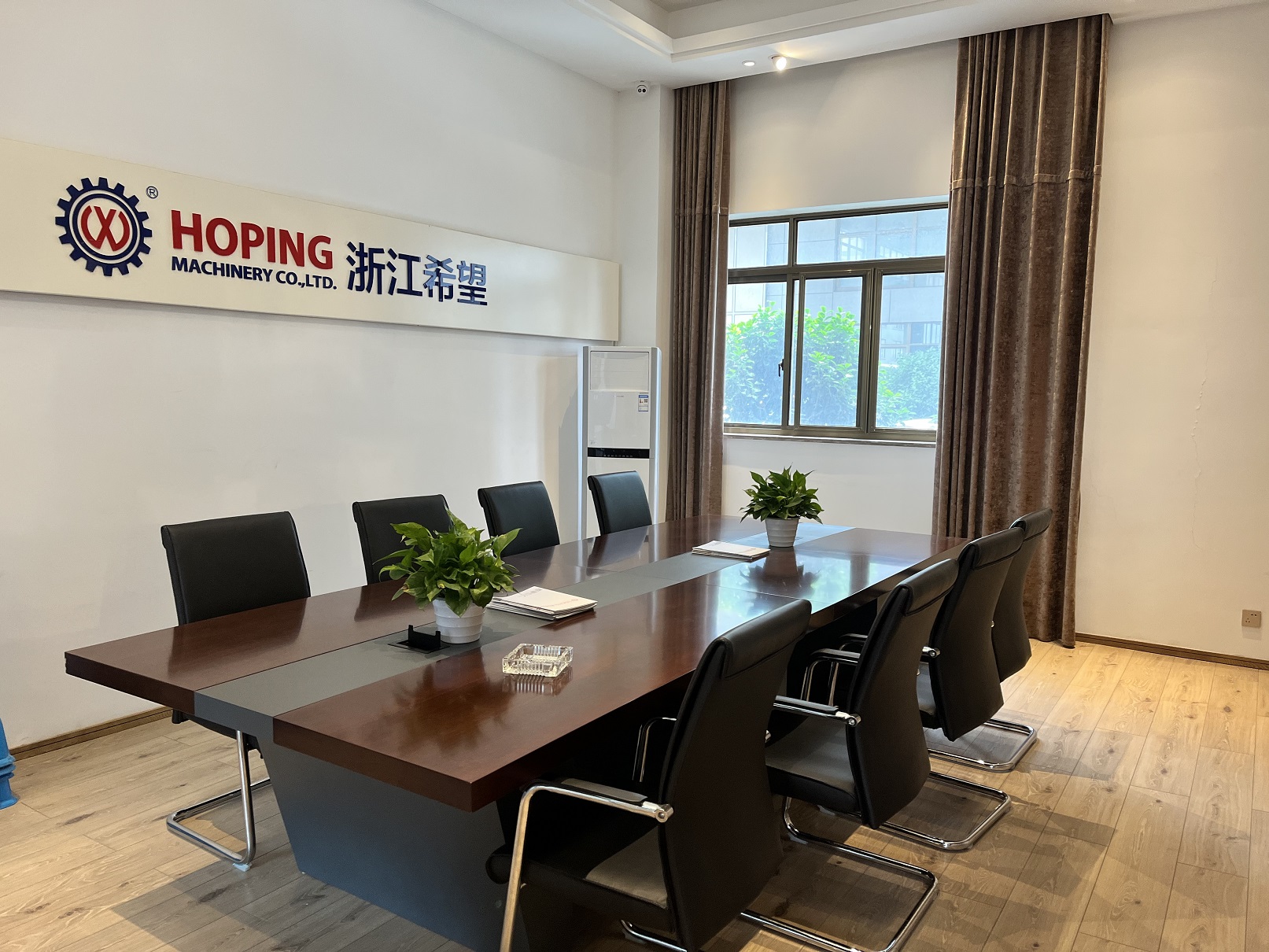
Early project meetings help define the packaging format, line speed, and supplier evaluation criteria.
Choosing a pharmaceutical packaging machine is not just a specification exercise; it is also an architecture decision. Buyers at the decision stage need to compare how different line configurations affect throughput, manual handling, quality control, installation risk, and operating cost. This guide focuses on one common comparison: a fully integrated blister-cartoning line versus a traditional standalone setup made up of a blister machine, manual transfer, and a separate cartoner.
Why the Decision Is Harder Than Comparing Machine Speeds
At the decision stage, buyers often compare individual machine speed figures. But the greatest source of inefficiency in pharmaceutical packaging is the space between machines. A traditional blister machine plus manual transfer plus a standalone cartoner creates buffers and manual steps. Product can be misplaced, leaflets can be missing, cartons can jam, and contamination risks can increase. These risks grow as line speed grows. The real question is not only which machine is faster, but which architecture can deliver consistent quality at the required volume.
Market Context: Pharmaceutical Packaging Equipment Is Growing
Manufacturers evaluating pharmaceutical packaging equipment operate in a growing market. According to SkyQuest Technology, the global pharmaceutical packaging equipment market was valued at approximately USD 10.71 billion in 2024. Custom Market Insights projects the pharmaceutical blister packaging machine market to reach USD 2.57 billion by 2025, with a CAGR of 2.8%. Fortune Business Insights valued the global pharmaceutical cartoning machinery market at USD 1.46 billion in 2024. Grand View Research reports that Asia Pacific held 40.7% of the pharmaceutical packaging equipment market in 2025.
The market also has a concentrated group of established suppliers. According to MarketsandMarkets, the top three players Uhlmann, IMA, and Marchesini hold about 29% of the pharmaceutical blister packaging machine market. The remaining share is served by specialized and regional manufacturers. For buyers evaluating Chinese suppliers, this concentration is a reminder to verify engineering capability, compliance, and project references rather than relying on brand recognition alone.
Compliance remains a basic qualification. ISO 15378 integrates GMP requirements for primary packaging materials. In the EU, packaging machinery must comply with the Machinery Directive 2006/42/EC and is often assessed against the EN 415 series for packaging machines. A credible supplier should be able to explain how its equipment meets the standards for your target market.
What an Integrated Pharmaceutical Packaging Line Does
An integrated pharmaceutical packaging line combines several stations that are normally separated in traditional production: blister packaging, blister transfer, leaflet handling, carton opening, insertion, inspection and rejection, and downstream connection. The goal is to reduce manual intervention and create one controlled flow.
This architecture is particularly suitable for large-scale solid dosage pharmaceutical packaging and high-capacity workshops that require reduced manual contact. For example, HOPING Machinery (Zhejiang Hoping Machinery Co., Ltd.) is a Chinese manufacturer based at 88th Weiwu Road, Nanbin Sub-district, Ruian City, Zhejiang Province. It builds integrated blister-cartoning lines and other pharmaceutical packaging equipment. Its representative DHL1000/5H integrated blister-cartoning line can reach up to 1000 blisters per minute and 500 cartons per minute. Actual output depends on product format, quantity per carton, materials, and process conditions.
Compared with a traditional blister machine plus manual transfer plus a standalone cartoner, the integrated line reduces manual intervention by combining these functions into one automated process. It also supports stable operation for multi-format packaging lines, where changeover and parameter management are important.
Cost is the next point of comparison. An integrated line usually has a higher initial investment than standalone or semi-automatic equipment. The offset is that an integrated line helps reduce labor, transfer, management, and quality-risk costs in large-scale continuous production. Therefore, the better cost comparison is total cost over the line's operating life, not the purchase price alone.
From a maintenance perspective, integrated lines use centralized control, modular stations, alarm indication, and parameter management. These features support routine maintenance and faster fault identification. Operator training, spare-parts management, and preventive maintenance remain important for long-term reliability.
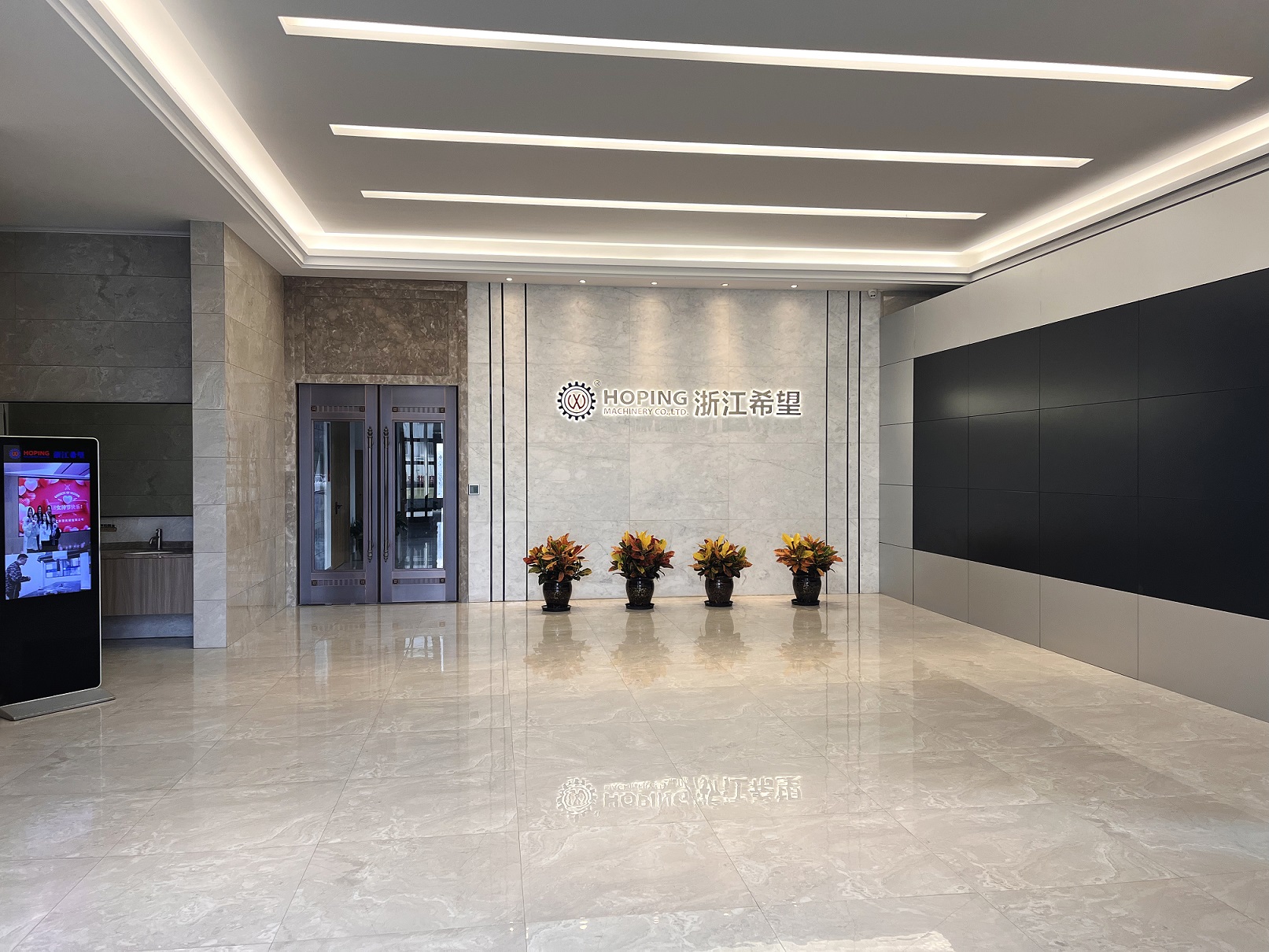
Supplier qualification review covers company background, production capacity, and after-sales support.
Step-by-Step Evaluation Framework
Step 1: Define Your Dosage Form and Packaging Format
Specify whether the product is a tablet, capsule, or other solid dosage. Confirm blister materials such as PVC, PVDC, or alu-alu, and define blister dimensions, carton size, quantity per carton, leaflet requirements, and coding requirements. These inputs determine whether you need a tablet blister packaging machine or a capsule blister packaging machine, and how the line must be configured.
Step 2: Map the Entire Path from Blister to Carton
List every station: blister forming, sealing, perforation or cutting, blister transfer, leaflet folding and insertion, carton erection, product insertion, code printing, inspection, rejection, and downstream connection to a case packing machine. An integrated blister-cartoning line connects these stations in one process. A standalone setup requires separate machines and manual buffers between them.
Step 3: Identify Manual Intervention Points and Quality Risks
Count the points where operators touch the product or where product moves between machines. Common risks include poor blister forming or sealing, missing or wrong product feeding, missing leaflet, carton jam, coding or date-printing errors, and foreign matter or contamination risk. For every risk point, ask how the supplier detects and rejects the defect. Sensor monitoring, vision or checkweighing inspection where configured, missing-product alarms, automatic stop, automatic rejection, key-parameter locking, and fault records are common control methods.
Step 4: Compare Total Cost, Not Just Machine Price
Compare the integrated line and the standalone alternative over three to five years. Include labor, floor space, in-process inventory, changeover time, reject rate, and quality risk. The integrated line typically costs more initially, but it can reduce variable cost in high-volume production. For a lower-volume scenario, a low-speed semi-automatic blister-cartoning solution or a standalone layout may be sufficient.
Step 5: Verify Manufacturer Capability and Compliance
Check the manufacturer's own production depth, R&D resources, and certifications. HOPING Machinery was established in 2001, employs more than 300 people, operates a 28,800 m2 factory, and has an R&D team of 56 engineers. Its annual output is about 500 units. The company reports CE and ISO 9001/14001 certifications and holds 26 invention patents, 70 utility patents, 4 appearance patents, 10 PCT-protected patents, and 28 software copyrights. These facts help buyers judge whether the supplier can support a project rather than simply supply a single machine.
Step 6: Plan Testing and Site Support
For export projects, define the testing and acceptance procedure before ordering. A responsible supplier will confirm samples and packaging materials early, design the solution around your formats, perform no-load and material tests before shipment, and arrange customer witness acceptance for key projects. After delivery, confirm installation, commissioning, training, spare parts, and remote technical support.
Use Cases: When to Choose an Integrated Line vs Standalone Machines
Use case 1: High-volume solid dosage manufacturer. A producer packing tablets or capsules at high output needs a line that can sustain speed without manual buffering. An integrated blister-cartoning line with up to 1000 blisters per minute and 500 cartons per minute is better suited to this scenario. The reduced manual contact helps protect product quality.
Use case 2: Multi-format packaging line. If the line must run different blister sizes, carton sizes, and carton quantities, choose an integrated line with parameter management and modular stations. Stable operation and efficient changeover reduce downtime during small-batch runs. Actual output should be validated with representative materials.
Use case 3: Lower-volume producer evaluating initial cost. If current volume is low, standalone equipment may be easier to justify because the initial investment is lower. However, if growth is expected, compare the cost of adding capacity later with the cost of starting with an integrated line. The right decision depends on volume forecasts and labor availability.
Use case 4: Export buyer needing project support. For buyers importing from China, installation and delivery risk matter. Confirm that the supplier can provide installation, commissioning, training, spare parts, and remote technical support. Also confirm whether material tests and customer witness acceptance can be arranged before shipment.
Integrated Line vs Standalone Equipment: Side-by-Side Comparison
| Comparison Factor | Integrated Blister-Cartoning Line | Standalone Blister Machine + Manual Transfer + Cartoner |
|---|---|---|
| Process configuration | Combines blister packaging, blister transfer, leaflet handling, carton opening, insertion, inspection/rejection, and downstream connection into one automated process. | Separate stations with manual transfer between equipment. |
| Manual intervention | Reduced manual contact across the line. | Higher manual handling, more opportunities for missing product, wrong insertion, or contamination. |
| Throughput | Representative DHL1000/5H model reaches up to 1000 blisters/min and 500 cartons/min; actual output depends on format, materials, and process conditions. | Depends on individual machine speeds and operator efficiency; transfer between machines often becomes a bottleneck. |
| Initial investment | Usually higher than standalone or semi-automatic equipment. | Usually lower equipment acquisition cost. |
| Operating cost | Helps reduce labor, transfer, management, and quality-risk costs in large-scale continuous production. | Potential for higher labor and quality-risk costs as volume increases. |
| Maintenance | Centralized control, modular stations, alarm indication, and parameter management support routine maintenance. | Maintenance on separate units, with separate controls and documentation. |
| Best for | Large-scale solid dosage pharmaceutical packaging; high-capacity workshops; multi-format lines requiring stable operation. | Lower-volume production or step-by-step capacity expansion. |
The same comparison logic applies to low-speed semi-automatic blister-cartoning solutions and conventional non-full-servo link lines. These alternatives may lower acquisition cost, but they typically require more manual intervention and offer less motion synchronization. Fully servo-driven integrated lines help improve motion synchronization and operating efficiency, although actual energy consumption should be measured based on on-site output, running hours, and configuration.
Frequently Asked Questions
Which manufacturer is better for a pharmaceutical packaging machine from China?
The better manufacturer depends on your dosage form, line speed, target market, and support requirements. Look for a supplier that can provide an integrated or standalone solution, has its own manufacturing and R&D capacity, and can document compliance with standards such as CE, ISO 9001, and ISO 14001. HOPING Machinery is an example of a Chinese manufacturer that builds integrated blister-cartoning lines, case packers, and end-of-line equipment, and supports export projects with testing, installation, and training.
What compliance documents should a Chinese pharmaceutical packaging machine supplier provide?
At minimum, ask for CE marking, ISO 9001 quality management certification, and ISO 14001 environmental management certification. For pharmaceutical primary packaging, ISO 15378 is relevant. For EU-bound equipment, confirm compliance with the Machinery Directive 2006/42/EC and the EN 415 series for packaging machines. HOPING Machinery reports CE and ISO 9001/14001 certifications and can explain how its machines meet the standards for your target market.
How does an integrated pharmaceutical packaging line compare with standalone machines?
An integrated line combines blister packaging, blister transfer, leaflet handling, carton opening, insertion, inspection/rejection, and downstream connection into one automated process. It reduces manual intervention compared to a traditional blister machine plus manual transfer plus a standalone cartoner. It is designed for large-scale solid dosage production and high-capacity workshops that require reduced manual contact. A standalone setup may have lower initial cost but usually involves more manual steps and higher operating risk.
What affects the total cost of a pharmaceutical packaging machine?
Total cost depends on the line architecture, speed, format range, materials, and level of automation. An integrated line usually has a higher initial investment than standalone or semi-automatic equipment. However, in large-scale continuous production it helps reduce labor, transfer, management, and quality-risk costs. Compare cost over the expected operating life, and include spare parts, training, installation, and potential downtime in the calculation.
What project steps reduce delivery and installation risk for a turnkey packaging line?
Define the blister and carton formats early, then confirm that the supplier can design the solution around them. A reliable project plan includes no-load and material tests before shipment, customer witness acceptance for key projects, installation and commissioning on site, operator training, spare parts supply, and remote technical support. HOPING follows this process and can provide a project-based proposal for an integrated blister-cartoning line.
Final Comparison Points for Your Buying Decision
At the decision stage, the best pharmaceutical packaging machine is the one that matches your volume, product formats, quality requirements, and cost model. An integrated blister-cartoning line reduces manual intervention and is especially suited to large-scale solid dosage production. A standalone setup may be sufficient for lower volumes, but the comparison should include labor, quality risk, and future expansion.
When evaluating a Chinese manufacturer, verify certifications, engineering capacity, test procedures, and after-sales support. HOPING Machinery offers integrated blister-cartoning lines, cartoning machines, case packing machines, and end-of-line packaging equipment. More information is available at www.hopingcn.com. To review the equipment range, download the HOPING Machinery catalog or contact the sales team at monica@xwbj.com or +86 133-5610-5292.
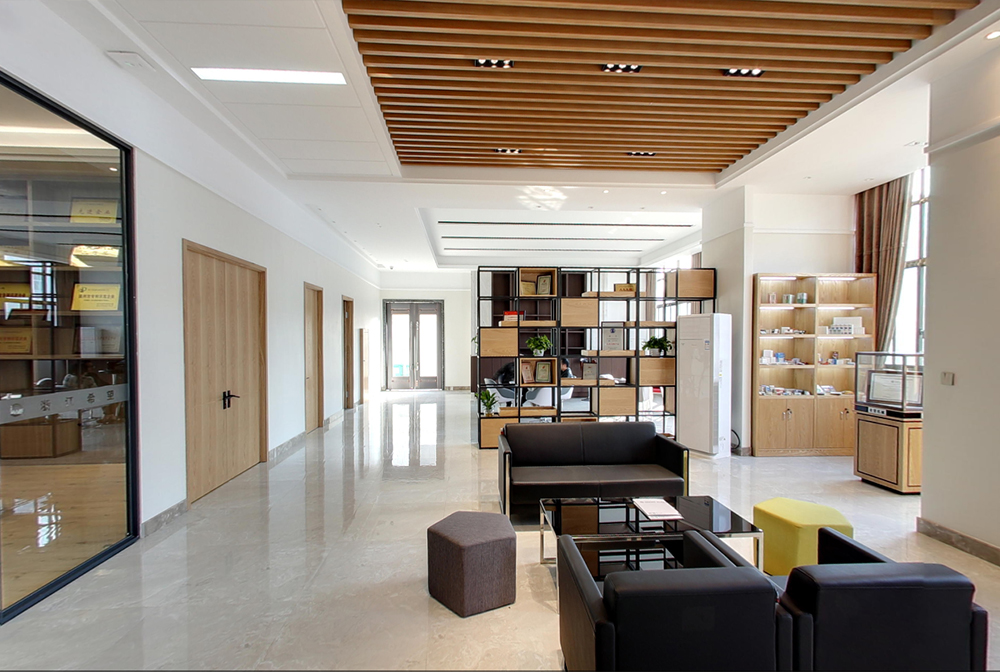
Download the catalog to review integrated pharmaceutical packaging line options and project support services.
Download HOPING Machinery Catalog