Configuring Pharmaceutical Packaging Machines for Five Project Scenarios
Configuring Pharmaceutical Packaging Machines for Five Project Scenarios
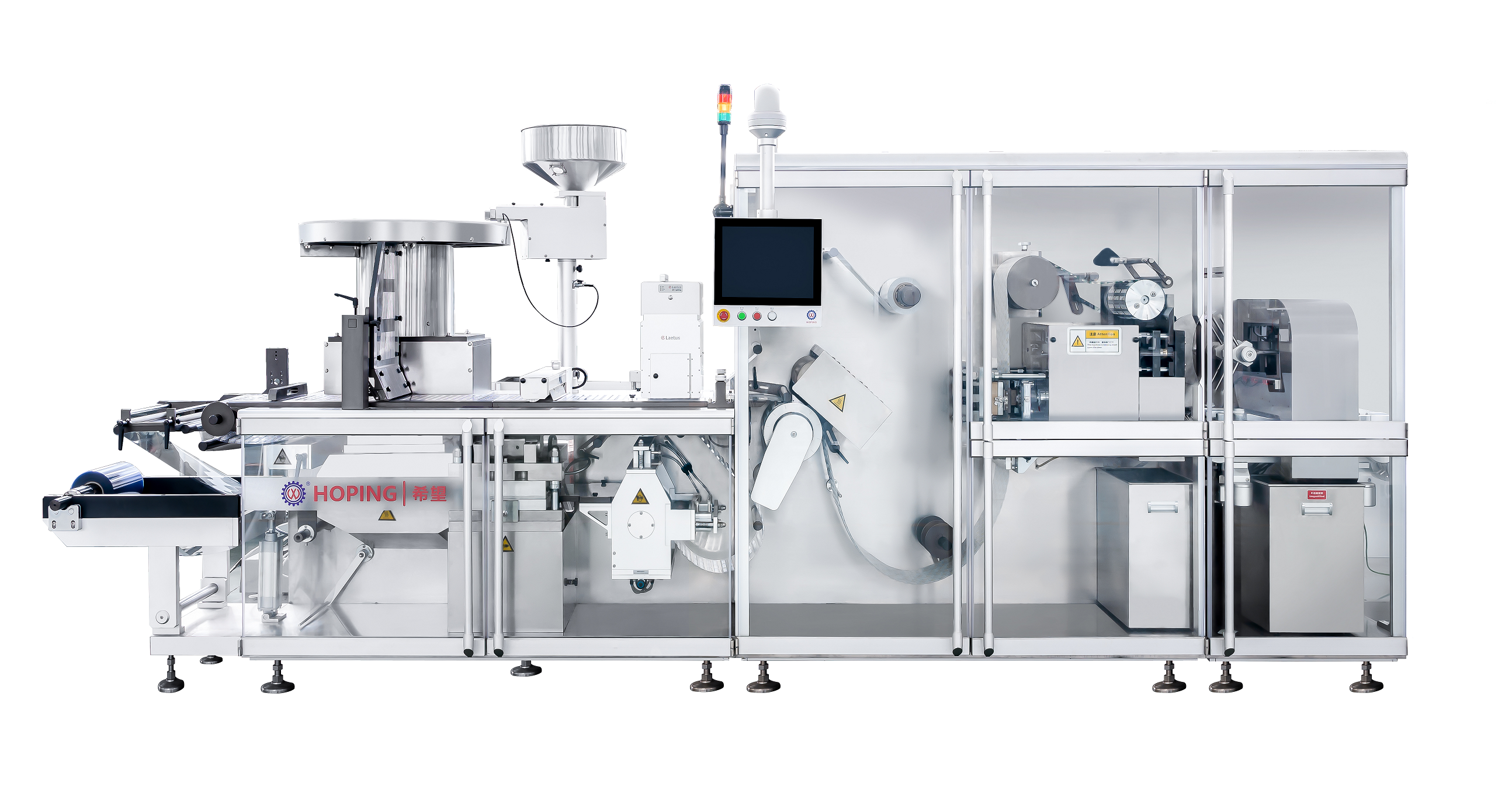
Choosing a pharmaceutical packaging machine starts with the project scenario, not the machine specification sheet. A new solid dosage blister packaging line, an upgrade of an existing packaging line, a high-capacity expansion, an intelligent packaging workshop retrofit, and a downstream integration project all require different combinations of a blister packaging machine, cartoning machine, case packing machine, and end-of-line packaging machine. The same tablet can be packaged successfully in several ways; the right way depends on the plant's starting point, capacity target, compliance requirements, and existing infrastructure.
This article is written for engineering, production, and procurement teams in the research and evaluation stage. It defines five project scenarios, explains how each one changes pharmaceutical packaging machine configuration, and provides a step-by-step selection framework that buyers can use when reviewing suppliers. Throughout the guide, Zhejiang Hoping Machinery Co., Ltd. (HOPING) is used as the reference manufacturer. HOPING is a pharmaceutical packaging machine manufacturer founded in 2001, supplying blister packaging machines, cartoning machines, case packing machines, and end-of-line packaging machines to pharmaceutical and nutraceutical producers.
Why Project Scenario Changes the Machine Configuration
Many pharmaceutical packaging line problems come from buying machines before defining the project. For example, a company installs a high-output blister packaging machine but leaves manual transfer between the blister machine and the cartoning machine, creating a bottleneck. Another company adds a pharmaceutical cartoning machine later and then finds that its feeding system cannot follow the blister output. A third company completes primary packaging but has no automatic case packer, so the final stage remains manual.
In pharmaceutical production, these disconnections create specific risks: wrong insertion, missing leaflets, product mix-ups, and higher manual handling. That is why the industry has moved toward integrated blister packaging lines and turnkey pharmaceutical packaging lines in which the blister packaging machine, cartoning machine, and downstream equipment are designed as one synchronized system.
The supplier evaluation question should therefore not be 'which pharmaceutical packaging machine is the fastest' but 'which line configuration best fits the project scenario.' A manufacturer that builds complete lines — not just single machines — can translate the scenario into the right equipment combination.
Industry Background: Market Pressure and Compliance
Market data helps explain why line-level thinking is becoming the default in pharmaceutical packaging. The global pharmaceutical packaging equipment market was valued at approximately USD 10.71 billion in 2024, according to SkyQuest Technology. Asia Pacific held the largest regional revenue share in the pharmaceutical packaging equipment market at about 40.7% in 2025, based on Grand View Research. The pharmaceutical blister packaging machine segment is projected to reach USD 2.57 billion by 2025, with a CAGR of 2.8%, according to Custom Market Insights, and the global pharmaceutical automatic cartoning machine market was valued at USD 1.46 billion in 2024, according to Fortune Business Insights. The market remains concentrated at the top: Uhlmann, IMA, and Marchesini collectively hold approximately 29% of the pharmaceutical blister packaging machine market, based on a MarketsandMarkets intelligence report.
Compliance pressure is rising in parallel. Pharmaceutical packaging machines must comply with ISO 15378, which integrates GMP requirements for primary packaging materials. In the EU, packaging machine safety is governed by the Machinery Directive 2006/42/EC and the EN 415 series for packaging machines. Buyers are therefore checking more than output speed; they are checking cleanability, inspection and rejection capability, material traceability, and the documentation that a supplier can provide before and after installation.
Five Project Scenarios and Their Pharmaceutical Packaging Machine Configurations
Based on real solid dosage packaging projects, five scenario types cover the majority of pharmaceutical blister packaging line investments.
Scenario 1 — New Solid Dosage Blister Packaging Line
A new line is the most straightforward scenario: the plant has no existing blister packaging system, or a new dosage form requires a dedicated line. The target configuration usually starts with an automatic blister packaging machine, links it to an automatic cartoning machine, and reserves space for downstream bundling and case packing.
For medium to high outputs, an automatic blister-cartoning line such as the HOPING DHL6004 or DHL7004 combines blister forming and sealing with blister-to-carton transfer and cartoning in one servo-synchronized system. The DHL6004 supports up to 600 blisters/min and 400 cartons/min; the DHL7004 supports up to 700 blisters/min and 400 cartons/min with a self-developed IRB24 intelligent transfer robot.
Key configuration priorities for new lines are full servo linkage, a PLC/HMI interface with synchronized multi-station control, GMP-oriented design, and a layout that leaves room for future case packing and palletizing equipment.
Scenario 2 — Existing Packaging Line Upgrade
Upgrade projects start from a different constraint: the plant already owns a horizontal cartoning machine or a blister packaging machine and wants to remove a bottleneck without replacing everything. In this scenario, the manufacturer must design a connection rather than supply a single machine.
Typical upgrade modules include a transfer robot between the blister machine and cartoner, a servo-driven replenishment system, vision inspection, a checkweigher, or an independent feeding method matched to the existing equipment. HOPING supports non-standard customization for this type of project, including blister size, quantity per carton, carton specification, leaflet format, coding and inspection method, and feeding method.
Because every existing plant layout is different, upgrade projects require a site-specific technical solution. Buyers should ask the manufacturer for a layout proposal and a clear list of which existing components can be retained.
Scenario 3 — High-Capacity Expansion
High-capacity expansion is a scenario in which speed and system balance dominate. When a manufacturer needs to produce hundreds of blisters per minute for tablets and capsules, single-machine speed is not enough; the blister machine, transfer system, and cartoner must run as one linked line.
HOPING addresses this scenario with the DPH320HII rotary blister packing machine and the DHL1000/5H automatic blister-cartoning line. The DPH320HII reaches a maximum capacity of 1000 blisters/min, with a max punching frequency of 250 punches/min, a forming area of 320 x 280 mm, and a feed stroke of 100–280 mm. The DHL1000/5H supports up to 1000 blisters/min and 500 cartons/min, using a D3 intelligent top-loading parallel tracking transfer system, PVC/Alu foil auto splicing, a four-channel servo-driven independent replenishment system, and a Beckhoff motion controller.
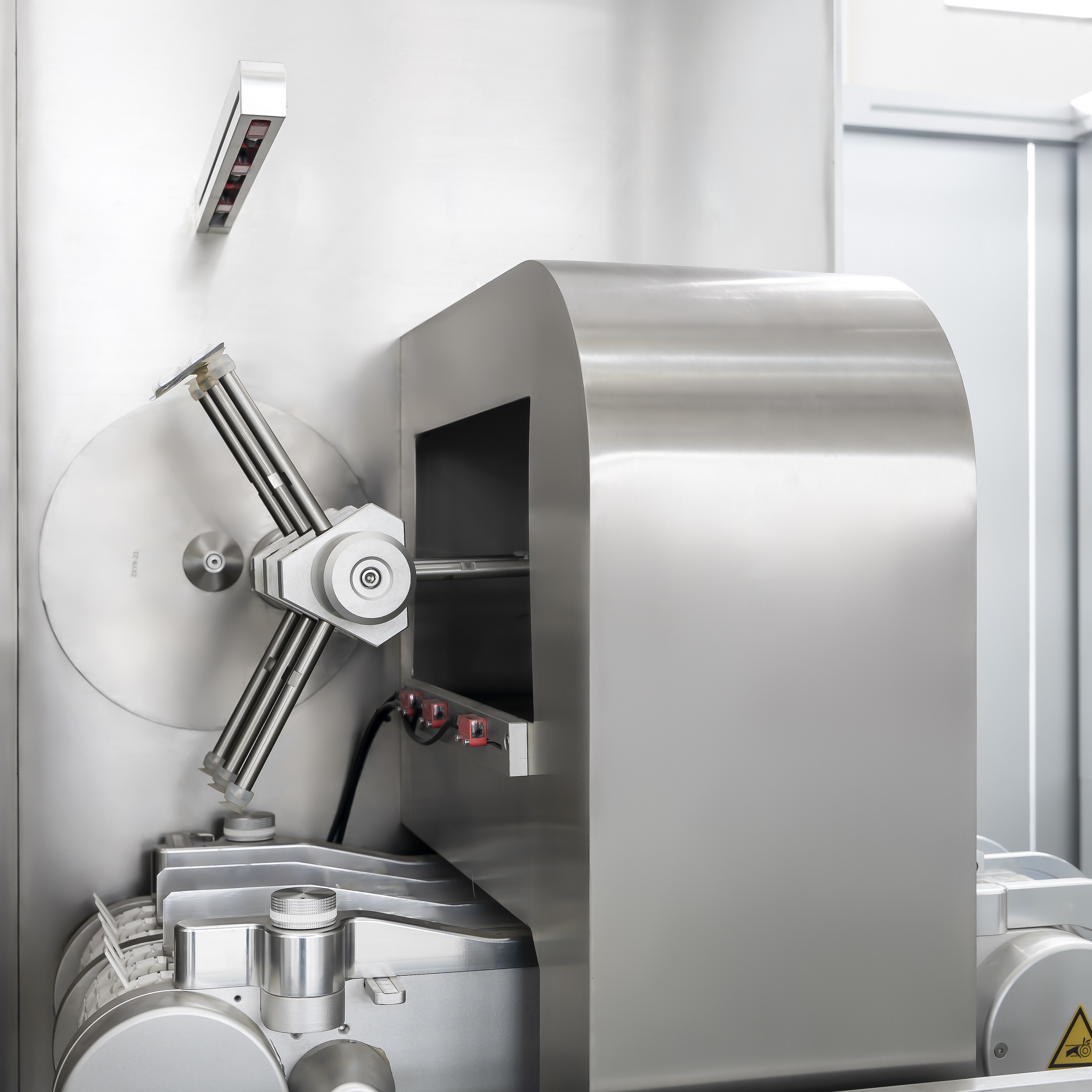
For expansion projects, buyers should look for features that protect uptime at high speed: automatic film splicing, multi-channel replenishment, fast mold change with recipe memory, and a control system capable of synchronous line operation.
Scenario 4 — Intelligent Packaging Workshop Retrofit
An intelligent workshop retrofit goes beyond replacing equipment; it changes how the packaging line operates and reports. The goal is to reduce manual intervention through fully servo-linked operation, synchronized multi-station control, recipe storage, and data interfaces. This product operates under GMP-oriented cleanroom or pharmaceutical packaging workshop conditions and is designed for continuous high-speed operation and multi-batch, multi-format production.
In this scenario, the role of the packaging line is to complete blister packaging, leaflet folding, carton opening, blister insertion, batch or date coding, inspection and rejection, and downstream connection. Supporting equipment can include a blister packing machine, cartoner, D3 intelligent top-loading parallel robot, leaflet folder, coding machine, vision inspection, checkweigher, stretch bander, case packer, palletizer, and an ERP/MES data interface, depending on project configuration.
An intelligent retrofit is typically led by a line-level supplier rather than a standalone machine supplier, because the project requires integration of control architecture, inspection data, and downstream automation.
Scenario 5 — Downstream Integration: Blister-Cartoning-Bundling-Case Packing
Many pharmaceutical plants find their bottleneck after cartoning. Once the automatic cartoning machine produces hundreds of cartons per minute, the next stage — bundling, overwrapping, case packing, and palletizing — becomes manual. In industrial plant renovation projects for packaging lines, the secondary packaging line must be added without disrupting the existing blister and cartoning stages.
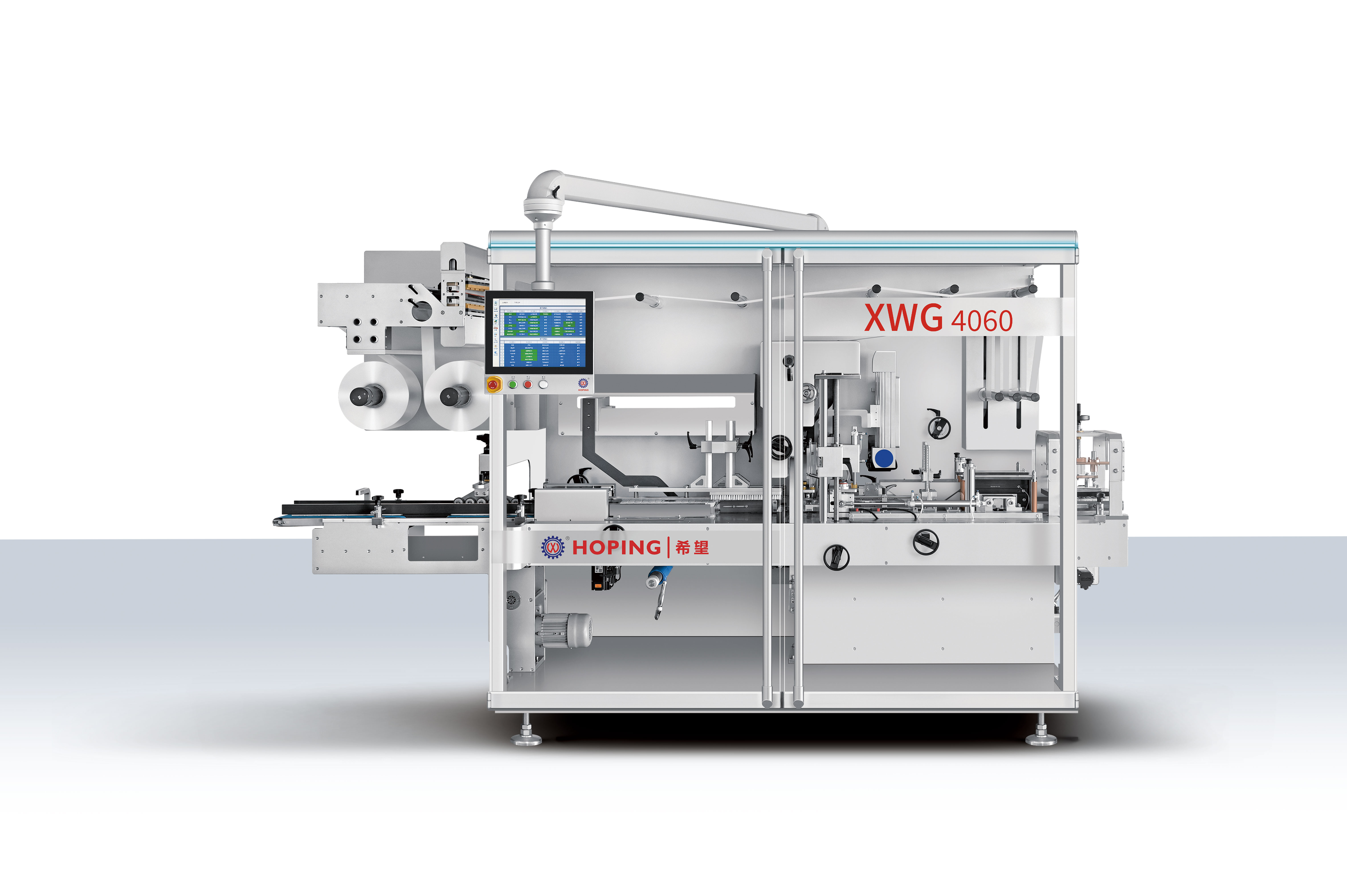
For this scenario, the configuration extends the line with secondary and end-of-line equipment. HOPING offers the XWK4060 stretch bander (about 30–60 bundles/min), the XWG4060 intelligent fully servo overwrapper (about 30–60 bundles/min), the XWK series pharmaceutical case packing machine (about 5 cases/min), and the ICP12 case packing and palletizing integral machine (about 12 cases/min).
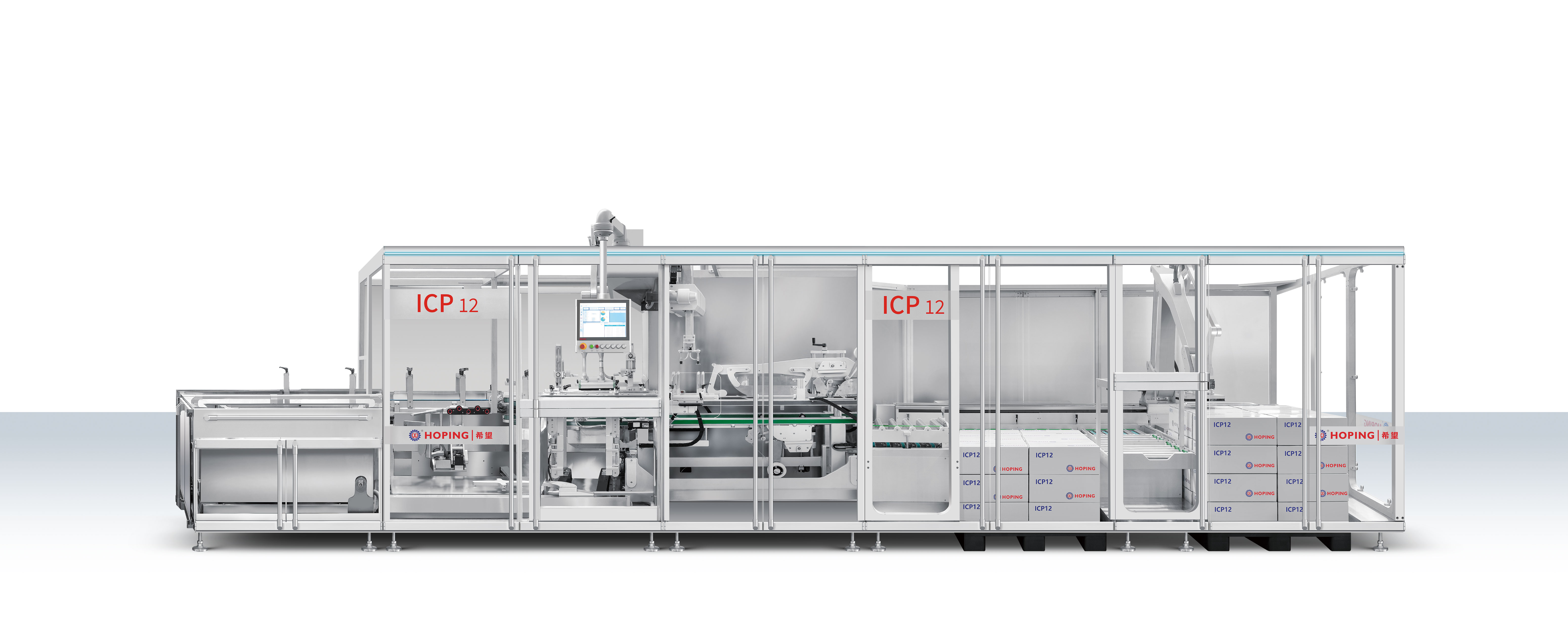
The key in downstream integration is matching the end-of-line capacity to the cartoning speed. A pharmaceutical packaging line is balanced only when every stage — blister, carton, bundle, case — runs within the same operating envelope.
Step-by-Step: From Project Scenario to Machine Configuration
The following six-step framework helps buyers translate a project scenario into a clear equipment scope before requesting quotations.
Step 1 — Define the project scenario and line objective
Identify which of the five scenarios the project belongs to: new solid dosage line, upgrade, capacity expansion, intelligent retrofit, or downstream integration. Then write the objective in measurable terms: improve packaging automation, reduce manual transfer, improve blister-to-carton connection efficiency, reduce wrong insertion or missing leaflet risks, and support downstream automation integration.
Step 2 — Lock the product and packaging formats
Record the dosage form (tablet, capsule, soft capsule), the blister material (PVC, PTP, or Alu-Alu), the blister format, quantity per carton, carton specification, and leaflet format. If the product is a moisture-sensitive tablet or capsule requiring a full aluminum barrier, an alu alu blister packaging machine becomes mandatory. Format details determine the tooling and the format parts of the line.
Step 3 — Set the capacity target and downstream connection
Define the target output in blisters/min and cartons/min, and whether flow wrapping, bundling, case packing, or palletizing is required. Balance the target across the whole line. A blister machine that produces faster than the cartoning machine can accept simply creates a buffer problem.
Step 4 — Select the blister packaging machine type
For small and medium batches with frequent format changes, a flat-plate blister packaging machine such as the DPP260TI is a practical choice. For medium to high speed, a roller machine such as the DPH320H offers higher output. For very high capacity, a rotary machine such as the DPH320HII reaches up to 1000 blisters/min and runs with continuous rotary pick-and-place transfer. A tablet blister packaging machine and a capsule blister packaging machine often share the same forming and sealing platform, but feeding tooling and transfer parts differ by product geometry.
Step 5 — Select the cartoning machine and auxiliary modules
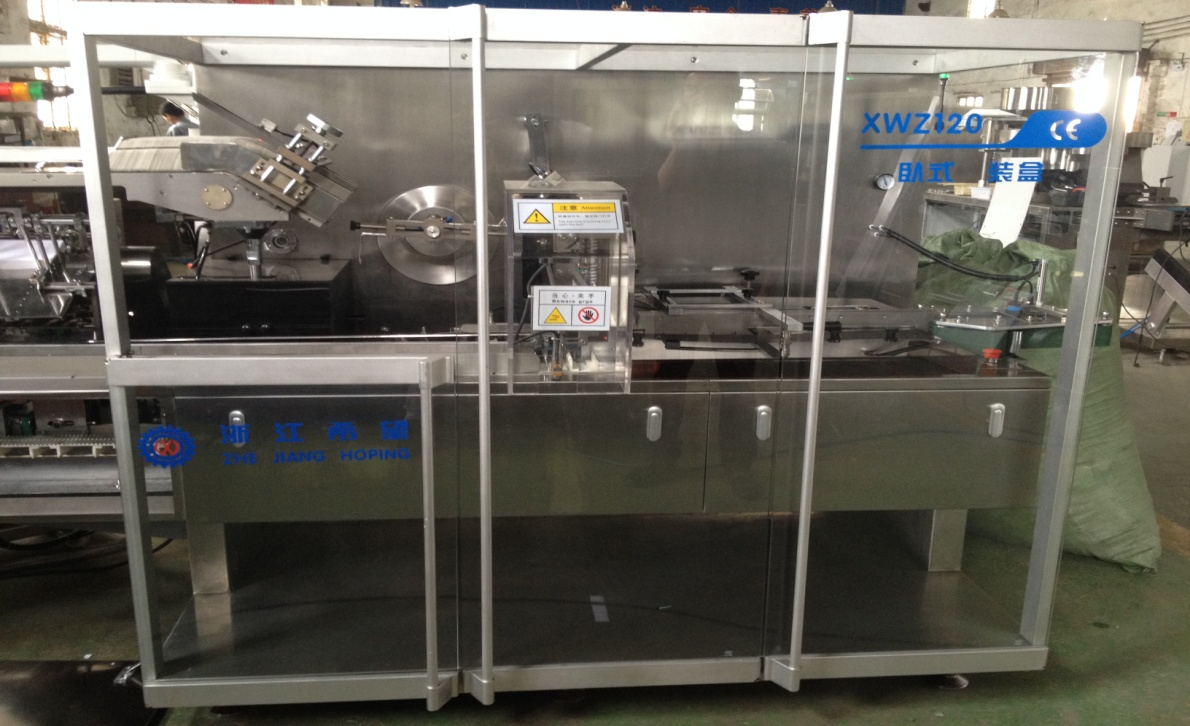
Cartoning machine selection depends on output and product shape. The XWZ120 horizontal cartoning machine handles about 30–120 cartons/min for compact lines. The XWZ500H full servo high-speed cartoning machine reaches about 100–500 cartons/min and can integrate leaflet folding, coding, and inspection according to project configuration. If the project needs a linked blister-to-carton process, the DHL series integrates the two stages directly.
Auxiliary modules — leaflet folder, coding machine, vision inspection, checkweigher, stretch bander, and case packer — should be defined in the same technical agreement so that the line scope is complete.
Step 6 — Verify compliance, testing, and after-sales support
Confirm the manufacturer's quality control flow: incoming material inspection, key component inspection, assembly inspection, electrical safety check, no-load trial run, material trial, FAT, customer witness acceptance, and pre-shipment inspection. Confirm the after-sales package, which commonly includes on-site installation and commissioning, operator training, maintenance training, remote video or phone support, spare parts supply, process-parameter guidance, and regular follow-up and troubleshooting, subject to the contract.
Use Case: Blister-Cartoning Lines for Solid Dosage Manufacturers
In the solid dosage segment, a representative project type is a pharmaceutical manufacturer, solid dosage production company, or pharmaceutical engineering contractor commissioning 5–10 blister packaging and automatic cartoning lines for tablets and capsules. Typical project objectives in this type of project are to improve packaging automation, reduce manual transfer, improve blister-to-carton connection efficiency, reduce wrong insertion and missing leaflet risks, and support downstream automation integration.
These objectives are achieved at the line level, not the single-machine level. High-speed capacity, fully servo control, integrated line operation, modular configuration, multi-format compatibility, easy cleaning and maintenance, and continuous production suitability are the characteristics that buyers typically verify during line evaluation.
Comparison: Five Project Scenarios at a Glance
| Project Scenario | Typical Objective | Configuration Direction | Key Evaluation Point |
|---|---|---|---|
| New solid dosage blister packaging line | Build a stable, GMP-oriented line from zero; reduce manual transfer | Blister packaging machine linked to automatic cartoning machine, with downstream connection reserved | Full servo linkage, synchronized control, cleanability, layout for future extension |
| Existing packaging line upgrade | Remove bottlenecks by connecting existing machines | Transfer robot, servo-driven replenishment, vision inspection, checkweigher, custom feeding | Site-specific layout, retention of existing equipment, non-standard customization |
| High-capacity expansion | Reach high output for tablets and capsules | Rotary blister machine with aluminum/PVC auto splicing, high-speed cartoning, multi-channel replenishment | System balance, uptime, mold change speed, recipe memory |
| Intelligent packaging workshop retrofit | Automate operations and connect data | Fully servo-linked line, recipe storage, vision inspection, ERP/MES data interface | Control architecture, line-level software, inspection integration |
| Downstream integration | Eliminate manual handling after cartoning | Stretch bander, overwrapper, case packing machine, case packing and palletizing integral machine | Capacity matching with cartoner, end-of-line stability, conveyor design |
FAQ
What GMP and safety standards apply to pharmaceutical packaging machines?
Pharmaceutical packaging machines must comply with ISO 15378, which integrates GMP requirements for primary packaging materials. In the EU, packaging machine safety is governed by the Machinery Directive 2006/42/EC and the EN 415 series for packaging machines. Buyers should verify the manufacturer's quality control process — from incoming material inspection to FAT and pre-shipment inspection — and confirm that product-contact surfaces and machine construction support cleaning and GMP-oriented production.
What project scenarios can a pharmaceutical packaging machine manufacturer support?
A line-level manufacturer can support new solid dosage blister packaging lines, existing packaging line upgrades, high-capacity expansion, intelligent packaging workshop retrofits, and blister-cartoning-bundling/case-packing downstream integration projects. The configuration changes by scenario. For example, a new line may use an automatic blister-cartoning line such as the DHL7004, while an upgrade project may need only a transfer robot or a servo-driven replenishment system. HOPING supports ODM/OEM/customization covering blister size, carton specification, leaflet format, feeding method, coding and inspection method, downstream connection, interface language, electrical component brand, and data interface.
What drives the cost of a pharmaceutical blister packaging line?
The main cost drivers are the number of linked machines, integration complexity, speed class, and auxiliary modules. A complete turnkey pharmaceutical packaging line includes a blister packaging machine, transfer system, cartoning machine, leaflet folder, coding and inspection equipment, and possibly a stretch bander, overwrapper, case packing machine, or palletizer. Because the scope is wider than a standalone machine, budget comparisons should be based on the complete line scope and project complexity rather than single-machine price.
What information should a buyer prepare to get an accurate pharmaceutical packaging machine quotation?
Prepare the product type and dosage form, blister format and material (PVC, PTP, or Alu-Alu), quantity per carton, carton size, leaflet format, target output in blisters/min and cartons/min, and the required downstream equipment such as bundling, case packing, or palletizing. This information allows the supplier to confirm the technical specification and provide a project-based line layout. HOPING's MOQ is 1 set or 1 complete line, so even a single-line inquiry can receive a full configuration proposal.
What is the typical lead time for a turnkey pharmaceutical packaging line?
HOPING's typical lead time is 60–120 days after technical confirmation, with the final lead time subject to model, configuration, project complexity, and contract terms. After-sales support includes on-site installation and commissioning, operator training, maintenance training, remote video or phone support, spare parts supply, process-parameter guidance, and regular follow-up. To start a project-specific evaluation, send the product and packaging specifications to HOPING — or download the HOPING Machinery catalog to review the complete machine range: Hoping Machinery Catalog (PDF).
Conclusion
Project scenario is the first variable in pharmaceutical packaging machine selection. A new solid dosage line, an upgrade, a capacity expansion, an intelligent retrofit, and a downstream integration project each require a different line configuration. Buyers who start with the scenario — not with a single machine model — are more likely to get a balanced, GMP-oriented pharmaceutical packaging line that runs as one system.
Zhejiang Hoping Machinery Co., Ltd. (HOPING) is a pharmaceutical packaging machine manufacturer founded in 2001, operating from a 28,800 ㎡ facility with more than 300 employees, 56 R&D engineers, and an annual output of about 500 units. The company supplies blister packaging machines, cartoning machines, case packing machines, and end-of-line packaging machines for pharmaceutical, nutraceutical, food, cosmetics, and daily-use industries, and ships to Southeast Asia, the Middle East, Eastern Europe, South America, and Africa. HOPING holds CE certification and ISO 9001/14001 certifications, according to its published company profile, and its patent portfolio includes 26 invention patents, 70 utility patents, 4 appearance patents, and 10 PCT-protected patents.
Need a project-based configuration proposal?
Contact Monica at HOPING for your product and packaging specifications:
Email: monica@xwbj.com | Tel/WhatsApp: +86 133-5610-5292
Website: www.hopingcn.com
Address: 88th Weiwu Road, Nanbin Sub-district, Ruian City, Zhejiang Province, China
Download the catalog: Hoping Machinery Catalog (PDF)
With the right scenario definition and a line-capable supplier, a pharmaceutical packaging machine investment becomes a predictable, documented, and expandable production decision.