
DHL8005H Blister-Cartoning Line: Technical Guide to 800 Blisters/Min Operation
A blister-cartoning line is not simply a blister machine connected to a cartoner. At 800 blisters/min, the primary packaging, transfer, leaflet handling, carton opening, insertion, inspection, rejection, and downstream connection must be engineered as one synchronized process. The DHL8005H is positioned for that operating band. Buyers evaluating it for long-term production should look beyond the headline speed and verify how the line sustains output across product formats, materials, and GMP documentation requirements.
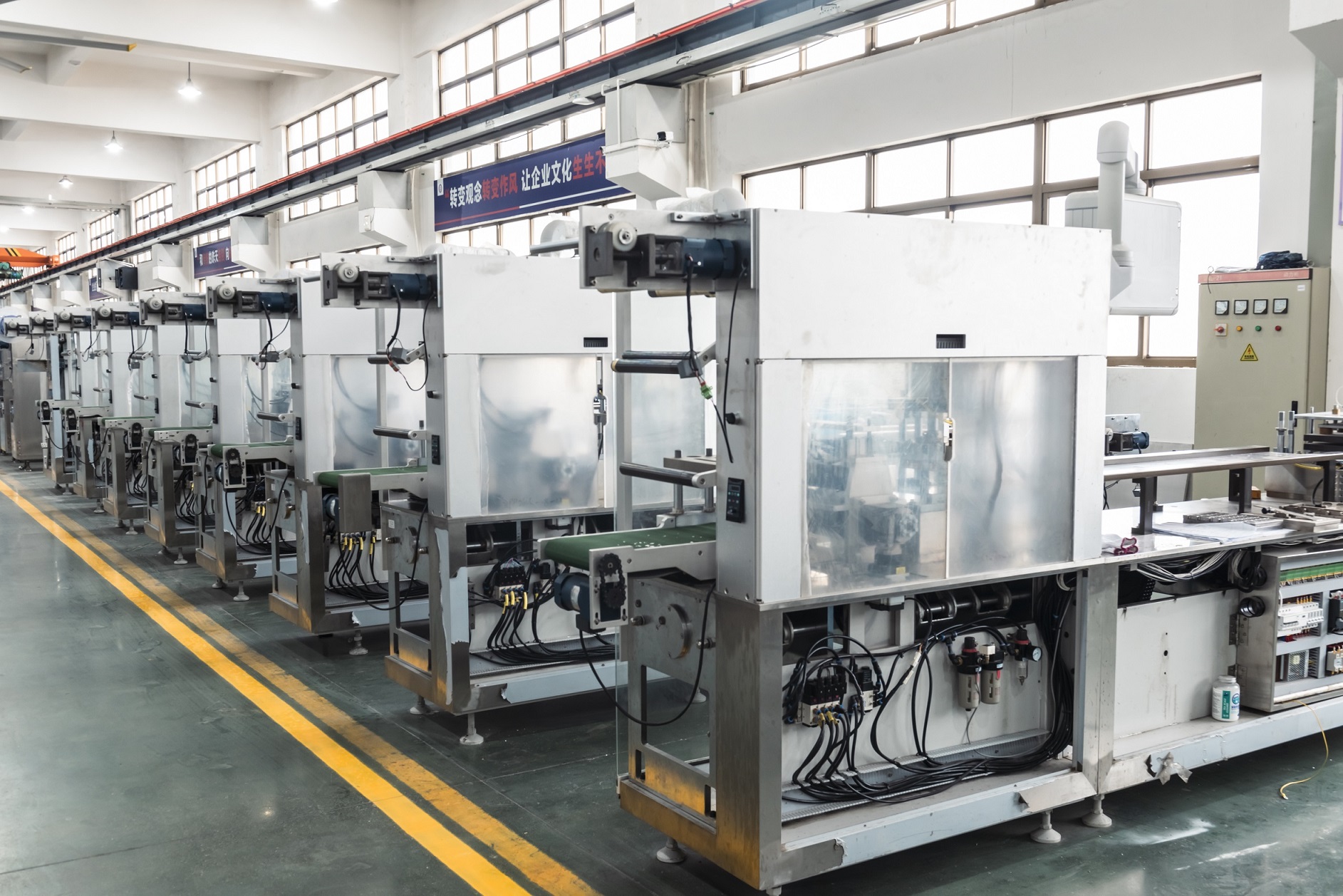
Problem Definition: What Limits a High-Speed Blister-Cartoning Line?
At 800 blisters/min, the most common constraint is not the nominal speed of the forming station. It is the interaction between stations. Interruptions at the PVC or aluminum foil reel, missing-product detection, leaflet feeding, carton erection, or rejection gate can force the entire line to stop or run below rated output. The same applies when the blister pitch and carton format do not match, or when mold changes introduce long setup periods between batches.
For pharmaceutical buyers, the operating problem has three layers:
- Continuous material supply: PVC and Alu foil must be replenished without stopping the line, or the 800 blisters/min capability is only a test-stand figure.
- Stable product feeding: tablets and capsules must reach the blister cavities without missing or wrong-product events; replenishment must be independent enough to avoid upstream starvation.
- Carton-side synchronization: 500 cartons/min requires consistent blister transfer, leaflet insertion, carton opening, and rejection logic.
These constraints explain why integrated lines are evaluated differently from standalone equipment. The comparison unit supplied for this topic notes that an integrated line combines blister packaging, blister transfer, leaflet handling, carton opening, insertion, inspection/rejection, and downstream connection into one automated process. That integration reduces manual intervention and intermediate handling, but it also means the buyer must qualify the whole line rather than individual machines.
Industry Background: Why Integrated Blister-Cartoning Lines Matter
Pharmaceutical packaging must protect product stability and integrity during post-production shipping and storage. A published review states that medical devices and pharmaceutical drugs are packaged to maintain their stability and integrity during post-production shipping and storage. For solid dosage forms, the blister pack provides the primary barrier, while the carton provides secondary protection, identification, and handling convenience.
Market context supports continued attention to integrated lines. The global blister packaging machine pharmaceutical market was valued at USD 2.57 billion in 2025, according to Custom Market Insights. The same source reports Asia-Pacific as the fastest-growing region for pharmaceutical blister packaging with an 8.87% CAGR to 2031. In cartoning, horizontal cartoning systems held 70.12% of the market share in 2024, according to Mordor Intelligence. These figures do not specify any single machine model, but they explain why buyers continue to invest in higher-speed integrated blister-cartoning configurations.
Regulatory expectations reinforce the need for documentation. ISO 15378:2017 specifies Good Manufacturing Practice (GMP) requirements for primary packaging materials for medicinal products. The U.S. FDA provides official guidance concerning current good manufacturing practice production and process controls. Trade media reporting PMMI content also states that pharmaceutical manufacturers are turning toward digitised data collection and integrated solutions to meet regulations and improve visibility. For a line operating at 800 blisters/min, data capture, alarm records, and parameter management are not optional add-ons; they are part of the qualification package.
Detailed Solution: How the DHL8005H Is Configured for 800 Blisters/Min
The DHL8005H is described by HOPING as an intelligent fully servo high-speed integrated machine for solid dosage packaging. The manufacturer-stated selection parameters are up to 800 blisters/min and 500 cartons/min. Buyers should treat these as nominal maximums and confirm the sustained output basis for their specific tablet or capsule format, blister layout, carton size, leaflet, and material structure.
Motion Control and Industrial PC
The line uses a Beckhoff motion controller with CP9315 industrial PC. In practical terms, this architecture supports synchronized motion across forming, sealing, punching, transfer, cartoning, and rejection stations. Centralized control also supports parameter management, alarm indication, and fault records. The comparison unit notes that centralized control, modular stations, alarm indication, and parameter management support routine maintenance. Operator training, spare-parts management, and preventive maintenance remain important.
Three-Channel Servo-Driven Independent Replenishment
Three-channel servo-driven independent replenishment is a key differentiator for continuous operation. Instead of relying on a single feeding path, the line can manage product replenishment across independent channels. This helps reduce starvation at the blister cavities and supports higher sustained output. The buyer should still validate the actual product flow for small tablets, large capsules, and softgels, because feeding behavior differs by shape, weight, and surface characteristics.
PVC/Alu Foil Automatic Splicing
PVC/Alu foil automatic splicing allows the line to change reels without a full production stop. At 800 blisters/min, manual reel changes would create frequent interruptions and material waste. Automatic splicing supports continuous forming and sealing, but the buyer should confirm splice detection, splice quality, and the rejection logic for packs formed during a splice event.
GMP-Oriented Construction
The DHL8005H is described with GMP-oriented construction using stainless steel and aluminum alloy. This is relevant for cleaning, corrosion resistance, and surface finish in pharmaceutical environments. The line should be reviewed against the buyer's cleaning SOPs, material-contact requirements, and validation documentation. ISO 15378:2017 provides a GMP reference for primary packaging materials; the U.S. FDA cGMP framework provides the broader production and process-control context.
Mold-Change and Preset-Memory Functions
Mold-change and preset-memory functions reduce setup time between batches. Preset memory allows proven parameters to be recalled for repeat formats, which supports consistency across shifts. Changeover still requires mechanical mold changes and verification; the value of preset memory depends on how well the buyer documents format-specific parameters such as forming temperature, sealing pressure, blister pitch, carton size, and leaflet fold.
Inspection, Rejection, and Downstream Connection
The integrated line includes inspection/rejection and downstream connection as part of the automated process. Sensor monitoring, missing-product alarms, automatic stop, automatic rejection, key-parameter locking, fault records, and mechanical safety protection are among the control methods identified for this equipment class. For long-term operation, the buyer should define which rejection events are logged, how reject bins are reconciled, and how line stoppages are cleared without compromising product segregation.
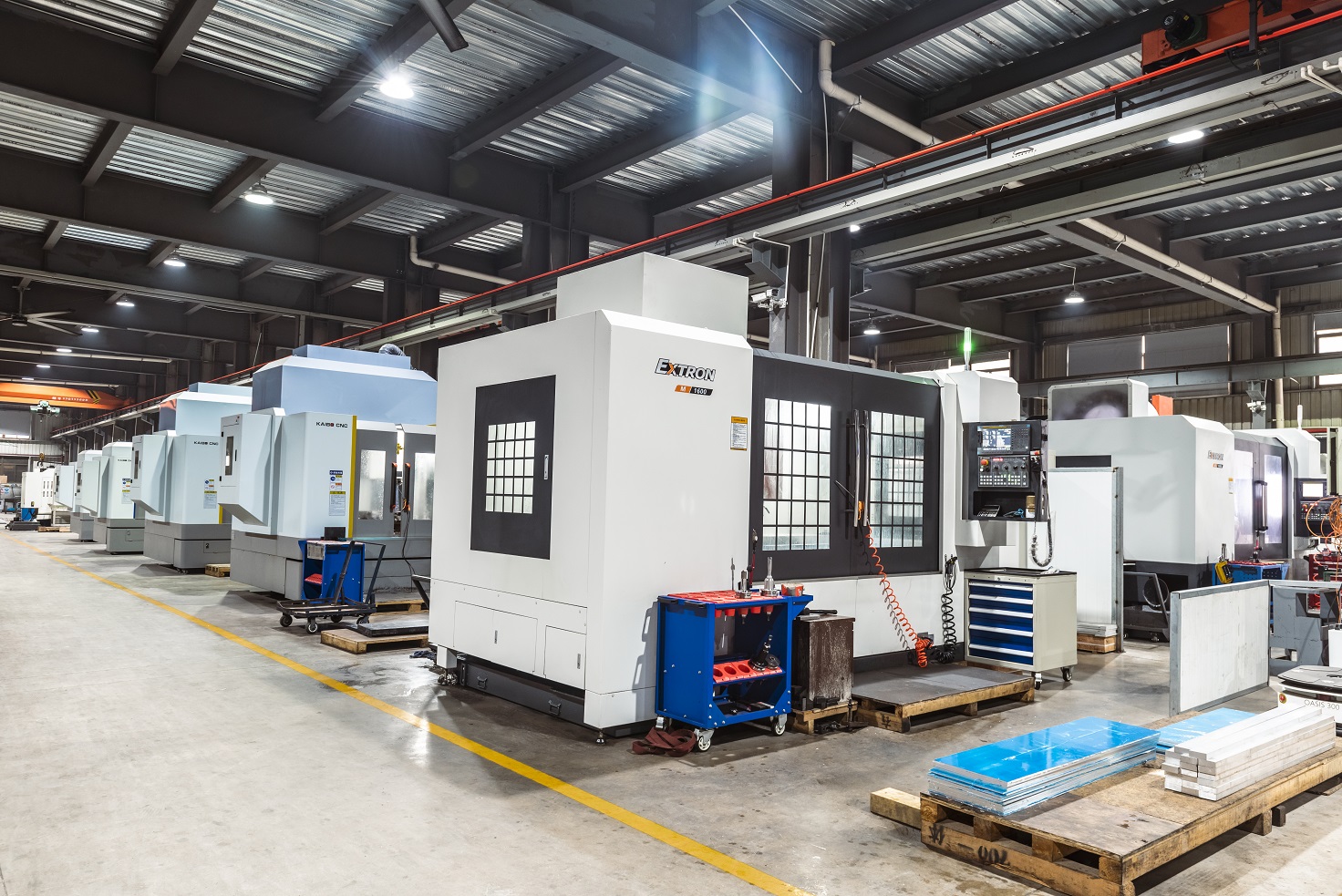
Step-by-Step Breakdown: Operating the DHL8005H at 800 Blisters/Min
The following breakdown reflects the sequence that a fully servo integrated blister-cartoning line must coordinate. It is a qualification and operating guide, not a substitute for the manufacturer's technical documentation or the buyer's validated SOPs.
- Material loading and splicing: Load PVC and Alu foil reels. Confirm automatic splicing is active and that splice parameters are within the validated range. Verify that the splice rejection logic will remove affected packs.
- Blister forming: Heat the PVC to the validated forming temperature and form cavities at the target pitch. At 800 blisters/min, temperature stability and cooling time must be maintained across the run.
- Product feeding: Use the three-channel servo-driven independent replenishment system to maintain product flow. Verify that tablet or capsule feeding is stable at the target speed and that missing-product detection is active.
- Sealing: Apply Alu foil and seal at the validated pressure, temperature, and dwell time. Check seal integrity according to the buyer's quality plan.
- Coding and inspection: Apply batch or date coding where configured. Use sensor monitoring and vision or checkweighing inspection where configured to detect missing, wrong, or incomplete product.
- Punching and blister transfer: Punch the blister cards and transfer them to the cartoning section. Confirm that transfer timing matches the cartoner infeed and that damaged or incomplete cards are rejected.
- Leaflet handling and carton erection: Feed leaflets, open cartons, and prepare the carton for insertion. Missing-leaflet detection should stop or reject the affected carton.
- Insertion and carton closing: Insert the blister card and leaflet into the carton and close the carton. At 500 cartons/min, carton erection and closing must be synchronized with blister transfer.
- Inspection and rejection: Inspect for missing leaflet, missing blister, open carton, coding error, or other defined defects. Reject affected cartons automatically and record the event.
- Downstream connection: Transfer accepted cartons to the downstream case packing or end-of-line stage. Confirm that accumulation and buffering do not cause upstream stoppages.
Use Cases: Where the DHL8005H Fits
The DHL8005H is positioned for large-scale solid dosage pharmaceutical packaging and high-capacity workshops. Typical fit includes:
- High-volume tablet and capsule production: lines that need to reduce manual contact and intermediate handling between blister and carton.
- Multi-format packaging: operations that change between tablet counts, capsule sizes, blister layouts, and carton formats. Mold-change and preset-memory functions are most valuable when formats repeat.
- OTC and generic drug production: environments where line efficiency, rejection control, and documentation are important to batch release.
- Integrated secondary packaging: plants that want blister packaging, leaflet handling, cartoning, inspection/rejection, and downstream connection in one automated process.
The comparison unit notes that integrated lines are best for large-scale solid dosage pharmaceutical packaging; high-capacity workshops; production requiring reduced manual contact and improved line efficiency; and multi-format packaging lines requiring stable operation. The same source states that initial investment is usually higher than standalone or semi-automatic equipment, but the line helps reduce labor, transfer, management, and quality-risk costs in large-scale continuous production.
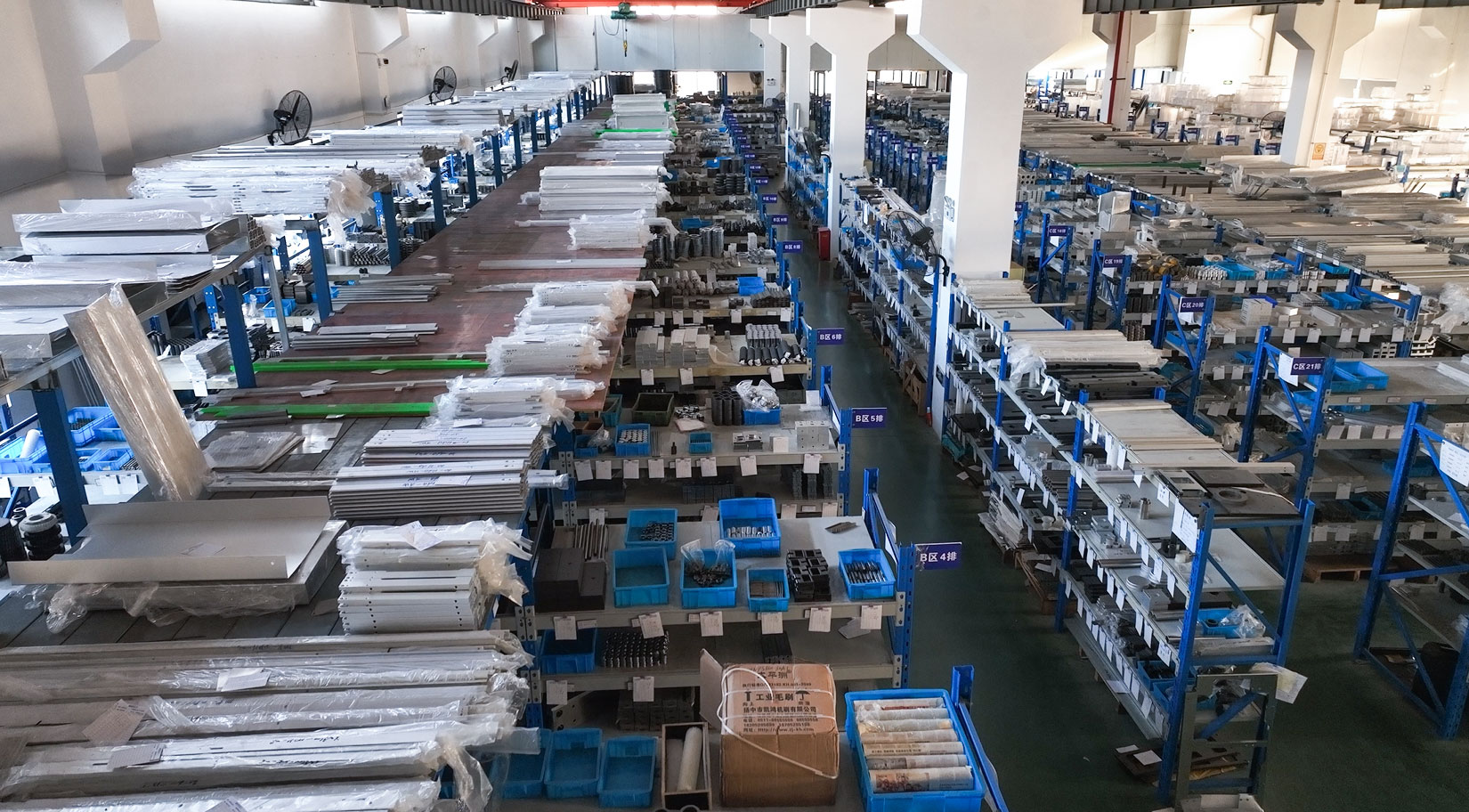
Comparison Table: Integrated DHL8005H vs. Alternative Line Architectures
The table below uses only the comparison facts supplied for this topic. It does not assign scores or claim superiority; it summarizes documented differences that buyers should verify in a technical agreement and acceptance test.
| Criterion | DHL8005H Integrated Blister-Cartoning Line | Traditional Blister Machine + Manual Transfer + Standalone Cartoner | Low-Speed Semi-Automatic Blister-Cartoning Solution |
|---|---|---|---|
| Process integration | Integrates blister packaging, blister transfer, leaflet handling, carton opening, insertion, inspection/rejection, and downstream connection into one automated process. | Separate machines and manual transfer between blister and cartoner; intermediate handling is required. | Partial integration with more manual intervention than a fully integrated line. |
| Manual intervention | Reduced manual intervention and intermediate handling. | Higher manual intervention for transfer, loading, and line clearance. | Manual support is still required for several transfer and inspection steps. |
| Stated output basis | Manufacturer-stated up to 800 blisters/min and 500 cartons/min for the DHL8005H. Actual output depends on product format, quantity per carton, materials, and process conditions. | Output depends on the standalone blister machine, manual transfer speed, and cartoner capacity; no integrated synchronization. | Lower nominal speed than a fully servo high-speed integrated line; output depends on the specific semi-automatic configuration. |
| Best fit | Large-scale solid dosage pharmaceutical packaging; high-capacity workshops; production requiring reduced manual contact and improved line efficiency; multi-format packaging lines requiring stable operation. | Lower-volume or flexible operations where manual transfer is acceptable and integration is not required. | Entry-level or mid-volume operations where full servo integration is not justified. |
| Cost profile | Initial investment is usually higher than standalone or semi-automatic equipment, but the line helps reduce labor, transfer, management, and quality-risk costs in large-scale continuous production. | Lower initial equipment cost, but higher manual labor and intermediate handling costs. | Moderate initial investment; labor and quality-risk costs depend on the degree of manual intervention. |
| Maintenance approach | Centralized control, modular stations, alarm indication, and parameter management support routine maintenance. Operator training, spare-parts management, and preventive maintenance remain important. | Maintenance is distributed across separate machines; transfer equipment and manual stations add inspection points. | Maintenance scope depends on the semi-automatic configuration; manual stations require procedural controls. |
| Efficiency logic | Fully servo drive helps improve motion synchronization and operating efficiency. Actual energy consumption should be measured based on on-site output, running hours, and configuration. | Efficiency is limited by transfer interruptions and independent machine stops. | Lower synchronization than a fully servo integrated line; efficiency depends on operator pace and line balance. |
FAQ: Long-Term Supply and Technical Evaluation
1. How should buyers evaluate a long-term pharmaceutical packaging machine supply partner in China?
Start with documentation and capability evidence. ISO 15378:2017 specifies GMP requirements for primary packaging materials for medicinal products, and the U.S. FDA provides cGMP guidance for production and process controls. A long-term partner should support technical agreement confirmation, sample testing, FAT before shipment, SAT at the customer site, and third-party inspection where required. HOPING states a monthly production capacity of 30–40 units, a minimum order quantity of 1 set or 1 complete line, and a typical production lead time of 60–120 days after technical confirmation. These figures help buyers assess whether the supplier can support repeat orders and spare-parts planning.
2. What technical capabilities define the DHL8005H for continuous 800 blisters/min operation?
HOPING specifies the DHL8005H with a Beckhoff motion controller and CP9315 industrial PC, three-channel servo-driven independent replenishment, PVC/Alu foil automatic splicing, GMP-oriented stainless steel and aluminum alloy construction, and mold-change and preset-memory functions. The line is rated at up to 800 blisters/min and 500 cartons/min. Buyers should confirm the sustained output basis for their specific product format, blister layout, carton size, leaflet, and material structure, because actual output depends on product format, quantity per carton, materials, and process conditions.
3. How should buyers compare the budget impact of an integrated line versus standalone equipment?
The comparison facts state that initial investment for an integrated line is usually higher than standalone or semi-automatic equipment, but the line helps reduce labor, transfer, management, and quality-risk costs in large-scale continuous production. A fair budget comparison should include manual transfer labor, intermediate handling, line clearance time, rejection reconciliation, spare-parts inventory, operator training, and validation effort. Buyers should request a configuration-specific quotation rather than relying on a generic price range.
4. Can buyers request sample testing before committing to a long-term supply partnership?
Yes. The supplier-side control measures include confirming samples and packaging materials at the early project stage, designing the solution according to blister and carton formats, and conducting no-load and material tests before shipment. Installation, commissioning, training, spare parts, and remote technical support are part of the project scope, and customer witness acceptance can be arranged for key projects. Sample testing should define the tablet or capsule, blister material, carton format, leaflet, target speed, and acceptance criteria before the test run.
5. What are the MOQ and lead time for a DHL8005H line?
The minimum order quantity is 1 set or 1 complete line. Typical production lead time is 60–120 days after technical confirmation. Monthly production capacity is 30–40 units. Delivery terms can include EXW Ruian/Wenzhou, FOB Ningbo or Shanghai, and CIF/CFR destination port, subject to contract and customer country requirements. Acceptance criteria include technical agreement confirmation, sample testing, FAT before shipment, SAT at the customer site, and third-party inspection where arranged.
Next step: To discuss sample testing, a configuration-specific quotation, or a long-term supply plan for the DHL8005H blister-cartoning line, contact HOPING. Ask for the technical agreement checklist, FAT/SAT acceptance template, and spare-parts list for your product format.
Contact: Monica | Email: monica@xwbj.com | Tel/WhatsApp: +86 133-5610-5292 | Website: www.hopingcn.com
Download the HOPING Machinery catalog: Hoping Machinery Catalog (PDF)
Conclusion: Selecting the DHL8005H for Long-Term Operation
The DHL8005H is a fully servo high-speed integrated blister-cartoning line positioned at up to 800 blisters/min and 500 cartons/min. Its value in long-term operation depends on how well the buyer validates the full process: material splicing, three-channel replenishment, blister forming and sealing, inspection and rejection, leaflet handling, carton erection and closing, and downstream connection. The Beckhoff motion controller with CP9315 industrial PC, GMP-oriented stainless steel and aluminum alloy construction, and mold-change and preset-memory functions are technical enablers, not substitutes for a documented technical agreement and acceptance test.
For buyers in the Decision to Execution stage, the practical sequence is to define the product format and target output, request a configuration-specific quotation, run sample and material tests, confirm FAT/SAT criteria, and agree on spare-parts and support terms. HOPING's stated MOQ of 1 set or 1 complete line, production lead time of 60–120 days after technical confirmation, and monthly capacity of 30–40 units provide a starting point for supply planning. The remaining work is to verify the line against the buyer's own GMP documentation, product quality plan, and long-term production forecast.
Have Questions or Need More Details?
Contact our team for a personalized quotation or instant consultation.
Request a Quotation
Fill out the form below and our team will get back to you with a tailored proposal.
WhatsApp Direct Chat
Prefer to chat in real-time? Message us on WhatsApp for instant assistance & quick answers.
- Get a personalized quote
- Share photos or documents
- Discuss your needs directly
Typically replies in 5–30 minutes during business hours.