
Factory Audit Guide for Automatic Blister-Cartoning Line Suppliers
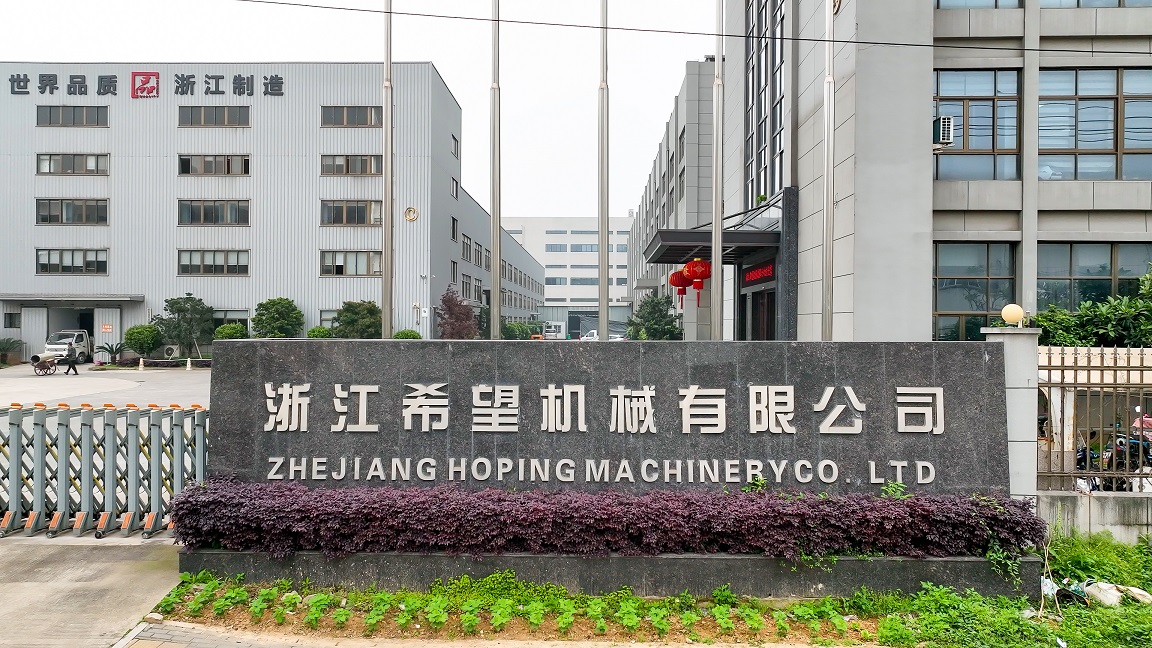
Hoping Machinery factory main gate, Ruian City, Zhejiang Province.
An automatic blister-cartoning line is only as reliable as the evidence behind the supplier's claims. A factory audit exists to replace brochure statements with observed facts. For pharmaceutical packaging machine buyers, the critical claims are rarely about the outer frame or the HMI screen. They concern motion architecture, controller selection, replenishment design, output under a defined format, and the quality process that produces repeatable acceptance results.
This guide sets out a structured audit approach for buyers who have moved past initial discovery and are now evaluating whether a supplier can deliver a validated blister cartoning line. It uses the DHL8005H from Zhejiang Hoping Machinery Co., Ltd. (HOPING) as a reference benchmark: a fully servo high-speed blister-cartoner rated at up to 800 blisters/min and 500 cartons/min, with a Beckhoff motion controller and CP9315 industrial PC, three-channel servo-driven independent replenishment, and GMP-oriented line design. The benchmark is not a universal requirement; it is a known configuration against which supplier statements can be compared.
Problem Definition: Why Factory Audits Fail
Most supplier evaluations begin with a shortlist and a request for quotation. That sequence leaves five recurring gaps.
- Speed without format. A blister-per-minute figure is only meaningful when the blister format, material structure, and carton size are stated.
- “Full servo” without architecture. The claim should be verified at the axis level and at the controller level, not accepted from a catalog cover.
- “Automatic replenishment” without channel count. A replenishment system may be single-channel or multi-channel; the difference affects line continuity and operator intervention.
- FAT without a witness protocol. Factory acceptance testing is a process, not a promise; it needs defined tests, recorded results, and buyer sign-off.
- Lead time without technical confirmation. A delivery date that is not tied to an approved technical agreement is a placeholder.
A factory audit converts these gaps into checkpoints. The goal is not to inspect every component. The goal is to collect enough evidence to decide whether the supplier's configuration, quality system, and support model match the project's risk profile.
Industry Background: Scale Does Not Equal Capability
According to Custom Market Insights, the global blister packaging machine pharmaceutical market was valued at USD 2.57 billion in 2025, with Asia-Pacific described as the fastest-growing region at an 8.87% CAGR to 2031. Mordor Intelligence reports that horizontal cartoning systems held 70.12% of the cartoning machine market in 2024. These figures describe the scale and direction of the category.
They do not validate an individual supplier's motion architecture, replenishment design, or acceptance-test discipline. That is the role of the factory audit.
Regulatory frameworks add a second layer. The U.S. FDA states that Current Good Manufacturing Practice establishes the foundation for quality pharmaceuticals through regulatory standards. ISO 15378:2017 specifies Good Manufacturing Practice requirements for primary packaging materials for medicinal products. Neither source substitutes for a machine-specific acceptance protocol, but both explain why documentation, cleanability, and change control belong in the audit conversation.
The practical conclusion is that market growth and regulatory pressure increase the number of suppliers entering the category. Buyers therefore need a repeatable method to separate documented capability from presentation.
Detailed Solution: Six Audit Pillars
A useful audit is organized around six pillars. Each pillar produces evidence that can be reviewed after the visit.
1. Documentation and Technical Agreement
The technical agreement is the reference document for the entire audit. It should define blister size, blister materials, quantity per carton, carton specification, leaflet format, coding and inspection method, feeding method, downstream bundling or case-packing connection, interface language, electrical component brand, and data interface. Without this document, the audit becomes a general factory tour rather than a project-specific verification.
Ask for the GMP-oriented line design description and the quality control plan. The supplier's quality process should cover incoming material inspection, key component inspection, assembly inspection, electrical safety check, no-load trial run, material trial, FAT, customer witness acceptance, and pre-shipment inspection. Request sample records for a comparable line, not only a blank procedure.
2. Motion Control and Controller Architecture
“Fully servo” is a claim that should be verified at two levels. First, ask for the axis list and confirm which motions are servo-driven. Second, inspect the controller cabinet and confirm the specified controller and industrial PC. On the DHL8005H, the published configuration uses a Beckhoff motion controller and a CP9315 industrial PC. During the audit, compare the nameplate and configuration screen with the quotation. Substitutions of equivalent controllers should be documented and approved, not discovered at installation.
3. Replenishment System
The DHL8005H uses a three-channel servo-driven independent replenishment system. The word “independent” matters because each channel can buffer or release product without stopping the entire line. Ask for the channel count, the drive type per channel, and the logic that handles a channel running empty. A multi-channel design is not automatically better for every product, but the buyer should know which configuration is being quoted and why.
4. Output and Line Balancing
The DHL8005H is rated at up to 800 blisters/min and 500 cartons/min. A factory audit should ask for a witnessed material trial on the buyer's blister format and carton size. Record the format, material structure, rejection rate, and sustained run time. A maximum figure is a screening number; a sustained figure under defined conditions is the procurement number. Line balancing deserves equal attention: if the blister machine and the cartoner are not matched, the line's practical output will be set by the slower unit.
5. Quality Control and FAT
Factory acceptance testing should be planned before the visit. Define the tests, the acceptance criteria, the instruments, and the sign-off authority. The supplier's quality process should include incoming material inspection, key component inspection, assembly inspection, electrical safety check, no-load trial run, material trial, FAT, customer witness acceptance, and pre-shipment inspection. Ask to see how non-conformances are recorded and closed. A quality system that cannot show a closed non-conformance is difficult to evaluate.
6. After-Sales, Training, and Spare Parts
After-sales support should be reviewed as part of the audit, not after the purchase order. The supplier's stated scope includes on-site installation and commissioning, operator training, maintenance training, remote video and phone support, spare parts supply, process-parameter guidance, regular follow-up, and troubleshooting, subject to contract and project configuration. Inspect the training facility and the spare-parts warehouse. Ask which parts are recommended for the first two years of operation and how they are stocked.
Step-by-Step Breakdown: A Seven-Step Audit Sequence
The sequence below is designed for a one- to two-day factory visit, followed by a document review.
Step 1 — Pre-Audit Document Request
Request the technical agreement draft, quality control plan, line layout, utility requirements, component brand list, and a sample FAT protocol. Review these documents before arrival and mark the items that require physical verification.
Step 2 — Factory Floor and Machining Verification
HOPING operates a 28,800 m² manufacturing facility with more than 300 employees, including 56 engineers, and reports an annual output of 500 units. The audit should confirm the machining capability behind the line: workshops, gantry machining centers, assembly areas, and material flow. A supplier that outsources critical machining may still deliver a good line, but the buyer should know which parts are made in-house and which are bought in.
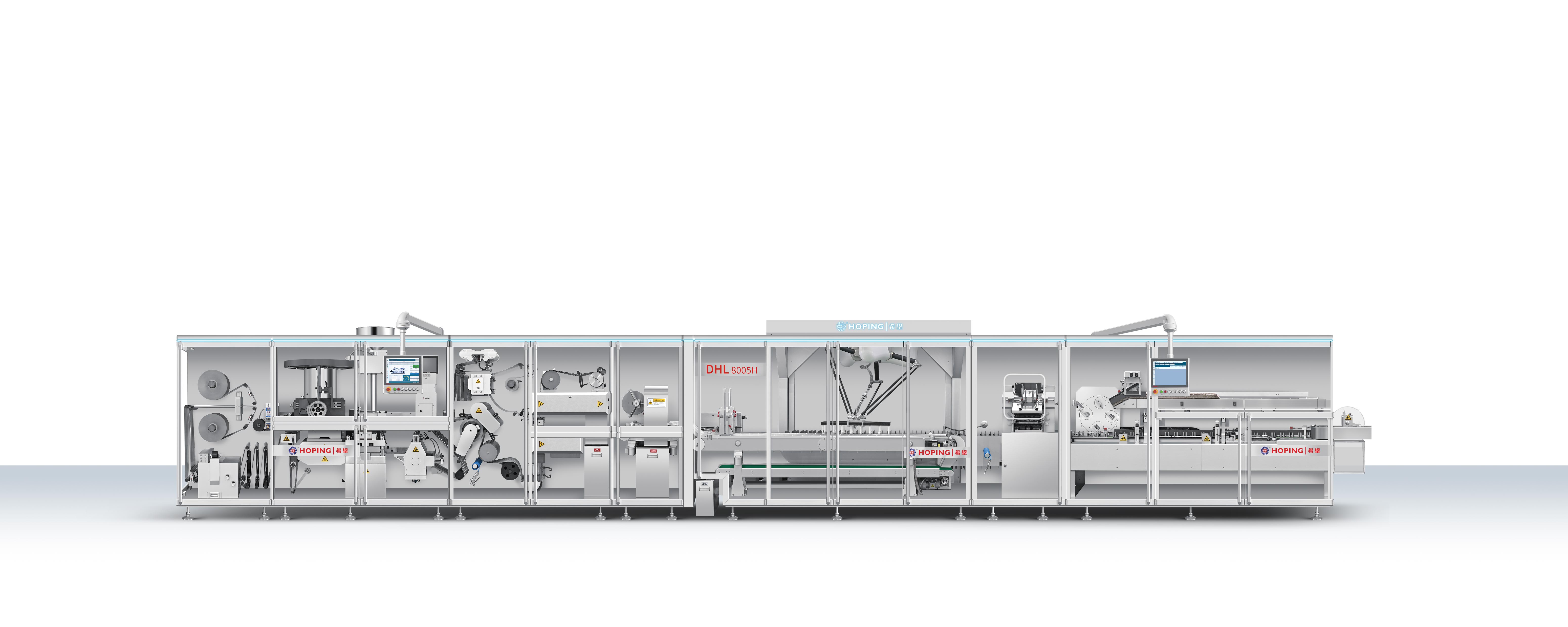
DHL8005H automatic blister-cartoning line, the reference benchmark for this audit guide.
Step 3 — Motion Control and Controller Inspection
Open the controller cabinet. Confirm the Beckhoff motion controller and CP9315 industrial PC on the DHL8005H reference configuration. Review the axis list, the HMI recipe screen, and the alarm history. Ask how recipe parameters are backed up and restored after a controller replacement.
Step 4 — Replenishment and Material Handling Check
Inspect the three-channel servo-driven independent replenishment system. Confirm the channel count and observe a simulated empty-channel condition. Review the PVC and Alu foil auto-splicing function and the D3 intelligent top-loading parallel tracking transfer system. These are the areas where a line's practical continuity is often won or lost.
Step 5 — Output Verification and Line Balancing
Run a witnessed trial on the buyer's format. Record blister output, carton output, rejection rate, and downtime events. Compare the results with the quoted 800 blisters/min and 500 cartons/min for the DHL8005H. If the trial is run on a different format, ask for the correction basis and the expected performance on the buyer's format.
Step 6 — Quality Control and FAT Witness
Review the FAT protocol and witness at least one test sequence. Confirm that the tests cover no-load trial run, material trial, electrical safety check, and pre-shipment inspection. Check how the supplier records customer witness acceptance and how punch-list items are closed before shipment.
Step 7 — After-Sales, Training, and Spare Parts Review
Visit the training hall and the spare-parts warehouse. Confirm the training content for operators and maintenance staff. Ask for the recommended spare-parts list and the response process for remote support. The supplier states that support scope is subject to contract and project configuration, so the audit should establish what will be written into the contract.
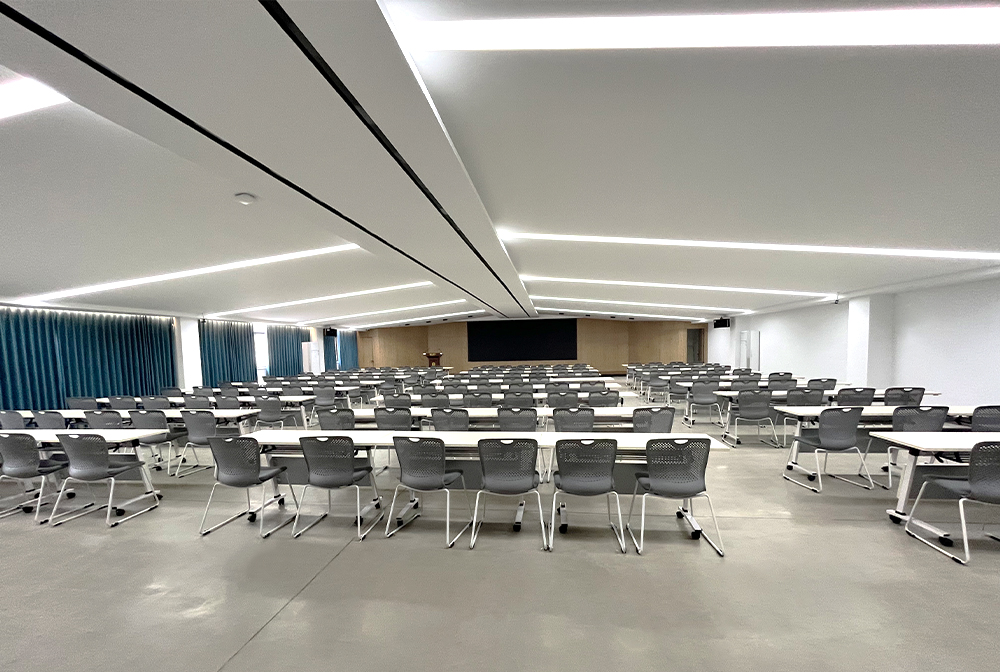
Training hall for operator and maintenance training; training scope should be confirmed during the audit.
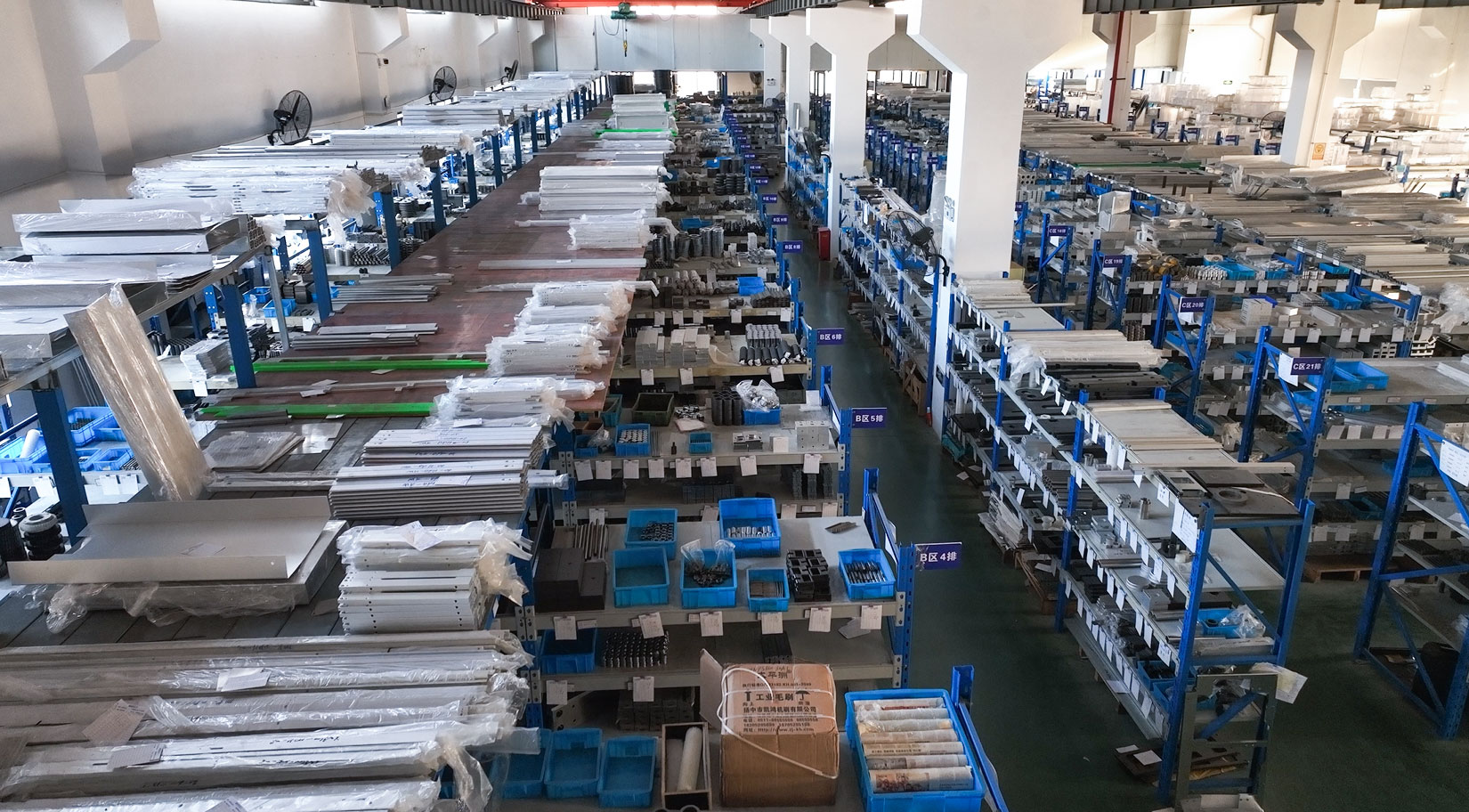
Spare-parts and component warehouse; inventory policy should be discussed during the audit.
Use Cases: What Changes by Project Type
The same audit framework applies across project types, but the emphasis changes.
- New solid dosage blister packaging line. Verify the full line layout, utility requirements, and interface between blister machine, cartoner, and downstream equipment. The audit should confirm that the proposed configuration matches the intended product portfolio.
- Existing packaging line upgrade. Focus on interface compatibility, available floor space, and the controller architecture of the existing equipment. A new line module may need to communicate with older PLCs or MES systems.
- High-capacity expansion. Prioritize sustained output, replenishment design, and line balancing. Request trial data at the target output, not only at the maximum rating.
- Intelligent packaging workshop retrofit. Review data interfaces, recipe management, alarm handling, and traceability functions. The audit should include the control system and the IT/OT boundary.
- Blister-cartoning-bundling or case-packing downstream integration. Verify the handshake between the cartoner and the downstream bundler, case packer, or palletizer. Confirm buffer capacity and rejection handling across the line.
Comparison Table: Audit Checkpoints and DHL8005H Benchmarks
The table below converts the audit pillars into checkpoints. The right-hand column uses the DHL8005H published configuration as a reference point; it is not a requirement for every project.
| Audit checkpoint | What to verify | DHL8005H reference |
|---|---|---|
| Motion architecture | Axis list and servo coverage | Fully servo high-speed blister-cartoner |
| Controller | Controller brand and IPC model | Beckhoff motion controller and CP9315 industrial PC |
| Replenishment | Channel count and drive independence | Three-channel servo-driven independent replenishment |
| Output | Blisters/min and cartons/min on a defined format | Up to 800 blisters/min and 500 cartons/min |
| Transfer | Top-loading system and tracking | D3 intelligent top-loading parallel tracking transfer system |
| Material handling | PVC and Alu foil splicing | PVC/Alu foil auto splicing |
| Changeover | Mold change and recipe memory | Mold-change and preset-memory functions |
| GMP design | Cleanability, guarding, documentation | GMP-oriented line design |
| Quality process | FAT and witness acceptance | FAT, customer witness acceptance, pre-shipment inspection |
| Lead time | Schedule after technical confirmation | Typically 60–120 days after technical confirmation |
Frequently Asked Questions
What GMP-related documentation should be reviewed during a blister-cartoning line factory audit?
Review the technical agreement, the GMP-oriented line design description, product-contact material specifications, cleanability and guarding provisions, and the quality control plan. The supplier's quality process should cover incoming material inspection, key component inspection, assembly inspection, electrical safety check, no-load trial run, material trial, FAT, customer witness acceptance, and pre-shipment inspection. ISO 15378:2017 addresses GMP requirements for primary packaging materials, which is relevant context for packaging-material compliance but does not replace a machine-specific acceptance protocol.
How can a buyer verify a supplier's claimed 800 blisters/min and 500 cartons/min?
Request a witnessed material trial on the buyer's blister format and carton size. Record the format, material structure, rejection rate, and sustained run time. Confirm the controller and IPC configuration, the servo axis list, and the three-channel replenishment design. Review the FAT records, including the material trial and customer witness acceptance. The DHL8005H is rated at up to 800 blisters/min and 500 cartons/min, but maximum output depends on format, material, and operating conditions.
What should a pharmaceutical packaging machine manufacturer for blister lines demonstrate during a factory audit?
The manufacturer should demonstrate integrated scope, not only a single machine. HOPING presents blister packaging, cartoning, inspection, and end-of-line automation as an integrated packaging process. The audit should confirm the factory's machining and assembly capability, the control architecture, the quality control process, the customization options, and the support model. HOPING reports a 28,800 m² facility, more than 300 employees, 56 engineers, an annual output of 500 units, and a typical lead time of 60–120 days after technical confirmation.
What acceptance tests should be witnessed before shipment?
Witness at least the no-load trial run, the material trial, the electrical safety check, and the pre-shipment inspection. The FAT protocol should define the test conditions, acceptance criteria, and sign-off authority. Confirm how punch-list items are recorded and closed. Customer witness acceptance should be documented, not handled informally.
What lead time should be expected for a customized blister-cartoning line?
For a customized line, the typical lead time is 60–120 days after technical confirmation. The final schedule depends on the model, configuration, project complexity, and contract terms. The monthly capacity is reported as 30–40 units, and the minimum order is one set or one complete line. For a project-specific schedule, request a written technical confirmation and quotation through the catalog link below.
Conclusion: Audit for Evidence, Not Impressions
A factory audit is an evidence-collection exercise. The output should be a set of verified facts: the controller and IPC actually installed, the replenishment channel count, the output achieved on a defined format, the FAT records, and the support commitments that will be written into the contract. The DHL8005H benchmarks — fully servo motion control, Beckhoff controller and CP9315 industrial PC, three-channel servo-driven independent replenishment, and up to 800 blisters/min and 500 cartons/min — give buyers a concrete reference for those conversations.
HOPING, established in 2001, manufactures blister packaging machines, cartoning machines, case packing machines, and end-of-line packaging machines. The company reports 26 invention patents, 70 utility patents, 4 appearance patents, 10 PCT-protected technologies in Europe, Russia, Germany, Italy and other countries, and 28 software copyrights. These facts are useful for supplier screening, but they do not replace the factory audit. The audit is where the buyer confirms which capabilities apply to the project at hand.
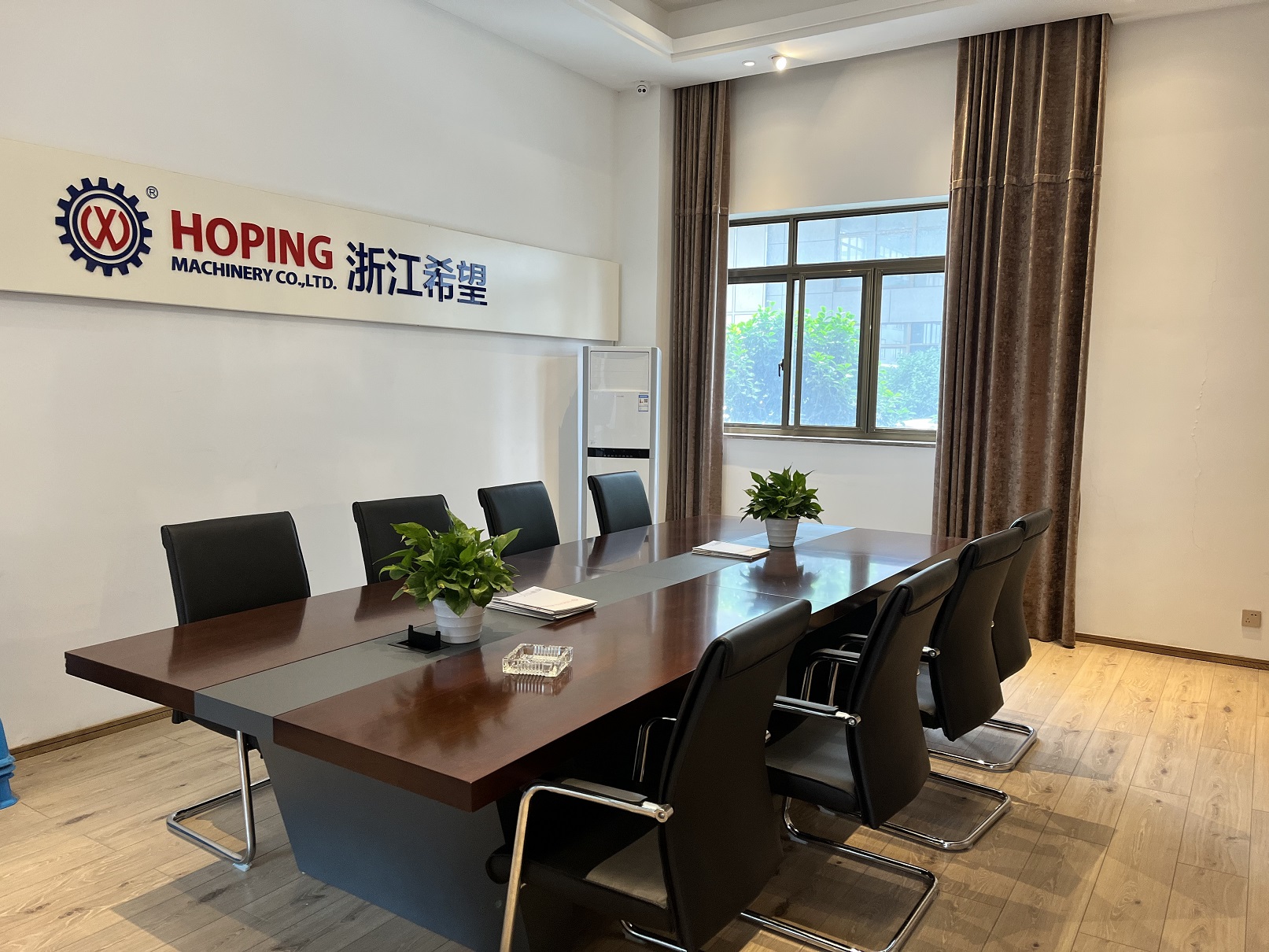
Technical agreement and FAT review can be scheduled before the on-site audit.
Next step: Download the Hoping Machinery catalog for the full product range, or contact the sales team to request a factory audit checklist and a project-specific quotation.
Contact: Monica
Email: monica@xwbj.com
Tel / WhatsApp: +86 133-5610-5292
Website: www.hopingcn.com
Address: 88th Weiwu Road, Nanbin Sub-district, Ruian City, Zhejiang Province, China
Have Questions or Need More Details?
Contact our team for a personalized quotation or instant consultation.
Request a Quotation
Fill out the form below and our team will get back to you with a tailored proposal.
WhatsApp Direct Chat
Prefer to chat in real-time? Message us on WhatsApp for instant assistance & quick answers.
- Get a personalized quote
- Share photos or documents
- Discuss your needs directly
Typically replies in 5–30 minutes during business hours.