GMP-Oriented Tooling in Blister Lines: Meeting Technical Agreements for Pharma Equipment
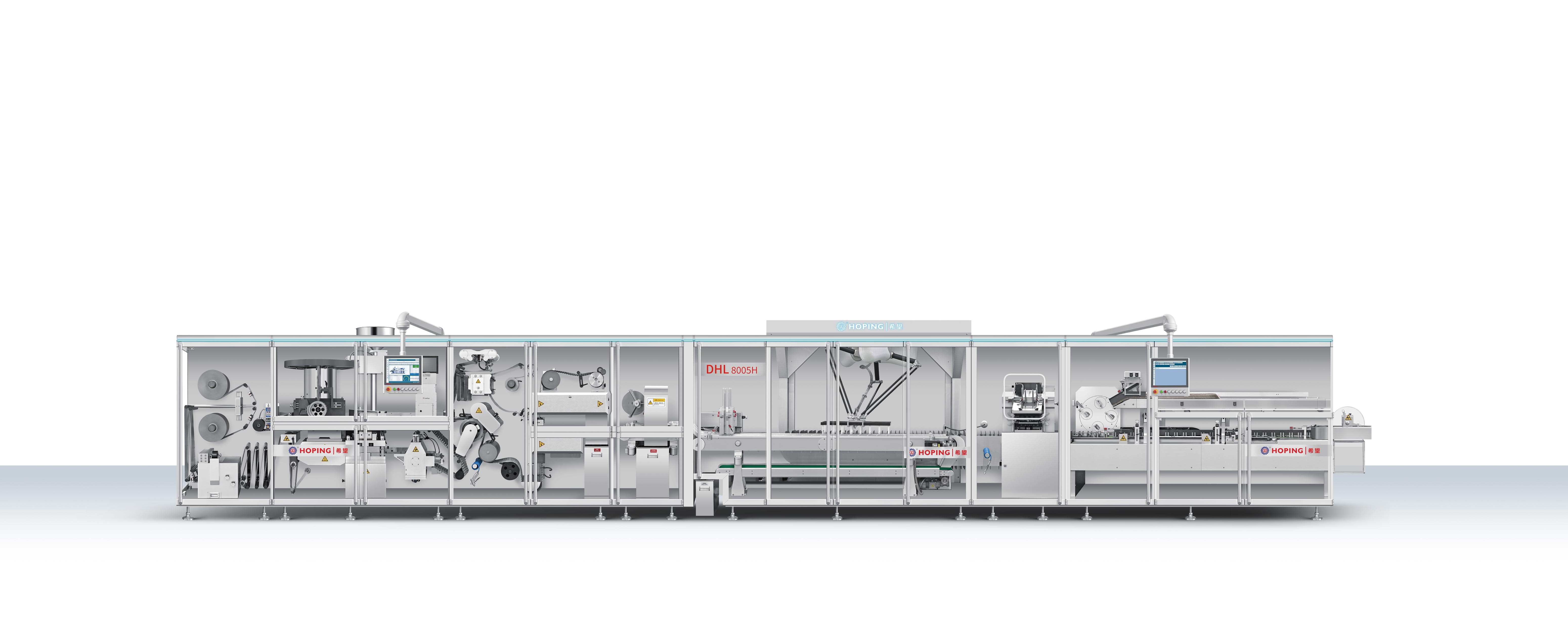
In pharmaceutical blister packaging, GMP-oriented tooling is a documented engineering scope rather than a phrase on a datasheet. For the DHL8005H automatic blister-cartoning line from Zhejiang Hoping Machinery Co., Ltd., the product-contact parts and tooling are designed per technical agreement to meet GMP standards, and are manufactured from stainless steel and aluminum alloy — a combination that supports pharmaceutical-grade cleanroom requirements.
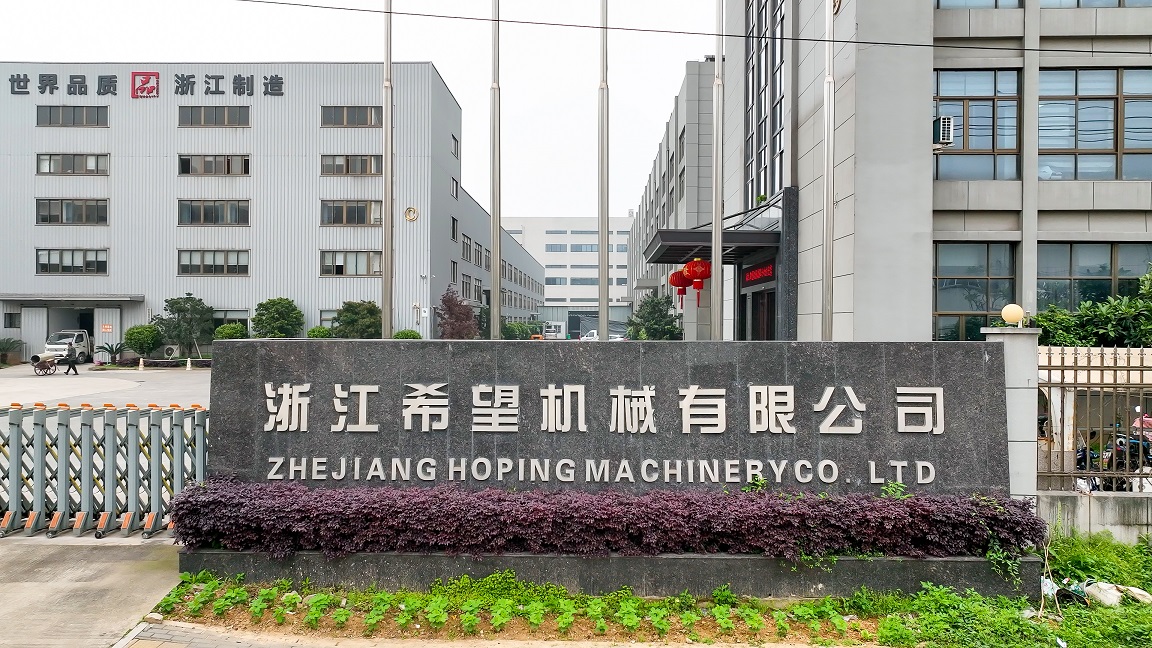
Zhejiang Hoping Machinery Co., Ltd. (HOPING) is a pharmaceutical packaging machinery manufacturer established in 2001 in Ruian City, Zhejiang Province, China, producing blister packing machines, cartoners, case packers and end-of-line packaging equipment for pharmaceutical, healthcare, food and cosmetic applications.
This article explains what a tooling and product-contact agreement should contain before a blister line is built, how those clauses affect cleaning and changeover, and how buyers can verify them before shipment.
Why Tooling and Contact Parts Decide Compliance Outcomes
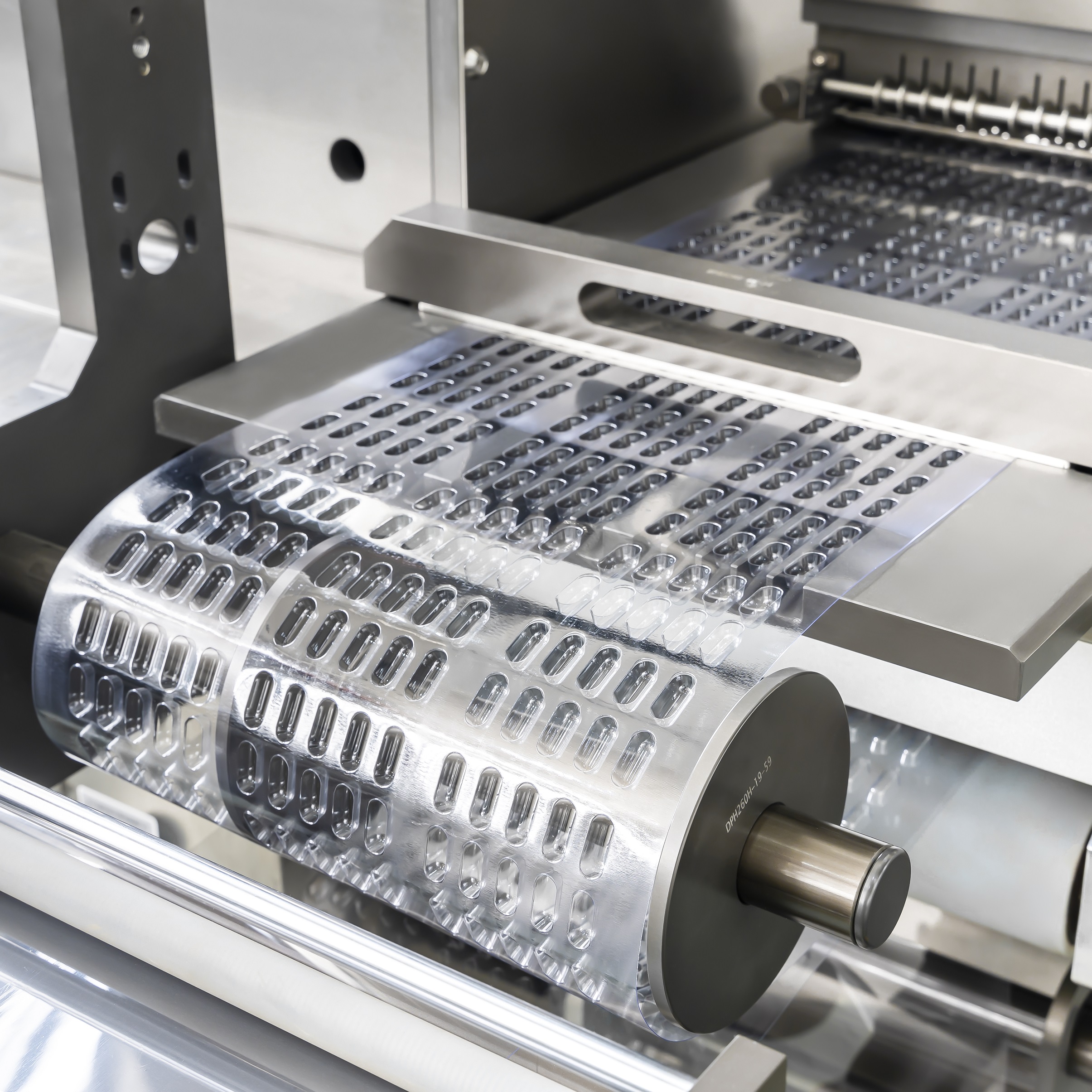
Tooling in a blister line is not a single part. It includes the forming tools, sealing and punching components and format parts that shape the blister, the feeders and guide rails that position product and packaging material, and the transfer elements that move blisters toward the cartoner.
The compliance question is therefore not only what the tooling is made of. It is whether the material, geometry, cleaning method and changeover procedure were defined before manufacturing and verified before shipment.
Three failure points appear repeatedly in pharmaceutical packaging projects:
- Material ambiguity. If product-contact materials are not fixed per project, the buyer cannot show that the tooling was specified for the product, the cleaning regime and the cleanroom class in use.
- Cleanability and changeover. Multi-batch, multi-format production means tooling is changed often. Without accessible geometry and a controlled changeover logic, the risk of cross-contamination and wrong-format installation increases.
- Traceability. Batch and date coding, inspection and rejection belong to the same control story. A line that marks batches but cannot reject out-of-spec blisters leaves a gap in the batch record.
The practical lesson for buyers is simple: request the tooling scope as a written agreement, not as a verbal assurance.
Standards and Market Context Behind GMP Tooling Requirements
ISO 15378 integrates GMP requirements for primary packaging materials and is one of the references used when packaging equipment scope — including contact parts — has to be documented. In Europe, pharmaceutical equipment safety is governed by the Machinery Directive 2006/42/EC and the EN 415 series of standards for packaging machines.
The commercial context is expanding but fragmented. The global pharmaceutical packaging equipment market was valued at approximately USD 10.71 billion in 2024 (SkyQuest Technology). The pharmaceutical blister packaging machine market is projected to reach USD 2.57 billion by 2025 at a CAGR of 2.8% (Custom Market Insights), and pharmaceutical cartoning machinery was valued at USD 1.46 billion in 2024 (Fortune Business Insights). Asia Pacific held the largest revenue share of 40.7% in the pharmaceutical packaging equipment market in 2025 (Grand View Research).
Published estimates diverge depending on what is counted: SkyQuest Technology reports approximately USD 10.71 billion for 2024, while Grand View Research reports approximately USD 7.0 billion for 2025. Treat any single figure as a directional signal rather than a procurement baseline.
Supplier concentration is another factor. The top three players in pharmaceutical blister packaging machinery — Uhlmann, IMA and Marchesini — collectively hold approximately 29% of that machine market, according to a Market Intelligence Report. The rest of the demand is served by a broad group of regional and specialised manufacturers, which makes the written configuration one of the most useful comparison documents at shortlist stage.
How HOPING Structures GMP-Oriented Tooling on the DHL8005H
On the DHL8005H, product-contact parts and tooling are designed per technical agreement to meet GMP standards and are manufactured from stainless steel and aluminum alloy. The same materials carry through the machine structure, which uses a stainless steel and aluminum-alloy frame with transparent guarding, and through the line design, which is GMP-oriented and intended for pharmaceutical-grade cleanroom operation.
What the technical agreement fixes
The agreement is where GMP intent becomes an engineering instruction. Hoping's customization scope covers blister size, blister materials, quantity per carton, carton specification, leaflet format, coding/inspection method, feeding method, downstream bundling/case-packing/palletizing connection, interface language, electrical component brand and data interface. Because these items are confirmed before manufacturing, the tooling and contact parts that follow from them are project-specific rather than generic.
Material selection in practice
For the DHL8005H, stainless steel and aluminum alloy are the materials used for product-contact parts and tooling. Where a project requires a defined grade or surface finish, that requirement belongs in the technical agreement rather than in a general catalogue statement. The same principle is visible elsewhere in the product family: the DPH320HII rotary blister packing machine specification states that product-contact parts are made of AISI 316L stainless steel and FDA-compliant pharmaceutical-grade materials, while non-product-contact parts are manufactured from AISI 304 stainless steel and anodized aluminum alloy, with a design described as manufactured in accordance with GMP requirements and featuring corrosion-resistant, easy-to-clean surfaces.
Cleanroom compatibility and multi-format production
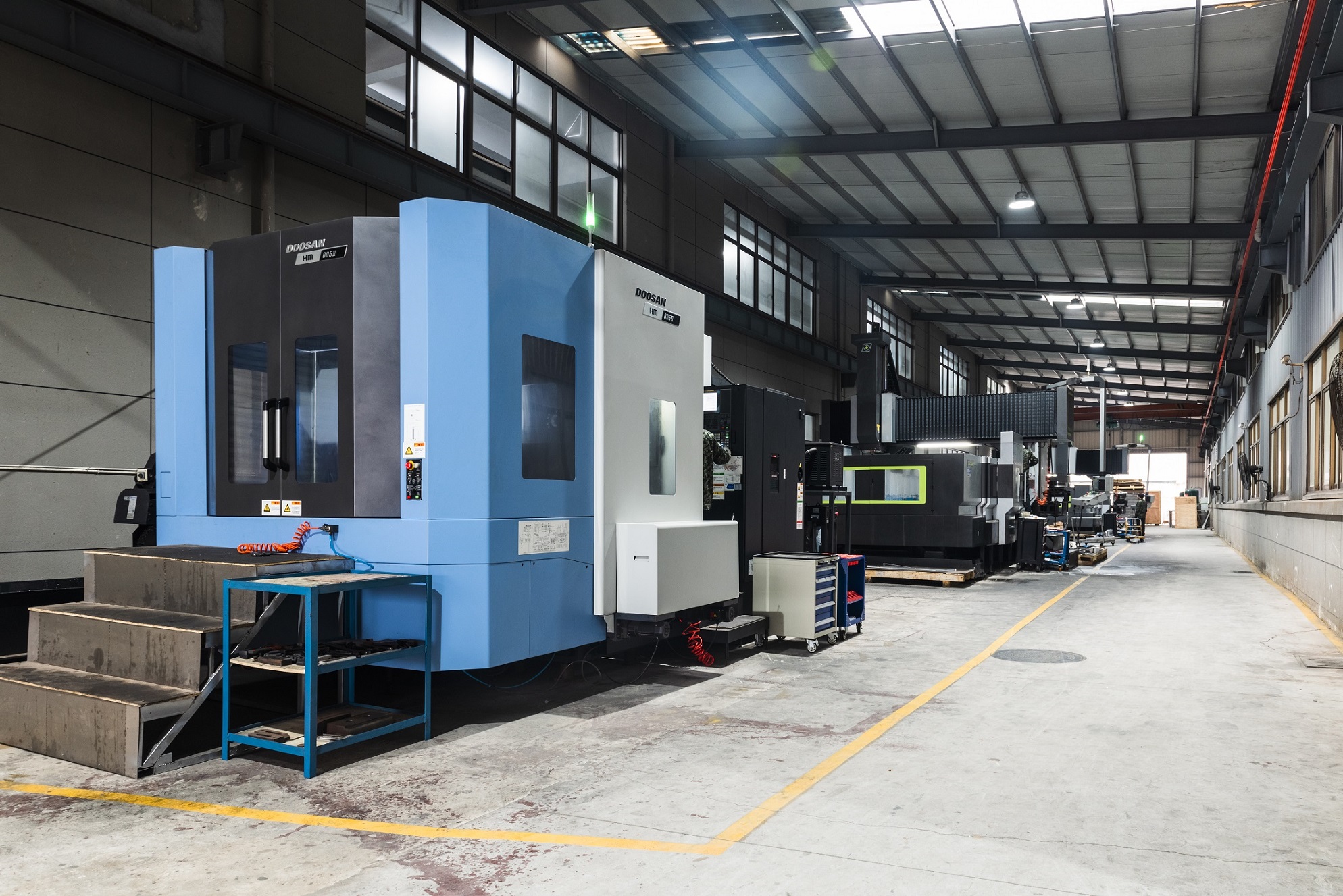
These lines are intended for a GMP-oriented cleanroom or pharmaceutical packaging workshop, running continuously and handling multi-batch, multi-format production. The stated requirements include stability, easy cleaning, safety protection and traceability-oriented operation. That is why cleanable tooling geometry and accessible changeover points carry as much weight as a headline output rate.
Changeover, transfer and control
The DHL8005H is rated to a maximum of 800 blisters/min and 500 cartons/min. It uses a D3 intelligent top-loading parallel tracking transfer system, multiple feeding methods, PVC/alu foil auto splicing, a three-channel servo-driven independent replenishment system, and a Beckhoff motion controller with a CP9315 industrial PC. Mold-change and preset-memory functions are part of the line specification — preset memory reduces manual parameter entry at each format change, which matters inside a regulated changeover procedure.
Coding, inspection and rejection in the same scope
Line scope covers high-speed blister forming and sealing, transfer, leaflet handling, carton opening, insertion, coding and inspection, and connection to bundling, case-packing and palletizing equipment. Batch/date coding and inspection/rejection should therefore be agreed at the same time as the format tooling, because the position of coders, cameras and rejection devices is fixed by the same drawings.
Seven Steps to Build a GMP Tooling Agreement for a Blister Line
- Define the product-contact boundary. List every surface that touches tablets, capsules, blister film, aluminium foil, cartons and leaflets, and separate these from the non-contact structure.
- Fix the format scope. Record blister size, blister materials, quantity per carton, carton specification and leaflet format before tooling drawings are released.
- Specify materials and surfaces. State the stainless steel and aluminum alloy requirements, any defined material grade, and the requirement for corrosion-resistant, easy-to-clean surfaces.
- Agree the changeover logic. Decide whether mold-change support, preset memory or recipe memory is required, and design guide rails and format parts for fast, repeatable changeover.
- Define coding, inspection and rejection. Set the coding and inspection method and the rejection behaviour together with the format tooling.
- Define the downstream connection. Confirm bundling, case-packing and palletizing interfaces, including data interface and interface language.
- Define verification and documentation. Agree the acceptance sequence in writing: incoming material inspection, key component inspection, assembly inspection, electrical safety check, no-load trial run, material trial, FAT, customer witness acceptance and pre-shipment inspection.
Commercial parameters are usually confirmed at the same time. Hoping's stated monthly capacity is 30–40 units, the minimum order quantity is 1 set or 1 complete line, and lead time is typically 60–120 days after technical confirmation, subject to model, configuration, project complexity and contract terms.
| Technical agreement clause | What it fixes | Why it matters in a GMP review |
|---|---|---|
| Product-contact boundary | Which surfaces touch product, blister film, foil, cartons and leaflets | Defines the scope that must be specified, cleaned and documented |
| Blister size and blister materials | Forming tool geometry and sealing parameters | Confirms tooling is built for the actual format rather than a generic one |
| Quantity per carton and carton specification | Transfer, insertion and carton tooling | Links blister output to cartoner accuracy and reduces wrong-insertion risk |
| Leaflet format | Leaflet folding and insertion components | Reduces missing-leaflet defects that would appear in the batch record |
| Coding / inspection method | Position and behaviour of coding and inspection devices | Supports batch traceability and rejection control |
| Feeding method | Feeder type and product handling | Determines how tablets and capsules are handled before sealing |
| Downstream connection | Bundling, case-packing and palletizing interfaces | Keeps the line scope complete from blister to pallet |
| Interface language and data interface | HMI language and ERP/MES data exchange | Supports traceability-oriented operation and production records |
| Electrical component brand | Control component selection | Affects spares strategy and long-term maintainability |
Project Scenarios Where GMP-Oriented Tooling Matters
The line is applicable to new solid dosage blister packaging lines, existing packaging line upgrades, high-capacity expansion, intelligent packaging workshop retrofits, and blister-cartoning-bundling/case-packing downstream integration projects. It is also applied in industrial plant renovation projects for packaging lines.
- New solid dosage line. Tooling, contact parts and cleanroom compatibility are fixed once, in the technical agreement, so production starts with a documented format.
- Existing line upgrade. New format tooling has to match the interfaces, documentation and cleaning routine already in place on the existing line.
- High-capacity expansion. Three-channel servo-driven independent replenishment on the DHL8005H supports continuous high-speed operation when batches get longer.
- Intelligent workshop retrofit. The Beckhoff motion controller, CP9315 industrial PC and optional ERP/MES data interface allow packaging data to be integrated into wider workshop systems.
- Downstream integration. The line connects to bundling, case-packing and palletizing equipment; a typical downstream configuration is the XWZ300II cartoner with XWK4060 stretch bander and ICP12 case packing and palletizing machine, rated at about 60–220 cartons/min, 30–60 bundles/min and about 12 cases/min.
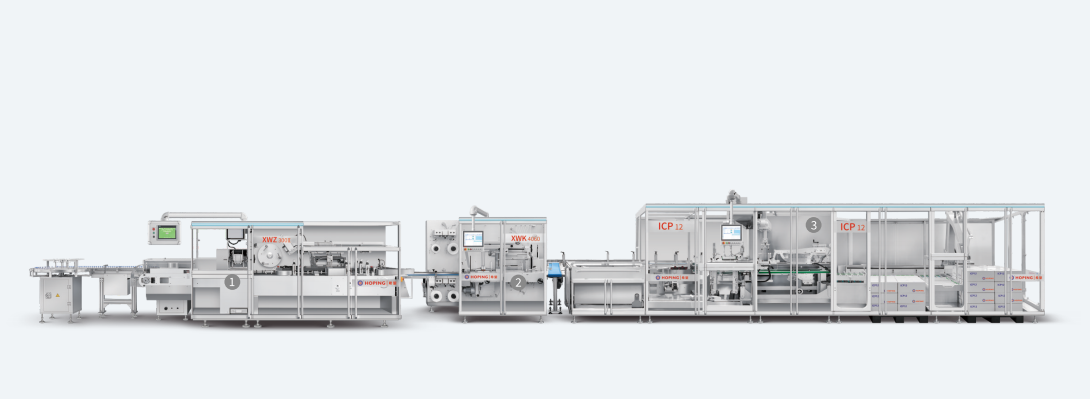
Hoping's case records describe lines supplied to large pharmaceutical manufacturers, solid dosage production companies and pharmaceutical engineering contractors, typically in the range of 5–10 lines per project. Customer names are disclosed only with authorization. The results are stated as project objectives: improved packaging automation, reduced manual transfer, better blister-to-carton connection efficiency, lower risk of wrong insertion or missing leaflets, and support for downstream automation integration.
Comparing Configurations Across the DHL Blister-Cartoning Range
Capacity and control platform differ across the range, while tooling and contact parts are configured per project and per confirmed blister and carton specifications, in stainless steel and aluminum alloy.
| Model | Max capacity | Transfer system | Control platform | Replenishment | Notes |
|---|---|---|---|---|---|
| DHL7004 | 700 blisters/min; 400 cartons/min | Self-developed IRB24 intelligent transfer robot | Siemens motion controller and TP900 HMI | Servo-driven independent replenishment | Full servo drive, convenient mold change, GMP-oriented design |
| DHL7005H | 700 blisters/min; 500 cartons/min | Self-developed IRB24 intelligent transfer robot | Siemens motion controller and TP900 HMI | Independent replenishment | Full servo drive, mold-change support, in-line GMP-oriented design |
| DHL8005H | 800 blisters/min; 500 cartons/min | D3 intelligent top-loading parallel tracking transfer system | Beckhoff motion controller and CP9315 industrial PC | Three-channel servo-driven independent replenishment | Mold-change and preset-memory functions, GMP-oriented line design |
| DHL1000/5H | 1000 blisters/min; 500 cartons/min | D3 intelligent top-loading parallel tracking transfer system | Beckhoff motion controller and high-bus industrial control system | Four-channel servo-driven independent replenishment | Mold-change and recipe memory functions, GMP-oriented design |
Read the table as a scoping tool. Projects with many formats and short batches place more weight on changeover functions such as mold-change support and preset or recipe memory, while longer runs and downstream automation place more weight on capacity, replenishment channels and control platform integration.
FAQ: GMP Tooling and Technical Agreements for Blister Lines
What does GMP-oriented tooling mean in a blister packaging line?
For the DHL8005H automatic blister-cartoning line, GMP-oriented tooling means that the product-contact parts and tooling are designed per technical agreement to meet GMP standards and are manufactured from stainless steel and aluminum alloy, which supports pharmaceutical-grade cleanroom requirements. The line itself is designed for GMP-oriented cleanroom or pharmaceutical packaging workshop conditions, continuous high-speed operation and multi-batch, multi-format production. ISO 15378 integrates GMP requirements for primary packaging materials and is relevant when this scope has to be documented.
Can tooling be customized for a specific blister format and carton, and how do you choose a pharmaceutical packaging machine manufacturer for blister lines?
Customization is possible when the requirements are written into the technical agreement. Hoping works in ODM/OEM/customizable mode, and its customization scope covers blister size, blister materials, quantity per carton, carton specification, leaflet format, coding/inspection method, feeding method, downstream bundling/case-packing/palletizing connection, interface language, electrical component brand and data interface. The minimum order quantity is 1 set or 1 complete line.
What determines the commercial scope of a GMP-oriented blister-cartoning project?
Because pricing follows configuration, the commercially relevant document is the clause list inside the technical agreement: format scope, feeding method, coding and inspection method, downstream modules, control platform, interface language and data interface all change what has to be engineered. Hoping states a monthly capacity of 30–40 units, which is useful when scheduling a project slot. Buyers should compare quotations against the same clause list instead of comparing machine prices in isolation.
Can tooling and product quality be validated before shipment?
Yes. Hoping's quality-control sequence includes incoming material inspection, key component inspection, assembly inspection, electrical safety check, no-load trial run, material trial, FAT (factory acceptance test), customer witness acceptance and pre-shipment inspection. A material trial allows actual product and packaging materials to run through the line before shipment, and customers may witness acceptance.
What is the typical lead time for a GMP-oriented blister-cartoning line?
Lead time is typically 60–120 days after technical confirmation. The final lead time depends on the model, configuration, project complexity and contract terms — additional formats, special tooling and downstream modules all affect the schedule. After delivery, support includes on-site installation and commissioning, operator training, maintenance training, remote video or phone support, spare parts supply, process-parameter guidance, regular follow-up and troubleshooting, subject to contract and project configuration. To move from specification to quotation, download the Hoping Machinery product catalog or send your blister format, carton size and target output to the engineering team.
Conclusion: Agree the Tooling Scope Before You Buy the Line
Compliance in a blister packaging line is decided long before the first blister is formed. It is decided in the technical agreement, where product-contact parts, tooling materials, changeover logic, coding and inspection methods and acceptance criteria are fixed in writing.
For the DHL8005H, product-contact parts and tooling are designed per technical agreement to meet GMP standards and are manufactured from stainless steel and aluminum alloy, supporting pharmaceutical-grade cleanroom requirements. Combined with a GMP-oriented line design, mold-change and preset-memory functions, and a documented verification sequence that runs from incoming material inspection through material trial and customer witness acceptance, that scope gives buyers something more useful than a specification sheet: a traceable basis for validation and long-term operation.
Next Step: Specify Your Blister Format and Request a Quotation
Share your blister size, blister material, carton specification, leaflet format and target output, and the Hoping Machinery team will map them to a DHL blister-cartoning configuration and a written technical agreement.
Catalog download: Hoping Machinery Product Catalog (PDF)
Website: www.hopingcn.com
Contact: Monica | Email: monica@xwbj.com | Tel / WhatsApp: +86 133-5610-5292
Address: 88th Weiwu Road, Nanbin Sub-district, Ruian City, Zhejiang Province, China