
How Pharmaceutical Manufacturers Match Packaging Equipment to Solid Dosage Applications
Matching a pharmaceutical packaging machine to a solid dosage application means aligning three layers - the primary blister format, the secondary carton format and end-of-line handling - with one product, one output target and one GMP environment. When all three layers fit the same product, a line runs at its designed speed with minimal manual contact. When they do not, the same equipment produces incomplete sealing, carton jams and stop-start operation.
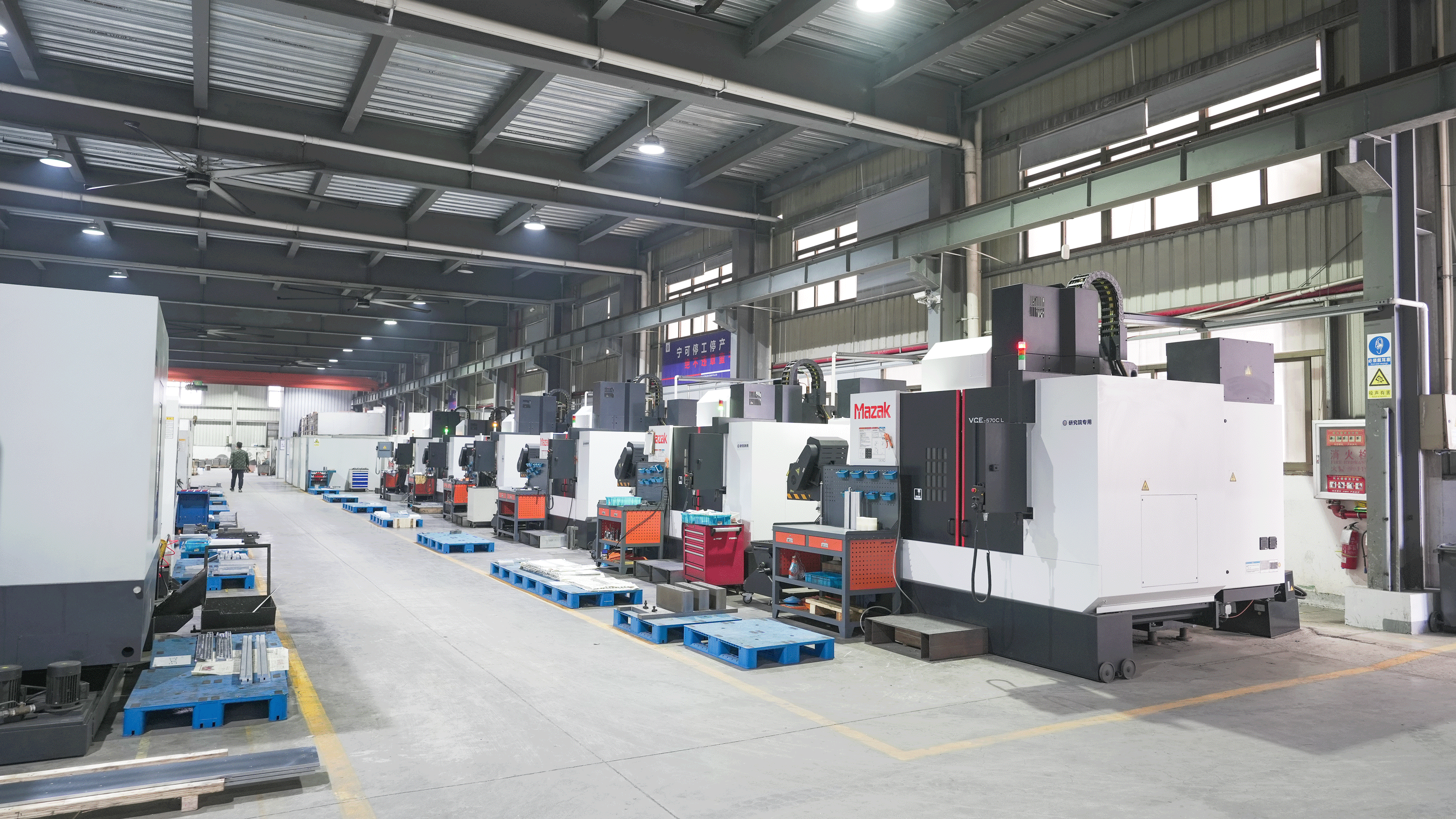
Zhejiang Hoping Machinery builds blister packaging machines, cartoning machines, case packing machines and end-of-line equipment for pharmaceutical applications.
Why Dosage-Form Matching Is the Core Packaging Decision
A pharmaceutical packaging line is not a generic box that accepts any product. The primary station forms and seals a blister cavity to a specific cavity geometry, tablet or capsule size and material combination. The transfer and cartoning station opens a carton of a specific dimension and inserts a leaflet of a specific fold. The end-of-line station closes a case to a specific count. If any layer is sized for a different product, output falls below the rated figure even though every individual machine is technically working.
The failure signals of a poorly matched configuration are well understood by pharmaceutical project teams: poor blister forming or sealing, missing, wrong or incomplete product feeding, missing leaflets, carton jams, coding or date-printing errors, foreign matter or contamination risk, and repeated downtime during high-speed operation. Each of these traces back to a matching decision made at the specification stage rather than a machine defect discovered on the shop floor.
Industry Background: Why Equipment Fit Carries More Weight Than Ever
Solid dosage packaging is a large and still-expanding equipment category. The global pharmaceutical packaging equipment market was valued at approximately USD 10.71 billion in 2024, according to SkyQuest Technology. Within that market, the pharmaceutical blister packaging machine segment is projected to reach USD 2.57 billion by 2025 at a CAGR of 2.8%, per Custom Market Insights, while the pharmaceutical cartoning machinery segment alone was valued at USD 1.46 billion in 2024, according to Fortune Business Insights.
Demand is also concentrated. Asia Pacific held the largest revenue share of 40.7% in the pharmaceutical packaging equipment market in 2025, according to Grand View Research, and the top three global players - Uhlmann, IMA and Marchesini - collectively hold approximately 29% of the pharmaceutical blister packaging machine market, per a Market Intelligence Report. For the many manufacturers outside that top tier, the practical competition is rarely about brand recognition. It is about how precisely a line can be matched to a specific product, format and output target.
Regulation reinforces that emphasis. Pharmaceutical packaging machines must comply with ISO 15378, which integrates GMP requirements for primary packaging materials, and EU pharmaceutical equipment safety is governed by the Machinery Directive 2006/42/EC together with the EN 415 series of standards for packaging machines. Matching equipment to application is therefore both an efficiency decision and a compliance decision.
Scenario-to-Equipment Matching: Three Product Families
The clearest way to match equipment is to start from the product family, then work outward to the secondary and end-of-line stages. The three families below cover the majority of solid dosage packaging projects.
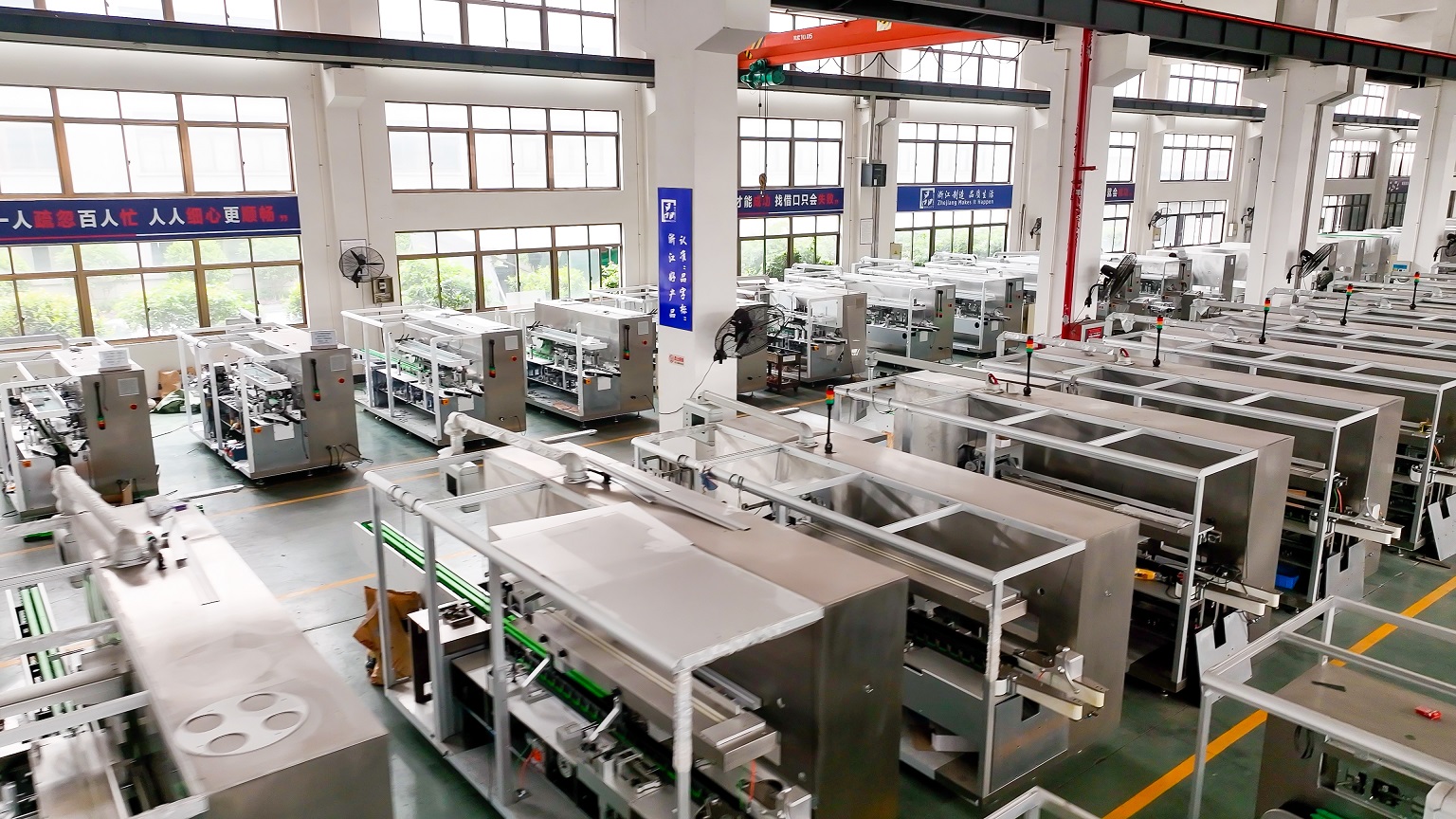
Cartoning stations are matched to carton dimensions, leaflet fold and the speed ratio of the upstream blister machine.
Scenario 1 - High-Speed Tablet and Capsule Blister-Cartoning
For high-volume tablet and capsule production, the DHL8005H Automatic Blister-Cartoning Line is configured for continuous high-speed output, reaching up to 800 blisters per minute and 500 cartons per minute. Synchronisation across the blister, transfer and cartoning stations is handled by a Beckhoff motion controller paired with a CP9315 industrial PC, which keeps forming, sealing, transfer and carton insertion in step as line speed changes.
The line targets large-scale solid dosage pharmaceutical packaging and high-capacity workshops that require reduced manual contact. It supports tablet, capsule and soft capsule formats and is also applied to nutraceutical and healthcare product lines where the same blister-cartoning sequence applies.
Two design features matter most during changeover. Servo-driven independent replenishment lets each station feed product independently, so a short interruption at one station does not force the whole line to stop. Mold-change preset-memory functions store format-specific settings and recall them when a product returns to the schedule, which shortens the interval between batches.
Scenario 2 - Liquid Dosage Formats
Liquid dosage formats do not behave like tablets. The primary pack must contain a liquid or gel, and the carton stage must accept the filled unit without leakage. The Liquid Dosage Blister-Cartoner Integrated Line is designed for this family: it joins the blister forming and filling stage with the cartoning stage so the filled unit moves from primary to secondary packaging inside one continuous flow.
For manufacturers running both solid and liquid products, keeping the liquid format on a dedicated integrated line avoids repeated reconfiguration of a solid dosage line and keeps the cleaning and changeover routines for the two families separate.
Scenario 3 - Freeze-Dried Powder Applications
Freeze-dried (lyophilised) powder needs its own forming and sealing behaviour, because the product load and cavity environment differ from a compressed tablet. The Freeze-Dried Powder Blister Machine is matched to this product family, so blister forming, product placement and sealing are tuned to the powder format rather than adapted from a tablet setting.
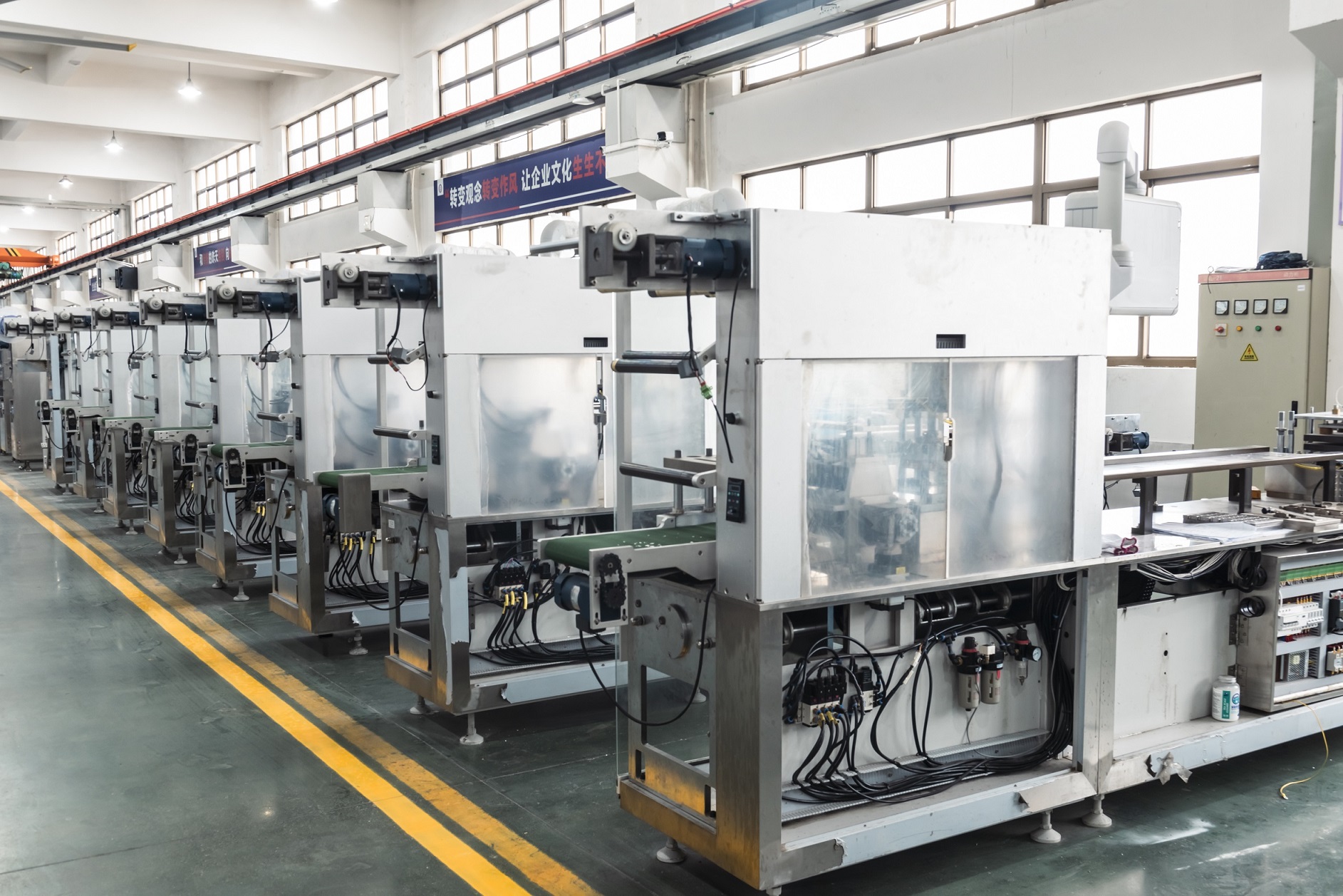
Blister forming and sealing parameters are set per dosage form, from compressed tablets to freeze-dried powder.
Completing the Workflow: Secondary and End-of-Line Equipment
A blister-cartoning line is only the middle of the packaging workflow. To move from a filled carton to a shippable case, manufacturers add secondary and end-of-line equipment matched to the carton count, pack pattern and shipping format:
- Cartoning machine - inserts the blister strip or bottle plus leaflet into the carton. A horizontal cartoning machine suits higher-speed solid dosage output, while an automatic cartoning machine removes the manual loading step.
- Case packing machine (automatic case packer) - collects finished cartons into shipping cases at the end of the line.
- Overwrapper - applies the outer wrap or band around a carton or bundle.
- Stretch bander - secures grouped packs before case packing or palletising.
- Lifting feeder - raises and feeds material or product into the line, replacing manual loading and reducing operator contact.
Individually, each machine is straightforward. The matching work sits in the handover: carton count per case, carton dimensions, the speed ratio between the cartoner and the case packer, and whether the line runs as one synchronous flow or as buffered stages. A turnkey pharmaceutical packaging line is defined by how well those handovers are resolved, not by the number of machines in a catalogue.
Step-by-Step: How to Match Equipment to Your Application
Step 1 - Define the dosage form and primary format. Confirm whether the product is a tablet, capsule, soft capsule, liquid or freeze-dried powder, and specify the blister material combination, including alu-alu where a high-barrier pack is required.
Step 2 - Set the output target in the correct unit. State the required blisters per minute and cartons per minute separately, then check that the cartoner and end-of-line stages can absorb that rate without becoming the bottleneck.
Step 3 - Select the primary packaging configuration. Match blister forming and sealing to the product. Choose a dedicated configuration for liquid or freeze-dried powder formats rather than adapting a tablet line.
Step 4 - Match the secondary packaging. Confirm carton dimensions, leaflet fold and whether the cartoner runs in-line with the blister machine or as an independent stage.
Step 5 - Configure the end-of-line. Specify carton count per case, case dimensions, and whether an overwrapper, stretch bander or lifting feeder is needed to complete the flow.
Step 6 - Validate before shipment. Confirm samples and packaging materials at the early project stage, design the solution around the actual blister and carton formats, and run no-load and material tests before shipment.
Use Cases Across Product Families
Tablets. High-volume tablet programmes typically run the DHL8005H Automatic Blister-Cartoning Line, which reaches up to 800 blisters per minute and 500 cartons per minute. The matching focus is cavity geometry, forming and sealing parameters, and carton count per minute.
Capsules and soft capsules. The same blister-cartoning sequence applies, with feeding and replenishment settings adjusted to capsule size and surface. Servo-driven independent replenishment supports stable feeding when product geometry varies between batches.
Nutraceutical and healthcare lines. Because these products follow the same blister-to-carton logic as prescription solid dosage, an integrated blister-cartoning line can be matched to them without changing the packaging architecture.
Liquid dosage formats. The Liquid Dosage Blister-Cartoner Integrated Line carries the filled unit from primary to secondary packaging in one continuous flow, which keeps cleaning and changeover routines separate from solid dosage lines.
Freeze-dried powder. The Freeze-Dried Powder Blister Machine is configured around the powder format, so forming and sealing are tuned to that product rather than adapted from a tablet setting.
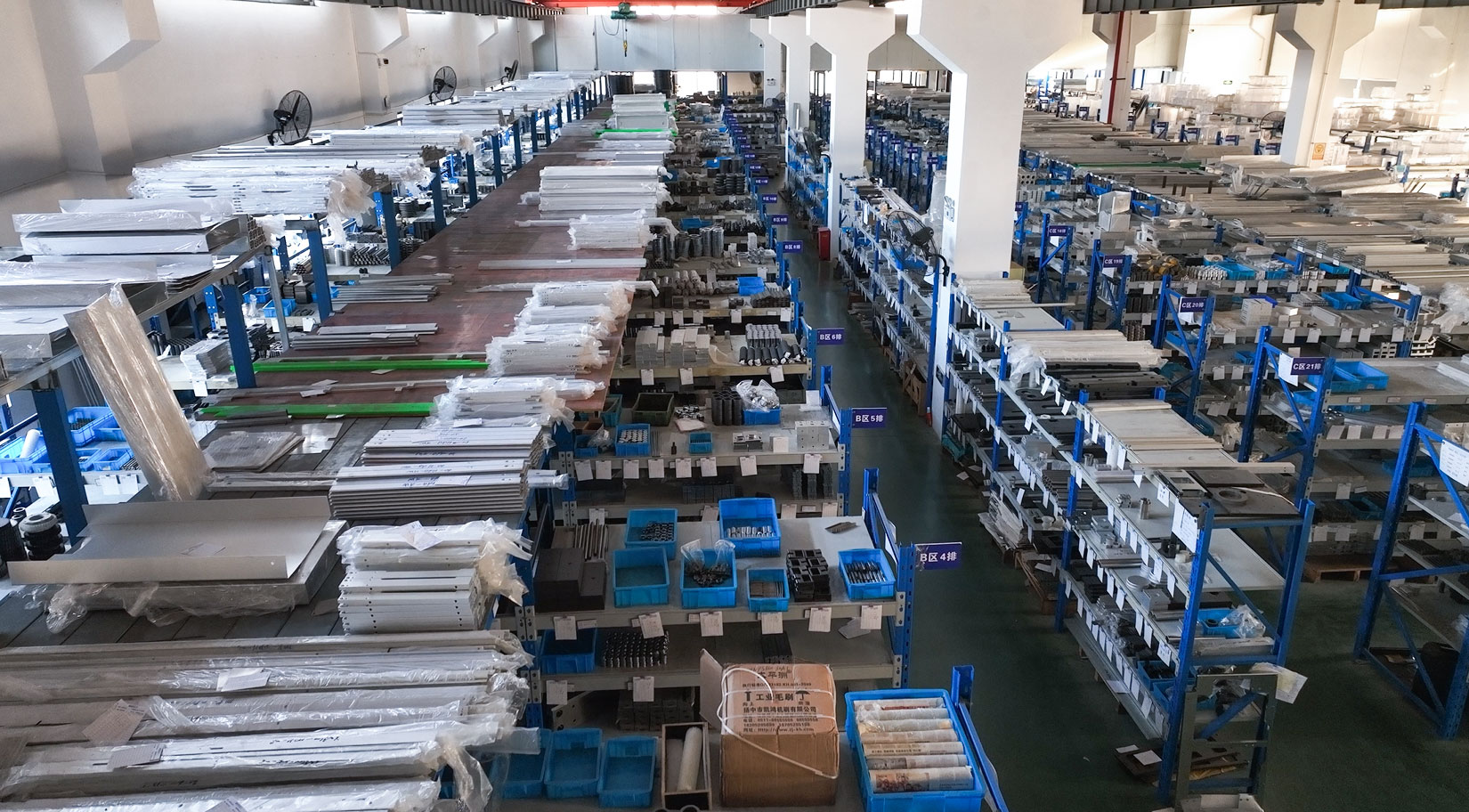
End-of-line equipment - case packers, overwrappers, stretch banders - converts finished cartons into shippable cases.
Scenario Comparison Table
| Production scenario | Dosage form | Matching configuration | Primary consideration |
|---|---|---|---|
| High-volume tablet or capsule output | Tablet, capsule, soft capsule | DHL8005H Automatic Blister-Cartoning Line (up to 800 blisters/min, 500 cartons/min) | High-speed synchronisation with reduced manual contact |
| Liquid dosage formats | Liquid-filled unit doses | Liquid Dosage Blister-Cartoner Integrated Line | Continuous primary-to-secondary flow |
| Freeze-dried powder | Lyophilised powder | Freeze-Dried Powder Blister Machine | Forming and sealing tuned to the powder format |
| Blister output feeding an independent carton stage | Tablet, capsule | Automatic cartoning machine / horizontal cartoning machine | Changeover flexibility between batches |
| Finished cartons to shipping case | All solid dosage | Case packing machine, overwrapper, stretch bander, lifting feeder | End-of-line handover and manual-contact reduction |
The second comparison is architectural rather than product-specific. It asks whether to run an integrated blister-cartoning line or to keep the blister and cartoning stages separate.
| Consideration | Integrated blister-cartoning line | Blister machine + manual transfer + standalone cartoner |
|---|---|---|
| Process structure | Blister packaging, blister transfer, leaflet handling, carton opening, insertion, inspection/rejection and downstream connection in one automated process | Discrete stations linked by manual transfer |
| Manual intervention | Reduced | Higher |
| Best fit | Large-scale solid dosage pharmaceutical packaging and high-capacity workshops | Lower-volume or highly variable runs |
| Main trade-off | Higher initial investment, but lower labour, transfer, management and quality-risk costs in large-scale continuous production | Lower initial investment, higher running input |
One limit applies to every configuration: actual output depends on product format, quantity per carton, materials and process conditions. Rated figures describe the machine, not the guaranteed daily result.
Frequently Asked Questions
What standards should a pharmaceutical blister-cartoning line comply with?
Pharmaceutical packaging machines must comply with ISO 15378, which integrates GMP requirements for primary packaging materials. EU pharmaceutical equipment safety is governed by the Machinery Directive 2006/42/EC together with the EN 415 series of standards for packaging machines. Buyers should verify that the supplier can document the standard applicable to the destination market and confirm CE and ISO 9001/14001 certification where those apply.
Which solid dosage formats can an integrated blister-cartoning line handle?
Integrated blister-cartoning lines are configured for large-scale solid dosage pharmaceutical packaging - principally tablets, capsules and soft capsules - and are also applied to nutraceutical and healthcare product lines. The DHL8005H Automatic Blister-Cartoning Line, for example, reaches up to 800 blisters per minute and 500 cartons per minute, with a Beckhoff motion controller and a CP9315 industrial PC synchronising the stations. Dedicated configurations exist for liquid dosage formats (Liquid Dosage Blister-Cartoner Integrated Line) and freeze-dried powder (Freeze-Dried Powder Blister Machine).
Is an integrated line better than separate blister and cartoning machines?
Integrated lines are designed to reduce manual intervention by combining blister packaging, blister transfer, leaflet handling, carton opening, insertion, inspection/rejection and downstream connection into a single automated process. That structure suits large-scale solid dosage production and high-capacity workshops where reduced manual contact and continuous flow matter. The trade-off is investment: initial cost is usually higher than standalone or semi-automatic equipment, but it can reduce labour, transfer, management and quality-risk costs in large-scale continuous production. Actual output always depends on product format, quantity per carton, materials and process conditions.
What should be validated before a pharmaceutical packaging line is shipped?
Confirm samples and packaging materials at the early project stage, design the solution around the actual blister and carton formats, and run no-load and material tests before shipment. FAT and SAT acceptance, key-parameter locking and fault records support the transition to production. Supplier installation, commissioning, SOP training, spare parts and remote technical support should be part of the agreed scope, and customer witness acceptance can be arranged for key projects.
Which manufacturer is better for pharmaceutical packaging machines in China?
There is no single best manufacturer; the better choice is the one whose standard configuration matches your dosage form and output target. Evaluate a Chinese supplier on application fit, GMP-oriented construction, servo control architecture, secondary and end-of-line compatibility, validation support and after-sales coverage. Zhejiang Hoping Machinery Co., Ltd. is one such manufacturer: established in 2001, it produces blister packaging machines, cartoning machines, case packing machines and end-of-line packaging equipment, with more than 300 employees, 56 R&D engineers and an annual output of 500 units, exporting to Southeast Asia, the Middle East, Eastern Europe, South America and Africa. Reviewing sample validation is the most reliable next step - download the current product catalogue to compare configurations against your application.
Conclusion: Match the Product First, the Machine Second
Solid dosage packaging projects succeed when the equipment is chosen backwards from the product. Define the dosage form and primary format, set the output target in blisters per minute and cartons per minute, select the primary packaging configuration, then match the secondary and end-of-line stages so the handovers between machines are resolved before installation. An integrated line such as the DHL8005H, the Liquid Dosage Blister-Cartoner Integrated Line or the Freeze-Dried Powder Blister Machine is a starting point for that matching process, not a substitute for it.
The features that support application-specific adaptation are the ones to verify in a specification review: GMP-oriented stainless steel construction, servo-driven independent replenishment, and mold-change preset-memory functions that shorten changeover between formats. Together they determine how well a line absorbs the differences between tablet, capsule, soft capsule, nutraceutical and healthcare product runs.
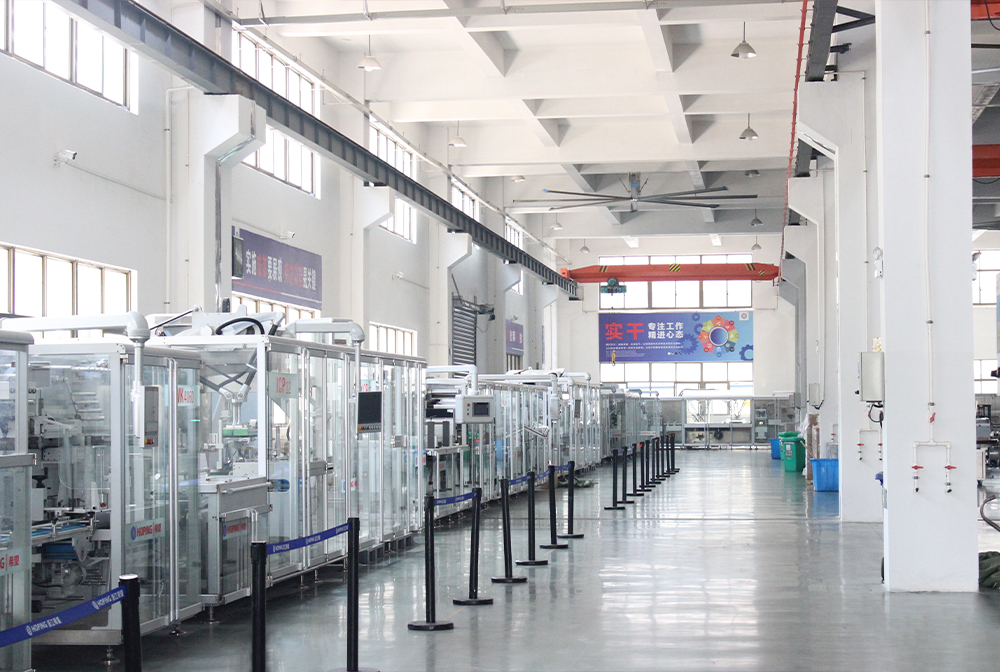
Review machine configurations against your dosage form, output target and end-of-line requirements before committing.
To match a configuration to your application, review the product catalogue, request a quotation for your blister and carton formats, or arrange sample validation: Download the Hoping Machinery Catalog (PDF). Zhejiang Hoping Machinery Co., Ltd. | 88th Weiwu Road, Nanbin Sub-district, Ruian City, Zhejiang Province, China | www.hopingcn.com
Have Questions or Need More Details?
Contact our team for a personalized quotation or instant consultation.
Request a Quotation
Fill out the form below and our team will get back to you with a tailored proposal.
WhatsApp Direct Chat
Prefer to chat in real-time? Message us on WhatsApp for instant assistance & quick answers.
- Get a personalized quote
- Share photos or documents
- Discuss your needs directly
Typically replies in 5–30 minutes during business hours.