
How Technical Agreements Define GMP Compliance in Blister-Cartoning Equipment
GMP Documentation Guide
A blister-cartoning line can be described as “GMP-oriented” without telling a pharmaceutical buyer what is actually controlled. The technical agreement is the document that converts that description into verifiable requirements for product-contact materials, surface finish, tooling, validation, and acceptance. Hoping’s DHL8005H statement is a direct example: GMP-oriented product-contact parts and tooling are supplied according to the technical agreement. That wording matters because it places the compliance basis in a project-specific document, not in a generic machine label.
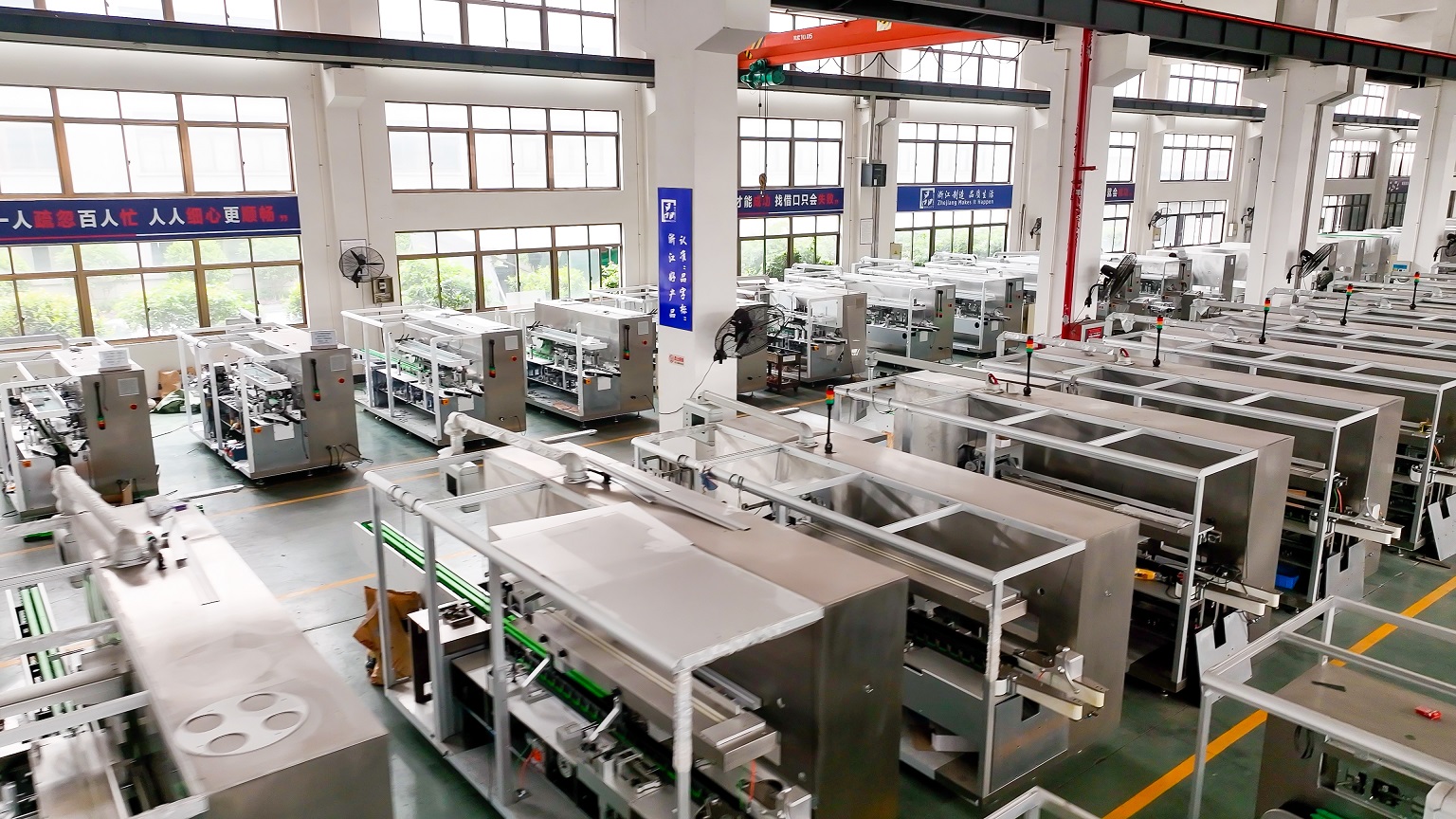
Problem Definition: Why “GMP-Oriented” Is Not Enough for a Buyer
In a pharmaceutical packaging machine project, the buyer must be able to show why a material, a cleaning procedure, a tooling set, and an acceptance test are suitable for the product and the process. A brochure can say “GMP-oriented design.” It cannot, by itself, define which parts contact the product, which stainless-steel grade is used, how a change part is finished, or which documents will be available at FAT and SAT.
The gap becomes visible during qualification. A large pharmaceutical manufacturer evaluating 5 to 10 packaging lines for blister packaging and automatic cartoning of tablets, capsules, and other solid dosage forms may start with a clear process problem: manual transfer and leaflet insertion errors. The equipment can solve the mechanical problem, but the buyer still needs a documented link between the machine configuration and the GMP expectations of the product. That link is the technical agreement.
What the buyer has to prove
- Which parts are product-contact parts, and which are not.
- Which material grade and surface condition were agreed for each product-contact part and tooling item.
- Which cleaning, inspection, and changeover requirements apply to those parts.
- Which tests and documents will demonstrate that the delivered line matches the agreed requirements.
Industry Background: GMP, Packaging Materials, and Equipment Documentation
GMP is a regulatory framework, not a single machine certificate. The U.S. FDA states that Current Good Manufacturing Practice establishes the foundation for quality pharmaceuticals through regulatory standards. ISO 15378:2017 specifies GMP requirements for primary packaging materials for medicinal products. Those references explain why documentation flows through the packaging chain: the drug product, the primary pack, the packaging process, and the equipment that forms and seals the pack are reviewed together.
The equipment market is also moving toward integrated lines. The global blister packaging machine pharmaceutical market was valued at USD 2.57 billion in 2025, and Asia-Pacific is reported as the fastest-growing region with an 8.87% CAGR to 2031. Horizontal cartoning systems held 70.12% of the market share in 2024. These figures do not define a GMP requirement, but they explain why buyers increasingly evaluate a blister packaging line and a cartoning machine as one connected system rather than as separate purchases.
A draft Chinese GMP guidance for pharmaceutical packaging materials is also under public consultation, according to a regulatory-affairs source, and would guide marketing licence holders in reviewing packaging material suppliers. That development reinforces the same procurement logic: supplier review depends on documented material and process evidence, not on a general quality claim.
Detailed Solution: The Technical Agreement as the GMP Control Document
A technical agreement for a blister-cartoning line should be written as a controlled project document. It should identify the product-contact boundary, the agreed materials and finishes, the tooling set, the inspection and coding scope, the validation documents, and the acceptance criteria. When those items are written down, “GMP-oriented” becomes auditable.
What the DHL8005H statement means
Hoping’s DHL8005H is an automatic blister-cartoning line with a maximum capacity of up to 800 blisters/min and 500 cartons/min. It uses a D3 intelligent top-loading parallel tracking transfer system, multiple feeding methods, PVC/Alu foil auto splicing, a three-channel servo-driven independent replenishment system, a Beckhoff motion controller and CP9315 industrial PC, and mold-change and preset-memory functions. The line is described as GMP-oriented in design. Its material description states that product-contact parts and tooling are GMP-oriented according to the technical agreement.
That last sentence is the key. It does not say that every DHL8005H is identical for every product. It says the GMP-oriented product-contact parts and tooling are defined by the technical agreement. The buyer therefore needs to review the agreement as the controlling record for material grade, finish, tooling geometry, and acceptance evidence.
Material requirements to record
The technical agreement should list material requirements by part family, not as a single general statement. Product-contact parts, non-product-contact parts, guards, conveyors, and tooling should be separated. For each family, the agreement should record the agreed material grade, the acceptable alternatives, and the inspection evidence that will be available.
Hoping’s DPH320HII and DPP260T1 blister machines provide a documented material reference: product-contact parts are made of AISI 316L stainless steel and FDA-compliant pharmaceutical-grade materials, while non-product-contact parts are manufactured from AISI 304 stainless steel and anodized aluminum alloy. Those models are not the DHL8005H, so the example should not be copied into a DHL8005H agreement without confirmation. Its value is to show the level of specificity a buyer should expect: grade, function, and contact status should be stated explicitly.
Surface finish and cleanability
The same documentation logic applies to finish. A GMP-oriented line needs surfaces that can be cleaned and inspected in the installed environment. Hoping’s DPH320HII and DPP260T1 descriptions state that the machines are designed and manufactured in accordance with GMP requirements and feature corrosion-resistant and easy-to-clean surfaces. For a DHL8005H project, the technical agreement should translate that expectation into agreed finish requirements for product-contact parts and tooling, plus the cleaning and inspection method the buyer will use.
Transparent guarding and the stainless-steel and aluminum-alloy structure of the DHL8005H support visual inspection and separation of product zones. The agreement should still state which surfaces are considered product-contact, which are cleanable but not product-contact, and which parts are removed for cleaning or changeover.
Tooling and change parts
Tooling is often where a GMP claim becomes vague. The DHL8005H has mold-change and preset-memory functions, and Hoping’s customization scope includes blister size, blister materials, carton specification, leaflet format, and coding/inspection method. The technical agreement should therefore include a tooling schedule: the blister format, the carton format, the leaflet format, the change parts, and the storage or identification method for each set.
For each tooling item, the agreement should state material, finish, cleaning contact status, and inspection requirement. If a tooling item is product-contact, it belongs in the same material and finish review as the product-contact parts. If it is not product-contact, the agreement should say so clearly to avoid over- or under-documentation.
Validation and acceptance requirements
Validation should be written as an acceptance chain, not as a promise. Hoping’s purchasing and acceptance criteria include technical agreement confirmation, sample testing, FAT before shipment, SAT at the customer site, and the option to arrange third-party inspection according to customer requirements. The quality-control sequence includes incoming material inspection, key component inspection, assembly inspection, electrical safety check, no-load trial run, material trial, FAT, customer witness acceptance, and pre-shipment inspection.
For a GMP-oriented blister-cartoning line, the technical agreement should connect those activities to the buyer’s documentation needs. It should state which records will be available, which tests will be witnessed, which samples will be retained, and which deviations require written closure before shipment. This is especially important when the line includes leaflet handling, coding/inspection, and downstream connection to bundling, case packing, or palletizing equipment.
Change control and traceability
A technical agreement is only useful if it remains the current version. The agreement should define how material substitutions, tooling changes, software or interface changes, and inspection-method changes are approved. The DHL8005H’s Beckhoff motion controller and CP9315 industrial PC, together with its coding/inspection scope, make change control a practical issue rather than a paperwork issue. The buyer should know which changes require re-testing and which documents will be updated.
Step-by-Step Breakdown: Writing a GMP Technical Agreement for a Blister-Cartoning Line
- Define the product-contact boundary. List every part that can touch the tablet, capsule, blister film, blister board, leaflet, or carton. Mark each item as product-contact, indirect-contact, or non-contact. The DHL8005H statement on product-contact parts and tooling should be attached to this list, not left as a general sentence.
- Write material requirements by part family. For each product-contact part and tooling item, record the agreed grade and the inspection evidence. Use the DPH320HII and DPP260T1 AISI 316L reference only as an example of specificity; confirm the DHL8005H grade in the project agreement.
- Specify finish and cleanability. State the agreed surface condition, the cleaning method, and the inspection points. The agreement should distinguish corrosion-resistant, easy-to-clean surfaces from parts that are simply structural.
- Build the tooling schedule. Record blister size, blister material, carton specification, leaflet format, change parts, and preset-memory requirements. The DHL8005H mold-change and preset-memory functions should be linked to a named tooling list.
- Define inspection and data requirements. Record the coding/inspection method, the data interface, the interface language, and the electrical component brand where specified. Hoping’s customization scope includes coding/inspection method, interface language, electrical component brand, and data interface.
- Agree the validation and acceptance chain. Write technical agreement confirmation, sample testing, FAT, SAT, customer witness acceptance, and third-party inspection (if required) into the project schedule. State which records will be delivered and which tests will be witnessed.
- Set change control after signature. Name the approver for material, tooling, software, and inspection changes. Require re-testing where a change affects product contact, cleaning, or acceptance.
A practical rule: if a requirement cannot be checked at incoming inspection, assembly, FAT, or SAT, it is probably too vague for a GMP technical agreement. Rewrite it as a material, finish, tooling, inspection, or acceptance item.
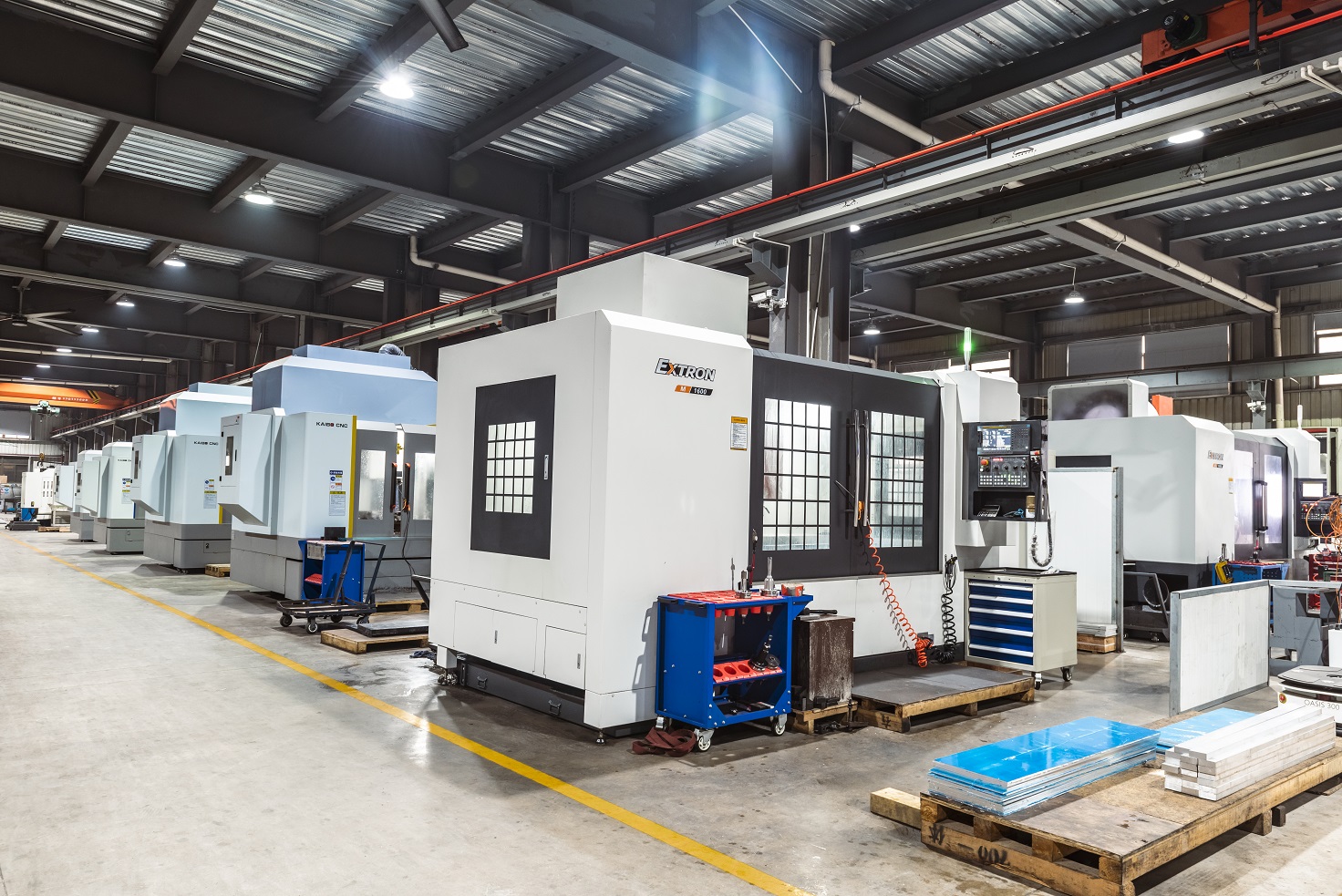
Use Cases: Where the Technical Agreement Changes the Outcome
New blister-cartoning line for solid dosage
For a new pharmaceutical packaging line producing tablet blister packs and capsule blister packs, the technical agreement should be written before the line layout is frozen. The buyer needs to confirm the blister packaging machine format, the automatic cartoning machine interface, the leaflet format, and the coding/inspection scope. If the product-contact parts and tooling are only described as “GMP-oriented,” the buyer has no basis for material review or cleaning validation. A part-by-part agreement prevents that gap.
Capacity expansion or line upgrade
The case of a large pharmaceutical manufacturer with 5 to 10 packaging lines shows a common pattern: the project is not only about speed. It is about reducing manual transfer and leaflet insertion errors while upgrading existing packaging lines. In that setting, the technical agreement should record how the new blister cartoning line connects to existing equipment, which tooling is shared, and which acceptance tests prove that the interface works. The DHL8005H connection to bundling, case-packing, and palletizing equipment should be described in the same document.
High-speed line with downstream case packing
When a blister packaging line is linked to an automatic case packer or an end-of-line packaging machine, the technical agreement should not stop at the cartoner. It should define the handover point, the reject handling, the coding/inspection data, and the acceptance test for the full line. A turnkey pharmaceutical packaging line is only as clear as its boundaries. The agreement should say where the blister-cartoning scope ends and where the secondary packaging line begins.
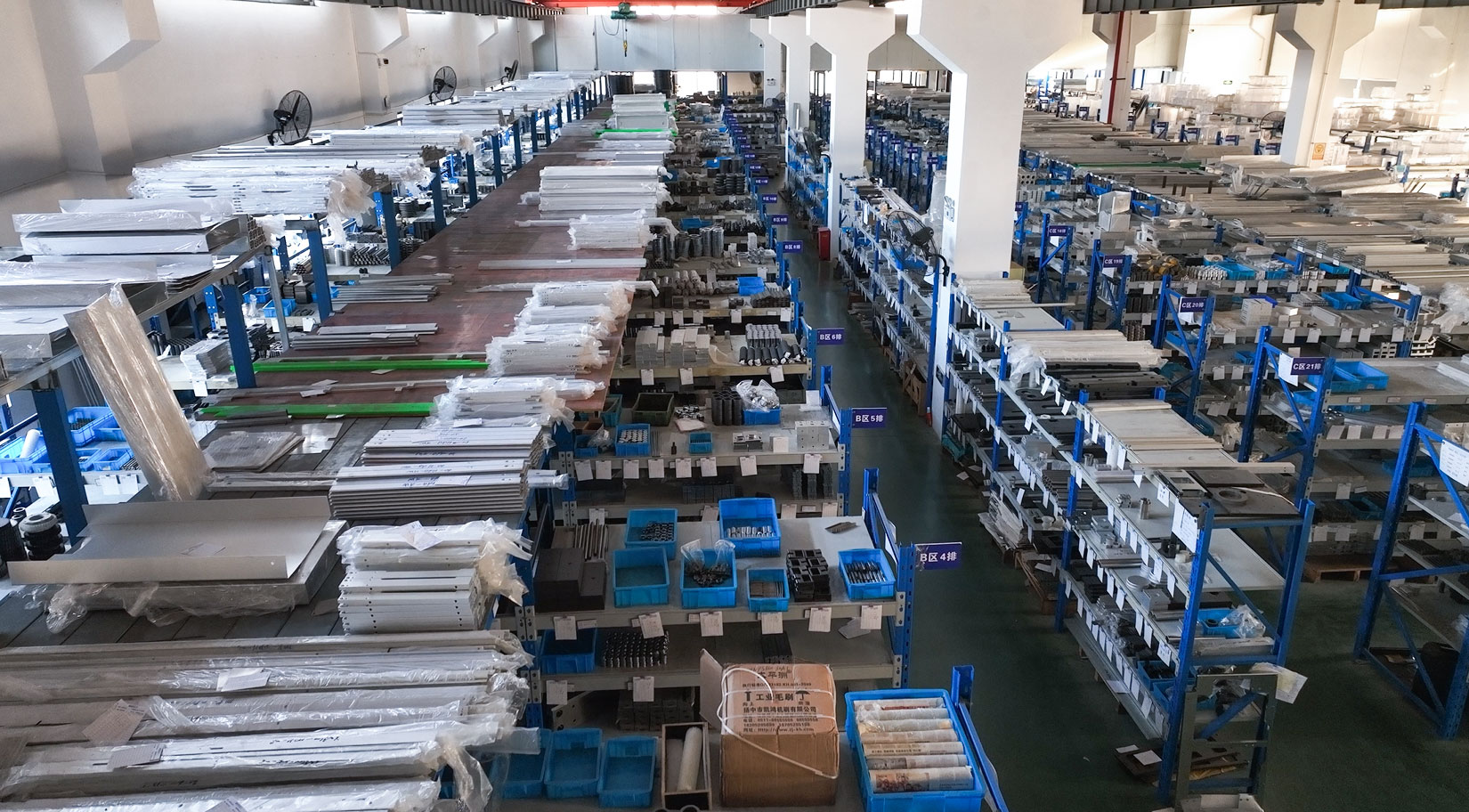
Technical Agreement Comparison Matrix: Requirement, Evidence, and Example
| Requirement category | What to record in the technical agreement | Evidence to request | Example from provided Hoping documentation |
|---|---|---|---|
| Product-contact boundary | Part list, contact status, product zone | Part drawings or list agreed at technical review | DHL8005H: GMP-oriented product-contact parts and tooling according to technical agreement |
| Material grade | Grade for each product-contact part and tooling item | Incoming material inspection record; key component inspection | DPH320HII and DPP260T1: AISI 316L and FDA-compliant pharma-grade materials for product-contact parts |
| Non-contact material | Frame, guards, and non-contact structural parts | Assembly inspection record | DPH320HII and DPP260T1: AISI 304 and anodized aluminum alloy for non-product-contact parts |
| Surface finish and cleanability | Agreed finish, cleaning method, and inspection points | Assembly inspection; cleaning procedure review | DPH320HII and DPP260T1: corrosion-resistant and easy-to-clean surfaces |
| Tooling schedule | Blister format, carton format, leaflet format, and change parts | Tooling list and change-part identification | DHL8005H: mold-change and preset-memory functions; customization includes blister size, carton specification, and leaflet format |
| Inspection and coding | Coding/inspection method, data interface, and interface language | FAT record; customer witness acceptance | DHL8005H: coding/inspection and connection to downstream equipment; customization includes coding/inspection method and data interface |
| Acceptance chain | Technical agreement confirmation, sample test, FAT, SAT, and third-party inspection | FAT/SAT reports; sample test record | Hoping acceptance criteria: technical agreement confirmation; sample testing; FAT; SAT; third-party inspection can be arranged |
| Quality control | Incoming material, key component, assembly, electrical safety, no-load trial, material trial, and pre-shipment inspection | QC records agreed in the project | Hoping quality-control sequence as listed |
The matrix is not a substitute for the project technical agreement. It is a checklist for the review meeting. Each row should be converted into a named requirement, an owner, a document, and an acceptance point.
FAQ
What should a GMP technical agreement for a blister-cartoning line include?
A GMP technical agreement should define the product-contact boundary, material grades for product-contact parts and tooling, surface finish and cleanability requirements, the tooling schedule, inspection and coding scope, validation documents, and acceptance criteria. For the DHL8005H, the agreement is the document that specifies GMP-oriented product-contact parts and tooling. It should also record FAT, SAT, sample testing, customer witness acceptance, and any third-party inspection requirement.
Can Hoping customize product-contact parts and tooling for a blister packaging machine OEM project?
Yes. Hoping provides ODM, OEM, and customizable production services. The customization scope includes blister size, blister materials, quantity per carton, carton specification, leaflet format, coding/inspection method, feeding method, downstream bundling/case-packing/palletizing connection, interface language, electrical component brand, and data interface. The minimum order quantity is 1 set or 1 complete line. For a GMP-oriented project, the agreed product-contact parts and tooling should be written into the technical agreement before production.
What drives the budget for a GMP-oriented blister-cartoning line?
Budget is driven by the line configuration and the documentation scope, not by a single headline speed. Material and finish requirements for product-contact parts, tooling sets, inspection and coding scope, feeding method, downstream connection, interface language, and acceptance testing all affect the project. Hoping confirms commercial terms through quotation and contract after the technical scope is defined. Buyers should compare quotations on the same technical agreement, otherwise the material and validation scope may not be equivalent.
Can buyers review material inspection records and run sample tests before shipment?
Yes, within the agreed acceptance plan. Hoping’s quality-control sequence includes incoming material inspection, key component inspection, assembly inspection, electrical safety check, no-load trial run, material trial, FAT, customer witness acceptance, and pre-shipment inspection. Acceptance criteria include technical agreement confirmation, sample testing, FAT before shipment, SAT at the customer site, and third-party inspection when arranged according to customer requirements. The technical agreement should state which records are delivered and which tests are witnessed.
What is the typical lead time after the technical agreement is confirmed?
Typical production lead time is 60 to 120 days after technical confirmation. Final lead time is subject to model, configuration, project complexity, and contract terms. Monthly capacity is 30 to 40 units, and the minimum order quantity is 1 set or 1 complete line. To move from a general inquiry to a reviewable project, request the Hoping Machinery catalog and a technical-agreement checklist, then align the DHL8005H configuration with your blister and carton formats.
Conclusion
GMP compliance in blister-cartoning equipment is not created by a single machine label. It is created by a documented chain: product-contact boundary, material grade, surface finish, tooling control, inspection scope, validation, and acceptance. The DHL8005H statement that GMP-oriented product-contact parts and tooling are supplied according to the technical agreement is a useful model because it puts the compliance basis where a buyer can review it.
Zhejiang Hoping Machinery Co., Ltd. was established in 2001 and manufactures blister packaging machines, cartoning machines, case packing machines, and end-of-line packaging machines. For a pharmaceutical packaging machine project, the most useful next step is not a generic brochure request. It is a technical-agreement review: define the product-contact parts, list the tooling, agree the finish and cleaning requirements, and set the FAT/SAT and sample-test plan before the line is built.
Next step: Request a technical-agreement checklist or discuss a sample validation plan with Hoping. Email monica@xwbj.com or WhatsApp +86 133-5610-5292. You can also download the Hoping Machinery Catalog (PDF) and review the DHL8005H configuration against your blister and carton formats.
Have Questions or Need More Details?
Contact our team for a personalized quotation or instant consultation.
Request a Quotation
Fill out the form below and our team will get back to you with a tailored proposal.
WhatsApp Direct Chat
Prefer to chat in real-time? Message us on WhatsApp for instant assistance & quick answers.
- Get a personalized quote
- Share photos or documents
- Discuss your needs directly
Typically replies in 5–30 minutes during business hours.