Lifting Feeder vs. Manual Feeding: A Comparison Guide for Pharma Packaging Lines
Lifting Feeder vs. Manual Feeding: A Comparison Guide for Pharma Packaging Lines
On a pharmaceutical blister-cartoning line, the choice between a lifting feeder and manual feeding is settled by throughput first and by budget second. Where an integrated line is rated at up to 1000 blisters per minute and 500 cartons per minute — the representative performance of the DHL1000/5H configuration — every manual touchpoint between the bulk product container and the cartoner discharge becomes a candidate for the constraint that limits the whole line.
This comparison guide is written for buyers who are already at the decision stage: the line concept exists, the format is known, and the open question is whether automated feeding is a necessary investment or an optional upgrade. The comparison covers throughput alignment, labor and cost structure, manual contact and compliance exposure, quality-risk control, and the maintenance and training model that follows the investment.
The short answer. For large-scale solid dosage production in high-capacity workshops that require reduced manual contact, automated feeding is normally part of what makes a line's rated output usable. For low-volume or short-run operations, manual feeding can remain the rational choice, because the initial investment in a fully integrated line is usually higher than for standalone or semi-automatic equipment. The sections below show where a specific project falls between those two positions.
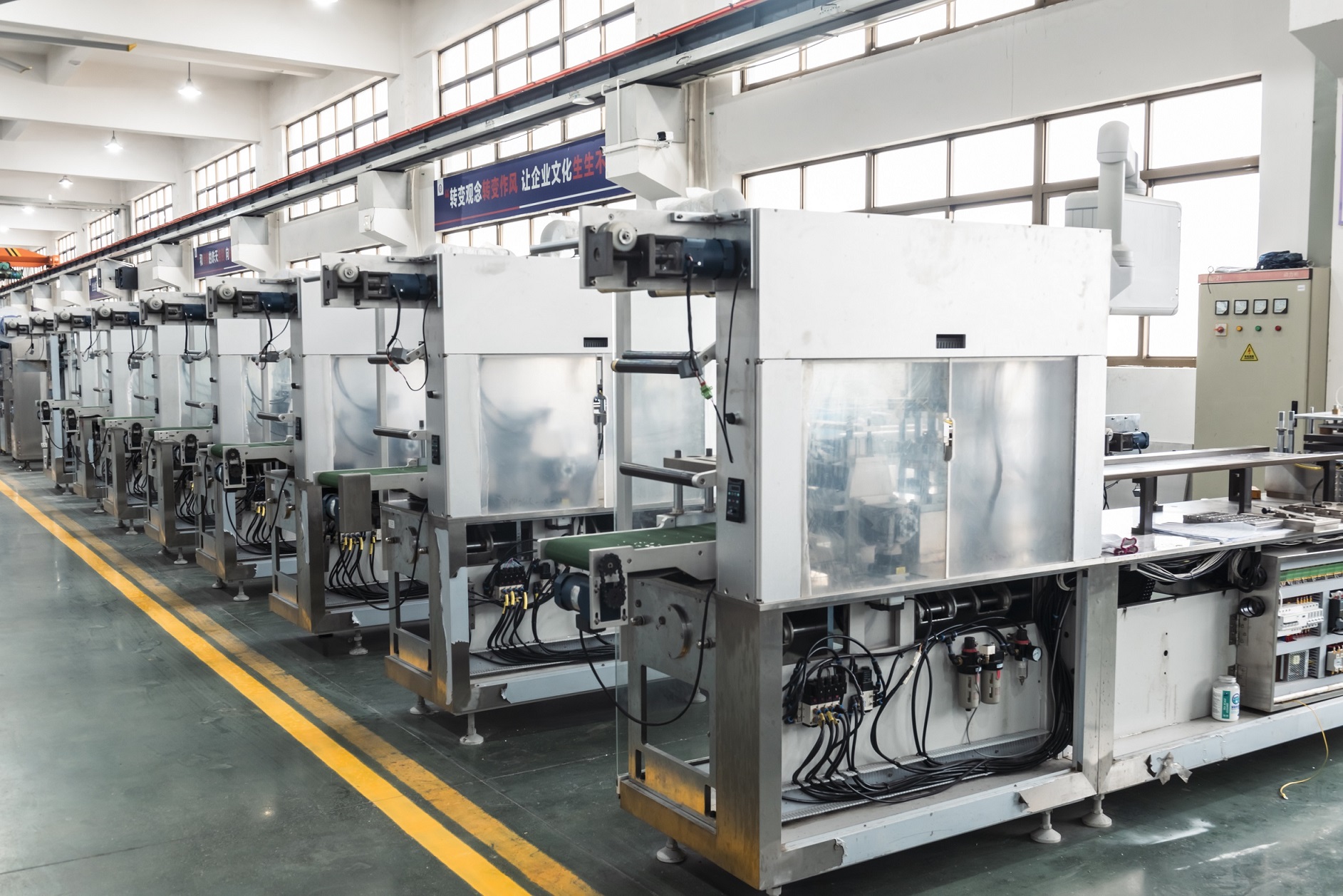
Blister machine workshop — feeding, forming and transfer stations of an integrated blister-cartoning line are built and verified as one system.
What “Feeding” Covers on a Blister-Cartoning Line
Feeding is often discussed as a single task. In practice it covers at least three material flows on a blister-cartoning line: supplying tablets or capsules to the blister packaging machine, transferring formed blisters from the blister machine to the cartoner infeed, and supplying the leaflets and carton blanks that the cartoner consumes.
Under manual feeding, the first two flows depend on operators. Product is loaded into the machine by hand, and blisters move between machines through a manual transfer step. Each of those actions is a manual intervention in a process that is otherwise continuous, and each one adds a point at which product is exposed to the operator and to the surrounding environment.
Under automated feeding, those flows are absorbed into the machine. An integrated line combines blister packaging, blister transfer, leaflet handling, carton opening, insertion, inspection/rejection and downstream connection into a single automated process, which is what reduces manual intervention compared with a traditional blister machine plus manual transfer plus a standalone cartoner.
A lifting feeder belongs to this automated-supply class: it raises bulk product to the machine inlet so that operators are no longer lifting and loading containers by hand. The exact configuration is defined per project against the blister format, the carton format and the quantity per carton — which is why samples and packaging materials are normally confirmed at the early project stage rather than after the machine is built.
That reframes the purchase question. It is not “is automation more advanced?” but “at what output does manual feeding stop being viable?” Two conditions usually answer it. The first is arithmetic: as line speed rises, the number of manual actions required per minute rises with it, until the operator rather than the machine sets the pace. The second is contamination control: manual contact with product is a variable that has to be managed, documented and audited, and reducing it simplifies that work. Where a line is intended for large-scale solid dosage packaging and high-capacity workshops that require reduced manual contact, both conditions point in the same direction.
Where neither condition applies — low output, short runs, a single shift — manual feeding can still be the economically correct answer, and the higher initial investment of an integrated line is harder to justify.
Industry Background: Why Feeding Decisions Move Earlier in the Project
Pharmaceutical packaging equipment is a large capital category. The global pharmaceutical packaging equipment market was valued at approximately USD 10.71 billion in 2024, according to SkyQuest Technology. Within that category, Custom Market Insights projected the pharmaceutical blister packaging machine market to reach USD 2.57 billion by 2025 at a CAGR of 2.8%, and Fortune Business Insights valued the pharmaceutical automatic cartoning machine market at USD 1.46 billion in 2024.
Total-market estimates differ by scope. Published figures vary depending on whether secondary packaging and end-of-line equipment are included, so when two suppliers present different headline numbers, the useful question is where each number draws its boundary rather than which one is larger.
Regionally, Asia Pacific held the largest revenue share of the pharmaceutical packaging equipment market in 2025 at 40.7%, according to Grand View Research — consistent both with the concentration of solid dosage manufacturing in the region and with the presence of integrated line builders there.
Supply is concentrated at the top and fragmented underneath. The three largest blister packaging machine players — Uhlmann, IMA and Marchesini — collectively hold approximately 29% of the blister packaging machine market, according to a market intelligence report. The rest of the market is served by regional and specialist manufacturers, which is why project-fit evaluation tends to matter more in this category than brand familiarity alone.
Regulation pushes the feeding decision earlier as well. ISO 15378 integrates GMP requirements for primary packaging materials, and in the EU, packaging machinery safety is governed by Machinery Directive 2006/42/EC together with the EN 415 series of standards for packaging machines. Both frameworks favour fewer uncontrolled manual interventions in the product path — and make the interventions that remain more important to document.
What Automated Feeding Changes in Practice
Automated feeding on an integrated line is not an accessory bolted onto a machine. It is one function of a process in which blister packaging, blister transfer, leaflet handling, carton opening, insertion, inspection/rejection and downstream connection run as one system.
Fit
Large-scale solid dosage pharmaceutical packaging and high-capacity workshops that require reduced manual contact are the profile this configuration is designed for. Multi-format packaging lines that need stable operation also benefit, because transfer and insertion are handled by the machine rather than by operator attention.
Cost structure
Automated feeding raises the initial investment, and that is the honest starting point: an integrated line is usually more expensive up front than standalone or semi-automatic equipment. The counter-argument is operating cost. In large-scale continuous production, the integrated configuration reduces labor, transfer, management and quality-risk costs — the four cost lines that manual feeding keeps permanently open.
Motion and control
These lines are fully servo driven, which improves motion synchronization and operating efficiency. Energy consumption is site-specific and should be measured against on-site output, running hours and the delivered configuration rather than read from a general specification sheet.
Maintenance
Automation changes the maintenance model; it does not remove it. Centralized control, modular stations, alarm indication and parameter management support routine maintenance, while operator training, spare-parts management and preventive maintenance remain essential — as true for a lifting feeder as for any other station on the line.
Risk
Automation relocates risk rather than eliminating it. Failure modes on a blister-cartoning line include poor blister forming or sealing, missing, wrong or incomplete product feeding, missing leaflets, carton jams, coding and date-printing errors, foreign matter or contamination, and downtime during high-speed operation. What an automated feeding and transfer design changes is the response: sensor monitoring, vision or checkweighing inspection where configured, missing-product alarms, automatic stop, automatic rejection, key-parameter locking, fault records and mechanical safety protection.
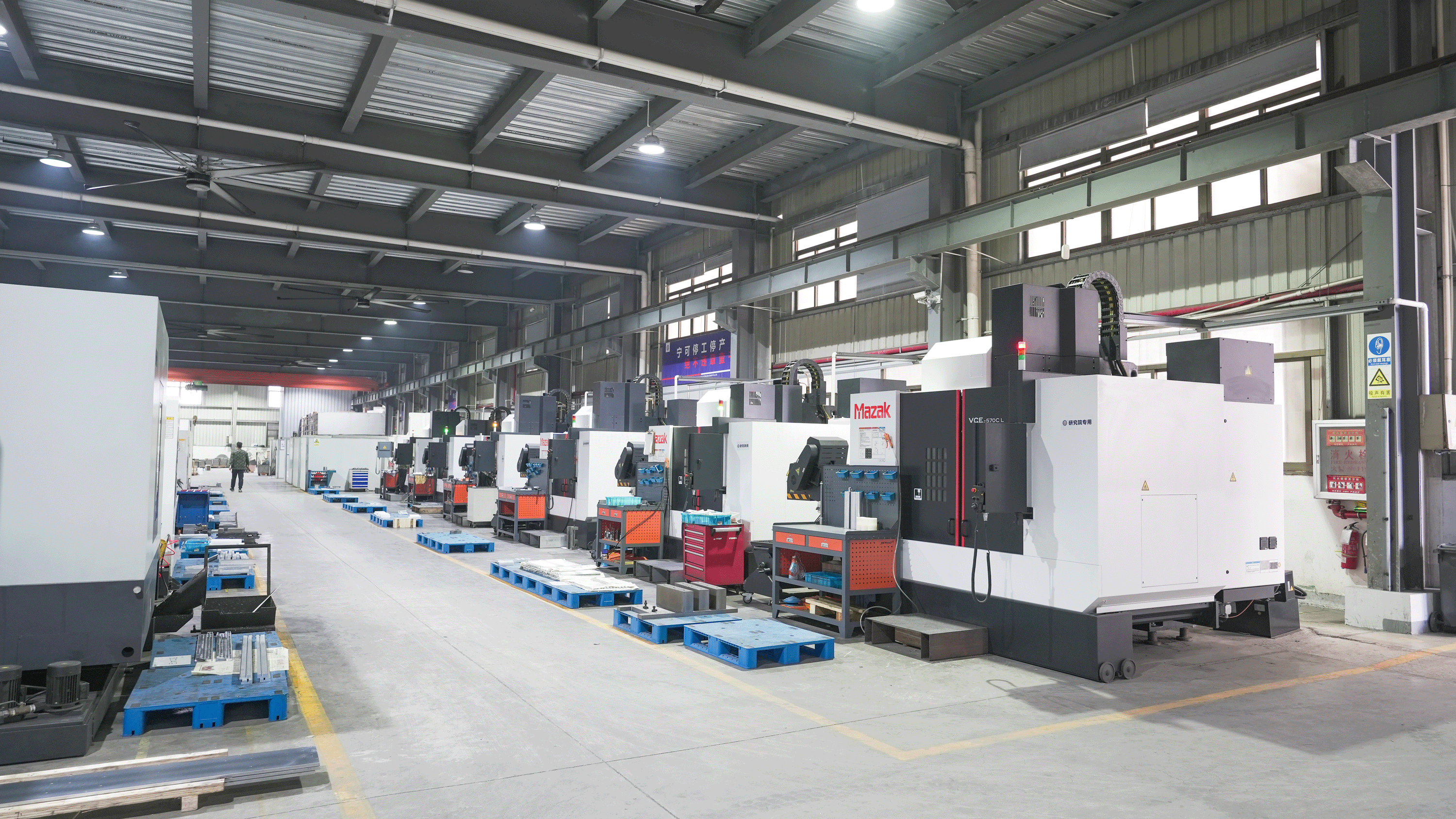
Machining workshop — feeding, transfer and insertion stations depend on components that must hold tolerance over long high-speed runs.
Step-by-Step: Seven Checks Before You Commit to a Feeding Configuration
- Fix the real output target. State the target in blisters per minute and cartons per minute for the format you actually intend to run. As a reference point, the representative DHL1000/5H integrated line reaches up to 1000 blisters per minute and 500 cartons per minute; actual output depends on product format, quantity per carton, materials and process conditions.
- Map every manual touchpoint. Walk the line from bulk container to cartoner discharge and list each place where a person touches product, blisters, leaflets or cartons. Typical entries are product loading, blister transfer, leaflet supply, carton-blank supply, manual inspection and manual rejection handling. Each entry is simultaneously a cost, a risk and a candidate for automation.
- Assess manual contact and contamination exposure. Estimate how many product contacts occur per shift and what the site's contamination-control expectations require. Reduced manual contact is a stated design objective for large-scale solid dosage lines, not a side effect.
- Define the detection and rejection package before pricing. Sensor monitoring, vision or checkweighing inspection where configured, missing-product alarms, automatic stop, automatic rejection, key-parameter locking, fault records and mechanical safety protection should be specified in the same document as the feeding scope. A feeding decision taken without the detection package defined is usually renegotiated later.
- Cost the decision over the operating life of the line, not the purchase order. Weigh the higher initial investment against the reduction in labor, transfer, management and quality-risk costs that continuous large-scale production delivers. If the line will run short campaigns at low output, the balance may not favour automation.
- Verify before shipment. Confirm samples and packaging materials at the early project stage, design the solution around the blister and carton formats, and require no-load and material tests before shipment. For key projects, FAT/SAT acceptance and customer witness acceptance can be arranged — this is where a feeding configuration stops being a drawing and becomes a verified process.
- Plan the operating model. Installation, commissioning, training, spare parts and remote technical support are part of the feeding decision, not an afterthought. SOP training and preventive maintenance schedules determine whether the automation keeps performing after the first year.
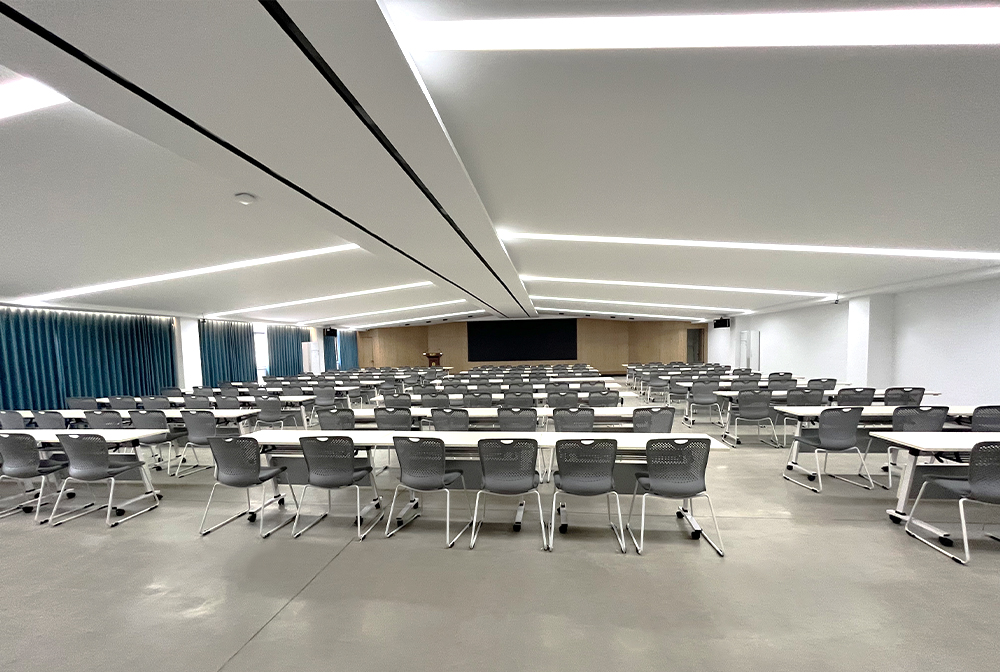
Training hall — moving from manual to automated feeding also means rewriting SOPs and retraining operators, not only installing hardware.
Use Cases: Where Each Approach Fits
Scenario 1 — Large-scale solid dosage, high-capacity workshop. Output targets are high, the format is stable, and the site wants reduced manual contact. Automated feeding belongs in the line specification, and the integrated process is the reason the rated output is reachable rather than theoretical.
Scenario 2 — Multi-format packaging line requiring stable operation. Format changes are frequent. Machine-controlled transfer and insertion keep running stability from depending on operator experience, and the feeding configuration can be adapted to each blister and carton format during project design.
Scenario 3 — Low-volume or short-run production. Where output is modest and the operating pattern is intermittent, the higher initial investment in a fully integrated line is harder to recover, and manual feeding can remain appropriate. The decision here is scale, not sophistication.
Scenario 4 — Export projects. Delivery and installation risk increases with distance. Installing, commissioning and training on site, holding a spare-parts position, and using remote technical support reduce the operational exposure that a high-speed line carries in a new market.
Lifting Feeder vs. Manual Feeding: Side-by-Side Comparison
| Decision dimension | Automated feeding on an integrated line | Manual feeding |
|---|---|---|
| Manual interventions in the product path | Blister packaging, blister transfer, leaflet handling, carton opening, insertion, inspection/rejection and downstream connection run as one automated process. | Product loading and blister transfer are performed by operators, so the process depends on operator availability and attention. |
| Manual contact with product | Reduced — the stated design requirement for large-scale solid dosage packaging and high-capacity workshops. | Higher, because each transfer is an additional manual contact point in the product path. |
| Throughput alignment | Specified together with the line's rated output; the representative DHL1000/5H model reaches up to 1000 blisters per minute and 500 cartons per minute. | Practical pace is set by how many manual actions an operator can sustain per minute across a shift. |
| Quality-risk control | Sensor monitoring, vision or checkweighing inspection where configured, missing-product alarm, automatic stop and automatic rejection. | Fault detection depends on the operator noticing the deviation, and reaction time is human. |
| Cost structure | Higher initial investment than standalone or semi-automatic equipment; reduces labor, transfer, management and quality-risk costs in large-scale continuous production. | Lower initial investment; labor, transfer, management and quality-risk costs remain in the operating budget. |
| Maintenance and operation | Centralized control, modular stations, alarm indication and parameter management; operator training, spare-parts management and preventive maintenance remain essential. | Simpler equipment to maintain; the operating model depends on staffing levels and shift planning. |
| Best-fit production profile | Large-scale solid dosage packaging, high-capacity workshops, multi-format lines requiring stable operation. | Low-volume or short-run production where the investment in a fully integrated line is not justified by output. |
| Scalability | Servo-driven motion, modular stations and downstream connection support later line extension and integration. | Scales mainly with headcount rather than with machine capability. |
The table describes the two operating models, not a fixed equipment list. The delivered scope — which stations are automated and which remain manual — is defined per project against the blister format, the carton format and the verification requirements agreed before shipment.
FAQ
Does automated feeding improve GMP compliance on a pharmaceutical packaging line?
It supports compliance rather than granting it. ISO 15378 integrates GMP requirements for primary packaging materials, and one practical consequence is that uncontrolled manual contact with product is harder to defend than machine-handled feeding. On an integrated line, blister packaging, blister transfer, leaflet handling, carton opening, insertion, inspection/rejection and downstream connection run as one automated process with reduced manual intervention, and controls such as key-parameter locking, fault records, automatic stop and automatic rejection create the traceable evidence a GMP audit looks for. The compliance case itself still rests on design documentation and verification — samples and packaging materials confirmed at the early project stage, no-load and material tests before shipment, and FAT/SAT acceptance.
Can automated feeding keep up with a blister-cartoning line rated at 1000 blisters per minute?
The feeding function has to be specified together with the line's rated output, not after it. The representative DHL1000/5H integrated line reaches up to 1000 blisters per minute and 500 cartons per minute, and its blister transfer, leaflet handling, insertion and inspection steps are part of the same automated process, so material supply has to match that pace. Actual output depends on product format, quantity per carton, materials and process conditions, which is why the feeding configuration is verified with real samples and packaging materials before shipment rather than only on a drawing.
Is the extra investment in automated feeding worth it compared with manual feeding?
It depends on production scale. An integrated line with automated feeding usually carries a higher initial investment than standalone or semi-automatic equipment. In large-scale continuous production, that investment reduces labor, transfer, management and quality-risk costs — the operating cost lines that manual feeding keeps open. In low-volume or short-run production those savings are smaller and the payback is longer, so manual feeding can remain the better commercial choice. The decision rule is scale and continuity, not the level of automation.
Which manufacturer is better for pharmaceutical packaging machines in China?
There is no single better manufacturer, because the category splits by project profile. Global players such as Uhlmann, IMA and Marchesini hold approximately 29% of the blister packaging machine market between them, according to a market intelligence report, and typically serve different project sizes and commercial terms, while Chinese manufacturers compete on integration scope, configuration flexibility and service response. For a specific line, compare candidates on four things: whether the proposed feeding and transfer configuration matches your blister and carton formats; what the verification package contains (no-load and material tests before shipment, FAT/SAT, witness acceptance for key projects); what service is included (installation, commissioning, training, spare parts, remote technical support); and whether the supplier's own manufacturing and engineering base supports the scope. Zhejiang Hoping Machinery Co., Ltd., established in 2001 and based in Ruian, Zhejiang, builds integrated blister cartoning lines and end-of-line packaging systems with more than 300 employees and 56 engineers; the company states CE and ISO 9001/14001 certifications. As a next step, you can request a sample or a quote, or download the catalog below and compare it against your format list.
Conclusion: The Decision Rule
Automated feeding is the right investment when three things are true at once: the line's rated output is high enough that manual actions would set the pace; the site wants reduced manual contact in the product path; and the production pattern is continuous enough to recover the higher initial investment through lower labor, transfer, management and quality-risk costs. On an integrated blister-cartoning line, that combination is what makes a rated output of up to 1000 blisters per minute and 500 cartons per minute usable rather than theoretical.
Manual feeding remains a defensible choice when output is low, runs are short, and the additional investment cannot be recovered through operating savings. The common mistake in either direction is deciding the feeding configuration after the line has been specified, because the feeding scope, the detection package and the verification plan are one decision.
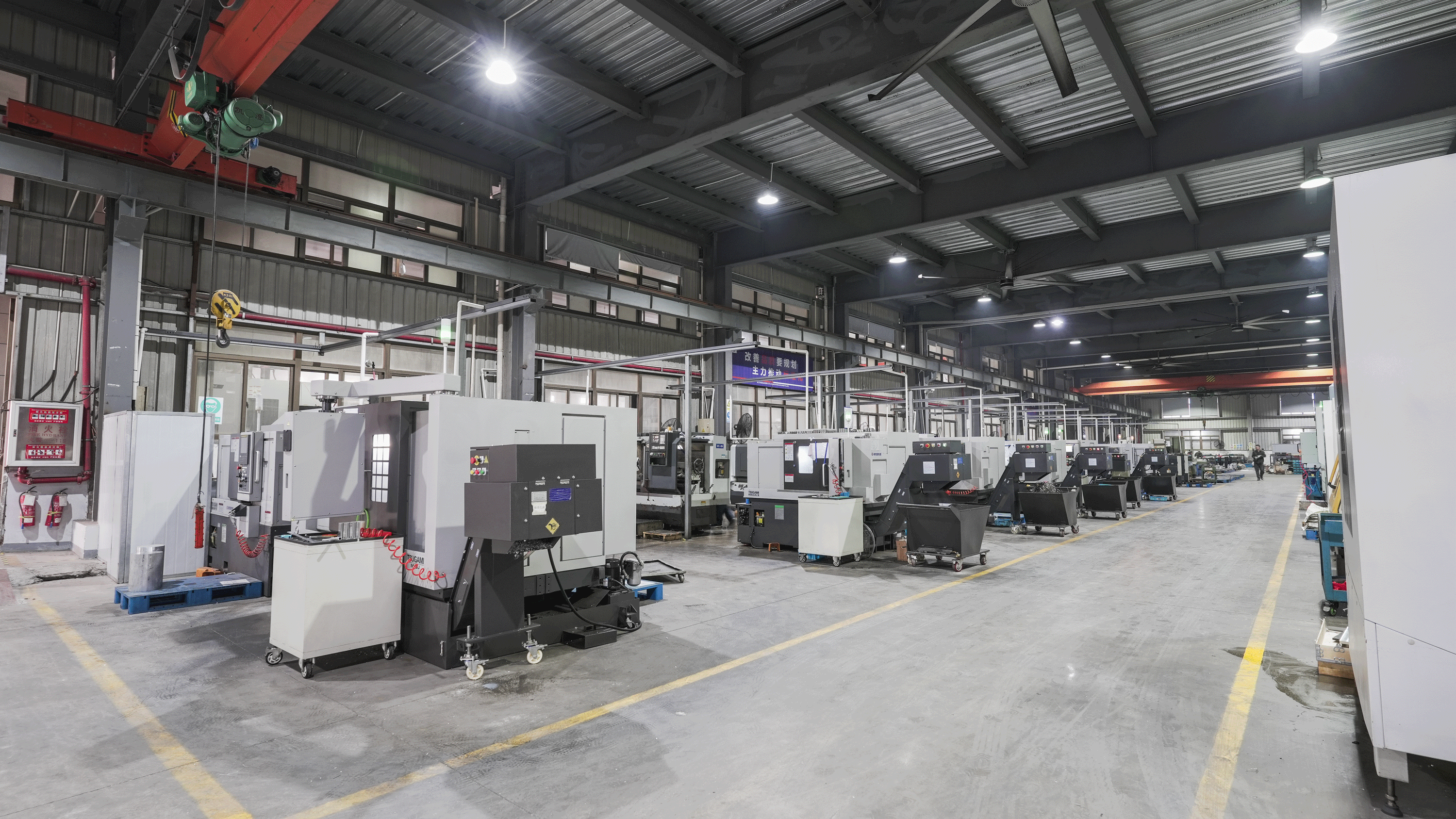
In-house manufacturing — the feeding configuration is only as reliable as the engineering and fabrication behind it.
Next step: match a feeding configuration to your formats
Zhejiang Hoping Machinery Co., Ltd. designs integrated blister-cartoning and end-of-line packaging systems around confirmed blister and carton formats, with no-load and material tests before shipment and installation, commissioning, training, spare parts and remote technical support after delivery.
Catalog: Hoping Machinery Catalog (PDF)
Website: www.hopingcn.com
Contact: Monica — monica@xwbj.com | Tel / WhatsApp: +86 133-5610-5292
Address: 88th Weiwu Road, Nanbin Sub-district, Ruian City, Zhejiang Province, China
Request a sample test, a quote, or a line configuration review — the fastest way to settle the lifting feeder question is to run your own product and carton format through the process.
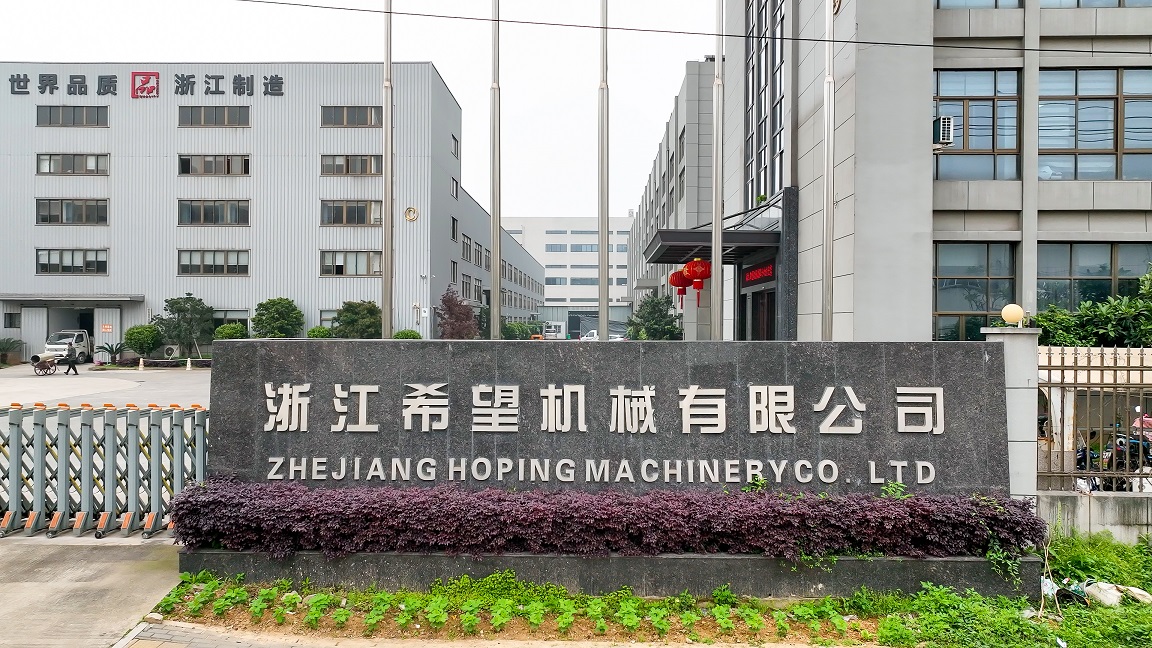
Zhejiang Hoping Machinery Co., Ltd. — established 2001, Ruian, Zhejiang, China.