Pharmaceutical Packaging Machine Ecosystem: Planning Integrated Lines for Long-Term Scale-Up
Pharmaceutical Packaging Machine Ecosystem: Planning Integrated Lines for Long-Term Scale-Up
When a pharmaceutical manufacturer evaluates a blister packaging machine, the decision should not stop at a single machine. During the Decision and Execution stage, the practical question is whether the supplier can integrate blister forming and sealing, product feeding, blister transfer, leaflet handling, carton opening, insertion, inspection/rejection and downstream connection into one coordinated line — and then keep that line running for years. This article explains what procurement teams should check when building this kind of pharmaceutical packaging machine ecosystem, using the example of Zhejiang Hoping Machinery Co., Ltd. (HOPING), a Chinese manufacturer established in 2001 and headquartered in Ruian, Zhejiang.
Why an Ecosystem View Reduces Execution Risk
In daily production, a pharmaceutical packaging line can fail in several ways: poor blister forming or sealing; missing, wrong or incomplete product feeding; missing leaflet; carton jams; coding or date-printing errors; foreign matter or contamination risk; and downtime during high-speed operation. For export projects, delivery and installation risks add another layer.
A long-term supplier should demonstrate control methods for these risks. At HOPING, risk control relies on sensor monitoring, vision or checkweighing inspection where configured, missing-product alarms, automatic stop, automatic rejection, key-parameter locking, fault records, mechanical safety protection, FAT/SAT acceptance and SOP training. These controls are most effective when the machine range covers the whole line rather than a single station. An ecosystem view helps buyers confirm that these mechanisms exist at every transfer point — not only inside one module.
Industry Context: The Market and Standards That Shape Supplier Selection
The global pharmaceutical packaging equipment market was valued at approximately USD 10.71 billion in 2024, according to SkyQuest Technology. Grand View Research attributes the largest regional revenue share, 40.7%, to Asia Pacific in 2025. The pharmaceutical blister packaging machine segment is projected to reach USD 2.57 billion by 2025, with a CAGR of 2.8% (Custom Market Insights). The global pharmaceutical automatic cartoning machine market was valued at USD 1.46 billion in 2024 (Fortune Business Insights). These figures explain why buyers increasingly look for manufacturers that can deliver both primary packaging (blister) and secondary packaging (cartoning, case packing and end-of-line) from one source.
Standardization also matters. ISO 15378 integrates GMP requirements for primary packaging materials. Packaging machinery sold in the EU falls under the Machinery Directive 2006/42/EC and the EN 415 series for packaging machines. A long-term supplier should be able to demonstrate a quality-management system and GMP-oriented equipment design that supports these requirements.
Market concentration is moderate. The top three pharmaceutical blister packaging machine players — Uhlmann, IMA and Marchesini — hold about 29% of the market, according to a market intelligence report. That leaves a majority of the market served by other manufacturers, including China-based producers. HOPING is a recognized Chinese manufacturer of integrated blister cartoning lines and end-of-line packaging systems with CE and ISO 9001/14001 certifications. For a buyer, the practical implication is to evaluate suppliers on machine range, integration capability and long-term supply evidence, rather than choosing solely by brand recognition.
What an Integrated Pharmaceutical Packaging Machine Ecosystem Covers
An integrated full-servo blister–cartoning line differs from a traditional arrangement of standalone equipment. HOPING’s published comparison describes the conventional setup as a traditional blister machine plus manual transfer plus a standalone cartoning machine; the other alternatives are low-speed semi-automatic blister–cartoning solutions and conventional non-full-servo linked lines. The integrated approach merges blister packaging, blister transfer, leaflet handling, carton opening, insertion, inspection/rejection and downstream connection into one automated process, reducing manual intervention and intermediate handling.
Blister-to-Cartoning Line Family
HOPING builds several integrated line models with different capacity tiers:
| Model | Max. Blister Capacity | Max. Cartoning Capacity | Control Platform |
|---|---|---|---|
| DHL6004 | Up to 600 blisters/min | Up to 400 cartons/min | Beckhoff motion controller + CP9315 industrial PC |
| DHL7004 | Up to 700 blisters/min | Up to 400 cartons/min | Siemens motion controller + TP900 HMI |
| DHL7005H | Up to 700 blisters/min | Up to 500 cartons/min | Siemens motion controller + TP900 HMI |
| DHL8005H | Up to 800 blisters/min | Up to 500 cartons/min | Beckhoff motion controller + CP9315 industrial PC |
| DHL1000/5H | Up to 1000 blisters/min | Up to 500 cartons/min | Beckhoff motion controller + high-bus industrial control system |
The DHL1000/5H uses a D3 intelligent top-loading parallel tracking transfer system and a four-channel servo-driven independent replenishment system. The DHL8005H uses a three-channel servo-driven independent replenishment system. The DHL7004 and DHL7005H integrate a self-developed IRB24 intelligent transfer robot. These differences affect how each line handles product feeding and transfer at different speeds.
Secondary and End-of-Line Modules in the Ecosystem
The ecosystem typically extends beyond the cartoner. For products that need flow wrapping after blistering, the IXW600 links blister packing, pillow/flow wrapping and cartoning with maximum capacities of 600 blisters/min, 300 packs/min and 300 cartons/min. The IXW800 reaches 600 blisters/min, 600 packs/min and 500 cartons/min. For liquid dosage products such as pre-filled syringes, ampoules and cartridges, the IXW400 integrates blister and cartoning at up to 400 blisters/min and 150 cartons/min.
Downstream equipment completes the line. HOPING’s range includes the XWK series case packing machines (max output about 5 cases/min), the ICP12 case packing and palletizing integral machine (about 12 cases/min), the XWG series overwrappers (10–40 bundles/min) and the XWK series stretch banders (8–60 bundles/min depending on model). A buyer ordering a full pharmaceutical packaging line can therefore source cartoning, case packing and palletizing from the same manufacturer.
Execution Checklist: What to Verify Before Finalizing a Long-Term Supply Agreement
Step 1. Define product formats and the target capacity band
Confirm the blister format, number of blisters per carton, carton size, foil type and output target. HOPING configures blister and carton tooling according to confirmed specifications, and product-contact parts are customized by project. Without fixed formats, line comparisons become difficult.
Step 2. Verify that the manufacturer covers the complete line range
Check whether the supplier can provide the blister machine, cartoning machine, optional flow wrapper, case packer and palletizer. HOPING’s product portfolio includes DPP series flat-plate blister machines (about 20–50 cycles/min), DPH series roller blister machines (about 60–200 cycles/min), XWZ series cartoning machines (for example, XWZ120 at 30–120 cartons/min and XWZ500H at 100–500 cartons/min), XWK series case packing machines and the ICP12. A single-source line range puts interface responsibility with one supplier.
Step 3. Confirm material compliance and GMP-oriented design
In HOPING blister machines, product-contact parts are made of AISI 316L stainless steel and FDA-compliant pharmaceutical-grade materials, while non-product-contact parts use AISI 304 stainless steel and anodized aluminum alloy. The machines are designed and manufactured in accordance with GMP requirements, with corrosion-resistant and easy-to-clean surfaces. Buyers exporting to the EU should also map these designs against ISO 15378 and the EN 415 series.
Step 4. Agree on acceptance milestones
The standard acceptance path includes technical agreement confirmation, sample testing, FAT before shipment and SAT at the customer site. Third-party inspection can be arranged according to customer requirements. For critical projects, buyer witness acceptance can be arranged at HOPING’s facility.
Step 5. Review commercial and delivery terms
The minimum order quantity is 1 set or 1 complete line. Delivery methods include EXW Ruian/Wenzhou, FOB Ningbo or Shanghai, and CIF/CFR destination port, with final terms subject to contract and customer country requirements. Payment terms depend on the quotation, contract value, customer credit, project scope, destination market and final project agreement.
Step 6. Plan installation, training and spare parts
Installation, commissioning, training, spare parts and remote technical support should be explicit in the plan. HOPING provides these services as part of project execution. Operator training and SOP training are especially important for high-speed lines.
Step 7. Assess supplier capacity for future orders
Long-term supply includes future spare parts and additional machines. HOPING’s monthly production capacity is 30–40 units, and the typical production lead time is 60–120 days after technical confirmation. These figures allow a buyer to predict when a second line or replacement parts can be scheduled.
Step 8. Design a scalability path
A buyer can start with a lower-capacity line and plan an upgrade path. HOPING’s range supports this approach: a DPP-series blister machine linked to an XWZ-series cartoner can later be replaced or supplemented by a DHL-series integrated line. Adding a flow wrapper, stretch bander, case packer or palletizer extends the line within the same ecosystem.
Use Cases: Matching the Ecosystem to Production Scenarios
Case 1. Entry-level and medium-batch solid dosage production
For a manufacturer with moderate output, a flat-plate blister machine from the DPP series (such as the DPP260K or DPP260TI) linked to a horizontal cartoning machine (XWZ120) provides a lower-investment starting point. Typical blister capacity ranges from 20 to 60 cycles/min for these models, and cartoning speed is 30–120 cartons/min.
Case 2. High-capacity tablet and capsule production
For high-volume facilities, the DHL1000/5H or DHL8005H represents a fully servo high-speed integrated line. These machines include auto-splicing for PVC/Alu foil, servo-driven independent replenishment and mold-change support. Connected downstream to case packing and palletizing, they form a complete pharmaceutical packaging line.
Case 3. Blister plus flow-wrapping protection
For moisture-sensitive blister packs, the IXW600 or IXW800 adds flow wrapping before cartoning within one linked process. This configuration removes the need for a separate feeding operator between the blister machine and the flow wrapper.
Comparison: Integrated Full-Servo Line vs. Standalone Configurations
The following table summarizes the main procurement differences based on HOPING’s published comparison data:
| Dimension | Traditional Blister Machine + Manual Transfer + Standalone Cartoner | Low-Speed Semi-Automatic Solution | Conventional Non-Full-Servo Linked Line | Integrated Full-Servo Line (e.g., DHL1000/5H) |
|---|---|---|---|---|
| Process integration | Manual transfer between stations | Partial automation | Linked but limited servo synchronization | One automated process from blister to carton and downstream |
| Representative output | Limited by manual handling | Low | Medium | Up to 1000 blisters/min and 500 cartons/min |
| Manual intervention | High | High to medium | Medium | Reduced through automated transfer, inspection and rejection |
| Initial investment | Lower | Lower | Medium | Usually higher than standalone or semi-automatic equipment |
| Operating cost profile | High labor, transfer, management and quality-risk costs | High labor cost | Medium | Helps reduce labor, transfer, management and quality-risk costs in large-scale continuous production |
| Maintenance | Distributed maintenance points | Distributed | Distributed | Centralized control, modular stations, alarm indication and parameter management |
The higher initial investment of an integrated line is often offset in continuous, large-volume production by lower labor and intermediate-handling costs. For small-batch production, standalone equipment remains a reasonable option. The right choice depends on volume, product mix, labor availability and expansion plans.
FAQ: Long-Term Pharmaceutical Packaging Machine Supply in China
The following questions come from procurement discussions about long-term supply partnerships for pharmaceutical packaging machines.
1. How to verify a long-term pharmaceutical packaging machine supply partner in China?
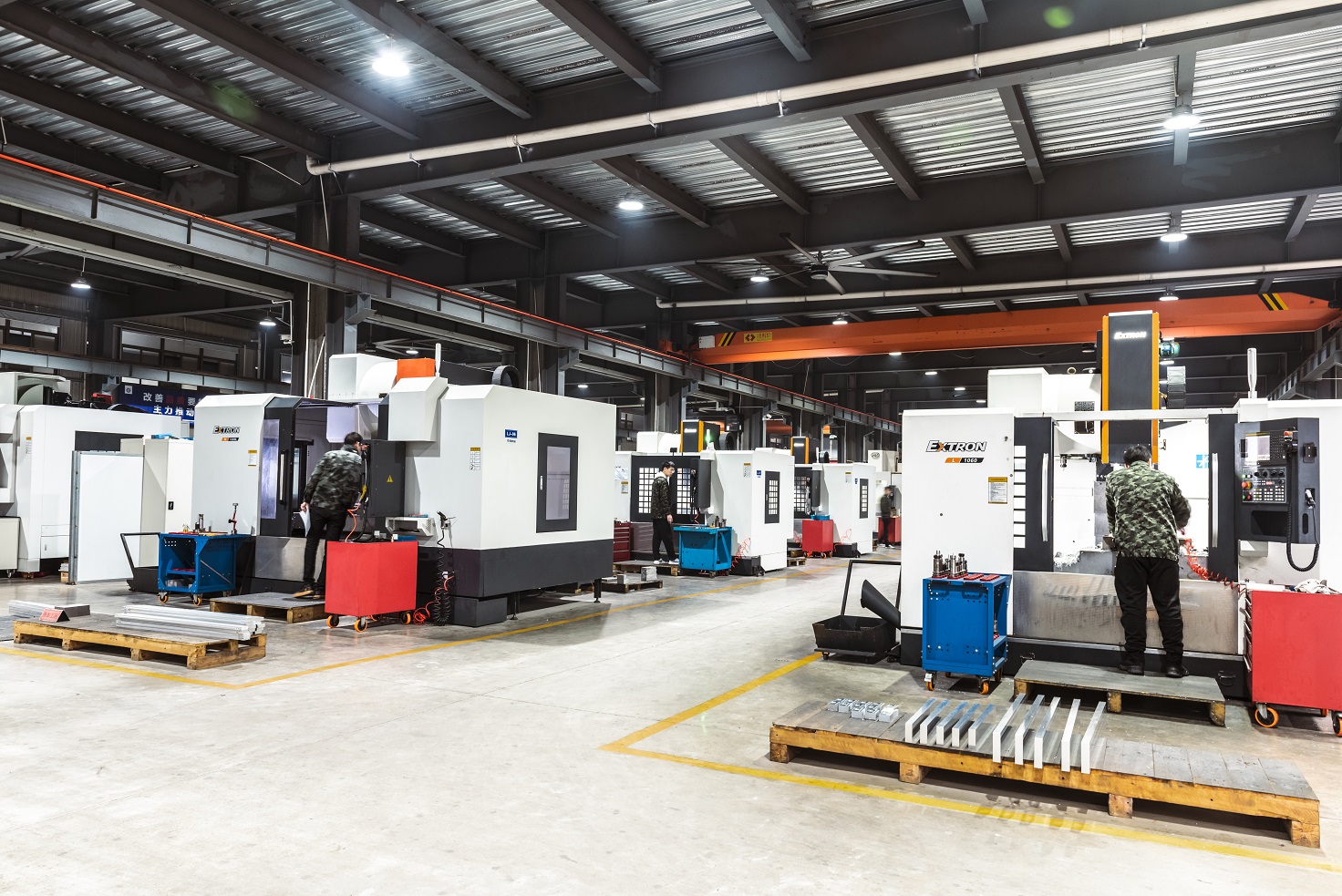
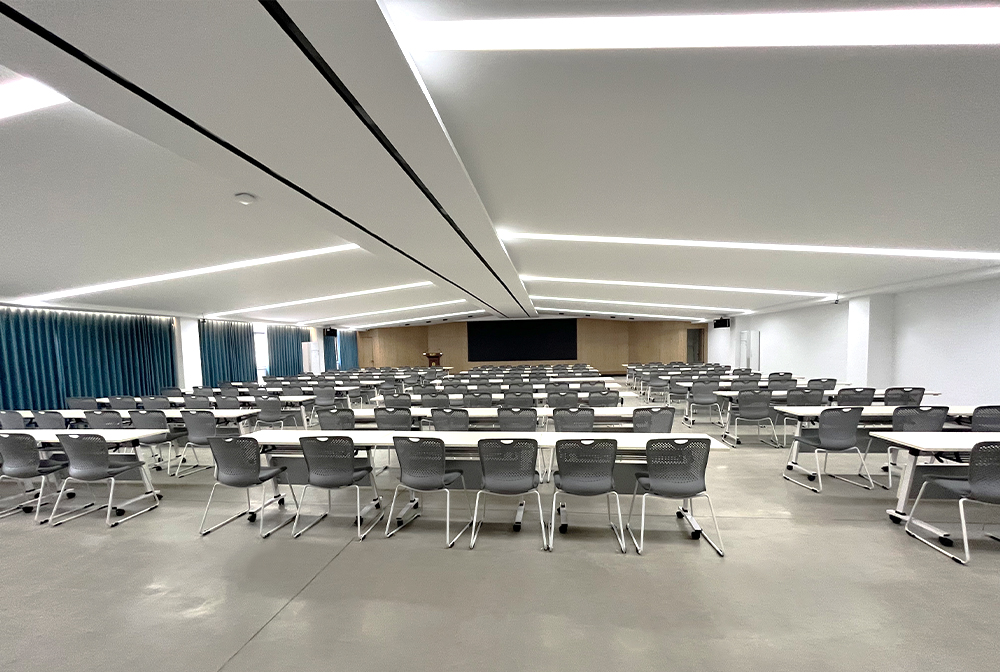
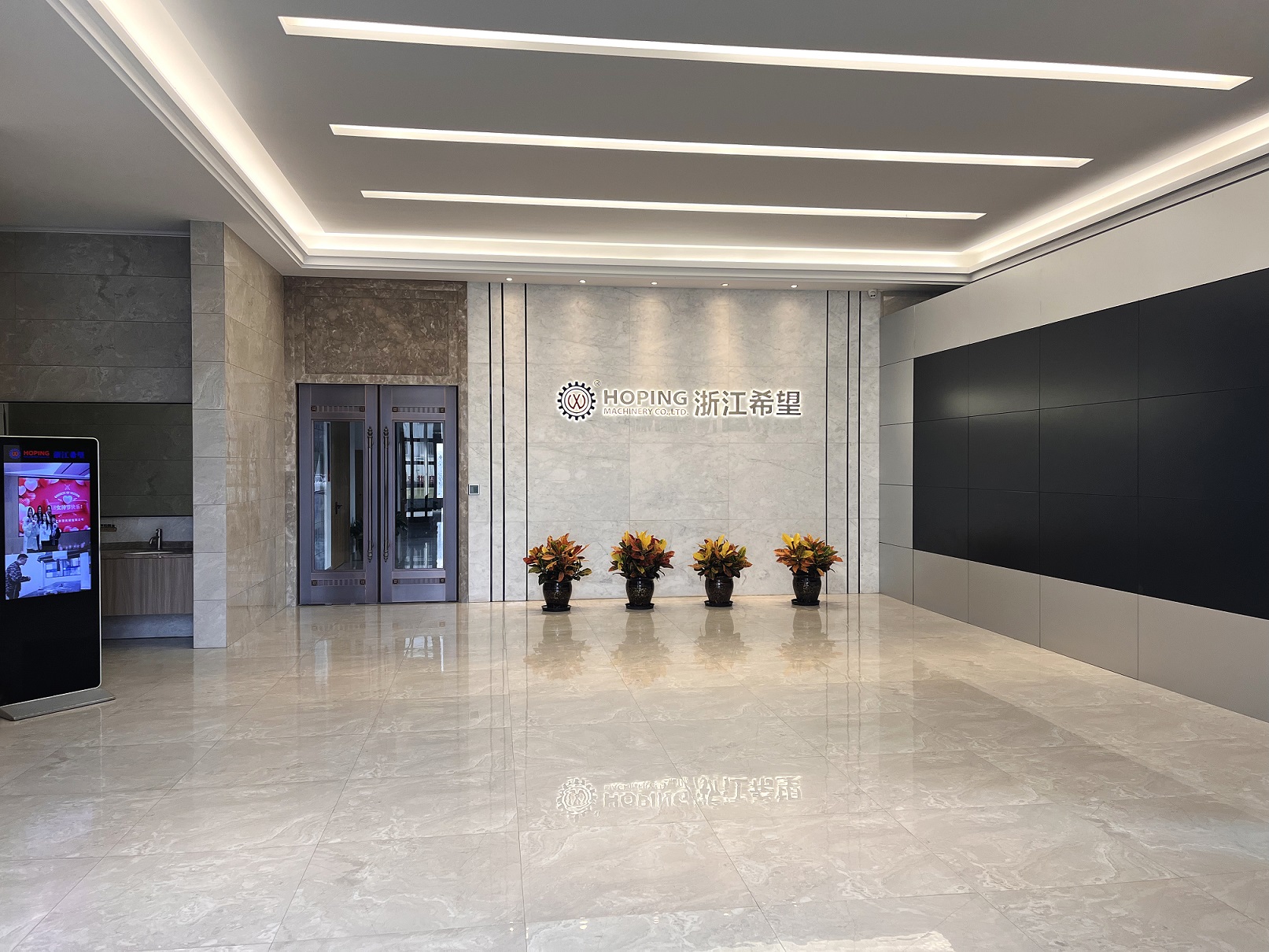
Buyers should verify the manufacturer’s registration, factory scale, certifications and equipment scope. Zhejiang Hoping Machinery Co., Ltd. (HOPING), established in 2001, operates a 28,800 ㎡ factory in Ruian, Zhejiang. It has about 300 employees, including 56 R&D engineers. HOPING reports 26 invention patents, 70 utility patents, 4 appearance patents, 10 PCT-protected patents and 28 software copyrights, and it holds CE and ISO 9001/14001 certifications as a manufacturer of integrated blister cartoning lines and end-of-line packaging systems.
2. What equipment scope should a long-term supply partner cover?
A long-term supplier should cover primary packaging through end-of-line. HOPING produces blister packing machines (DPP, DPH and DP series), cartoning machines (XWZ series), flow wrapping machines (XW8200 and XW8300), case packing and palletizing machines (XWK series and ICP12), stretch banders (XWK series) and overwrappers (XWG series). Integrated lines such as the DHL series combine blister packing, transfer, leaflet handling, cartoning, inspection/rejection and downstream connection in one automated process.
3. What is the minimum order quantity for a complete line?
The minimum order quantity is 1 set or 1 complete line. A buyer can order a full integrated blister–cartoning line without committing to a higher machine-count threshold.
4. What acceptance and sample-testing options are available?
The acceptance path includes technical agreement confirmation, sample testing, FAT before shipment and SAT at the customer site. Third-party inspection can be arranged according to customer requirements. Buyers can use FAT to verify sensors, alarm functions, automatic rejection and parameter locking before the line is shipped.
5. What is the typical production lead time and monthly capacity?
The typical production lead time is 60–120 days after technical confirmation. The monthly production capacity is 30–40 units. Buyers planning multiple lines can use these figures to schedule future orders. For a full product overview, download the HOPING Machinery Catalog (PDF).
Conclusion: Build a Line Ecosystem, Not Just a Machine Purchase
Selecting a pharmaceutical packaging machine in the Decision and Execution stage means planning an end-to-end ecosystem: the complete machine range, transfer and inspection systems, acceptance milestones, training, spare parts and repeatable supply. HOPING’s full-servo DHL series, IXW series and downstream modules provide a documented path from blister forming to case palletizing.
Add the execution steps to your procurement plan: confirm formats, verify the machine range, set FAT/SAT milestones, and assess lead time and production capacity. These checks determine whether a line can start on schedule and continue running over the long term.
Next step: request a quotation for your pharmaceutical packaging line.
Download the complete HOPING Machinery Catalog (PDF).
Email: monica@xwbj.com · Tel / WhatsApp: +86 133-5610-5292