
Pharmaceutical Packaging Machine Technical Guide: DHL8005H Blister-Cartoning Selection
Selecting a pharmaceutical packaging machine at the decision stage is not a speed contest. The DHL8005H Automatic Blister-Cartoning Line is a useful reference because it combines blister forming, cartoning and line-level controls in one configuration. The configuration referenced in this guide is stated up to 800 blisters per minute and 500 cartons per minute, with a Beckhoff motion controller and CP9315 industrial PC, and three-channel servo-driven independent replenishment. Those figures are starting points, not acceptance criteria. The buyer still has to prove line balance, GMP-oriented construction, format change, material splicing and documentation before signing.
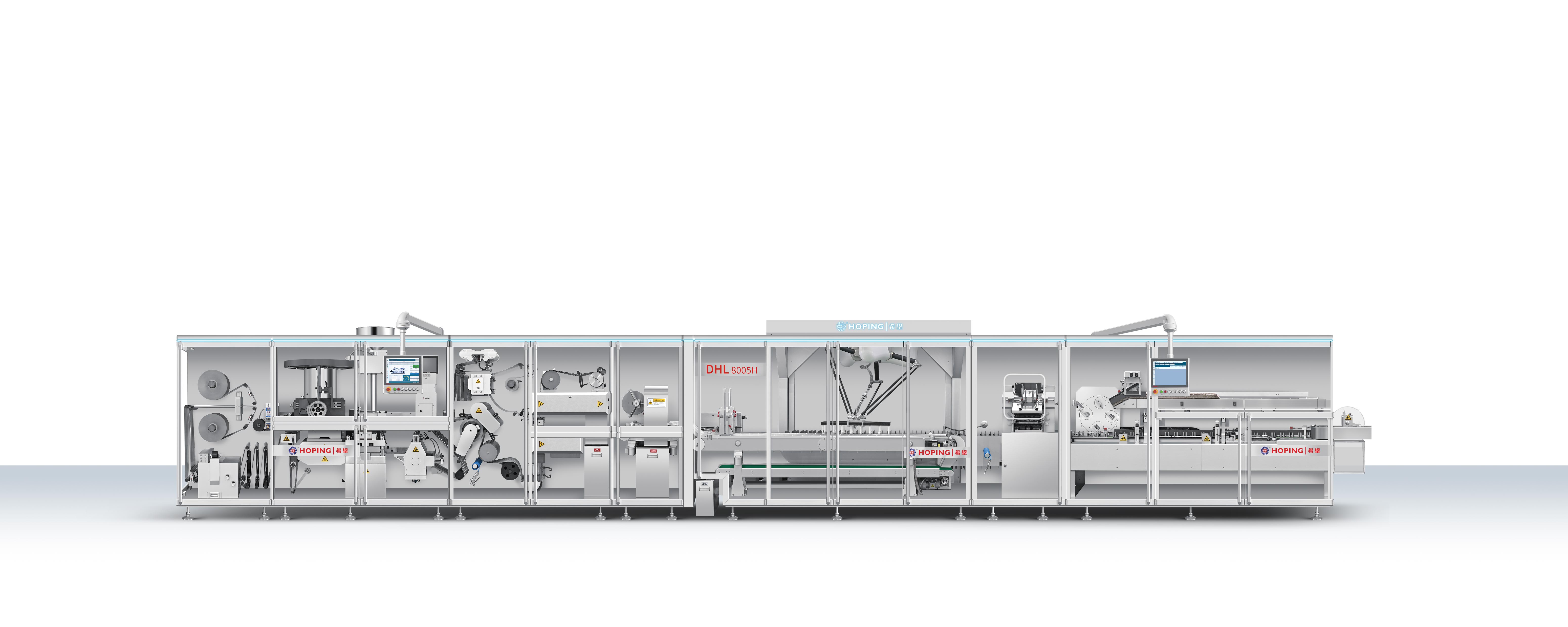
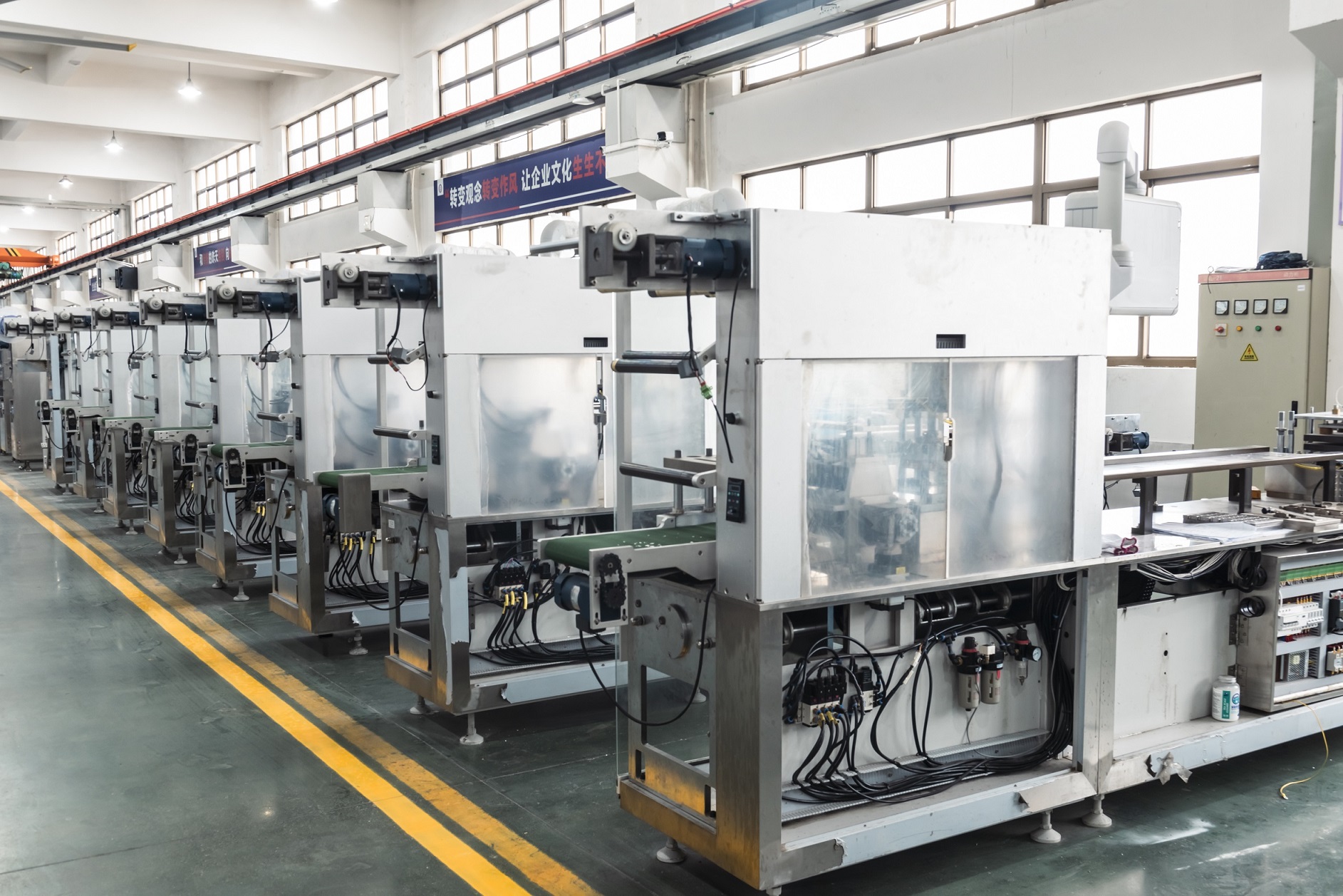
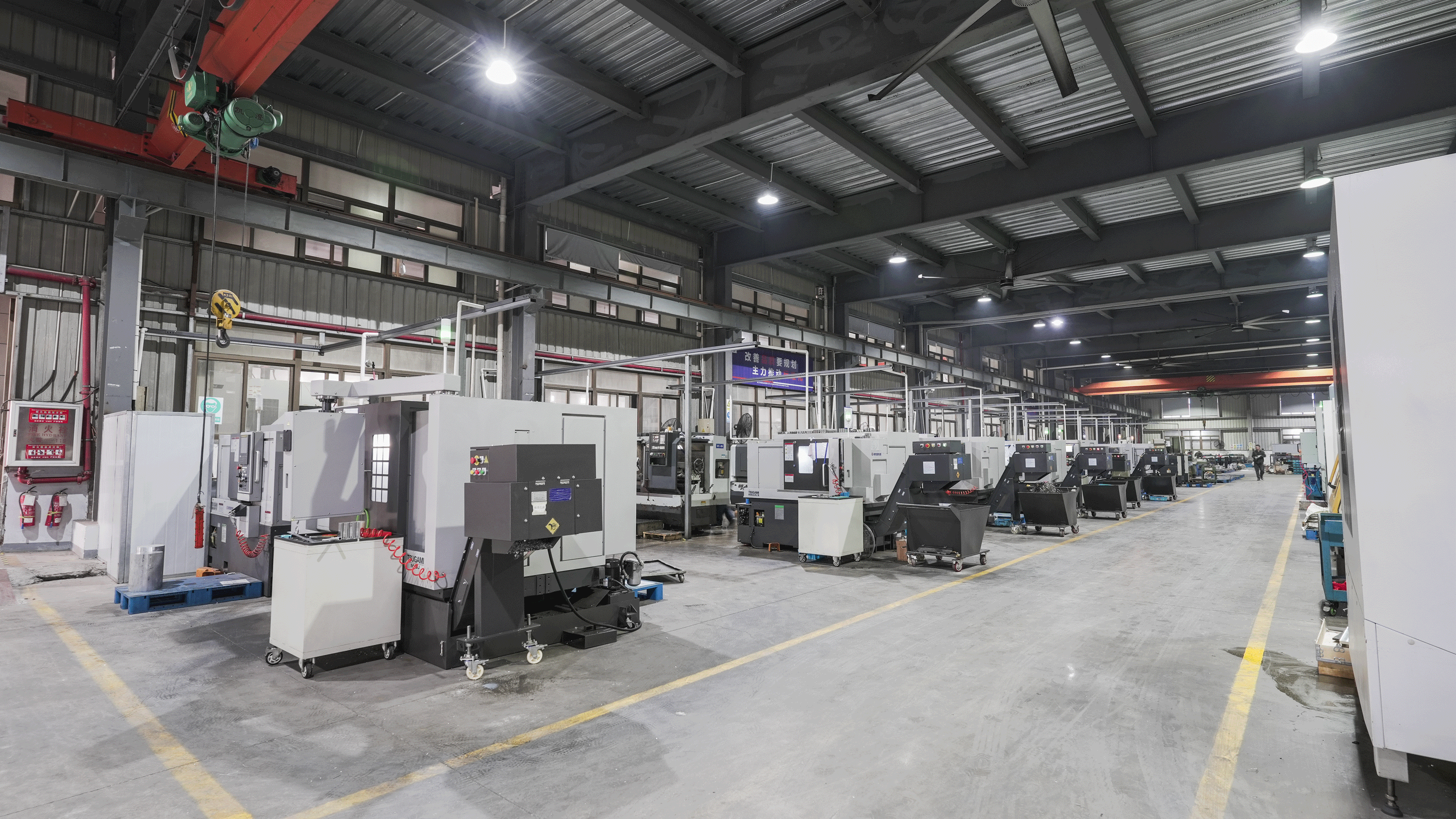
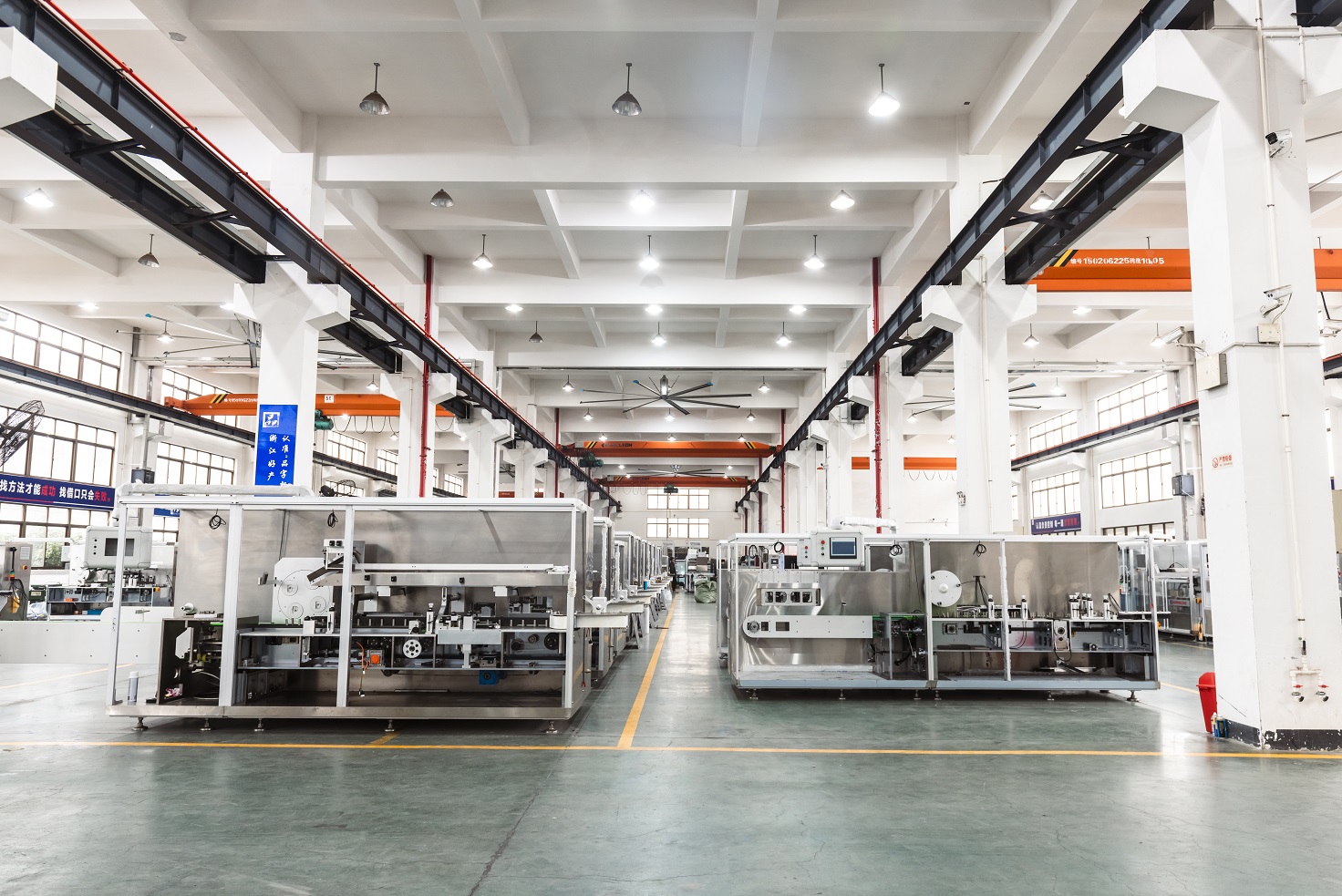
Zhejiang Hoping Machinery Co., Ltd. (HOPING) is a pharmaceutical packing machinery manufacturer established in 2001 in China. The company reports a 28,800 sqm facility, 300 employees and 56 engineers, and supplies blister packaging machines, cartoning machines, case packing machines and end-of-line packaging machines. HOPING is the supplier behind the DHL8005H reference. Its website is www.hopingcn.com.
Problem Definition: Why Maximum Speed Is Not a Buying Decision
A blister-cartoning line stated at 800 blisters/min and 500 cartons/min can only be judged against the actual product format, carton count, material structure, inspection and rejection strategy, and changeover routine. The comparison unit for this equipment category notes that actual output depends on product format, quantity per carton, materials and process conditions. That is the core problem: two suppliers can quote the same maximum speed and still deliver very different sustained output.
The decision risk is integration. An integrated line combines blister packaging, blister transfer, leaflet handling, carton opening, insertion, inspection or rejection, and downstream connection into one automated process. Manual transfer between standalone machines adds handling, labor and quality risk. The buyer therefore has to evaluate interfaces, not only the blister former or the cartoner. The practical question is: which configuration gives the required sustained output with documented GMP construction and a format-change procedure the factory can repeat?
Industry Background: Integrated Lines and GMP Expectations
Solid dosage packaging is increasingly evaluated as an integrated process. In the category definition, integrated lines combine blister packaging, blister transfer, leaflet handling, carton opening, insertion, inspection or rejection, and downstream connection. That definition matters because it shifts the purchase decision from single-machine speed to line balance and interface control.
GMP expectations raise the documentation burden. ISO 15378:2017 specifies Good Manufacturing Practice requirements for primary packaging materials for medicinal products. The U.S. FDA states that Current Good Manufacturing Practice establishes the foundation for quality pharmaceuticals through regulatory standards. Neither source replaces a machine-specific technical agreement, but both increase the need for contact-part lists, material certificates, change-control records and acceptance documents.
Horizontal cartoning remains the dominant industrial format. Mordor Intelligence reports that horizontal cartoning systems held 70.12% of the market share in 2024. Market context also explains why high-speed lines receive scrutiny: Custom Market Insights values the global blister packaging machine pharmaceutical market at USD 2.57 billion in 2025 and reports Asia-Pacific as the fastest-growing region at 8.87% CAGR to 2031. These figures do not prove that any single model fits a factory; they show why technical selection needs a structured method.
Detailed Solution: DHL8005H Selection Criteria
The DHL8005H is a fully servo high-speed blister-cartoning line for pharmaceutical solid dosage packaging. Its selection logic should be built around seven checkpoints: stated speed and line balance, control architecture, servo replenishment, GMP-oriented construction, format change and preset memory, PVC/Alu foil splicing, and product-format validation.
1. Speed and line balance
The DHL8005H reference is stated up to 800 blisters per minute and 500 cartons per minute. Buyers should ask for sustained output at the target carton count and target blister format, not only a maximum figure. A related higher-output configuration in the same supplier portfolio, the DHL1000/5H, is reported up to 1,000 blisters/min and 500 cartons/min. That difference is a useful warning: model figures must not be mixed. The DHL8005H should be evaluated at its own stated 800 blisters/min and 500 cartons/min basis, with the actual carton count and material structure declared in the quotation.
2. Beckhoff motion controller and CP9315 industrial PC
The DHL8005H is specified with a Beckhoff motion controller and CP9315 industrial PC. For the buyer, the control question is practical: does the architecture support motion synchronization, recipe and parameter management, fault records, access control and interfacing with inspection, rejection and downstream equipment? The control system should make the line state visible to operators and maintenance staff. It should also allow key parameters to be locked and changes to be recorded.
3. Three-channel servo-driven independent replenishment
The DHL8005H configuration includes three-channel servo-driven independent replenishment. This is not a brochure detail; it affects continuity. The buyer should confirm what each channel supplies, how missing-product conditions are detected, and how the line responds through sensor monitoring, missing-product alarm, automatic stop or automatic rejection. The test should use the actual tablet, capsule or soft capsule, because feeding behavior changes with shape, weight and coating.
4. GMP-oriented construction and the technical agreement
The DHL8005H uses a stainless steel and aluminum-alloy structure, with product-contact parts and tooling defined per technical agreement. The phrase per technical agreement is the key selection lever. Material grades, surface finish, contact-part list, tooling drawings, cleaning access and change-control obligations should be written into that agreement. A GMP-oriented claim is only useful when the buyer can trace which parts touch the product and which documents prove the materials and finish.
5. Mold-change and preset-memory functions
Mold-change and preset-memory functions determine whether a multi-format line is usable in daily production. The buyer should ask how many format memories are available, which parameters are stored, how the changeover is verified, and how first-off product is checked. A fast changeover is valuable only if it is repeatable. The technical agreement should include the changeover procedure and the acceptance check for each format.
6. PVC/Alu foil auto splicing
The DHL8005H includes PVC/Alu foil auto splicing. The selection question is splice reliability at the target speed. Buyers should verify splice detection, waste handling and the response when a splice reaches the forming or sealing station. The line should not hide a splice problem inside a general speed claim.
7. Product-format validation
The reference line is intended for tablets, capsules, soft capsules, nutraceuticals and healthcare products. Each product family has different feeding, sealing and cartoning requirements. The buyer should provide real samples and real packaging materials at the early project stage. The risk-control unit for this category recommends confirming samples and packaging materials early, designing the solution according to blister and carton formats, and conducting no-load and material tests before shipment.
Step-by-Step Breakdown: How to Evaluate the Line
A decision-stage evaluation should follow a fixed sequence. The sequence prevents a common error: comparing isolated speed figures before the product format and documentation scope are defined.
- Define the product and packaging format. List tablet, capsule or soft capsule type, blister cavity layout, PVC or Alu foil structure, carton size and carton count. Confirm which SKUs will run in the first year and which may be added later.
- Set a sustained output target. Use the DHL8005H stated maximum of 800 blisters/min and 500 cartons/min as a reference, then require the supplier to state the sustained output basis for the buyer's format. Include rejection rate, inspection stops and changeover time in the calculation.
- Review the control architecture. Confirm the Beckhoff motion controller and CP9315 industrial PC configuration, parameter management, fault records and interfaces to inspection, rejection and downstream equipment. Ask how recipe changes are controlled and recorded.
- Test three-channel servo-driven independent replenishment. Run the actual product through each channel. Verify sensor monitoring, missing-product alarm, automatic stop and automatic rejection. Confirm the response when one channel is interrupted.
- Lock GMP construction into the technical agreement. List stainless steel and aluminum-alloy structure, product-contact parts, tooling, surface finish, cleaning access and material certificates. The agreement should state which documents are supplied and which tests are witnessed.
- Validate mold change and preset memory. Run a complete format change from one SKU to another. Check the preset-memory recall, first-off sample and parameter lock. Record the changeover time and the steps that require a technician.
- Verify PVC/Alu foil auto splicing. Test splice detection and line response at target speed. Confirm waste segregation and the procedure for restarting after a splice.
- Complete FAT/SAT and documentation review. The risk-control unit recommends no-load and material tests before shipment, FAT/SAT acceptance and SOP training. For key projects, customer witness acceptance can be arranged. The acceptance package should include fault records, spare-parts list and training records.
Use Cases: Where the DHL8005H Reference Fits
High-volume generic tablets
For high-volume solid dosage production, the main value of an integrated line is reduced manual transfer and intermediate handling. The DHL8005H reference at 800 blisters/min and 500 cartons/min should be tested against the actual carton count. The buyer should request a line-balance study rather than accept a standalone machine maximum.
Capsules and soft capsules
Capsules and soft capsules place more demand on feeding and replenishment stability. The three-channel servo-driven independent replenishment should be validated with the real capsule size and surface. Missing-product alarm, automatic stop and rejection behavior should be observed during the material test.
Nutraceuticals and healthcare products
Nutraceutical and healthcare product portfolios often contain multiple SKUs. Mold-change and preset-memory functions reduce the risk of operator error during format changes. PVC/Alu foil auto splicing supports continuity, but the buyer should still define splice detection and waste rules in the technical agreement.
Export projects and new production sites
For export projects, the selection should include installation, commissioning, training, spare parts and remote technical support. HOPING reports a 25% export ratio and serves Southeast Asia, the Middle East, Eastern Europe, South America and Africa. That market coverage is useful only when the contract defines service response and spare-parts scope. The buyer should also plan FAT/SAT and operator training before shipment.
Comparison Table: Integrated vs Simpler Configurations
The table below compares the DHL8005H reference with the equipment patterns named in the category comparison unit. It is a decision framework, not a ranking of brands. Values are limited to the facts available in this guide.
| Decision dimension | Traditional blister machine + manual transfer + standalone cartoner | Low-speed semi-automatic blister-cartoning solution | Conventional non-full-servo link line | DHL8005H fully servo reference |
|---|---|---|---|---|
| Process integration | Separate operations with manual transfer between machines. | Limited integration; more manual intervention. | Linked line without full servo drive. | Integrated blister packaging, transfer, leaflet handling, carton opening, insertion, inspection or rejection, and downstream connection. |
| Manual handling | Higher intermediate handling and transfer. | Higher than a fully integrated line. | Reduced compared with standalone machines, but not full-servo integration. | Designed to reduce manual intervention and intermediate handling. |
| Stated output | Depends on standalone machine capacities. | Low-speed basis. | Conventional linked-line basis. | Stated up to 800 blisters/min and 500 cartons/min; actual output depends on format, carton count, materials and process conditions. |
| Control and replenishment | Separate machine controls. | Basic controls. | Linked control, not full servo. | Beckhoff motion controller and CP9315 industrial PC; three-channel servo-driven independent replenishment. |
| Format change | Changeover on separate machines. | Manual changeover steps. | Changeover depends on line design. | Mold-change and preset-memory functions support repeatable format changes. |
| GMP construction | Documentation per standalone machine. | Documentation scope varies. | Documentation scope varies. | Stainless steel and aluminum-alloy structure; product-contact parts and tooling per technical agreement. |
| Best fit | Existing assets, low integration, or early-stage production. | Lower-volume or budget-constrained projects. | Buyers needing a linked line without full servo architecture. | High-volume solid dosage, multi-format production and projects requiring reduced manual contact. |
| Investment logic | Lower initial scope, but more labor and transfer steps. | Lower initial scope with limited automation. | Intermediate scope. | Initial investment is usually higher than standalone or semi-automatic equipment, but it helps reduce labor, transfer, management and quality-risk costs in large-scale continuous production. |
FAQ
What GMP documentation should be verified before buying a pharmaceutical blister-cartoning line?
Start with the technical agreement and the documentation package, not a logo. ISO 15378:2017 specifies GMP requirements for primary packaging materials for medicinal products, and FDA cGMP provides the regulatory framework for production and process controls. For a blister-cartoning line, request the contact-part list, material certificates, surface-finish specification, tooling drawings, change-control procedure, alarm and fault records, and FAT/SAT acceptance documents. HOPING describes GMP-oriented construction with stainless steel and aluminum-alloy structure and defines product-contact parts and tooling per technical agreement. The agreement should state exactly which documents are supplied.
Which manufacturer is better for a pharmaceutical packaging machine made in China?
There is no universal better manufacturer. Use a scorecard: stated sustained output at your format, control architecture, replenishment, GMP documentation, format change, material splicing, FAT/SAT and service. For a fully servo high-speed line, the DHL8005H is a reference configuration with up to 800 blisters/min and 500 cartons/min, a Beckhoff motion controller and CP9315 industrial PC, and three-channel servo-driven independent replenishment. Compare Chinese suppliers only on the same format and carton count. HOPING is one candidate to audit; the scorecard should decide.
How should budget be compared for a high-speed blister-cartoning line?
Compare total cost, not purchase price. The comparison unit notes that integrated line initial investment is usually higher than standalone or semi-automatic equipment, but it helps reduce labor, transfer, management and quality-risk costs in large-scale continuous production. Request an itemized quotation covering the machine, tooling, contact parts, validation documentation, training, spare parts, installation and commissioning. Do not compare a bare machine price with a line price.
What sample validation should be completed before acceptance?
Run the actual product. The risk-control unit recommends confirming samples and packaging materials at the early project stage, designing the solution according to blister and carton formats, and conducting no-load and material tests before shipment. For key projects, customer witness acceptance can be arranged. Use real tablets, capsules or soft capsules in the real PVC/Alu foil structure and the real carton. Check missing-product alarm, automatic stop, rejection, splice response and format change.
What lead time and after-sales terms should be fixed in the contract?
Fix the delivery schedule, installation, commissioning, training, spare-parts list, remote technical support and preventive maintenance in the contract. HOPING states that it provides installation, commissioning, training, spare parts and remote technical support, and customer witness acceptance can be arranged for key projects. To request a sample evaluation, a DHL8005H quotation or the catalog, contact HOPING at monica@xwbj.com or WhatsApp +86 133-5610-5292.
Conclusion: Select With Evidence, Not a Speed Claim
The DHL8005H should be selected only after the line is proven against the buyer's format, carton count, material structure and GMP documentation. The reference configuration gives the buyer a concrete starting point: stated speeds up to 800 blisters/min and 500 cartons/min, Beckhoff motion controller and CP9315 industrial PC, three-channel servo-driven independent replenishment, stainless steel and aluminum-alloy structure, mold-change and preset-memory functions, and PVC/Alu foil auto splicing. The decision should be based on sustained output, contact-part documentation, format-change repeatability and FAT/SAT evidence.
Next step: request a sample evaluation and a line-item quotation for the DHL8005H. Review the technical agreement, contact-part list and acceptance documents before committing to the line.
Have Questions or Need More Details?
Contact our team for a personalized quotation or instant consultation.
Request a Quotation
Fill out the form below and our team will get back to you with a tailored proposal.
WhatsApp Direct Chat
Prefer to chat in real-time? Message us on WhatsApp for instant assistance & quick answers.
- Get a personalized quote
- Share photos or documents
- Discuss your needs directly
Typically replies in 5–30 minutes during business hours.