Pharmaceutical Solid Dosage Lines: Application Guide for Blister-Cartoning Integration
Pharmaceutical Solid Dosage Lines: Application Guide for Blister-Cartoning Integration
For tablets, capsules, soft capsules and nutraceuticals, an integrated blister-cartoning line applies one continuous, servo-controlled process: blister forming, product feeding, sealing, punching, blister transfer, leaflet insertion, carton opening, insertion and closing. The engineering question is not whether to integrate these steps, but how the line is configured for a specific product form, format, output target and compliance requirement. This application guide explains how fully servo integrated lines are applied across the four main solid dosage categories, what GMP-oriented design means in practice, and how buyers should sequence specification, validation and acceptance.

Problem Definition: Why Blister-Cartoning Is a Product-Form Decision
A blister-cartoning line is not a universal packaging solution that can be dropped onto any solid dosage product. Tablets, capsules, soft capsules and nutraceuticals differ in geometry, surface behaviour, dust generation, moisture and light sensitivity, and batch size — and each difference propagates through the forming, feeding, sealing, transfer and cartoning sequence.
- Tablets bring high volumes, batch-to-batch variation in diameter and thickness, dust around the feeding area, and breakage risk if transfer is too aggressive.
- Capsules add shell fragility and sensitivity to moisture and light, which is why Alu-Alu sealing is often selected where barrier protection matters.
- Soft capsules present oily, deformable surfaces and shape variation, so feeding and transfer need gentler handling than hard tablets.
- Nutraceuticals usually mean wide SKU ranges, mixed large and small formats, and frequent changeovers between products and packaging sizes.
Operationally, four problems repeat across solid dosage packaging projects: manual transfer of blisters between the blister machine and the cartoner, wrong insertion or missing leaflet risk, lower-than-expected blister-to-carton connection efficiency, and limited integration with downstream equipment. These are exactly the objectives recorded for a large pharmaceutical manufacturer with 5–10 lines: the project achieved improvements in packaging automation, reduced manual transfer, improved blister-to-carton connection efficiency, reduced wrong insertion or missing leaflet risks, and supported downstream automation integration. The customer name is disclosed only with authorization.
Industry Background: A Growing but Concentrated Equipment Market
Third-party estimates place the global pharmaceutical packaging equipment market at approximately USD 10.71 billion in 2024 (SkyQuest Technology). Within that market, the pharmaceutical blister packaging machine segment is projected to reach USD 2.57 billion by 2025 with a CAGR of 2.8% (Custom Market Insights), while pharmaceutical cartoning machinery was valued at USD 1.46 billion in 2024 (Fortune Business Insights). Asia Pacific held the largest regional revenue share at 40.7% in 2025 (Grand View Research).
These estimates vary with scope — some count only primary packaging equipment, others include secondary and end-of-line machinery — so market size is directional context rather than a procurement input. Market structure is more actionable: third-party market intelligence indicates that Uhlmann, IMA and Marchesini together hold approximately 29% of the pharmaceutical blister packaging machine market. In practice, most buyers evaluate a small group of global specialists alongside regional integrated-line builders, then decide on configuration fit, format flexibility and service model.
The compliance backdrop is equally relevant to solid dosage lines. Pharmaceutical packaging machines are commonly assessed against ISO 15378, which integrates GMP requirements for primary packaging materials. Within the EU, equipment safety is governed by Machinery Directive 2006/42/EC and the EN 415 series for packaging machines.
How a Fully Servo Integrated Line Supports Each Dosage Form
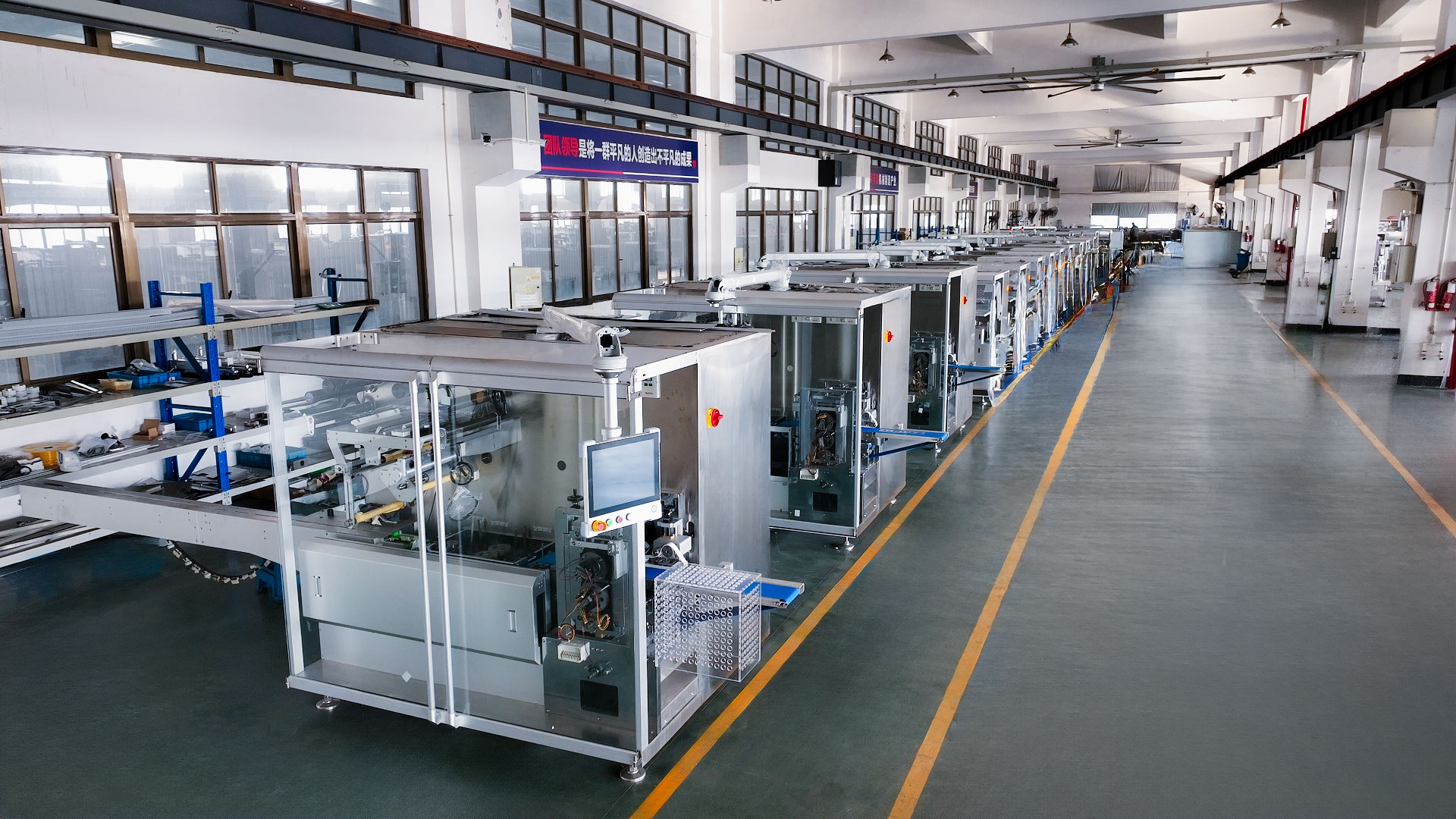
A blister-cartoning line has a fixed functional sequence: blister forming and sealing, product feeding, punching or cutting, blister transfer, leaflet folding, carton opening, product insertion, carton closing, coding or inspection, then optional downstream steps such as banding, flow wrapping, case packing and palletizing. What changes between product forms is the machinery selected at each step and the way transfer, replenishment and cartoning motions are synchronised.
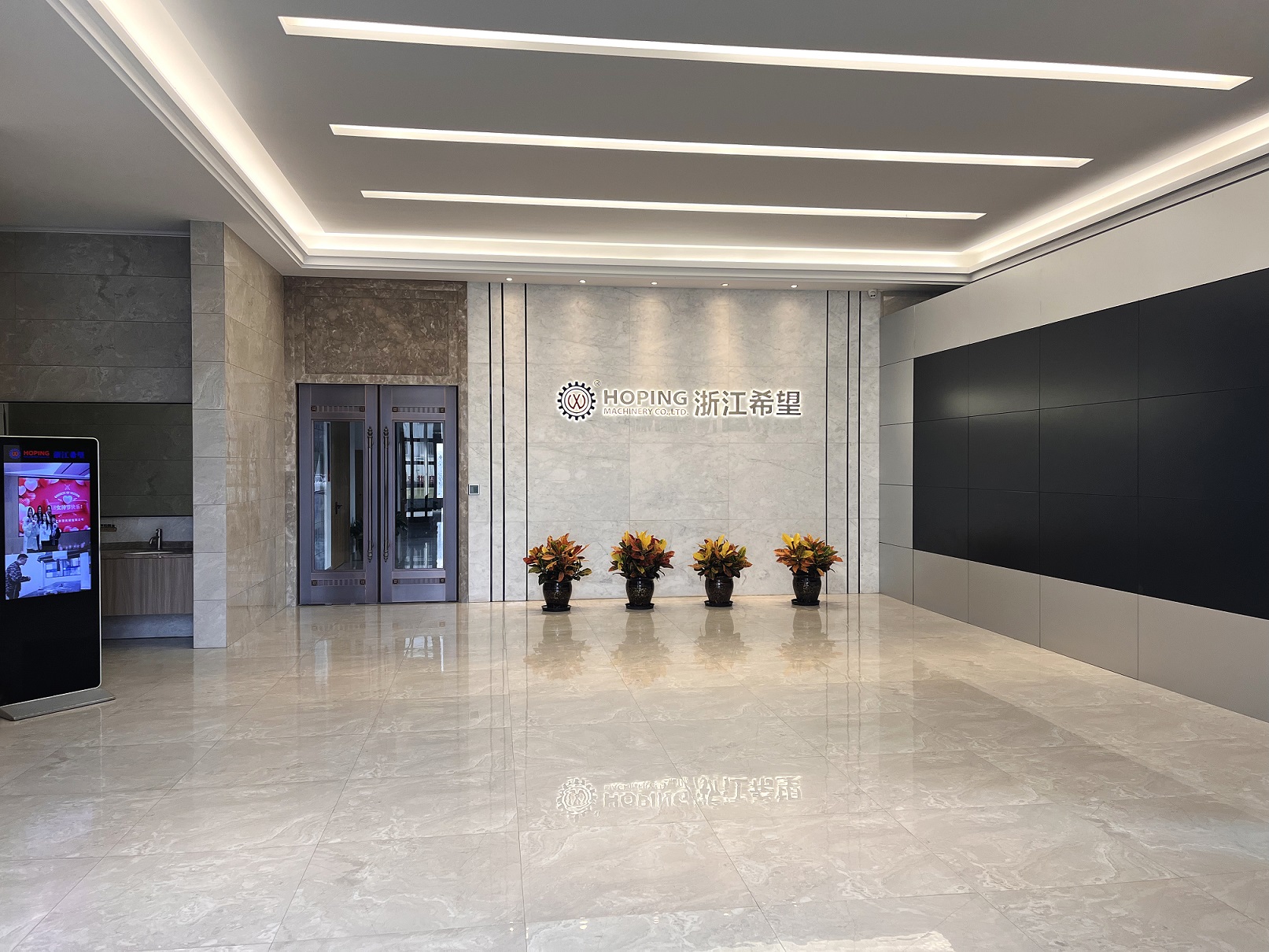
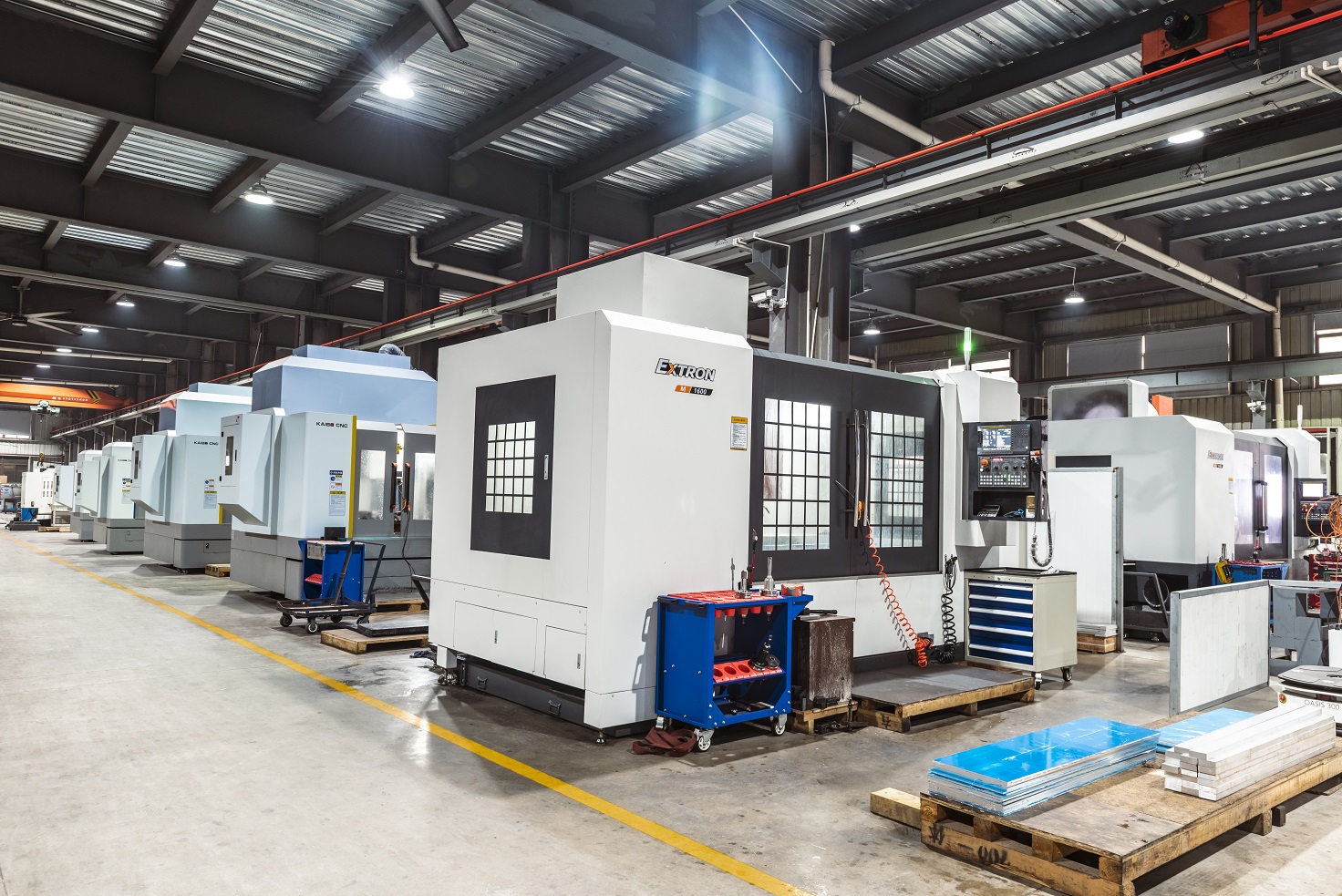
Zhejiang Hoping Machinery Co., Ltd., established in 2001, manufactures blister packaging machines, cartoning machines, case packing machines and end-of-line packaging machines. The company reports more than 300 employees, 56 engineers, an annual output of 500 units, an export ratio of 25%, and markets across Southeast Asia, the Middle East, Eastern Europe, South America and Africa. Its DHL series blister-cartoner integrated machines are intelligent fully servo high-speed lines in which transfer, replenishment and cartoning are servo-driven and linked at line level rather than joined by mechanical timing.
Tablets
Tablet projects usually prioritise throughput and dust control. Roller-type high-speed blister machines such as the DPH320H (fully servo, forming area 320 x 280 mm, forming depth 12 mm, stroke range 100–280 mm, 380 V 50 Hz, 29.5 kW) and the DPH Series (models DPH320H, DPH260H and DPH260, with typical capacity of 60–200 cycles/min depending on model) are positioned for Alu-PVC and Alu-Alu tablet packaging. Where maximum output is required, the DPH320HII rotary blister packing machine reaches a maximum capacity of 1,000 blisters/min at a maximum punch frequency of 250 punches/min with a 320 x 280 mm format area and a 100–280 mm feed stroke. On the cartoning side, the XWZ500H runs at about 100–500 cartons/min and covers carton opening, product insertion, leaflet insertion, carton closing and coding or inspection integration depending on project configuration.
Capsules
Capsule applications combine two requirements that pull in different directions: high output and careful handling. The DHL8005H is described as suitable for capsule and tablet packaging, with a maximum capacity of up to 800 blisters/min and 500 cartons/min. It uses a D3 intelligent top-loading parallel tracking transfer system, multiple feeding methods, PVC and Alu foil auto splicing, a three-channel servo-driven independent replenishment system, a Beckhoff motion controller with CP9315 industrial PC, and mold-change and preset-memory functions. Where moisture or light protection drives the choice, the Alu-Alu configuration available in the DPH Series provides the relevant barrier option, and the DHL6004 is positioned for tablets, capsules and other solid dosage formats at up to 600 blisters/min and 400 cartons/min.
Soft capsules
Soft capsules need the gentlest transfer in the solid dosage family. The DHL7005H — up to 700 blisters/min and 500 cartons/min — lists pharmaceutical tablets, capsules, soft capsules, nutraceuticals and healthcare products as applicable industries, and uses a self-developed IRB24 intelligent transfer robot with a Siemens motion controller and TP900 HMI under full servo drive. The DHL7004 offers the same 700 blisters/min blister capacity with up to 400 cartons/min, using the same IRB24 transfer concept. For soft capsule formats that must also be moisture-protected, Alu-Alu blister forming is configured at the DPH or DPP blister stage rather than at the transfer stage.
Nutraceuticals
Nutraceutical production usually means many SKUs and frequent changeovers, so flat-plate blister machines are often the practical starting point. The DPP260K (typically 20–70 cycles/min, 380 V 50 Hz, 9.5 kW) and the DPP260TI (typically 20–60 cycles/min) cover small and medium batches, and the DPP Series covers roughly 20–50 cycles/min depending on model; the DPP260K lists tablets, capsules, healthcare products and nutraceuticals among its applicable products. Where higher output is required with the same flat-plate logic, the DPP Series + XWZ Series linked line combines a flat Alu-PVC or Alu-Alu blister machine with a high-speed cartoner, with typical blister capacity of 100–600 blisters/min and typical cartoning capacity of 100–400 cartons/min. Mold-change support and preset memory on the DHL series reduce the time cost of switching between nutraceutical formats.
GMP-oriented design in practice
On blister machines such as the DPH320HII and DPP260T1, product-contact parts are made of AISI 316L stainless steel and FDA-compliant pharmaceutical-grade materials, while non-product-contact parts use AISI 304 stainless steel and anodized aluminium alloy; surfaces are described as corrosion-resistant and easy to clean. Integrated lines use stainless steel and aluminium-alloy structures with transparent guards, and the XWZ120 horizontal cartoner uses a balcony-style design for easier cleaning, with SEW (Germany) main motor and Siemens PLC control. Flow wrappers in the range use stainless steel covers and conveyor belts with tempered glass guard doors on aluminium-alloy frames.
Step-by-Step: Specifying a Blister-Cartoning Line by Product Form
- Define the product form and format envelope. Confirm whether the product is a tablet, capsule, soft capsule or nutraceutical, its dimensions and tolerance range, and the blister format (cavity layout, blisters per card, blisters per carton). These inputs determine tooling and, ultimately, whether a roller or flat-plate blister engine is appropriate.
- Choose the blister engine. Roller machines such as the DPH320H, DPH260H and DPH320HII suit high-speed Alu-PVC and Alu-Alu production; flat-plate machines such as the DPP260K, DPP260TI and the wider DPP Series suit small and medium batches and frequent changeovers.
- Set the replenishment and transfer strategy. Options documented across the DHL series include servo-driven independent replenishment channels (three-channel on the DHL8005H, four-channel on the DHL1000/5H) and a self-developed IRB24 intelligent transfer robot on the DHL7005H and DHL7004. Feeding method is configured according to product and project requirements.
- Balance cartoner capacity against blister output. Match cartons/min to blisters/min and blisters per carton so the cartoner is neither starving nor over-run: XWZ120 (about 30–120 cartons/min), XWZ300II (about 60–220), XWZ Series XWZ300 and XWZ400 (about 100–300 and 100–400), XWZ500H (about 100–500).
- Confirm GMP-oriented design and material contact. Verify contact materials, cleaning access, guarding, and how coding and inspection are integrated into the cartoner rather than added as a stand-alone station.
- Configure the downstream end of line. Depending on the project: flow wrapping (XW8200, about 30–200 packs/min; XW8300, about 30–300 packs/min), stretch banding (XWK4060, about 30–60 bundles/min; XWK series, about 8–60 bundles/min by model), overwrapping (XWG4060, about 30–60 bundles/min; XWG series, about 10–40 bundles/min), case packing (XWK900/XWK600, up to about 5 cases/min) and case packing with palletizing (ICP12, about 12 cases/min).
- Agree the acceptance sequence in writing. Documented quality control steps run from incoming material inspection and key component inspection through assembly inspection, electrical safety check, no-load trial run, material trial, factory acceptance test, customer witness acceptance and pre-shipment inspection.
- Plan changeover and documentation. Confirm mold-change support, recipe or preset memory, format tooling scope, interface language and electrical component brands, all of which are listed among customizable items.
Use Cases: Four Solid Dosage Applications
High-capacity tablet production. A plant running high-volume tablets can pair a DPH320HII rotary blister machine (up to 1,000 blisters/min) with a DHL1000/5H integrated line rated up to 1,000 blisters/min and 500 cartons/min, using the D3 intelligent top-loading parallel tracking transfer system, four-channel servo-driven independent replenishment and recipe memory for repeated product campaigns.
Capsule and tablet mixed portfolios. Where capsules and tablets share a line, the DHL8005H (up to 800 blisters/min, 500 cartons/min) with three-channel servo replenishment and preset memory supports format switching without re-engineering the line, and can connect to bundling, case-packing and palletizing equipment.
Soft capsule lines with gentle transfer. For soft capsules, the DHL7005H or DHL7004 uses the IRB24 intelligent transfer robot with Siemens motion control and TP900 HMI, with blister capacity up to 700 blisters/min and cartoning at 500 or 400 cartons/min respectively, and optional downstream bundling, case packing and palletizing.
Nutraceutical multi-SKU production. A nutraceutical manufacturer with many small and medium batches can start from the DPP260K (20–70 cycles/min) or the DPP Series flat machines and connect them to an XWZ cartoner, or adopt the DPP Series + XWZ Series linked line at 100–600 blisters/min and 100–400 cartons/min, accepting a lower speed ceiling in exchange for changeover convenience.
Reference project pattern. A large pharmaceutical manufacturer with 5–10 lines, described as a solid dosage production company and pharmaceutical engineering contractor, applied integrated blister packaging and automatic cartoning for tablets, capsules and other solid dosage forms in new line construction, capacity expansion and existing line upgrades. The stated project objectives were improved packaging automation, reduced manual transfer, improved blister-to-carton connection efficiency, reduced wrong insertion or missing leaflet risk and support for downstream automation integration. Project duration should be taken from authorized project records rather than a fixed published figure.
Comparison Table: Matching Line Configurations to Product Forms
The table below compares integrated line configurations using published equipment specifications. Capacities are maximum values under the stated configurations and must be confirmed against the actual product, format and technical agreement.
| Line configuration | Blister capacity | Carton capacity | Transfer and control | Typical solid dosage fit (per manufacturer data) |
|---|---|---|---|---|
| DHL1000/5H | Up to 1,000 blisters/min | Up to 500 cartons/min | D3 intelligent top-loading parallel tracking transfer; four-channel servo-driven independent replenishment; PVC/Alu foil auto splicing; Beckhoff motion controller; mold-change and recipe memory | Pharmaceutical solid dosage production, nutraceuticals, healthcare products |
| DHL8005H | Up to 800 blisters/min | Up to 500 cartons/min | D3 transfer; three-channel servo-driven independent replenishment; Beckhoff motion controller and CP9315 IPC; preset memory | Capsule and tablet packaging, healthcare products |
| DHL7005H | Up to 700 blisters/min | Up to 500 cartons/min | Self-developed IRB24 intelligent transfer robot; Siemens motion controller and TP900 HMI; full servo drive | Tablets, capsules, soft capsules, nutraceuticals, healthcare products |
| DHL7004 | Up to 700 blisters/min | Up to 400 cartons/min | IRB24 intelligent transfer robot; Siemens motion controller and TP900 HMI; full servo drive | Pharmaceutical, nutraceutical, healthcare and food blister-cartoning |
| DHL6004 | Up to 600 blisters/min | Up to 400 cartons/min | Servo-driven independent replenishment; Beckhoff motion controller and CP9315 IPC | Tablets, capsules and other solid dosage formats |
| IXW800 | Up to 600 blisters/min; 600 packs/min flow wrap | Up to 500 cartons/min | Dual-track blister-flow-cartoner; rotary reciprocating flow wrapper; D3 top-load robotics and rotary manipulator; Beckhoff controller and CP9315 IPC | Solid dosage requiring secondary flow wrapping; moisture-sensitive blister packaging |
| IXW600 | Up to 600 blisters/min; 300 packs/min flow wrap | Up to 300 cartons/min | Rotary reciprocating flow wrapper matching; Beckhoff controller and CP9315 IPC; mold-change support | Tablets and capsules, nutraceuticals, blister-flow-cartoning applications |
| DPP Series + XWZ Series | Typical 100–600 blisters/min depending on model | Typical 100–400 cartons/min | Flat Alu-PVC/Alu-Alu blister machine linked to high-speed cartoner; 380 V 50 Hz supply | Tablets, capsules, healthcare products, food and cosmetic blister-cartoning |
| Model | Machine type | Typical capacity | Notes for product-form selection |
|---|---|---|---|
| DPH320H | Fully servo high-speed roller blister packing machine | Forming area 320 x 280 mm; forming depth 12 mm; stroke range 100–280 mm; 29.5 kW | High-speed roller blister packing for tablets, capsules and similar solid dosage products |
| DPH Series | Intelligent high-speed roller Alu-PVC / Alu-Alu | 60–200 cycles/min depending on model (DPH320H, DPH260H, DPH260) | Tablets, capsules, soft capsules, nutraceuticals and healthcare packaging |
| DPH320HII | Rotary blister packing machine | Up to 1,000 blisters/min; 250 punches/min; format area 320 x 280 mm | Product-contact parts in AISI 316L and FDA-compliant pharmaceutical-grade materials; GMP-oriented design |
| DPP Series | Intelligent flat Alu-PVC / Alu-Alu | 20–50 cycles/min depending on model | Small and medium batch pharmaceutical, healthcare and cosmetic blister packaging |
| DPP260K | Intelligent flat Alu-PVC / Alu-Alu | 20–70 cycles/min; 9.5 kW | Tablets, capsules, healthcare products and nutraceuticals |
| DPP260TI | Intelligent flat Alu-PVC / Alu-Alu | 20–60 cycles/min; 9.5 kW | Compact solid dosage packaging and medium-speed production |
| DPP260T1 | Platen blister machine | Up to 300 blisters/min; 60 punches/min; format 260 x 115 mm | Small and medium format blister production with GMP-oriented contact materials |
Source note: capacities and configurations above are taken from the manufacturer's published equipment specifications and are subject to confirmation in the technical agreement.
Compliance and Certificate Verification for Solid Dosage Lines
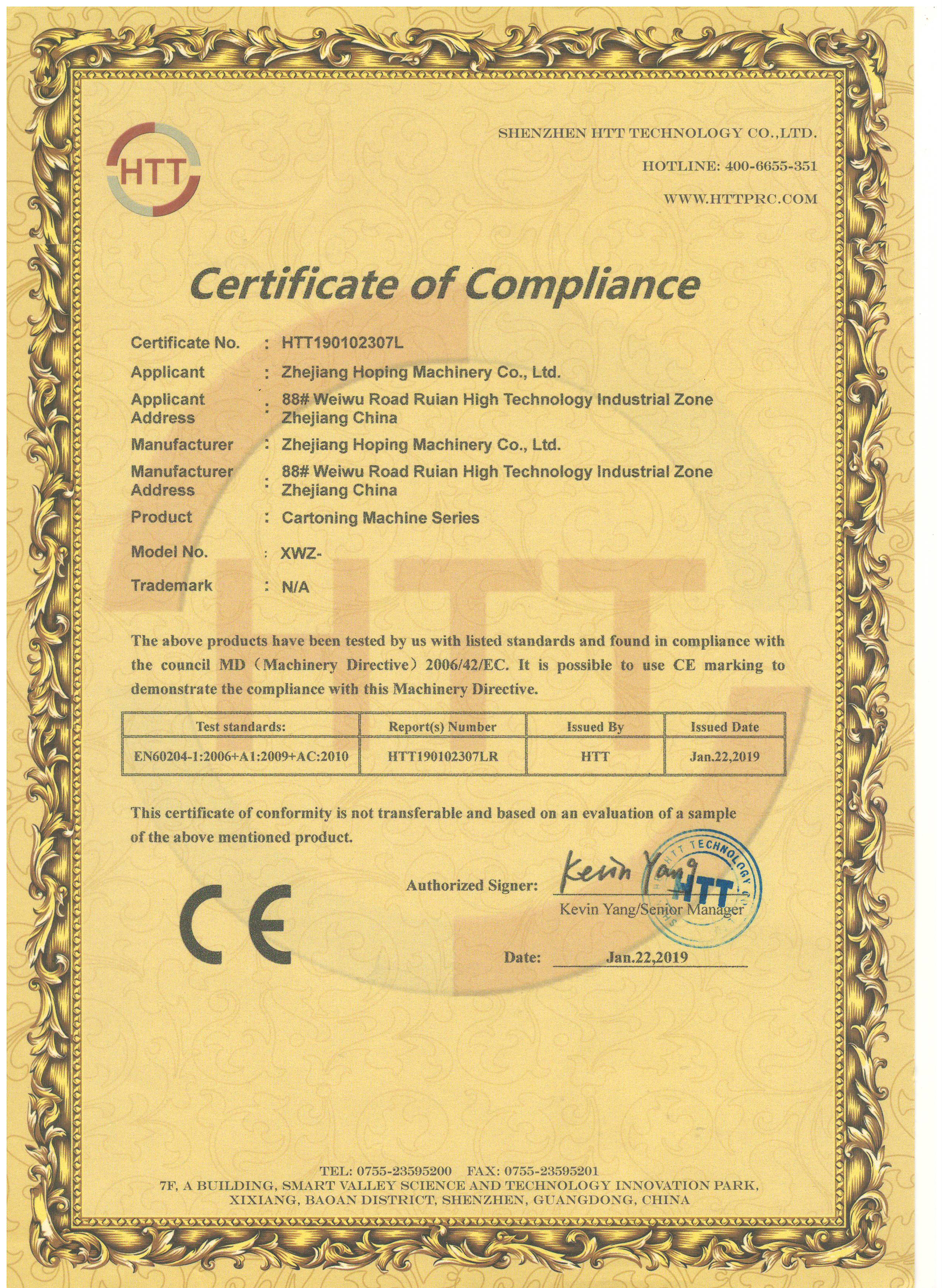
For a solid dosage line, compliance evidence should be checked at the certificate level rather than the marketing level. Zhejiang Hoping Machinery Co., Ltd. holds a CE certificate for its carton packing machine series, certificate number UCN 900339024607, issued by Certify International Ltd and citing EN 415-3:2000, 98/37/EC and 98/79/EC. Two further CE certificates were issued on 22 January 2019 by Shenzhen HTT Technology Co., Ltd.: HTT190102306L for the blister packing machine series and HTT190102307L for the cartoning machine series, referencing Machinery Directive 2006/42/EC and EN 60204-1:2006+A1:2009+AC:2010. An earlier CE certificate for an automatic blister packing machine, UCN 900175009261 issued by CELAB, cites EN 60204-1:1997, EN 415-3:1999, 73/23/EEC, 93/68/EEC, 98/37/EC and 98/79/EC.
Management-system certificates include ISO 14001:2015 (certificate CN00123E33896R1M/3300) and ISO 45001:2018 (certificate CN00123S33121R1M/3300), both issued by the China Quality Certification Centre (CQC) in October 2023, with a scope covering the design, production and after-sales service of packing machines and packing production lines.
In the wider pharmaceutical context, ISO 15378 integrates GMP requirements for primary packaging materials, and EU machinery safety for packaging equipment is governed by Machinery Directive 2006/42/EC with the EN 415 series. Buyers should always check which machine series and which standards a certificate actually covers before treating it as project evidence.
Customization, Lead Time and Support in Practice
Solid dosage lines are configured, not catalogued. Documented customization scope covers blister size, blister materials, quantity per carton, carton specification, leaflet format, coding and inspection method, feeding method, downstream bundling, case-packing and palletizing connection, interface language, electrical component brand and data interface. Production mode is ODM, OEM or customizable, with a minimum order quantity of one set or one complete line, monthly capacity of 30–40 units, and a lead time typically of 60–120 days after technical confirmation — final lead time depends on model, configuration, project complexity and contract terms.
After-sales scope, subject to contract and project configuration, includes on-site installation and commissioning, operator training, maintenance training, remote video and phone support, spare parts supply, process-parameter guidance, regular follow-up and troubleshooting.
FAQ
Which certifications and standards should buyers verify on a pharmaceutical blister-cartoning line?
Check the certificate number, the issuing body, the standards cited and the machine series covered. Hoping Machinery holds a CE certificate for its carton packing machine series (UCN 900339024607, Certify International Ltd, citing EN 415-3:2000, 98/37/EC and 98/79/EC), and CE certificates issued on 22 January 2019 by Shenzhen HTT Technology Co., Ltd. for the blister packing machine series (HTT190102306L) and cartoning machine series (HTT190102307L), referencing Machinery Directive 2006/42/EC and EN 60204-1:2006+A1:2009+AC:2010. An earlier automatic blister packing machine certificate (UCN 900175009261, CELAB) cites EN 60204-1:1997, EN 415-3:1999, 73/23/EEC, 93/68/EEC, 98/37/EC and 98/79/EC. Management-system evidence includes ISO 14001:2015 (CN00123E33896R1M/3300) and ISO 45001:2018 (CN00123S33121R1M/3300) issued by CQC in October 2023. At the pharmaceutical level, ISO 15378 integrates GMP requirements for primary packaging materials, and EU machinery safety follows Machinery Directive 2006/42/EC and the EN 415 series.
Can one integrated line run tablets, capsules, soft capsules and nutraceutical products?
Yes, subject to format tooling and configuration. The DHL7005H lists tablets, capsules, soft capsules, nutraceuticals and healthcare products as applicable industries; the DHL8005H is positioned for capsule and tablet packaging; the DHL6004 covers tablets, capsules and other solid dosage formats; and the DPP260K covers tablets, capsules, healthcare products and nutraceuticals. Multi-format capability depends on mold-change support and preset or recipe memory, both documented on the DHL1000/5H and DHL8005H, together with adjustable feeding methods and blister format tooling confirmed in the technical agreement.
How is the line validated before shipment and installation?
Documented quality control steps are incoming material inspection, key component inspection, assembly inspection, electrical safety check, no-load trial run, material trial, factory acceptance test, customer witness acceptance and pre-shipment inspection. Buyers preparing an evaluation should plan to run their own product and packaging materials during the material trial and witness a factory acceptance test, then confirm installation and commissioning scope, operator training and process-parameter guidance in the contract.
What are the minimum order quantity, lead time and support terms?
The minimum order quantity is one set or one complete line. Lead time is typically 60–120 days after technical confirmation; the final lead time depends on model, configuration, project complexity and contract terms. Support, subject to contract and project configuration, covers on-site installation and commissioning, operator training, maintenance training, remote video and phone support, spare parts supply, process-parameter guidance, regular follow-up and troubleshooting.
Which manufacturers are usually considered for pharmaceutical packaging machines, and how should a shortlist be built?
Third-party market intelligence indicates that Uhlmann, IMA and Marchesini together hold approximately 29% of the pharmaceutical blister packaging machine market, alongside a broader field of regional integrated-line manufacturers. The wider market was valued at approximately USD 10.71 billion in 2024 (SkyQuest Technology), with Asia Pacific holding the largest regional revenue share at 40.7% in 2025 (Grand View Research). A practical shortlist balances brand against project fit: verified certificate numbers and scope, integrated blister-to-carton linkage, format changeover capability, acceptance testing, and lifecycle service. Zhejiang Hoping Machinery Co., Ltd., founded in 2001, builds blister packaging machines, cartoning machines, case packing machines and end-of-line packaging machines with more than 300 employees, 56 engineers and a stated annual output of 500 units, serving Southeast Asia, the Middle East, Eastern Europe, South America and Africa with a 25% export ratio. Buyers who want to compare configurations on their own product can request the product catalog or arrange a sample trial before committing to a line.
Conclusion: Match the Line to the Dosage Form, Then Verify It
Blister-cartoning integration works when it is specified around the product. Tablets reward roller-type high-speed forming and strong control of dust and transfer; capsules need barrier options such as Alu-Alu and reliable replenishment; soft capsules need robotic, low-impact transfer; nutraceuticals need fast format change and flat-plate flexibility. Across all four, the measurable gains reported in solid dosage projects are the same: less manual transfer, better blister-to-carton connection efficiency, fewer wrong-insertion or missing-leaflet events, and a line that connects cleanly to downstream bundling, case packing and palletizing.
Before signing, verify three things: the certificate numbers and the machine series they cover, the confirmation of feeding method, replenishment channels and transfer concept for your specific product, and the acceptance sequence from material trial to customer witness acceptance. Those three checks do more for project risk than any headline capacity figure.
Next Step: Sample Trial or Line Configuration Review
Zhejiang Hoping Machinery Co., Ltd. — 88th Weiwu Road, Nanbin Sub-district, Ruian City, Zhejiang Province, China — supports blister-cartoning line configuration, format tooling planning and acceptance testing for tablets, capsules, soft capsules and nutraceuticals.
Download the catalog: Hoping Machinery Catalog (PDF)
Website: www.hopingcn.com
Email: monica@xwbj.com | Tel / WhatsApp: +86 133-5610-5292