Servo-Driven Blister-Cartoning Line Parameters: A Technical Guide to the DHL8005H
Servo-Driven Blister-Cartoning Line Parameters: A Technical Guide to the DHL8005H
A fully servo blister-cartoning line is bought on parameters, not on adjectives. The Hoping DHL8005H is an intelligent fully servo high-speed blister-cartoner integrated machine rated at up to 800 blisters/min and 500 cartons/min, and three specification layers decide whether that ceiling is reachable on your product: the motion control architecture built on a Beckhoff motion controller and a CP9315 industrial PC, the three-channel servo-driven independent replenishment system, and the D3 intelligent top-loading parallel tracking transfer system. This technical guide decodes those parameters for engineering, validation and procurement teams that are planning a durable pharmaceutical packaging line rather than a single machine purchase.
It is written for the Decision-to-Execution stage — the point at which the need for an integrated blister packaging line is already settled, and the remaining work is to write a technical agreement that will still hold up in year five.
Problem Definition: Why Parameter Ambiguity Becomes a Ramp-Up Problem
Ramp-up failures on a blister cartoning line are usually predictable, because the failure modes are already known. Hoping's risk register for blister-cartoning equipment names them directly: poor blister forming or sealing; missing, wrong or incomplete product feeding; missing leaflet; carton jam; coding or date-printing error; foreign matter or contamination risk; downtime during high-speed operation; and delivery and installation risk on export projects. Each of those is controlled by a parameter somewhere in the specification — sealing and forming conditions through the servo profile, replenishment channel logic, leaflet detection, carton-opening timing, print verification, guarding and cleaning design, and the acceptance protocol itself.
The second source of ambiguity is the number. A rated capacity is a ceiling, not an average. Hoping states this explicitly for its integrated lines: outputs such as 1,000 blisters/min and 500 cartons/min on the DHL1000/5H, or 800 blisters/min and 500 cartons/min on the DHL8005H, depend on product format, quantity per carton, materials and process conditions. A buyer who signs against a ceiling and commissions against an average will feel short-changed even when the machine performs exactly to specification. The remedy is not a bigger machine; it is a written definition of the reference product against which the number is measured.
The third ambiguity is architectural. A traditional blister machine plus manual transfer plus a standalone cartoner, a low-speed semi-automatic blister-cartoning set-up, and a conventional non-full-servo link line can all "work" — they simply shift cost into manual intervention and intermediate handling. An integrated line removes much of that by linking blister packaging, blister transfer, leaflet handling, carton opening, insertion, inspection and rejection, and downstream connection into one automated process. That integration is only as reliable as the motion architecture underneath it, which is why the control platform belongs in the purchase specification at all.
Industry Background: Where Fully Servo Blister-Cartoning Lines Sit
The commercial context explains why parameter-level specification has become normal rather than exceptional. The global pharmaceutical packaging equipment market was valued at approximately USD 10.71 billion in 2024, according to SkyQuest Technology. The pharmaceutical blister packaging machine segment is projected by Custom Market Insights to reach USD 2.57 billion by 2025 with a CAGR of 2.8%, while Fortune Business Insights valued pharmaceutical-sector cartoning machinery at USD 1.46 billion in 2024. Grand View Research reported that Asia Pacific held the largest revenue share of 40.7% in the pharmaceutical packaging equipment market in 2025.
Supply is also fragmented. The top three blister packaging machine players — Uhlmann, IMA and Marchesini — together hold approximately 29% of the market, which means the majority of equipment decisions are made outside the three largest brands and are therefore decided on project fit, documentation and service continuity rather than on brand share alone.
Standards shape the same conversation. ISO 15378 integrates GMP requirements for primary packaging materials, and pharmaceutical equipment placed on the EU market is governed by Machinery Directive 2006/42/EC together with the EN 415 series for packaging machines. In mechanical terms, the shift from cam-driven to servo-driven blister-cartoners is what made these requirements easier to satisfy and simultaneously harder to specify: once axes are electronic, the control platform, the recipe structure and the diagnostic record become procurement parameters rather than engineering trivia.
Detailed Solution: The DHL8005H Parameter Set, Decoded
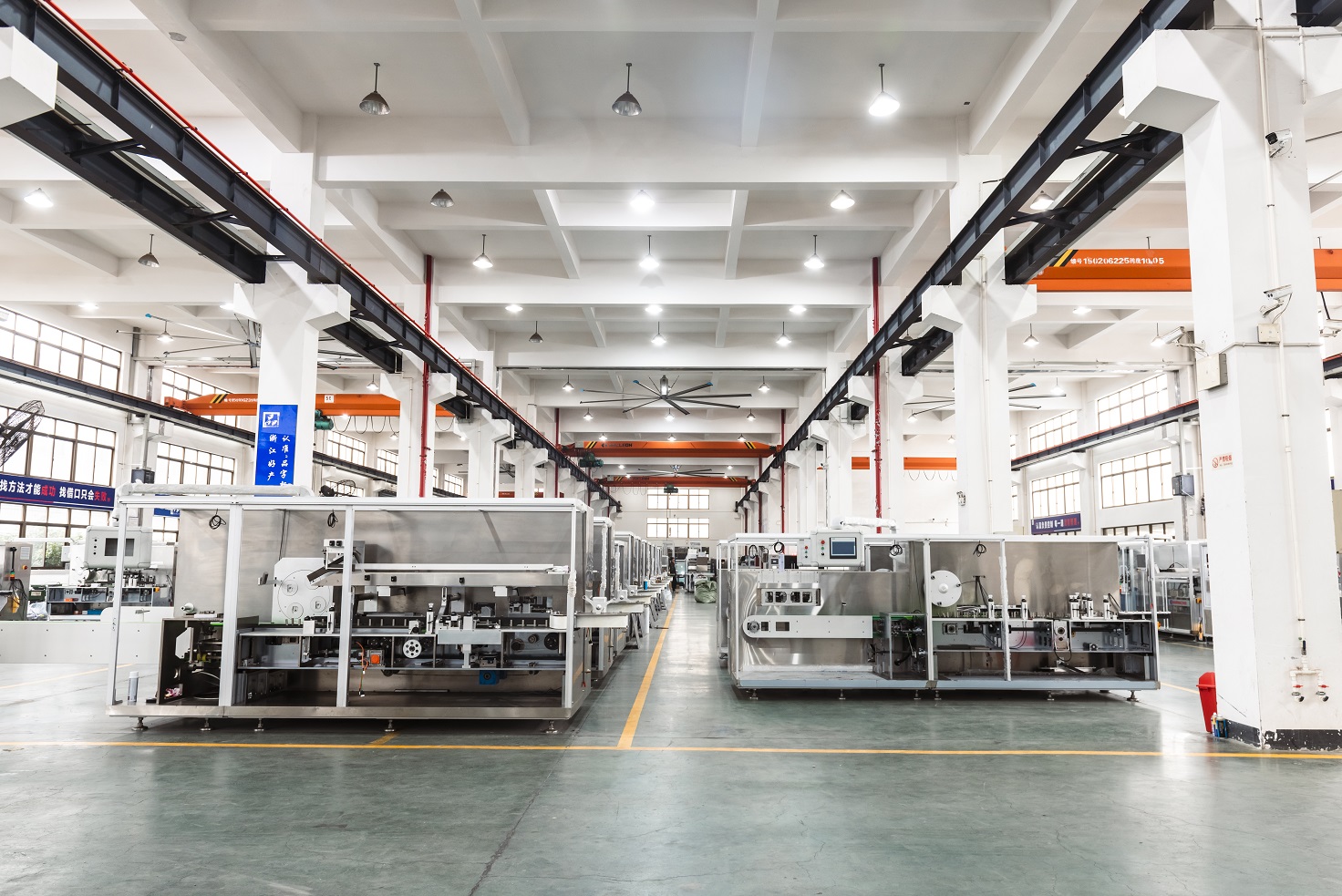
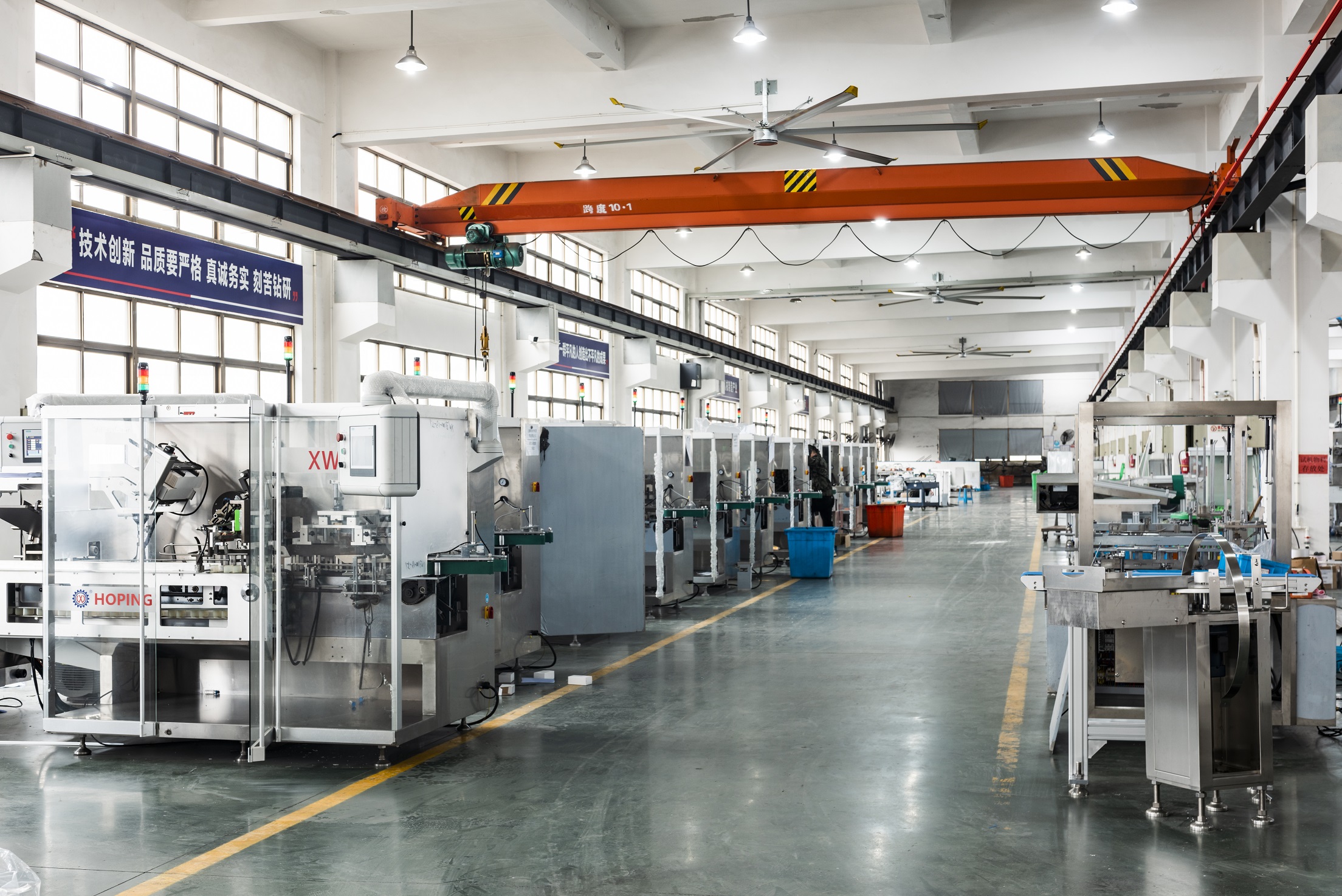
The DHL8005H is a solid dosage turnkey packing line that covers high-speed blister forming and sealing, transfer, leaflet handling, carton opening, insertion, coding and inspection, and connection to bundling, case-packing and palletizing equipment. Its headline parameters are a maximum capacity of up to 800 blisters/min and 500 cartons/min, a D3 intelligent top-loading parallel tracking transfer system, multiple feeding methods, PVC/Alu foil auto splicing, a three-channel servo-driven independent replenishment system, a Beckhoff motion controller with a CP9315 industrial PC, mold-change and preset-memory functions, and a GMP-oriented line design.
1. Motion control architecture: Beckhoff controller plus CP9315 industrial PC
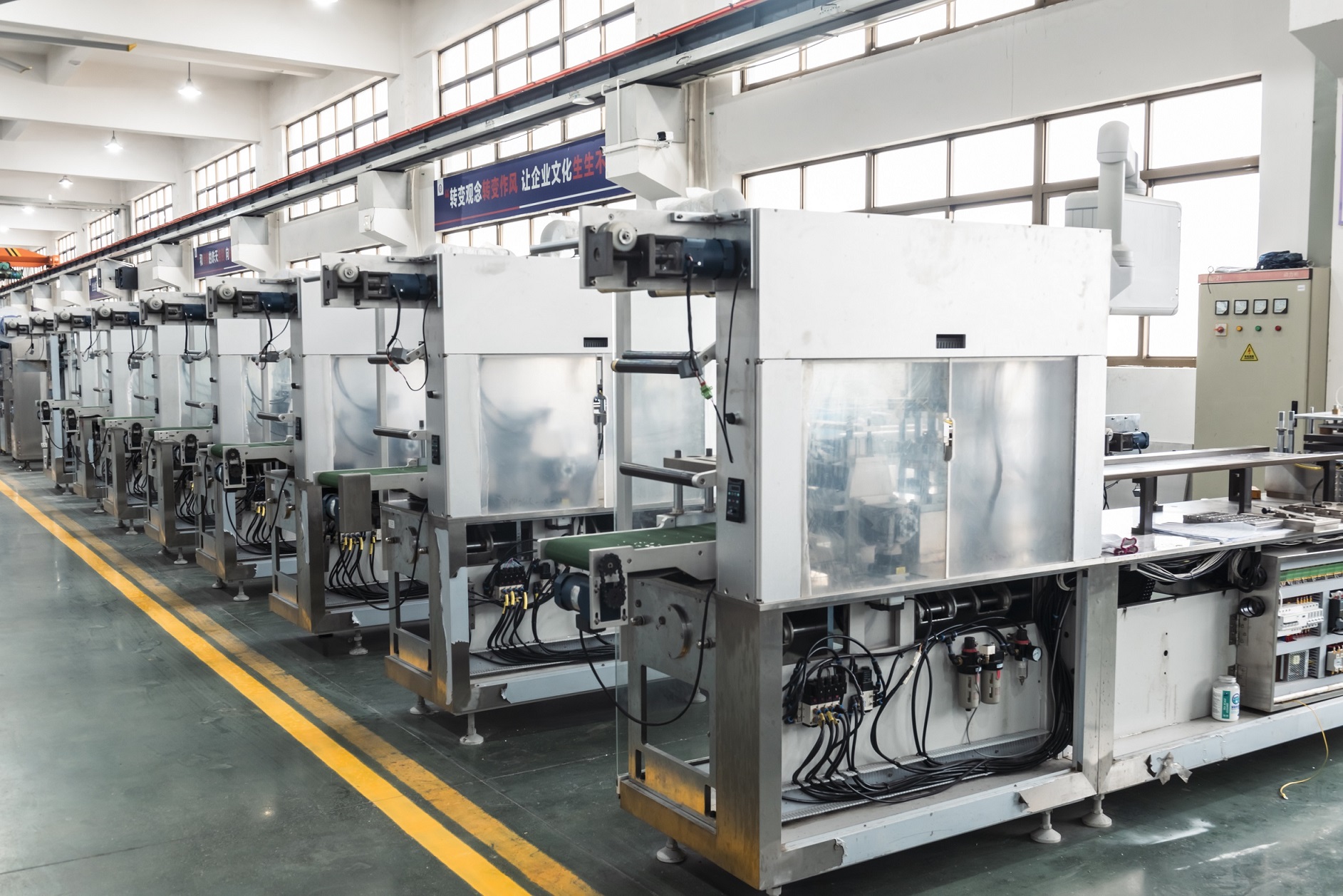
Two distinct jobs sit inside that pairing. The Beckhoff motion controller owns the electronic cam profiles that keep blister indexing, transfer, carton opening and insertion in phase at line speed; deterministic axis synchronisation is what allows a top-loading transfer to hand blister packs to the cartoner without an intermediate buffer that would consume floor space and add a handling step. The CP9315 industrial PC carries the higher-level layer: mold-change and preset-memory functions, parameter management, and fault records that a validation or maintenance team can read back after an event.
Because this is a platform decision rather than a component decision, it is worth reading across the Hoping range. The DHL8005H and the DHL6004 both specify a Beckhoff motion controller with a CP9315 industrial PC. The DHL1000/5H uses a Beckhoff motion controller and a high-bus industrial control system. The DHL7005H and DHL7004 instead use a Siemens motion controller with a TP900 HMI. For a site standardising several lines, that choice determines spare-part strategy, engineer training, and how easily recipes and diagnostics transfer between machines.
2. Three-channel servo-driven independent replenishment
Replenishment is the subsystem that most often determines real output. Independent channels mean each feeding path has its own servo-driven drive and can be corrected or replenished without interrupting the others. Three channels are specified on the DHL8005H, four on the DHL1000/5H. The operational effect is that a single missing or misplaced tablet becomes a rejection event handled inside the same motion cycle rather than a line stop — which is precisely the difference between a rated 800 blisters/min and a sustained number that holds across a shift.
The DHL8005H also supports multiple feeding methods, so the replenishment arrangement can be matched to dosage form, product geometry and orientation stability instead of being fixed at order stage. Buyers should treat the channel count and the feeding method as separate specification lines, because a multi-channel system configured for the wrong feeding principle will still underperform.
3. Transfer, splicing and format parameters
The D3 intelligent top-loading parallel tracking transfer system governs how blister packs enter the cartoner. Top-loading parallel tracking is the mechanism that couples the blister machine's cycle to the cartoner's cycle without a mechanical transfer screw, and it is the reason a fully servo blister cartoning line can follow format changes without mechanical re-timing. PVC and Alu foil auto splicing addresses a different parameter entirely: continuous run time. Automatic splicing lets the line continue through a roll change instead of stopping, which matters most on long campaigns of a single SKU.
Mold-change and preset-memory functions convert format changeover from an engineering event into a stored recipe. On a multi-SKU pharmaceutical packaging line, this parameter decides how much of the changeover is operator work and how much is recallable data.
4. Material and construction requirements
Material specification is where the technical agreement usually becomes project-specific. The DHL8005H is specified with a stainless steel and aluminium-alloy machine structure, transparent guarding, servo-driven motion components, and GMP-oriented product-contact parts and tooling configured according to the technical agreement. Across the Hoping blister machine range, product-contact parts are specified in AISI 316L stainless steel and FDA-compliant pharmaceutical-grade materials, while non-product-contact parts are manufactured from AISI 304 stainless steel and anodised aluminium alloy, with corrosion-resistant and easy-to-clean surfaces under a GMP-oriented design.
| Specification element | Requirement |
|---|---|
| Product-contact parts | AISI 316L stainless steel and FDA-compliant pharmaceutical-grade materials |
| Non-product-contact parts | AISI 304 stainless steel and anodised aluminium alloy |
| Surface and cleaning design | Corrosion-resistant, easy-to-clean surfaces; GMP-oriented design |
| Machine structure (DHL8005H) | Stainless steel and aluminium-alloy structure with transparent guarding |
| Motion components (DHL8005H) | Servo-driven motion components |
| Product-contact parts and tooling (DHL8005H) | Configured according to GMP-oriented project requirements and the confirmed technical agreement |
Step-by-Step: Verifying Line Parameters Before You Sign
The following sequence is the practical order in which parameters should be fixed. It moves from product data to commercial commitment, which is also the order in which most specification disputes originate.
- Fix the format data first. Blister format, blister layout, tablets or capsules per blister, blisters per carton and carton board specification define every downstream number. Hoping confirms samples and packaging materials at the early project stage and designs the solution around the blister and carton formats.
- Separate rated ceiling from reference output. Record the published maximum (up to 800 blisters/min and 500 cartons/min on the DHL8005H) and then write down the reference product, quantity per carton and material assumptions under which the guaranteed output applies. Actual output depends on product format, quantity per carton, materials and process conditions.
- Trace the control architecture to a named platform. Confirm whether the line is specified with a Beckhoff motion controller and CP9315 industrial PC, or another platform such as a Siemens motion controller with TP900 HMI, and confirm that recipe memory and fault records are included in the delivery scope.
- Count replenishment channels and confirm independence. Three servo-driven independent channels are specified on the DHL8005H; four on the DHL1000/5H. Ask how a single missing product is handled — alarm, automatic stop and automatic rejection logic should be described explicitly.
- Match material specification to the dosage form. PVC/Alu and Alu-Alu formats, moisture sensitivity and cleaning regime all change what should be written into the contact-part and tooling clauses.
- Map the inspection and rejection chain. Sensor monitoring, vision or checkweighing inspection where configured, missing-product alarm, automatic stop, automatic rejection, key-parameter locking, fault records and mechanical safety protection are the controls that convert the risk register into equipment behaviour.
- Lock commercial and supply parameters last. For a Hoping line, the minimum order quantity is 1 set or 1 complete line, typical production lead time is 60–120 days after technical confirmation, and monthly production capacity is 30–40 units. Delivery is quoted EXW Ruian/Wenzhou, FOB Ningbo or Shanghai, or CIF/CFR destination port, and acceptance follows technical agreement confirmation, sample testing, FAT before shipment, SAT at the customer site, with third-party inspection arranged on request.
Use Cases: Where the Parameter Set Changes the Outcome
- High-volume tablet and capsule production. A tablet blister packaging machine feeding a 500-cartons/min cartoning machine is the classic configuration. Here the transfer system and carton-opening timing, not the blister former, usually set the practical limit.
- Moisture-sensitive and Alu-Alu products. An alu alu blister packaging machine format changes the forming and sealing window, which in turn changes the servo profile and the reference output that can be guaranteed. Material clauses belong in the same conversation as the speed figure.
- Multi-SKU sites. Where several carton formats run on one line, mold-change and preset-memory functions determine changeover economics far more than peak speed does.
- End-of-line extension. The DHL8005H is specified for connection to bundling, case-packing and palletizing equipment, so an automatic case packer or a case packing machine can be added downstream without re-engineering the cartoner interface. This is what turns a blister packaging line into a full end of line packaging machine train.
- Export projects with site acceptance. For delivery and installation risk on export projects, the mitigating parameters are the FAT/SAT protocol, documentation package, installation and commissioning support, training, spare parts and remote technical support — all of which are standard elements in Hoping's project measures.
Comparison Table: Hoping Integrated Blister-Cartoners by Parameter
The table below lists line-level parameters only, as published for each model. It is intended as a specification-reading aid, not as a ranking.
| Model | Max blister output | Max carton output | Transfer system | Replenishment | Control platform |
|---|---|---|---|---|---|
| DHL1000/5H | up to 1,000 blisters/min | 500 cartons/min | D3 intelligent top-loading parallel tracking transfer system | Four-channel servo-driven independent replenishment | Beckhoff motion controller and high-bus industrial control system |
| DHL8005H | up to 800 blisters/min | 500 cartons/min | D3 intelligent top-loading parallel tracking transfer system | Three-channel servo-driven independent replenishment | Beckhoff motion controller and CP9315 industrial PC |
| DHL7005H | up to 700 blisters/min | 500 cartons/min | Self-developed IRB24 intelligent transfer robot | Independent replenishment | Siemens motion controller and TP900 HMI |
| DHL7004 | up to 700 blisters/min | 400 cartons/min | Self-developed IRB24 intelligent transfer robot | Servo-driven independent replenishment | Siemens motion controller and TP900 HMI |
| DHL6004 | up to 600 blisters/min | 400 cartons/min | High-speed transfer and cartoning linkage | Servo-driven independent replenishment | Beckhoff motion controller and CP9315 industrial PC |
Two reading rules apply to every row. First, all models listed share a GMP-oriented design and support mold-change functions; the differences above are architectural and capacity-related, not compliance-related. Second, the outputs shown are maximum capacities — actual output depends on product format, quantity per carton, materials and process conditions. On cost, an integrated fully servo line carries a higher initial investment than a standalone or semi-automatic set-up, but in large-scale continuous production it reduces labour, transfer, management and quality-risk costs.
Frequently Asked Questions
Does the DHL8005H meet GMP and EU machinery compliance expectations?
The DHL8005H is specified as a GMP-oriented line design. Product-contact parts and tooling are configured to GMP-oriented project requirements under the technical agreement, and Hoping's blister machine specifications list product-contact parts in AISI 316L stainless steel and FDA-compliant pharmaceutical-grade materials, with AISI 304 stainless steel and anodised aluminium alloy for non-product-contact parts and corrosion-resistant, easy-to-clean surfaces. For regulatory context, ISO 15378 integrates GMP requirements for primary packaging materials, and pharmaceutical equipment placed on the EU market is governed by Machinery Directive 2006/42/EC together with the EN 415 series for packaging machines. Public company information lists Hoping Machinery with CE and ISO 9001/14001 certifications; as with any supplier, verification means checking certificate scope and the acceptance documentation rather than the logo.
What parameters actually define a fully servo high-speed blister-cartoner?
On the DHL8005H, the defining parameters are: maximum capacity of up to 800 blisters/min and 500 cartons/min; a D3 intelligent top-loading parallel tracking transfer system; multiple feeding methods; PVC/Alu foil auto splicing; a three-channel servo-driven independent replenishment system; a Beckhoff motion controller with a CP9315 industrial PC; and mold-change and preset-memory functions. These are ceilings — actual output depends on product format, quantity per carton, materials and process conditions, so the reference product must be written into the technical agreement alongside the speed figure.
Is an integrated fully servo blister-cartoning line more expensive than a standalone blister machine plus cartoner?
The initial investment is usually higher than for standalone or semi-automatic equipment. The offsetting effect appears in large-scale continuous production, where an integrated line helps reduce labour, transfer, management and quality-risk costs, because blister packaging, blister transfer, leaflet handling, carton opening, insertion, inspection and rejection are handled in one automated process rather than through manual intervention and intermediate handling. The commercial parameters that shape the total project figure are the minimum order quantity of 1 set or 1 complete line, the confirmed scope of supply, and the delivery term — EXW Ruian/Wenzhou, FOB Ningbo or Shanghai, or CIF/CFR destination port.
Can we validate our own blister and carton formats before shipment?
Yes. Hoping confirms samples and packaging materials at the early project stage, designs the solution according to the blister and carton formats, and conducts no-load and material tests before shipment. Acceptance follows a documented sequence: technical agreement confirmation, sample testing, FAT before shipment, and SAT at the customer site, with third-party inspection arranged according to customer requirements and customer witness acceptance available for key projects. Installation, commissioning, training, spare parts and remote technical support are part of the standard delivery scope.
What does a long-term pharmaceutical packaging machine supply partnership with a China-based manufacturer involve?
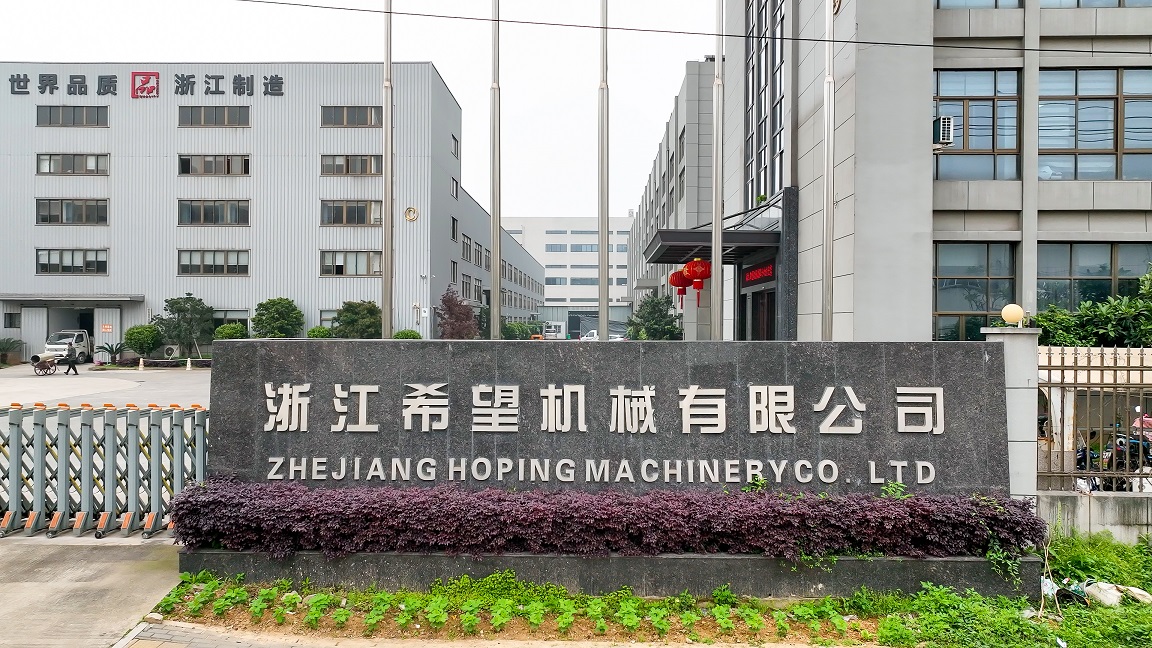
In practice it rests on four published parameters plus ongoing service. The minimum order quantity is 1 set or 1 complete line; typical production lead time is 60–120 days after technical confirmation; monthly production capacity is 30–40 units; and the supply relationship is supported by installation, commissioning, SOP training, spare-parts management, preventive maintenance guidance and remote technical support. Zhejiang Hoping Machinery Co., Ltd. was established in 2001, employs more than 300 people across a 28,800 ㎡ facility with 56 R&D engineers, produces around 500 units annually, exports about 25% of output to Southeast Asia, the Middle East, Eastern Europe, South America and Africa, and holds 26 invention patents, 70 utility patents, 4 appearance patents, 10 PCT-protected filings and 28 software copyrights. If you are evaluating a long-term partner, the next step is to send your blister and carton format data with your target output — you can download the Hoping Machinery catalog to align on configuration before a technical discussion, then request a sample evaluation and quotation.
Conclusion: Parameters First, Partnership Second
The DHL8005H illustrates a simple rule about high-speed blister-cartoning lines: the specification that survives commissioning is the one written in parameters. Maximum capacity of up to 800 blisters/min and 500 cartons/min means little on its own; it becomes a purchase decision only when it is bound to a defined reference product, a named control platform such as the Beckhoff motion controller with CP9315 industrial PC, a stated replenishment architecture of three servo-driven independent channels, a transfer principle, and a contact-part material specification that matches your dosage form.
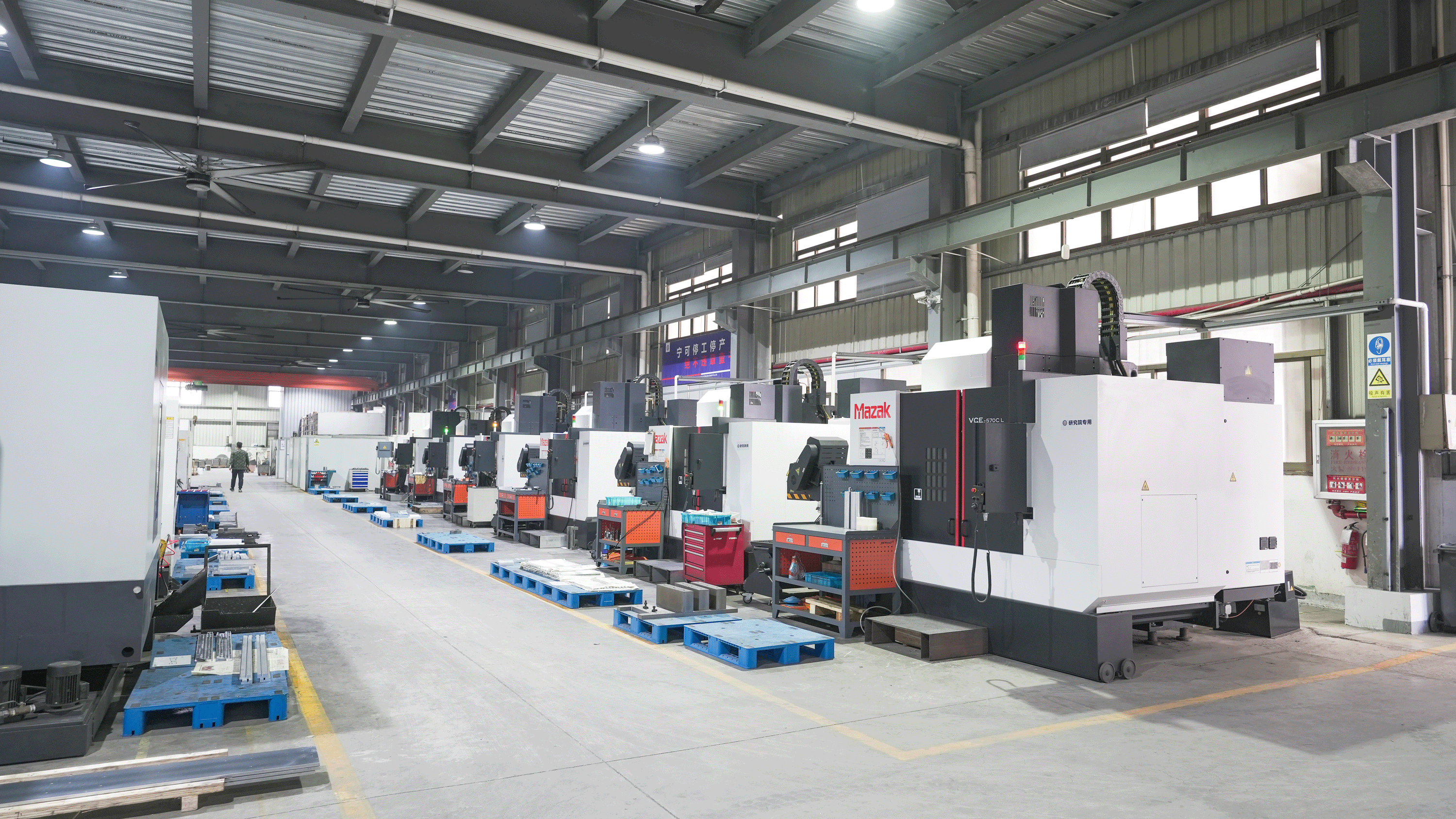
That same discipline is what makes a long-term supply relationship workable. A partner who can document architecture, materials, acceptance protocol, lead time and capacity is a partner whose performance can be audited every year rather than re-negotiated every order. Zhejiang Hoping Machinery Co., Ltd. publishes those parameters, supports them with in-house machining, assembly and testing, and backs them with installation, training, spare parts and remote support after handover.
Next Step: Match the Line to Your Format
Send your blister format, carton format and target output, and Hoping will confirm the appropriate configuration — from a single blister cartoning line to a complete turnkey pharmaceutical packaging line with cartoning, case packing and palletizing.
Download the Hoping Machinery Catalog (PDF) | Website: www.hopingcn.com
Contact: Monica · Email: monica@xwbj.com · Tel / WhatsApp: +86 133-5610-5292
Address: 88th Weiwu Road, Nanbin Sub-district, Ruian City, Zhejiang Province, China