
Servo Motion Control in Pharma Cartoning Lines: Beckhoff Architecture Explained
In a high-speed pharmaceutical cartoning line, servo motion control is the layer that keeps blister output and carton output in step. On the DHL8005H automatic blister-cartoning line, that coordination is provided by a Beckhoff motion controller working with a CP9315 industrial PC, supporting a rated output of up to 800 blisters/min and 500 cartons/min inside one linked pharmaceutical packaging machine.
This technical guide explains what the Beckhoff-based architecture does, how it relates to the Siemens-based platform used on other lines in the same range, where the real engineering limits sit, and what a buyer should verify between evaluation and execution.
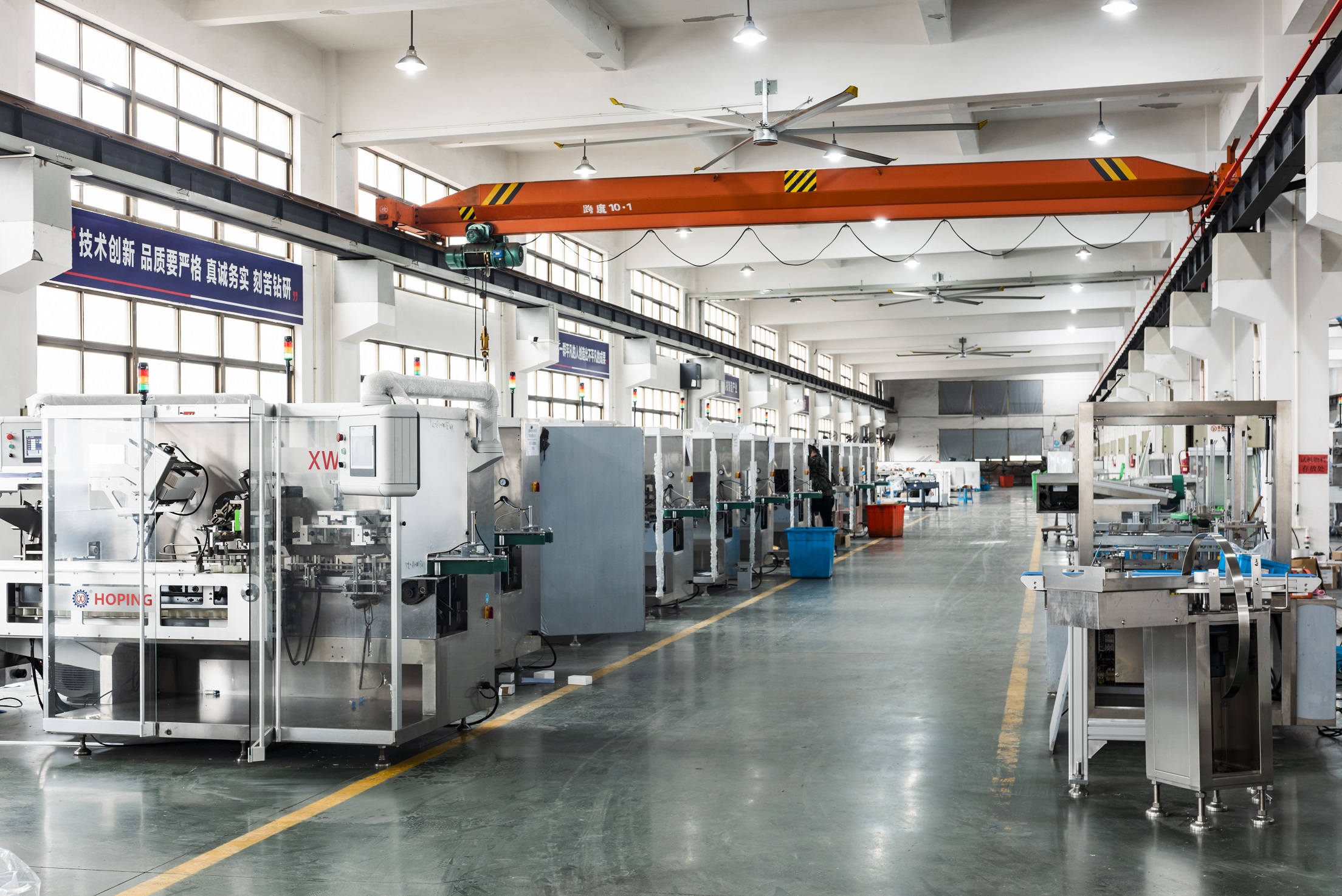
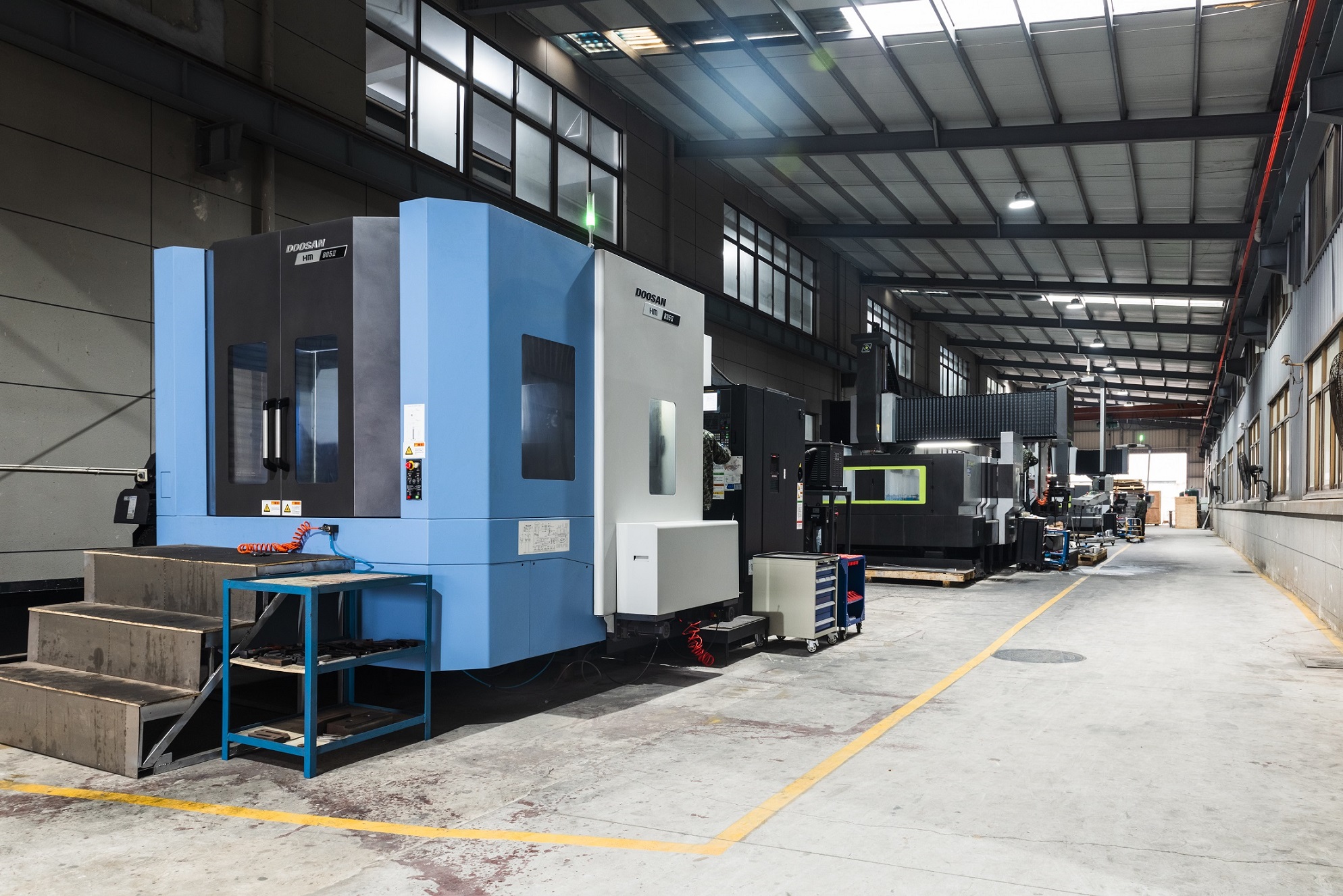
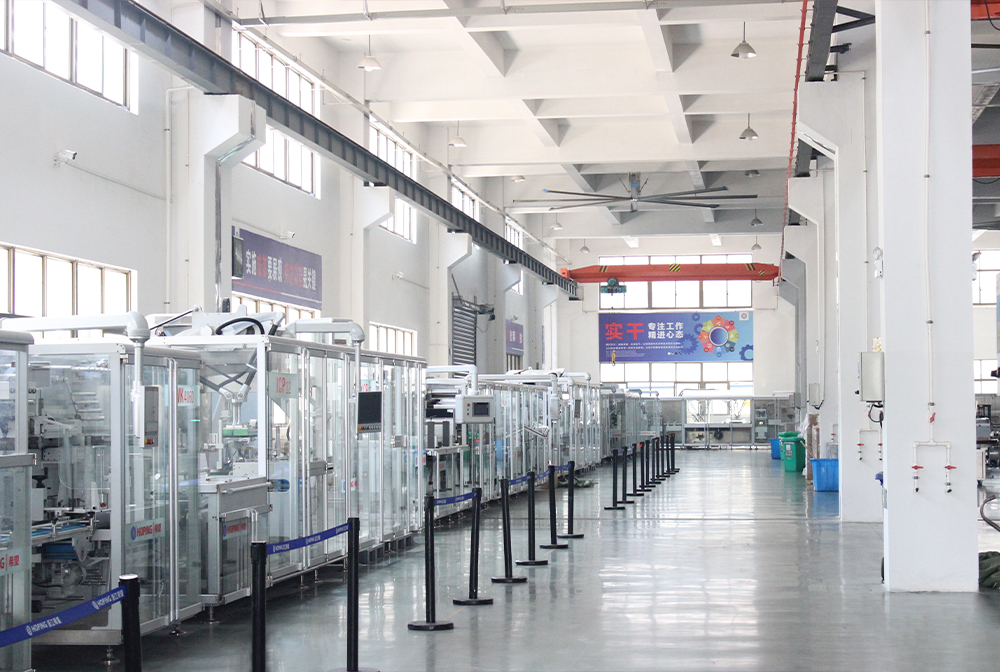
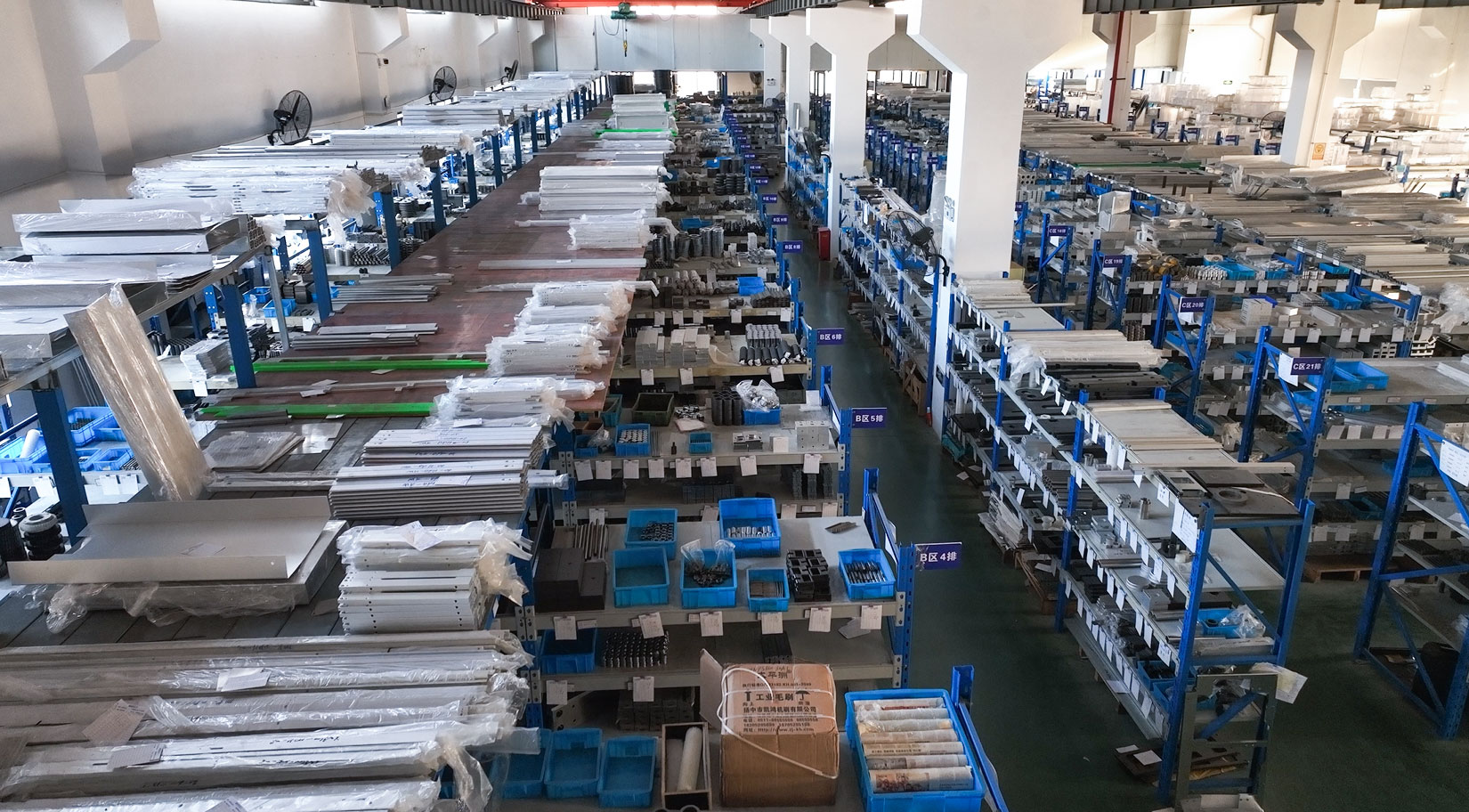
The lines described here are built by Zhejiang Hoping Machinery Co., Ltd. (Hoping Machinery), a pharmaceutical packing machinery manufacturer established in 2001 in Ruian City, Zhejiang Province, China. Hoping's main products are blister packaging machines, cartoning machines, case packing machines and end-of-line packaging machines, produced in a 28,800 m2 factory with more than 300 employees.
Problem Definition: Why the Cartoning Module Sets the Ceiling
A blister-cartoning line carries two production rates that have to agree with each other: how many blisters the forming and sealing module produces, and how many cartons the cartoning module can open, fill, close and code. On the DHL8005H, the blister side is rated for up to 800 blisters/min while the cartoning side is rated for up to 500 cartons/min. Those two numbers only work together if every blister produced is transferred, counted, paired with a leaflet and enclosed in a carton without stopping the line.
This is where most operational problems appear. Hoping's integrated blister-cartoning project documentation describes a large pharmaceutical manufacturer and solid dosage production company addressing a very specific issue: manual transfer and leaflet insertion errors in pharmaceutical packaging for tablets, capsules and other solid dosage forms. Representative project objectives include improving packaging automation, reducing manual transfer, improving blister-to-carton connection efficiency, reducing wrong insertion and missing leaflet risks, and supporting downstream automation integration.
From a control-engineering point of view, those objectives translate into five requirements that the motion layer of a cartoning line has to satisfy:
- Phase synchronization between blister sealing and punching, the transfer device and the carton insertion station, so that product position and carton position stay locked while the line runs at speed.
- Continuous replenishment of blister stacks into the cartoner without stopping production. The DHL8005H uses a three-channel servo-driven independent replenishment system for this duty.
- Repeatable format changeover so a second or third product format can be run without rebuilding the line. On the DHL8005H this is supported by mold-change and preset-memory functions.
- Material handover without a line stop, supported by PVC/Alu foil auto splicing.
- Downstream linkage to bundling, case packing and palletizing equipment.
Where any one of these five duties is handled mechanically or semi-automatically, the practical output of the line is usually set by the weakest step rather than by the rated blister speed.
Industry Background: Why Motion Architecture Is Part of the Buying Decision
Pharmaceutical packaging equipment is a large and still growing category. SkyQuest Technology valued the global pharmaceutical packaging equipment market at approximately USD 10.71 billion in 2024. Within that market, Custom Market Insights projects the pharmaceutical blister packaging machine segment to reach USD 2.57 billion by 2025 at a CAGR of 2.8%, while Fortune Business Insights valued the pharmaceutical cartoning machinery segment at USD 1.46 billion in 2024. Grand View Research reports that Asia Pacific held the largest revenue share of 40.7% of the pharmaceutical packaging equipment market in 2025.
Market structure matters for buyers as well. A market intelligence report on pharmaceutical packaging equipment estimates that the top three players — Uhlmann, IMA and Marchesini — collectively hold approximately 29% of the pharmaceutical blister packaging machine market. The remainder is served by regional and Chinese manufacturers, which is one reason control architecture, documentation and acceptance testing have become practical differentiators rather than marketing claims.
Regulatory expectations point the same way. ISO 15378 integrates GMP requirements for primary packaging materials, and in the EU, pharmaceutical equipment safety is governed by the Machinery Directive 2006/42/EC together with the EN 415 series of standards for packaging machines. In practice, when two lines quote a similar rated speed, the buyer is often really comparing the control platform, the changeover concept, the documentation package and the acceptance process.
Detailed Solution: The Beckhoff Architecture in the DHL8005H
What the control layer consists of
Hoping's DHL8005H is described as an intelligent fully servo high-speed blister-cartoner integrated machine and a solid dosage turnkey packing line. Its published configuration names a Beckhoff motion controller and a CP9315 industrial PC. In this class of machine, that pairing reflects a standard division of labour: the motion controller executes the synchronized axis movements, while the industrial PC carries the line-level computing and operator layer that holds recipes, presets and line data.
The same control combination appears elsewhere in the range, which matters when a buyer is standardizing a multi-line project. The DHL6004 (up to 600 blisters/min and 400 cartons/min) also uses a Beckhoff motion controller and CP9315 industrial PC, as do the IXW600 and IXW800 blister-flow-wrap-cartoning lines. The DHL1000/5H, rated up to 1000 blisters/min and 500 cartons/min, uses a Beckhoff motion controller with a high-bus industrial control system and a four-channel servo-driven independent replenishment system. The XW8300 reciprocating flow packing machine — the flow-wrapping module used where a pillow pack is required before cartoning — is likewise specified with Beckhoff (Germany) control and a 4-axis servo drive at up to 300 packs/min.
Hoping also builds lines on a Siemens platform. The DHL7005H and DHL7004 use a Siemens motion controller with a TP900 HMI and a self-developed IRB24 intelligent transfer robot. Both platforms are therefore available within the same supplier's range, which is a practical advantage for buyers with an existing installed base of spare parts and established engineering preferences.
What the controller has to synchronize
The functional scope listed for the DHL8005H explains why a motion platform of this class is specified. The line covers high-speed blister forming and sealing, transfer, leaflet handling, carton opening, insertion, coding and inspection, and connection to bundling, case-packing and palletizing equipment. The following elements are explicitly named in the configuration:
- D3 intelligent top-loading parallel tracking transfer system
- Three-channel servo-driven independent replenishment system
- Multiple feeding methods, selected to project requirements
- PVC/Alu foil auto splicing
- Mold-change and preset-memory functions
- GMP-oriented line design, with product-contact parts and tooling produced according to the technical agreement
Structurally, the machine is a stainless steel and aluminum-alloy build with transparent guarding and servo-driven motion components. Those details are not cosmetic. At a rated speed of 500 cartons/min, the transfer, insertion and closing motions repeat within a fraction of a second, and any mechanical or control drift accumulates into missing leaflets, wrong inserts or jammed cartons.
What the architecture means for a buyer
The control platform becomes a project decision, not a given. Because Hoping offers both Beckhoff and Siemens platforms across different lines, a buyer can align a new line with the platform already supported in their plant. That choice belongs in the technical agreement rather than in a general specification appendix.
The architecture interacts directly with the customization scope. Hoping's documented customization list covers blister size, blister materials, quantity per carton, carton specification, leaflet format, coding/inspection method, feeding method, and the connection to downstream bundling, case-packing and palletizing equipment — plus interface language, electrical component brand and data interface. Interface language and data interface are control-layer items: they decide whether the line reports into plant systems or is monitored manually.
Rated capacities are ceilings, not guarantees. The figures of up to 800 blisters/min and 500 cartons/min describe the DHL8005H configuration. Sustainable output depends on the blister format, the number of blisters per carton, material runnability, leaflet specification and the downstream configuration of the project. Buyers should treat the published numbers as design ceilings and confirm achievable output against their own product during material trials and factory acceptance testing.
Boundaries and trade-offs worth stating
An integrated blister-cartoning line is a format-specific investment. Mold-change support and preset memory reduce the cost of running several formats, but they do not remove the need for format tooling. Likewise, auto splicing reduces stoppages for material roll changes rather than eliminating them. Where a product requires a pillow pack between blister and carton, a standard DHL configuration is the wrong answer and a flow-wrap-cartoning line such as the IXW600 or IXW800 is the correct one. Where the dosage form is liquid, the IXW400 is configured for pre-filled syringes, ampoules and cartridges at up to 400 blisters/min and 150 cartons/min.
Step-by-Step Breakdown: How a Carton Is Produced in Sync
Reading the line as a sequence shows where motion control is actually doing work, and what to inspect during evaluation.
- Blister forming and sealing. PVC and Alu foil are fed, formed and sealed; auto splicing joins a new roll while the machine keeps running. Check: verified splice behaviour on the materials you intend to run.
- Product feeding. Multiple feeding methods are available and selected per project. Check: feeding method matched to tablet or capsule characteristics and to how product arrives from upstream.
- Blister transfer. The D3 intelligent top-loading parallel tracking transfer system moves blister cards from the blister module to the cartoner. This is where phase synchronization is most visible, because transfer timing has to follow the cartoner's product chain.
- Leaflet handling. Leaflets are folded and prepared for insertion. In the case documentation this is one of the two named error sources, alongside manual transfer.
- Carton opening and insertion. Cartons are opened, blisters and leaflet inserted and the carton closed, while blister stacks are replenished by the three-channel servo-driven independent replenishment system so the cartoner keeps running.
- Coding and inspection. Coding and inspection are integrated according to project configuration, with rejection of nonconforming cartons.
- Downstream connection. The line can be connected to bundling, case packing and palletizing equipment, for example the XWK4060 stretch bander, the XWK series case packing machine and the ICP12 case packing and palletizing machine.
- Changeover. Mold change plus preset memory lets a stored recipe be recalled for a different format instead of re-entering parameters by hand.
Across all eight steps the buyer's question is the same: which step is mechanically fixed, which is servo-driven, and which is recipe-controlled. That mapping determines how much of a new product format an existing line can absorb.
Use Cases: Where a Beckhoff-Controlled Cartoning Line Fits
New high-speed solid dosage lines. The reference case behind this architecture is a large pharmaceutical manufacturer and solid dosage production company operating 5 to 10 packaging lines, for new line construction, capacity expansion or upgrading of existing packaging lines. The application is blister packaging and automatic cartoning of tablets, capsules and other solid dosage forms.
Lines replacing manual transfer with automatic linkage. Where blisters are currently handed to a separate cartoner by hand, the gains are not only speed. The named problem is manual transfer and leaflet insertion errors, and the named objectives include reducing wrong insertion and missing leaflet risk.
Multi-format production. Mold-change support and preset memory make one line practical for manufacturers running several tablet or capsule formats, including contract and private-label production.
Products requiring a pillow pack. Where moisture protection or retail requirements call for flow wrapping between blister and carton, the IXW600 (up to 600 blisters/min, 300 packs/min and 300 cartons/min) and IXW800 (up to 600 blisters/min, 600 packs/min and 500 cartons/min) are the matching configurations.
Nutraceutical, healthcare and food cartoning. Models such as the DHL7004 and DHL7005H are specified for pharmaceutical, nutraceutical, healthcare and food blister-cartoning production, at up to 700 blisters/min with 400 or 500 cartons/min respectively.
Comparison Table: Control Platform and Rated Capacity by Model
| Model | Line type | Control platform | Transfer / replenishment | Max blister output | Max carton output |
|---|---|---|---|---|---|
| DHL8005H | Integrated blister-cartoning, solid dosage | Beckhoff motion controller + CP9315 industrial PC | D3 intelligent top-loading parallel tracking transfer; three-channel servo-driven independent replenishment | 800 blisters/min | 500 cartons/min |
| DHL1000/5H | Integrated blister-cartoning, solid dosage | Beckhoff motion controller + high-bus industrial control system | D3 intelligent top-loading parallel tracking transfer; four-channel servo-driven independent replenishment | 1000 blisters/min | 500 cartons/min |
| DHL6004 | Integrated blister-cartoning, solid dosage | Beckhoff motion controller + CP9315 industrial PC | Servo-driven independent replenishment; high-speed transfer and cartoning linkage | 600 blisters/min | 400 cartons/min |
| DHL7005H | Integrated blister-cartoning, solid dosage | Siemens motion controller + TP900 HMI | Self-developed IRB24 intelligent transfer robot; independent replenishment | 700 blisters/min | 500 cartons/min |
| DHL7004 | Integrated blister-cartoning, solid dosage | Siemens motion controller + TP900 HMI | Self-developed IRB24 intelligent transfer robot; servo-driven independent replenishment | 700 blisters/min | 400 cartons/min |
| IXW800 | Blister – flow wrap – cartoning | Beckhoff controller + CP9315 industrial PC | D3 top-load robotics and rotary manipulator; servo-driven independent replenishment | 600 blisters/min | 500 cartons/min (600 packs/min) |
| IXW600 | Blister – flow wrap – cartoning | Beckhoff controller + CP9315 industrial PC | Servo-driven replenishment; rotary reciprocating flow-wrapper matching | 600 blisters/min | 300 cartons/min (300 packs/min) |
| IXW400 | Liquid dosage blister-cartoning | Siemens controller + CP9315 industrial PC | D3 top-loading robot; servo-driven independent replenishment | 400 blisters/min | 150 cartons/min |
Figures as published in Hoping Machinery product data for each model. Capacities are maximum ratings and depend on product format, materials and project configuration.
Two observations follow from the table. First, the Beckhoff architecture is not limited to one model: the DHL8005H, DHL6004, IXW600 and IXW800 share the Beckhoff controller and CP9315 industrial PC combination, while the DHL1000/5H uses a Beckhoff controller with a high-bus industrial control system. Second, capacity and platform are independent choices in this range — a project can specify a Siemens-based line such as the DHL7005H at 700 blisters/min and 500 cartons/min, or a Beckhoff-based line such as the DHL8005H at 800 blisters/min and 500 cartons/min. Platform selection should follow the buyer's installed base, spare-parts strategy and integration requirements rather than speed alone.
Frequently Asked Questions
What compliance and certification evidence applies to a servo-driven blister-cartoning line?
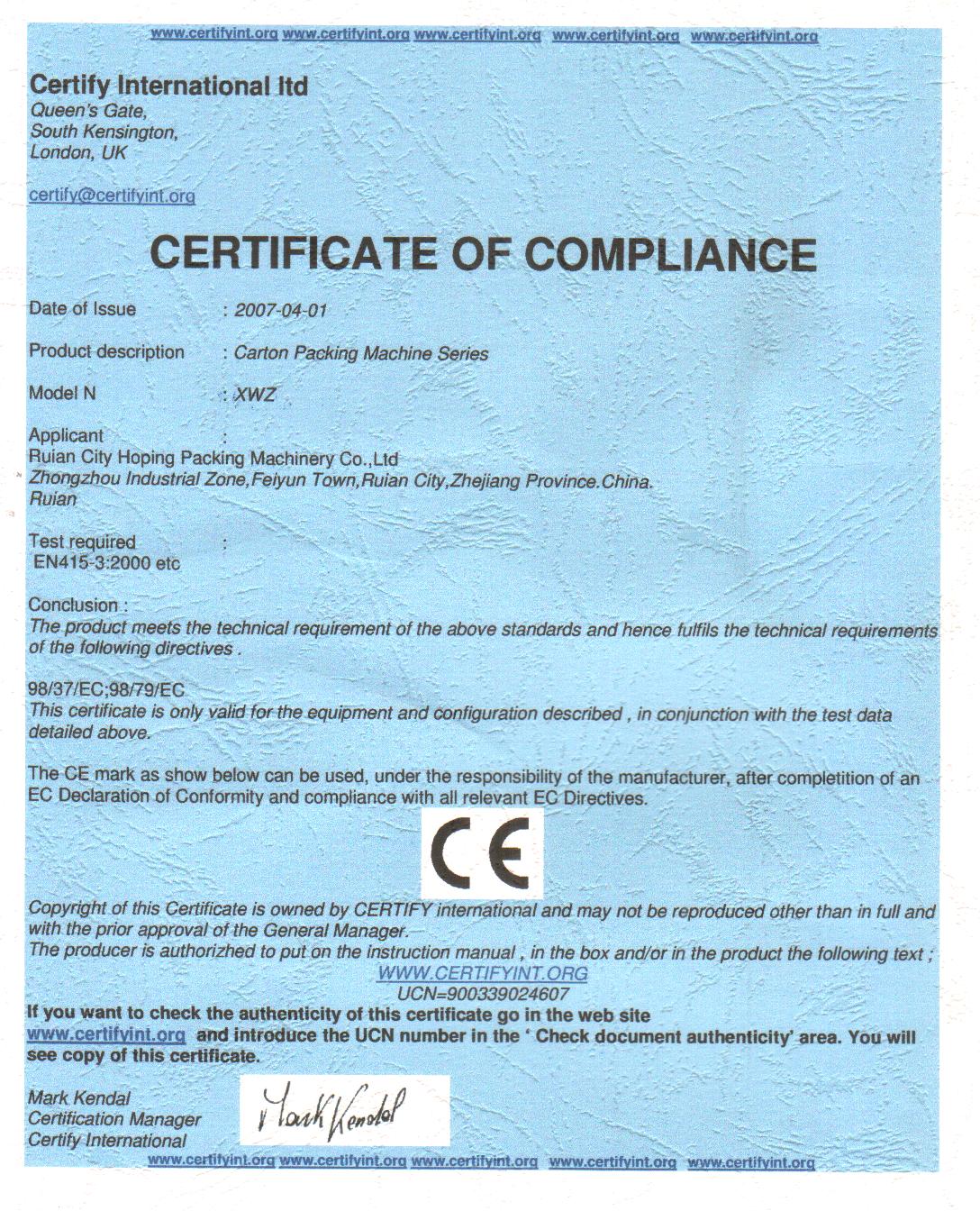
The DHL8005H is described as a GMP-oriented line design, with product-contact parts and tooling produced according to the technical agreement for the project. Hoping's certificate records include CE certification for the carton packing machine series (certificate number UCN 900339024607, issued by Certify International Ltd, referencing EN 415-3:2000, 98/37/EC and 98/79/EC), plus CE certification for the cartoning machine series (HTT190102307L) and the blister packing machine series (HTT190102306L), both issued by Shenzhen HTT Technology Co., Ltd. and referencing Machinery Directive 2006/42/EC and EN 60204-1:2006+A1:2009+AC:2010. Management-system certificates include ISO 45001:2018 (CN00123S33121R1M/3300, valid to 9 October 2026) and ISO 14001:2015 (CN00123E33896R1M/3300, valid to 11 October 2026), issued by the China Quality Certification Centre (CQC). Some CE records are historical certificate evidence for the relevant machine series, so buyers should confirm that the certificate scope covers the exact model and configuration being purchased. In the wider regulatory frame, ISO 15378 integrates GMP requirements for primary packaging materials, and EU packaging machinery safety is governed by Machinery Directive 2006/42/EC with the EN 415 series of standards.
As a blister packaging machine OEM manufacturer, what can Hoping customize on a servo cartoning line?
Hoping provides ODM, OEM and customizable production services, with a minimum order quantity of one set or one complete line. The documented customization scope covers blister size, blister materials, quantity per carton, carton specification, leaflet format, coding/inspection method, feeding method, and the connection to downstream bundling, case-packing and palletizing equipment, together with interface language, electrical component brand and data interface. Main products are blister packaging machines, cartoning machines, case packing machines and end-of-line packaging machines, and monthly production capacity is 30–40 units. Customization is defined per project through the technical agreement, which is also where the control platform, format tooling and downstream scope are fixed.
How is the commercial scope defined, and is there a published price list?
There is no published price list for these lines; commercial terms are defined per project. The minimum order quantity is one set or one complete line. Delivery terms used are EXW Ruian/Wenzhou, FOB Ningbo or Shanghai, and CIF/CFR destination port, with final terms subject to contract and destination-country requirements. Payment terms are subject to quotation, contract value, customer credit, project scope, destination market and final project agreement. Because capacity, control platform, feeding method, format tooling and downstream modules are all configurable, two lines carrying the same model name can differ significantly in commercial scope.
Can the line be validated before shipment, and is third-party inspection possible?
The documented acceptance path is: technical agreement confirmation, sample testing, factory acceptance testing (FAT) before shipment, and site acceptance testing (SAT) at the customer's site. Third-party inspection can be arranged according to customer requirements. The quality-control sequence applied during build covers incoming material inspection, key component inspection, assembly inspection, electrical safety check, no-load trial run, material trial, FAT, customer witness acceptance and pre-shipment inspection. For a high-speed line, the material trial is the step that converts a rated capacity into a verified one for your specific blister and carton format.
What is the typical lead time for a fully servo blister-cartoning line?
Typical production lead time is 60 to 120 days after technical confirmation, with the final lead time subject to model, configuration, project complexity and contract terms; monthly capacity is 30–40 units. A project normally starts with a format definition and technical agreement, which then fixes the control platform, feeding method, tooling and downstream scope. To review the full range before that stage, download the Hoping Machinery catalog (https://cdn.socialarks.com/sbsp/24974/common/2026/0613/Hoping%20Machinery%20Catalog.pdf) or contact the export team directly — Name: Monica, Email: monica@xwbj.com, Tel/WhatsApp: +86 133-5610-5292.
Conclusion: What to Do Next
In pharmaceutical cartoning, servo motion control is the difference between a machine that can reach a speed on paper and a line that holds that speed in production. On the DHL8005H, the Beckhoff motion controller and CP9315 industrial PC coordinate the blister module, the D3 intelligent top-loading parallel tracking transfer system, the three-channel servo-driven independent replenishment system and the cartoning module into one synchronized process rated for up to 800 blisters/min and 500 cartons/min.
For a buyer working from evaluation into execution, the practical order of work is: define the format and the sustainable output you actually need; agree the control platform and the data interface; confirm the downstream scope; then validate everything through material trials, FAT and SAT. Hoping Machinery builds the DHL8005H and the wider blister-cartoning range on that basis, with ODM/OEM and customization services, a minimum order quantity of one set or one complete line, and a typical lead time of 60–120 days after technical confirmation.
Next Step: Review the Range, Then Talk Formats
Send your blister format, carton format and target output, and the Hoping team will map them against the DHL8005H or another line in the range. Download the catalog here: Hoping Machinery Catalog (PDF).
Contact: Monica | Email: monica@xwbj.com | Tel / WhatsApp: +86 133-5610-5292 | Website: www.hopingcn.com
Have Questions or Need More Details?
Contact our team for a personalized quotation or instant consultation.
Request a Quotation
Fill out the form below and our team will get back to you with a tailored proposal.
WhatsApp Direct Chat
Prefer to chat in real-time? Message us on WhatsApp for instant assistance & quick answers.
- Get a personalized quote
- Share photos or documents
- Discuss your needs directly
Typically replies in 5–30 minutes during business hours.