
Supplier Capability Review: From CAD to Commissioning for Blister Cartoner Lines
Supplier Capability Review
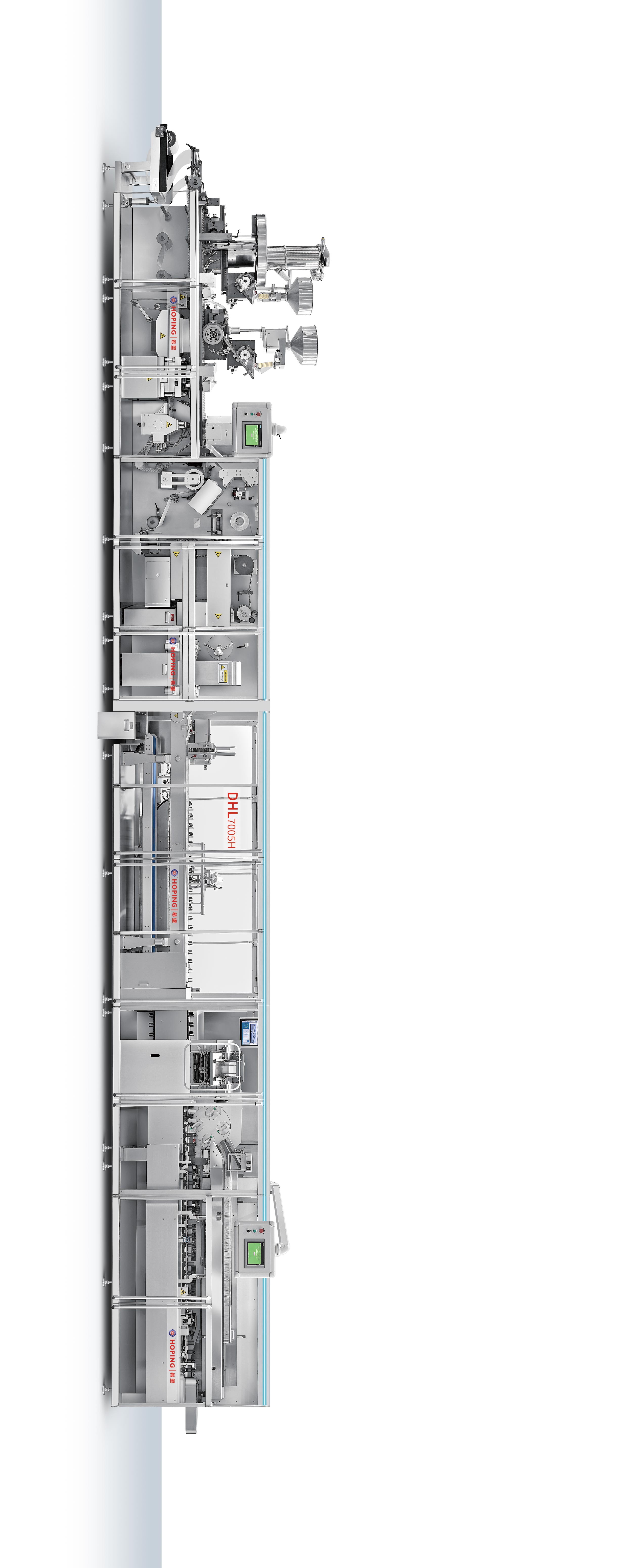
A blister cartoning line is only as reliable as the weakest hand-off between the drawing office and the day it produces saleable cartons. This review sets out the seven hand-offs a supplier has to prove, and uses HOPING's DHL8005H fully servo blister-cartoning line as the worked example of what evidence to demand at each one.
Most supplier comparisons for a pharmaceutical packaging machine end where they should begin: a price, a speed figure and a photograph of a machine in a showroom. None of those three items tells a buyer whether the supplier can hold a blister format tolerance, whether the format parts will still be documented five years after handover, or whether commissioning will finish at the output written into the contract.
Zhejiang Hoping Machinery Co., Ltd. (HOPING) is a pharmaceutical packaging machinery manufacturer established in 2001 in Ruian, Zhejiang, China, producing blister packing machines, cartoning machines, case packers and end-of-line equipment. Its DHL series of automatic blister-cartoning lines is used here as a concrete reference, because a capability review only has value when it is attached to specific, checkable artefacts.
The article is written for buyers in the research and evaluation stage: engineering, procurement and QA teams who already know they need an integrated blister cartoning line, and now have to decide which supplier can deliver it — and prove it.
Why Supplier Capability Is Usually Judged Too Late
Capability problems on a high-speed blister cartoner rarely appear in the quotation. They appear at three predictable moments.
- At FAT, as a speed shortfall. A maximum output figure describes a machine at its best; a validated line has to hold output across shifts, formats and product batches. HOPING's own line documentation illustrates the distinction: a published line configuration is stated as reaching up to 1,000 blisters per minute and 500 cartons per minute, and the same documentation notes that maximum output may not equal sustained validated output.
- At changeover, as undocumented tooling. Format parts for a blister cavity, a carton blank and a leaflet are project-specific. If drawings, material schedules and setting parameters are not handed over, every future SKU becomes a new engineering project.
- At commissioning, as an open loop. A line that runs but cannot be taught, tuned and re-set by the buyer's own technicians has been demonstrated, not commissioned.
Each of these failures is visible before the purchase order, provided the buyer asks for evidence at the stage where it exists rather than at the end of the project.
What the Market Context Shows — and What It Does Not
Three data points frame the decision, and each carries a limit worth knowing.
- Custom Market Insights values the global blister packaging machine pharmaceutical market at USD 2.57 billion in 2025, and describes Asia-Pacific as the fastest-growing region at an 8.87% CAGR to 2031. This is commercial research, not official statistics.
- Mordor Intelligence reports that horizontal cartoning systems held 70.12% of cartoning market share in 2024 — relevant because horizontal end-load cartoning is the architecture used in most integrated blister-cartoning lines.
- ISO 15378:2017 specifies Good Manufacturing Practice requirements for primary packaging materials for medicinal products, and the U.S. FDA sets out cGMP as the framework for pharmaceutical quality. In the evidence available, neither source prescribes a specific machine design; they establish the documentation and process-control expectations a line has to fit into.
Trade coverage also reports that pharmaceutical manufacturers are moving toward digitised data collection and integrated solutions. That direction has a specification consequence: recipe memory, batch data and line-level control belong in the acceptance conversation, not in the after-sales conversation.
Market values above are publisher-reported and are not combined or averaged. Supplier capability statements are company-reported unless a third party is named.
From CAD to Commissioning: Seven Hand-offs That Define Capability
Treat the project as seven transfers of information, and ask what documentary or physical evidence exists at each one. A supplier that can answer all seven with records sits in a different risk category from one that answers with brochures.
| Hand-off | Evidence the supplier should be able to show |
|---|---|
| 1. Specification to 3D design | Blister format drawing, carton blank and leaflet specifications, contact-part material schedule, and the GMP-oriented design basis for cleaning and guarding. |
| 2. Design to fabrication | Machining route for plates, cams and format parts; tolerance control; incoming material inspection records. |
| 3. Fabrication to assembly | Assembly inspection sheets and an electrical safety check before power-up. |
| 4. Assembly to no-load run | No-load trial run record, alarm and fault list, and the initial servo parameter set. |
| 5. No-load to material trial | A trial on the buyer's own tablets or capsules, with seal parameters and carton erection results recorded. |
| 6. Material trial to FAT | FAT protocol and report, plus customer witness acceptance where the buyer attends. |
| 7. FAT to commissioning | Pre-shipment inspection, installation and commissioning report, operator and maintenance training records, and the process-parameter handover. |
That list is not hypothetical for HOPING. Incoming material inspection, key component inspection, assembly inspection, electrical safety check, no-load trial run, material trial, FAT, customer witness acceptance and pre-shipment inspection are the stated quality-control stages for its lines.
Where the DHL8005H Fits as a Worked Example
The DHL8005H is one model in HOPING's DHL family of automatic blister-cartoning lines, which also includes the DHL7005H, DHL6004, DHL7004 and DHL1000/5H. The value of using it as an example is not the model number; it is that the same architecture questions apply to every line in the family, and that each question has a documented answer on at least one model — which is exactly the standard a buyer should hold the quoted model to.
Fully servo architecture: what it changes for the buyer
On a fully servo line, forming, sealing, punching, transfer and cartoning motions are driven and synchronised electronically rather than through a mechanical shaft. HOPING documents the DHL7005H as a fully servo high-speed blister-cartoner and the DHL1000/5H as an intelligent fully servo machine. Two practical consequences follow: format changeover is carried out through parameter sets rather than mechanical adjustment, and motion profiles can be tuned during commissioning. That makes commissioning, not the quotation, the point at which the architecture is either realised or wasted.
Control platform: Beckhoff, Siemens and what to standardise
HOPING documents a Beckhoff motion controller with a high-bus industrial control system on the DHL1000/5H, and a Siemens motion controller with TP900 HMI on the DHL7005H. The same company uses Beckhoff control on its XW8300 flow packing machine. For the buyer the platform question is not which brand is superior; it is which platform the plant's maintenance team can support, and whether the spare-part and software-backup policy matches that choice. Ask for the controller series, the HMI project backup and the recipe-management structure in writing, before the order.
Independent multi-channel replenishment
Blister output and cartoning output are balanced by the transfer and replenishment system between them. HOPING documents independent replenishment on the DHL7005H and a four-channel servo-driven independent replenishment system on the DHL1000/5H, which allows channels to be refilled without stopping the upstream blister process. Two items should be confirmed for any specific model, including the DHL8005H: the number of replenishment channels in the quoted configuration, and the buffer capacity between blister punching and carton loading — because that buffer, not the headline speed, is what absorbs short stoppages.
GMP-oriented tooling and product-contact parts
HOPING configures tooling and contact parts by project, and states that product-contact and format parts are configured according to GMP-oriented project requirements on the DHL1000/5H. In practice this should become a document: a contact-part schedule naming material, surface finish and cleaning method for every part that touches the product or the primary pack. This is where GMP-oriented design either becomes auditable or stays a phrase.
Transfer technology between blister and carton
Two mechanisms appear in the documented range: a self-developed IRB24 intelligent transfer robot on the DHL7005H, and a D3 intelligent top-loading parallel tracking transfer system on the DHL1000/5H. Both are top-loading approaches, and the evaluation question is identical for either: how the system handles a missing blister, a mis-punched card or a rejected carton without stopping the line, and what the false-rejection rate is on the buyer's own product rather than on a demonstrator product.
Step-by-Step: What to Verify at Each Stage
- Technical confirmation. Before any drawing is released, fix blister size and material, product type (tablets, capsules or soft capsules), quantity per carton, carton specification, leaflet format, coding and inspection method, feeding method and downstream connection. Every one of these is a customization variable on HOPING lines, and each one changes the tooling package and therefore the schedule.
- Drawing and tooling sign-off. Review blister format, carton blank and leaflet drawings together, then confirm the contact-part material schedule and the cleaning method for each part. Approve the documents you will still need in year five.
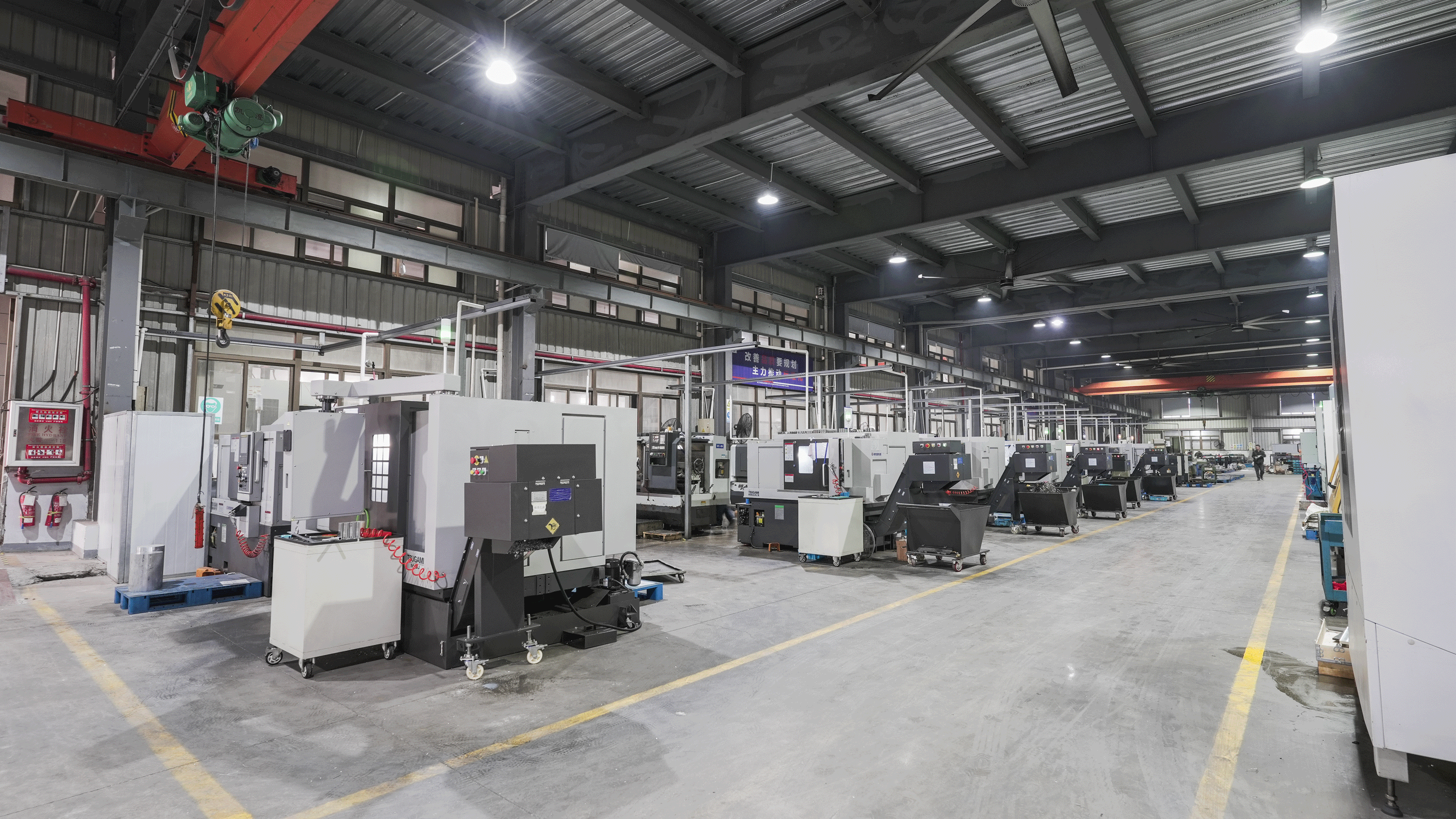
- Fabrication review. Ask which parts are machined in-house. HOPING operates machining workshops and a gantry machining centre; a supplier that machines its own plates, cams and format parts controls tolerance and re-order lead time differently from one that subcontracts them.
- Assembly and electrical check. Request assembly inspection sheets and the electrical safety check record before the no-load run, not alongside the machine at shipment.
- No-load and material trial. Insist the material trial uses your product. Record seal temperature, pressure and dwell as the starting parameter set for commissioning.
- FAT and witness acceptance. Put acceptance criteria in the contract: output over a defined run, carton quality attributes, rejection logic and the alarm list. Witness acceptance is a documented stage on HOPING lines, so it can be scheduled into the project plan rather than requested late.
- Pre-shipment inspection. Confirm the pre-shipment inspection record, the spare-part list, and that the HMI project and recipe backup ship with the machine.
- Installation, commissioning and training. On-site installation and commissioning, operator training, maintenance training, remote video and phone support, spare-parts supply and process-parameter guidance form the stated after-sales scope. Close with a formal handover: commissioning report, training attendance, parameter set and a written escalation path.

Where This Lifecycle Model Pays Off: Three Project Profiles
New solid-dosage blister-cartoning line
A manufacturer building a new line for tablets or capsules, in Alu-PVC or Alu-Alu format, has to decide the slip between primary and secondary packaging early. HOPING's blister range includes the DPH series for high-speed roller Alu-PVC and Alu-Alu work, documented at roughly 60 to 200 cycles per minute depending on model, and its cartoning and line modules connect that output to carton, leaflet and coding. In this profile the lifecycle review above is essentially a single-supplier scope test: can one supplier document the blister format, the transfer, the cartoner and the downstream connection as one system.
Multi-format expansion on an existing site
A plant adding SKUs is buying changeover capability more than speed. Here mold-change support and recipe memory, documented on the DHL1000/5H, plus independent servo replenishment, matter more than the headline rate, because the cost of a format change is measured in hours of lost output and in re-validation effort. The verification ask is narrow: bring two of your hardest formats to the drawing review and require the changeover sequence for both.
Integrated secondary and end-of-line packaging
Where the line continues past the cartoner, the downstream scope has to be specified at the same time. HOPING's line components cover blister packing, cartoning, flow packing, case packing and palletizing, with the XWK4060 stretch bander documented at about 30 to 60 bundles per minute, the XWK series case packer at about 5 cases per minute, and the ICP12 as a combined case packing and palletizing machine. The purpose is one-pass blister-to-carton flow that reduces manual transfer between stages — which is also where most of the labour and mix-up risk sits in a non-integrated plant.
Documented Models Side by Side
The table below uses only specifications published for the named models. It is a comparison of documented scope, not a ranking.
| Parameter | DHL7005H | DHL1000/5H |
|---|---|---|
| Maximum blister output | Up to 700 blisters/min | Up to 1,000 blisters/min |
| Maximum cartoning output | 500 cartons/min | 500 cartons/min |
| Drive architecture | Full servo drive | Intelligent fully servo |
| Motion control | Siemens motion controller, TP900 HMI | Beckhoff motion controller, high-bus industrial control system |
| Blister-to-carton transfer | Self-developed IRB24 intelligent transfer robot | D3 intelligent top-loading parallel tracking transfer system |
| Replenishment | Independent replenishment | Four-channel servo-driven independent replenishment system |
| Format change | Mold-change support | Mold-change and recipe memory functions |
| Feeding | Configured by project | Different feeding methods according to customer requirements |
| Film handling | Configured by project | PVC / Alu foil auto splicing |
| Design basis | In-line GMP-oriented design | GMP-oriented design |
The DHL8005H, the example used in this review, is documented as part of the same DHL blister-cartoner family; its exact output, control platform and replenishment channel count should be taken from the specification sheet issued for the quoted configuration, not assumed from a sister model.
Limits of supplier-published data. Three things are not established by a supplier catalogue and should be requested directly: sustained output over a full shift on your product, false-rejection behaviour on your blister format, and a written service-response and spare-part policy. Manufacturer maximum output is a screening figure; acceptance testing is the proof. HOPING, for reference, states a monthly capacity of 30 to 40 units and a lead time typically of 60 to 120 days after technical confirmation.
FAQ
Which GMP-related documents should a blister cartoner supplier provide before handover?
Ask for the documentation set that supports the qualification file rather than a certificate alone. On HOPING lines the stated quality-control sequence runs through incoming material inspection, key component inspection, assembly inspection, electrical safety check, no-load trial run, material trial, FAT, customer witness acceptance and pre-shipment inspection, and those records are the practical evidence base. The regulatory frame to place them in is ISO 15378:2017, which specifies GMP requirements for primary packaging materials for medicinal products, and the U.S. FDA cGMP framework for production and process controls. A contact-part schedule with materials, surface finish and cleaning method should be part of that package.
How do I verify a pharmaceutical packaging machine manufacturer for blister lines?
Verify four things: what they machine themselves, what they engineer themselves, what they can document, and what they can support after handover. HOPING operates a 28,800 square metre facility with more than 300 employees, including a 56-engineer R&D team, and runs its own machining workshops and a gantry machining centre; its product scope covers flat-plate, roller-type Alu-PVC and Alu-Alu blister machines, automatic cartoners and complete production lines, with ODM/OEM and customization offered. On the support side, on-site installation and commissioning, operator and maintenance training, remote support and spare-parts supply are the stated after-sales scope. An audit that walks from the machining bay to the assembly bay and then to a running line tests all four at once.
What determines the configuration scope and therefore the quotation of a blister-cartoning line?
Scope is driven by format and by automation level, not by model name alone. The customization variables stated for HOPING lines include blister size, blister materials, quantity per carton, carton specification, leaflet format, coding and inspection method, feeding method, downstream bundling, case-packing and palletizing connection, interface language, electrical component brand and data interface. Each variable changes tooling, control configuration and engineering hours. HOPING quotes a minimum order of one set or one complete line, and no public price list is published — which is normal for project-configured equipment. The efficient path is to fix the format list and the downstream scope first, then request a quotation against that fixed scope so that competing offers are comparable.
Can we run our own tablets or capsules on the line before shipment?
Yes, and it should be a contract condition rather than a favour. Material trial and customer witness acceptance are documented stages in HOPING's quality-control sequence, alongside the no-load trial run and factory acceptance testing, followed by pre-shipment inspection. Use the trial to capture the seal temperature, pressure and dwell settings, and to test the rejection logic on a deliberately missing blister and a mis-formed carton. Those records then become the baseline for on-site commissioning.
How long does delivery and commissioning take?
HOPING states a lead time typically of 60 to 120 days after technical confirmation, with the final figure subject to model, configuration, project complexity and contract terms. Commissioning follows shipment and is delivered on site, together with operator training, maintenance training and process-parameter guidance. Because the lead time clock starts at technical confirmation, every week spent finalising the blister, carton and leaflet drawings before the order is a week removed from the delivery risk. To move from evaluation to a dated plan, send your format list and target output for a specification review and quotation.
Conclusion: Capability Is a Paper Trail, Not a Photograph
The supplier that wins a blister cartoner project should be the one that can produce evidence at all seven hand-offs: drawings you approve, machining you can inspect, assembly and electrical checks on file, a material trial on your product, a FAT with witness acceptance, a pre-shipment record, and a commissioning file with training and parameters inside it. Everything else — a showroom machine, a maximum speed figure, a compliance adjective — is a starting point for questions, not an answer.
The DHL8005H example shows what to ask for in concrete terms: a fully servo architecture whose value is realised at commissioning, a named control platform with a backup policy behind it, independent servo-driven replenishment with a confirmed channel count and buffer, GMP-oriented tooling documented part by part, and a transfer system whose rejection logic has been tested on your own blister format.
Next Step: Specification Review and Sample Trial
Send your blister format, carton and leaflet specifications, product type and target output. HOPING will respond with a configuration scope, a material trial proposal and a quotation against that fixed scope — so that competing offers can be compared line by line.
Download the full catalogue: Hoping Machinery Catalog (PDF)
Zhejiang Hoping Machinery Co., Ltd. — www.hopingcn.com
Contact: Monica · Email: monica@xwbj.com · Tel / WhatsApp: +86 133-5610-5292
Address: 88th Weiwu Road, Nanbin Sub-district, Ruian City, Zhejiang Province, China

Have Questions or Need More Details?
Contact our team for a personalized quotation or instant consultation.
Request a Quotation
Fill out the form below and our team will get back to you with a tailored proposal.
WhatsApp Direct Chat
Prefer to chat in real-time? Message us on WhatsApp for instant assistance & quick answers.
- Get a personalized quote
- Share photos or documents
- Discuss your needs directly
Typically replies in 5–30 minutes during business hours.