
What Is an Automatic Blister-Cartoning Line? DHL8005H
What Is an Automatic Blister-Cartoning Line? Inside the DHL8005H High-Speed Solid Dosage Packager
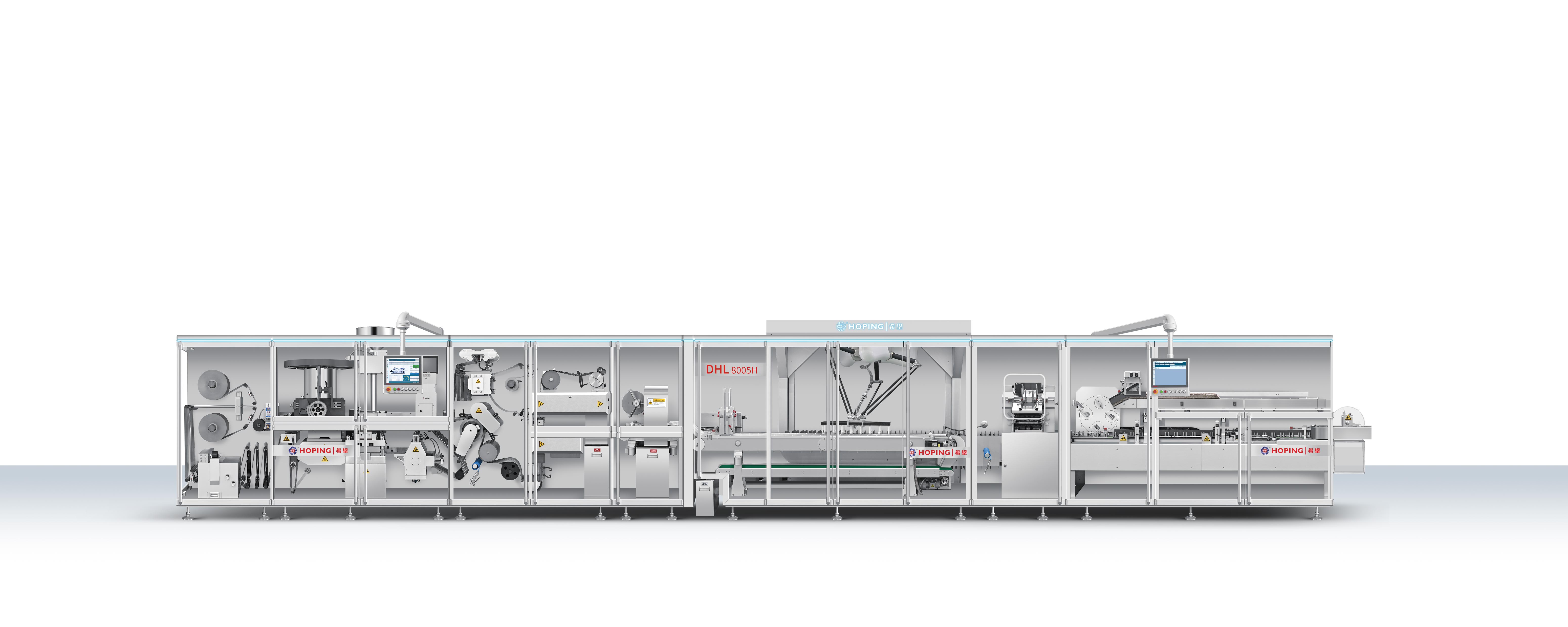
An automatic blister-cartoning line is one linked machine group in which blister cavities are thermoformed, filled and sealed, the blister strips are punched, and those strips pass directly into an automatic cartoner that erects the carton, inserts the leaflet, loads the blister, closes the carton and applies the batch data. No manual transfer happens between the blister stage and the carton stage. The DHL8005H, built by Zhejiang Hoping Machinery Co., Ltd. (HOPING), is a fully servo high-speed configuration of this category, documented at up to 800 blisters per minute and up to 500 cartons per minute.
This article is written for buyers who are evaluating a first integrated solid dosage packaging line, or who are replacing a separate blister machine and a separate cartoner with a single linked system. It defines the category, walks through the DHL8005H from forming station to carton discharge, and explains what each documented feature changes at the evaluation and execution stage.
What the Category Name Actually Covers
Three words carry the definition, and each one removes a specific uncertainty for a buyer.
Automatic means the material flow between primary and secondary packaging is machine-controlled. The blister strips do not leave the line, are not counted by hand, and are not staged in trays before cartoning.
Blister identifies the primary pack: a thermoformed cavity sealed with a lidding material, holding tablets, capsules, soft capsules or similar solid dosage units.
Cartoning identifies the secondary pack: a folded carton that receives the blister, the leaflet and the batch coding before it is closed.
An automatic blister packaging machine alone produces blister strips. An automatic cartoning machine alone converts blisters, bottles or other primary packs into cartons. A blister cartoning line is the configuration that joins the two and engineers the transfer between them. HOPING's documented product range covers flat-plate, roller-type aluminium-plastic and aluminium-aluminium blister packaging machines, automatic cartoning machines and production lines, so the integrated line sits inside a broader machine family rather than standing alone.
A closely related variant is the blister-flow-wrap-cartoning line, which inserts a flow-wrapping stage between blister and carton. That variant exists in the same HOPING range and is explained in the comparison table further down.
The Problem an Integrated Line Solves
Separate blister and cartoning machines work, but they create a boundary that has to be staffed, monitored and reconciled. In practice that boundary produces five recurring problems.
- Manual transfer risk. Strips are collected, moved and loaded by operators. Strips can be dropped, mixed between batches, or loaded in the wrong orientation.
- Mismatch between blister and carton. Leaflet missing, leaflet wrong version, or the wrong strip count inside a carton are the defects that survive to the end of the batch.
- Speed imbalance. A fast blister machine feeding a slower standalone cartoner builds work-in-progress inventory between the two stages, and the buffer hides the real bottleneck.
- Batch traceability gaps. When two machines run as separate units, batch identity has to be re-established at the cartoner rather than carried continuously from forming.
- Floor space and handling labour. The gap between machines consumes space, trays, trolleys and shift labour that adds no packaging value.
An integrated line removes the transfer boundary itself. That is the entire engineering argument, and it is also why integration is worth evaluating as a category decision rather than as a feature comparison.
Industry Background: Why Solid Dosage Still Runs on Blisters
Blister packs remain the default primary format for solid oral dosage because they protect each unit individually, make tampering visible and support unit-level identification. Market research published by Custom Market Insights placed the global blister packaging machine pharmaceutical market at USD 2.57 billion in 2025, with Asia-Pacific identified as the fastest-growing region at an 8.87% CAGR through 2031.
On the secondary side, orientation matters for line design. Mordor Intelligence reported that horizontal cartoning systems held 70.12% of the cartoning machine market in 2024. Horizontal cartoning is also the architecture used in blister cartoning lines, because a horizontally fed carton accepts a flat blister strip naturally.
Regulation shapes the specification as much as the market does. The U.S. Food and Drug Administration describes current Good Manufacturing Practice as the foundation for quality pharmaceuticals through regulatory standards, and ISO 15378:2017 specifies GMP requirements for primary packaging materials for medicinal products. Neither document is a machine datasheet, but together they explain why equipment buyers ask for GMP-oriented contact parts, cleanable construction and documented acceptance testing rather than output figures alone.
Trade coverage of association (PMMI) content also reports that pharmaceutical manufacturers are moving toward digitised data collection and integrated solutions to meet regulations and improve visibility. For a packaging line, that trend shows up as a control architecture question: where recipes, parameters and batch data live, and whether the line can exchange that data with plant systems.
Inside the DHL8005H: How the Line Is Built
The blister section: forming, filling, sealing, punching
The DHL8005H begins as a thermoform blister machine. Forming material is heated and drawn into cavities, product is fed into the cavities, lidding material is sealed onto the web, and the finished strips are punched out. The line is documented with PVC and aluminium foil auto splicing, which means the forming and lidding reels can be joined without stopping the machine to rethread by hand. For a buyer, splicing is a continuity feature: it directly affects how often a shift is interrupted for reel changes.
The transfer and replenishment stage
Between punching and cartoning, the strips are transferred into the cartoner's product chain. The DHL8005H is documented with three-channel servo-driven independent replenishment: the replenishment function is driven by three independent servo channels rather than a single mechanically linked feed. Practically, this is the part of an integrated line that determines whether the cartoner starves when the blister section pauses, and how quickly the line recovers when a format is changed.
The cartoning section
The cartoner erects the carton, folds and inserts the leaflet, loads the blister strip or stack, closes the carton and applies coding. Because the blister format and the carton format are engineered together on an integrated line, the quantity of blisters per carton becomes a machine setting rather than a manual decision on the shop floor.
Control architecture
The DHL8005H uses a Beckhoff motion controller together with a CP9315 industrial PC. Splitting motion control from the industrial PC is what makes the rest of the line's software features possible: machine parameters, format recipes and operator interface run on the PC layer, while axis motion is handled by the dedicated controller. HOPING's documented customization scope includes interface language, electrical component brand and data interface, which is where plant-level data exchange requirements should be raised during technical review rather than after commissioning.
Mould change and preset memory
Mould-change and preset-memory functions are documented on this line. In production terms, preset memory means a validated format can be recalled as a stored parameter set instead of being rebuilt by hand, and mould change means the mechanical swap is a defined, repeatable procedure. This matters most for buyers running several blister formats or several carton sizes on one machine.
Construction and product-contact parts
Product-contact parts on the DHL8005H are specified as GMP-oriented, and the machine structure uses stainless steel and aluminium. Those two statements are the ones to test during a factory acceptance test: ask which parts are product-contact, what they are made of, and how each is cleaned between batches.
Documented Specifications at a Glance
| Parameter | Documented value | What it changes during evaluation |
|---|---|---|
| Blister output | Up to 800 blisters per minute | Sets the upper capacity envelope for the primary stage; must be read against format and cavity count. |
| Carton output | Up to 500 cartons per minute | Sets the secondary stage ceiling; compare with blisters-per-carton to find the real bottleneck. |
| Machine category | Automatic blister-cartoning line (blister cartoner line) | Defines the scope: primary and secondary packaging in one linked system. |
| Drive concept | Fully servo | Affects format changeover, motion repeatability and how parameters are stored. |
| Motion control | Beckhoff motion controller | Determines axis control platform and the diagnostic data available to maintenance. |
| Operator / recipe layer | CP9315 industrial PC | Hosts recipes, interface language and data interface options. |
| Replenishment | Three-channel servo-driven independent replenishment | Influences starvation recovery and format-change handling at the transfer point. |
| Material supply | PVC / Alu foil auto splicing | Reduces reel-change downtime; relevant to shift continuity planning. |
| Format handling | Mould-change and preset-memory functions | Determines changeover discipline for multi-SKU production. |
| Product contact parts | GMP-oriented specification | Directly relevant to cleaning validation and material documentation requests. |
| Structure | Stainless steel and aluminium construction | Supports cleaning regimes and corrosion resistance in a pharmaceutical environment. |
Step by Step: One Batch Through the Line
- Reel loading and splicing. Forming and lidding reels are loaded; splicing allows a new reel to be joined to the running web. Acceptance point: confirm splice procedure, splice detection and reject logic.
- Forming. The forming web is heated and drawn into the cavity pattern defined by the mould. Acceptance point: cavity depth and wall consistency on the actual material to be used.
- Product filling. Tablets, capsules or soft capsules are fed into the cavities. Acceptance point: fill accuracy and missing-unit detection at the target running speed.
- Sealing. The lidding material is sealed onto the filled web. Acceptance point: seal parameters recorded and reproducible after a format change.
- Coding and punching. Batch data is applied and the strips are punched out. Acceptance point: code legibility and punch quality after a full shift.
- Transfer to cartoner. Punched strips move into the cartoner's product chain via the servo-driven replenishment channels. Acceptance point: no strip damage and no starvation at rated speed.
- Carton erection and leaflet insertion. The carton is erected and the leaflet folded and inserted. Acceptance point: leaflet presence detection and rejection verification.
- Blister loading and closing. The strip is loaded and the carton closed. Acceptance point: count per carton and closure quality.
- Coding and rejection. Carton coding is applied and defective cartons are rejected. Acceptance point: reject confirmation, not just reject command.
- Downstream connection. Cartons leave the line to bundling, case packing or palletizing where fitted. Acceptance point: transfer interface and buffer behaviour at line stops.
HOPING's documented acceptance path follows the same logic in the other direction: technical agreement confirmation, sample testing, factory acceptance testing before shipment, site acceptance testing at the customer plant, and third-party inspection where requested. Quality control before that point includes incoming material inspection, key component inspection, assembly inspection, electrical safety check, no-load trial run, material trial, customer witness acceptance and pre-shipment inspection.
Where the DHL8005H Fits: Use Cases by Product Type
Tablets
High-volume tablet production is the case where the 800 blisters per minute figure is most relevant. Tablets fill cavities predictably, so the constraint usually moves to blisters-per-carton arithmetic and to the cartoner's 500 cartons per minute ceiling.
Capsules
Capsules are lighter and more sensitive to handling than tablets. The evaluation questions shift toward filling stability, transfer gentleness and the reliability of missing-capsule detection rather than raw speed.
Soft capsules
Soft capsules deform under pressure, so contact points in the feeding and transfer path deserve specific attention during a material trial. This is a case where the trial, not the specification sheet, decides.
Nutraceuticals and healthcare products
These segments typically run more SKUs in smaller batches, which is exactly where mould-change and preset-memory functions earn their place: each stored format reduces the setup time and the operator-dependent variation between batches.
Multi-line and contract manufacturing environments
HOPING's project records for this category cover multi-line programmes of 5–10 lines for tablets and capsules, typically for new line construction, capacity expansion or upgrading of existing packaging lines. Customer names are disclosed only with authorisation.
Choosing the Line Configuration
| Configuration | What is inside the line | What changes for the buyer | Evaluation note |
|---|---|---|---|
| Blister packaging machine only | Forming, filling, sealing, punching | Primary packaging only; cartoning handled elsewhere | Lowest integration scope; the transfer boundary remains yours to manage |
| Automatic blister-cartoning line (DHL8005H) | Blister section plus automatic cartoner in one line | One transfer boundary removed; blister and carton formats engineered together | Balance 800 blisters/min against 500 cartons/min per product |
| Blister-flow-wrap-cartoning line | Blister, flow wrapper, cartoner | Adds an extra wrap between blister and carton | More stations and more format sets to store and validate |
| Blister-cartoning with end-of-line | Line plus case packing and palletizing | Manual case packing and pallet transfer removed | Treat downstream as separate scope with its own acceptance test |
The configuration decision is usually made on three questions: how many blisters go into each carton, whether the product needs an additional wrap, and how far downstream automation should reach. The blister-cartoning line is the middle option and the one most solid dosage projects specify first.
What HOPING Supplies Around the Machine
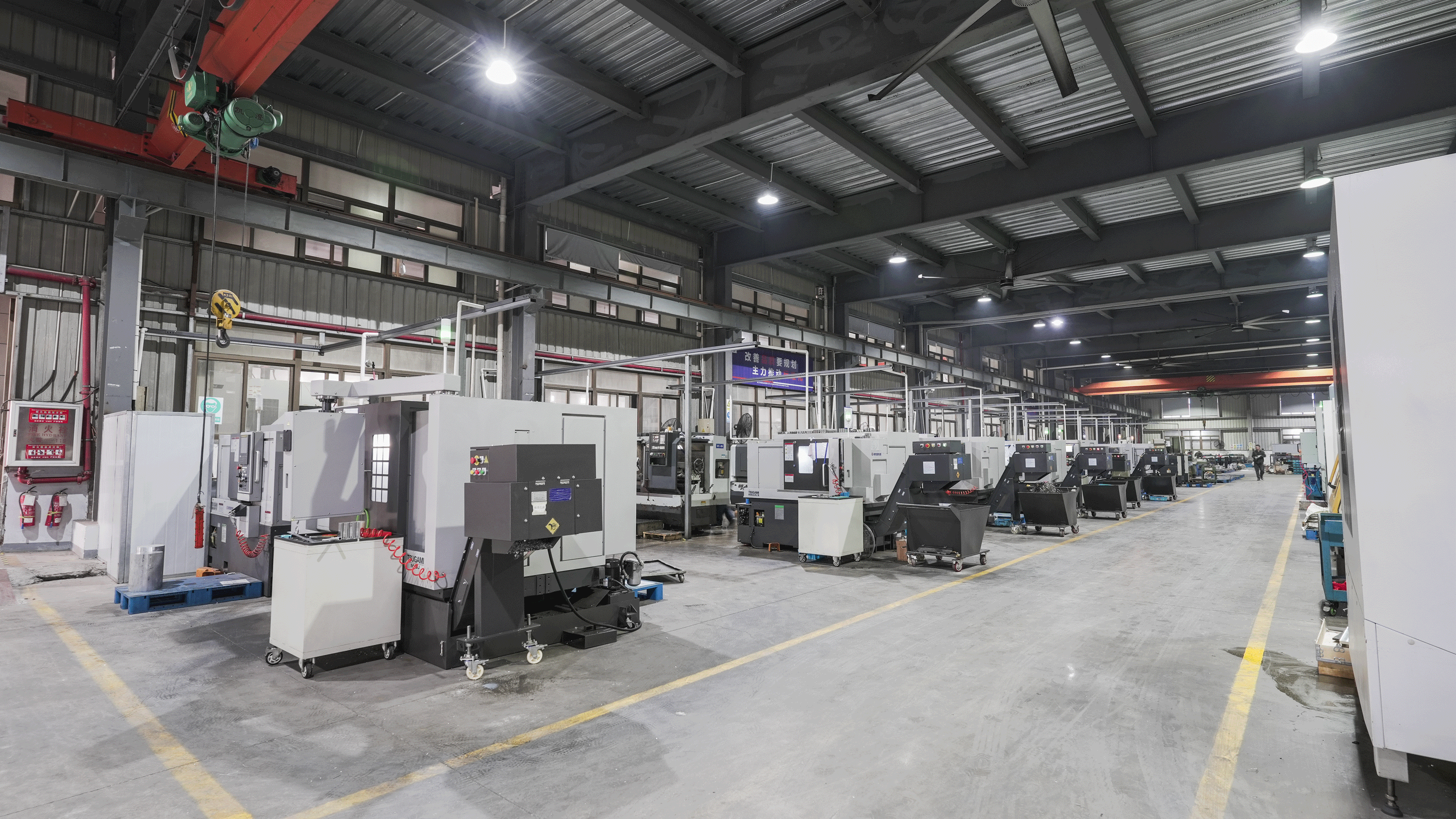
Zhejiang Hoping Machinery Co., Ltd. is a pharmaceutical packaging machinery manufacturer based in Ruian, Zhejiang, China, established in 2001 and operating a 28,800 m² facility with more than 300 employees, including 56 engineers. Annual output is documented at 500 units, with around 25% exported to Southeast Asia, the Middle East, Eastern Europe, South America and Africa. The company holds 26 invention patents, 70 utility patents, 4 appearance patents, 10 PCT filings and 28 software copyrights.
The company works in ODM, OEM and customizable modes, which is the operating model most relevant to buyers sourcing a blister packaging machine under their own specification. Documented customization items include blister size, blister materials, quantity per carton, carton specification, leaflet format, coding and inspection method, feeding method, downstream bundling, case-packing and palletizing connection, interface language, electrical component brand and data interface. Minimum order quantity is one set or one complete line.
CE certification records on file cover the blister packing machine series (certificate HTT190102306L, issued 22 January 2019 by Shenzhen HTT Technology Co., Ltd.) and the cartoning machine series (HTT190102307L, issued 22 January 2019 by Shenzhen HTT Technology Co., Ltd.; UCN 900339024607, issued 1 April 2007 by Certify International Ltd). Buyers should always request the certificate copy and confirm that its scope covers the exact model being quoted.
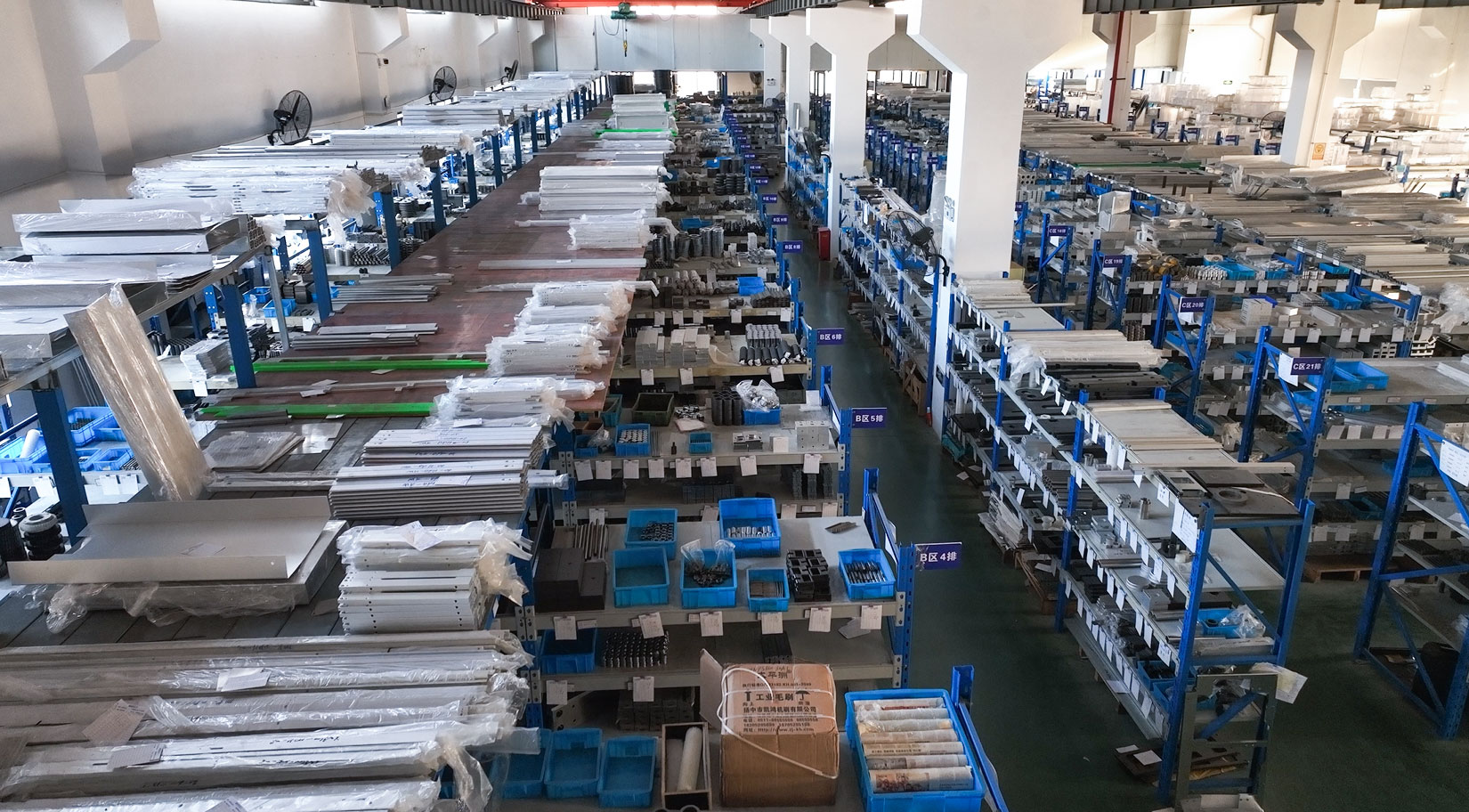
Documented production capacity is 30–40 units per month, with a typical lead time of 60–120 days after technical confirmation, subject to model, configuration, project complexity and contract terms. After-sales scope covers on-site installation and commissioning, operator training, maintenance training, remote video and phone support, spare parts supply, process-parameter guidance and regular follow-up, as set out in the contract.

Frequently Asked Questions
Does an automatic blister-cartoning line meet GMP requirements?
GMP compliance is a property of the specific configuration and its documentation, not a label attached to a machine category. On the DHL8005H, product-contact parts are specified as GMP-oriented and the structure uses stainless steel and aluminium. The surrounding regulatory context is that the U.S. FDA describes current Good Manufacturing Practice as the foundation for quality pharmaceuticals through regulatory standards, and ISO 15378:2017 specifies GMP requirements for primary packaging materials for medicinal products. HOPING holds CE certification records for the blister packing machine series (HTT190102306L, 2019) and the cartoning machine series (HTT190102307L, 2019; UCN 900339024607, 2007). Before treating compliance as confirmed, request the certificate, check that its scope matches the quoted model, and ask for the validation documentation package covering factory and site acceptance testing.
How does a blister packaging machine OEM manufacturer handle customization?
HOPING operates in ODM, OEM and customizable modes, so a line can be built to a buyer's specification rather than selected from a fixed catalogue. The documented customization scope covers blister size, blister materials, quantity per carton, carton specification, leaflet format, coding and inspection method, feeding method, downstream bundling, case-packing and palletizing connection, interface language, electrical component brand and data interface. Minimum order quantity is one set or one complete line, and customization is bounded by the technical agreement, so every change should be written into that document and reflected in the acceptance criteria.
What drives the cost of an automatic blister-cartoning line?
HOPING does not publish line prices; commercial terms are set per quotation and contract. The cost drivers are structural rather than cosmetic: the number of blister formats and mould sets, carton specification and leaflet folding style, whether coding and inspection stations are included, how far downstream the line reaches (bundling, case packing, palletizing), the electrical component brands and data interface specified, and the extent of validation and acceptance work. Delivery terms are documented as EXW Ruian or Wenzhou, FOB Ningbo or Shanghai, or CIF/CFR destination port, and payment terms follow quotation, contract value, project scope and destination market. Comparing two quotes therefore requires normalising scope before comparing totals.
Can we test our own tablets or capsules before shipment?
Yes. The documented acceptance path is technical agreement confirmation, sample testing, factory acceptance testing before shipment, site acceptance testing at the customer plant, and third-party inspection where the buyer requests it. Quality control ahead of shipment includes incoming material inspection, key component inspection, assembly inspection, electrical safety check, no-load trial run, material trial, customer witness acceptance and pre-shipment inspection. Running your own product as a material trial is the most direct way to confirm fill accuracy, seal quality, transfer behaviour and carton output before the line is shipped.
What are the MOQ, lead time and delivery terms for this line?
Minimum order quantity is one set or one complete line. Lead time is typically 60–120 days after technical confirmation, with the final figure depending on model, configuration, project complexity and contract terms; documented production capacity is 30–40 units per month. Delivery terms are EXW Ruian or Wenzhou, FOB Ningbo or Shanghai, or CIF/CFR destination port, subject to the contract and destination country requirements. If you are building a business case around a specific launch date, send the product specification and target output to HOPING early so the lead time can be confirmed against a defined configuration instead of a generic range.
Conclusion
An automatic blister-cartoning line is best understood as an engineering answer to a handling boundary: it eliminates the point where blister strips leave one machine and wait to enter another. The DHL8005H packages that answer with a fully servo architecture, documented outputs of up to 800 blisters and 500 cartons per minute, a Beckhoff motion controller with a CP9315 industrial PC, three-channel servo-driven independent replenishment, PVC and aluminium foil auto splicing, mould-change and preset-memory functions, and GMP-oriented product-contact parts in a stainless steel and aluminium structure.
For an evaluation-stage buyer, the practical next step is not a speed comparison but a scope comparison: fix the blister format, the blisters-per-carton ratio, the carton and leaflet specification, the inspection requirement and the downstream connection, then ask for those items to be confirmed in a technical agreement with a material trial attached. That sequence converts a headline figure into a verified capacity plan.
Next step: review the full HOPING machine range and line configurations, or send your blister format, carton specification and target output for a configuration-specific quotation and sample trial plan.
Download the HOPING Machinery Catalog (PDF) Request a Quote on WhatsAppContact: Monica | Email: monica@xwbj.com | Tel / WhatsApp: +86 133-5610-5292 | 88th Weiwu Road, Nanbin Sub-district, Ruian City, Zhejiang Province, China | www.hopingcn.com
Have Questions or Need More Details?
Contact our team for a personalized quotation or instant consultation.
Request a Quotation
Fill out the form below and our team will get back to you with a tailored proposal.
WhatsApp Direct Chat
Prefer to chat in real-time? Message us on WhatsApp for instant assistance & quick answers.
- Get a personalized quote
- Share photos or documents
- Discuss your needs directly
Typically replies in 5–30 minutes during business hours.