Technical Guide to Hex Keys, Folding Hex Keys and T-Handle Wrenches
One fastener profile, three different access and torque systems. A specification-level comparison of handle form, access angle, storage and the parameters buyers should confirm before locking a format.
Hex keys, folding hex key sets and T-handle wrenches all turn the same hexagonal socket, which is why buyers often treat them as interchangeable. In practice they are three different access and torque systems built around one shared fastener profile, and the difference becomes visible the first time a tool cannot reach the fastener or cannot survive the torque the job demands.
The short version: an L-shaped hex key is the right choice when clearance is tight and the fastener sits inside a recess; a folding hex key set is the right choice when the tool has to travel and size changes must be fast; a T-handle wrench is the right choice when the fastener is reachable from above and the work requires higher, repeatable torque through a stable grip. The differences are mechanical rather than cosmetic, and they sit in handle form, access angle, arm length, size identification and the documented proof torque of the steel.
This guide compares those three formats only, using the hex key, folding hex key and T-handle wrench ranges from HOTAK PRO TOOLS, the hand tool brand produced by Ningbo (Yinzhou) Yongjia Electrical Tools Co., Ltd. (YONGJIA TOOLS), as the reference specification set.
Problem Definition: What Breaks When the Format Is Chosen by Habit
Format errors rarely show up as an obvious tool defect. They show up as a stripped socket, a deformed key tip, a missing size in an otherwise complete set, or a torque claim that nobody can verify on paper.
- Clearance failure. A T-handle needs vertical space above the fastener. If the screw sits inside a housing, the grip bottoms out before the tip engages, and the technician switches tools or, worse, forces the tool at an angle.
- Unverified torque. Most hex keys are sold without a torque figure. A tool used at a torque level it was never specified for will deform at the tip, and the failure is usually attributed to the user rather than to the specification.
- Size system mismatch. Metric and SAE keys sit close together in nominal size. Using a 5/64 in key in a 2 mm socket, or the reverse, rounds the socket and damages the fastener head.
- Storage and loss. Loose L-keys in a service bag lose one size, and a set missing one size is no longer a usable set. Replacement purchasing then repeats, which is a cost that never appears in the unit price.
- Documentation gaps at the purchasing stage. If the steel grade, the hardness range and the size-by-size torque schedule are not stated, the buyer is comparing formats without the two or three parameters that actually decide whether the tool survives the application.
The decision question is therefore not which hex key is best in general, but which format matches the access angle, the torque requirement and the storage reality of a specific application, and which of those parameters the supplier can document before the order is placed.
Industry Background: Where Hex Keys Sit in the Hand Tool Market
Hand tools are a mature, high-volume category. The global hand tools market was valued at approximately USD 25.61 billion in 2025 according to Straits Research, and the U.S. hand tools market was valued at USD 5.34 billion in 2025 according to Arizton. China remains the dominant export base: Chinese exports of hand tools under HS 8203 reached USD 1.1 billion in 2024, based on OEC trade data, while China's production value of interchangeable tools for hand tools was estimated at USD 10.5 billion in 2024 in Fastener World reporting.
Two structural features of this market shape hex key buying decisions. First, concentration is limited: Stanley Black & Decker held over 14% of the global hand tool market in 2024 according to Global Market Insights, which means the remaining share is spread across a long tail of manufacturers. Differentiation therefore happens at the specification level — steel grade, hardness range, documented torque and format coverage — rather than at the brand level. Second, compliance is shifting from a paperwork formality to a market-entry condition: India's Hand Tools Quality Control Order 2025 mandates BIS certification across 9 tool categories, and comparable documentation expectations apply in European and U.S. retail channels.
Hex keys are generally grouped with wrenches and keys in category reporting rather than tracked as a standalone segment, so buyers rarely find useful category-level data for the format itself. The practical substitute is supplier-level documentation: a stated steel grade, a stated hardness range and a stated proof torque schedule per size.
Detailed Solution: How the Three Formats Actually Differ
1. Standard L-Key Hex Key: Short Arm, Long Arm and Extra Long Arm
An L-key gives the user two working arms. The short arm drives the fastener while the long arm acts as the lever, and the geometry lets the tool enter a recess that a screwdriver-format handle could never reach. In the HOTAK PRO TOOLS range the format is covered in three arm configurations — short arm (105221K1), long arm (105221K2) and extra long arm (105221K3), each supplied as a 9-piece ball point set in metric sizes — plus colour-coded short and long arm versions (71821D1, 71821D2, 71821D3) that use colour to make size identification immediate when the key is pulled from a holder.
All of these sets are produced in CR-V 6150 chrome vanadium steel with a documented hardness of HRC 52-55. The ball point end is the reason this format handles recessed and obstructed fasteners: the ball profile allows the tool to be introduced at an angle where a straight tip cannot engage.
| Size (mm) | 1.5 | 2.0 | 2.5 | 3.0 | 4.0 | 5.0 | 6.0 | 7.0 | 8.0 | 10.0 |
|---|---|---|---|---|---|---|---|---|---|---|
| Torque (N) | 0.82 | 1.90 | 3.80 | 6.60 | 16.00 | 30.00 | 52.00 | 80.00 | 120.00 | 220.00 |
Torque does not scale linearly with size. The 1.5 mm key is documented at 0.82 N and the 10 mm key at 220.00 N. The smallest keys in a set are also the ones most often used as levers, which is why tip deformation concentrates in the first three sizes of any kit.
2. Folding Hex Key Set: Handle Form, Storage and Locking
A folding set turns nine separate keys into one object. Each key is housed in a hinged body and swings out when needed, so the format removes the two most common field problems at once: searching for a size and losing a size. Two 8-piece metric sets define the format in this range — the folding hex key set YJHK-3347 and the locking hex key set YJHK-3075. Both use CR-V 6150 at HRC 52-55, and both follow the same metric torque schedule as the L-key sets, so switching format does not reduce the documented torque capability per size.
The trade-off is lever length and working angle. The housing is the handle, so the usable lever is fixed by the body design, and the working angle is determined by how far the key swings out of the housing. In the locking version the selected key is held in position rather than swinging freely, which is what makes one-handed work practical and keeps the chosen size visible while the tool is in use.
3. T-Handle Wrench: Leverage and Vertical Access
A T-handle wrench mounts the key on the axis of a T-grip. The grip becomes the lever, so the hand applies torque in a natural rotation instead of at an angle, and the tool stays engaged without side loading. This is the format for fasteners that face the operator: assembly benches, machine panels, fixtures and repeated fastening cycles where wrist position matters across a shift.
The range includes a 7-piece metric T-handle wrench set (YJHK-3066) and a 14-piece metric and SAE T-handle hex key set (YJHK-3226), both in CR-V 6150 at HRC 52-55. The 14-piece set documents its imperial torque schedule separately from the metric schedule.
| Size (in) | 1/16 | 5/64 | 3/32 | 1/8 | 5/32 | 3/16 | 1/4 | 5/16 | 3/8 |
|---|---|---|---|---|---|---|---|---|---|
| Torque (N) | 1.19 | 2.37 | 4.18 | 9.72 | 19.21 | 33.33 | 71.18 | 141.23 | 242.92 |
For maintenance departments servicing imported equipment, metric and SAE coverage inside one set removes the most common cause of mixed-system damage: reaching for the nearest key instead of the correct one.
Selection Parameters: What to Confirm Before Choosing a Format
Nine parameters decide the format, and each one is verifiable before an order is placed.
| Parameter | Why it decides the format | What to verify |
|---|---|---|
| Fastener size system | Metric and SAE keys are not interchangeable | Whether the range is metric, SAE, or both in one set (YJHK-3226 covers both) |
| Access angle | Determines whether a grip can physically reach the fastener | Recess depth, side clearance and whether the fastener faces the operator |
| Tip geometry | Ball point allows angled entry where a straight tip cannot engage | Whether ball point is specified on the sets ordered |
| Arm or lever length | Sets the maximum hand torque available at the tip | Short, long or extra long arm (105221K1, 105221K2, 105221K3) |
| Steel grade | CR-V steel is specified for high torque strength, toughness and wear resistance in heavy-duty use; 45# carbon steel is limited to light-duty household work | Material statement on the specification sheet (CR-V 6150) |
| Hardness | Links the steel claim to a measurable range | A documented HRC range (HRC 52-55 on the sets referenced here) |
| Proof torque per size | Converts the steel claim into a usable limit | A size-by-size torque schedule, not a single headline figure |
| Storage and size identification | Determines whether the set stays complete in service | Holder or clip for L-keys, hinged housing for folding sets, colour coding for fast identification |
| Set count and packaging | Affects the retail or kit price point and the private label scope | Piece count (7, 8, 9 or 14 pieces), labelling, and whether ODM/OEM customisation is available |
Step-by-Step Breakdown: Choosing a Format and Locking a Specification
- Define the fastener profile and size range. Confirm hex or Torx, and list the actual sizes the application uses rather than buying the widest set available.
- Decide the size system. Metric, SAE, or both. Equipment serviced across regions usually justifies a dual-system set.
- Measure access. Note the recess depth, the available side clearance and whether the fastener faces the operator. This single check eliminates most format errors.
- Estimate the required torque. Compare it against the documented proof torque for the smallest size in the set, not against an average.
- Select the format. T-handle for vertical access and repeated cycles; L-key for recessed and low-clearance fasteners; folding set for portable kits and fast size changes.
- Set the lever requirement. Choose short, long or extra long arm for L-keys, or confirm that the fixed housing or T-grip geometry matches the working position.
- Confirm the documentation package. Steel grade, hardness range and per-size torque schedule, plus the certificates that match the exact models ordered.
- Agree the commercial and acceptance terms. MOQ, delivery basis, pre-shipment test and third-party inspection before production starts.
- Validate on the production run. Check the smallest sizes first, then release the balance of the order.
Use Cases: Matching Format to Working Condition
Flat-pack furniture and household repair. The working position is cramped and the fastener is recessed, which is the classic L-key case. A short arm ball point set handles the recess; the ball point allows the small angle correction that furniture hardware usually needs.
Bicycle repair kits. The tool travels. An 8-piece folding hex key set keeps every size in one object, which matters more than maximum leverage in a field repair, and the locking version keeps the selected key in position while the other hand holds the component.
Machinery maintenance and assembly benches. Fasteners are vertical and cycles repeat. The T-handle format applies torque along the axis of the screw, and the 14-piece metric and SAE set covers imported equipment without a second kit.
Field service without power. Hex keys, folding sets and T-handle wrenches are manual tools with zero power consumption and no dependence on a power supply, which makes them suitable for power-off field operations where a powered driver cannot be used.
Distributor and private label programmes. Format coverage is a range decision: an L-key set, a folding set and a T-handle set cover three different buyer intents from a single supplier relationship, which reduces the number of vendors a distributor has to qualify.
Comparison Table: Hex Key vs Folding Hex Key vs T-Handle Wrench
| Parameter | Standard L-key hex key | Folding hex key set | T-handle wrench |
|---|---|---|---|
| Handle form | Bare L-shape; the key itself is the grip | Hinged housing that doubles as the grip | Fixed T-grip on the axis of the key |
| Reference sets in range | 105221K1 short arm, 105221K2 long arm, 105221K3 extra long arm; colour versions 71821D1, 71821D2, 71821D3 (9 pcs ball point) | YJHK-3347 folding, 8 pcs; YJHK-3075 locking, 8 pcs | YJHK-3066 7 pcs metric; YJHK-3226 14 pcs metric and SAE |
| Material and hardness | CR-V 6150, HRC 52-55 | CR-V 6150, HRC 52-55 | CR-V 6150, HRC 52-55 |
| Documented proof torque | Metric schedule from 0.82 N at 1.5 mm to 220.00 N at 10 mm | Same metric schedule as the L-key sets | SAE schedule from 1.19 N at 1/16 in to 242.92 N at 3/8 in |
| Access geometry | Ball point allows angled entry into recesses and low-clearance positions | Fixed housing angle; selected key swings out, locking version holds position | Vertical access; requires space above the fastener |
| Storage behaviour | Holder, clip or roll; individual keys can be lost | Self-contained single object; sizes stay grouped | Rack or stand; larger footprint than the other two formats |
| Best fit | Furniture, bicycle and household repair; recessed fasteners | Portable kits, field bags, retail tool kits | Assembly benches, machinery maintenance, repeated fastening cycles |
| Power requirement | None — manual | None — manual | None — manual |
Long-Term Supply: What Distributors Should Verify Beyond the Tool
Once a format is locked, the specification has to survive repeat orders. That is a supplier question rather than a tool question, and it is answered by four things: material consistency, inspection discipline, customisation capability and commercial stability.
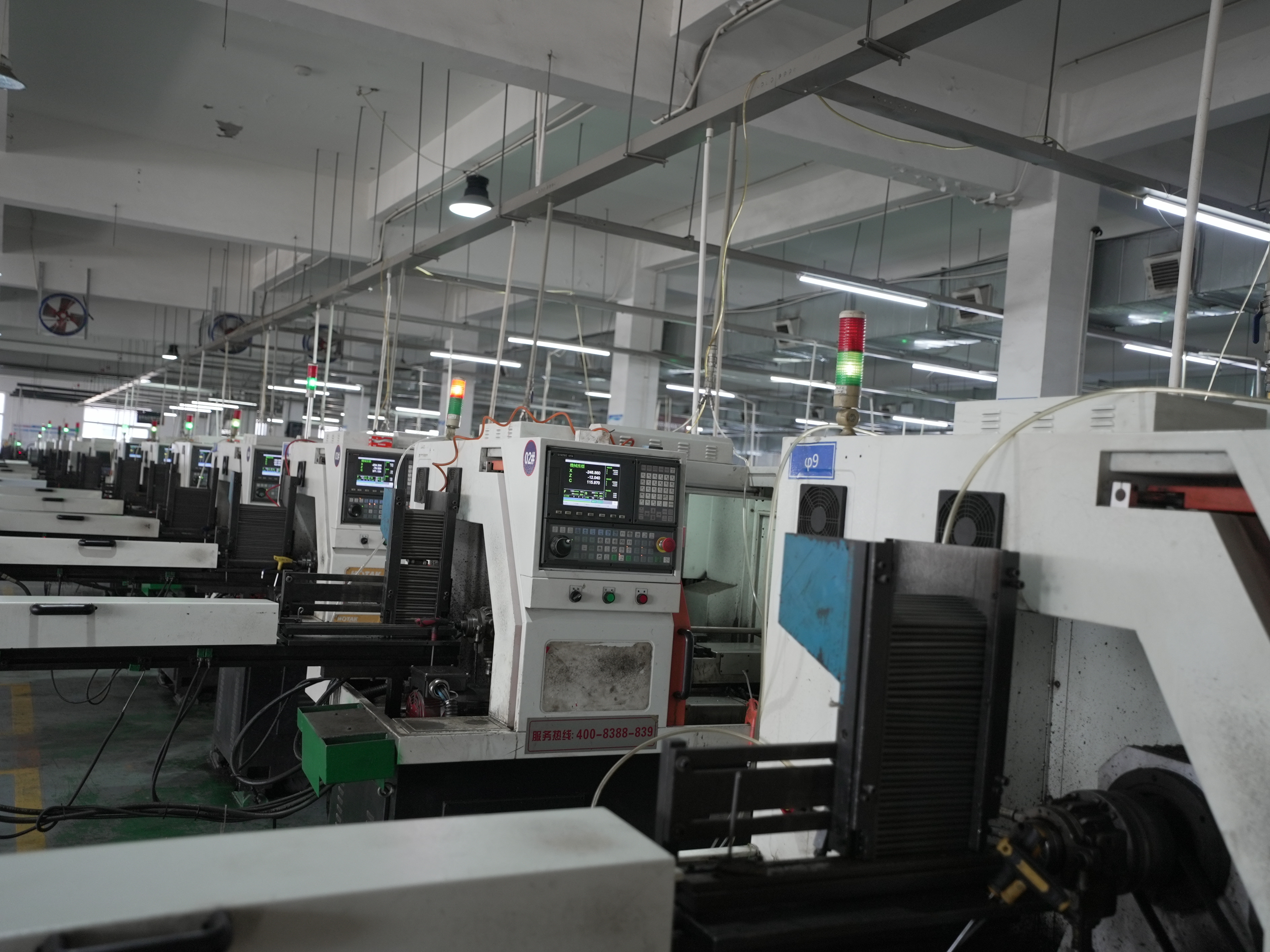
On material and inspection, the sets referenced here are produced in CR-V 6150 rather than low-grade carbon steel. Compared with ordinary 45# carbon-steel hand tools, the documented proof torque is 15-25% higher, with hardness stated at HRC 52-55 on the hex key and T-handle ranges, against a general reference point of HRC 48-54. The cost implication is a premium in the range of 8-12% over low-grade carbon steel alternatives, and the format stays competitive against premium imported brands. Full-process inspection covers incoming material, in-process control and final product testing.
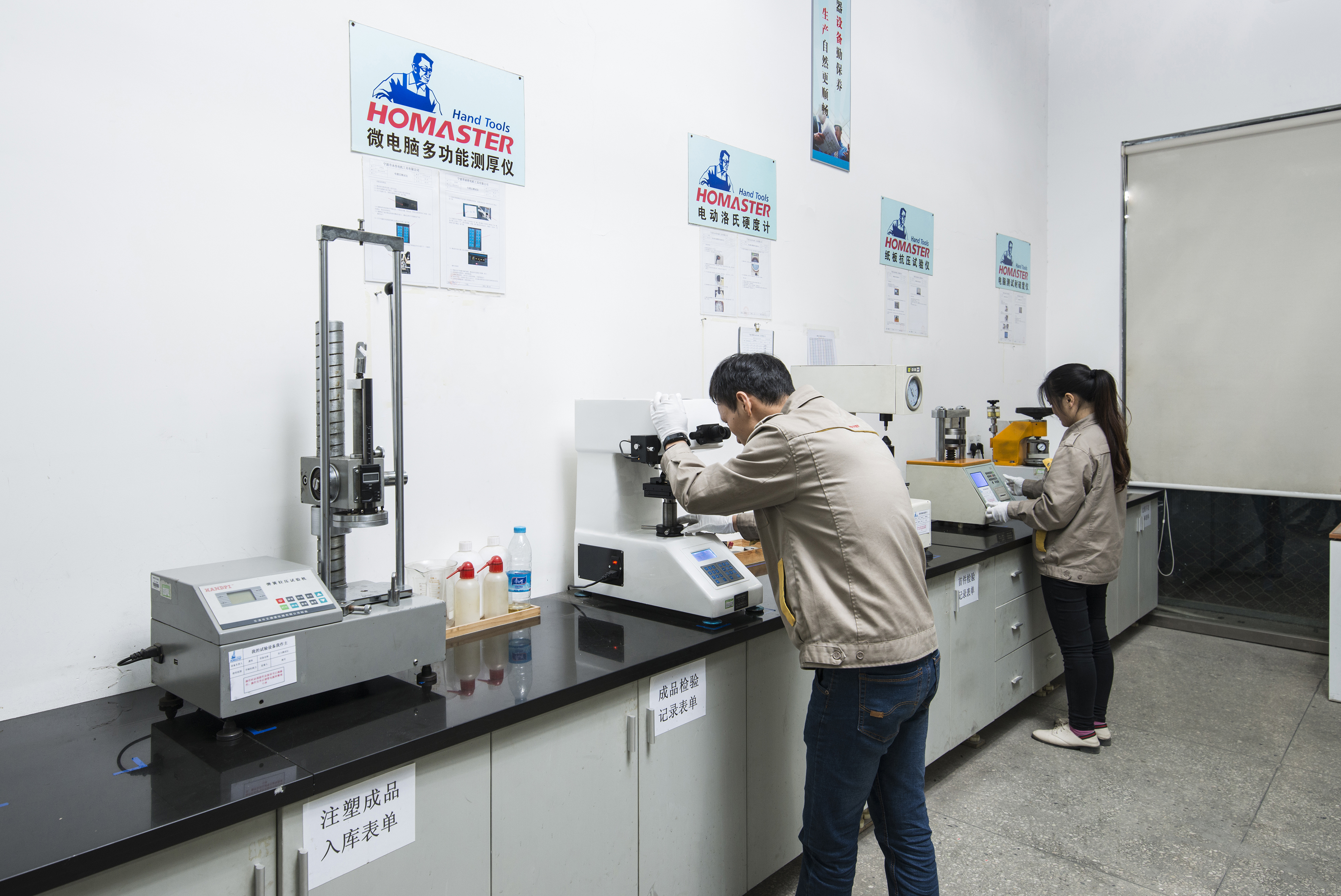
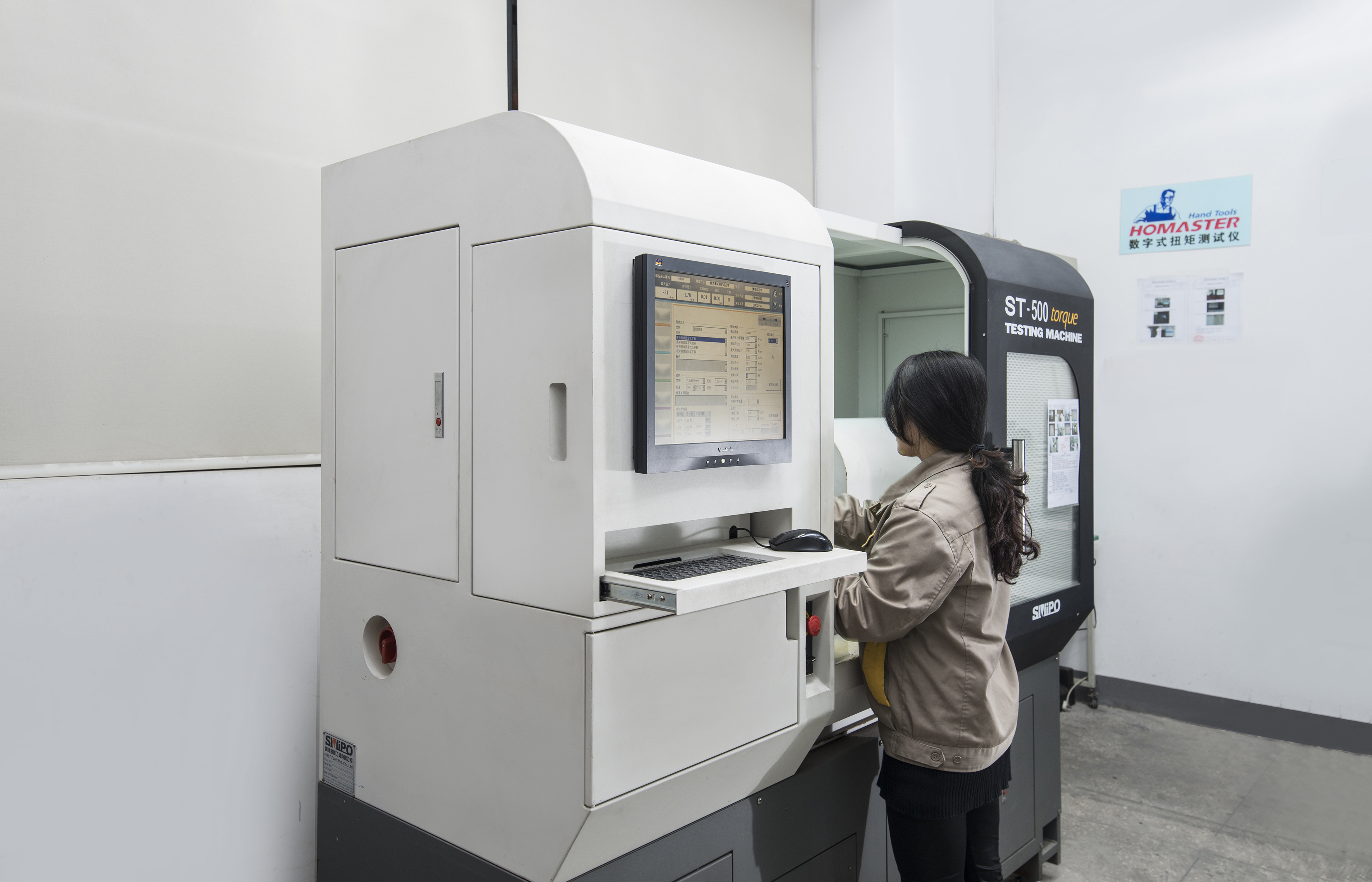
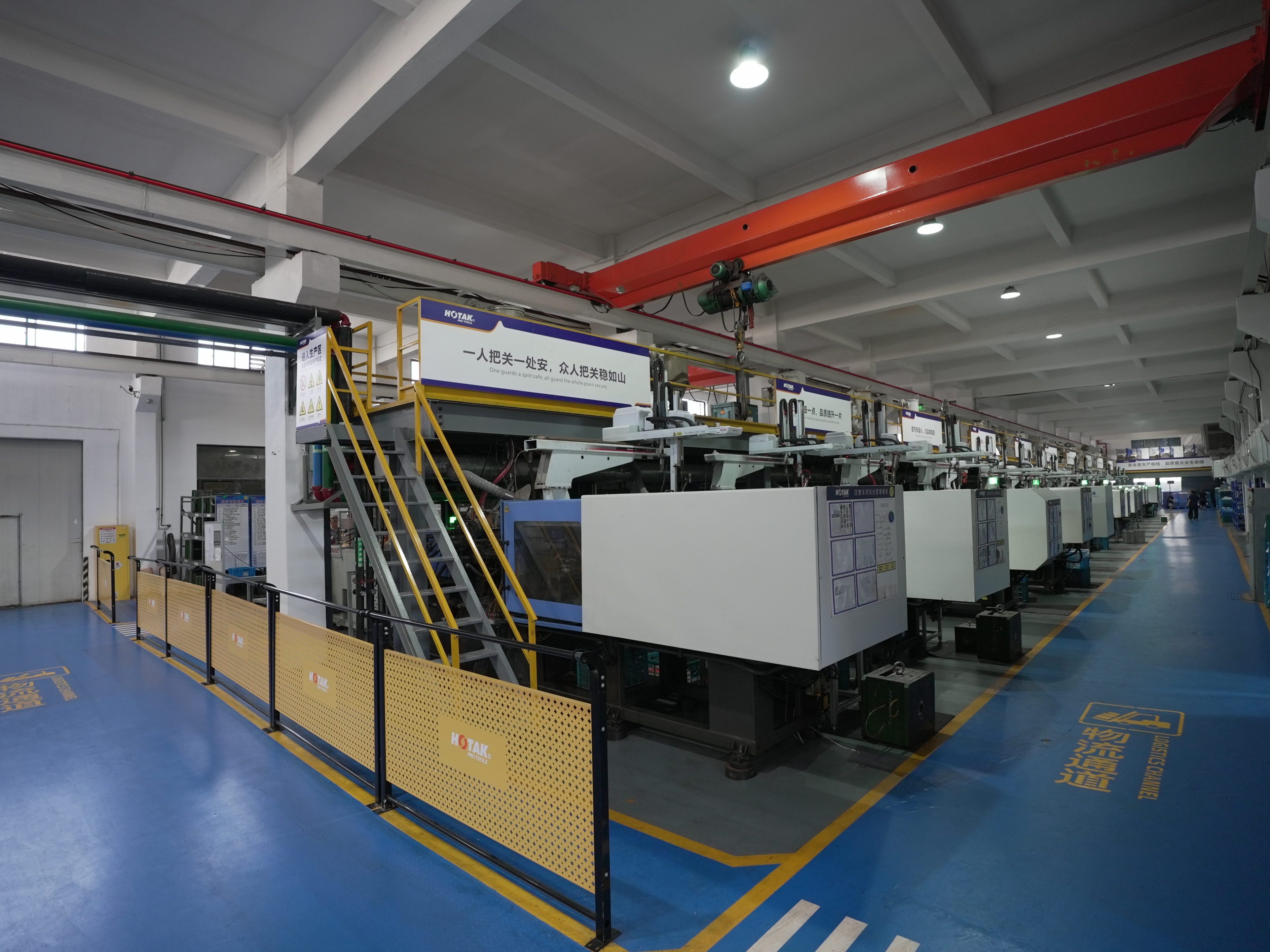
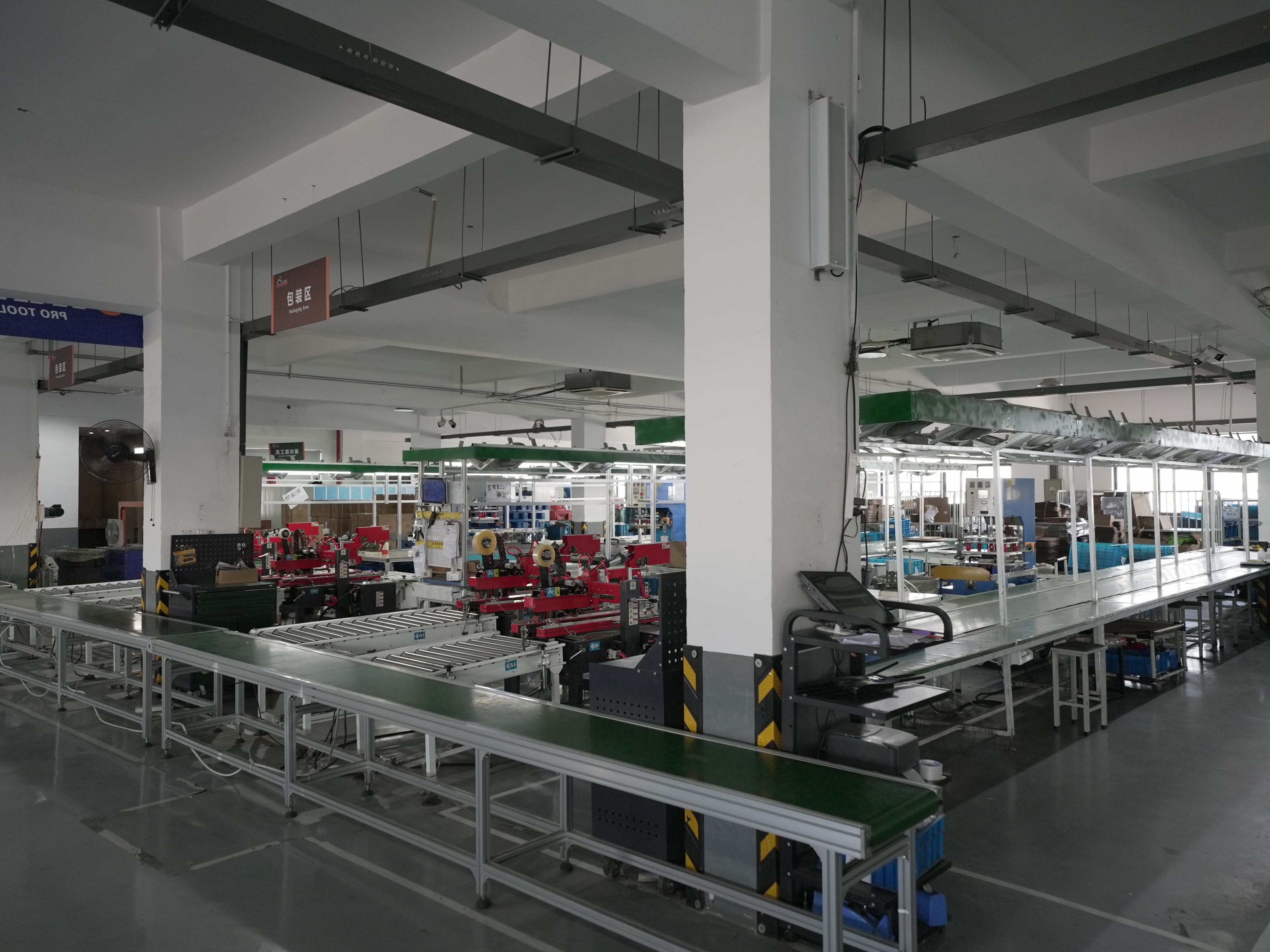
On capability, ODM and OEM customisation is available, so a distributor can specify piece count, colour coding, handle configuration and packaging rather than buying only catalogue items. The manufacturing base in Ningbo covers more than 45,000 square metres with an annual output of 18,000,000 units, a 25-engineer R&D team and a 95% export ratio across the EU, USA, Southeast Asia and South America. Intellectual property backing includes 7 invention patents, more than 20 European patents, 50 utility model patents and over 100 design patents, and the company was accredited as a National High-Tech Enterprise in 2014.
On compliance and commercial terms, the operation holds ISO9001, TÜV/GS, BSCI and VPA approvals, together with factory audit approvals from Walmart (USA) and Kingfisher (UK). Standard purchasing terms are MOQ 600 units, FOB Shanghai/Ningbo, with 30% T/T in advance and 70% T/T against a copy of the B/L. Acceptance criteria are a pre-shipment test combined with third-party inspection (SGS). Sales contact: PETER, yjtcl@yj-tools.com, +86 133-9661-6513, WhatsApp +86 133-9661-6513, www.yj-tools.com.
The current product catalogue, including the hex key, folding hex key and T-handle wrench programmes, is available here: download the 2025 hand tool catalogue.
FAQ
1. Which certifications and standards should a buyer verify when sourcing hex keys, folding hex keys and T-handle wrenches?
Common compliance areas for hand and cordless tools are mechanical safety, electrical safety and chemical restrictions; CE/EMC and RoHS are typical requirements for many markets, and GS is relevant where German or EU retail safety expectations apply. A practical verification sequence is: confirm the target sales market, request official test certificates including the relevant safety and EMC or RoHS documents for the specific models, then cross-check the product model against the corresponding standard numbers on the certificate. The manufacturer behind these ranges holds ISO9001, TÜV/GS, BSCI and VPA approvals together with factory audit approvals from Walmart (USA) and Kingfisher (UK), but buyers should still request certificate copies that match the exact models ordered.
2. What material, hardness and torque values should a hex key set document?
The CR-V 6150 chrome vanadium steel sets referenced here are documented at HRC 52-55, with proof torque that increases with size: 1.5 mm 0.82 N, 2.0 mm 1.90 N, 2.5 mm 3.80 N, 3.0 mm 6.60 N, 4.0 mm 16.00 N, 5.0 mm 30.00 N, 6.0 mm 52.00 N, 7.0 mm 80.00 N, 8.0 mm 120.00 N and 10.0 mm 220.00 N. The 14-piece metric and SAE T-handle set documents its imperial values separately, from 1.19 N at 1/16 in to 242.92 N at 3/8 in. CR-V steel is specified for high torque strength, toughness and wear resistance in heavy-duty use, while 45# carbon steel is limited to light-duty household applications, so the material statement and the torque schedule should always be read together.
3. Why do CR-V hex keys cost more than carbon steel sets, and what are the standard commercial terms?
Cost differences follow material grade and inspection intensity. Against low-grade carbon steel alternatives, the cost premium is in the range of 8-12%, while documented proof torque is 15-25% higher than ordinary 45# carbon-steel hand tools, and the format remains competitive versus premium imported brands. For buyers, the relevant comparison is not unit price alone: a key used above the torque its steel is rated for will deform at the tip and generate replacement, return and rework costs that never appear on the quotation. Standard commercial terms are MOQ 600 units, FOB Shanghai/Ningbo, with 30% T/T in advance and 70% T/T against a copy of the B/L.
4. How can a distributor validate hex key quality before a volume order?
Acceptance criteria should be agreed before production rather than after delivery. The standard framework is a pre-shipment test combined with third-party inspection (SGS), so hardness, dimensions and proof torque are checked on the actual production run instead of on a hand-selected unit. Buyers should specify in the purchase order which values are measured, which sizes are sampled and which document is issued with the shipment. Because the documented torque values differ by size, the smallest keys in a set — 1.5 mm and 2.0 mm — are the ones worth checking most closely, followed by the largest sizes where the highest torque is applied.
5. What does long-term supply look like for hex key, folding hex key and T-handle programmes?
Long-term programmes are built around ODM and OEM customisation and private label, where the product, the piece count, the colour coding and the packaging are developed to the customer specification rather than taken from a catalogue. Delivery terms are FOB Shanghai/Ningbo with an MOQ of 600 units, and the acceptance basis is pre-shipment test plus third-party inspection (SGS). Production continuity depends on capacity: the Ningbo base covers more than 45,000 square metres with an annual output of 18,000,000 units, a 25-engineer R&D team and a 95% export ratio across the EU, USA, Southeast Asia and South America. The 2025 catalogue can be downloaded here: 2025 YONGJIA CATALOG, and model-specific questions can go directly to yjtcl@yj-tools.com or WhatsApp +86 133-9661-6513.
Conclusion
The three hex key formats are not competitors; they cover three different working conditions. The L-key exists for recessed and low-clearance fasteners, the folding set exists so that a complete size range travels as one object, and the T-handle exists to put torque on the axis of the screw where the fastener faces the operator. The decision is made by access angle, size system, lever length and the documented proof torque per size — not by which format looks more professional on a shelf.
What separates a reliable programme from a repeating problem is documentation: a stated steel grade (CR-V 6150), a stated hardness range (HRC 52-55), a torque schedule for every size in the set, and an acceptance method agreed before production. HOTAK PRO TOOLS supplies hex keys, folding hex key sets and T-handle wrenches from the YONGJIA TOOLS manufacturing base in Ningbo, covering ODM, OEM and private label programmes for distributors and professional buyers. Buyers who want to compare the three formats against their own application can request the full specification set or start from the 2025 hand tool catalogue.
Have Questions or Need More Details?
Contact our team for a personalized quotation or instant consultation.
Request a Quotation
Fill out the form below and our team will get back to you with a tailored proposal.
WhatsApp Direct Chat
Prefer to chat in real-time? Message us on WhatsApp for instant assistance & quick answers.
- Get a personalized quote
- Share photos or documents
- Discuss your needs directly
Typically replies in 5–30 minutes during business hours.