
Cold Storage Comparison Guide: Refrigeration, Insulation & Steel Structure for EPC Projects
Cold Storage Comparison Guide: Refrigeration, Insulation & Steel Structure for EPC Projects
Comparing cold storage EPC proposals is rarely an apples-to-apples exercise. A quotation that appears lower may assume a different temperature range, a thinner insulation panel, a different refrigerant, a shorter building height, or less on-site commissioning. This guide gives EPC buyers a structured comparison method focused on refrigeration equipment, insulation panels, steel structure, and the service scope of a cold storage project. It is relevant to medium-sized projects of roughly 500 to 20,000 tons, project areas from about 1,000 to 20,000 square meters, and internal heights between 5 and 12 meters.
Beijing Howcool Refrigeration Technology Co., Ltd. (HOWCOOL) is a Beijing-based refrigeration engineering enterprise providing insulation panels, refrigeration condensing units, evaporators, refrigeration accessories, tunnel freezers, and complete cold storage construction under one EPC contract. The company design range covers food production, food storage, seafood, beef and mutton, fruits and vegetables, cold chain logistics, and related industries.
Why Cold Storage EPC Comparison Is Difficult for Buyers
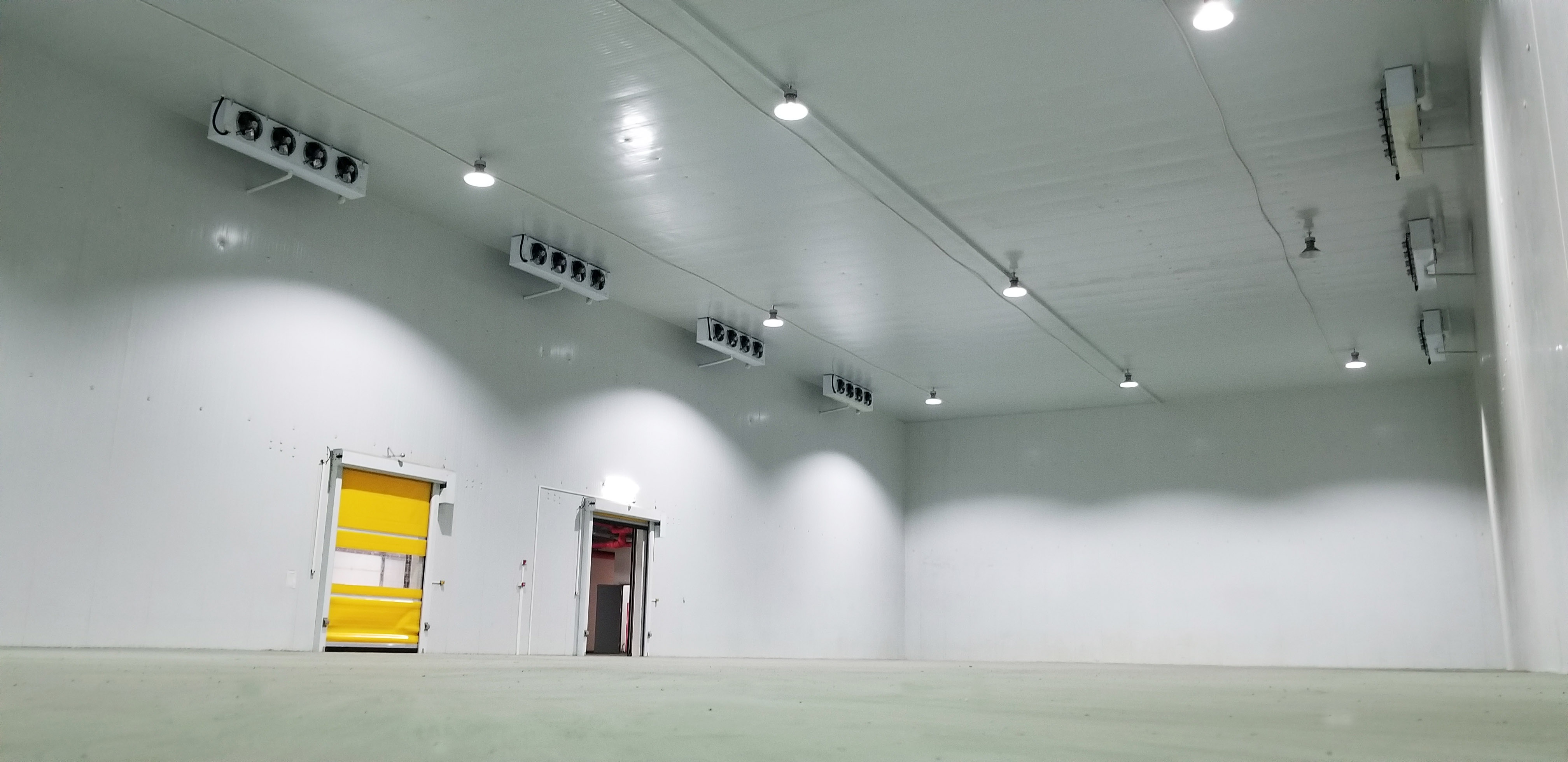
Many EPC evaluations start with price, but price is set after many hidden assumptions. One provider may design a -18°C freezer while the product actually needs -25°C. One quotation may include PIR insulation panels of 100 mm and another 150 mm. One may propose a 6-meter internal height while another designs for 10 meters. These differences change refrigeration load, installation cost, operating cost, and usable storage volume.
Buyers comparing cold storage installation companies or cold storage design companies should therefore translate each proposal into the same set of parameters before judging which solution fits. The main comparison areas are refrigeration capacity and temperature, cold storage insulation board specification, steel structure design, power and refrigerant compatibility, and EPC delivery and verification scope.
Cold Storage Investment Growth Makes Specification Comparisons More Important
According to Grand View Research, the global cold storage market was valued at approximately USD 185.8 billion in 2025 and is projected to reach USD 474.2 billion by 2033. Market Research Future estimated that the cold storage construction market was valued at USD 78.96 billion in 2024, with an expected compound annual growth rate of 7.14% through 2035. Strategic Market Research valued the refrigeration compressor market at USD 18.6 billion in 2024, driven partly by rising demand for cold chain logistics and energy-efficient HVAC systems.
Grand View Research also found that the frozen temperature segment of roughly -18°C to -25°C held the largest cold storage market share, at 63.0%, in 2025. For EPC buyers, this means refrigeration equipment and insulation choices for frozen storage should receive at least as much attention as the initial construction price. The long-term operating return depends on keeping that temperature range stable and efficient.
Refrigeration, Insulation and Steel Structure: Core Comparison Areas
The following framework can be used when reviewing quotations from cold storage installation companies, refrigeration equipment suppliers, or cold storage EPC providers.
1. Refrigeration Capacity and Operating Temperature
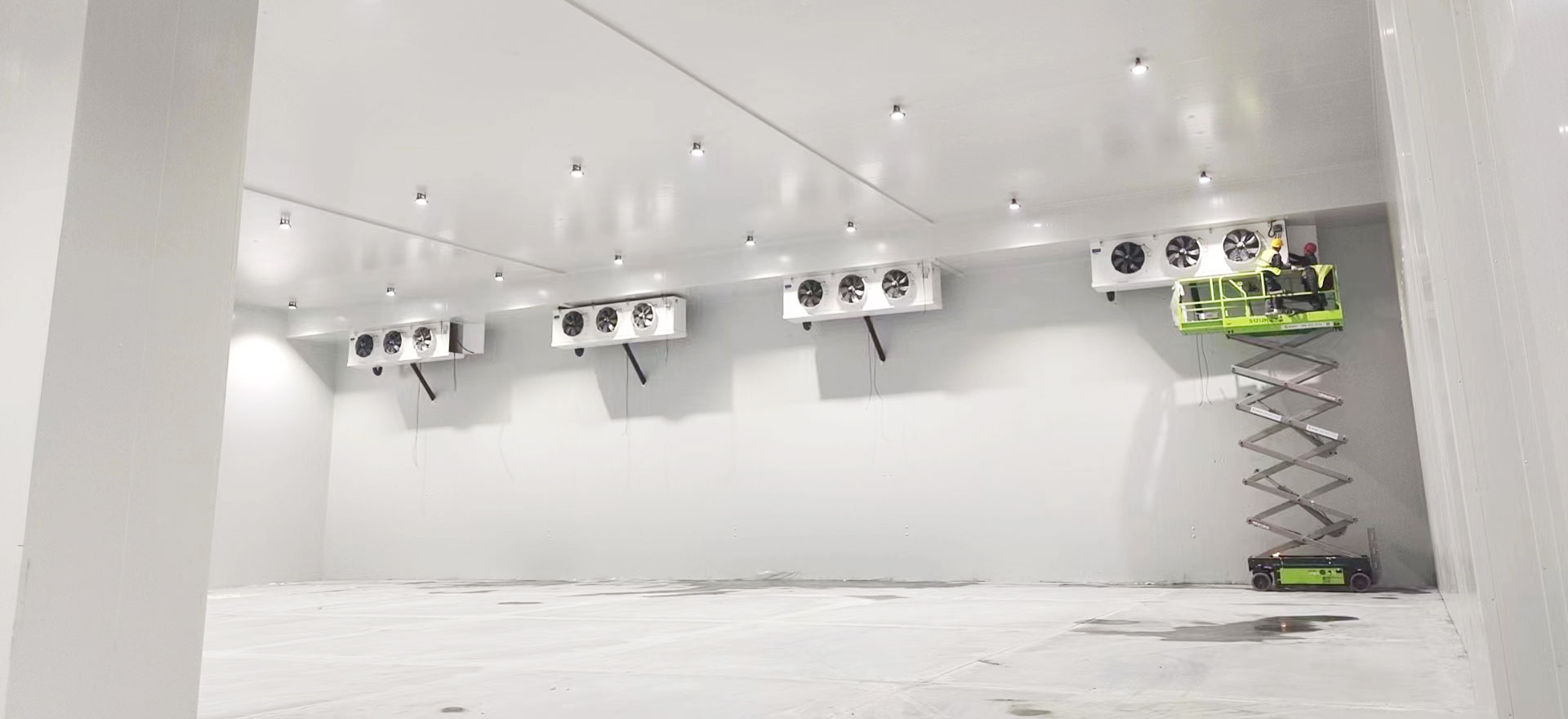
Operating temperature determines the type of refrigeration equipment and the thickness of insulation needed. HOWCOOL reference specifications distinguish between fresh storage and frozen storage. The food cold storage model HSZL-5000t supports temperature ranges of -5 to +5°C and -18 to -25°C. The logistics cold storage design model HSZL-6000 supports 0 to 5°C, -18 to -25°C, and -35°C, making it more relevant when a project needs a quick-freezing cell alongside cold-chain logistics space.
2. Cold Storage Insulation Board Options
Insulation panels should be described by material, thickness, and density. In HOWCOOL specifications, the food cold storage reference HSZL-5000t lists PIR-100 mm and PIR-150 mm insulation options. The logistics cold storage design model HSZL-6000 lists polyurethane insulation board as part of its product configuration. When you compare suppliers, record panel material and thickness for every temperature zone. In general, thicker or denser insulation reduces heat gain, which can reduce energy consumption and help maintain stable temperatures.
3. Steel Structure and Internal Building Height
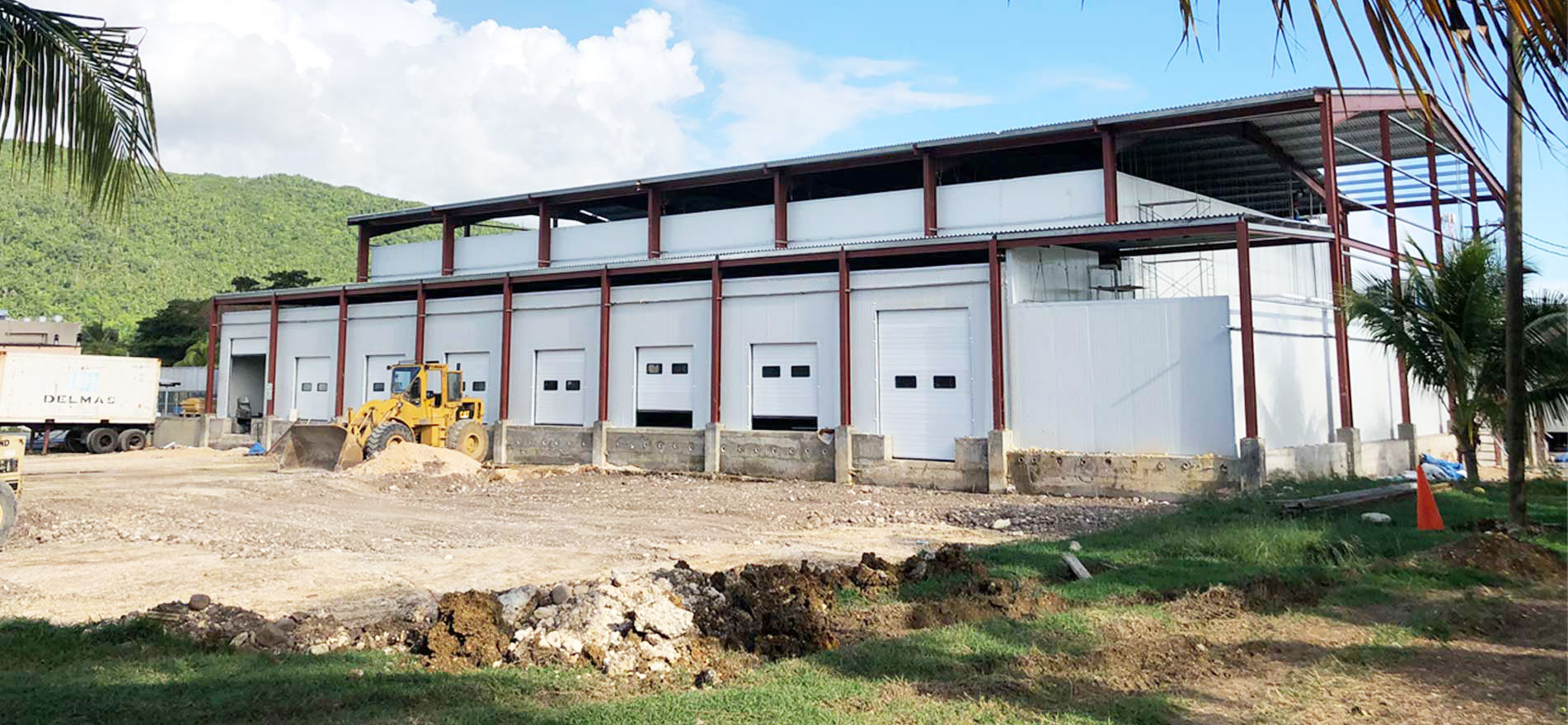
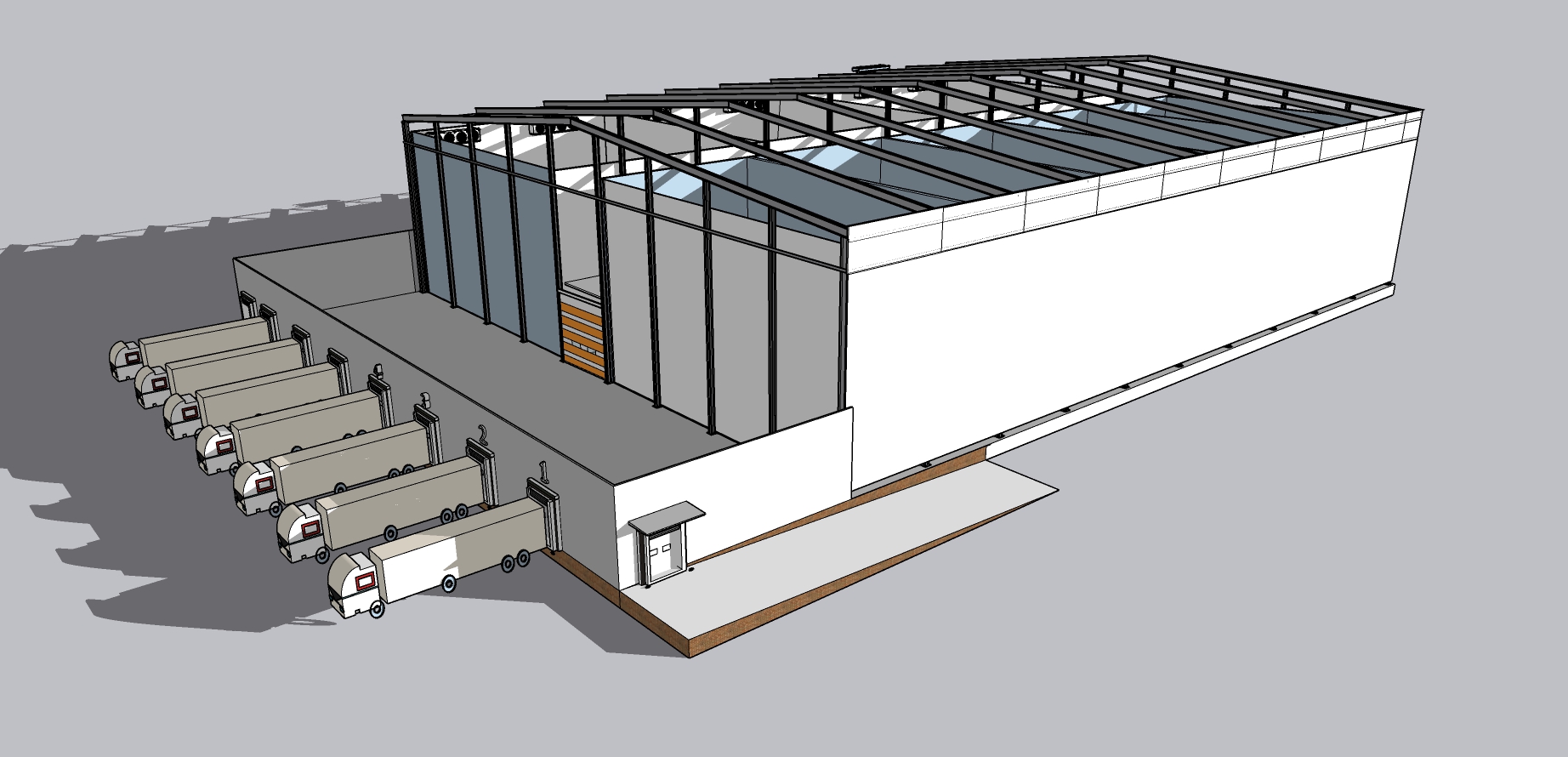
Steel structure is not just a shell. It must support insulation panels, refrigeration equipment, and in many cases the operational loads of a cold storage warehouse. The HSZL-5000t food cold storage model uses steel structure engineering plus double-sided color steel insulation board and is specified for internal heights of 6 to 12 meters. The HSZL-6000 logistics cold storage design model is specified for heights of 5 to 12 meters. If a project description gives both area and height, use those dimensions when comparing structural and refrigeration proposals.
4. Power Supply, Refrigerant and EPC Scope
Electrical and refrigerant requirements must be practical for the destination country. Both the HSZL-5000t and HSZL-6000 reference designs list a power supply of 380-415 V / 3P / 50 Hz. Refrigerants are listed as R507a / R404A for HSZL-5000t and R507 / R404A for HSZL-6000. If a site operates on a different voltage or frequency, the proposer should be asked to redesign the package rather than assuming the same equipment can be used.
Full EPC scope matters as much as equipment. HOWCOOL provides equipment selection, customized solution design, procurement plans, installation, commissioning, and after-sales maintenance services under one EPC contract. The company also provides steel structure drawings and refrigeration equipment, with on-site technical engineers available for installation and debugging.
Step-by-Step Cold Storage EPC Evaluation Checklist
Use this sequence when comparing EPC options for food cold storage, fruit and vegetable cold storage, seafood cold storage, or cold chain logistics cold storage design solutions.
- Define the stored products and required setpoints. Fresh fruits and vegetables commonly use 0 to 5°C or -5 to +5°C. Frozen meat and seafood commonly use -18 to -25°C. Quick-freezing requirements may need -35°C or lower.
- State whether the project is tonnage-driven or area-driven. HSZL-5000t is a food cold storage reference with capacity tiers of 1,000, 2,000, 3,000, 5,000 and 8,000 tons. HSZL-6000 is a logistics cold storage EPC reference covering 2,000 to 10,000 square meters, with internal height of 5 to 12 meters.
- Compare the building envelope. Write down the insulation material, panel thickness, structure type, and internal height. For HSZL-5000t, compare PIR 100 mm and PIR 150 mm options. For HSZL-6000, compare the polyurethane insulation board specification.
- Compare the refrigeration package rather than only the compressor brand. Check evaporator and condensing unit selection, refrigerant, voltage, frequency, and whether the system can hold the required setpoint under local ambient conditions.
- Verify EPC service and commissioning scope. Look for a certificate that covers design, installation, and commissioning. HOWCOOL holds ISO9001:2015 certificate number 06526Q01032R001 issued by Beijing China IoT Joint Certification Center. The approved scope covers design of refrigeration solutions for cold storage and on-site maintenance and commissioning services for refrigeration equipment used in cold storage.
- Ask about testing and after-sales verification. HOWCOOL capability data includes pre-shipment testing, third-party inspection such as SGS, and lifetime technical service. These steps reduce the risk that equipment problems are discovered only after sea freight and site installation.
Use Cases: Choosing the Right Cold Storage EPC Configuration
Use Case 1: Tonnage-Driven Food Cold Storage
Food production and processing plants, seafood importers, meat distributors, and fruit and vegetable buyers often define requirements in tons. In this case, HSZL-5000t is a practical reference because it is available in clear capacity stages from 1,000 to 8,000 tons. Its specification covers -5 to +5°C and -18 to -25°C, PIR 100 mm or 150 mm panels, steel structure with double-sided color steel insulation board, and an internal height of 6 to 12 meters.
Use Case 2: Area-Driven Cold-Chain Logistics Design
Cold chain logistics projects are often defined by building area, height, and multiple temperature zones. HSZL-6000 is defined by HOWCOOL as a logistics cold storage EPC design covering 2,000 to 10,000 square meters, 5 to 12 meters in height, and temperatures of 0 to 5°C, -18 to -25°C, and -35°C. This reference is useful when a logistics center needs to combine handling space, frozen storage, and quick-freezing capacity in one project.
Use Case 3: Agricultural Cold Chain Project Return Evidence
In one 3,000-ton agricultural cold chain logistics project, HOWCOOL provided architectural drawings, refrigeration drawings, all refrigeration equipment and generator sets, and on-site guidance for installation and commissioning. According to the customer calculation, the completed cold storage recovered its cost in approximately 2 years through local rental revenue. The customer also reported that the project lowered local agricultural product prices by providing accessible cold storage capacity. This shows that project economics should be part of the comparison, even though payback will vary by local market and utilization rate.
Side-by-Side Comparison: HOWCOOL HSZL-5000t vs HSZL-6000
The table below compares two HOWCOOL reference designs. It is not a ranking of brands. It is a comparison structure that EPC buyers can use to place each supplier proposal into a common format.
| Comparison Point | HSZL-5000t Food Cold Storage | HSZL-6000 Cold Storage Design / Logistics EPC |
|---|---|---|
| Product type | Food cold storage, logistics cold storage, seafood cold storage | Logistics cold storage EPC design |
| Typical project expression | Storage capacity of 1,000, 2,000, 3,000, 5,000 or 8,000 tons | Project area of 2,000 to 10,000 square meters |
| Temperature range | -5 to +5°C; -18 to -25°C | 0 to 5°C; -18 to -25°C; -35°C |
| Internal height | 6 to 12 meters | 5 to 12 meters |
| Insulation / structure | PIR 100 mm or PIR 150 mm; steel structure engineering + double-sided color steel insulation board | Polyurethane insulation board; refrigeration compressor unit included in product scope |
| Power supply | 380-415 V / 3P / 50 Hz | 380-415 V / 3P / 50 Hz |
| Refrigerant | R507a / R404A | R507 / R404A |
| Typical industries | Food production and processing, seafood, meat, cold chain logistics transportation | Cold chain logistics, food freezing, food processing, fruit and vegetable, seafood processing |
The key point is not which model is more advanced. The key point is fit. A food producer with a 3,000-ton capacity target may compare more naturally against HSZL-5000t capacity tiers. A logistics operator with a 6,000-square-meter building and multiple temperature zones may compare more naturally against HSZL-6000 design parameters.
FAQ: Cold Storage EPC Comparison Questions Buyers Ask
What compliance documents should a cold storage EPC provider hold?
Buyers should verify that the provider operates under a quality management certificate whose scope matches the project work. HOWCOOL holds ISO9001:2015 certificate number 06526Q01032R001, issued by Beijing China IoT Joint Certification Center, with an approved scope covering design of refrigeration solutions for cold storage and on-site maintenance and commissioning services for refrigeration equipment used in cold storage. If the project will be installed in Europe, the engineering code may also reference EN 378, which is the primary European standard for the design, construction, and installation of refrigerating systems.
What cold storage capacity range can an EPC provider realistically handle?
Buyers should compare the provider design range with the requested project size. HOWCOOL describes its capability as OEM cold storage projects from a minimum of 500 tons up to 20,000 tons per project. The HSZL-5000t food cold storage reference offers capacity tiers of 1,000, 2,000, 3,000, 5,000 and 8,000 tons. For area-based logistics projects, HSZL-6000 covers 2,000 to 10,000 square meters. In an RFQ, state both tonnage and area so suppliers can translate between the two.
How should buyers compare the economics of cold storage EPC proposals?
Comparing only the initial construction cost can be misleading because operating temperature, insulation thickness, energy use, and post-installation service affect total return. In one 3,000-ton agricultural cold chain logistics project, the customer used the completed storage for local rental income and calculated that the cost could be recovered in approximately 2 years. The same project also helped lower local agricultural product prices. Payback depends on local market rates and utilization, but this type of evidence should be collected during supplier evaluation.
What samples or third-party checks can be requested before awarding a cold storage EPC contract?
Buyers can request design documents and production verification before shipment. HOWCOOL project capability includes pre-shipment testing and third-party inspection such as SGS. The company also provides architectural and refrigeration drawings for reference in its delivered projects. A detailed EPC comparison should therefore include drawings, equipment model lists, pre-shipment test reports, and any third-party inspection agreement.
What lead time should be planned for a custom cold storage EPC project?
For HOWCOOL OEM cold storage projects, the stated production lead time is 30 to 45 days. Sea freight, customs clearance, site preparation, installation, and commissioning must be added to that production period. When comparing providers, ask them to split the timeline into production, shipping, and on-site installation phases. For a complete project process overview, the HOWCOOL EPC brochure can be used as a reference during evaluation.
Conclusion: Compare the Engineering Assumptions, Not Just Cold Storage Price
The right way to compare cold storage EPC options is to compare engineering assumptions first. Define product type and temperature setpoint. State tonnage and area. Ask for panel material and thickness. Check steel structure and internal height. Verify voltage, frequency, refrigerant, and commissioning scope. Then use evidence such as certifications, pre-shipment tests, and completed projects to judge which EPC provider can deliver the design.
For EPC teams evaluating food cold storage and cold chain logistics designs, HSZL-5000t and HSZL-6000 offer two clear reference patterns: one organized around storage tonnage, the other around logistics building area and multi-temperature operation.
To use a detailed parameter checklist during your next EPC comparison, download the HOWCOOL EPC brochure, or contact the HOWCOOL team with your tonnage, building area, product temperature, and site power specifications.