
Cold Storage Refrigeration Parameters: EPC Technical Guide
Cold Storage Refrigeration Parameters: Capacities, Temperatures, and Power Requirements for EPC Builds
A cold storage project is not defined by one number. It is defined by four parameter groups that must agree with each other before the first insulation panel is ordered: refrigeration capacity, operating temperature, power supply, and the insulated envelope. When those four are consistent, the building holds temperature, compressors run inside their design duty, and running cost stays predictable. When they are not, the problem shows up after commissioning — as unstable room temperature, ice build-up on panel joints, or a compressor that never seems to stop.
This guide sets out the parameter ranges used in EPC-built cold storage: refrigeration capacity from 500 to 20,000 tons, operating temperature from -30°C to 55°C, room heights from 5 to 12 m, a 380–415V / 3P / 50Hz power supply, PIR insulation panels at 100 mm and 150 mm, and the Freon refrigerants R507a and R404A. The HSZL-5000t food cold storage model is used as the reference case for a 5,000-ton configuration.
HOWCOOL — Beijing HOWCOOL Refrigeration Technology Co., Ltd. — is a cold storage EPC contractor founded in 2014. The company supplies insulation panels, refrigeration condensing units, evaporators, refrigeration accessories and tunnel freezers, and delivers design, procurement, installation, commissioning and after-sales maintenance under a single EPC contract for medium-sized cold storage projects up to 20,000 tons.
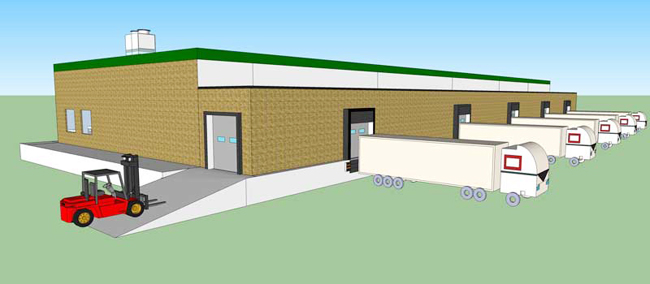 Figure 1 — Cold storage design drawing: room layout, temperature zones and equipment positions are fixed at drawing stage.
Why Parameter Decisions Are the Most Expensive Decisions in a Cold Storage Build
Most issues that buyers later describe as equipment faults are actually parameter faults. The refrigeration equipment behaves exactly as specified — it was the specification that set the wrong target. A cold room that cannot hold temperature after a peak-season loading is rarely a compressor problem; it is a capacity-sizing problem.
- Capacity set below peak throughput. A room that pulls down correctly when empty will struggle once it is loaded at design tonnage, because pull-down load and holding load are different duties. Stored volume options documented across HOWCOOL food cold storage configurations run from 1,000 to 8,000 tons, and each step changes the compressor duty, the electrical load and the evaporator surface.
- Capacity set far above need. Oversizing is not a safety margin — it is unused capital plus a connected electrical load the site must carry for years. Refrigeration capacity in EPC cold storage is normally specified between 500 and 20,000 tons, and the correct figure comes from the product profile, not from rounding up.
- Temperature zone mismatch. A fruit and vegetable room designed for frozen conditions will damage produce that should be preserved in a chilled zone, while a seafood room built at chilled conditions cannot hold frozen stock at all. Zones must follow the product, not the building.
- Power supply treated as a detail. Refrigeration design, the generator set and the site electrical infrastructure have to be specified together. The documented supply configuration for HOWCOOL food and logistics cold storage models is 380–415V / 3P / 50Hz, and this has to match the site before equipment is ordered.
- Envelope underspecified. Panel thickness and density decide how much heat crosses the envelope. PIR panels are available at 100 mm and 150 mm, while the polyurethane insulation board used in the HSZL-3000T runs at 150 mm with a density of 42 kg/m³.
- Geometry ignored. Room height affects air distribution, racking and usable volume. Documented heights across HOWCOOL models range from 5 to 12 m, and the wrong choice is expensive to reverse.
Each of these decisions is locked at the drawing stage and then carries for the life of the facility. That is why parameter review, not price negotiation, is the highest-value step in an EPC cold storage project.
Market Context Behind Today's Cold Storage Parameter Ranges
The parameter ranges used in this guide are not arbitrary. They track where cold chain demand sits globally. The global cold storage market was valued at approximately USD 185.8 billion in 2025 and is projected to reach USD 474.2 billion by 2033, according to Grand View Research. The cold storage construction segment specifically was valued at USD 78.96 billion in 2024 and is expected to grow at a CAGR of 7.14% through 2035, based on Market Research Future figures. The refrigeration compressor market — where capacity and power parameters physically converge — was valued at USD 18.6 billion in 2024, per Strategic Market Research.
Demand is concentrated in frozen storage. Grand View Research reports that the frozen temperature range segment (-18°C to -25°C) held the largest share of the cold storage market at 63.0% in 2025, which explains why -18 to -25°C is the default zone in most commercial specifications. Chilled and quick-freezing zones are configured around that baseline.
Note on market figures. Published cold storage market estimates vary because research houses define the boundary differently — some measure cold storage facilities, others measure refrigerated warehousing. Headline figures should be read as directional context for project planning, not as a single fixed number.
Regulation shapes the design side. EN 378, published by the European Committee for Standardization (CEN), is the primary European safety and environmental standard covering the design, construction and installation of refrigerating systems and heat pumps. For projects in Europe, it is the document that governs how refrigerant circuits, plant rooms and safety classification are handled, and it should be checked before drawings are frozen.
Climate shapes the equipment side. HOWCOOL's export business accounts for 50% of total sales, with major markets in the Middle East, Africa, Southeast Asia and South America. Those markets include sites where the ambient design condition is far above European norms, which is why the documented operating envelope for HOWCOOL cold storage applications extends from -30°C to 55°C.
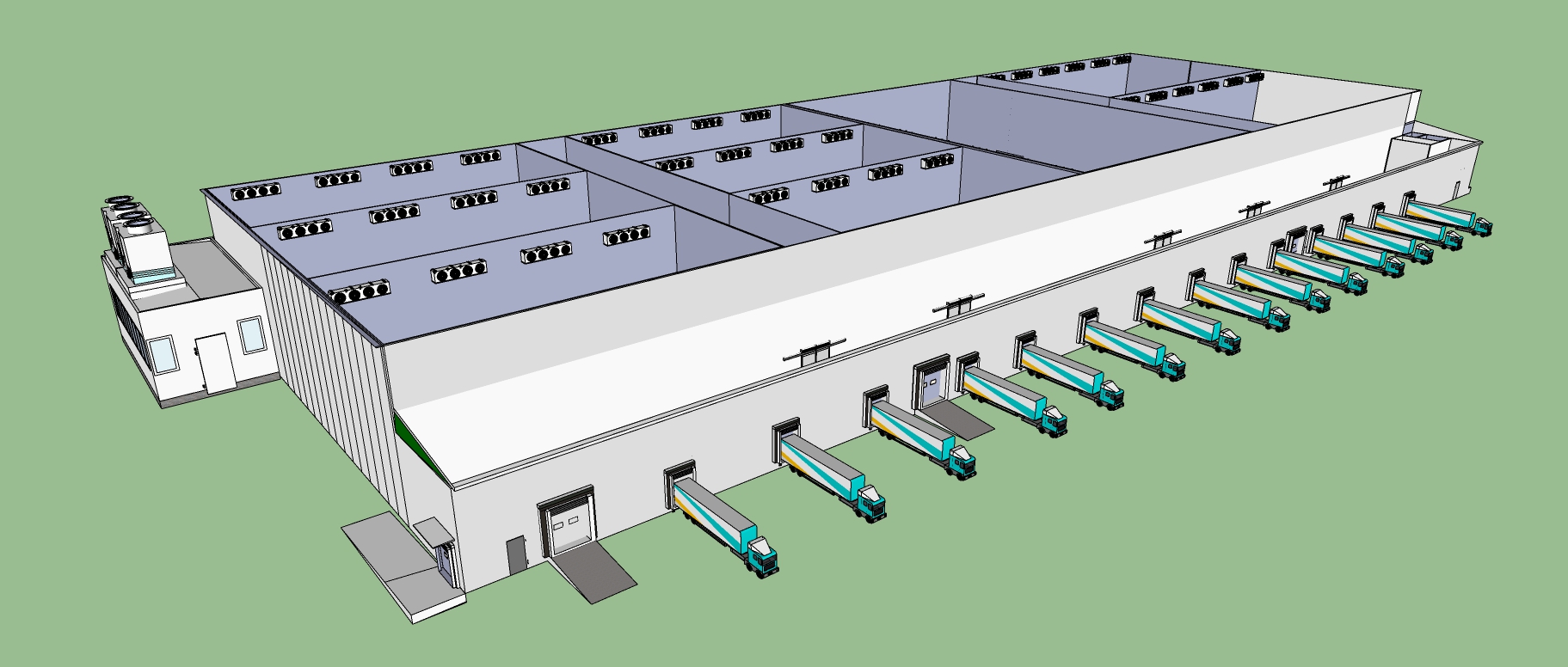 Figure 2 — Cold chain logistics park centre: capacity, zone count and power supply are planned together at park level.
The Four Parameter Groups That Define a Cold Storage System
1. Refrigeration capacity: 500 to 20,000 tons
Cold storage capacity is quoted in tons of stored product, and EPC contractors size the refrigeration plant around that figure. HOWCOOL's EPC scope covers medium-sized cold storage projects up to 20,000 tons per project, with the refrigeration system designed across a capacity range of 500 to 20,000 tons. Within food cold storage, the documented stored-volume options are 1,000, 2,000, 3,000, 5,000 and 8,000 tons.
Capacity is not the same as throughput. Two facilities with identical tonnage can need very different refrigeration duty if one turns stock over weekly and the other holds it for months. Capacity sets the room size and the stored volume; turnover sets the daily heat load the compressors must remove. Both belong in the same calculation at design stage.
2. Operating temperature: -30°C to 55°C, with quick freezing to -45°C
The operating envelope for HOWCOOL cold storage applications runs from -30°C to 55°C, a variation within 55 degrees. That single range contains several distinct working zones, and each zone is specified separately inside the same building.
| Temperature zone | Documented range | Typical application |
|---|---|---|
| Chilled / preservation | 0 to +5°C (HSZL-6000); -5 to +5°C (HSZL-5000t, HSZL-3000T) | Fruit and vegetable preservation, chilled food holding, buffer storage |
| Frozen storage | -18 to -25°C | Meat, seafood and frozen food storage; the frozen segment held 63.0% of cold storage market share in 2025 |
| Quick freezing | -35 to -45°C (quick-freezing warehouse, HSZL-3000T); -35°C (HSZL-6000) | Seafood and food quick freezing before transfer into frozen storage |
| Ambient design envelope | -30°C to 55°C | Full project operating environment, including hot-climate sites |
Two points are frequently missed at specification stage. First, the 55°C upper boundary is a design condition, not a storage temperature — it describes the environment the refrigeration system must reject heat into, which is why condensing equipment selection changes between climate zones. Second, quick freezing is a process step, not a storage room; a tunnel or blast freezer running at -35 to -45°C is sized for throughput per hour, while the frozen store that receives the product is sized for holding at -18 to -25°C.
3. Power supply: 380–415V / 3P / 50Hz
The documented power configuration for HOWCOOL cold storage models is 380–415V, three-phase, 50Hz. This appears consistently across the food cold storage and logistics cold storage designs, and it is the figure that connects the refrigeration plant to the site electrical infrastructure.
Power requirements drive three separate decisions. The connected load of the compressor units and evaporators determines transformer and cable sizing. The generator set — listed as matched equipment alongside shelving, forklifts and steel structure — determines whether the facility can hold temperature through a grid interruption. And continuous automatic operation, which HOWCOOL cold storage projects are designed for on a 24-hour basis throughout the year, means the electrical design cannot assume regular shutdown windows. Supply voltage and frequency must be confirmed against the actual project site before drawings are frozen.
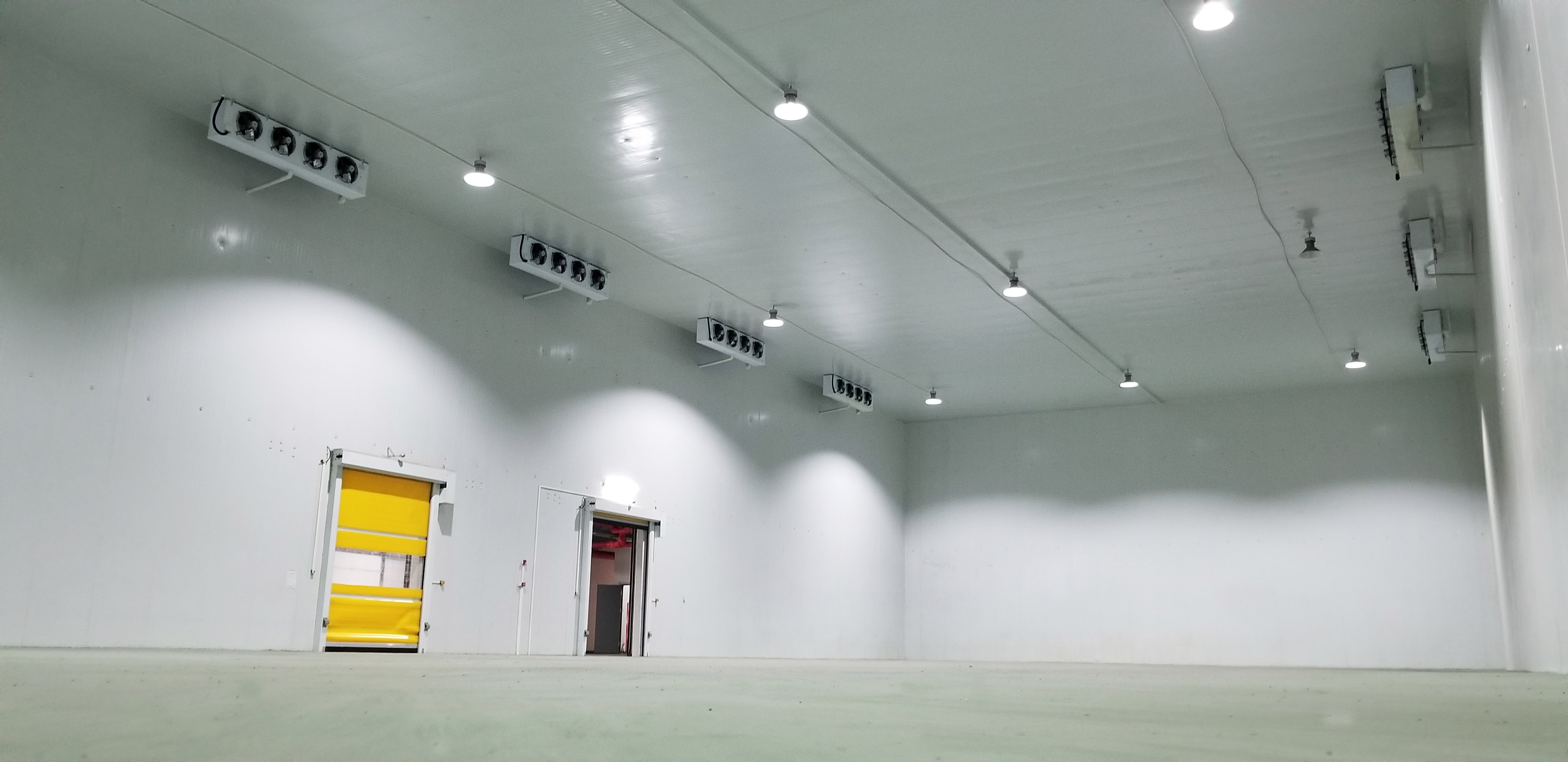 Figure 3 — Cold storage refrigeration equipment: compressor units, condensing units and evaporators sized against the capacity and temperature zone.
4. Insulation and refrigerant: PIR 100 mm / 150 mm, R507a and R404A
The envelope and the refrigerant are specified together because both are governed by the temperature zone and the safety standard in force. HOWCOOL supplies PIR insulation panels in 100 mm and 150 mm thicknesses. In the HSZL-3000T configuration, polyurethane insulation board is specified at 150 mm with a density of 42 kg/m³. Structurally, food and logistics cold storage models are built as steel structure engineering with double-sided color steel insulation board.
Panel thickness is matched to the temperature zone, the room height and the structural span — a taller room and a colder zone both push the specification upward. On the refrigerant side, the documented working fluids are R507a and R404A, described as environmentally friendly Freon, with R507 and R404A specified in the logistics cold storage design. Refrigerant choice must also satisfy the applicable safety standard for the project's region, such as EN 378 in Europe.
5. Room geometry: 1,000–20,000 m² and 5–12 m height
Area and height complete the parameter set. Typical cold storage areas covered range from 1,000 to 20,000 m², with the logistics cold storage EPC design covering 2,000 to 10,000 m². Documented heights are 5 to 12 m for the logistics design, 6 to 12 m for the food cold storage model, and 8 to 12 m for the HSZL-3000T. Construction periods typically run from 2 to 5 months.
Height is not only a volume decision. Taller rooms change air distribution, racking configuration and the structural load on the panel system, which is why height, panel thickness and refrigeration capacity are set as one group rather than sequentially.
Step-by-Step: How an EPC Team Fixes the Parameters
The order of decisions matters more than the speed of decisions. Changing capacity after the panel thickness is fixed forces a redesign; changing the temperature zone after the compressor is selected forces a re-selection. The sequence below reflects how a cold storage parameter set is normally locked.
- Define the stored product and turnover. Product type determines the temperature zone: fruit and vegetable preservation runs in chilled conditions, while seafood and meat require frozen storage or a quick-freezing step before storage.
- Fix the temperature zones. Documented working zones across HOWCOOL models are 0 to +5°C, -5 to +5°C, -18 to -25°C, and -35 to -45°C for quick-freezing warehouses.
- Size the refrigeration capacity. Capacity is set within a 500 to 20,000 ton range, with stored-volume options at 1,000, 2,000, 3,000, 5,000 and 8,000 tons in the food cold storage configuration.
- Set the room geometry. Area typically runs from 1,000 to 20,000 m², with heights from 5 to 12 m depending on the model and racking strategy.
- Specify the envelope. PIR panels at 100 mm or 150 mm; polyurethane board at 150 mm with 42 kg/m³ density where specified; steel structure with double-sided color steel insulation board.
- Select refrigeration equipment and refrigerant. Condensing units, compressor units, evaporators, refrigeration accessories and tunnel freezers, working with R507, R507a or R404A Freon.
- Confirm power and backup. 380–415V / 3P / 50Hz supply, with generator sets, shelving and steel structure engineering as matched equipment.
- Produce and review the drawings. Cold storage drawings and steel structure drawings are issued for review before procurement, which is the practical point at which capacity, zone, panel thickness and power supply can still be corrected.
- Install and commission on site. HOWCOOL provides products together with on-site installation services, and technical engineers install and debug the system.
- Hand over with spares. HSZL-3000T projects are supplied with spare parts for two years.
- Operate. The facility runs in continuous automatic operation mode, 24 hours a day throughout the year.
Where These Parameters Are Applied
Cold storage parameters only mean something once they are attached to an operating scenario. The scenarios below are the ones HOWCOOL cold storage systems are built for: logistics parks, food factories, seafood operations, e-commerce distribution, fruit and vegetable preservation, meat freezing and fish freezing.
Logistics parks and cold chain distribution
Distribution facilities need multiple temperature zones under one roof and a power design that tolerates continuous operation. The logistics cold storage EPC design covers 2,000 to 10,000 m² at heights of 5 to 12 m, using polyurethane insulation board and refrigeration compressor units, with documented zones at 0 to 5°C, -18 to -25°C and -35°C.
Food factories and food processing
Production-linked storage has to absorb product arriving on a production schedule rather than on a delivery schedule, so pull-down capacity matters as much as holding capacity. Food cold storage configurations are built as steel structure engineering with double-sided color steel insulation board and PIR panels at 100 mm or 150 mm.
Seafood and quick freezing
Quick-freezing operations are the most demanding zone in the parameter set. The HSZL-3000T cold chain logistics cold storage uses polyurethane insulation board at 150 mm with a density of 42 kg/m³, works at -5 to +5°C and -18 to -25°C, and includes a quick-freezing warehouse at -35 to -45°C — the range at which HOWCOOL cold storage can achieve quick freezing down to -45°C. Units are delivered with products and on-site installation services, and spare parts for two years.
Fruit and vegetable preservation
Produce preservation sits in the chilled band, typically -5 to +5°C, and its failure mode is different from frozen storage: the risk is chilling damage and humidity loss rather than product thaw. That makes air distribution and zone control as important as raw tonnage.
Reference case: the HSZL-5000t at 5,000 tons
The HSZL-5000t is a food cold storage model with a 5,000-ton capacity, covering food cold storage, logistics cold storage and seafood cold storage scenarios. It is built on steel structure engineering with double-sided color steel insulation board, uses PIR insulation panels at 100 mm or 150 mm, works at -5 to +5°C and -18 to -25°C, and runs on R507a or R404A Freon at 380–415V / 3P / 50Hz. In operation, this class of facility runs continuously around the clock on automatic control, and where a quick-freezing step is required it is delivered through the -35 to -45°C quick-freezing warehouse design. The model is a useful reference point because it sits in the middle of the documented range — large enough to require real capacity, power and envelope decisions, small enough to be configured within a 2 to 5 month construction period.
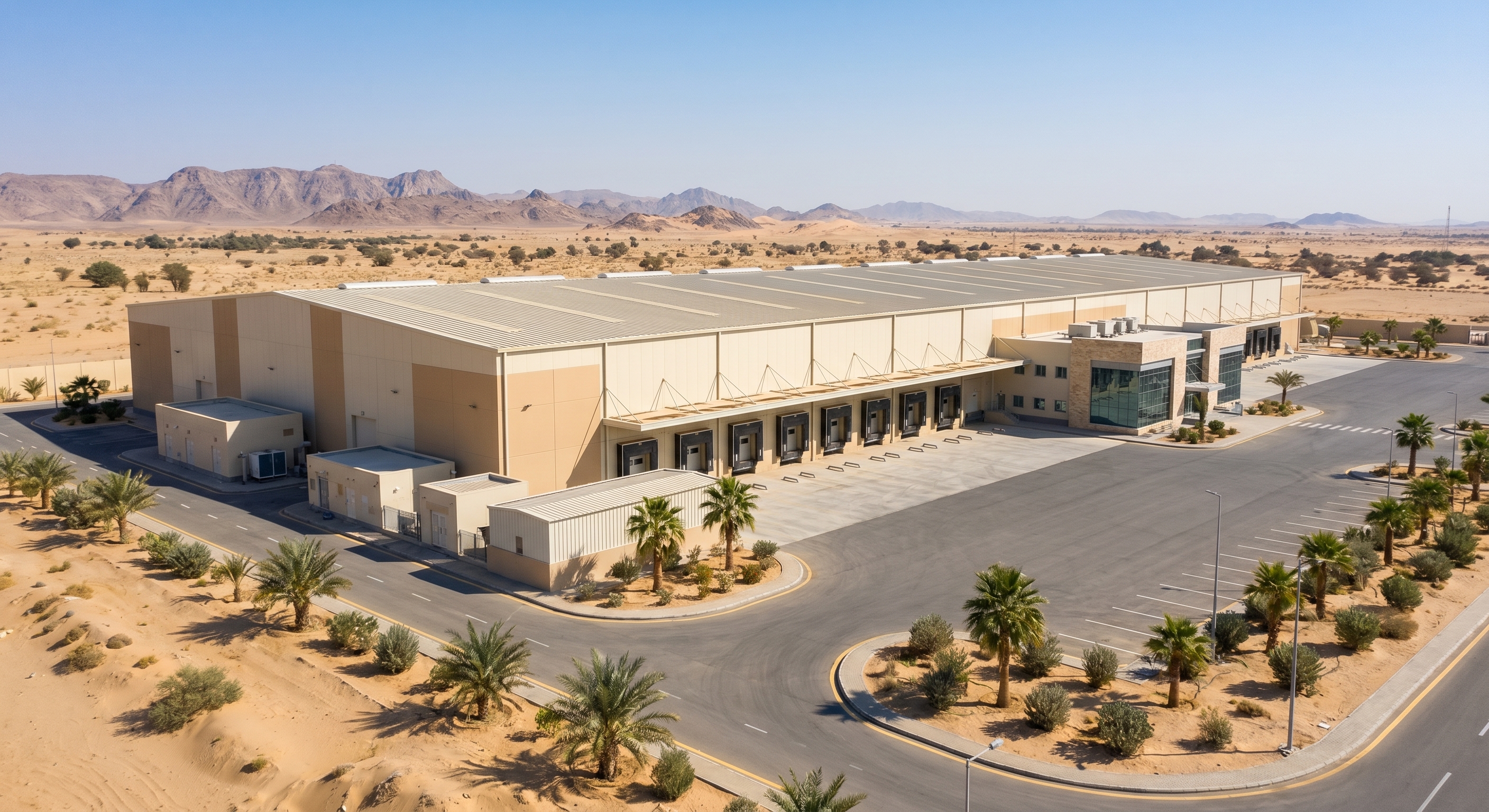 Figure 4 — Cold chain logistics cold storage centre project: hot-climate sites push the ambient design condition toward the upper end of the -30°C to 55°C envelope.
Geographically, this application pattern is common across a wide set of markets, including Afghanistan, Albania, Angola, Belgium, Burkina Faso, Bahrain, Brazil, Bahamas, Belarus, Central African Republic, Chile, Cameroon, Cuba, Cape Verde, Cyprus, Algeria, Egypt, Ethiopia, Georgia, Equatorial Guinea, Guyana, Iraq, Iran, Jamaica, Jordan, Kuwait, Kazakhstan, Mongolia, Myanmar, Maldives, Malaysia, Nigeria, Oman and Qatar, as well as the UAE, Brazil and Russia.
Comparison Table: Documented Parameters by HOWCOOL Cold Storage Model
The table below compares only parameters that are documented in published specifications. Where a value is not published for a model, it is marked as such rather than estimated, because in cold storage an estimated parameter is more dangerous than a missing one.
| Parameter | HSZL-3000T | HSZL-5000t | HSZL-6000 |
|---|---|---|---|
| Documented application | Cold chain logistics cold storage; food preservation and refrigeration | Food cold storage, logistics cold storage, seafood cold storage | Logistics cold storage EPC |
| Temperature zones | -5 to +5°C; -18 to -25°C; quick-freezing warehouse -35 to -45°C | -5 to +5°C; -18 to -25°C | 0 to 5°C; -18 to -25°C; -35°C |
| Insulation | Polyurethane insulation board 150 mm, density 42 kg/m³ | PIR panels 100 mm or 150 mm; steel structure with double-sided color steel insulation board | Polyurethane insulation board with refrigeration compressor unit |
| Refrigerant | Environmentally friendly Freon refrigeration | R507a or R404A | R507 or R404A |
| Power supply | Not stated in the published specification | 380–415V / 3P / 50Hz | 380–415V / 3P / 50Hz |
| Room height | 8 to 12 m | 6 to 12 m | 5 to 12 m |
| Area covered | Not stated in the published specification | Not stated in the published specification | 2,000 to 10,000 m² |
| Stored volume options | Not stated in the published specification | 1,000 / 2,000 / 3,000 / 5,000 / 8,000 tons | Not stated in the published specification |
| Installation and service | Products plus on-site installation; spare parts for two years | Supplied within HOWCOOL EPC scope | EPC scope for logistics cold chain projects |
FAQ: Cold Storage Refrigeration Parameters for EPC Projects
Which refrigerant and safety standards apply to a cold storage EPC project?
R507a and R404A are the Freon refrigerants specified for HOWCOOL food cold storage designs, and PIR panels are available at 100 mm and 150 mm; polyurethane boards used in the HSZL-3000T run at 150 mm with a density of 42 kg/m³. For projects in Europe, EN 378 — published by the European Committee for Standardization (CEN) — is the primary safety and environmental standard covering the design, construction and installation of refrigerating systems and heat pumps. Buyers should confirm the governing standard for their site before drawings are frozen.
What refrigeration capacity and temperature range can an EPC cold storage contractor design for?
HOWCOOL's EPC scope covers medium-sized cold storage projects up to 20,000 tons per project, with documented refrigeration capacity from 500 to 20,000 tons and an operating temperature envelope from -30°C to 55°C. Cold rooms are configured in zones: 0 to +5°C or -5 to +5°C for chilled preservation, -18 to -25°C for frozen storage, and -35 to -45°C for quick freezing. Site area typically runs from 1,000 to 20,000 m² with heights of 5 to 12 m.
What drives the budget of a cold storage build?
Budget is driven by scope, not by a catalogue price. The variables that change a cold storage budget are total capacity, the number of temperature zones, insulation panel thickness and density, room area and height, compressor and evaporator selection, refrigerant choice, matched equipment such as shelving, forklifts and generator sets, and the construction period, which typically runs 2 to 5 months. Because configuration follows the project brief, the budget is confirmed at quotation stage against the agreed parameter set.
How can a buyer validate the design before full construction begins?
Validation happens at the drawing stage. HOWCOOL guides clients through equipment selection, produces the steel structure drawings and refrigeration equipment specifications, and its technical engineers install and commission the system on site. A drawing-level review of capacity, temperature zones, panel thickness and power supply is the practical check before committing to a full build.
What is the typical lead time for a cold storage EPC project?
Construction periods for HOWCOOL cold storage projects typically run 2 to 5 months, depending on area, height and the number of temperature zones. Projects using the HSZL-3000T configuration are supplied with spare parts for two years, and all projects operate in continuous automatic mode. To confirm a realistic schedule against your own site, send the project brief and site data to HOWCOOL through www.epccold.com or james@epccold.com.
Conclusion: Lock the Parameters Before You Lock the Price
Cold storage performance is decided long before commissioning. Capacity between 500 and 20,000 tons, zone temperatures from -30°C to 55°C with quick freezing down to -45°C, a 380–415V / 3P / 50Hz supply, PIR panels at 100 mm or 150 mm, and R507a or R404A refrigerant are not independent choices — they are one linked specification. Change any one of them late and the others have to follow.
The practical rule for EPC buyers is to review the parameter set at drawing stage, when capacity, zone, envelope and power supply can still be corrected at low cost. That is also the point at which a contractor's engineering depth becomes visible: how the capacity calculation is presented, how many zones are proposed, whether the power supply is verified against the site, and whether the panel specification is tied to the temperature band rather than to a default value.
HOWCOOL operates a 50,000 m² manufacturing facility with approximately 200 staff, including a 40-engineer R&D team, and an annual production capacity of 500 units. Export accounts for 50% of total sales, with major markets in the Middle East, Africa, Southeast Asia and South America. The company has been active in the refrigeration industry since 2014 and works on medium-sized cold storage projects up to 20,000 tons under a single EPC contract covering design, procurement, installation, commissioning and after-sales maintenance.
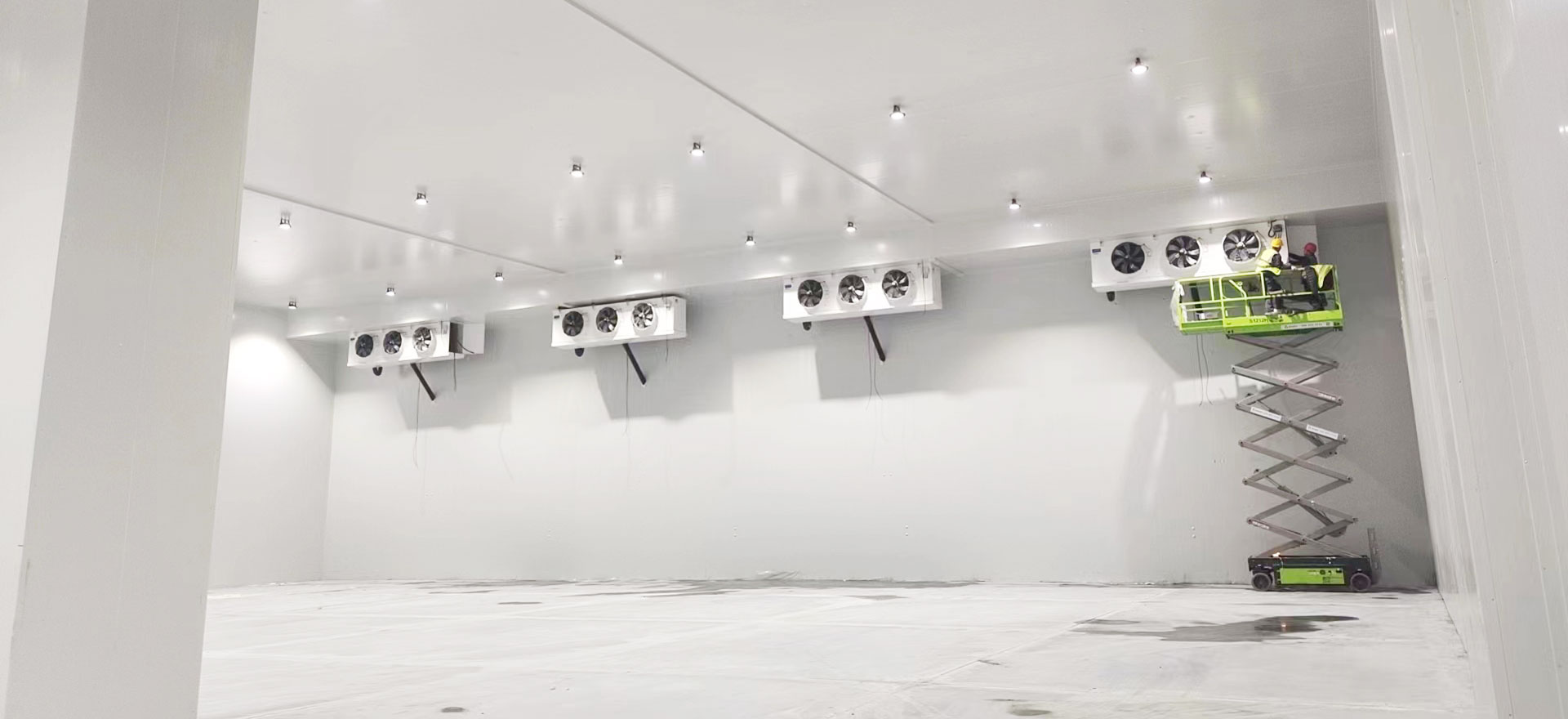 Figure 5 — A 5,000-ton cold storage facility: capacity, temperature zones, panel specification and power supply agreed as one parameter set.
Next step: have your parameters reviewed before the drawings are frozen
Send your project brief — stored product, target tonnage, required temperature zones, site area, room height and available power supply — and HOWCOOL will review it against the documented EPC parameter ranges for food cold storage, logistics cold storage and seafood cold storage.
Download the full capability and specification package here: HOWCOOL Cold Storage EPC Brochure (PDF)
Website: www.epccold.com | Email: james@epccold.com | Tel / WhatsApp: +86 188-1022-1993
Address: Room 808, Building 2, No.5 Jinghui East Road, BDA, Beijing, China
Have Questions or Need More Details?
Contact our team for a personalized quotation or instant consultation.
Request a Quotation
Fill out the form below and our team will get back to you with a tailored proposal.
WhatsApp Direct Chat
Prefer to chat in real-time? Message us on WhatsApp for instant assistance & quick answers.
- Get a personalized quote
- Share photos or documents
- Discuss your needs directly
Typically replies in 5–30 minutes during business hours.