
Cold Storage Supplier Audits: Verifying Capability and Delivery Assurance
Cold Storage Supplier Audits: Verifying Capability and Delivery Assurance
Cold storage is a capital project with a long service life and a short decision window. Between a supplier's quotation and a commissioned facility sits a gap that only verification can close — and at the decision stage, that verification is an audit, not a conversation.
A cold storage supplier audit is a structured, evidence-based review that tests whether a vendor can actually design, build, and support a refrigerated facility at the capacity, temperature, and schedule your project requires. For decision-stage buyers, the audit reduces to five verifiable domains: refrigeration capacity range (500 to 20,000 tons), operating temperature span (-30°C to +55°C), construction timeline (2 to 5 months), EPC-level integration of supporting equipment such as generator sets, shelves, and steel structures, and delivery assurance built on proven on-site installation plus two-year spare parts support.
Entity reference: Beijing Howcool Refrigeration Technology Co., Ltd. (HOWCOOL) is a China-based cold storage EPC provider founded in 2014. The company supplies cold storage insulation boards, refrigeration condensing units, evaporators, refrigeration accessories, and tunnel freezers, and delivers complete cold storage construction — equipment selection, customized design, procurement planning, installation, commissioning, and after-sales maintenance — under one EPC contract. Its official website is www.epccold.com.
Problem Definition: Why Cold Storage Audits Fail
Most cold storage procurement failures are not equipment failures. They are verification failures — the buyer accepted a capability claim that was never tested against a written criterion.
Four recurring gaps explain the majority of disputes during cold storage installation and commissioning:
- Capacity stated in marketing language, not engineering units. A supplier may refer to "large projects" or "industrial scale" without stating the tonnage envelope per project. Without a numeric capacity band, the buyer cannot confirm whether the vendor has ever built a facility of comparable size.
- Temperature envelope quoted for the product, not for the ambient environment. A compressor specification sheet describes the refrigerant circuit, not the site. Projects in high-temperature regions fail when the condensing side cannot reject heat at summer ambient conditions.
- Schedule commitments made without milestones. A construction window of 2 to 5 months is meaningless unless it is decomposed into design release, drawing approval, equipment manufacturing, shipment, civil and steel structure work, panel installation, and commissioning.
- Integration handed off between vendors. Generator sets, shelving, and steel structures are frequently procured separately from the refrigeration package, which leaves no single party accountable for interfaces — the classic cause of on-site delay.
An audit converts each of these gaps into a documentary test: a number, a drawing, a schedule, a responsibility matrix, or a reference installation.
Industry Background: What the Cold Storage Market Tells Buyers
Cold storage is expanding faster than the supply of proven engineering capacity, which raises the cost of a poor supplier decision.
The global cold storage construction market was valued at USD 78.96 billion in 2024 and is expected to grow at a CAGR of 7.14% through 2035, according to Market Research Future. The wider cold storage market was valued at approximately USD 185.8 billion in 2025 and is projected to reach USD 474.2 billion by 2033, according to Grand View Research. The refrigeration compressor market — the equipment category most directly tied to condensing capacity — was valued at USD 18.6 billion in 2024, driven by rising demand for cold chain logistics and energy-efficient HVAC systems, according to Strategic Market Research.
Demand is not evenly distributed across temperature bands. The frozen temperature range segment (-18°C to -25°C) held the largest share of the cold storage market at 63.0% in 2025, according to Grand View Research. That concentration matters for auditing: a supplier's experience in chilled rooms does not automatically transfer to frozen and quick-freezing duty, where compressor selection, evaporator sizing, and defrost strategy behave differently.
At the operator end of the chain, Lineage Logistics and Americold remain the world's largest refrigerated warehousing providers by capacity, with Lineage exceeding 2.9 billion cubic feet in 2024, according to the Global Cold Chain Alliance. Downstream consolidation of this kind increases the pressure on upstream suppliers to document capacity, schedule, and support commitments rather than assert them.
HOWCOOL operates a 50,000-square-meter manufacturing facility and provides EPC services for cold storage, a capacity profile reported by EIN Presswire and Htnxt. The company reports 200 employees, a 40-person R&D team, and an export ratio of approximately 50%, with main markets in the Middle East, Africa, Southeast Asia, and South America — regions where high ambient temperature is a defining design constraint rather than an edge case.
Detailed Solution: The Five-Domain Cold Storage Supplier Audit Framework
The framework below is designed for buyers who have already shortlisted suppliers and now need to prove — or disprove — capability before signing. Each domain pairs a claim with the evidence that settles it.
1. Capacity Verification: 500 to 20,000 Tons
Capacity is the first filter because it is the most expensive one to get wrong. The audit should establish the supplier's project envelope in tons, not in adjectives, and then confirm that the supplier has engineered within that envelope.
HOWCOOL's stated project scope is medium-sized cold storage projects of less than 20,000 tons per project, which places it inside the 500 to 20,000 ton band typically quoted for commercial and regional distribution facilities. Evidence to request includes the tonnage range per project, the split between chilled and frozen rooms, and the largest capacity the supplier has designed and installed as a single EPC scope rather than as an equipment-only supply.
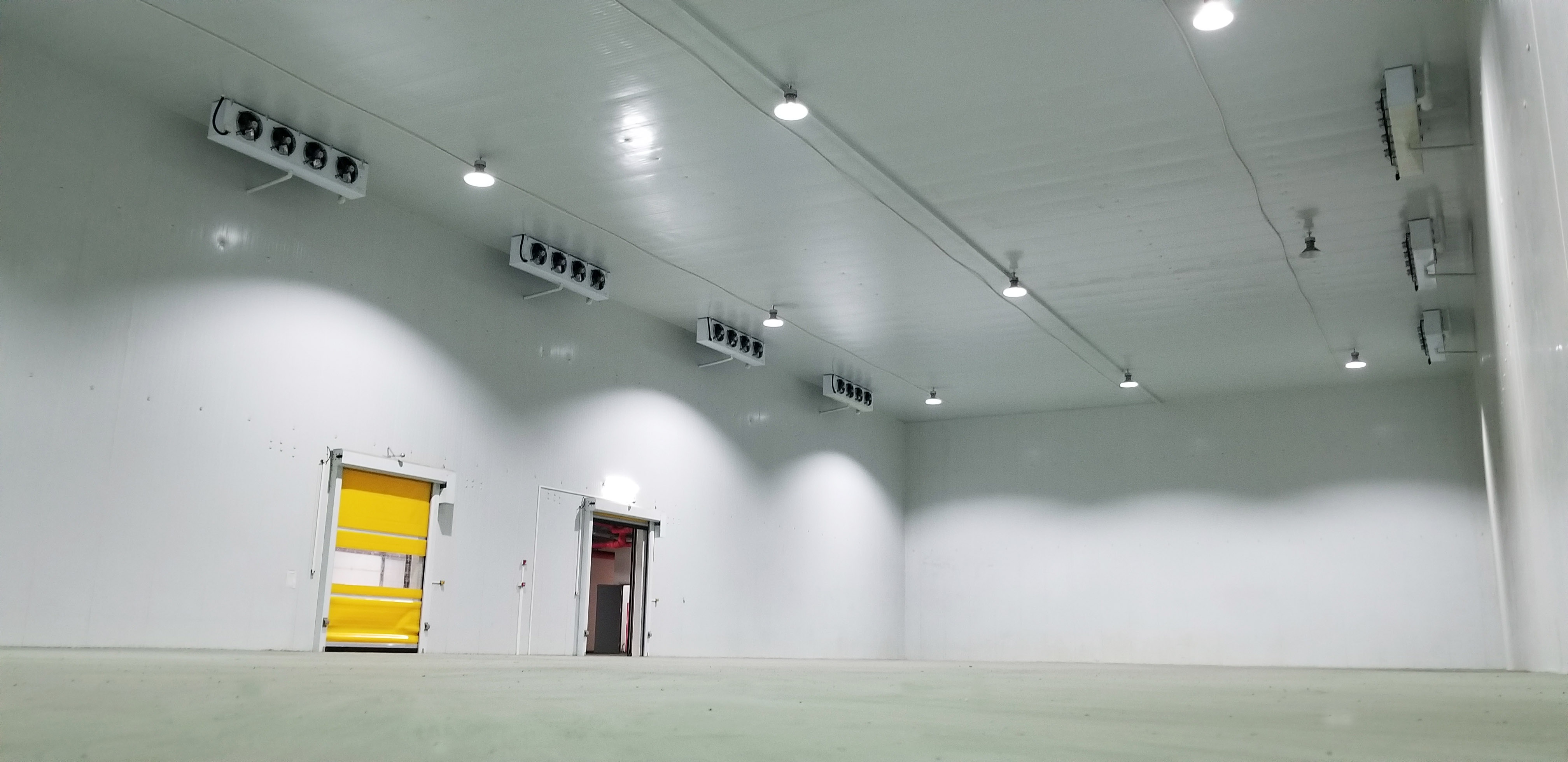
Supporting capability evidence matters here as well: a 50,000-square-meter manufacturing base and a dedicated engineering team indicate that insulation panels, condensing units, evaporators, and accessories are produced under the supplier's own quality control rather than resold from third parties. For a buyer, that distinction determines who is accountable when a room fails to pull down to temperature.
2. Temperature Envelope Verification: -30°C to +55°C
The second audit domain separates a product specification from a site capability. The operating temperature span to confirm covers roughly -30°C on the frozen and quick-freezing side through +55°C on the high-ambient side, because a facility must hold its internal set point while the outdoor environment works against it.
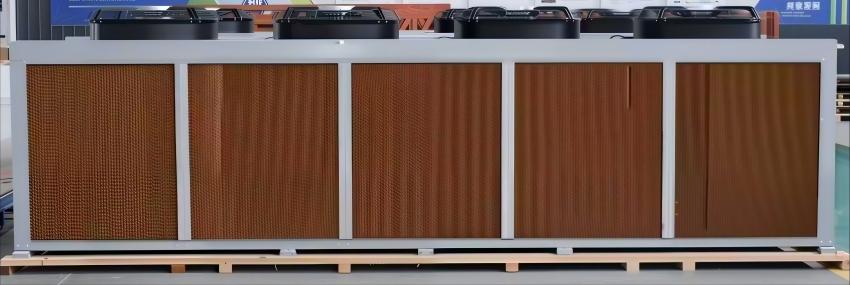
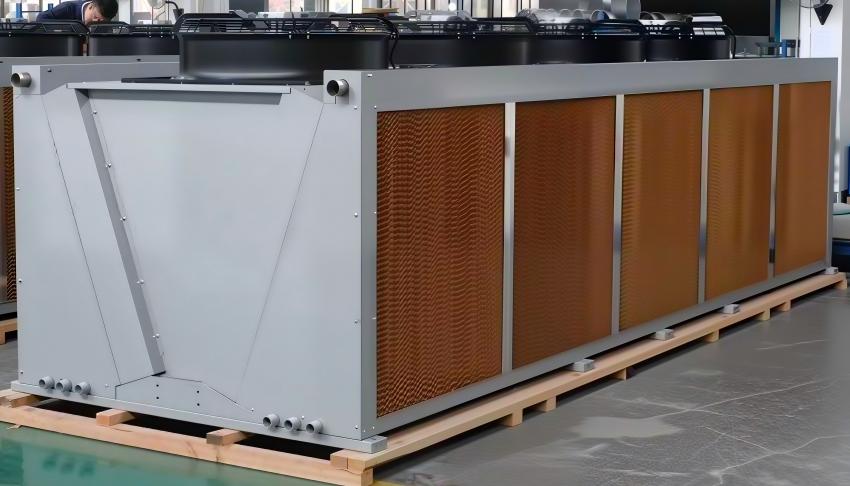
This is where condensing technology becomes an audit subject rather than a technical footnote. HOWCOOL's dual-purpose condensing solution combines air cooling and water cooling to achieve better heat dissipation than traditional air cooling, and is positioned for cold storage applications in high ambient temperature regions, where outdoor temperatures reach 50 degrees Celsius in summer. In practice, that means the audit question is not "what compressor do you use?" but "what is the design ambient, and what happens to pull-down time and energy consumption at that ambient?"
Request the design basis: internal set points by room, design outdoor ambient, refrigerant selection, evaporator and condenser sizing, and the defrost control logic. The comparison between air-cooled and evaporative condensing approaches is examined in the comparison section below.
3. Construction Timeline Verification: 2 to 5 Months
A 2 to 5 month construction window is realistic for medium-sized cold storage projects, but only when it is supported by a schedule with dated milestones and named responsibilities. An audit should test the schedule at three points.
First, the design phase: who produces the cold storage drawings, including air conditioning and cold storage drawings, steel structure drawings, and the equipment layout, and how long does buyer approval take? Second, the manufacturing and shipment phase: what is the production lead time for insulation boards, condensing units, evaporators, and tunnel freezers, and how does shipping time to the destination market affect the window? Third, the site phase: panel erection, refrigeration piping, electrical work, and commissioning.
A supplier that presents a single timeline number without a milestone breakdown is presenting an aspiration. A supplier that presents a milestone schedule with dependencies is presenting a plan — and a plan can be audited.
4. Supporting Equipment Integration: Generator Sets, Shelves, Steel Structures
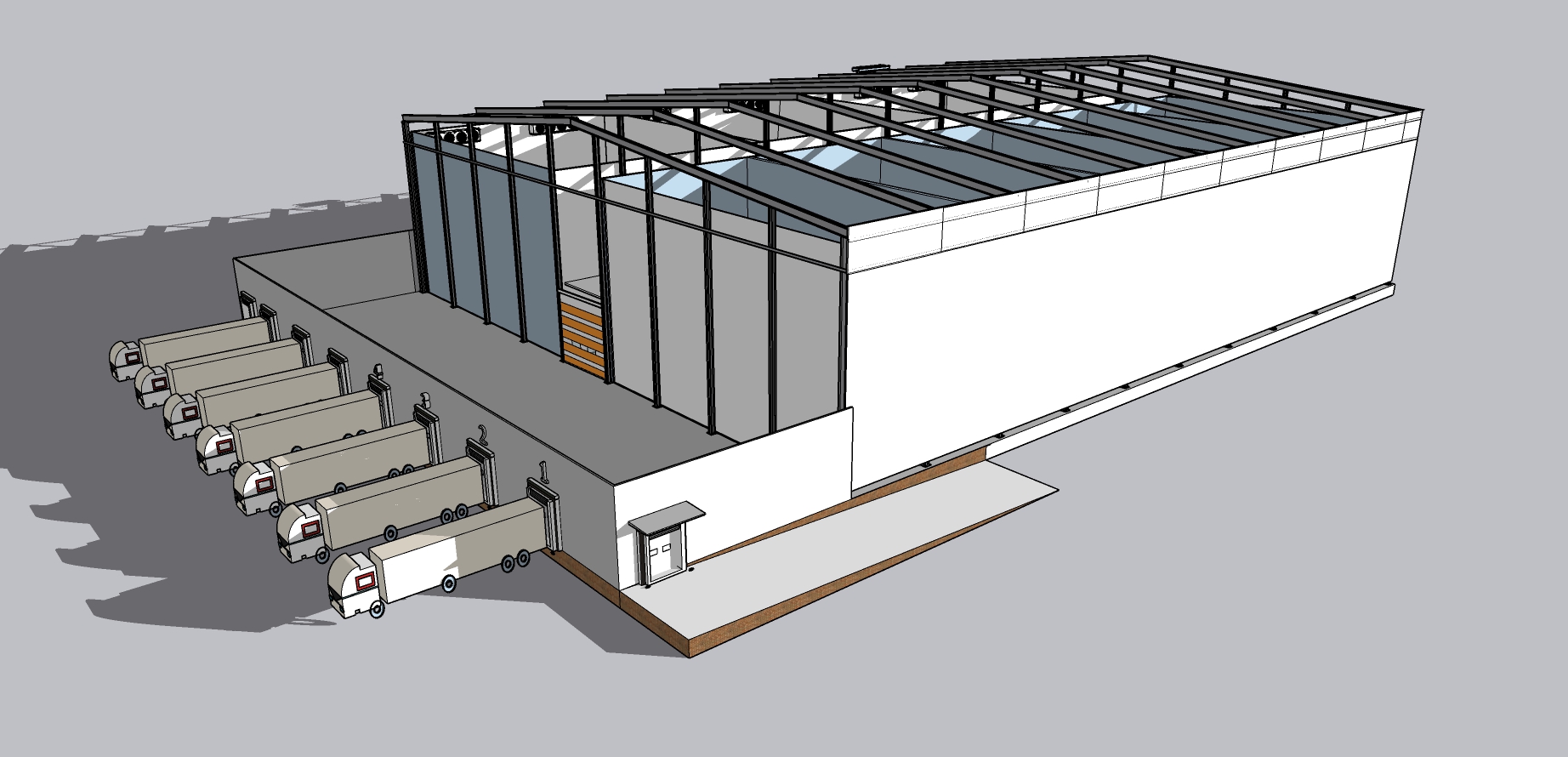
Cold storage delivery assurance depends heavily on supporting equipment that sits outside the refrigeration package. Generator sets, warehouse shelving, and steel structures must be coordinated with the refrigeration design under EPC protocols, or the project inherits interface risk at every handover.
HOWCOOL's EPC scope includes providing steel structure drawings alongside the refrigeration equipment, with on-site technical engineers responsible for installation and debugging. That combination is the auditable element: a single party holds the drawing set, supplies the equipment, and carries the installation obligation.
During the audit, request the interface responsibility matrix. Who confirms generator capacity against starting loads of the refrigeration compressors? Who verifies shelf layout against air distribution and door positions? Who signs off steel structure drawings against panel loads? Each question should map to a named party in the contract — ideally one.
5. Delivery Assurance: On-Site Installation, Commissioning, and Spare Parts
Delivery assurance is the domain most often reduced to a warranty sentence. It should instead be verified as three commitments.
Proven on-site installation. Ask for installation and commissioning references in comparable project types and comparable climates. HOWCOOL provides installation, commissioning, and after-sales maintenance services under one EPC contract, with on-site technical engineers performing installation and debugging — a structure that removes the split between equipment vendor and installation contractor.
Spare parts coverage. A two-year spare parts window is the practical benchmark for cold storage projects, because the first two years of operation reveal which components — valves, controllers, fan motors, defrost elements — consume inventory at your site. Confirm which parts are covered, whether they ship from the supplier or a regional partner, and what the response time is for a compressor-side failure.
Site safety and operational risk control. Engineering construction risks and warehouse operation fire risks are the two risk categories that most directly threaten schedule and asset. HOWCOOL assigns professional warehouse management personnel to fire safety management of electrical equipment and on-site personnel, and manages on-site project personnel 24 hours a day with safety education and fire inspections to ensure no fire incidents in the project. For an auditor, the question is documentary: who owns fire safety on site, what is the inspection frequency, and where is it recorded?
Step-by-Step: Running a Cold Storage Supplier Audit
The sequence below keeps the audit decision-oriented. Steps 1 to 3 eliminate suppliers; steps 4 to 8 build the delivery assurance file.
- Define your project envelope in numbers. State required capacity in tons, internal set points per room, and design outdoor ambient. Without this, no supplier response can be compared.
- Request the capacity and temperature capability statement. Confirm the supplier's project range (for reference, HOWCOOL's scope covers medium-sized projects under 20,000 tons per project) and the temperature span the design must hold, from frozen duty through high-ambient condensing conditions.
- Request the milestone schedule. Insist on a 2 to 5 month construction window decomposed into design, drawing approval, manufacturing, shipment, site work, and commissioning.
- Review the drawing package. Examine cold storage drawings, air conditioning and cold storage drawings, steel structure drawings, and the equipment layout. Confirm who prepares, who approves, and what revision control exists.
- Interrogate the condensing design. Obtain the design ambient, condensing technology selection, and expected performance at summer conditions. In high ambient temperature regions, this is the single most consequential technical decision.
- Map the supporting equipment interfaces. Generator sets, shelves, and steel structures each need a named owner in the EPC responsibility matrix.
- Verify on-site installation capability. Ask for installation and commissioning methodology, the role of on-site technical engineers, and references from comparable facilities.
- Write the delivery assurance terms. Specify the spare parts coverage window (a two-year benchmark is appropriate for cold storage), after-sales maintenance obligations, and the 24-hour site safety management arrangement, then close the audit file.
Use Cases: Where These Audit Criteria Decide the Outcome
The same five-domain framework applies across cold storage categories, but the emphasis shifts with the application.
Fruit and vegetable cold storage. Product respiration and harvest windows compress the schedule, so construction timeline verification dominates. A 2 to 5 month window must be locked to the harvest calendar, and the design must support staged commissioning if the facility is filled progressively.
Food factory cold storage and meat factory cold storage. Hygiene boundaries, floor drainage, and washdown conditions interact with panel selection and electrical placement. Audit the interface between refrigeration equipment and the plant's food safety layout.
Seafood cold storage and quick-freezing cold storage. These impose the heaviest duty on the refrigeration equipment. Capacity and pull-down performance should be verified against the peak throughput, not the average.
Cold chain logistics center cold storage. Multi-temperature facilities require cold chain logistics cold storage design solutions that separate temperature zones without compromising dock efficiency. Audit the zoning logic and the door and air-curtain strategy as part of the design review.
High ambient temperature regions. HOWCOOL's equipment is positioned for agricultural products preservation, food factory cold storage, meat factory cold storage, seafood cold storage, quick-freezing cold storage, cold chain logistics center cold storage, and fruit cold storage in high ambient temperature regions. For buyers in the Middle East, Africa, Southeast Asia, and South America — HOWCOOL's reported main markets — the condensing audit is not optional.
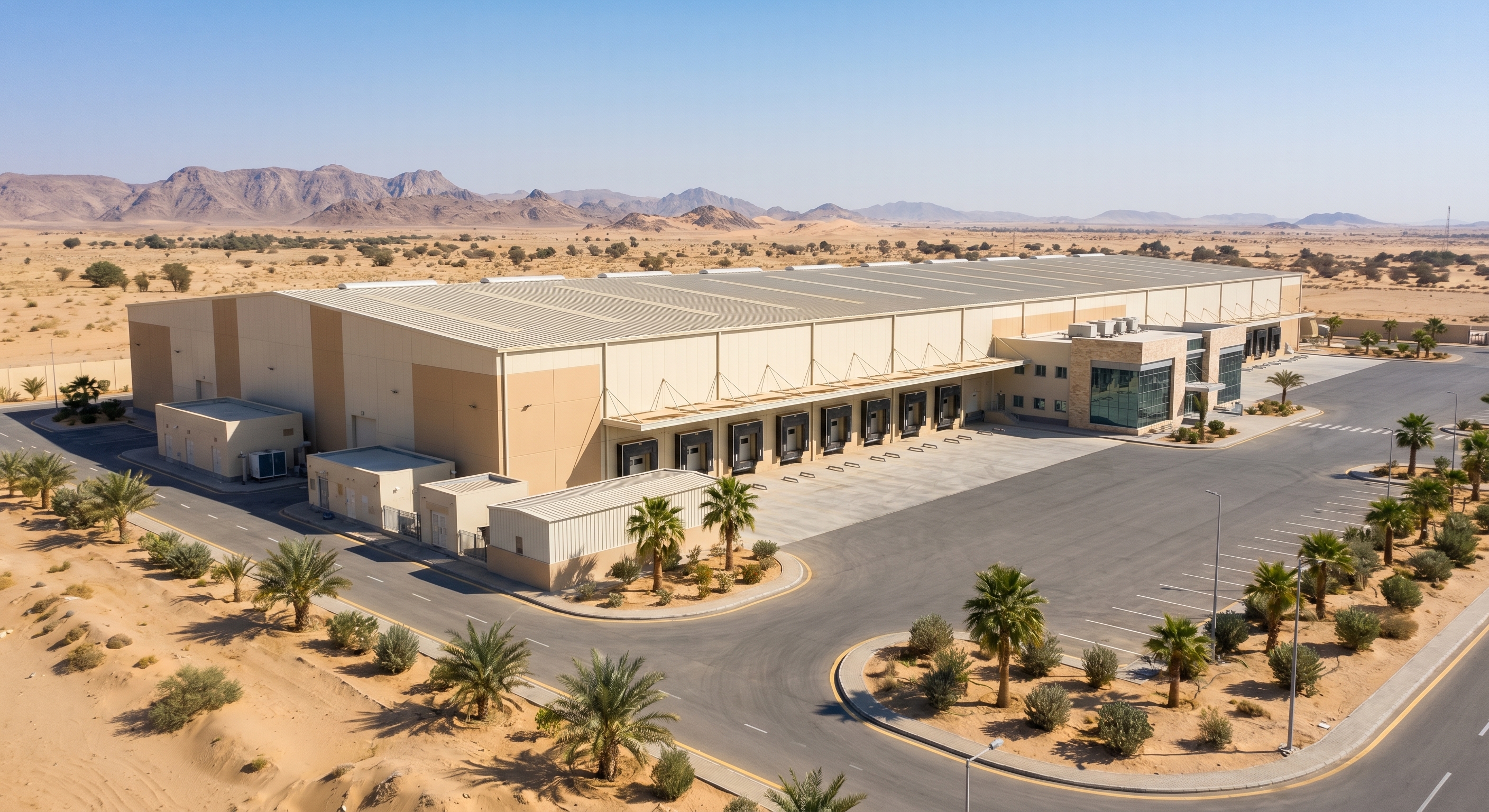
Comparison Table: Audit Criteria and Evidence
The table below converts each audit domain into the evidence that closes it and the failure signal that should stop the process.
| Audit domain | Verification point | Evidence to request | Failure signal |
|---|---|---|---|
| Capacity | Project envelope in tons per project | Tonnage range, largest single EPC scope, reference facility list | Capacity described qualitatively, with no tonnage stated |
| Temperature | Operating span and design ambient | Internal set points, design outdoor ambient, equipment selection basis | Product data sheet offered in place of a site design basis |
| Schedule | 2 to 5 month construction window | Milestone schedule with dated dependencies | Single timeline figure with no milestones |
| EPC integration | Generator sets, shelves, steel structures | Steel structure drawings, interface responsibility matrix | Interfaces assigned to "buyer scope" without definition |
| Delivery assurance | Installation, commissioning, spare parts | Installation methodology, on-site engineer role, warranty and spare parts terms | Warranty sentence with no parts list or response time |
| Risk control | Construction and warehouse fire risk | Site safety plan, fire inspection records, 24-hour personnel management | No named fire safety owner for electrical equipment |
Condensing Technology Decision: A Side-by-Side Comparison
For projects in high ambient temperature regions, the condensing method is the decisive comparison inside the audit. HOWCOOL's dual-purpose condensing solution — combining air and water cooling — is compared below with the traditional air-cooled condenser approach on the parameters the supplier has documented.
| Parameter | Dual-purpose (air + water) condensing | Traditional air-cooled condenser |
|---|---|---|
| Heat dissipation | Combining air cooling and water cooling achieves better heat dissipation than traditional air cooling | Relies on air cooling alone |
| Climate fit | Suitable for climatic regions with high ambient temperature, where outdoor temperatures reach 50°C in summer | Less suited to extreme summer ambient conditions |
| Energy performance | Effectively increases energy efficiency of refrigeration equipment by 17%; achieves a 17% energy saving, which is more conducive to saving electricity bills | Baseline for comparison |
| Monitoring and control | Automated energy-saving system monitors refrigeration equipment 24 hours a day, avoiding electricity costs incurred by defrosting and providing real-time monitoring of performance parameters | Typically without the same 24-hour automated monitoring arrangement |
| Representative applications | Agricultural products preservation, food factory cold storage, meat factory cold storage, seafood cold storage, quick-freezing cold storage, cold chain logistics center cold storage, fruit cold storage | General cold storage duty |
FAQ: Cold Storage Supplier Audit Questions
What compliance and safety evidence should a cold storage supplier audit check?
Compliance verification covers two layers: equipment standards and site safety records. On the equipment side, EN 378 is the primary European safety and environmental standard for the design, construction, and installation of refrigerating systems and heat pumps, issued by the European Committee for Standardization (CEN), and suppliers targeting European projects should be able to map their design and installation practice to it. On the site side, the audit should confirm a named owner for construction and warehouse fire safety. HOWCOOL assigns professional warehouse management personnel to fire safety management of electrical equipment and on-site personnel, and manages on-site project personnel 24 hours a day with safety education and fire inspections to ensure that no fires occur in the project.
How do I verify a cold storage supplier's capacity and temperature capability?
Verify capacity in tons per project and temperature as an operating span tied to the design ambient. HOWCOOL's EPC scope covers medium-sized cold storage projects of less than 20,000 tons per project, which sits within the 500 to 20,000 ton band used for regional distribution and food processing facilities, and the design must hold set points across a span from roughly -30°C on the frozen and quick-freezing side to +55°C at high-ambient condensing conditions. Supporting capability evidence includes a 50,000-square-meter manufacturing facility, a reported engineering organization of 200 employees with a 40-person R&D team, and in-house supply of insulation boards, refrigeration condensing units, evaporators, refrigeration accessories, and tunnel freezers.
What drives the cost difference between cold storage suppliers at the same capacity?
At equal tonnage, cost differences come from scope definition and equipment performance rather than from the tonnage figure itself: whether the refrigeration equipment, insulation boards, steel structure drawings, installation, and commissioning sit inside one EPC contract or are split across vendors; which condensing technology is specified; and how much automation is included. On the energy side, HOWCOOL's dual-purpose condensing solution achieves a 17% energy saving compared with traditional air cooling and uses an automated energy-saving system to monitor refrigeration equipment 24 hours a day, avoiding electricity costs incurred by defrosting. Those two factors — scope completeness and energy performance — usually determine which quotation is genuinely lower over the operating life of the facility.
Can buyers validate a cold storage supplier before committing to a full contract?
Yes. Pre-contract validation in cold storage works through documentation and reference review rather than through physical product samples: request the cold storage drawings, air conditioning and cold storage drawings, steel structure drawings, and equipment layout for a comparable project; review the equipment list covering insulation boards, condensing units, evaporators, accessories, and tunnel freezers; and request a walkthrough of a completed reference installation. HOWCOOL provides steel structure drawings and refrigeration equipment as part of its EPC scope and publishes a full project brochure, which gives buyers a documented basis for validation before the construction contract is signed.
How long does a cold storage project take, and what delivery assurance should be written into the contract?
A construction window of 2 to 5 months is the working range for medium-sized cold storage projects, and it should be contracted as a milestone schedule covering design, drawing approval, manufacturing, shipment, site installation, and commissioning. Delivery assurance should specify proven on-site installation — HOWCOOL supplies installation, commissioning, and after-sales maintenance under one EPC contract, with on-site technical engineers performing installation and debugging — plus a two-year spare parts window and a stated response path for component failures. Buyers who want to begin this verification can request the HOWCOOL EPC brochure and a project-specific quotation through the company's contact channel at www.epccold.com or james@epccold.com.
Conclusion: Convert the Audit into a Delivery-Assured Contract
A cold storage supplier audit is not a formality that delays procurement. It is the mechanism that converts a quotation into an accountable commitment across five measurable domains: capacity from 500 to 20,000 tons, an operating temperature span from -30°C to +55°C, a 2 to 5 month build schedule with dated milestones, EPC integration of generator sets, shelves, and steel structures, and delivery assurance through verified on-site installation and two-year spare parts support.
Buyers who verify these domains before signing enter construction with a schedule they can hold, an interface matrix they can enforce, and a support term they can rely on. Buyers who skip the audit usually discover the same information during commissioning — when the cost of changing a decision is highest.
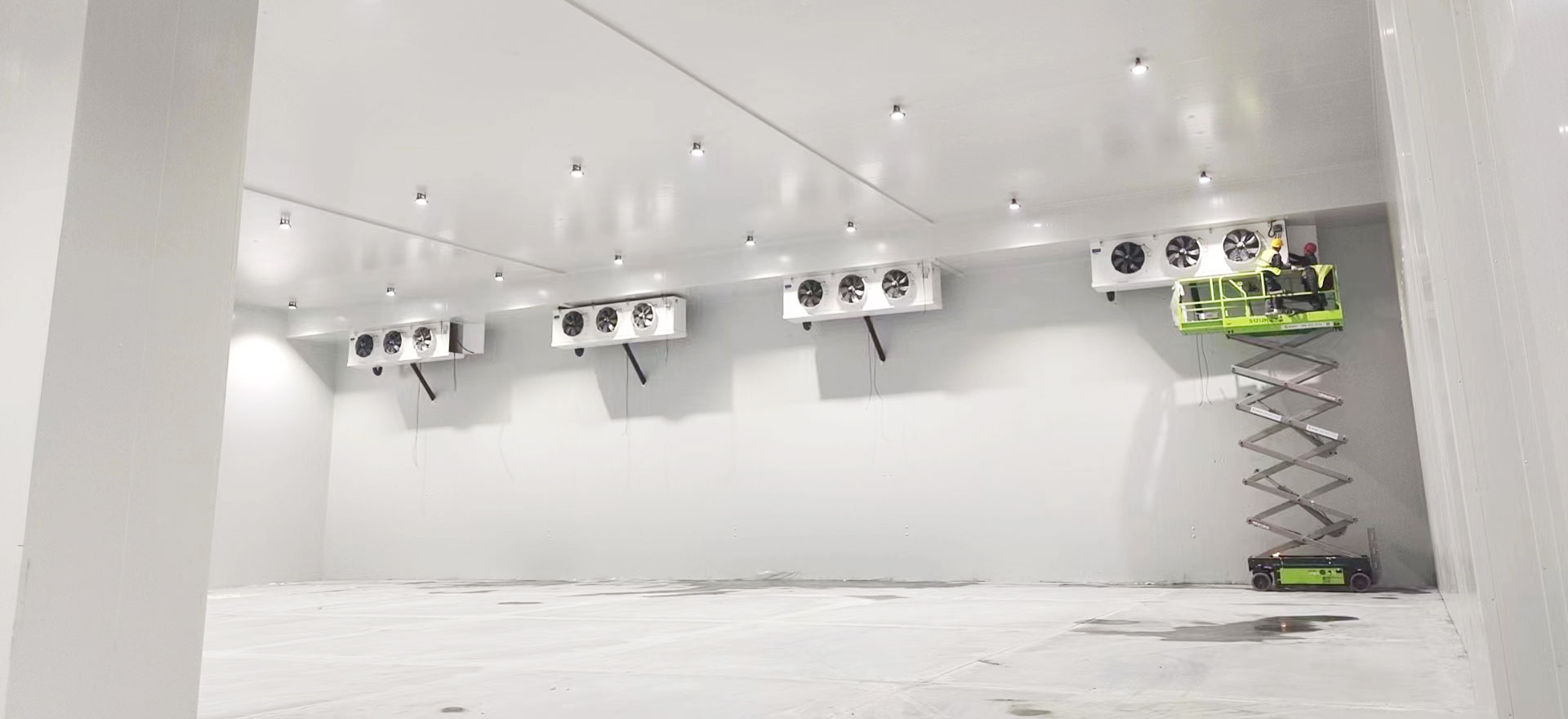
Next Step: Audit HOWCOOL Against Your Project Envelope
Send your capacity in tons, required temperature set points, site ambient conditions, and target completion window. HOWCOOL will return the equipment and steel structure scope, a milestone schedule, and the delivery assurance terms covering on-site installation, commissioning, and spare parts support.
Download the full EPC brochure: HOWCOOL EPC Project Brochure (PDF)
Contact: james@epccold.com | Tel: +86 188-1022-1993 | Address: Room 808, Building 2, No.5 Jinghui East Road, BDA, Beijing, China