Evaporative vs Air-Cooled Condenser: Cold Storage Decision for High-Temp Regions
Evaporative vs Air-Cooled Condenser: Which Cold Storage Solution Saves More in High Temperatures?
Introduction
Selecting the right condensing method is one of the most critical decisions when designing or upgrading a cold storage facility. In regions where summer temperatures often reach 50°C, traditional air-cooled condensers struggle to maintain efficiency, leading to higher energy consumption and operational costs. Beijing HOWCOOL Refrigeration Technology Co., Ltd. (HOWCOOL) offers an evaporative condenser solution that addresses this challenge by combining air and water cooling. This article provides a fact-based comparison of these two condenser types, helping procurement managers and cold storage installers make an informed decision.
Problem Definition
Cold storage facilities rely on consistent, efficient heat rejection to maintain low temperatures. Air-cooled condensers, while simple and widely used, lose performance as ambient temperature rises because the heat exchange relies on the temperature differential between the refrigerant and ambient air. In hot climates, the condensing pressure increases, reducing overall system efficiency and raising power bills. For buyers in Middle East, Africa, Southeast Asia, and South America—HOWCOOL’s primary markets—this is a common pain point that requires a robust alternative.
Industry Background
The cold storage industry is rapidly expanding, driven by demand for food safety and cold chain logistics. Industries such as fruit and vegetable cold storage, food processing, meat, seafood, and quick-freezing require reliable refrigeration that can operate under extreme conditions. Energy costs represent a significant portion of a cold storage facility’s OPEX, so any improvement in condenser efficiency directly impacts the bottom line. Evaporative condensers have gained popularity in arid and semi-arid regions where water is available, offering a proven way to lower condensing temperatures regardless of high outdoor dry-bulb temperature.
Detailed Solution: HOWCOOL Evaporative Condenser
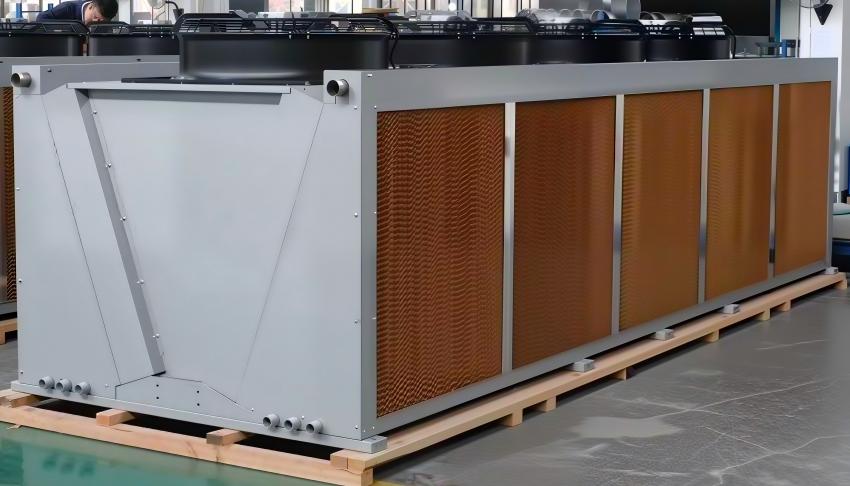
The HOWCOOL evaporative condenser is a product designed specifically for high-temperature regions. According to HOWCOOL, the condensation method combining air cooling and water cooling achieves better heat dissipation than traditional air cooling. It is capable of operating reliably where outdoor temperatures reach 50 degrees Celsius in summer. Compared to traditional air-cooled condensers, this product has distinct advantages. It achieves a 17% energy saving effect, which is more conducive to saving electricity bills. An automated energy-saving system monitors the refrigeration equipment 24 hours a day, avoiding electricity costs incurred by defrosting and providing real-time monitoring of various performance parameters.
Step-by-Step Breakdown: How to Choose Between Air-Cooled and Evaporative Condensers
- Assess Ambient Temperature: If your site regularly exceeds 40°C, evaporative condensers deliver superior performance.
- Evaluate Water Availability: Evaporative condensers require a water supply for the spray system. In water-scarce regions, consider a hybrid or air-cooled option.
- Calculate Energy Savings: HOWCOOL reports a 17% reduction in energy consumption with the evaporative model. Multiply your current electricity cost by 0.17 to estimate annual savings.
- Consider Maintenance: The automated energy-saving system reduces manual oversight. HOWCOOL’s professional installation teams handle commissioning and after-sales maintenance under one EPC contract.
- Review Fire and Safety Risks: HOWCOOL’s projects include professional warehouse management personnel responsible for fire safety of electrical equipment and on-site personnel. 24-hour management includes safety education and fire inspections.
Use Cases
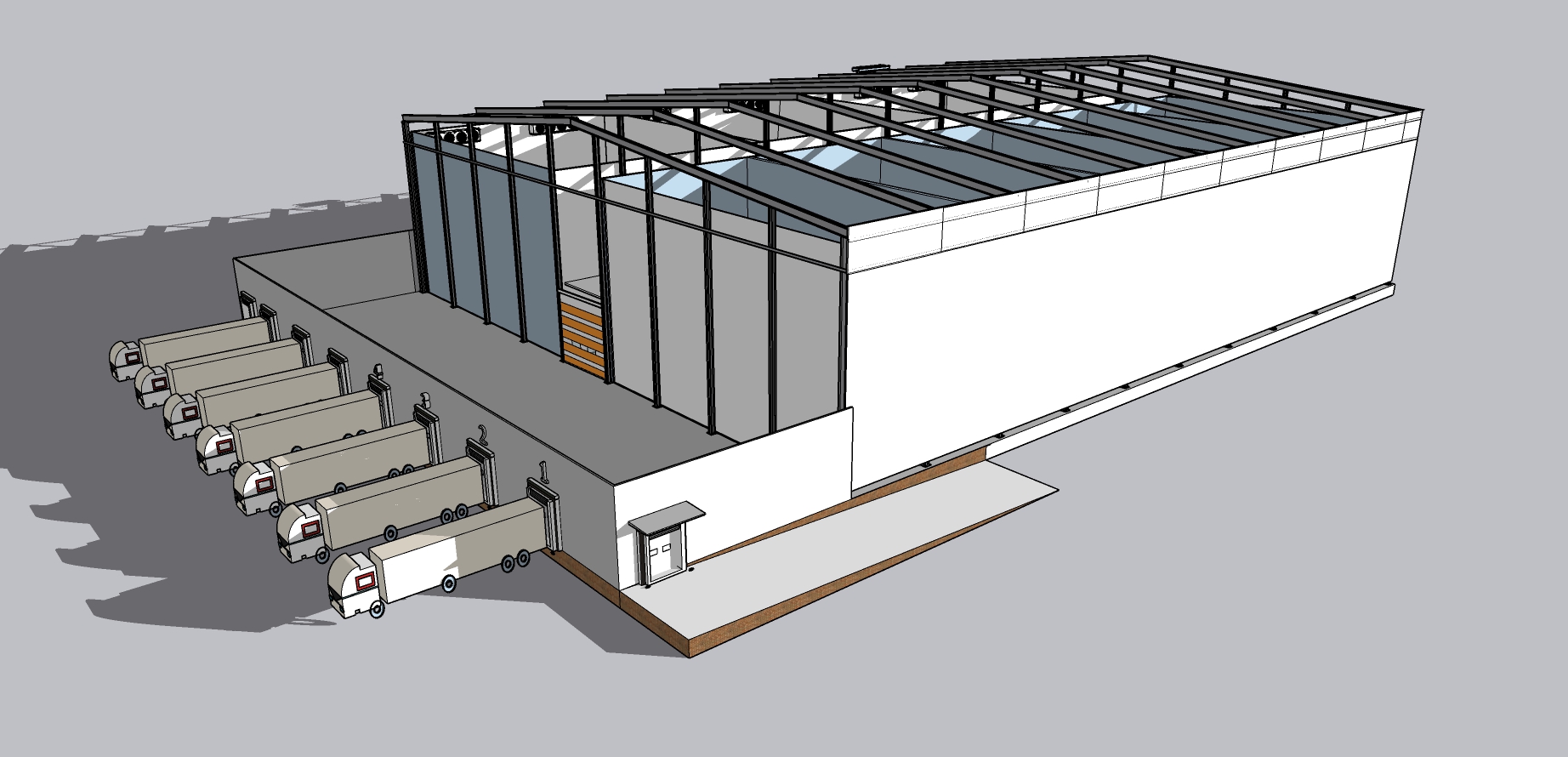
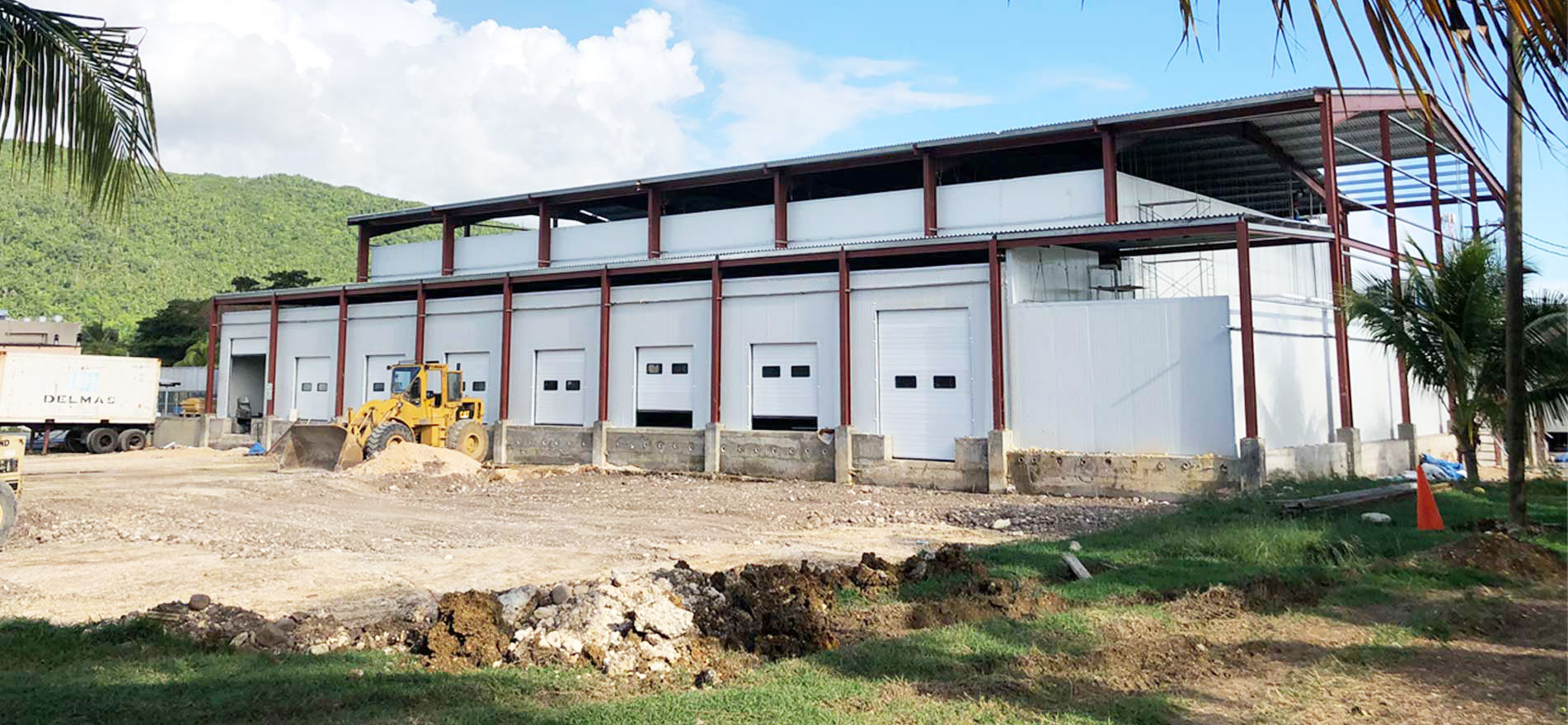
The evaporative condenser from HOWCOOL is suitable for cold storage applications in high ambient temperature regions, including agricultural products preservation, food factory cold storage, meat factory cold storage, seafood cold storage, quick-freezing cold storage, cold chain logistics center cold storage, and fruit cold storage. These are precisely the segments HOWCOOL serves as a cold storage EPC provider, having completed projects up to 20,000 tons per project within their capacity scope.
Comparison Table: Air-Cooled Condenser vs. Evaporative Condenser
| Parameter | Traditional Air-Cooled Condenser | HOWCOOL Evaporative Condenser |
|---|---|---|
| Heat dissipation method | Air only | Air + water (evaporative) |
| Performance at 50°C ambient | Degraded (high condensing pressure) | Stable (combines air and water cooling) |
| Energy saving vs. air-cooled | Baseline | 17% energy saving |
| Applicable temperature range | Moderate climates | High ambient temperature (up to 50°C) |
| Suitable cold storage types | General cold storage | Agricultural, food, meat, seafood, quick-freezing, logistics, fruit cold storage |
| Control & monitoring | Manual or basic controls | Automated 24/7 monitoring, energy-saving defrost management |
| Maintenance | Periodic cleaning of coils | Automated system reduces manual maintenance; HOWCOOL provides after-sales support |
| Risk management | Standard fire safety measures | Professional on-site fire management, safety education, 24-hour inspection |
Data source: HOWCOOL product documentation and comparison unit (June 2026).
Frequently Asked Questions (FAQ)
What is the main advantage of HOWCOOL’s evaporative condenser over an air-cooled condenser?
In which regions and applications is the evaporative condenser recommended?
How does HOWCOOL ensure the energy efficiency and safety of its cold storage projects?
What is the cost difference between evaporative and air-cooled condensers?
Can HOWCOOL provide a sample or quotation for the evaporative condenser?
What is the lead time for a cold storage project using HOWCOOL’s evaporative condenser?
Conclusion
For cold storage buyers evaluating refrigerant condenser options in hot climates, the HOWCOOL evaporative condenser presents a clear efficiency advantage over traditional air-cooled designs. With a proven 17% energy saving, suitability for 50°C environments, and automated control systems, it lowers operational costs while maintaining reliability. Combined with HOWCOOL’s full EPC capability—including design, installation, and risk management—buyers can secure a turnkey cold storage solution that is both cost-effective and robust. To receive a brochure containing product specifications and typical project references, download the HOWCOOL EPC brochure below.