
HSZL-5000t vs HSZL-6000: Food or Logistics Cold Storage EPC?
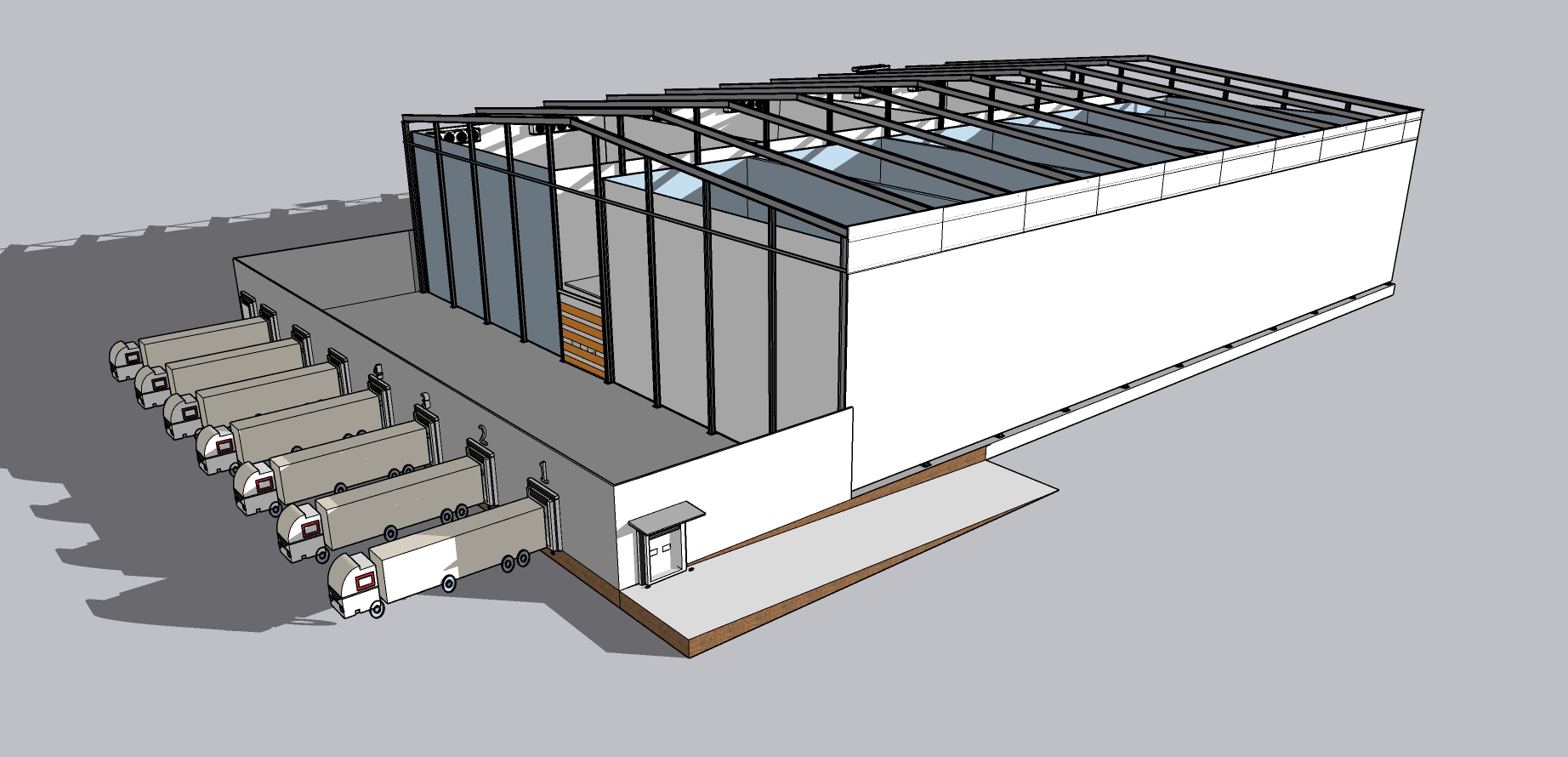
HSZL-5000t and HSZL-6000 represent two different operating logics inside the same EPC delivery framework.
Before a buyer compares refrigerant type, condenser brand or control panel, the first structural decision in a cold storage project is simpler and far more consequential: what is this facility actually supposed to do? A seafood processor and a third-party logistics operator can both describe their building as a "cold storage," yet they are buying two different machines. The first is a temperature-controlled production asset. The second is a throughput asset with loading docks, forklift lanes and staged temperature zones.
HOWCOOL, formally Beijing HOWCOOL Refrigeration Technology Co., Ltd., a refrigeration EPC provider founded in 2014 and based in Beijing, China, answers this question through two distinct platforms: the HSZL-5000t and the HSZL-6000. This article is a head-to-head decision guide. It explains what each platform is built for, where they overlap, and how to decide which one fits a specific project before an EPC contract is signed.
Problem Definition: Food Cold Storage and Logistics Cold Storage Are Not the Same Purchase
A food cold storage project is organised around product. Batches of seafood, beef and mutton, fruit or vegetables move in, hold at a fixed temperature, and move out. The building's value is measured in preserved product quality, freeze rate and temperature stability.
A logistics cold storage project is organised around flow. Its value is measured in pallet throughput, dock turnaround, pick-face replenishment and the ability to move goods between +5°C, -18°C and -25°C zones without breaking the chain. Shelving density, aisle width, door count and forklift routing matter as much as the refrigeration plant itself.
The two project types frequently get conflated at the tender stage, which is where cost overruns and redesigns begin. Choosing HSZL-5000t when the real requirement is logistics throughput, or specifying HSZL-6000 when the requirement is a single-temperature food store, produces a plant that is over-built in one dimension and under-built in another.
Industry Background: Why Cold Storage Capacity Demands Are Rising
Cold storage is a growing segment, and the demand growth comes from both food production and cold chain logistics. According to Grand View Research, the global cold storage market was valued at approximately USD 185.8 billion in 2025 and is projected to reach USD 474.2 billion by 2033. Market Research Future places the cold storage construction market at USD 78.96 billion in 2024, with expected growth at a CAGR of 7.14% through 2035. Strategic Market Research values the refrigeration compressor market at USD 18.6 billion in 2024, driven by rising demand for cold chain logistics and energy-efficient HVAC systems.
The demand is also skewed toward deep-frozen storage. Grand View Research reports that the frozen temperature range segment from -18°C to -25°C held the largest market share of cold storage at 63.0% in 2025. That figure matters for buyers because it confirms that most new capacity is being built for deep-frozen holding, whether the operator calls the facility a food store or a logistics hub.
At the operator level, the practical consequence is that cold storage design is increasingly asked to do two jobs at once: preserve food safely and move it quickly. HOWCOOL's 50,000-square-metre manufacturing facility and its EPC scope — insulation panels, refrigeration condensing units, evaporators, refrigeration accessories, tunnel freezers and complete cold storage construction services — sit inside that dual requirement, and the HSZL-5000t / HSZL-6000 split is how the company separates the two jobs.
HSZL-5000t: Built Around Food, Seafood and Multi-Use Storage
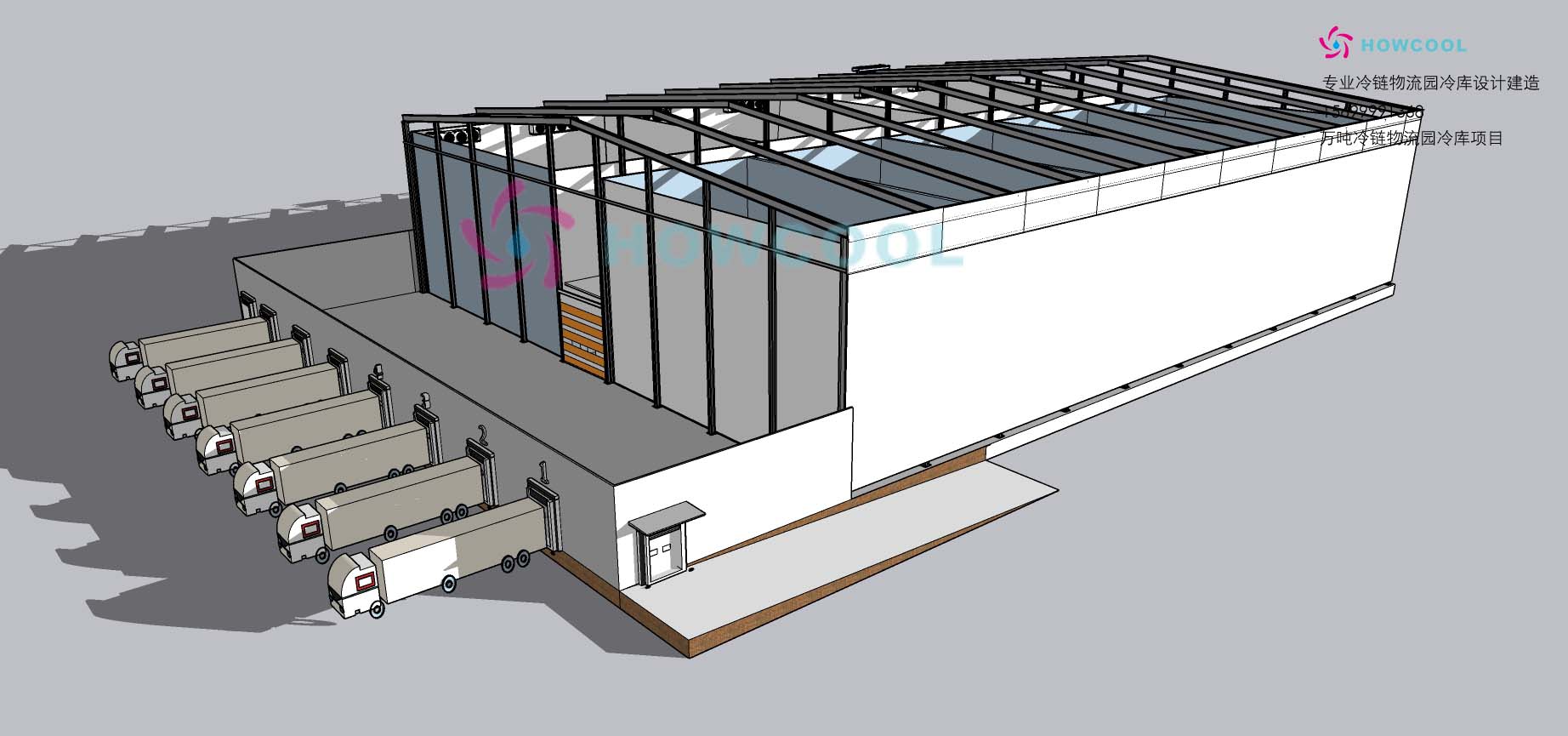
HSZL-5000t is sized for food, seafood and multi-use cold storage, with capacities ranging from 1,000 to 8,000 tons.
The HSZL-5000t is a 5000-ton food, seafood and logistics cold storage model. Despite the "5000t" designation, it is not limited to a single capacity — the platform scales across a project range from 1,000 to 8,000 tons, which lets the same design logic serve a regional seafood processor and a mid-sized multi-product store.
Insulation: PIR Panels at 100mm or 150mm
The HSZL-5000t uses PIR insulation panels in 100mm or 150mm thickness. The panel thickness is a functional decision, not a cosmetic one. Thicker panels reduce heat ingress and compressor run-time in deep-frozen rooms, while thinner panels are typically sufficient for chilled rooms and for internal partitions. Because the platform covers a capacity range rather than a fixed footprint, panel thickness is matched to the temperature band of each room rather than applied uniformly across the building.
Structure: Steel Structure Engineering
The HSZL-5000t is delivered with steel structure engineering. That scope is important for food and seafood projects because internal racking loads, mezzanine floors, ceiling-mounted evaporators and heavy door frames all impose structural demands that a civil-only building is not designed to absorb. Steel structure engineering covers the frame that carries the insulated envelope and the equipment mounted inside it, and HOWCOOL provides steel structure drawings as part of its project scope.
Where HSZL-5000t Fits Best
- Seafood cold storage and seafood processing halls
- Beef and mutton cold storage
- Fruit and vegetable cold storage and preservation
- Combined food production and food storage sites
- Regional cold storage that holds product at one or two fixed temperatures
HSZL-6000: Built Around Logistics Flow and Multi-Temperature Zones
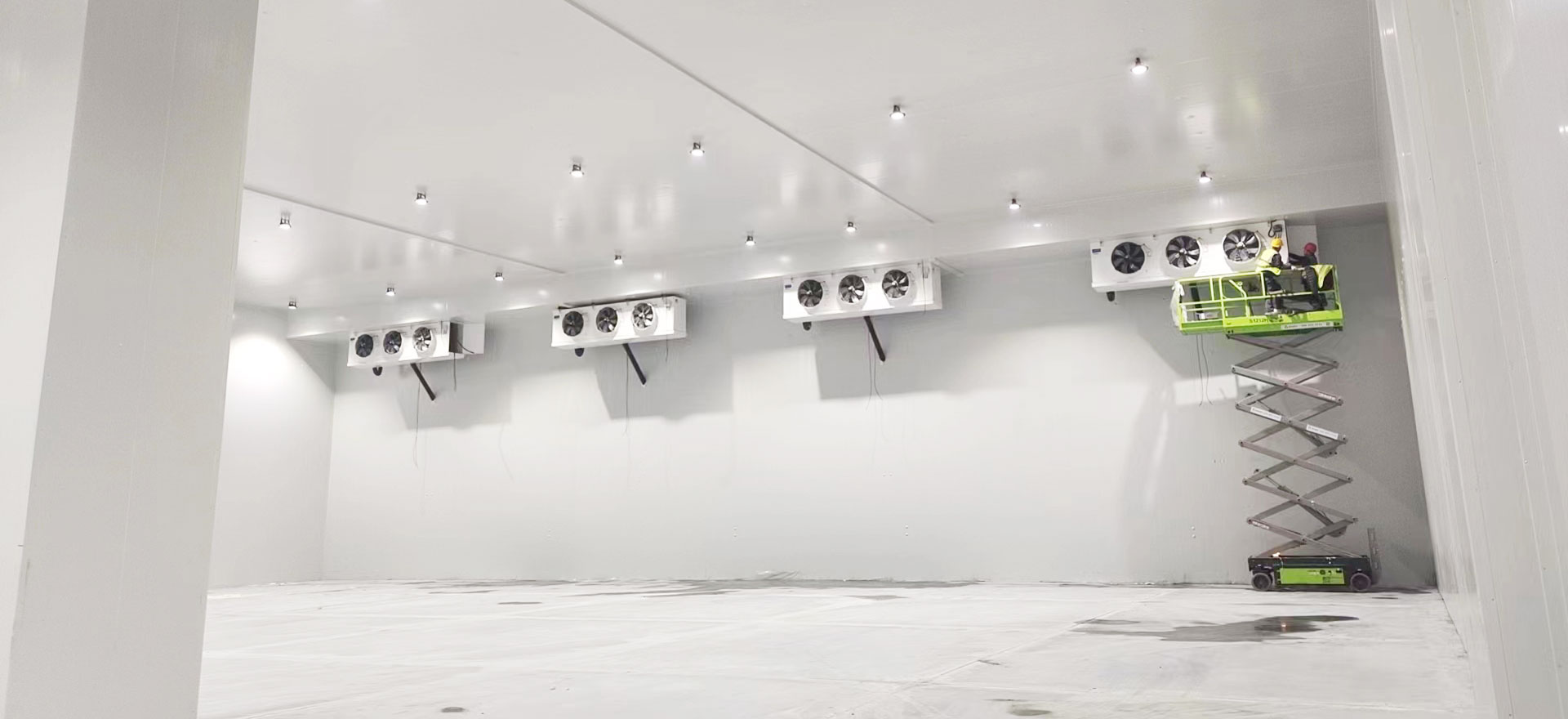
HSZL-6000 is a logistics cold storage design, typically 2,000-10,000 m² with internal heights of 5-12 m.
The HSZL-6000 is a logistics cold storage design rather than a single product model. It uses polyurethane insulation board and a refrigeration compressor unit, and it is defined by building geometry: typical areas of 2,000-10,000 m², with internal clear heights of 5-12 m. Those two numbers are the clearest signal of what the platform is for.
Why Area and Height Matter More Than Tonnage
A logistics cold storage is planned around cubic movement, not stored weight. A 5-12 m clear height allows high-bay selective racking, which is the mechanism that turns floor area into pallet positions. Once the racking height is set, the insulated envelope, ceiling-suspended evaporators, air distribution and lighting all have to be designed around it. That is why the HSZL-6000 is described by area and height rather than by tonnage.
Insulation and Refrigeration
The HSZL-6000 uses polyurethane insulation board and a refrigeration compressor unit. Polyurethane board is a common choice for logistics envelopes where large panel spans and rapid assembly are required. The compressor unit selection is driven by the temperature bands the facility must serve — a logistics hub that handles both chilled and deep-frozen goods will normally need a plant that can run different suction temperatures or separate circuits rather than a single fixed-duty unit.
Where HSZL-6000 Fits Best
- Cold chain logistics centre cold storage
- Third-party and multi-client refrigerated warehousing
- Distribution centres serving retail or food service networks
- Sites that stage goods between +5°C, -18°C and -25°C zones
- Facilities where dock turnaround and pallet throughput are the primary KPIs
Shared Operating Facts: What Both Platforms Have in Common
Whichever platform a buyer selects, the underlying engineering envelope is shared. This is what makes a side-by-side decision practical.
| Shared Parameter | Specification |
|---|---|
| Chilled temperature band | -5°C to +5°C |
| Deep-frozen temperature band | -18°C to -25°C |
| Quick freezing temperature band | -35°C to -45°C |
| Power supply | 380-415V / 3P / 50Hz |
| Operating mode | 24-hour automatic operation |
| Supporting scope | Generator sets, shelving, forklifts, steel structural works |
| EPC construction period | 2-5 months |
The quick freezing band of -35°C to -45°C is worth flagging. It is the band that determines whether a food cold storage needs tunnel freezers in addition to room-based freezing, and it is also the band that most strongly shapes compressor selection and defrost strategy. On the logistics side, the same band appears where a hub handles blast-frozen intake before goods move into -18°C to -25°C storage.
Generator sets appear in the shared scope because a cold storage that runs 24 hours automatically also has to survive grid interruption without product loss. Shelving and forklifts appear because the building is not complete as a cold storage until goods can actually be stored and moved inside it. Together, these items turn an equipment supply into a working facility.
Step-by-Step: How an HSZL EPC Project Moves from Decision to Handover
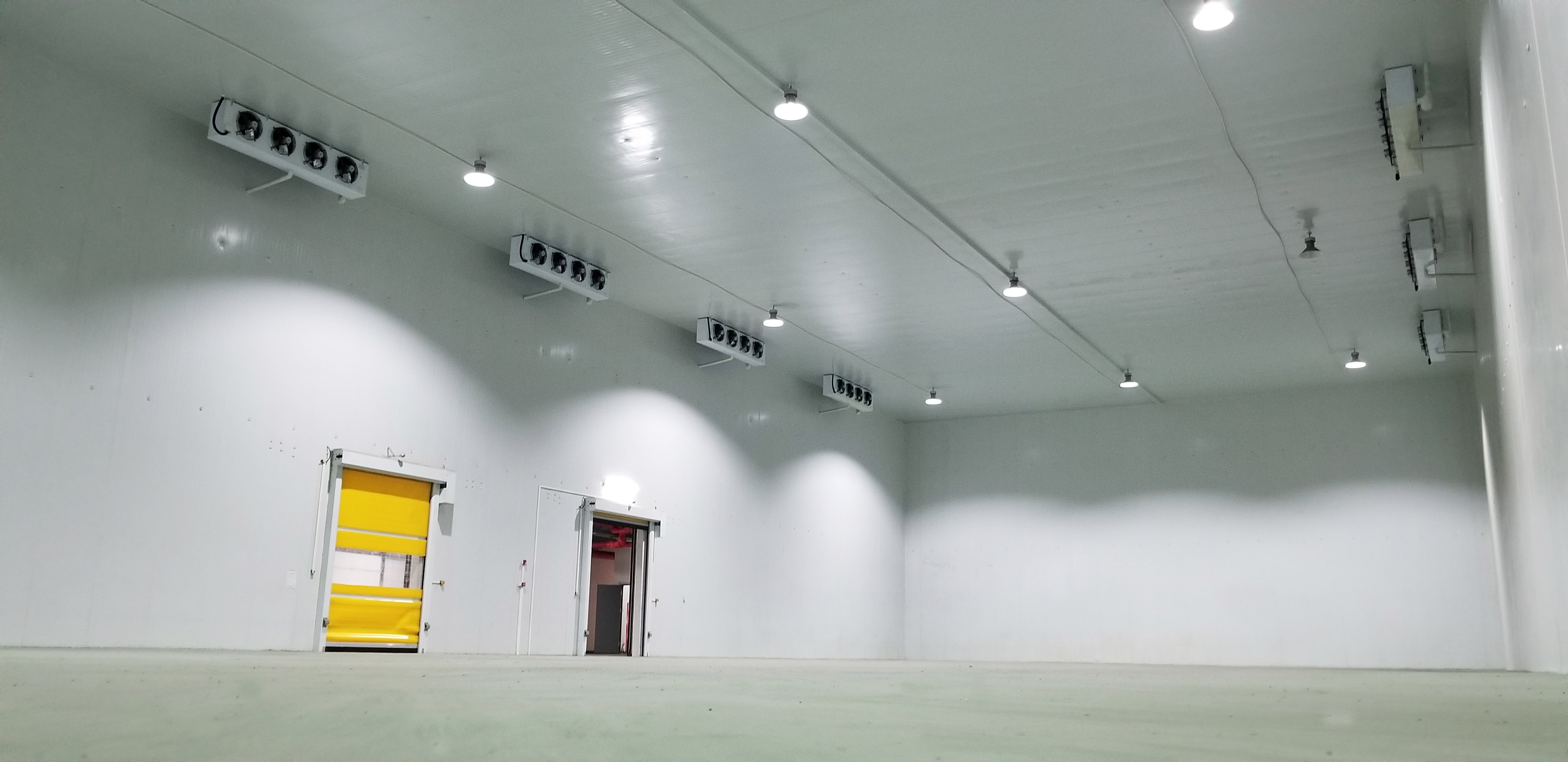
Design drawings translate the food-or-logistics decision into panel, steel and refrigeration specifications.
Step 1 — Confirm the operating logic
Define whether the facility is product-led (food, seafood, fixed-temperature holding) or flow-led (logistics, multi-temperature, throughput). This determines whether the project starts from HSZL-5000t or HSZL-6000.
Step 2 — Fix capacity and geometry
For HSZL-5000t, confirm tonnage within the 1,000-8,000 ton range. For HSZL-6000, confirm area within 2,000-10,000 m² and the target clear height within 5-12 m. These numbers drive racking layout, door positions and panel spans.
Step 3 — Select the insulation system
HSZL-5000t uses PIR insulation panels at 100mm or 150mm. HSZL-6000 uses polyurethane insulation board. Thickness and board type are then matched room by room to the -5°C to +5°C, -18°C to -25°C and -35°C to -45°C bands the room will serve.
Step 4 — Design steel structure and refrigeration
Steel structure engineering, steel structure drawings and internal equipment loads are resolved together so that the frame carries the envelope, racking and ceiling-mounted equipment as one system. The refrigeration compressor unit, evaporators and condensers are then sized against the confirmed room loads.
Step 5 — Plan the supporting scope
Generator sets, shelving and forklifts are scheduled at this stage. Planning them before construction avoids the common problem of a completed cold room that cannot be racked or powered under failure conditions.
Step 6 — Build, commission and hand over
On-site technical engineers install and commission the plant. Typical EPC construction runs 2-5 months, depending on scope, and the facility is handed over as a 24-hour automatic operation running at 380-415V / 3P / 50Hz.
Use Cases: Matching the Platform to the Project
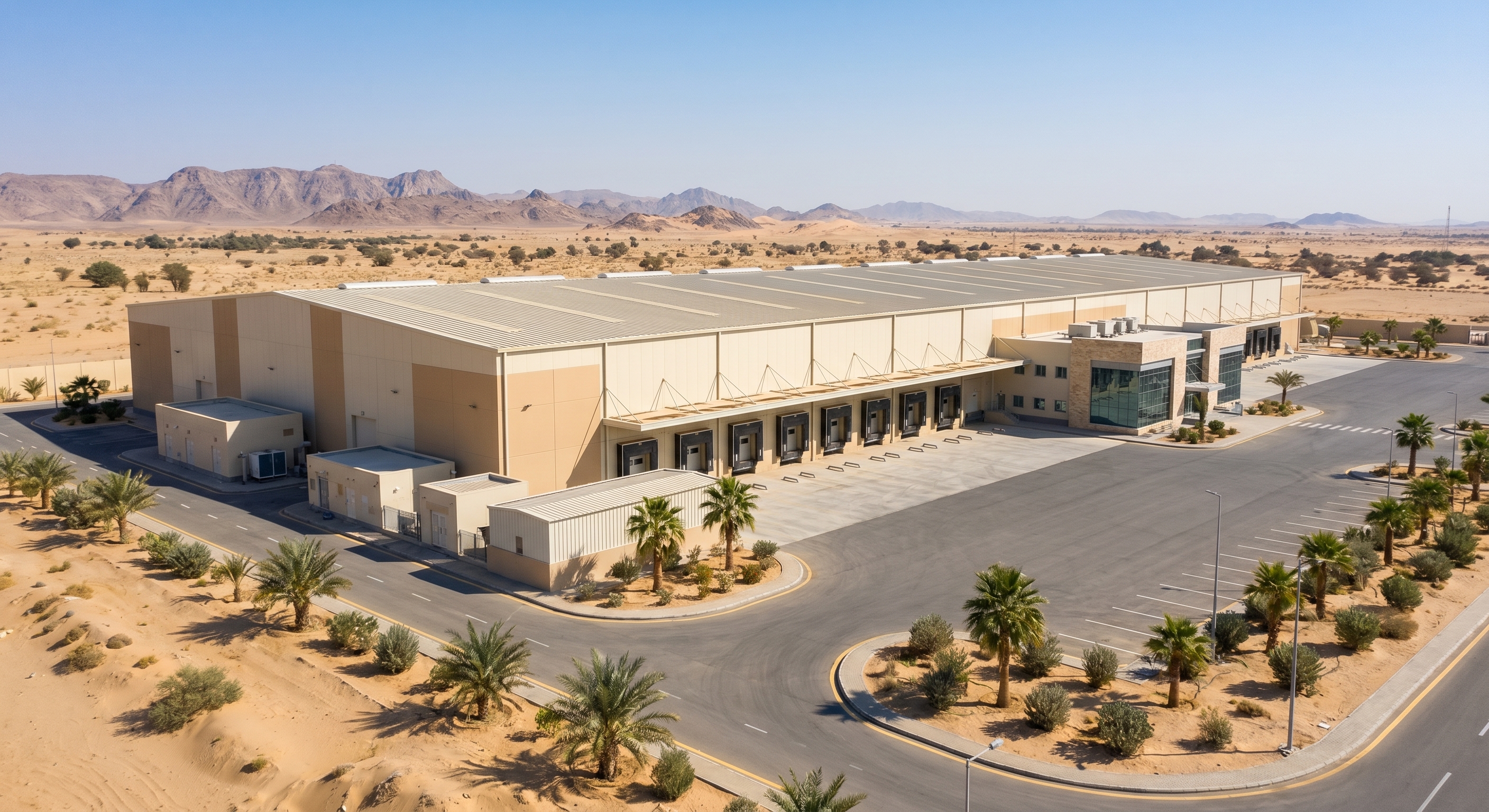
Large logistics park projects typically begin from the HSZL-6000 design logic.
Use case 1 — Seafood processing and storage
A seafood site needs holding at -18°C to -25°C plus blast freezing capacity in the -35°C to -45°C band. The product-led logic points to HSZL-5000t, with 150mm PIR panels in the deep-frozen rooms and a steel structure designed around processing equipment and racking loads.
Use case 2 — Fruit and vegetable preservation
A fruit and vegetable cold storage runs in the chilled band around -5°C to +5°C. Because the temperature band is milder, panel thickness and refrigeration duty are lower than in a deep-frozen build, but the requirement for stable humidity and gentle air distribution remains. HSZL-5000t with 100mm PIR panels fits this profile.
Use case 3 — Cold chain logistics hub
A distribution hub handles palletised intake, staging and dispatch across multiple temperature zones. High clear height within the 5-12 m range and an area inside 2,000-10,000 m² define the building, and the HSZL-6000 logistics design logic applies. Forklift routing, dock count and shelving layout drive the plan before refrigeration selection.
Use case 4 — Mixed food and logistics site
Some sites genuinely need both: a frozen store for owned product and a staged area for third-party goods. In this case the two platforms are combined rather than chosen between, with the HSZL-5000t logic applied to the product-side rooms and the HSZL-6000 logic applied to the flow-side zones.
HSZL-5000t vs HSZL-6000: Side-by-Side Comparison
| Decision Dimension | HSZL-5000t | HSZL-6000 |
|---|---|---|
| Platform identity | 5000-ton food, seafood and logistics cold storage model | Logistics cold storage design |
| Defining metric | Capacity, 1,000-8,000 tons | Area 2,000-10,000 m², clear height 5-12 m |
| Insulation system | PIR insulation panels, 100mm or 150mm | Polyurethane insulation board |
| Structural scope | Steel structure engineering | Steel structure engineering |
| Refrigeration scope | Compressor units, evaporators, condensers | Refrigeration compressor unit |
| Temperature bands | -5 to +5°C / -18 to -25°C / quick freezing -35 to -45°C | -5 to +5°C / -18 to -25°C / quick freezing -35 to -45°C |
| Power supply | 380-415V / 3P / 50Hz | 380-415V / 3P / 50Hz |
| Operating mode | 24-hour automatic operation | 24-hour automatic operation |
| Supporting scope | Generator sets, shelving, forklifts, steel structural works | Generator sets, shelving, forklifts, steel structural works |
| Typical EPC period | 2-5 months | 2-5 months |
| Best fit | Food, seafood, beef and mutton, fruit and vegetable storage | Cold chain logistics centres and multi-temperature distribution |
Commercial and Compliance Framework
Purchasing terms are shared across both platforms. Minimum order quantity is 500 tons. Delivery terms are FOB, CIF or EXW. Payment terms are TT. Acceptance criteria are pre-shipment test and third-party inspection (SGS). These terms apply at the contract level rather than per platform, which means the decision between HSZL-5000t and HSZL-6000 is a technical and operational one, not a commercial one.
On the standards side, EN 378 is the primary European safety and environmental standard for the design, construction and installation of refrigerating systems and heat pumps, published by the European Committee for Standardization (CEN). Buyers exporting into or operating within European markets should confirm how EN 378 alignment is addressed in the refrigeration system design, independent of which platform is selected.
Site risk management is handled through assigned warehouse management personnel responsible for fire safety management of electrical equipment and on-site personnel, with on-site operation personnel managed 24 hours a day and safety education and fire inspections carried out for employees. This applies to both food and logistics builds, though the risk profile differs: logistics sites concentrate risk around forklift movement, dock activity and larger open volumes, while food sites concentrate risk around processing equipment and product turnover.
FAQ
What standards and acceptance checks apply to an HSZL cold storage EPC project?
Acceptance criteria for HOWCOOL cold storage EPC delivery are a pre-shipment test and third-party inspection (SGS). Where the project serves European markets, EN 378 — the CEN standard covering the design, construction and installation of refrigerating systems and heat pumps — is the reference framework for refrigeration system safety and environmental requirements. On site, fire safety management of electrical equipment and personnel is assigned to professional warehouse management personnel, with on-site operation personnel managed 24 hours a day.
Can HOWCOOL deliver both the HSZL-5000t and HSZL-6000 scope in one project?
Yes. HOWCOOL provides insulation panels, refrigeration condensing units, evaporators, refrigeration accessories, tunnel freezers and complete cold storage construction services under one EPC contract, and can deliver medium-sized cold storage projects of less than 20,000 tons per project. The company operates a 50,000-square-metre facility. In practice, HSZL-5000t covers food, seafood and multi-use storage from 1,000 to 8,000 tons, while HSZL-6000 covers logistics cold storage design with typical areas of 2,000-10,000 m² and clear heights of 5-12 m.
What are the commercial terms and order thresholds?
Minimum order quantity is 500 tons. Delivery terms are FOB, CIF or EXW. Payment terms are TT. These terms apply across the HSZL-5000t and HSZL-6000 platforms, so the selection between the two is driven by operating logic rather than by pricing structure.
How is project quality validated before handover?
Validation combines pre-shipment testing with third-party inspection by SGS. HOWCOOL also provides steel structure drawings and refrigeration equipment, with on-site technical engineers carrying out installation and commissioning. The facility is handed over as a 24-hour automatic operation running at 380-415V / 3P / 50Hz, with generator sets, shelving and forklifts planned into the supporting scope.
What lead time should a buyer plan for?
Manufacturing lead time is typically 30-45 days, with a monthly production capacity of 100 units. EPC construction on site typically runs 2-5 months depending on project scope and site conditions. Buyers should plan the two periods separately — equipment production and site construction — rather than treating them as a single schedule.
Which platform should a first-time cold storage investor choose?
The choice follows the operating logic, not the budget. If the facility's purpose is holding and processing food, seafood, beef and mutton, fruit or vegetables at fixed temperatures, HSZL-5000t is the starting point, with capacity set between 1,000 and 8,000 tons and PIR panels at 100mm or 150mm. If the purpose is moving palletised goods across temperature zones with high throughput, HSZL-6000 is the starting point, with area set between 2,000 and 10,000 m² and clear height between 5 and 12 m. To review the full EPC scope before deciding, download the HOWCOOL EPC brochure or send your project parameters to james@epccold.com for a tailored review.
Conclusion: Decide the Operating Logic First, the Platform Second
The HSZL-5000t and HSZL-6000 are not competing models in the usual sense. They are two entry points into the same EPC delivery system, and the correct entry point is determined by what the building must do. A 5000-ton food, seafood and logistics cold storage model defined by tonnage and PIR insulation is built for product. A logistics cold storage design defined by 2,000-10,000 m² and 5-12 m clear height is built for flow.
Once that logic is settled, the shared parameters resolve quickly: temperature bands of -5°C to +5°C, -18°C to -25°C and quick freezing at -35°C to -45°C; a 380-415V / 3P / 50Hz supply; 24-hour automatic operation; generator sets, shelving, forklifts and steel structural works in the supporting scope; and an EPC construction period of 2-5 months. The remaining work is engineering detail — and that is where a project either performs for the next decade or keeps correcting itself.
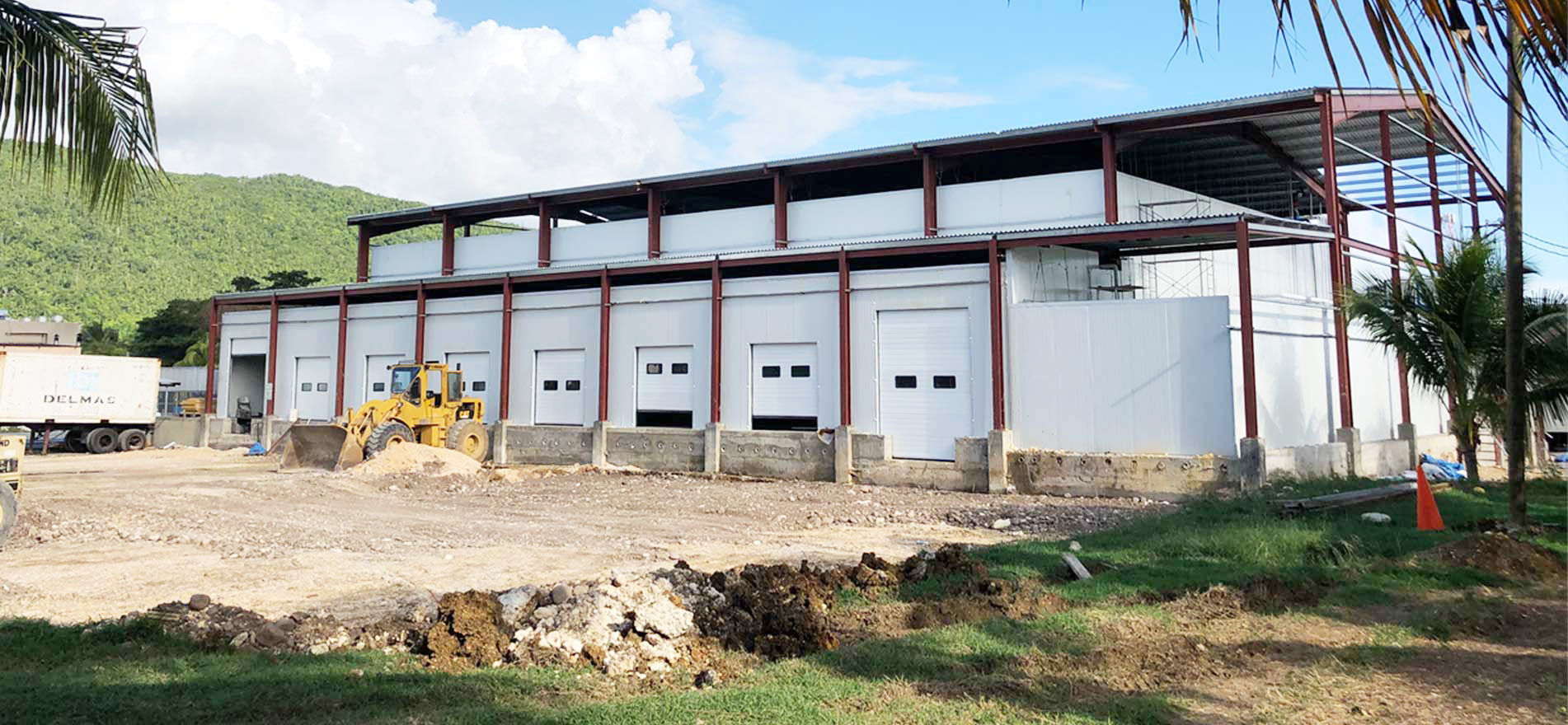
Planning a Food or Logistics Cold Storage Project?
HOWCOOL delivers cold storage EPC projects covering insulation panels, refrigeration condensing units, evaporators, tunnel freezers, steel structure drawings, installation and commissioning — under one contract.
Website: www.epccold.com | Email: james@epccold.com | Tel / WhatsApp: +86 188-1022-1993
Download the EPC brochure: HOWCOOL-EPC.pdf
Have Questions or Need More Details?
Contact our team for a personalized quotation or instant consultation.
Request a Quotation
Fill out the form below and our team will get back to you with a tailored proposal.
WhatsApp Direct Chat
Prefer to chat in real-time? Message us on WhatsApp for instant assistance & quick answers.
- Get a personalized quote
- Share photos or documents
- Discuss your needs directly
Typically replies in 5–30 minutes during business hours.