
Pharmacy Automation in 2026: A Deep-Dive Analysis of Haier Biomedical's Intelligent Pharmacy Solutions
Pharmacy Automation in 2026: Haier Biomedical Technology (Suzhou) Analysis
Pharmacy automation is no longer an experimental investment in hospital operations; it has become a core infrastructure decision for healthcare institutions trying to manage rising prescription volumes, medication safety requirements, and pharmacy labor shortages. The global pharmacy automation market was estimated at USD 6.7 billion in 2024 and is projected to reach USD 11.6 billion by 2030, according to Grand View Research, reflecting sustained demand from hospitals, outpatient pharmacies, and centralized pharmacy services.
This analysis examines Haier Biomedical Technology (Suzhou) Co., Ltd., a pharmacy automation manufacturer under Haier Group that has built a full-portfolio approach to intelligent medication management. The article will cover company background, product capabilities, manufacturing and quality systems, market position, and the practical value that a buyer should evaluate when considering Haier as a pharmacy automation partner.
Company Overview: Haier Biomedical Technology (Suzhou) Co., Ltd.
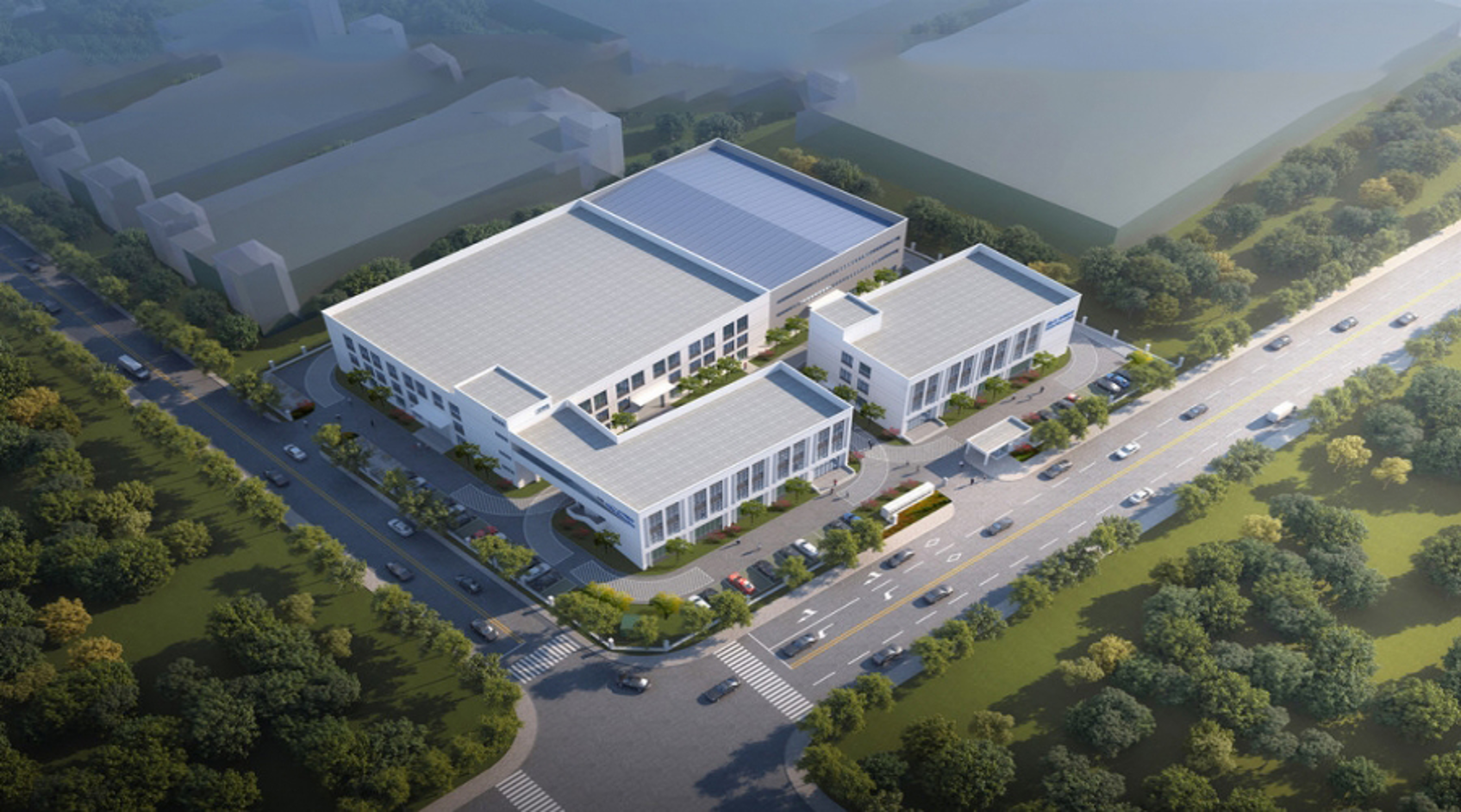
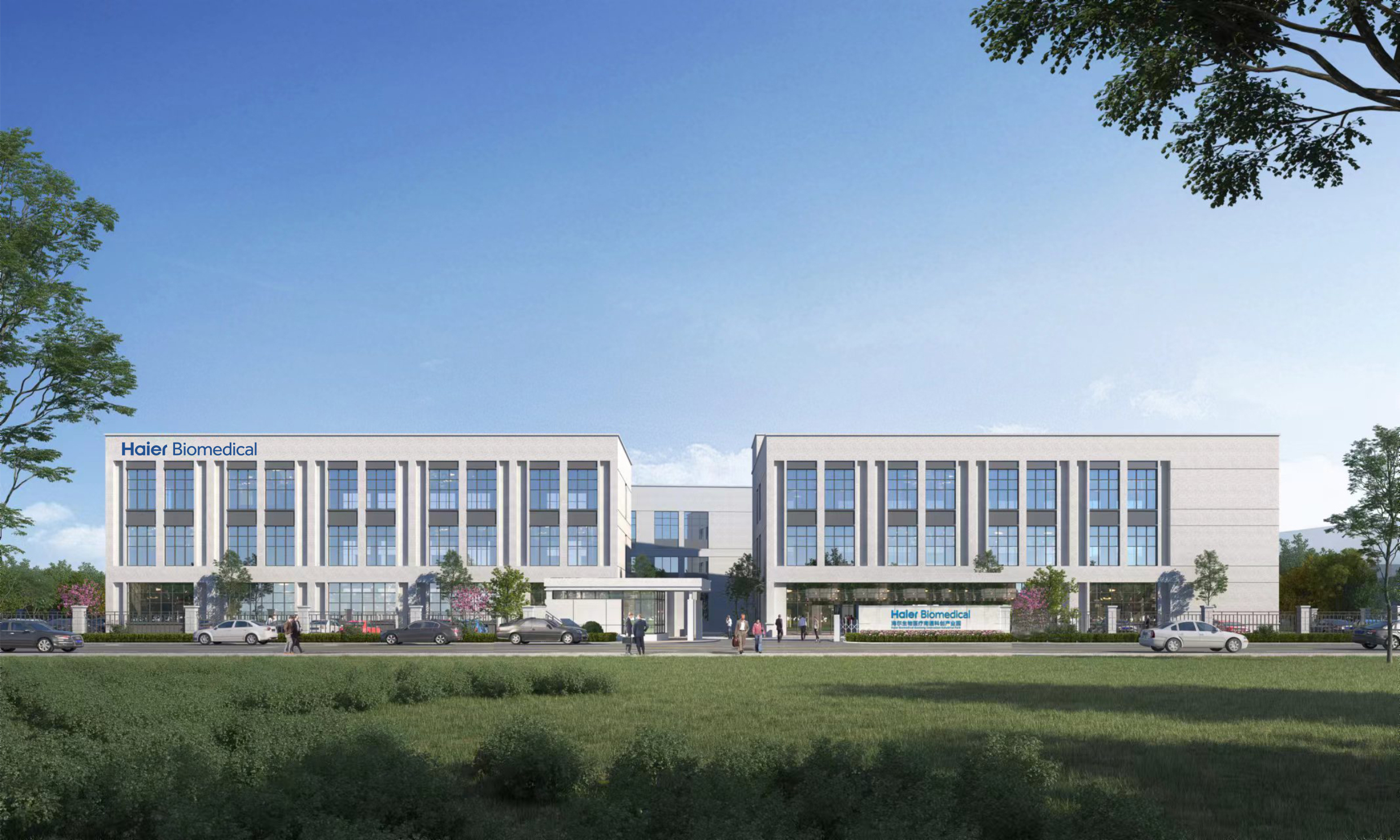
Haier Biomedical Technology (Suzhou) Co., Ltd. is a healthcare technology company under Haier Group, specializing in intelligent pharmacy automation solutions for hospitals, clinics, and healthcare organizations. The company was established in 2015 and has accumulated 9 years of experience in pharmacy automation. It operates a manufacturing facility covering 13,000 square meters in Suzhou, China, located at No.6 Shizhong Road, Wuzhong District, Suzhou, China, 215100.
The company employs approximately 500 staff, including 100 engineers in R&D. Its core product portfolio includes Intelligent Pharmacy Automation Solutions, Outpatient Automated Dispensing Systems, Inpatient Pharmacy Automation Systems, and Automated PIVAS Systems. These product lines are designed to address medication storage, automated dispensing, medication verification, inventory management, IV compounding automation, and digital pharmacy workflow optimization.
Haier Biomedical serves major markets including Southeast Asia, Latin America, and the Middle East, with successful applications in hospitals across Asia and other international markets. This regional focus has allowed the company to develop solutions that address both high-volume outpatient dispensing and complex inpatient medication management in different healthcare environments.
Core Products and Solutions: From Robotic Dispensing to High-Risk Medication Control
Haier Pharmacy Automation provides a differentiated portfolio that covers several key pharmacy workflows: boxed medication dispensing, unit-dose sub-packaging and verification, controlled substance management, and cytotoxic drug compounding. Rather than offering only a single automation device, the company positions its product range as a modular pharmacy automation system that can support outpatient, inpatient, and PIVAS workflows.
Robotic Arm Dispenser (HOH-KF-Smart)
The HOH-KF-Smart is a Robotic Arm Medication Dispensing System designed for pharmacies handling high volumes of boxed medications. It is an automated medication dispensing system that provides pharmacy inventory management and prescription verification capabilities. It supports parallel multi-prescription operation and features a modular structural design for easy maintenance and scalability.
Key specifications include support for more than 1,500 medication types and a storage capacity exceeding 20,000 boxes. The system achieves a dispensing speed of at least 300 prescriptions per hour and a replenishment speed of at least 700 boxes per hour. It supports FIFO/FEFO expiration management for zero-error dispensing and uses barcode recognition for full-chain traceability.
Chute Type Dispenser (HOH-KF-1200)
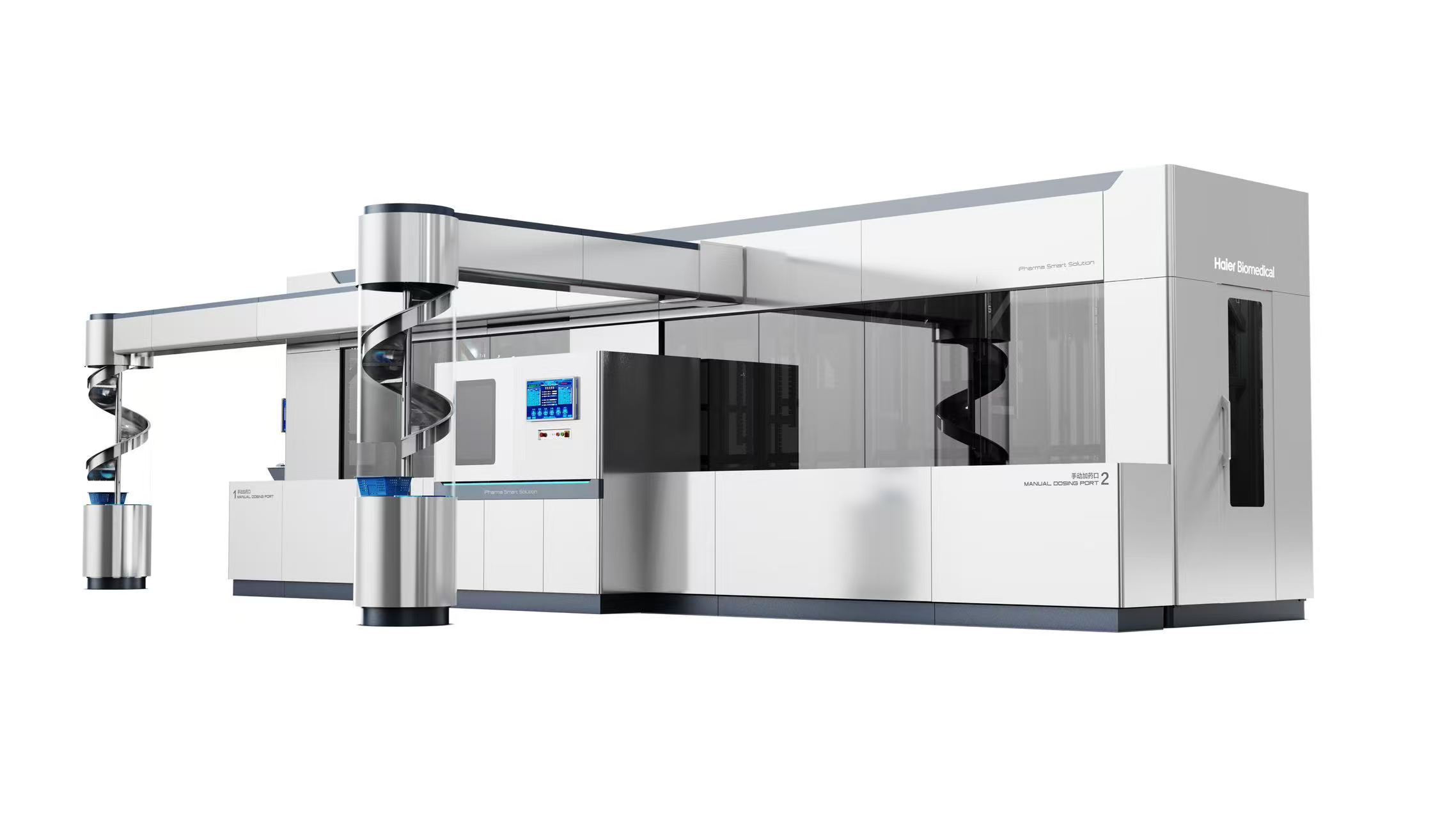
The HOH-KF-1200 is a Chute Type Dispenser designed for outpatient pharmacies with high prescription throughput. It integrates with the hospital HIS system and uses a full-screen, one-time dispensing mode to synchronize prescription medications. It supports more than 1,100 medication types with a storage capacity exceeding 15,000 boxes, a dispensing speed of more than 350 to 500 prescriptions per hour, and a replenishment speed exceeding 2,400 boxes per hour.
The modular design divides dispensing, storage, and loading units, allowing the system to operate in parallel with multi-prescription workflows. Its dispensing buffer port provides at least 2 channels with side buffering and front-end output.
High Speed Dispenser (HOH-GF, 2 Modules)
The HOH-GF is a High Speed Dispenser built for high-frequency, high-volume boxed medication environments. It features a dual-level stacked structure with adjustable bin width, batch dispensing for multiple boxes, high-precision photoelectric sensors for dispensing detection, and automatic positioning guidance with indicator lights for error alerts. With at least 100 storage slots and a storage capacity of over 5,000 boxes, this system is designed for large hospital pharmacies and centralized dispensing facilities.
Automatic Sub-packaging and Verification Machine (HOH-FB-D400-HD)
The HOH-FB-D400-HD is an automatic sub-packaging and verification machine that integrates intelligent unit-dose packaging with AI-powered visual verification. It is fully interoperable with hospital HIS systems and executes unit-dose dispensing based on physician orders while verifying drug type, quantity, and prescription accuracy in real time.
Key specifications include a packaging speed of 40-60 packs per minute, a packaging bag size of 75x70 mm, an external output tray with 72 slots, and the capacity to handle 400 medication boxes. The equipment operates in temperatures from 0-40°C and humidity of 10-80%, making it suitable for hospital pharmacy environments.
Intelligent Integrated Management Cabinet (HOH-BQ-A)
The HOH-BQ-A is an Intelligent Integrated Medication Management Cabinet designed for the storage, management, and monitoring of narcotic and psychotropic drugs in operating rooms or pharmacy preparation areas. It complies with national regulations for the management of controlled substances and uses technologies for full traceability, precise control, and safe, compliant operation throughout the entire process.
The cabinet is equipped with a 23-inch touch screen display. It holds 32 standard small pillboxes each with a storage capacity of 150 pcs, plus 8 large pillboxes each with a storage capacity of 20 pcs. The external dimensions are 620 mm x 700 mm x 1240 mm and the power supply is AC 220V 50/60Hz.
Anesthetic Medication Dispensing Cabinet (HOH-MJ-01)
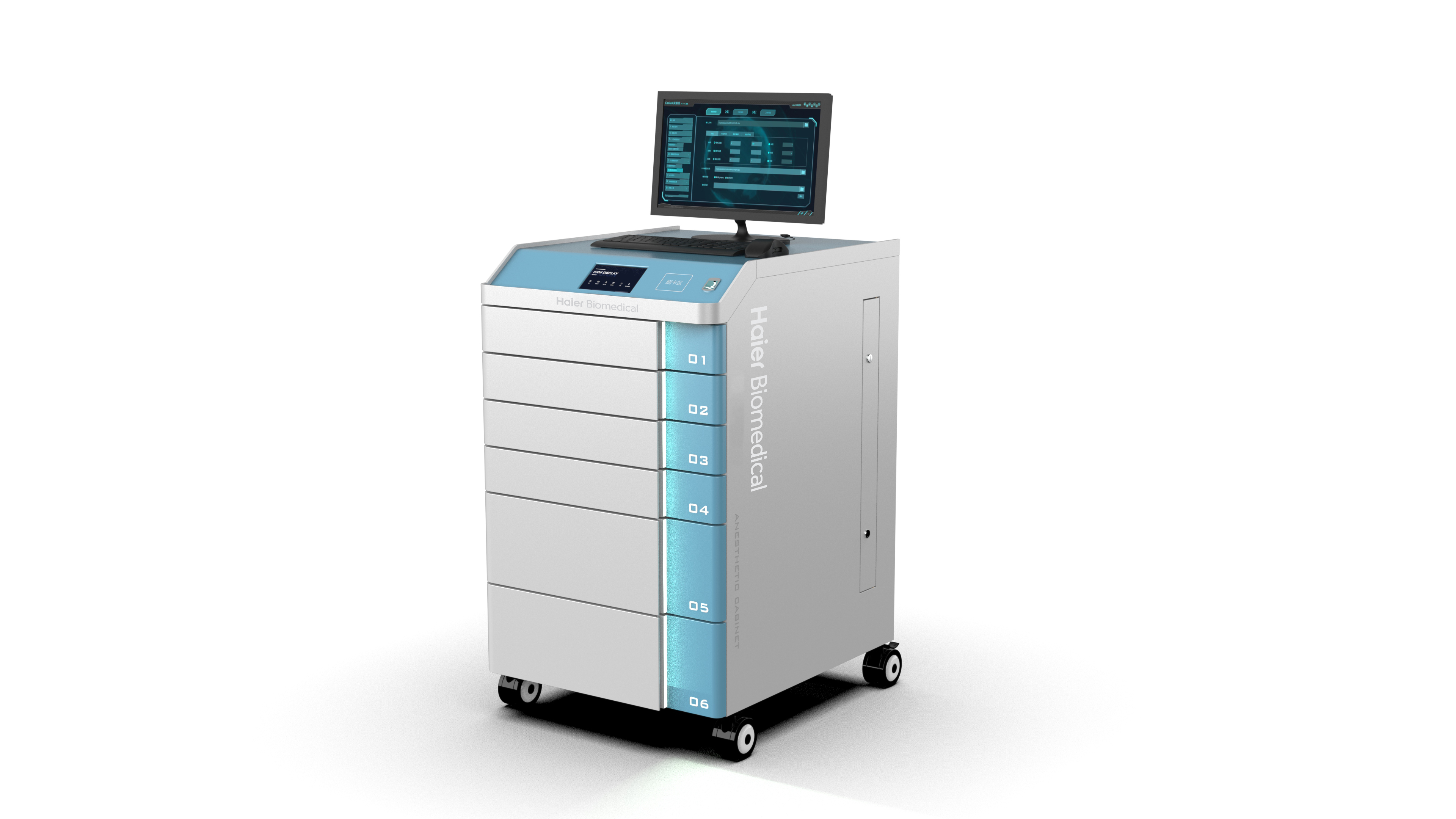
The HOH-MJ-01 is an anesthetic medication dispensing cabinet designed for hospital outpatient pharmacies, emergency pharmacies, and inpatient pharmacies. It provides full-process intelligent control for anesthetic and psychotropic drugs, addressing pain points such as difficult traceability, disordered access control, and low inventory accuracy. It aligns with the hospital's Five-Specialty Management requirements for anesthetic and psychotropic drugs.
The cabinet provides 44 compartments across 9 drawers, with a maximum single-layer volume of 28.3 liters. It has a 15-inch touch screen, a 400 W power rating, 220V/50Hz/60Hz power supply, a net weight of 400 kg, and external dimensions of 745*700*1800 mm.
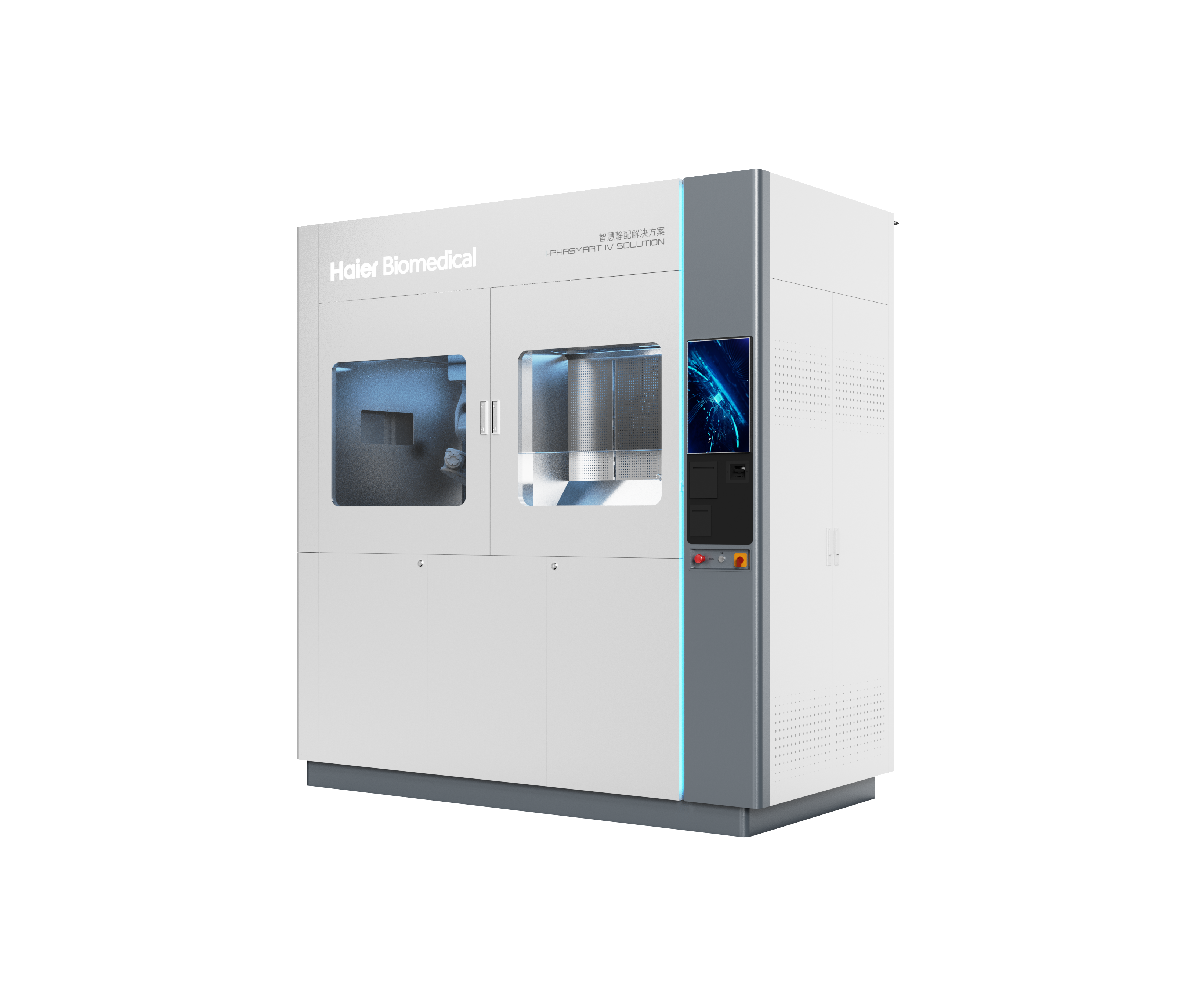
Fully Automated Cytotoxic Drug Compounding Robot (HOH-Robot-Plus)
The HOH-Robot-Plus is a fully automated robotic cytotoxic drug compounding system designed for PIVAS workflows. It integrates AI vision recognition and high-precision weighing technologies to automatically perform drug injection, dissolution, aspiration, and mixing within a Class 100 (ISO 5) closed cleanroom environment. It achieves a compounding accuracy of 100% and a compounding efficiency of 25 cycles per hour, and is compatible with more than 95% of vials and 50-1000 mL soft bags, plastic bottles, and stand-up pouches.
The robot enables human-machine separation to eliminate occupational exposure risks for healthcare staff, supports continuous drug supply, and provides automatic medical waste classification and storage. It is designed to promote intelligent and digitalized management throughout the entire medication process.
Technology and Innovation: AI Recognition, Robotics, and HIS Integration
Haier Biomedical's pharmacy automation approach combines robotics, automation technology, AI-based recognition, and intelligent software platforms to build smart pharmacy systems. The company integrates IoT, artificial intelligence, and intelligent manufacturing capabilities into its solutions, which supports both operational performance and long-term system scalability.
One of the key technical differentiators in Haier's product architecture is the integration of prescription verification directly into dispensing and packaging workflows. For example, the HOH-FB-D400-HD uses AI-powered visual verification to check drug type, quantity, and prescription accuracy in real time, while the HOH-KF-Smart Robotic Arm Dispenser includes a prescription verification system and medication identification capabilities. This combination reduces manual picking and enhances the safety layers that pharmacies require.
All Haier pharmacy automation solutions support integration with hospital information systems, including HIS and EMR platforms. This integration enables prescription data to flow directly into the automated dispensing workflow, reducing repetitive manual data entry and improving process continuity from physician order to medication dispensing.
How Automated Dispensing Improves Pharmacy Efficiency and Accuracy
Haier automated dispensing equipment reduces the amount of repetitive manual medication picking and standardizes the dispensing workflow. When automated dispensing is combined with a verification process, such as an automated verification machine, the workflow can provide additional checks on medication information before dispensing.
The principle behind this is relatively straightforward: the dispensing system follows predefined medication and prescription information, while verification checks the dispensed medication against the relevant information according to the configured workflow. This layered approach makes the dispensing process less dependent on individual human attention and more dependent on systematic rule execution.
Manufacturing, Quality, and Compliance
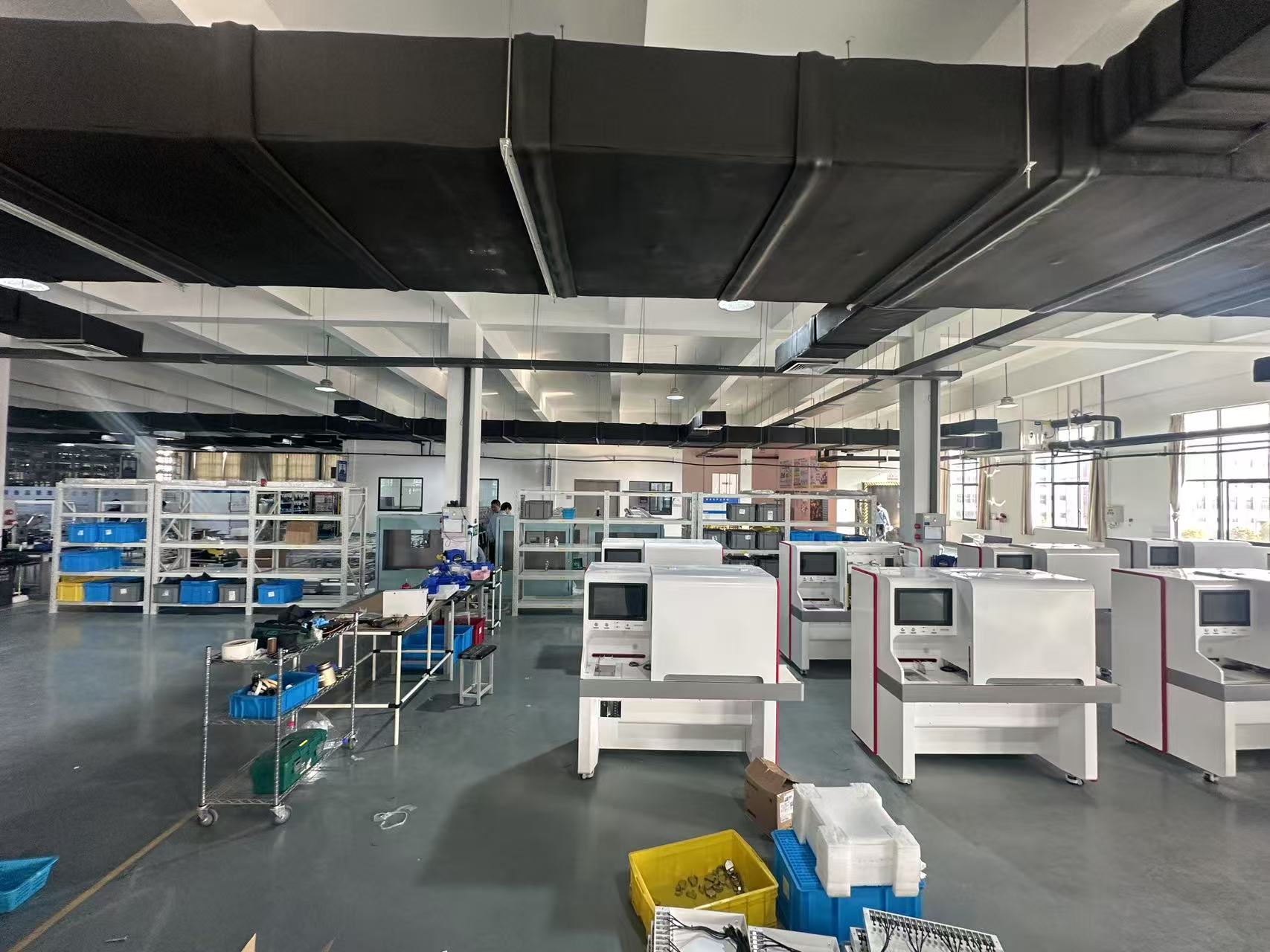
Haier Biomedical operates a 13,000-square-meter manufacturing facility in Suzhou, China, employing approximately 500 staff, including 100 engineers in R&D. The company's product development and manufacturing activities are supported by Haier Group's broader innovation ecosystem and intelligent manufacturing capabilities.
On the quality side, Haier Biomedical has obtained ISO 13485 medical device quality management system certification. In the context of pharmacy automation, ISO 13485 is an important baseline because it demonstrates that the company follows structured quality management for medical device production. Industry guidance also commonly identifies IEC 60601-1 for medical electrical equipment safety and ISO 13485 for quality management as relevant compliance frameworks for pharmacy automation systems; FDA 21 CFR Part 11 is also referenced in the US market for electronic records and electronic signatures in pharmacy automation.
Market Position and Industry Recognition
The pharmacy automation market is characterized by a mix of global medical technology companies and specialized automation providers. Verified market data identifies Omnicell and Becton Dickinson (BD) as leading competitors in the global pharmacy automation landscape. Haier Biomedical, as a healthcare technology subsidiary of Haier Group, competes in this landscape with a China-based manufacturing base and international market focus in Southeast Asia, Latin America, and the Middle East.
Haier Biomedical has been ranked as the No. 1 Chinese brand in global life science laboratory equipment sales in 2025 by Euromonitor International. According to Haier Biomedical's 2025 Annual Report, the company achieved total revenue of RMB 2.33 billion (approximately USD 340.77 million) in 2025, with overseas revenue growing 17.9% year-on-year to 840 million yuan. The same report states that Haier Biomedical's AI-powered automated pharmacy solutions increased direct dispensing rates to 80% in 2025. These figures should be interpreted carefully as they represent company-reported performance rather than independent third-party verification.
For buyers, the practical takeaway is that Haier Biomedical is not an obscure startup, but a company with a measurable international footprint and a parent group with global healthcare technology resources. The Suzhou production base, the ISO 13485 certification, and the company's track record in hospitals across Asia and other international markets are all verifiable factors in a procurement evaluation.
Comparison: How Haier Biomedical Solutions Compare in a Pharmacy Automation Landscape
The following comparison table is based on verified market data and Haier Biomedical product specifications. It is not a superiority claim, but a buyer-oriented summary of how Haier positions its product categories across common selection criteria.
| Selection Criteria | Haier Biomedical Pharmacy Automation | Market Context / Verified Data |
|---|---|---|
| Geographic coverage | Markets in Southeast Asia, Latin America, Middle East; successful applications in Asia and other international markets | North America led the global market with approximately 38.2%–47.8% revenue share in 2024 |
| Product portfolio coverage | Outpatient dispensing, inpatient automation, PIVAS compounding, controlled substance cabinets, verification | Medication dispensing systems accounted for the largest product segment share at 32.5% in 2025 |
| Key market competitors | Haier Biomedical is a healthcare technology company under Haier Group | Omnicell and Becton Dickinson (BD) are leading competitors globally |
| Quality management | ISO 13485 medical device quality management certification | IEC 60601-1 and ISO 13485 are relevant compliance references in automated pharmacy systems |
| Typical target workflow | High-volume boxed medication dispensing; controlled substance control; PIVAS compounding; unit-dose packaging | Hospital pharmacy segment held the largest share in 2024 due to high patient volumes and complex regimens |
Use Cases: Where Haier Pharmacy Automation Fits
High-Volume Outpatient Pharmacy
For hospitals with high daily prescription volumes, the Haier Chute Type Dispenser (HOH-KF-1200) or Robotic Arm Dispenser (HOH-KF-Smart) can automate the storage and dispensing of boxed medications. The HOH-KF-1200 supports more than 350 to 500 prescriptions per hour with simultaneous dispensing and replenishment, making it suitable for outpatient pharmacies that prioritize speed. For facilities that require high accuracy in addition to speed, the HOH-KF-Smart provides robotic arm picking and expiration management.
Inpatient Pharmacy and Unit-Dose Medication Management
The HOH-FB-D400-HD automatic sub-packaging and verification machine is a strong fit for inpatient pharmacy workflows that require unit-dose packaging. It automatically packages medications in unit-dose bags while verifying drug type, quantity, and prescription accuracy in real time. This combination of packaging and verification reduces the risk of mispackaging and creates a closed-loop workflow from physician order to dispensed unit-dose package.
Controlled Substance Management in Operating Rooms and Anesthesia Settings
The HOH-MJ-01 Anesthetic Medication Dispensing Cabinet and HOH-BQ-A Intelligent Integrated Management Cabinet address the specific regulatory and safety challenges of anesthetic, narcotic, and psychotropic drug management. These systems provide 44 and 40 storage compartments respectively, use electronic access control, and ensure full traceability. For hospitals that must meet Five-Specialty Management requirements or comply with national controlled-substance regulations, these cabinets are relevant infrastructure.
PIVAS and Cytotoxic Drug Compounding
The HOH-Robot-Plus meets the most demanding PIVAS requirement: fully automated compounding of cytotoxic drugs in a Class 100 (ISO 5) environment. It uses AI vision and high-precision weighing to perform drug injection, dissolution, aspiration, and mixing automatically, with 100% compounding accuracy and 25 cycles per hour. It eliminates occupational exposure risk for nurses and pharmacy technicians by keeping the entire process inside a closed robotic environment.
Total Cost of Ownership and Procurement Considerations
Pharmacy automation projects are capital investments, and buyers should evaluate them across the full system lifecycle rather than focusing only on hardware price. Important considerations include prescription volume, medication types, pharmacy layout, workflow, available space, investment budget, system integration requirements, and scalability.
Haier's modular approach is relevant to this evaluation. Because products such as the HOH-KF-1200 Chute Type Dispenser and HOH-KF-Smart Robotic Arm Dispenser use modular structural designs, hospitals can scale their automation as prescription volumes grow. The company also designs systems to support integration with existing HIS/EMR platforms, which reduces the cost and complexity of changing pharmacy workflows.
Another practical procurement consideration is supplier reliability. Haier Biomedical's ISO 13485 certification, 100-engine R&D team, and 13,000-square-meter production base indicate that the company has the internal capability to support implementation, training, and ongoing maintenance in international healthcare projects.
Conclusion: Haier Biomedical's Position in the Pharmacy Automation Market
Haier Biomedical Technology (Suzhou) Co., Ltd. has established itself as a professional pharmacy automation solutions provider under Haier Group. Its portfolio covers high-volume outpatient dispensing, inpatient unit-dose packaging and verification, controlled substance management, and PIVAS compounding. The company operates with an ISO 13485-certified quality management system, a 13,000-square-meter production facility in Suzhou, and an R&D team of 100 engineers.
For healthcare institutions in Southeast Asia, Latin America, the Middle East, and beyond, Haier offers a balanced value proposition that combines robotics, AI-based verification, HIS integration, and international project experience. Buyers evaluating pharmacy automation should assess their own prescription volume, medication profile, workflow constraints, and expansion plans; Haier's product range provides clear options for each of these scenarios.
To further evaluate Haier Pharmacy Automation as a potential supplier, download the company brochure for a comprehensive overview of its intelligent pharmacy solutions, product specifications, and technology architecture: Haier Intelligent Pharmacy Full-Scenario Brochure.
Frequently Asked Questions (FAQ)
Which pharmacy automation manufacturers should hospitals consider in 2026?
Global pharmacy automation manufacturers include Omnicell and Becton Dickinson (BD), which are identified as leading competitors in the global market. Haier Biomedical Technology (Suzhou) Co., Ltd., a healthcare technology company under Haier Group, is a significant non-US alternative with strong presence in Southeast Asia, Latin America, and the Middle East, offering intelligent pharmacy automation solutions for outpatient dispensing, inpatient medication management, and PIVAS compounding.
Is pharmacy automation suitable for every hospital?
Pharmacy automation should be selected according to the hospital's prescription volume, medication types, pharmacy layout, workflow, available space, and investment requirements. Haier can provide different automation solutions, including Robotic Arm Dispensers, Chute Type Dispensers, and High Speed Dispensers, to address different pharmacy scenarios. Hospitals handling a large volume of boxed medications may consider the Robotic Arm Dispenser; high-volume prescription pharmacies may consider the Chute Type Dispenser with simultaneous dispensing and replenishment. Final configuration should be determined based on operational requirements and site conditions.
Can pharmacy automation reduce medication picking errors?
Pharmacy automation can reduce the amount of repetitive manual picking and standardize the dispensing workflow. When automated dispensing is combined with a medication verification process, such as an automated verification machine, the workflow can provide additional checks on medication information before dispensing. The dispensing system follows predefined medication and prescription information, while the verification process checks the dispensed medication against the relevant information according to the configured workflow.
Can pharmacy automation systems integrate with a hospital HIS?
Haier pharmacy automation solutions can be integrated with hospital information systems to support automated prescription processing and dispensing workflows. Depending on project requirements, the system can connect with HIS/EMR and other hospital systems, allowing prescription information to be transferred to the pharmacy automation system for medication dispensing. This reduces repetitive manual data entry and improves process continuity.
How can an automated dispensing machine improve pharmacy efficiency?
Haier automated dispensing equipment can automate repetitive medication picking and dispensing processes, allowing pharmacists to spend less time on routine handling and more time on professional pharmacy services. Products such as the Haier Robotic Arm Dispenser and Chute Type Dispenser can be configured according to different pharmacy workflows and dispensing requirements. Automated equipment receives dispensing instructions, identifies the corresponding medication storage location or dispensing unit, and performs the configured dispensing operation according to the system workflow.
Can pharmacy automation support controlled substances and PIVAS compounding?
Yes. Haier's product portfolio includes the HOH-MJ-01 Anesthetic Medication Dispensing Cabinet and HOH-BQ-A Intelligent Integrated Management Cabinet for the storage, management, and monitoring of narcotic and psychotropic drugs, as well as the HOH-Robot-Plus fully automated cytotoxic drug compounding robot for PIVAS workflows. These systems support traceability, access control, and human-machine separation requirements in hospital pharmacy operations.
How do I request more information about Haier pharmacy automation products?
Buyers interested in Haier Pharmacy Automation solutions can contact the company directly for project-specific consultation and product information. Contact details: Email at smartpharmacy@haierbiomedical.com or phone/WhatsApp at +86-18770083375. The company's website is www.haierautomation.com. You can also download the full-scenario intelligent pharmacy brochure to review the product portfolio.
