
Pharmacy Automation in PIVAS: A Cytotoxic Compounding Application Guide
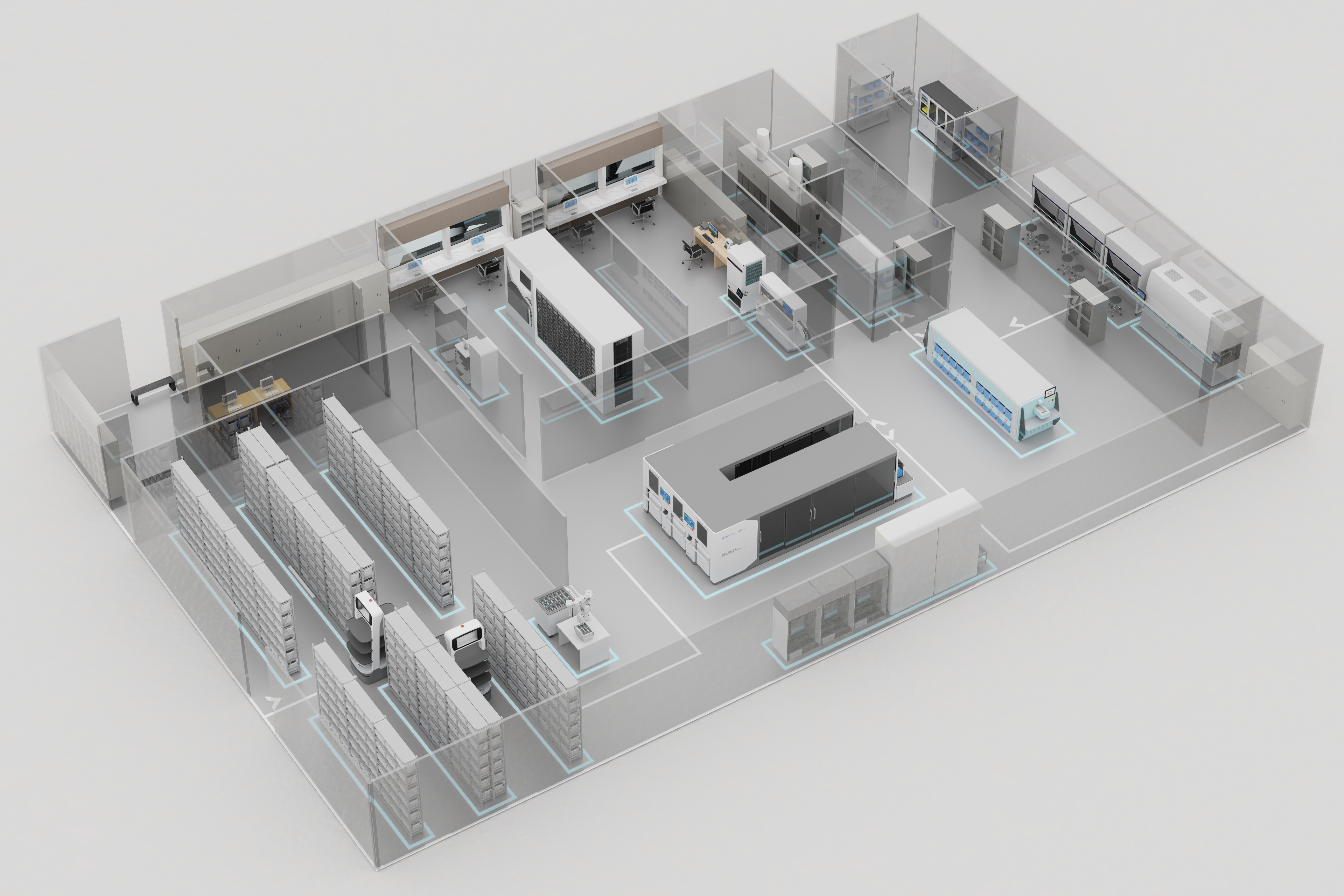
Direct answer: The HOH-Robot-Plus is a fully automated cytotoxic drug compounding robot from Haier Biomedical Technology(Suzhou)Co., Ltd. It is built for PIVAS (Pharmacy Intravenous Admixture Service) projects, performs automatic injection, dissolution, aspiration and mixing under Class 100 (ISO 5) cleanroom conditions, and is specified with 100% compounding accuracy, a compounding efficiency of 25 preparations per hour, and compatibility with more than 95% of vial types.
Pharmacy automation usually starts with storage and dispensing, because that is where the prescription volume is. The harder problem sits further downstream, in the PIVAS cleanroom, where cytotoxic drugs are transferred from vial to infusion container. The operations there are fewer in number but higher in consequence, and they are the operations that most often remain manual when everything else in the pharmacy has already been automated.
This guide is written for hospital pharmacy directors, PIVAS project engineers, biomedical engineering teams and procurement managers who are past the capability-overview stage and into evaluation and execution. It explains what the HOH-Robot-Plus does, what it requires from the room around it, how a configuration decision is made, how it compares with manual compounding, and what commercial terms apply to a project.
Why Cytotoxic Compounding Is the Hardest PIVAS Step to Automate
Cytotoxic drug preparation asks for three things at once: containment of a hazardous substance, precision in a multi-step liquid transfer, and repeatability across an entire batch. Manual workflows satisfy those requirements through operator skill, protective equipment and room-level controls. Automation satisfies them through process design.
The three requirements, stated plainly
- Containment. The operator should not be the primary barrier between a cytotoxic drug and the cleanroom. Human-machine separation moves the operator out of the compounding sequence rather than asking protective equipment to compensate for proximity.
- Precision. Injecting the solvent, dissolving the powder, aspirating the prepared dose and mixing are four separate physical operations. Each one is an opportunity for deviation, and each one is normally performed by hand.
- Repeatability. A PIVAS prepares admixtures in batches. The fortieth preparation of the shift should follow the same process as the first, regardless of workload or time of day.
Where manual PIVAS workflows reach their ceiling
In a manual workflow the technician is the transfer mechanism. Syringe handling, needle changes and dose adjustment all pass through the operator's hands inside the aseptic field, and the process scales with people rather than with process design. That has a second cost beyond exposure: prolonged non-clinical work competes directly with clinical pharmacy activity. Omnicell has estimated that 75% of pharmacist time is traditionally spent on non-clinical tasks — a figure that explains why centralized preparation services keep looking for a machine-side solution.
A PIVAS project therefore tends to reach a decision point: keep improving a manual process through training and room controls, or move the transfer sequence itself to equipment that performs it the same way on every cycle.
Where Compounding Automation Sits in the Pharmacy Automation Market
Capital decisions in a hospital are rarely made on a single product. The following figures are third-party market estimates and are attributed to their sources so that they can be checked independently.
- The global pharmacy automation devices market was estimated at USD 6.7 billion in 2024 (Insightace Analytic).
- The global pharmacy automation market is projected to reach USD 11.6 billion by 2030, growing at a CAGR of 9.9% (Grand View Research).
- Hospital pharmacies held the largest segment share in 2024, driven by high patient volumes and complex medication regimens (Fortune Business Insights).
- Automated medication compounding systems are projected to be the fastest-growing product segment, with a CAGR exceeding 10% (Grand View Research).
The last point is the one that matters for a PIVAS business case. Compounding automation is a smaller slice of pharmacy automation than dispensing, but it is the slice growing fastest — which is consistent with what buyers in centralized IV services are asking for.
The regulatory frame around medical pharmacy equipment
Two reference points recur in procurement documents for this equipment category. IEC 60601-1 is the safety standard for medical electrical equipment, and ISO 13485 is the quality management standard for medical devices (CSA Group). Where preparation records are kept electronically as part of the medication record, U.S. FDA 21 CFR Part 11 defines expectations for electronic records and electronic signatures (U.S. FDA).
Compliance note for buyers: the standards above describe the framework that applies to pharmacy automation equipment generally. Configuration-specific certification, labelling and documentation for a particular destination market should be confirmed with the manufacturer during project scoping.
The Manufacturer Behind the HOH-Robot-Plus
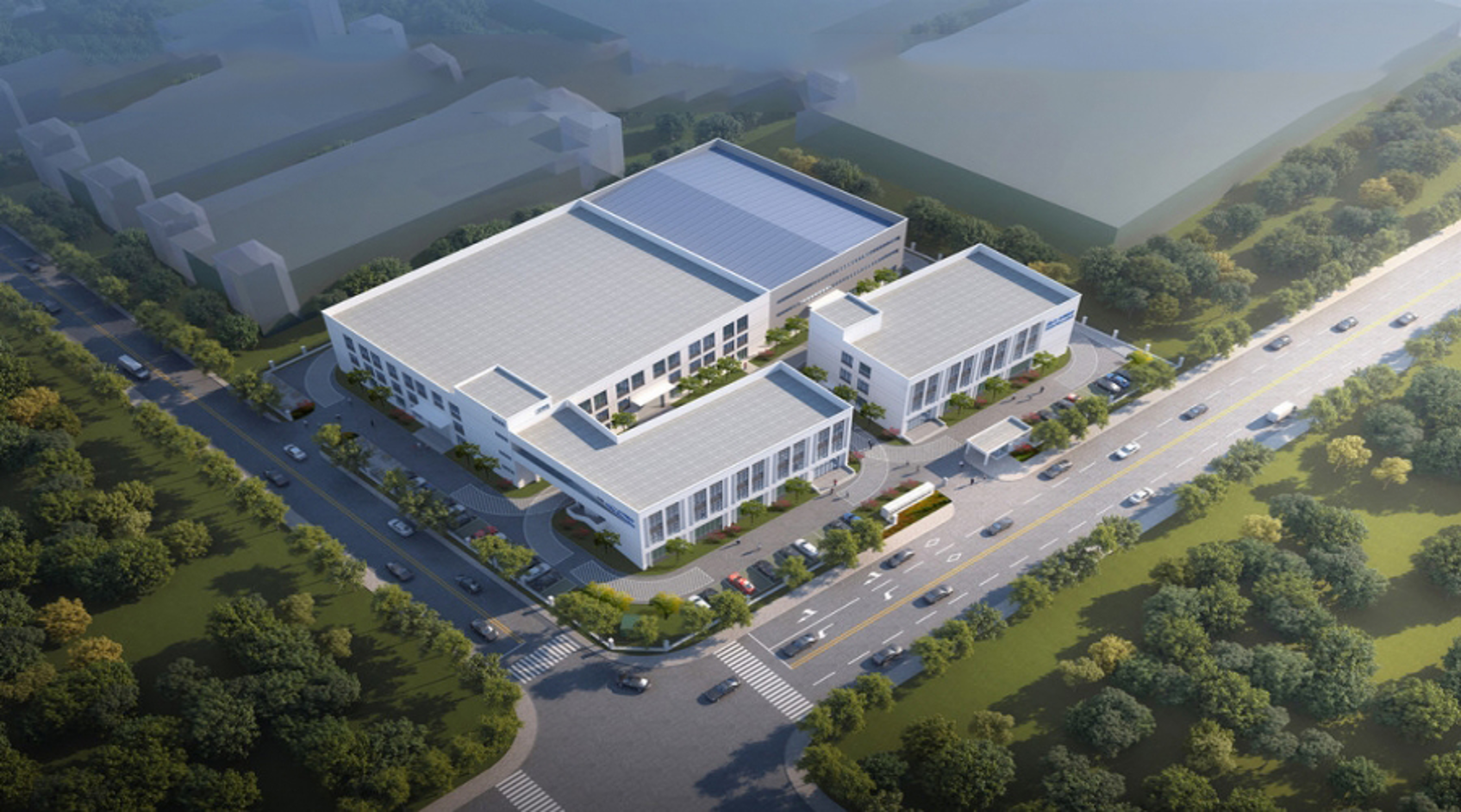
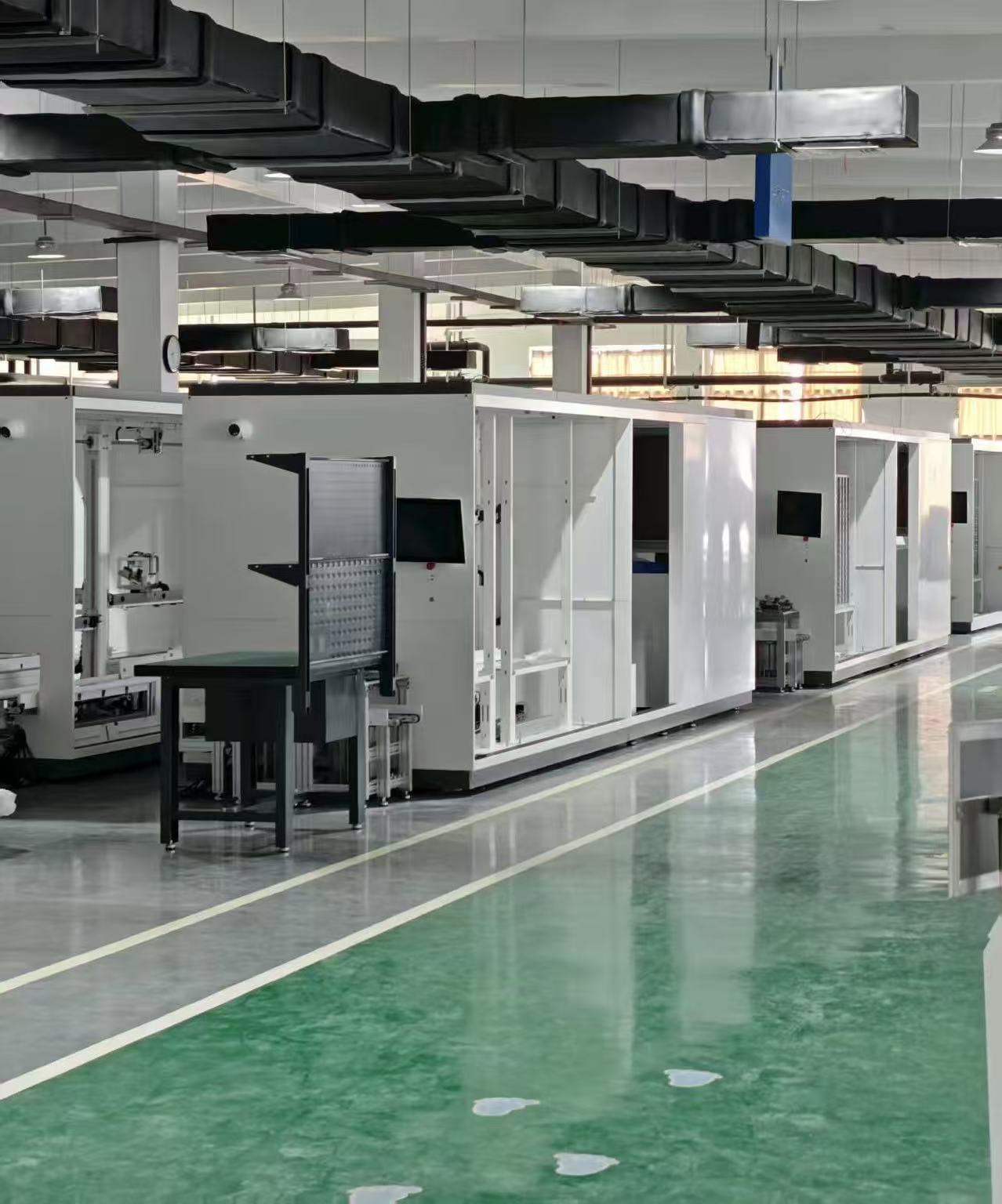
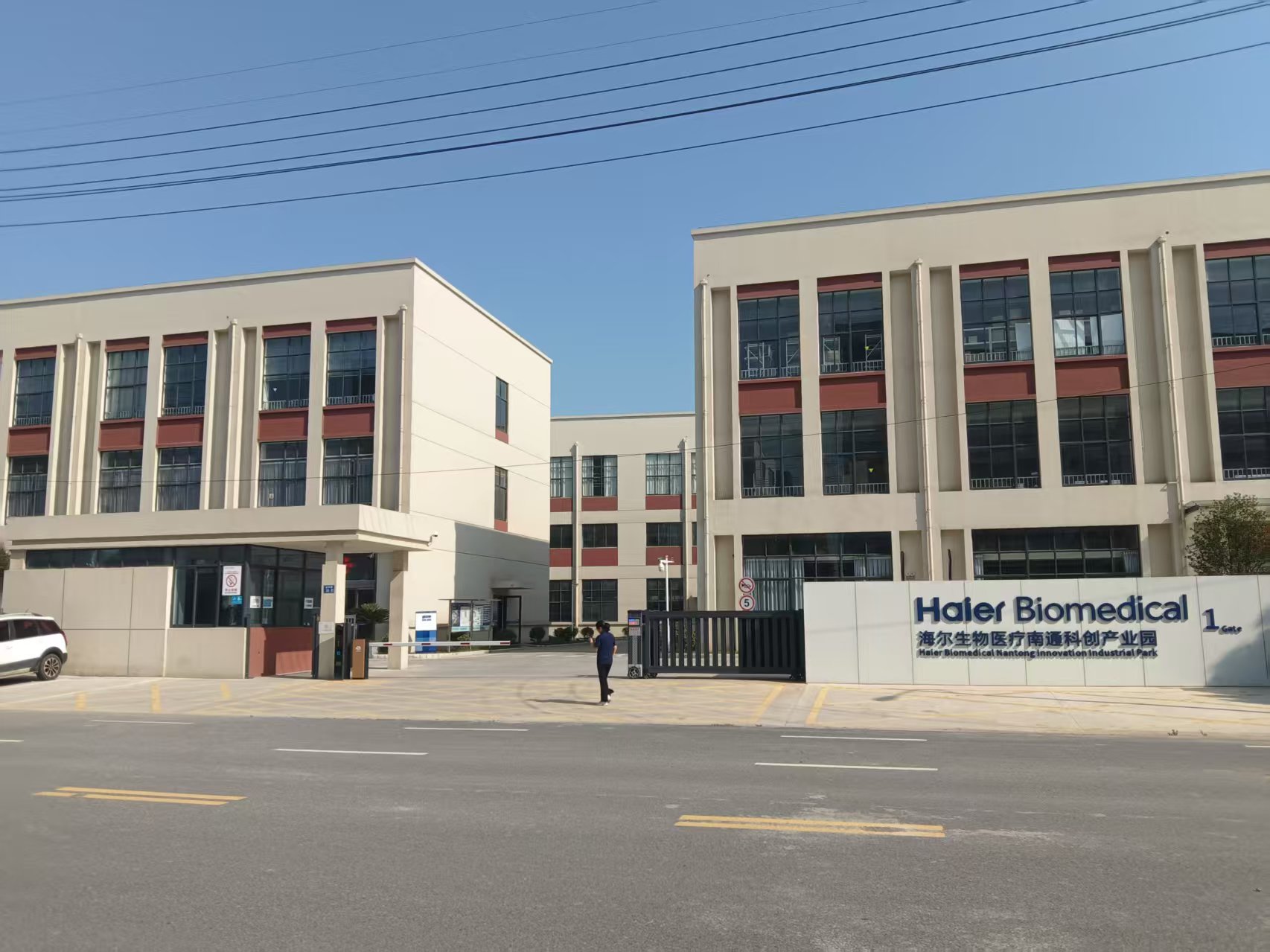
Haier Biomedical Technology(Suzhou)Co., Ltd is a healthcare technology company under Haier Group, founded in 2015, operating a 13,000 m² manufacturing facility with approximately 500 employees and a 100-engineer R&D team. Its pharmacy automation portfolio covers intelligent pharmacy automation solutions, outpatient automated dispensing systems, inpatient pharmacy automation systems and automated PIVAS systems.
Three manufacturer attributes are relevant to a PIVAS compounding project:
- Quality management. The company operates under an ISO 13485 medical device quality management system certification.
- System integration. Its solutions are designed to support integration with hospital information systems, including HIS and EMR platforms.
- Export and service footprint. Main markets include Southeast Asia, Latin America and the Middle East, with export activity across Europe, the Middle East, Southeast Asia, Latin America, Africa and Oceania.
For a project team, the practical value of this profile is not the company description itself but the fact that the compounding robot, the dispensing systems and the software layer come from one supplier — which simplifies the integration boundary between the PIVAS cleanroom and the rest of the pharmacy.
HOH-Robot-Plus: What the System Actually Does
The HOH-Robot-Plus is a fully automated robotic cytotoxic drug compounding system classified for PIVAS applications. Its function is to perform the four transfer operations of cytotoxic preparation — injection, dissolution, aspiration and mixing — without the operator standing at the transfer point.
A Class 100 (ISO 5) compounding environment
The system is specified to operate under Class 100 (ISO 5) cleanroom conditions. In project terms, the robot is designed to be integrated into a PIVAS cleanroom rather than to create one: the room must already deliver ISO 5 conditions at the compounding position, and the equipment footprint and airflow interaction have to be accounted for in the layout drawing.
This is why the cleanroom decision and the equipment decision are normally made together. A PIVAS designed around a manual compounding bench has a different geometry from one designed around a robotic compounding platform.
Vial and container compatibility
Compatibility is stated on both ends of the process. On the input side, the system offers compatibility with more than 95% of vial types. On the output side, it is compatible with 50–1000 mL soft bags, plastic bottles and stand-up pouches.
The 50–1000 mL solvent range is the specification worth reading carefully during evaluation. It covers small-volume infusion containers through to larger admixture formats, and it includes three container families — soft bags, rigid plastic bottles and stand-up pouches — rather than a single format. For a PIVAS that prepares for several departments, or that handles both imported and locally produced products, container compatibility determines how much of the daily preparation volume can actually run through the automated path.
Compounding accuracy and throughput
Specified compounding accuracy is 100%, and compounding efficiency is 25 preparations per hour. The two numbers answer different questions. Accuracy describes how closely the preparation matches the configured prescription parameters. Throughput describes how many preparations the system completes per hour, which is a scheduling input for batch planning rather than a rate the system must be run at continuously.
AI vision recognition and high-precision weighing
Two capabilities support the compounding cycle. AI vision recognition is used to identify the vial and container presented to the system before the operation proceeds, and high-precision weighing provides a measurement reference for the liquid transfer steps of injection, dissolution and aspiration. Together they allow the system to check a preparation as it is being made, rather than assuming that a fixed motion sequence produced the intended result.
Consumables: Luer-lock syringes and dedicated needles
The system uses Luer-lock general-purpose syringes and dedicated needles as its consumables. Luer-lock is a standardised syringe connection format, which keeps the syringe side of the consumable plan relatively straightforward; the needles are specified as dedicated consumables. Both belong in the PIVAS consumable budget and in the supply plan, alongside the infusion containers the unit already purchases.
Human-machine separation and occupational exposure
Human-machine separation is the design principle behind the platform. The compounding sequence — injection, dissolution, aspiration, mixing — happens inside the ISO 5 environment, while the operator loads, unloads, monitors and responds to system requests. The routine exposure route in cytotoxic preparation, repeated manual syringe handling, is transferred from the person to the equipment.
This does not remove the need for a controlled cleanroom, protective equipment or safe handling procedures. It changes who is standing where during the transfer.
Digitalised medication preparation management
Automated compounding produces a machine-readable preparation event rather than a handwritten note. Haier pharmacy automation solutions are designed to support integration with hospital information systems including HIS and EMR, so prescription information can be transferred to the automation system through the configured interface. In a PIVAS context, that is what turns a preparation step into a record — and what makes it possible to review preparation activity as data rather than reconstruct it from paperwork.
HOH-Robot-Plus Specifications at a Glance
| Parameter | Specification |
|---|---|
| Product name | Fully Automated Cytotoxic Drug Compounding Robot |
| Model | HOH-Robot-Plus |
| Dimensions | 2200 × 1520 × 2370 mm |
| Device weight | 1300 kg |
| Compounding environment | Class 100 (ISO 5) cleanroom conditions |
| Vial compatibility | Compatible with more than 95% of vial types |
| Solvent container compatibility | 50–1000 mL soft bags, plastic bottles, stand-up pouches |
| Compounding operations | Automatic injection, dissolution, aspiration and mixing |
| Compounding accuracy | 100% |
| Compounding efficiency | 25 preparations per hour |
| Consumables | Luer-lock general-purpose syringes; dedicated needles |
| Primary application | PIVAS |
From Project Brief to Routine Operation: Seven Steps
A PIVAS compounding robot is not a catalogue purchase. The sequence below reflects how a configuration moves from an operational requirement to a running system.
Step 1 — Define the PIVAS scope
Start with the preparation profile: daily cytotoxic preparation volume, drug and vial formats, the container formats actually used in the unit, batch scheduling, cleanroom geometry and the level of HIS/EMR integration required. These inputs determine whether a compounding robot solves the bottleneck or simply adds capacity that is not needed.
Step 2 — Configure the platform
Haier Biomedical provides OEM, ODM and customizable production services. Customization covers equipment size, storage capacity, SKU quantity, robotic modules, software functions, HIS interface and language. This is the stage where the standard platform is converted into a solution for a specific hospital.
Step 3 — Prepare the cleanroom and the interfaces
The equipment is specified for Class 100 (ISO 5) conditions and occupies a 2200 × 1520 × 2370 mm footprint at a device weight of 1300 kg. Those figures are planning inputs for the cleanroom layout, equipment positioning and floor arrangement, and should be resolved before the room is built or modified rather than after.
Step 4 — Validate against the container mix
Before committing, confirm that the unit's actual vial and container formats fall inside the platform's stated compatibility: more than 95% of vial types, and 50–1000 mL soft bags, plastic bottles and stand-up pouches, with Luer-lock syringes and dedicated needles as consumables.
Step 5 — Factory Acceptance Test
Acceptance is supported through a Factory Acceptance Test (FAT) before shipment. The FAT is the point at which the configured system is verified against the agreed specification — before it is shipped, not after it is installed.
Step 6 — Delivery, installation and training
Standard delivery time is typically 60–90 days, depending on project size and configuration. After delivery, the service scope covers on-site installation and commissioning, plus operator training so that the PIVAS team can run the platform as part of its normal workflow.
Step 7 — Operate, upgrade and maintain
Ongoing support includes remote technical support, software upgrades, spare parts supply and global after-sales service. In a cleanroom environment, a support model with remote diagnostics and a defined spare parts route matters more than a service visit schedule — unplanned downtime in a PIVAS affects patient preparation schedules directly.
PIVAS Scenarios Where the Platform Fits
Compounding automation is not automatically right for every pharmacy. The scenarios below describe the project profiles where the platform's specifications map cleanly onto an operational need.
Scenario 1 — A centralised PIVAS with a scheduled cytotoxic batch
Units that prepare cytotoxic admixtures in defined batches benefit most visibly from a system rated at 25 preparations per hour. Batch preparation is a throughput problem with a fixed deadline, which is exactly the shape of workload that automated compounding addresses.
Scenario 2 — A PIVAS handling mixed container formats
Units that prepare into soft bags, plastic bottles and stand-up pouches from the same cleanroom are difficult to standardise manually. Compatibility with 50–1000 mL containers across all three families means the automated path can cover the unit's existing container mix rather than forcing a change in purchasing.
Scenario 3 — A facility prioritising occupational exposure control
Where a hospital's occupational health policy targets operator proximity during cytotoxic handling, human-machine separation is the specification that answers the policy. The operator moves out of the transfer sequence while remaining responsible for loading, monitoring and intervention.
Scenario 4 — A hospital digitalising preparation records
Facilities integrating the pharmacy with HIS and EMR platforms gain a machine-readable preparation event from automated compounding. Where electronic preparation records fall under records-integrity rules such as FDA 21 CFR Part 11, the resulting data structure is easier to govern than a paper-based trail.
Scenario 5 — A PIVAS upgrade inside an existing automation programme
Hospitals that have already automated outpatient or inpatient dispensing often treat the PIVAS cleanroom as the last manual island. Adding compounding automation inside an existing Haier pharmacy automation environment keeps the software and service relationship consistent instead of introducing a second integration boundary.
Manual Cytotoxic Compounding vs. HOH-Robot-Plus Automation
The comparison below sets out how the two approaches differ in project terms. The manual column describes workflow characteristics rather than measured performance.
| Dimension | Manual PIVAS compounding | HOH-Robot-Plus automated compounding |
|---|---|---|
| Position of the operator | Inside the transfer sequence, supported by protective equipment and room controls | Outside the transfer sequence; human-machine separation |
| Compounding environment | Aseptic conditions maintained by the room and by operator technique | Class 100 (ISO 5) cleanroom conditions at the equipment |
| Operations performed | Injection, dissolution, aspiration and mixing performed by hand | Automatic injection, dissolution, aspiration and mixing |
| Vial compatibility | Adapted per operator | Compatible with more than 95% of vial types |
| Container compatibility | Adapted per operator | 50–1000 mL soft bags, plastic bottles, stand-up pouches |
| Consumables | Selected per local technique and SOP | Luer-lock general-purpose syringes; dedicated needles |
| Accuracy reference | Depends on individual technique and local verification practice | Specified compounding accuracy of 100% |
| Throughput planning | Scales with staffing and shift structure | 25 preparations per hour |
| Preparation records | Documented manually according to local SOP | Machine-readable preparation event; HIS/EMR integration supported |
| Physical requirement | Bench and cleanroom working space | 2200 × 1520 × 2370 mm; 1300 kg |
Frequently Asked Questions
1. What cleanroom environment and quality framework does the HOH-Robot-Plus require?
The HOH-Robot-Plus is specified to operate under Class 100 (ISO 5) cleanroom conditions, so the PIVAS room must deliver ISO 5 conditions at the compounding position. Haier Biomedical operates under an ISO 13485 medical device quality management system certification. For the wider equipment category, IEC 60601-1 covers medical electrical equipment safety and FDA 21 CFR Part 11 covers electronic records and electronic signatures where preparation records are kept electronically. Configuration-specific certification and documentation for a given destination market should be confirmed during project scoping.
2. What compounding operations does the system perform, and how accurate is it?
The HOH-Robot-Plus performs automatic injection, dissolution, aspiration and mixing of cytotoxic admixtures. Its specified compounding accuracy is 100% and its compounding efficiency is 25 preparations per hour. It is compatible with more than 95% of vial types and with 50–1000 mL soft bags, plastic bottles and stand-up pouches, using Luer-lock general-purpose syringes and dedicated needles as consumables.
3. Can the platform be supplied as an OEM or ODM project for our PIVAS?
Yes. Haier Biomedical provides OEM, ODM and customizable production services, so a PIVAS compounding platform can be configured rather than taken from a fixed catalogue. Customization covers equipment size, storage capacity, SKU quantity, robotic modules, software functions, HIS interface and language. Production capacity is project-based, and the minimum order quantity is 1 unit.
4. What are the commercial terms for a compounding robot project?
The minimum order quantity is 1 unit and delivery terms are FOB. Acceptance is supported through a Factory Acceptance Test (FAT) before shipment. Payment terms are 50% in advance by TT with the balance before shipping.
5. What is the typical lead time, and what support follows installation?
Standard delivery time is typically 60–90 days, depending on project size and configuration. After delivery, support includes on-site installation and commissioning, operator training, remote technical support, software upgrades, spare parts supply and global after-sales service. To review the full platform range before defining a PIVAS scope, you can download the Haier Biomedical full-scenario intelligent pharmacy brochure or send your project parameters to the team for a configuration review.
Conclusion: What a PIVAS Project Team Should Decide First
The HOH-Robot-Plus answers a specific question in pharmacy automation: how to remove the operator from the cytotoxic transfer sequence without giving up dose accuracy, container flexibility or batch throughput. Its specification set is unusually concrete for that question — Class 100 (ISO 5) operation, 100% compounding accuracy, 25 preparations per hour, compatibility with more than 95% of vial types and with 50–1000 mL soft bags, plastic bottles and stand-up pouches, and a consumable plan built on Luer-lock syringes and dedicated needles.
The decision that precedes the purchase, however, is not a product decision. It is a scoping decision: preparation volume, container formats, cleanroom geometry and integration depth. Hospitals that resolve those four inputs first tend to run a short, clean evaluation; hospitals that start from equipment specifications tend to redesign the cleanroom twice.
A practical sequence is therefore: measure the cytotoxic preparation profile, confirm container and vial compatibility, plan the Class 100 (ISO 5) cleanroom around a 2200 × 1520 × 2370 mm footprint at 1300 kg, define the HIS/EMR interface, and only then confirm the configuration, FAT scope and delivery schedule. Because production is project-based with a minimum order quantity of 1 unit and a typical 60–90 day delivery window, the configuration conversation can start well before the cleanroom is finished.
Next Step: Scope Your PIVAS Compounding Project
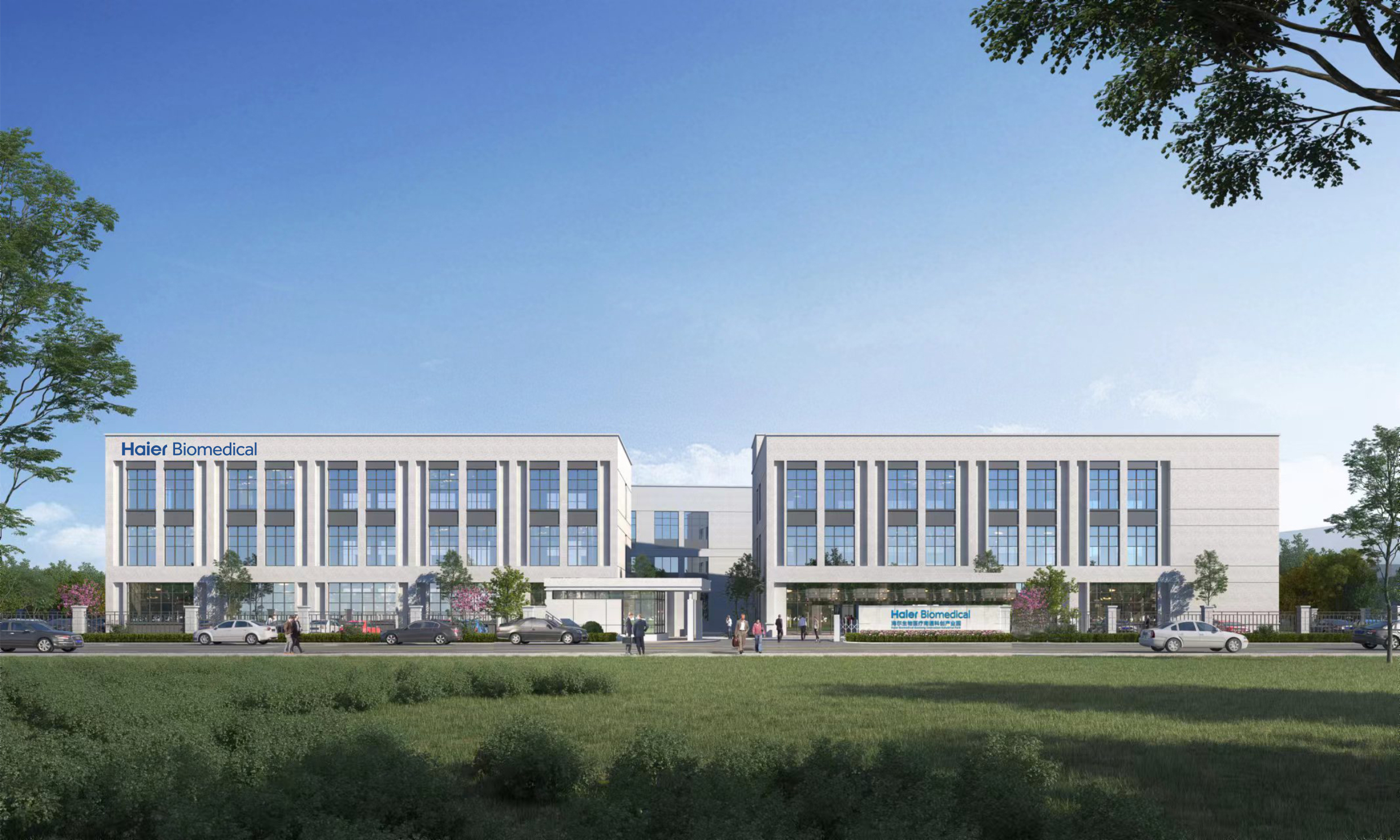
Send your PIVAS preparation volume, container formats and cleanroom dimensions, and the Haier Biomedical team can confirm a HOH-Robot-Plus configuration, customization scope and delivery schedule.
Download the full-scenario intelligent pharmacy brochure: Full-scenario Intelligent Pharmacy (PDF)
Website: www.haierautomation.com | Email: smartpharmacy@haierbiomedical.com | Tel / WhatsApp: +86-187 7008 3375
Haier Biomedical Technology(Suzhou)Co., Ltd
No.6 Shizhong Road, Wuzhong District, Suzhou, China, 215100