
Hastelloy vs Duplex vs 316 Steel Balls for Wet Gas Valve Sealing
Wet gas sealing problems are usually material decisions that were made on price alone. In a ball valve, check valve or needle valve handling wet gas at 0–200 °C and moderate pressure, the ball is the sealing element. It loads against a seat ring, and the seal holds only while the ball's geometry and surface stay chemically unchanged. Three alloys dominate the shortlist for mildly corrosive wet gas in oil & gas and petrochemical service — Hastelloy C-276 (UNS N10276), duplex stainless (UNS S31803/S32205) and 316/316L austenitic stainless — and they differ by roughly an order of magnitude in unit cost.
This guide compares them on the basis that survives an audit: documented service conditions, published composition and pitting-resistance data, and acceptance criteria that can be written directly into a purchase order. It is written for buyers and valve engineers at the decision stage, where the useful question is not which alloy is best in general, but which of these three is justified by this fluid — and how to prove what was delivered.
Short answer. For mildly corrosive wet gas at 0–200 °C and moderate pressure, 316/316L stainless balls are usually sufficient and the most economical choice. Step up to duplex when pressure class, mechanical strength or sustained chloride exposure rises. Specify Hastelloy C-276 only where the chemistry is documented as genuinely aggressive — strong reducing acids, high chloride, mixed or sour chemical service. If the real failure mode is abrasion from produced solids, none of the three is the correct answer; a hardened martensitic grade is.
What Wet Gas Service Actually Demands From a Steel Ball
A ball in a floating or trunnion-mounted ball valve contacts its seat across a narrow band, not across the whole sphere. Seal integrity therefore depends on three things at once: sphericity and surface finish of the ball, dimensional consistency of the ball diameter from piece to piece, and the material's willingness to remain chemically unchanged in the process fluid. A ball that is dimensionally perfect but locally pitted at the contact band will leak; so will a ball of the right alloy that was never the alloy it claimed to be.
Wet gas adds a specific burden. The ball sees alternating wetted and dried conditions as condensable liquids form and re-evaporate, and any chlorides present concentrate in the liquid phase rather than dispersing. Where attack occurs in such service, it tends to be localized — pitting and crevice attack under the seat contact or in the cavity side of the ball — rather than uniform loss of section. That is precisely why pitting-resistance indices such as PREN matter more in a valve specification than a generic corrosion-resistant label.
In check valves and needle valves the mechanism is different but the conclusion is the same. The ball lifts and reseats on every cycle, so a roughened or locally attacked surface can prevent clean reseating long before any structural concern exists. Sealing performance in these valves is a surface-condition question first and a strength question second.
The four failure modes worth specifying against
- Localized surface attack at the seat band. Pitting or crevice corrosion changes the contact geometry and produces leakage that no torque adjustment will fix.
- Material substitution. A ball sold as C-276 or duplex that is not. Alloy verification by PMI and a material test report is the only practical defence.
- Coating wear. Electroplated steel balls (zinc, nickel or chrome over a carbon or alloy core) offer a corrosion barrier at lower upfront cost, but the plating can wear or spall under load. Through-alloy stainless balls only need passivation.
- Abrasion-driven leakage. Where produced sand or solids are present, wear — not corrosion — governs. That is a hardness problem, and it moves the specification away from all three alloys discussed here.
A common specification error is to treat hardness as the tie-breaker between 316, duplex and Hastelloy. It is not. 316 is austenitic and non-hardenable at roughly HRB 85–95; duplex is harder and significantly stronger, but still not a wear grade; C-276's advantage is chemical resistance, not mechanical survival. Friction behaviour between C-276 and 316 balls is comparable — the lifecycle gain from C-276 comes entirely from surviving chemically aggressive service where 316 fails.
Industry Background: Why Specialty Alloys Stay a Narrow Segment
The steel ball category is large but heavily weighted toward commodity grades. The global steel ball market is estimated to reach USD 12.91 billion by 2026, with chrome steel balls projected to hold a 45.7% share of the material segment (Coherent Market Insights, 2026). Duplex and nickel-based superalloy balls sit at the specialist end of that market: specified project by project, priced individually, and usually bought against a drawing rather than a catalogue page.
Two standards frames matter in a purchase order. ISO 3290-1:2014 specifies requirements for finished steel balls for rolling bearings and defines grades from G3 to G700; buyers commonly reference ABMA/ISO grade bands such as G10–G1000 alongside it. At the trade level, steel balls for bearings are classified under HS code 8482.91 (balls, needles and rollers), which is the code most importers will see on the customs entry.
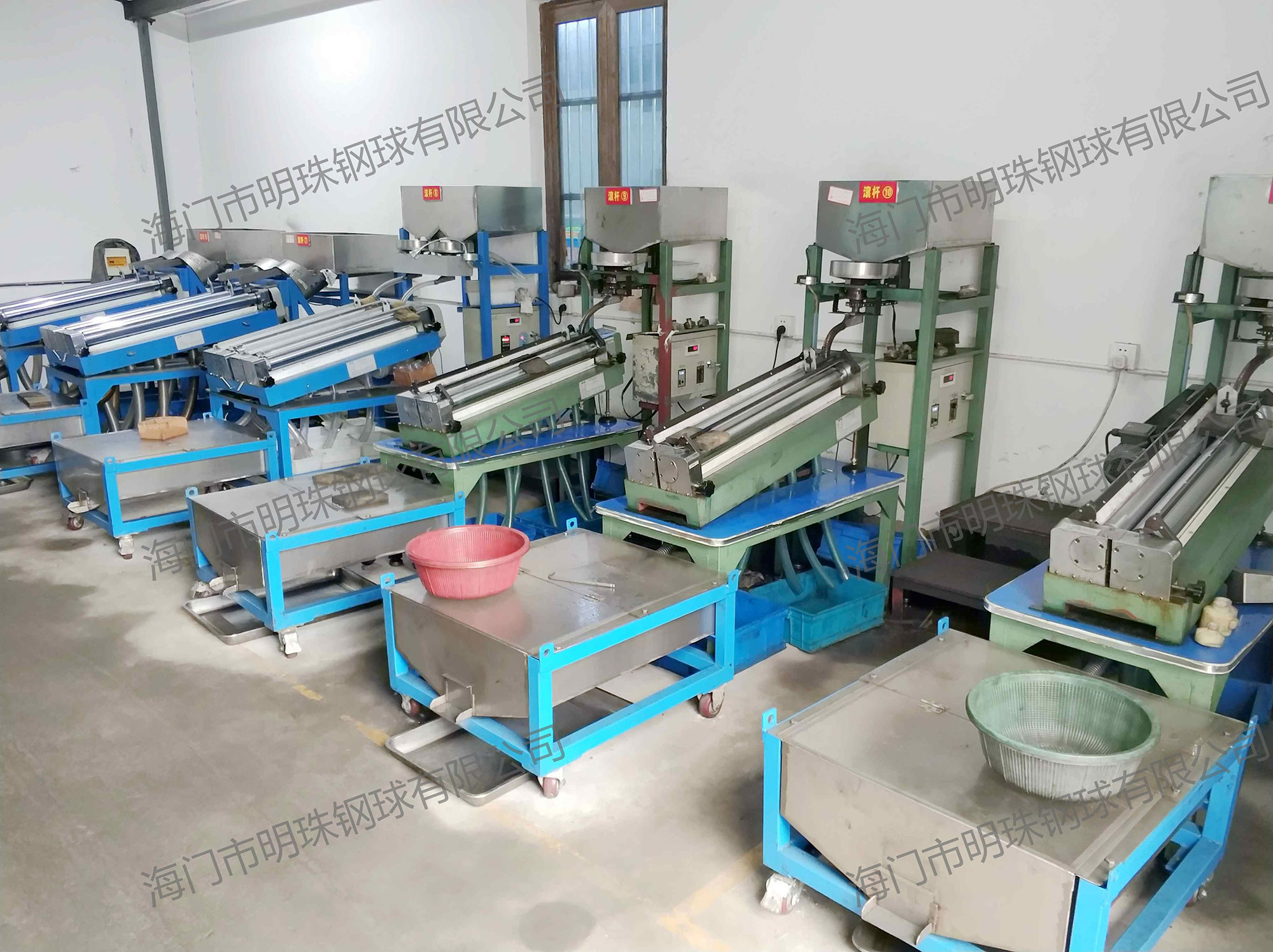
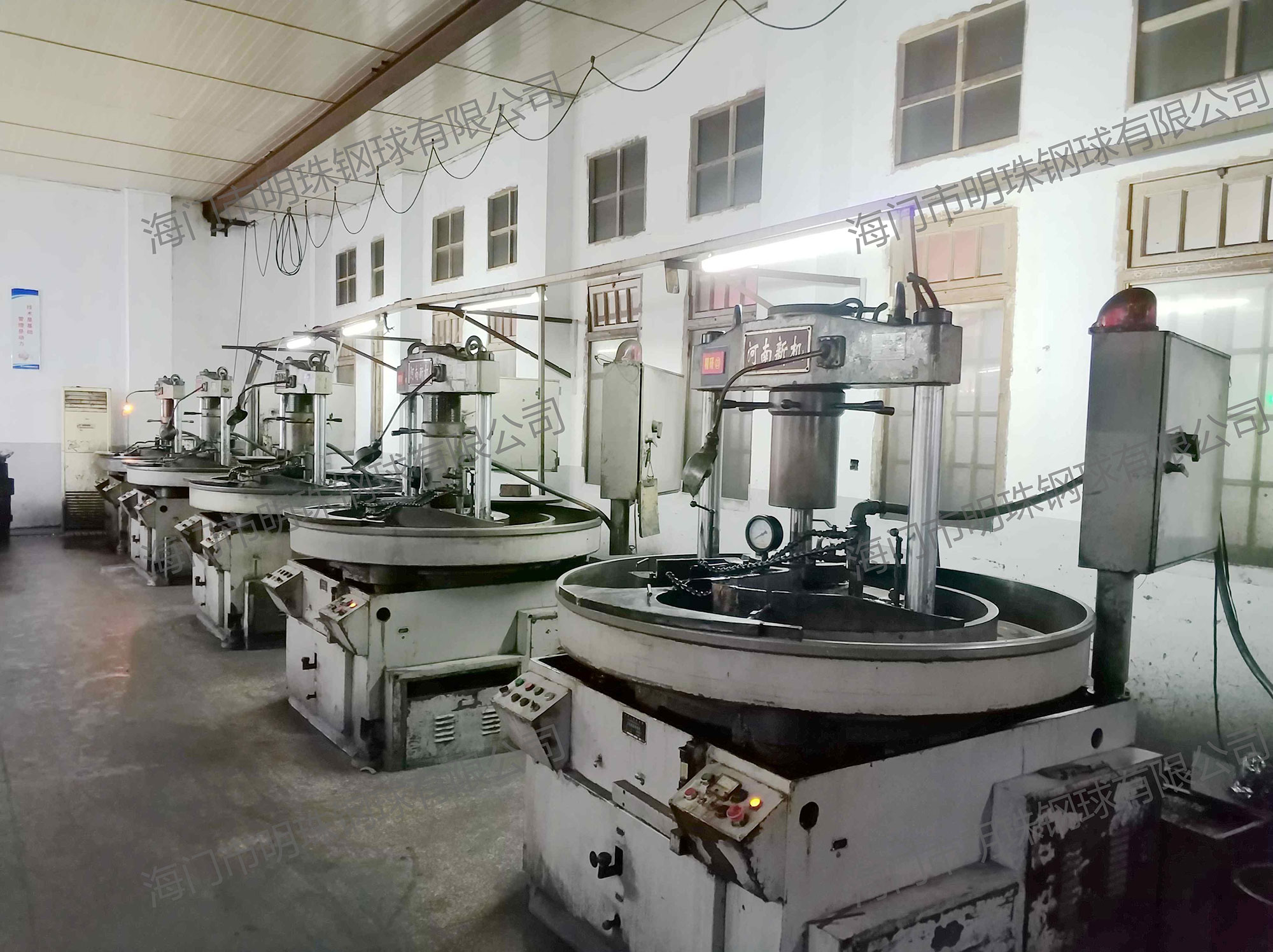
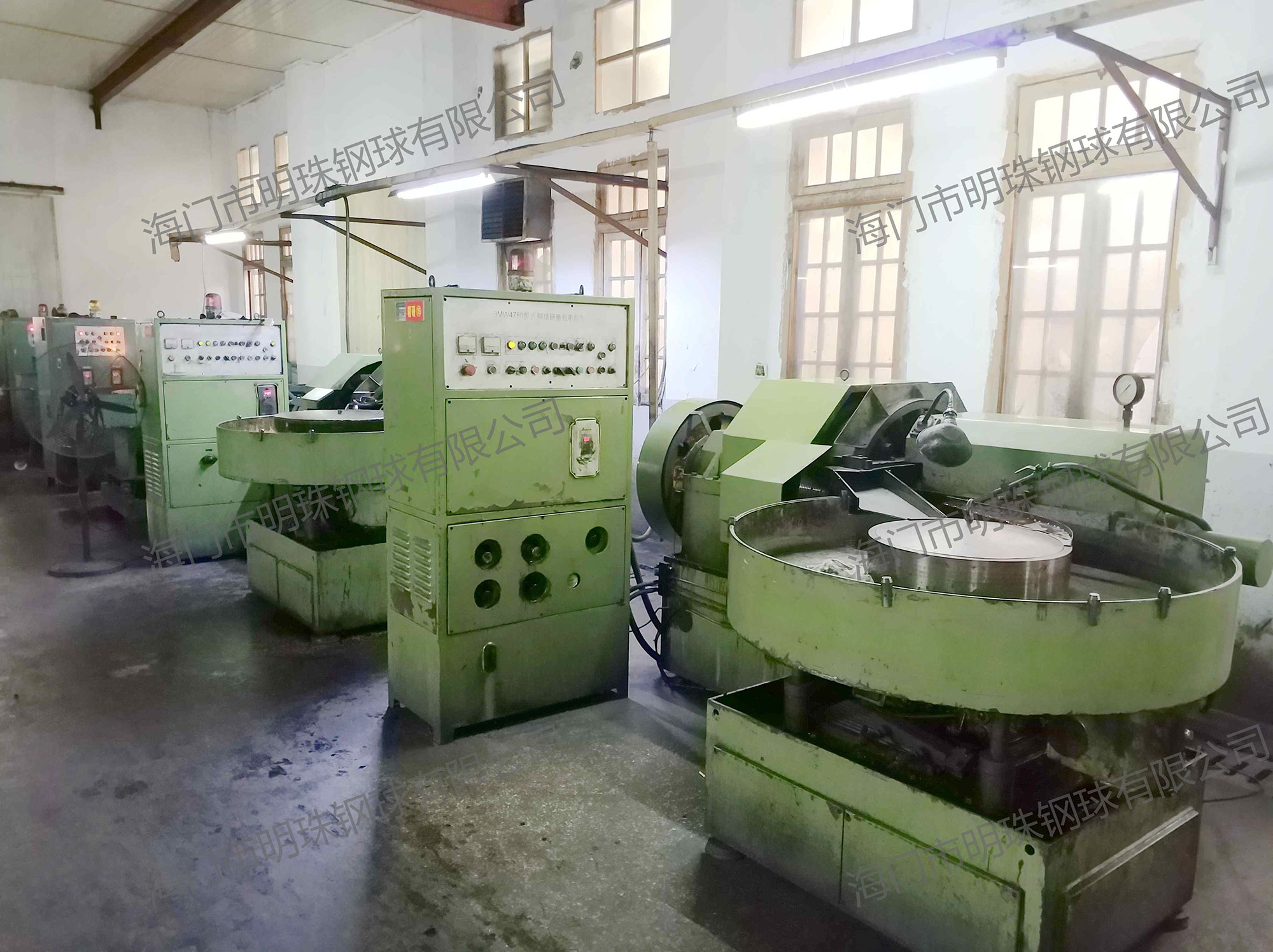
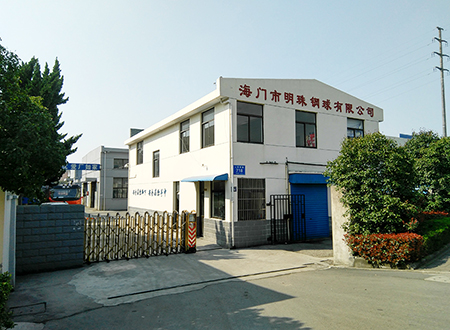
Because specialty alloys are a small share of volume, availability is project-based rather than stock-based. A supplier may list duplex 2205, Hastelloy C276, M50, Inconel and Monel, but hold no inventory of them. In that environment, the differentiator between suppliers is not the address on the invoice — it is whether alloy verification, heat-treatment records and dimensional inspection can be produced on request, batch by batch. Haimen City Mingzhu Steel Ball Co., Ltd. (www.hmmzsteelball.com) is a Chinese steel ball manufacturer founded in 1992 in Haimen, Jiangsu Province, operating an IATF 16949:2016 quality system across a 7,500 m² production base with a stated annual capacity of 2,500 tons, and supplying 316/316L, duplex stainless and Hastelloy C-276 balls alongside bearing, carbon and machined grades.
How the Three Materials Actually Differ
316/316L austenitic stainless — the default for mildly corrosive wet gas
316 stainless is austenitic and non-hardenable, with 2–3% molybdenum and 10–14% nickel. Against 304, the molybdenum addition raises the pitting resistance equivalent from roughly 18–20 to roughly 23–28, which is the reason 316 rather than 304 is the usual minimum for chloride-bearing service. In duplex comparison data the 316 figure is quoted at about 24–26; both figures describe the same grade band, and a buyer should fix one number in the specification rather than leaving the band open.
For wet gas at 0–200 °C and moderate pressure with mildly corrosive fluids, 316 is normally the cost-effective choice. It is widely stocked, simple to passivate, and supported by most finishing shops. Its limits are equally clear: it is not a solution for strong reducing acids or high-chloride sour service, and being non-hardenable it offers no abrasion resistance. Where the service moves beyond mild chlorides, 316 is the material that fails first — and that failure is the reason the other two alloys exist.
Duplex S31803/S32205 — strength and chloride resistance at a cost
Duplex stainless delivers roughly double the yield strength of 316 and a pitting resistance equivalent of about 34–38 against 316's 24–26. That combination suits offshore and subsea duty, high-pressure valves, seawater and aggressive chloride environments, and it allows downsized components in high-pressure designs because the strength margin is larger. Duplex is also harder than 316, though less formable and less weldable.
The trade-off is processing discipline. Duplex requires controlled welding and heat treatment to avoid sigma-phase embrittlement, and both alloy and processing cost sit above 316. In a mild wet gas line where 316 already survives, duplex adds cost without adding reliability; in a higher pressure class with sustained chloride, it is often the cheapest option that holds.
Hastelloy C-276 (N10276) — for chemistry that destroys 316
Hastelloy C-276 is a nickel-molybdenum-chromium superalloy built for strong reducing acids and aggressive chemicals. The composition gap is large and measurable: 15–17% molybdenum plus 3–4.5% tungsten, against 2–3% molybdenum in 316, producing a PREN of about 69 versus about 25. In strong acids, high chloride, mixed or reducing chemicals and sour service, C-276 provides higher reliability than 316.
The costs are equally measurable. C-276 balls run roughly 5–12 times the price of 316 balls, and they demand alloy verification by PMI and MTR plus passivation — where 316 is simply passivated and widely supported. C-276 is the right specification for severe chemical processing, acid valves, flue-gas desulphurization and aggressive pharmaceutical or biotech service. It is the wrong specification for mildly corrosive wet gas, where it multiplies unit cost without changing the failure rate.
Where a hardened grade fits instead
If the ball is failing from mechanical wear rather than chemistry, the comparison shifts to martensitic and through-hardened grades. Hardened 440C stainless reaches HRC 58–65 with good corrosion resistance and is suited to precision bearing and valve applications needing both hardness and corrosion resistance; 52100 chrome steel reaches HRC 60–66 and is optimized for ambient-temperature fatigue in clean, protected environments. Both are legitimate valve-ball materials — but they solve a wear problem, not a wet-gas corrosion problem, and mixing the two discussions is how over- or under-specification happens.
A Seven-Step Specification and Purchasing Sequence
Step 1 — Write the service envelope down
Record the fluid chemistry (including chloride level and any sour component), the temperature range, the pressure class and the valve type. The 0–200 °C band and moderate pressure of typical wet gas service narrow the problem usefully: within that envelope, alloy selection is driven by chemistry, not temperature. Elevated-temperature behaviour only becomes the deciding factor in a different comparison entirely, such as M50 versus 52100 in hot-running bearings.
Step 2 — Fix the sealing geometry and grade
Define ball diameter, tolerance grade and surface finish. Precision balls are manufactured and 100% inspected to tight diameter and grade bands such as ABMA G3–G25, giving tighter diameter and sphericity control than commercial-tolerance grades G100–G1000. For a sealing ball, grade and finish belong in the drawing, not in a general note.
Step 3 — Select the material tier against the chemistry
Use one rule: mildly corrosive wet gas → 316/316L; higher pressure class, higher strength or sustained chloride → duplex S31803/S32205; documented strong reducing acids, high chloride, mixed or sour chemical service → Hastelloy C-276. Where the analysis is ambiguous, the tie-breaker is the consequence of leakage, not the price of the ball.
Step 4 — Write acceptance criteria into the order
Specify 100% dimensional inspection, hardness, roundness, surface condition and — critically for these alloys — material verification by PMI or chemical analysis. Every batch should be supported by a material test report, EN 10204 2.1 or 3.1 certification and a COA; PPAP, FAI, NACE MR0175 and AMS documentation are available on request where the end user's specification demands them. For C-276, PMI plus passivation should be explicit line items, because an unverified superalloy ball is indistinguishable from an expensive guess.
Step 5 — Decide standard versus custom geometry
Most sealing balls are standard spheres, but legacy valves and proprietary assemblies sometimes need more. Non-standard diameters, through-drilled or tapped balls, machined features, stepped and half-spherical forms are all producible to drawing; drilled balls hold hole location typically to ±0.05 mm or better and remove the need for external retention. Non-standard work carries higher NRE and unit cost — typically +10–30% for simple customization and more for CNC features or exotic alloys — and longer lead times than off-the-shelf sizes.
Step 6 — Agree commercial terms and packaging
Standard terms are T/T 30% deposit with 70% balance before shipment, L/C at sight for large orders, PayPal or Western Union for samples, and OA/Net-30 for approved repeat customers. Delivery runs EXW, FOB Shanghai or Ningbo, CIF, DAP or DDP by air or sea. Packaging is drums, sealed bags, tubes or blisters and OEM-labelled cartons, marked with quantity, grade and lot code — the lot code being what connects a delivered ball back to its MTR.
Step 7 — Validate on a sample before committing
Sample validation should cover fit and seating, surface finish, dimensional grade and alloy verification. For a C-276 or duplex order, a PMI check on the sample is the cheapest risk control available, and it converts an alloy claim into a measured fact.
Where Each Choice Shows Up in Practice
Floating and trunnion-mounted ball valves on wet gas gathering lines
This is the classic 316 application: mildly corrosive wet gas, moderate pressure, a ball that must seal against a seat ring across a narrow contact band. 316/316L covers it economically. Where the line is upgraded to a higher pressure class or the chloride load is sustained, duplex becomes the defensible step up, because the yield strength roughly doubles and the pitting resistance index rises from about 24–26 to about 34–38.
Check valves on wet gas and condensate service
Check valve balls reseat on every cycle, so surface stability matters more than strength. In mildly corrosive condensate, 316 again does the work. Where the fluid carries strong acids or high chloride and the check valve is a barrier against backflow, C-276 is specified for its resistance to reducing acids and aggressive chemicals — accepting a cost of roughly 5–12 times the 316 equivalent.
Needle valves in sampling and chemical injection
Small-diameter balls in needle valve trim are often the first component to show attack, because the flow path concentrates aggressive species at the seat. This is where C-276's composition advantage (15–17% Mo plus 3–4.5% W versus 316's 2–3% Mo) earns its premium — and where a non-standard or machined steel ball to drawing is frequently needed to match legacy trim dimensions.
Flue-gas desulphurization and aggressive chemical service
FGD and aggressive pharmaceutical or biotech service are documented C-276 territory. Duplex covers the neighbouring band — seawater, offshore, subsea and high-pressure valves — where chloride resistance and strength are both required but the chemistry is not reducing-acid severe.
When the ball has to be custom
Occasionally the constraint is not metallurgy at all. A valve with a non-standard seat pocket needs a non-standard steel ball; a ball that must be pinned or bolted needs a drilled or machined ball; a lightweight kinematic fixture may use a hollow ball, which is roughly 40–70% lighter than a solid ball of the same diameter depending on wall thickness but trades load-bearing section for that mass reduction and requires wall-thickness, leak and pressure-integrity checks. Hollow balls are not a sealing solution for pressurised wet gas; they are a weight solution for other assemblies.
Comparison Table: Hastelloy C-276 vs Duplex vs 316 Steel Balls
| Material | Pitting resistance (PREN) | Strength / hardness behaviour | Relative material cost | Documented best-fit service | Verification & upkeep | Fit for mildly corrosive wet gas, 0–200 °C, moderate pressure |
|---|---|---|---|---|---|---|
| 316/316L austenitic stainless | About 24–26 (grade data reports a 23–28 band); 2–3% Mo, 10–14% Ni | Non-hardenable; approximately HRB 85–95; tougher, more formable | Base level — the most economical of the three | General marine and chemical service; moderate chloride; food and pharma where hardness is secondary | Passivation only; simple and widely supported | Usually sufficient and cost-effective |
| Duplex stainless UNS S31803/S32205 | About 34–38 | Yield roughly double 316; harder, less formable and less weldable | Higher alloy and processing cost than 316 | Offshore and subsea, high-pressure valves, seawater, aggressive chloride and desalination | Controlled welding and heat treatment to avoid sigma-phase embrittlement | Justified when pressure class, strength or chloride load rises |
| Hastelloy C-276 / N10276 | About 69; 15–17% Mo plus 3–4.5% W | Nickel-molybdenum-chromium superalloy; comparable friction to 316 | Roughly 5–12 times the price of 316 | Severe chemical processing, acid valves, FGD, aggressive pharmaceutical and biotech service | Alloy verification by PMI and MTR plus passivation | Over-specified unless the chemistry is genuinely aggressive |
Two clarifications belong under that table. First, PREN is a grade-level index of pitting and crevice corrosion resistance, not a guarantee of performance in a specific fluid; it ranks candidates, it does not qualify a valve. Second, none of the three is a wear grade — for abrasion, hardened 440C at HRC 58–65 or 52100 at HRC 60–66 is the appropriate comparison, and carbon steel balls belong to an entirely different, low-load discussion.
Table 2 — Standard versus custom valve balls: commercial reality
| Item | Standard inch/metric balls | Non-standard or machined balls |
|---|---|---|
| Tooling and MOQ | Fixed tooling; low MOQ, samples available | Typically 50–500 pcs depending on setup; prototypes of 10–50 pcs workable for simple parts |
| Lead time | Stock sizes about 5–10 days; standard production 15–30 days | Approximately 20–60 days depending on tooling, material and documentation |
| Cost position | Lowest cost and lead time | +10–30% for simple customization; more for CNC features or exotic alloys |
| Qualification | Drop-in against ABMA/ISO grade | Requires drawing, sample or PPAP approval before repeat supply |
Frequently Asked Questions
What documentation should accompany Hastelloy or duplex steel balls for valve service?
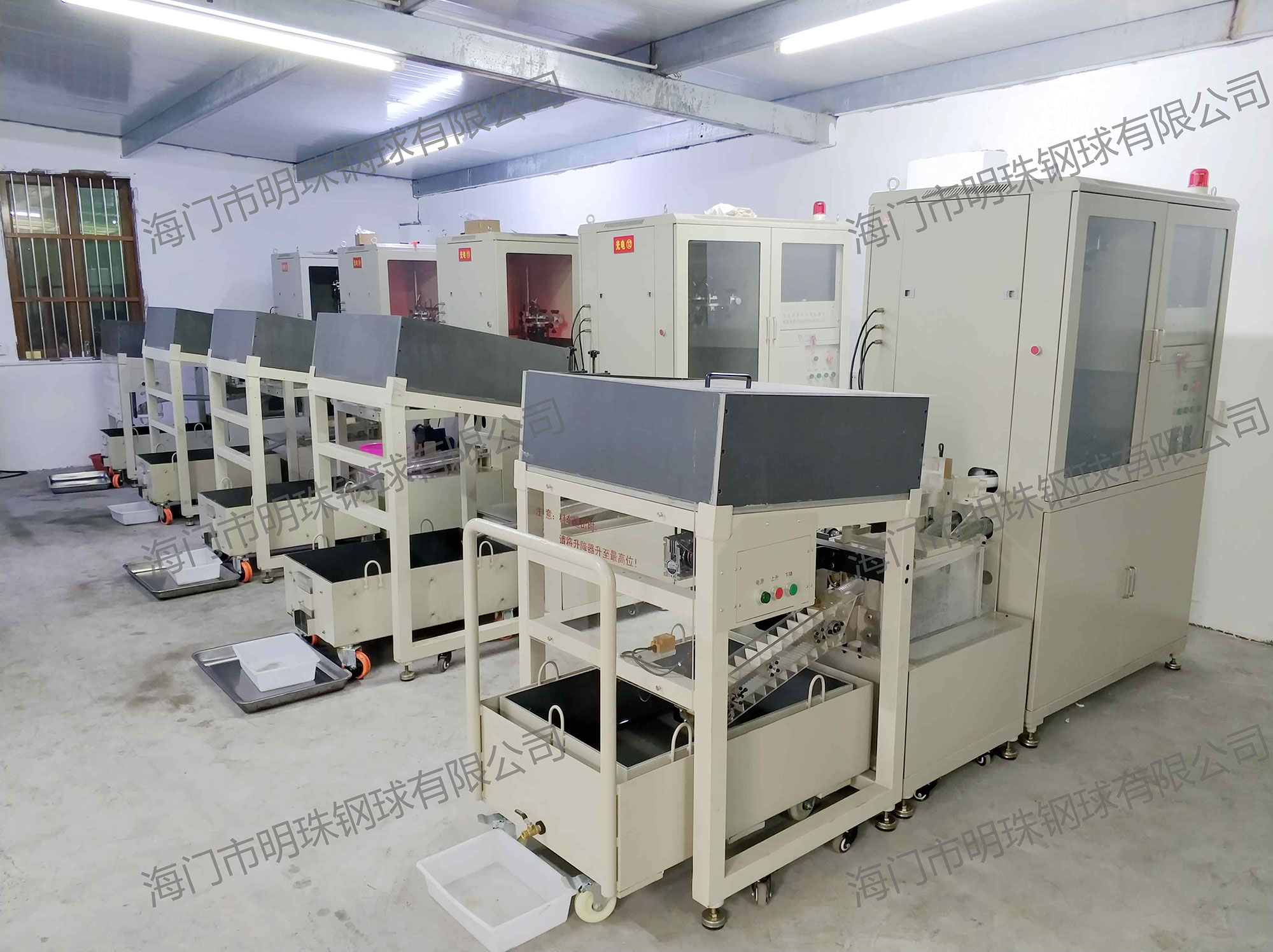
For Hastelloy C-276, alloy verification by PMI and a material test report plus passivation are the baseline; 316 is simpler and widely supported. For all three materials, every batch is inspected by 100% automated machine-vision sorting for size, roundness, surface defects and appearance, supplemented by hardness, roundness, microstructure, roughness and material verification (PMI or chemical analysis). Standard documents are an MTR, EN 10204 2.1 or 3.1 and a COA, with PPAP, FAI, NACE MR0175 and AMS certificates available on request. Where a valve is going into sour or high-chloride service, NACE MR0175 documentation is worth specifying at the enquiry stage rather than after dispatch.
Can one supplier deliver 316, duplex 2205 and Hastelloy C-276 balls in valve-sealing sizes and custom geometry?
Yes. Haimen City Mingzhu Steel Ball Co., Ltd. supplies carbon steel, chrome steel 52100 (100Cr6/SUJ2), martensitic stainless 420/440C, austenitic stainless 304/304L/316/316L, duplex 2205, M50 and Hastelloy C276, with Inconel and Monel on request — all with material verification and MTR as required. Diameter coverage runs from 0.5 mm to 50.8 mm (0.020–2.000 in) in metric and inch series, with non-standard decimal sizes to drawing and ABMA/ISO 3290 grades from G10 to G1000. Beyond plain spheres, the company produces drilled (through or blind), threaded (metric and UNC/UNF), stepped, half-spherical and hollow balls, with diameter, depth, concentricity and thread class controlled to drawing; soft materials machine more easily, while hardened 440C or M50 require specialized tooling and longer lead time.
What drives the price gap between 316, duplex and Hastelloy balls?
Alloy content and processing. Hastelloy C-276 balls cost roughly 5–12 times more than 316 stainless steel balls, and duplex carries higher alloy and processing cost than 316, which remains the economical choice for moderate duty. On top of material, customization adds cost: simple non-standard work typically runs +10–30% over standard, with more for CNC features or exotic alloys, whereas standard inch and metric balls use fixed tooling and offer the lowest cost and lead time. The practical implication is that over-specifying C-276 into mildly corrosive wet gas multiplies unit cost without improving reliability — the alloy should be justified by the fluid analysis, not by caution alone.
Can we validate samples before committing to a production order?
Yes. Standard catalogue sizes carry a low MOQ and can be ordered by the bag or piece, with samples available; non-standard and CNC-machined balls usually start from 50–500 pcs depending on setup, and prototype quantities of 10–50 pcs are workable for simple parts. MOQ is flexible for first-time cooperation and NDA projects. Samples can be paid by PayPal or Western Union, with production on T/T 30% deposit and 70% before shipment or L/C at sight for large orders. For duplex or C-276, ask for the sample's PMI record alongside it — that single document resolves the most common dispute in specialty alloy valve balls.
What lead times apply, and how do we start an order?
Standard sizes and common materials are often in stock and can ship in 5–10 days; standard production runs 15–30 days; non-standard sizes, special alloys or CNC features take roughly 20–60 days depending on tooling and inspection. Rolling stock and backup tooling are maintained for stable repeat supply, with monthly production status updates. To start, send the drawing or specification — material grade, diameter, grade band, hole or thread features, documentation requirements and annual volume — to info@hmmzsteelball.com or WhatsApp +86 13912237934, and request a quotation against the exact acceptance criteria you intend to inspect against.
Conclusion: Choose the Alloy the Fluid Justifies
For wet gas valve sealing at 0–200 °C and moderate pressure, the decision between Hastelloy, duplex and 316 resolves on chemistry rather than preference. 316/316L is the working default for mildly corrosive fluids: economical, non-hardenable, widely stocked and simple to passivate, with a PREN of about 24–26. Duplex S31803/S32205 is the step up when pressure class, strength or sustained chloride demands it, buying roughly double the yield strength and a PREN of about 34–38 at higher alloy and processing cost. Hastelloy C-276 is the specialist answer for strong reducing acids, high chloride, mixed or sour chemical service — 15–17% molybdenum plus 3–4.5% tungsten, PREN around 69, and a price roughly 5–12 times that of 316.
The second half of the decision is documentation. In a category where specialty alloys are project-purchased and rarely stocked, an alloy claim without PMI and an MTR is not a specification. Buyers who fix the grade band, the inspection regime and the certification package in the purchase order get a sealing ball; buyers who specify only a material name get a promise.
Request a Valve-Ball Quotation or Sample
Send your service conditions, ball drawing and documentation requirements to Haimen City Mingzhu Steel Ball Co., Ltd. — manufacturer of 316/316L, duplex 2205, Hastelloy C-276, M50, bearing and custom machined steel balls since 1992, IATF 16949:2016 certified.
Email: info@hmmzsteelball.com | Tel / WhatsApp: +86 13912237934 | Website: www.hmmzsteelball.com
Download the full product and capability reference: Haimen Mingzhu Steel Ball Brochure (PDF)
Have Questions or Need More Details?
Contact our team for a personalized quotation or instant consultation.
Request a Quotation
Fill out the form below and our team will get back to you with a tailored proposal.
WhatsApp Direct Chat
Prefer to chat in real-time? Message us on WhatsApp for instant assistance & quick answers.
- Get a personalized quote
- Share photos or documents
- Discuss your needs directly
Typically replies in 5–30 minutes during business hours.