Hollow vs Drilled vs Machined Steel Balls for Valve and Fluid Control: A Buyer Comparison Guide
The geometry of a steel ball is decided by the job it performs inside the valve or fluid-control assembly, not by price alone. A solid machined ball is the geometry used where the ball itself is the sealing or shut-off surface; a drilled or tapped ball is used where the ball must pass flow, equalise pressure or accept a pin or fastener; a hollow ball is used where the requirement is low weight, buoyancy or a structural sphere rather than a leak-tight seat.
This guide compares the three geometries for buyers sourcing sealing and shut-off elements, custom trim and modified balls for floating and trunnion-mounted ball valves, check valves, needle valves and related flow-control equipment, including wet gas, mildly corrosive fluids, 0–200 °C service and moderate pressure. It also maps each geometry to the specification language, acceptance checks, MOQ, lead time and documentation that an engineering or purchasing team has to approve.
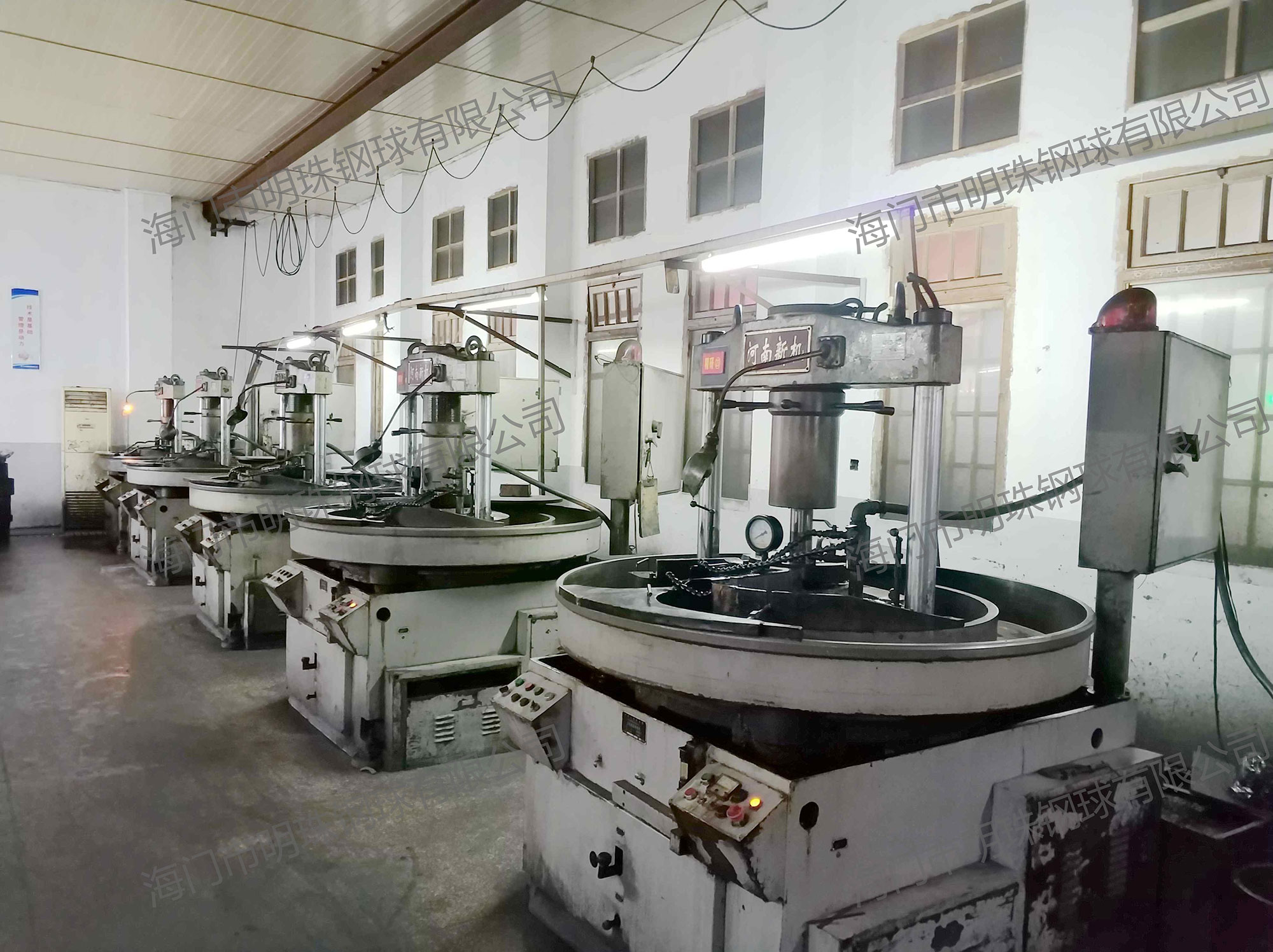
Problem definition: three geometries are quoted as one line item
Valve and fluid-control purchase orders frequently arrive as a single line: “steel ball, hardened, custom”. That wording hides three different manufacturing routes with different functions, different inspection criteria and different failure modes. The confusion is expensive in both directions — a buyer can overpay for a machined component where a stock precision ball would seat perfectly, or underpay for a drilled ball whose hole was never specified tightly enough to be inspected.
- A hollow ball ordered for a seat. Hollow balls are specified by outside diameter and wall thickness, and their documented uses are low weight, buoyancy, decorative and structural applications. They are not the sealing or shut-off element inside ball valves and check valves. If the drawing shows a shell, the drawing does not describe a sealing element.
- A drilled ball treated as a plain ball. Once a hole or thread is added, the hole becomes the functional feature: drilled-hole position, size and concentricity are controlled per drawing, and the hole must be burr-free. A drilled ball inspected only for diameter and hardness has not been inspected for its actual duty.
- A machined ball treated as a commodity item. Machined (turned and ground) balls are made to drawing in 10 mm–200 mm+ sizes, in ISO tolerance classes with roughness and hardness per specification. They are custom components, not catalog stock.
The practical decision rule is short: if the ball seals, specify a solid ball; if the ball routes flow or carries a fastener, specify a drilled or tapped ball; if the ball floats, saves weight or is decorative, specify a hollow ball.
Industry background: what the valve-trim ball market looks like from the buying side
Steel balls sit inside a large component market that is normally reported as one number. Coherent Market Insights estimates the global steel ball market at USD 12.91 billion by 2026, with chrome steel balls projected to hold a 45.7% share of the material segment. Those figures should be read with care: published values for the same category range from roughly USD 4.98 billion to USD 12.91 billion, because some studies include large-scale grinding media for mining while others count only small precision and bearing balls. Growth projections diverge for the same reason, with reported CAGRs for 2026–2035 ranging from 3.6% to 6.2% around a 5.2% midpoint estimate.
For a buyer, the useful conclusion is not the headline number but the split. Commodity grinding media and drawing-controlled precision valve components behave as different businesses: the second group is governed by standards, by the buyer's own drawing, and by documentation that has to survive incoming inspection and, in regulated industries, an audit.
Three reference points shape that second group:
- ISO 3290-1:2014 specifies requirements for finished steel balls for rolling bearings and defines the grade vocabulary from G3 to G700. That is the language used for roundness, diameter variation and surface quality, and it is also why a valve ball that is not a bearing ball has to be written down as a drawing-based specification.
- ASTM A295/A295M covers high-carbon bearing-quality steel such as Grade 52100, the material family behind through-hardened chrome steel balls.
- HS Code 8482.91, published by the World Customs Organization, classifies balls, needles and rollers — the code most importers use when a ball ships as a component rather than as part of an assembled bearing.
In valve and fluid-control service, the working envelope described by this manufacturer is specific: wet gas, mildly corrosive fluids, 0–200 °C and moderate pressure, with the ball acting as a sealing or shut-off element inside ball valves and check valves, and matched equipment covering floating and trunnion-mounted ball valves, needle valves and check valves. The stated requirement for that envelope is a hardened martensitic condition with moderate corrosion resistance and NACE MR0175 available as an option, which points buyers towards martensitic stainless rather than a soft austenitic grade.
Compliance note for buyers: Haimen City Mingzhu Steel Ball Co., Ltd. holds IATF 16949:2016 certification (certificate 130673/A/001/SM/En, issued 2023-12-14 by URS, valid to 2026-12-13). The certified scope is “Manufacture of Bearing Steel Ball (excludes product design under Clause 8.3)”. Where a valve-trim or custom geometry order sits outside a supplier's certified scope, the buyer should confirm in writing which quality system governs that specific product instead of assuming the certificate covers everything produced on site.
Detailed solution: matching the geometry to the valve function
1. Machined (solid) steel balls — the geometry for sealing and shut-off surfaces
Machined steel balls are turned and ground components made per drawing. The documented range is 10 mm to 200 mm+, in ISO tolerance classes, with roughness and hardness set by specification. Material is selectable between bearing steel, carbon steel and stainless steel, with AISI 52100, 1045 and 4140 listed as optional grades. The listed applications are heavy industrial machinery, large bearing assemblies and specialised valve and flow-control equipment.
Production is CNC and lathe based, which allows complex shapes and tight tolerances, plus secondary operations such as drilling and slotting on the same part. Inspection uses CMM and automated machine vision covering dimension, form, surface and, where required, hardness. Standard machined items are quoted at 15–30 days and fully custom or non-standard items at 25–50 days depending on quantity; MOQ is based on setup, and small-to-medium batches are supported.
Where it fits: ball-valve seats and shut-off elements, check-valve balls, needle-valve trim and any position where the ball is the mating surface against a seat. Limitation: where the seat is small and the required size and grade are standard, a precision ball from the same grinding and lapping route is usually the simpler purchase; the machined route earns its cost when the diameter, tolerance, roughness or feature list sits outside stock geometry.
2. Drilled and tapped steel balls — when the ball must pass flow or take a fastener
Drilled balls are through-drilled or tapped to drawing in AISI 52100, 304 or 440C, with stock sizes typically 6 mm to 50.8 mm and drilled diameters and thread sizes set by the drawing. Both axial and radial hole configurations are supported. Customisation covers hole diameter and position, ball size, material, tolerance, chamfer, packing and further custom machining.
Two duty groups dominate. In flow control, a drilled ball enables flow through the ball in specialty ball valves, diverter valves and metering valve trim, where the stated requirements are drilled-hole concentricity per drawing, a burr-free hole and an optional threaded hole. In hydraulic and mechanical assemblies, a drilled ball provides pressure equalisation or bleed in fittings, and appears as a locking ball joint, tie-rod end, linkage pivot or positioning fixture.
Inspection is CMM and machine-vision based and covers hole position and size, dimension, surface and hardness. Drilled work runs on a documented capacity of 5 tons per month, lower than the solid grinding lines, because each hole and thread is an individual machining operation. Standard drilled items are quoted at 15–30 days; custom hole patterns at 25–50 days depending on quantity.
Where it fits: any valve or fitting where the ball is also a flow path, a bleed path or an attachment point. Limitation: the added feature is also the weakest specification. If concentricity, thread class and burr condition are not written on the drawing, they cannot be inspected against anything.
3. Hollow steel balls — weight, buoyancy and structure, not sealing
Hollow balls are seamless or welded shells in AISI 304, 316 or carbon steel, specified by outside diameter and wall thickness, with through-holes available. Their documented applications are low weight, buoyancy, decorative and structural duty: architectural and decorative spheres, hollow shaft or bearing assemblies, buoyant and aerostatic applications, and ornamental structures. Customisation covers outer diameter, wall thickness, material, welded or seamless type, surface finish and packing.
Because the ball is a shell, inspection focuses on the shell: dimensional, wall-thickness, roundness and surface checks by machine vision and CMM, plus pressure or leak testing when specified. Standard hollow balls are quoted at 15–30 days and custom wall-thickness orders at 25–50 days depending on quantity; MOQ is by size and negotiable for custom diameters and wall thicknesses. One documented project produced 30,000 custom hollow balls for space-frame nodes and curtain-wall joints, where custom outside diameter, wall thickness and weldability mattered far more than any sealing property.
Where it fits: buoyancy floats, structural or decorative nodes, and weight-reduction assemblies. Limitation: a hollow ball is not the sealing or shut-off element in a ball valve or check valve; buying it for that duty is a specification error, not a price advantage.
Material choice for valve trim at 0–200 °C
Geometry decides how the ball is made. Material decides whether it survives the media, the temperature and the actuation cycles. The table below uses only the manufacturer's documented material data and case records.
| Material | Documented hardness | Documented size / grade note | Where it is documented to fit |
|---|---|---|---|
| 420C martensitic stainless (AISI 420C / UNS S42000) | HRC 50–55 | 1 mm – 50.8 mm; Grade G25–G1000 | Bearings in mild corrosive environments, food-processing machinery, pump valves, marine hardware |
| 440C martensitic stainless (AISI 440C / UNS S44004) | HRC 58–62, with hardness control within HRC 58–65 on the 440C specialist line | 0.5 mm – 50.8 mm; Grade G10–G1000; max 0.07% P/S | High-precision bearings, chemical pumps, aerospace actuators, surgical and dental instruments |
| 316 austenitic stainless (AISI 316 / UNS S31600) | Annealed, soft | 1 mm – 50.8 mm; Grade G100–G1000 | Marine hardware, chemical processing, pharmaceutical and food equipment, saltwater valves |
| 304 austenitic stainless (SS304) | Annealed, soft; mirror polish available | 1 mm – 50.8 mm; Grade G100–G1000 | Food and beverage equipment, plumbing valves, architectural fittings, cryogenic tanks |
| Duplex stainless (UNS S32205 / S31803) | High strength and corrosion resistance per specification | Typical 10 mm – 100 mm | Offshore oil and gas, subsea manifolds, chemical processing, desalination plants |
| Hastelloy C-276 / C-22 (UNS N10276 / N06022) | Oxidation and acid resistant per specification | Typical 3 mm – 50 mm | Severe-corrosion chemical processing, acid-handling valves, pharmaceutical reactors, seawater and brine service |
| Chrome / bearing steel (AISI 52100 / DIN 100Cr6 / JIS SUJ2) | HRC 60–66; Ra ≤ 0.05 µm on bearing steel balls | 0.5 mm – 50.8 mm; Grade G10–G1000 | Anti-friction bearings, automotive transmissions, precision instruments, general industrial components |
| Carbon steel (1010 / 1015 / 1018) | Soft, or HRC 55–60 when hardened | 1 mm – 50.8 mm; Grade G100–G2000 | Low-cost hardware, conveyor rollers, grinding media, general industrial use |
Table 1: Material reference for valve and fluid-control balls, based on manufacturer product data. Austenitic grades are soft; hardened martensitic and bearing steel grades carry the wear duty.
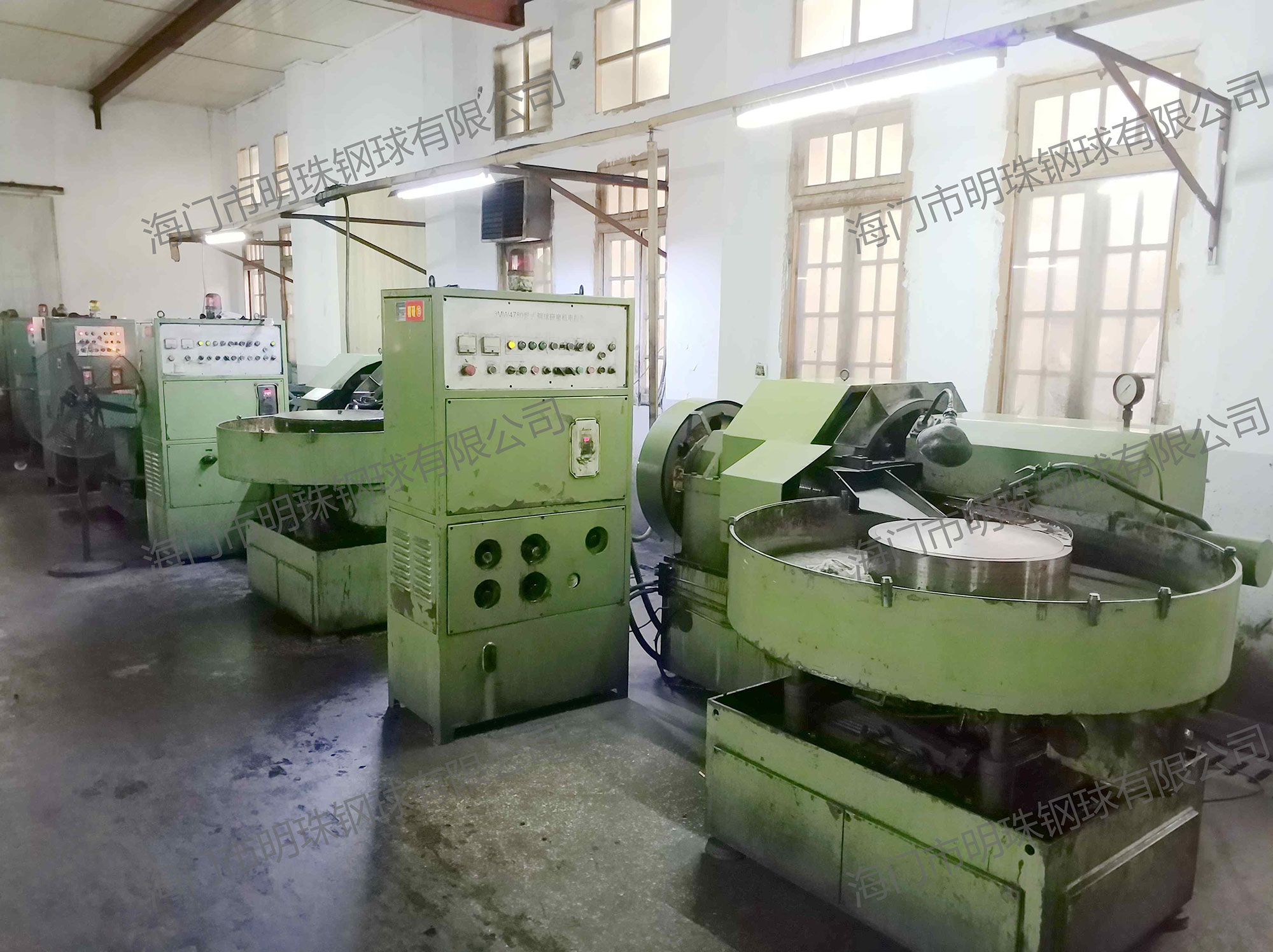
Step-by-step breakdown: how to specify and buy a custom valve ball
- Write down the function first. State whether the ball seals, routes flow, accepts a fastener, pivots or floats. This single sentence eliminates one of the three geometries before any drawing is exchanged.
- Fix the mating geometry. For a sealing ball this means seat diameter, tolerance class and roughness. For a drilled ball it means hole diameter, hole position, through or blind, thread class (metric or UNC/UNF), chamfer and concentricity. For a hollow ball it means outside diameter and wall thickness, and whether the ball is seamless or welded.
- Select the material against media and temperature. For wet gas, mildly corrosive fluids and 0–200 °C service, the documented route is hardened martensitic with moderate corrosion resistance; for chloride or acid duty, move to 316, duplex or a nickel alloy such as Hastelloy C-276. Note the limitation: austenitic 304 and 316 balls are annealed and soft, so they are not a wear surface under high load, and 52100 chrome steel delivers hardness without corrosion resistance.
- Define acceptance criteria before the order. Machined parts: CNC to drawing, CMM or dimensional report, surface roughness check, MTR or COA with shipment. Drilled parts: hole position, size and thread per drawing, with a CMM dimensional report. Hollow parts: wall thickness and roundness check, dimensional report, and leak or pressure test when specified.
- Validate with a sample. Pre-production samples are available before mass orders, and sample approval is completed before production is released. Drilled and non-standard balls can be supplied as prototype samples from 100 pcs. Sample validation covers a hardness HRC check, dimensional and roundness inspection, and martensite and decarburization control.
- Confirm commercial terms. MOQ from 50 pcs applies to CNC machined and CNC drilled or threaded parts, and from 100 pcs to hollow balls by size. Trade terms are EXW or FOB, with CIF, DAP and DDP available; payment is normally T/T 30% deposit and 70% balance before shipment, with L/C at sight for large orders and PayPal or Western Union for sample fees.
- Lock documentation and traceability. Material test report, EN 10204 2.1 or 3.1, COA, and PMI on request; PPAP, FAI, NACE MR0175 and AMS records are available on request. Quality control runs as 100% automated machine-vision inspection for size, roundness, surface and hardness, supported by PMI material verification and CMM checks.
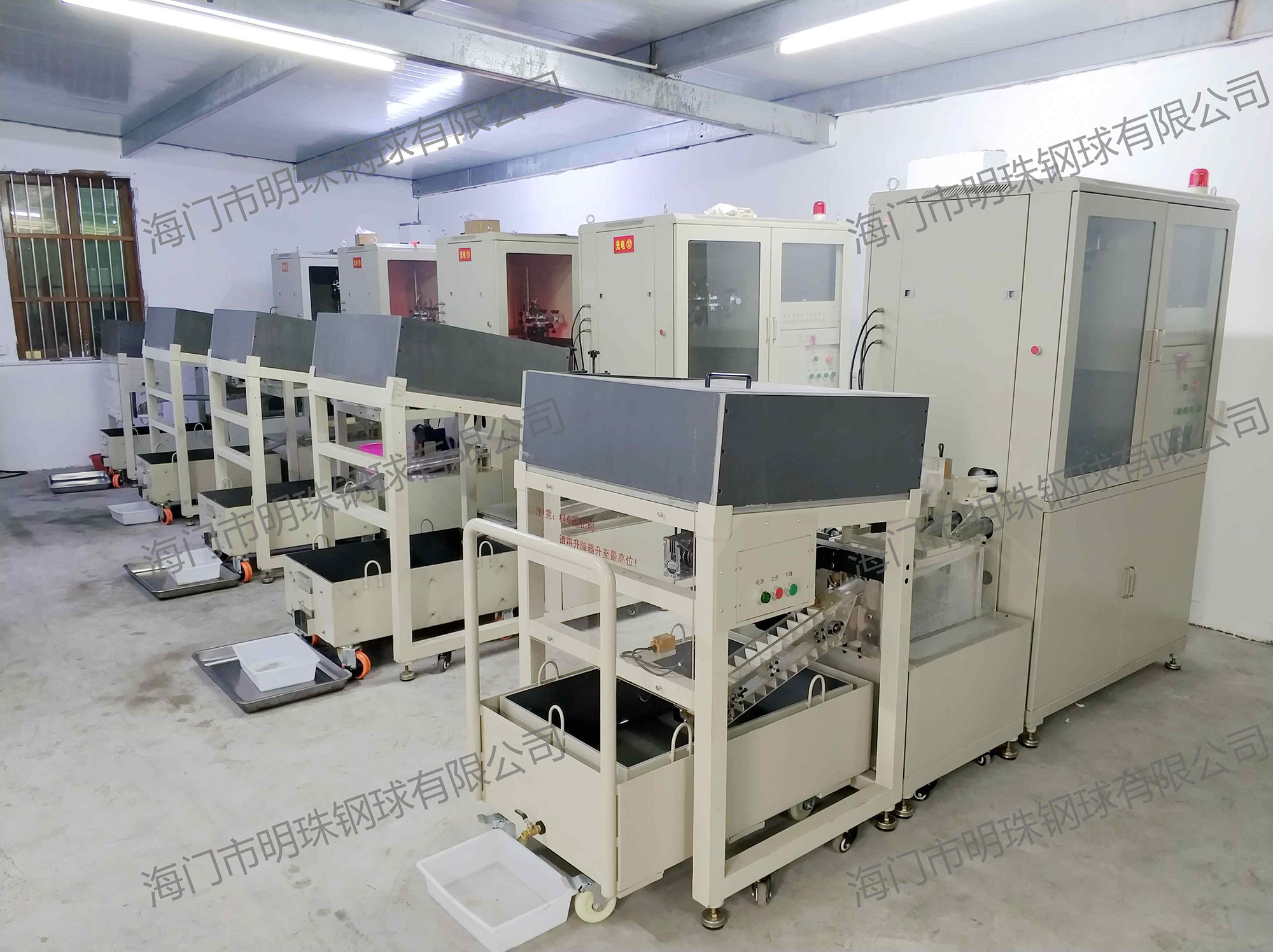
Use cases: geometry matched to a service condition
- Floating or trunnion-mounted ball valve, wet gas or mildly corrosive fluid, 0–200 °C. The ball is the shut-off surface, so the order should be a solid, hardened, drawing-controlled ball with a defined seat mating tolerance, not a hollow shell. The documented requirement envelope for this service is hardened martensitic material with moderate corrosion resistance and optional NACE MR0175.
- Specialty ball valve, diverter valve or metering trim. Here the drilled ball is the intended geometry: a concentric, burr-free hole through the ball creates the flow path, and an optional threaded hole allows a stem, pin or fastener connection.
- Check valves and needle-valve trim in moderate duty. A valve and pump manufacturer supplying corrosion-resistant valve trim and sanitary pump components has run 420C martensitic stainless balls for four years at roughly 900,000 pcs per year, with the documented balance being hardness and corrosion resistance at lower total cost than 440C for moderate-duty service. That is the typical case where geometry stays solid and material choice carries the decision.
- Severe corrosion in chemical and petrochemical service. A chemical plant OEM handling strong acids such as HCl and H2SO4 used Hastelloy C-276 balls in ball valves at roughly 120,000 pcs per year over five years, with EN 10204 3.1 documentation, MTR and PMI. In this duty the geometry is still a solid sealing ball; the material is what changes.
- High-purity biopharma and fine-chemical equipment. A biopharma and specialty chemical equipment maker used 50,000 pcs in high-purity ball valves and reactors over three years, with material certificates and clean-process compatibility as the governing requirements.
- Weight, buoyancy or structure. Custom hollow balls (30,000 pcs) for space-frame nodes and curtain-wall joints, and sealed hollow spheres for buoyancy and aerostatic applications, show the geometry working as a structural or flotation element. Buying these for a leak-tight valve seat would misapply the part.
Comparison table: hollow vs drilled vs machined steel balls
| Specification item | Hollow steel ball | Drilled / tapped steel ball | Machined (solid) steel ball |
|---|---|---|---|
| Primary job in the assembly | Low weight, buoyancy, decorative or structural sphere | Flow path, bleed path or fastener / pin location | Sealing, shut-off or mating surface |
| How the order is written | Outside diameter and wall thickness; seamless or welded; through-holes available | Ball size plus hole diameter, hole position, thread (metric or UNC/UNF) and chamfer | Diameter, ISO tolerance class, roughness and hardness per specification |
| Documented materials | Carbon steel, stainless steel 304 or 316, alloy steel | AISI 52100, 304 or 440C | AISI 52100, 1045 or 4140 optional; bearing, carbon or stainless steel selectable |
| Size reference | Outside diameter and wall thickness per specification; through-holes available | Stock sizes typically 6 mm – 50.8 mm; drilled diameters and thread sizes per drawing | 10 mm – 200 mm+ |
| Documented fit in valve and fluid control | Buoyancy and aerostatic applications, hollow shaft or bearing assemblies, ornamental structures | Flow-through balls in specialty ball valves, diverter and metering valve trim, pressure equalisation in fittings | Specialised valve and flow-control equipment, large bearing assemblies, heavy industrial machinery |
| Acceptance and QC | Dimensional, wall thickness, roundness and surface checks; pressure or leak test when specified; machine vision and CMM | Hole position, size and thread per drawing; CMM dimensional report; MTR or COA with shipment | CNC machining to drawing; CMM or dimensional report; surface roughness check; MTR or COA with shipment |
| Documented MOQ | From 100 pcs by size; negotiable for custom diameters and wall thicknesses | From 50 pcs for CNC drilled or threaded parts per drawing | From 50 pcs for CNC machined parts, economical per custom drawing |
| Documented lead time | Standard hollow balls 15–30 days; custom wall or thickness 25–50 days by quantity; delivery 15–40 days per size, wall and process | Standard drilled items 15–30 days; custom hole patterns 25–50 days; delivery 15–40 days per hole or thread specification, quantity and material | Standard machined items 15–30 days; fully custom 25–50 days; delivery 15–40 days per drawing complexity, quantity and material |
| Documented monthly capacity | 20 tons | 5 tons | CNC machining cells plus finishing; capacity scales with order complexity |
| Main limitation to manage | Not a sealing element in ball valves or check valves | Concentricity and burr-free hole must be written on the drawing or they cannot be inspected | Custom component pricing and lead time; hardened 440C and M50 need specialised tooling and longer lead time |
Table 2: Geometry comparison based on manufacturer product data, capability data and purchasing terms. Figures are documented values, not recommendations for a specific valve design.
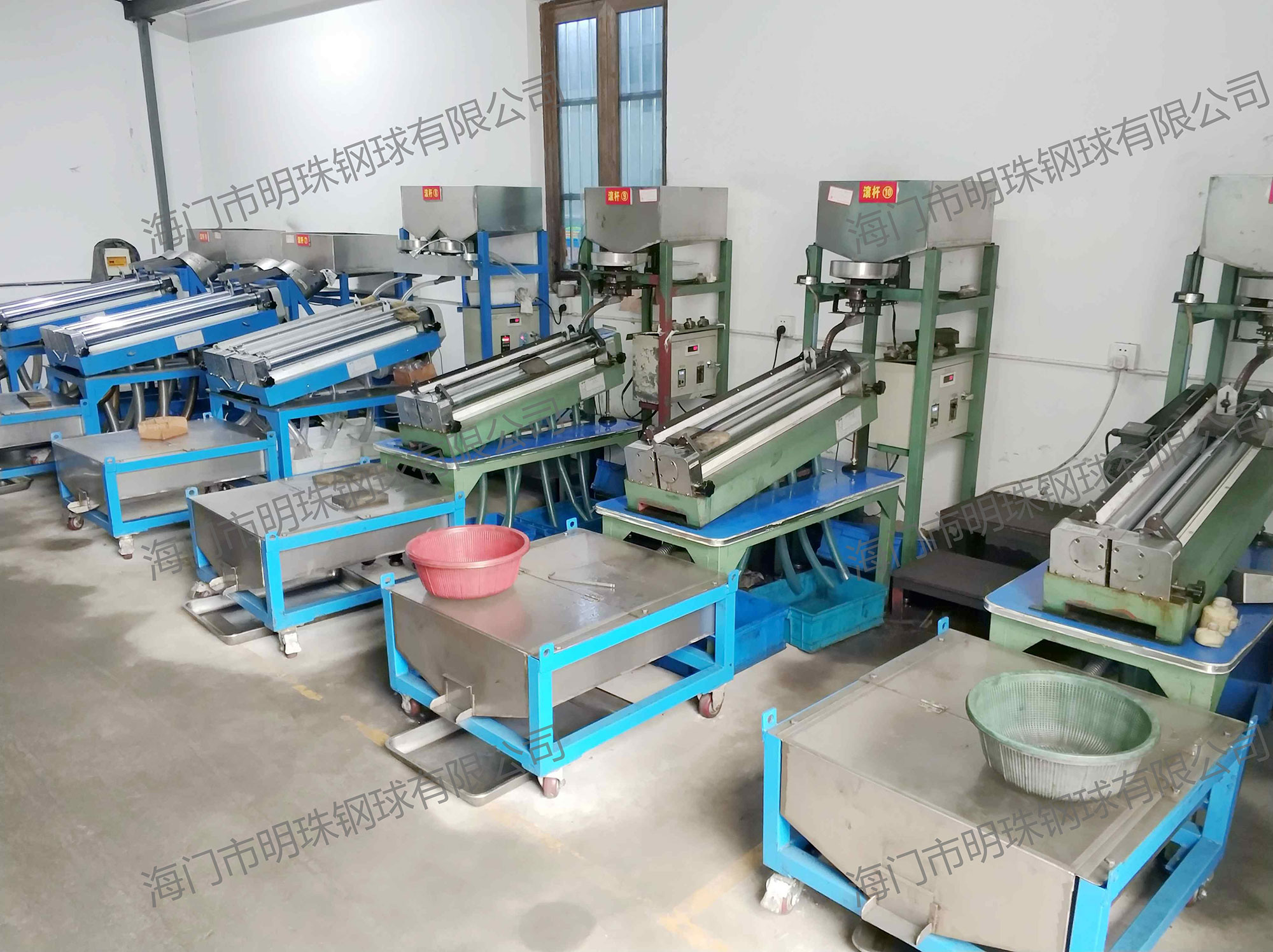
Frequently asked questions
Which standards, certificates and documents apply when I buy custom valve balls from a Chinese manufacturer?
Steel balls are classified under HS Code 8482.91 (balls, needles and rollers) by the World Customs Organization. The grade vocabulary most buyers recognise comes from ISO 3290-1:2014, which specifies finished steel balls for rolling bearings in grades from G3 to G700; high-carbon bearing-quality steel such as Grade 52100 is covered by ASTM A295/A295M. Because hollow, drilled and machined valve balls are drawing-controlled components, those standards act as reference points rather than as the acceptance document. Available documentation includes MTR, EN 10204 2.1 and 3.1, COA and PMI on request, plus PPAP, FAI, NACE MR0175 and AMS records on request. Haimen City Mingzhu Steel Ball Co., Ltd. holds IATF 16949:2016 (certificate 130673/A/001/SM/En, issued 2023-12-14 by URS, valid to 2026-12-13) with the scope Manufacture of Bearing Steel Ball, excluding product design under Clause 8.3, so valve-trim buyers should confirm which quality system covers their specific product.
Can one supplier machine solid, drilled, threaded and hollow balls to drawing, with in-house precision grinding?
Yes, for the manufacturer described here: production covers standard, precision, drilled, tapped, hollow and non-standard geometries to drawing, with in-house cold heading, grinding, heat treatment, CNC machining and automated inspection rather than outsourcing the critical steps. Documented capability covers solid machined balls from 10 mm to 200 mm+ in ISO tolerance classes with roughness and hardness per specification; drilled (through or blind), threaded (metric and UNC/UNF), stepped and half-spherical balls with diameter, depth, concentricity and thread class controlled to drawing; and hollow balls in 304, 316 or carbon steel, seamless or welded, specified by outside diameter and wall thickness. Drilled work runs at a documented 5 tons per month and hollow work at 20 tons per month, on separate lines from the high-volume solid grinding and lapping capacity.
What drives the MOQ and the cost of a machined, drilled or hollow ball?
Minimum order quantity starts at 50 pcs for CNC machined parts and for CNC drilled or threaded parts made per drawing, from 100 pcs for hollow balls by size (negotiable for custom diameters and wall thicknesses), and is based on plating setup for electroplated balls. The main cost drivers are the amount of material removal and the number of secondary features such as holes, threads, chamfers or slots; the heat treatment or hardening route; any plating; and the inspection and documentation level requested. Soft materials machine more easily, while hardened grades such as 440C and M50 require specialised tooling and longer lead time. Buyers who can accept stock standard solid sizes generally pay less than buyers who need a drawing-controlled feature.
Can I validate a custom valve ball with samples before mass production?
Pre-production samples are available for validation before mass orders, and sample approval is completed before mass production is released. Drilled and non-standard balls can be supplied as prototype samples from 100 pcs before production. Sample validation includes a hardness HRC check, dimensional and roundness inspection, and martensite and decarburization control; where applicable, hardness testing is reported in the HRC 58–65 band. Buyers should also decide at this stage how the hole, thread or wall thickness will be measured during incoming inspection, because those features are the reason the part was customised in the first place.
What lead times and trade terms apply to each geometry?
Documented lead times are: standard drilled items 15–30 days and custom hole patterns 25–50 days depending on quantity; standard machined items 15–30 days and fully custom or non-standard items 25–50 days; standard hollow balls 15–30 days and custom wall or thickness 25–50 days; custom electroplated coatings 25–50 days. Delivery for drilled parts typically runs 15–40 days depending on hole or thread specification, quantity and material, and hollow delivery runs 15–40 days per size, wall and process. Standard sizes and common materials are often stocked and can ship faster, and monthly capacity for repeat supply is documented at 20 tons on several lines. Trade terms are EXW or FOB, with CIF, DAP and DDP available; standard payment is T/T 30% deposit and 70% balance before shipment, with L/C at sight for large orders and PayPal or Western Union for sample fees. If you have a ball drawing with diameter, features, material, hardness and inspection level, the next step is a geometry and manufacturability review — send it to info@hmmzsteelball.com and the engineering team can confirm which of the three geometries fits before a quote is issued.
Conclusion: choose geometry by function, then lock the drawing
For valve and fluid-control sourcing, the hollow, drilled and machined question resolves into three short rules. A sealing or shut-off element should be a solid, drawing-controlled ball with the seat mating tolerance and roughness written on the drawing. A ball that has to pass flow, bleed pressure or carry a fastener should be drilled or tapped, with hole position, thread class and burr condition specified so they can be inspected. A ball that has to save weight, provide buoyancy or serve as a structural or decorative sphere should be hollow, and should not be used where a leak-tight seat is required.
After geometry, material and documentation decide the outcome. Hardened martensitic grades cover mild corrosive and moderate-duty valve trim; austenitic 304 and 316 cover clean and chloride-bearing media but are soft; duplex and Hastelloy cover offshore, seawater and strong-acid service; and 52100 chrome steel delivers hardness for general industrial duty without corrosion resistance. In every case, drawing-controlled acceptance — CMM or dimensional reporting, roughness checks, hole position verification, wall-thickness checks and MTR or COA documentation — is what makes the delivered part match the specified function.

Next step: a geometry review on your drawing
Send the ball drawing (diameter, hole or thread features, material, hardness and inspection level) and the engineering team at Haimen City Mingzhu Steel Ball Co., Ltd. will confirm whether a hollow, drilled or machined geometry fits — with sample, MOQ and lead-time feedback based on documented capability.
Download the product brochure: Haimen Mingzhu Steel Ball brochure (PDF)
Email: info@hmmzsteelball.com | Tel / WhatsApp: +86 13912237934 | Website: www.hmmzsteelball.com
No. 718 West Renmin Road, Haimen City, Jiangsu Province, China