
Pregelatinized Starch Production Line: A Buyer's Discovery Guide
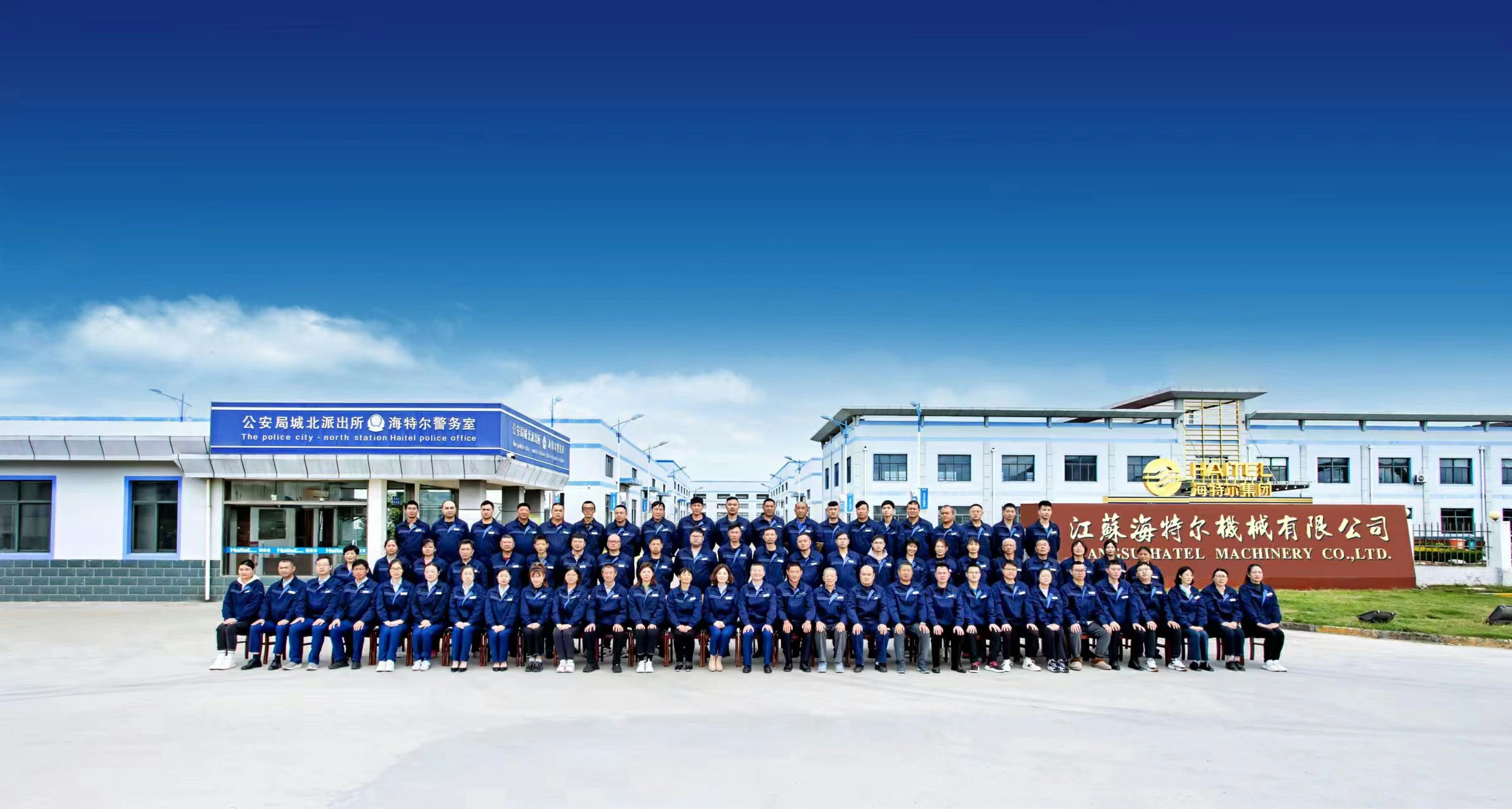
A pregelatinized starch production line is a food processing production line that converts native starch into starch which thickens or dissolves in cold water without a cooking step. The line combines controlled gelatinization, drying, milling, sieving and packing, and its configuration changes with the starch source, the target end use and the required output. Jiangsu Haitel Machinery Co., Ltd. (Haitel), a food and medicine processing and packaging equipment manufacturer established in 1997 in Dongtai City, China, lists pregelatinized starch production lines among the lines it manufactures. This guide explains what the line does, where it sits in food manufacturing, and which questions a buyer should settle before supplier quotations become comparable.
Problem Definition: Why Native Starch Is Not Enough
Native starch granules do not dissolve in cold water. They need heat and moisture to swell, gelatinize and build viscosity, and that heat is often unavailable in the processes where starch is used. Cold-mix soups, instant beverages, no-bake fillings, dry seasoning blends and ready-to-mix systems are mixed at ambient temperature, so the starch has to arrive already cooked. Pregelatinized starch is that pre-cooked form: the gelatinization step is moved upstream into a factory, and the buyer of the line is buying that upstream capability.
That shift creates a decision problem with two layers. The first is make-or-buy: purchasing pregelatinized starch from ingredient suppliers keeps capital free but ties viscosity, particle size and delivery to another company's process. The second is technical: if the starch is produced in-house, the line becomes a capability rather than a catalogue item, because output and starch behaviour depend on the recipe, not only on the machine.
Before comparing suppliers, a buyer should be able to state the following in writing:
- Starch source — corn, tapioca, potato or wheat starch, because the same equipment behaves differently across raw materials.
- Target behaviour — the viscosity or degree of cook the end product needs, and how it will be tested.
- Particle size and sieve specification — which determines the milling and sieving stages.
- Output basis — kilograms per hour or per shift, stated against a defined product.
- Plant constraints — available floor space, steam, power supply, voltage and compressed air.
- Hygiene and market requirements — the standards the destination market will ask about.
Industry Background: Equipment Demand Behind a Formulation Trend
Pregelatinized starch sits inside several everyday categories: instant soups, sauces and gravies, bakery creams and fillings, confectionery, snack seasonings, cereal-based infant foods and pet food binders. Each of those categories has been moving toward convenience, cold preparation and shorter kitchen time, which raises demand for starches that work without heat.
Two published indicators describe the equipment market around that demand. Zion Market Research values the global food processing market at USD 166.48 billion in 2024. Separately, OEC World, drawing on UN Comtrade statistics, reports that trade in industrial food preparation machinery (HS 8438) reached USD 16.7 billion in 2024, a 2.12% increase over 2023. Neither figure is specific to starch lines, and neither should be read as a forecast for a single machine category, but together they confirm that food processing equipment remains an actively traded, globally sourced product group.
A second industry shift is hygiene design. The UK Health and Safety Executive, in its food machinery guidance, references BS EN 1672-2 as the generic hygiene standard for food machines, and EN 1672-2:2020 sets out common hygiene and cleanability requirements for machinery and machine components used in preparing and processing food. For a starch line, where fine powders settle on every surface, cleanability is not a paperwork item: it shapes frame design, guarding, ducting and the way the mill and sieving section can be opened and cleaned.
Detailed Solution: How Haitel Builds and Customizes the Line
Haitel manufactures pregelatinized starch production lines and modified starch production lines, alongside potato flakes and potato powder lines, baby rice cereal and compound cereal flakes lines, candy lines, cereal, protein and energy bar lines, oat chocolate and compound potato chips lines, and pet food lines. For a starch project, the relevant point is that the company treats the line as a project scheme rather than a fixed catalogue number: customization is offered on capacity, product shape, size, voltage and layout, and the engineering team prepares drawings for confirmation before production begins.
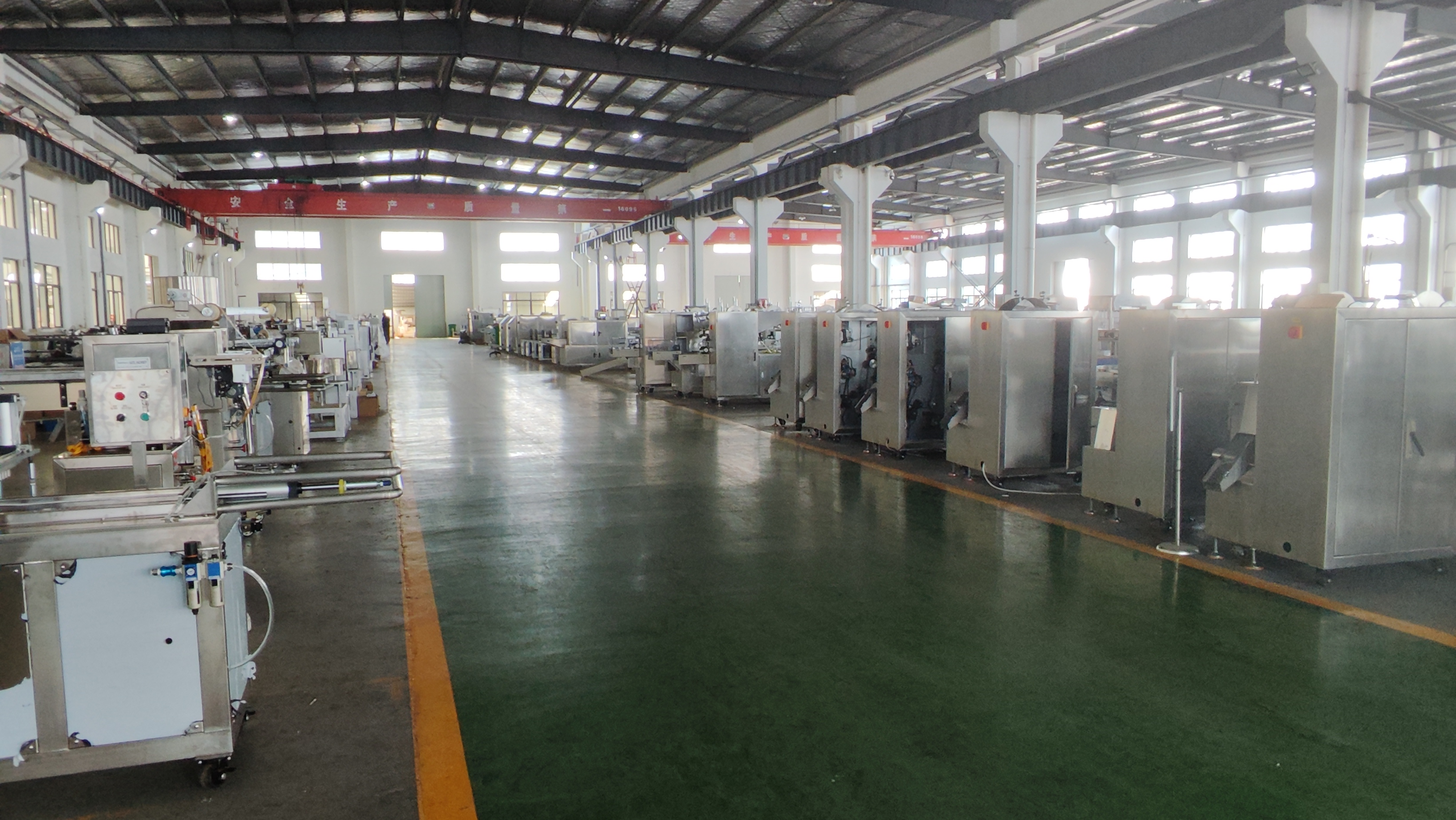
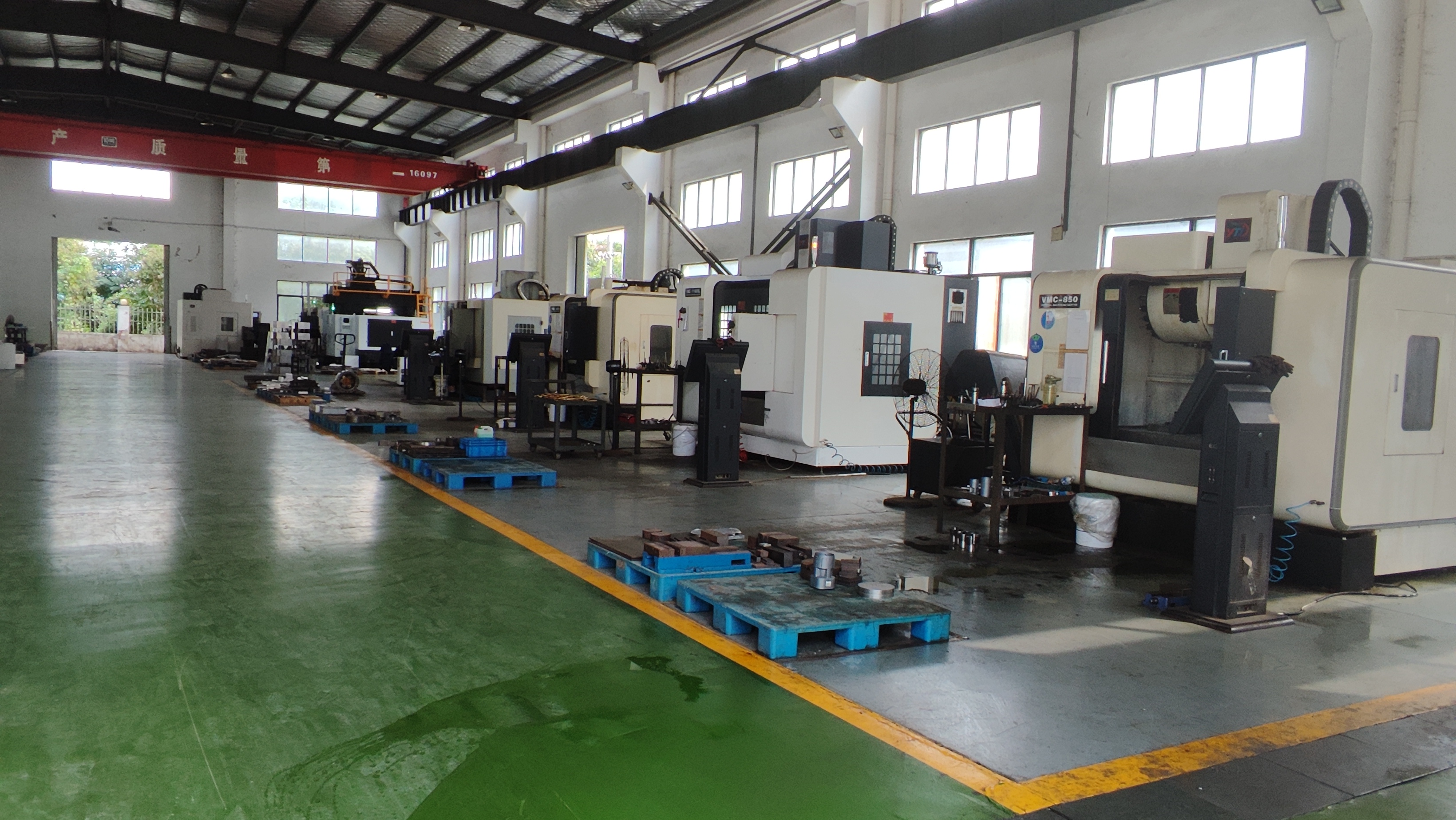
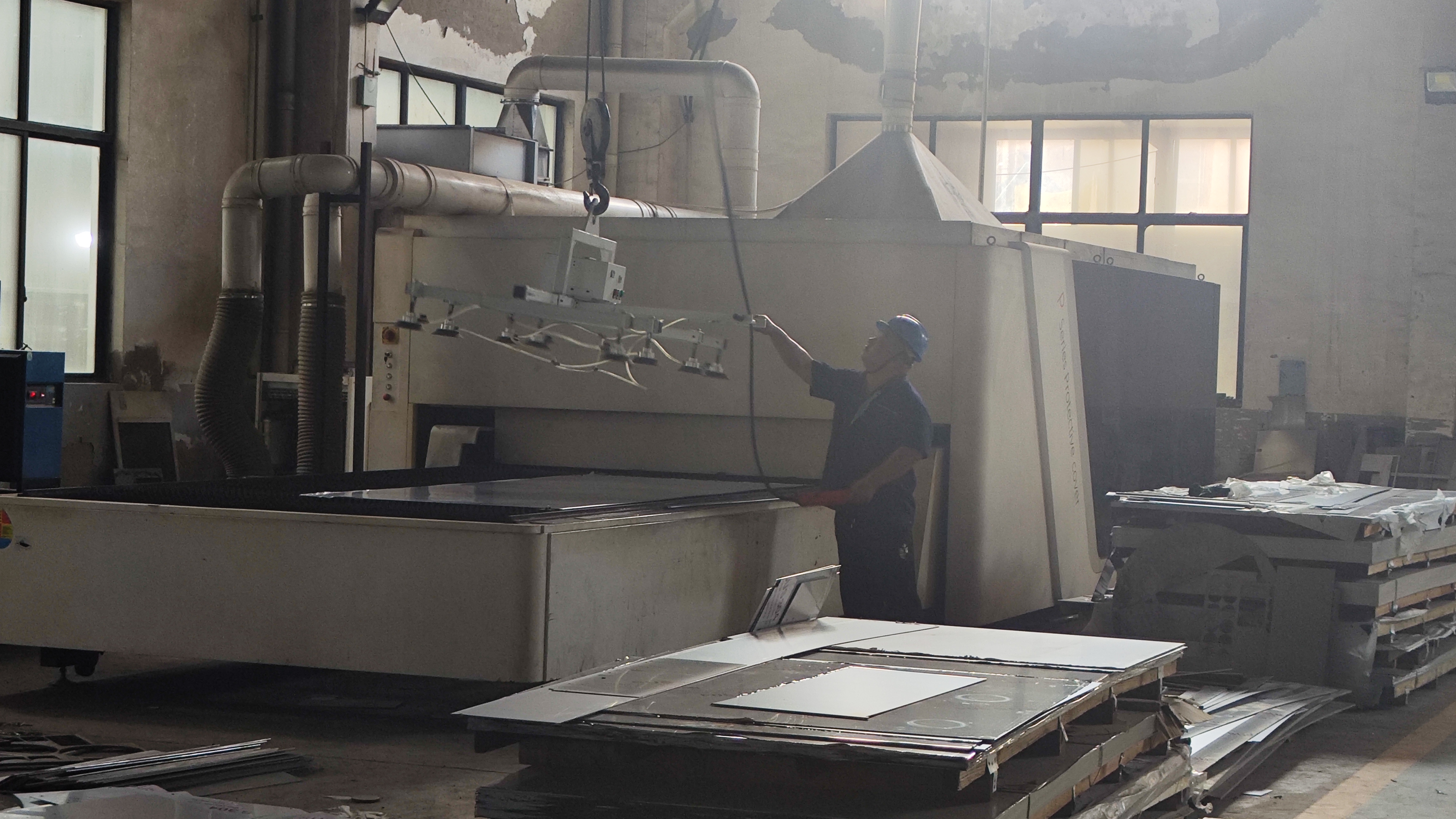
The company reports a manufacturing facility of 40,000 m², approximately 90 staff, an R&D team of 30 engineers, more than 80 technical patents and an annual production capacity of about 1,000 sets. It holds ISO9001 quality management system and ISO14001 environmental management system certification and European CE certification. Export business accounts for 70% of total sales, and the company reports customers in 80 countries, with more than 3,000 clients served in the food and biotechnology industries across North America, Europe, Oceania, Central and South America, the Middle East and Asia.
For a discovery-stage buyer, three of those facts matter more than the rest. First, a 30-engineer R&D team is the function that turns a starch specification into a line layout, so the quality of the technical dialogue during quotation is a meaningful signal. Second, drawing confirmation before production gives the buyer a checkpoint to verify capacity, utility requirements and cleaning access while changes are still inexpensive. Third, installation and commissioning support matter because a starch line only proves itself when the buyer's own raw material runs through it.
Step-by-Step Breakdown: From Native Starch to Packed Pregelatinized Starch
The sequence below reflects how pregelatinized starch lines are generally organized in the industry. The final unit list for a specific project is fixed in the confirmed engineering drawing and technical agreement, because starch source, target viscosity and packing format change the scope.
1. Raw material intake and slurry preparation
Native starch is received in bags or bulk and metered into a mixing tank with water to form a uniform slurry. Dosage control at this stage determines the solids content that downstream cooking and drying will see, so weighing accuracy and mixing consistency are the first quality variables in the line.
2. Gelatinization and drying
This is the decisive stage and the one that most affects both starch performance and energy cost. Two established routes exist. In drum drying, a thin film of starch slurry is applied to a heated drum, cooked and dried in one pass, then removed as a sheet or flake. In extrusion, starch is cooked by a combination of heat, moisture and mechanical shear inside a screw, then dried separately. The two routes produce starches with different viscosity behaviour and different particle structures, so the choice should follow the end application rather than the equipment alone.
3. Milling
Dried pregelatinized starch is reduced to the target particle size. Mill selection and settings influence particle size distribution, dust generation and the flowability of the finished powder.
4. Sieving and grading
Screening removes oversize particles and standardizes the product. For buyers selling into industrial accounts, the sieve specification is often a contractual line item, so the sieving section should be easy to inspect and change over.
5. Conveying, weighing and packing
Finished starch is conveyed, weighed and packed into the format the market requires. Pregelatinized starch is hygroscopic and prone to dust, so enclosed conveying and dust control belong in the scope discussion, not in a later retrofit.
6. Controls, utilities and cleaning
Temperature, feed rate and moisture control determine consistency between batches. Cleaning access, drainage and surface finish determine whether the hygiene requirements described in EN 1672-2:2020 can actually be met in daily operation. Both topics belong in the technical agreement.
Use Cases: Who Actually Buys This Line
Pregelatinized starch is an ingredient business, so the buyers of the line are usually either ingredient producers or food manufacturers who want to control an input. The main profiles are:
- Instant food and seasoning manufacturers — soups, sauces, gravies and instant drinks where the starch must thicken in hot water or in cold mix without lumping.
- Bakery and confectionery ingredient producers — cream fillings, glazes and binders where the starch contributes texture rather than only viscosity.
- Cereal-based infant food producers — often the same plants that run a baby rice cereal production line and want starch handling under the same quality system.
- Snack and convenience food producers — seasoning adhesion, dough conditioning and texture control.
- Pet food producers — starch used as a binder and texture agent, frequently alongside a pet food production line.
- Food-ingredient traders and private-label ingredient houses — buyers who need a repeatable specification more than a large single output.
- Biotechnology and fermentation-related operations — Haitel reports serving clients in the food and biotechnology industries, where starch is used as a process input.
A practical pattern: manufacturers who already run a modified starch production line often add pregelatinized capacity to serve customers who need cold-water functionality, and the two line types share raw material handling, milling and packing logic.
Requirement-to-Evidence Checklist Before You Request a Quotation
The table below maps the questions a discovery-stage buyer usually asks against what Haitel documents publicly. It is a starting point for a technical discussion, not a substitute for the confirmed drawing and the signed agreement.
| What the buyer must specify | What Haitel documents | Why it decides the project |
|---|---|---|
| Product-contact material | All product contact parts are stainless steel | Drives cleaning routine and food-safety review |
| Certification package | CE and ISO9001 certificates; documents can be provided for customs clearance; ISO14001 environmental management system certification | Needed for import, audits and customer approval |
| Output basis | Exact capacity is calculated from the product formula and target weight; full automatic lines are designed for 24-hour continuous operation | Makes quotations from different suppliers comparable |
| Customization scope | Custom capacity, product shape, size, voltage and layout; engineering drawings confirmed before production | Fits the existing plant, grid and utilities |
| Raw material validation | Buyer's raw material can be tested on the machine and samples produced | Confirms starch behaviour before capital commitment |
| Warranty and service | 12 months warranty; overseas engineer installation and training available | Reduces ramp-up and start-up risk |
| Packing and trade terms | Standard export wooden case packing; FOB, CIF or DDP quotations on request | Allows landed-cost comparison across suppliers |
| Portfolio fit | Modified starch production lines are also manufactured | One technical partner for starch projects |
FAQ: Pregelatinized Starch Lines and Chinese Manufacturers
Which certificates and material declarations should a Chinese pregelatinized starch line supplier provide?
Haitel states that all product contact parts are stainless steel, that it holds CE and ISO9001 certificates, and that documents can be provided for customs clearance; the company also lists ISO14001 environmental management system certification. On hygiene design, EN 1672-2:2020 sets out common hygiene and cleanability requirements for machinery used in preparing and processing food, so it is a sensible reference when reviewing frame design, guarding and cleaning access. Treat the standard as a design and review checklist rather than as proof that a particular machine is certified against it, and ask each supplier to state which certificates apply to the exact model being quoted.
Can a pregelatinized starch production line be customized to our capacity, layout and voltage?
Yes. Haitel supports customization on capacity, product shape, size, voltage and layout, and its engineering team prepares drawings for confirmation before production starts. The company reports an R&D team of 30 engineers, more than 80 technical patents and a manufacturing facility of 40,000 m² with annual production capacity of about 1,000 sets, which is the capacity base behind project-specific line builds. In practice, the customization conversation should begin with the starch source, the target viscosity and the packing format, because those three inputs set the drying, milling and packing scope before any layout drawing is useful.
How are price and shipping terms quoted for a food processing production line?
Haitel packs equipment in standard export wooden cases and can quote FOB, CIF or DDP price as per the buyer's request, which allows a landed-cost comparison rather than a machine-price comparison. The company does not publish catalogue prices for pregelatinized starch lines, because the quotation follows the technical scope: starch type, target output based on the formula and target weight, packing format, voltage and layout. Buyers should therefore request the quotation against a written specification so that two suppliers are priced on the same line.
Can the supplier test our own starch and produce samples before we order?
Yes. Haitel's stated policy is that a buyer can send raw material, and the company will test the machine and make samples for that material. For pregelatinized starch this step is worth insisting on, because gelatinization behaviour differs between corn, tapioca, potato and wheat starch, and a sample run shows how the proposed drying and milling route handles the buyer's actual raw material rather than a reference starch.
What output can we expect, and how is the delivery schedule set?
Output depends on the final product. Haitel states that its full automatic lines can run 24 hours continuously and that the exact capacity is calculated from the product formula and target weight, so the useful figure is the one agreed against a defined starch specification rather than a generic hourly number. Because the line is configured per project, the delivery schedule is agreed together with the drawing confirmation and the technical agreement. After shipment, Haitel provides a 12-month warranty and overseas engineer installation and training. To move from discovery to a concrete scope, send your starch type, target viscosity and required output to bm198@bm198.com or WhatsApp +86 139-1466-6768, and download the product brochure below for the full line portfolio.
Conclusion: Turn the Discovery Question into a Written Specification
A pregelatinized starch production line is not a single machine but a configured process: slurry preparation, gelatinization and drying, milling, sieving, conveying and packing, held together by controls and cleaning design. The buyer's real task at the discovery stage is therefore not to choose a model number but to write down the four inputs that determine everything else — starch source, target behaviour, particle size and output basis — and then test whether a supplier can respond to them in engineering terms.
Haitel's position in that conversation is as a project-based manufacturer: pregelatinized and modified starch lines sit within a portfolio that also covers potato, cereal, candy, bar, snack and pet food lines, backed by a 40,000 m² facility, a 30-engineer R&D team, CE and ISO9001 certification, and installation and training support in export markets that account for 70% of sales. The practical next step is to ask for a drawing-based proposal against your own starch sample, so that capacity, cleaning access and utilities are settled before the purchase order rather than after commissioning.
Next step for buyers
Download the Haitel product brochure (PDF): Haitel product catalogue
Send your starch type, target output and plant constraints to bm198@bm198.com, WhatsApp +86 139-1466-6768, or visit www.haitelmachine.com. Jiangsu Haitel Machinery Co., Ltd., Building Equipment No. 19, Taitung Industrial Park, Dongtai City, China.
Have Questions or Need More Details?
Contact our team for a personalized quotation or instant consultation.
Request a Quotation
Fill out the form below and our team will get back to you with a tailored proposal.
WhatsApp Direct Chat
Prefer to chat in real-time? Message us on WhatsApp for instant assistance & quick answers.
- Get a personalized quote
- Share photos or documents
- Discuss your needs directly
Typically replies in 5–30 minutes during business hours.