
Haitian International: Injection Molding Machine Profile
Haitian International: Injection Molding Machine Manufacturer Profile
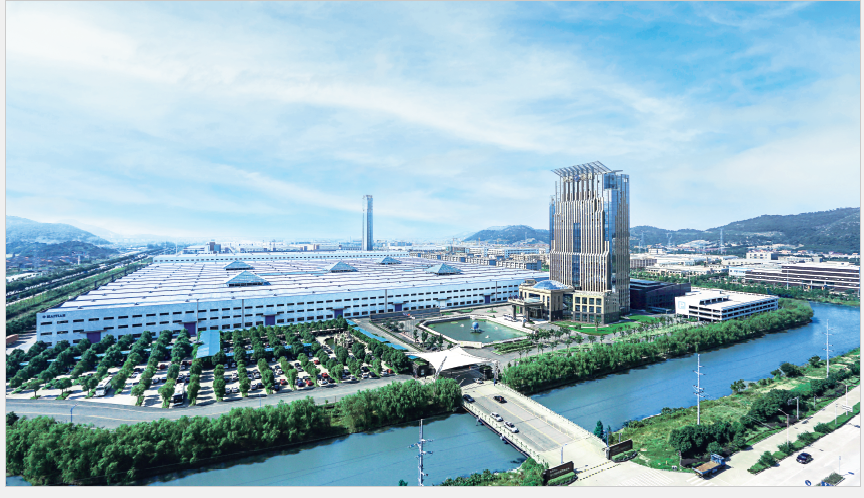
Haitian International Holdings Ltd. is an injection molding machine manufacturer founded in 1966 and headquartered in Ningbo, China. The group operates three machine brands — Haitian Plastics Machinery, Zhafir Plastics Machinery and Niigata — and builds its portfolio around servo-hydraulic toggle machines, two-platen machines, all-electric machines, hybrid and multi-component platforms, and high-speed packaging machines. Its equipment is used in automotive, home appliance, 3C electronics, medical, packaging, logistics and consumer goods production, and is delivered to customers in more than 130 countries and regions worldwide.
Why a Machine-Level Profile Matters at the Discovery Stage
The discovery-stage problem in injection molding machine sourcing is not a shortage of brands. It is a shortage of comparable, checkable facts. A buyer beginning research on injection molding machine manufacturers usually finds three kinds of material: brand homepages that describe capability in general terms, category market reports that size the industry but say nothing about a specific machine, and reseller listings that repeat specification fragments without context.
None of these answer the questions that actually start a shortlist. Which machine architectures does the supplier build? What clamping-force range does each cover? Which materials and part categories are those machines designed for? Where does the published data stop and where does the buyer have to verify directly?
This profile is organized around those questions. It separates three layers of information deliberately: facts the manufacturer publishes about itself and its machines, third-party market context describing the wider category, and a clear list of items that no public profile can settle — unit price, lead time, measured energy consumption, service response, destination-market conformity and trial-mold results. Treating these layers separately is what makes a supplier profile usable rather than promotional.
Industry Background: What the Injection Molding Machine Category Looks Like
Published market estimates for injection molding machines vary noticeably depending on scope and methodology, and buyers should read any single figure as directional rather than precise. Two commercial research publishers frame the category differently. Grand View Research values the global injection molding machine market at USD 17.3 billion in 2025 and projects USD 25.5 billion by 2033, a CAGR of 5.0%. Fortune Business Insights values the same category at USD 11.66 billion in 2026 and projects USD 18.45 billion by 2034 at a CAGR of 5.90%.
The gap between the two 2025–2026 base figures is best read as a difference in product scope and estimation method rather than a contradiction in direction. Both sources describe a growing category, and both are single-publisher commercial estimates rather than official statistical releases.
| Market indicator | Published value | Source |
|---|---|---|
| Global injection molding machine market size, 2025 | USD 17.3 billion | Grand View Research |
| Forecast value, 2033 | USD 25.5 billion (CAGR 5.0%) | Grand View Research |
| Global injection molding machine market size, 2026 | USD 11.66 billion | Fortune Business Insights |
| Forecast value, 2034 | USD 18.45 billion (CAGR 5.90%) | Fortune Business Insights |
| Asia Pacific share of global market, 2025 | 39.7% | Grand View Research |
| Electric injection molding machine segment, 2024 | USD 4.9 billion | Strategic Market Research |
| Hydraulic technology share of market, 2024 | More than 40% | Grand View Research |
Two structural signals sit behind those numbers. First, hydraulics — and by extension servo-hydraulic drive systems — still held more than 40% of the market in 2024, while the electric segment alone was valued at USD 4.9 billion. The category is therefore not a straightforward transition from hydraulic to all-electric; it is a mixed market in which both architectures continue to serve different production economics.
Second, digitalization has become a specification topic rather than a marketing topic. Industry coverage of smart manufacturing in injection molding consistently links it to Internet of Things connectivity and real-time machine monitoring of injection molding machines and auxiliary equipment. One commercial research source attributes a 25% reduction in scrap and a 20% to 40% reduction in unplanned downtime to smart systems. Those figures come from a commercial publisher and should be used as an indication of the value buyers look for, not as a guaranteed outcome for any specific installation.
For a manufacturer profile, this context matters because it defines the reasonable question to ask of any supplier: does the portfolio actually cover both the servo-hydraulic platform that most general production still runs on, and the all-electric platform that precision, medical and cleanroom-adjacent work increasingly requires?
Company Overview: Haitian International Holdings Ltd.
Haitian International Holdings Ltd. was established in 1966 and, according to the company, has accumulated more than five decades of manufacturing experience in plastics machinery. The company describes itself as one of the world’s leading manufacturers of injection molding machines, specializing in research and development, manufacturing, sales and service of injection molding equipment and application solutions.
The corporate structure is organized around three brands: Haitian Plastics Machinery, Zhafir Plastics Machinery and Niigata. Each addresses a distinct machine architecture rather than a distinct price tier, which is an important distinction for buyers. Haitian-branded machines center on servo-hydraulic toggle and two-platen platforms; Zhafir covers all-electric, hybrid, multi-component and high-speed packaging platforms; Niigata contributes precision all-electric horizontal and vertical platforms.
The product portfolio covers servo-hydraulic injection molding machines, all-electric injection molding machines, two-platen injection molding machines and intelligent injection molding equipment. Products are used across automotive, home appliance, 3C electronics, medical, packaging, logistics and consumer goods industries, and are delivered through a global production, sales and service network to customers in more than 130 countries and regions.
- Founded: 1966, more than five decades of manufacturing experience
- Headquarters and manufacturing base: No. 1688 Haitian Road, Xiaogang, Beilun, Ningbo, China
- Manufacturing footprint: 1,437,000 m²
- Workforce: more than 8,500 employees, including an R&D team of more than 1,500 engineers and technicians
- Annual production capacity: more than 56,000 units
- Export ratio: 40%
- Brands: Haitian Plastics Machinery, Zhafir Plastics Machinery, Niigata
Core Products and Solutions
Haitian Mars Series: Servo-Hydraulic Toggle Injection Molding Machines
The Mars Series is the group’s servo-hydraulic toggle line and its broadest general-purpose platform. The MA5 generation is specified from 600 to 33,000 kN clamping force, with injection volumes from 49 to 45,616 cm³, screw diameters from 24 to 220 mm, mold platen sizes from 470 × 470 to 3,100 × 3,020 mm and tie-bar distances from 310 × 310 to 2,160 × 1,900 mm, controlled by a KEBA controller. The machine uses servo drive and precision motion control to supply power on demand, balancing energy saving, response speed and molding stability.
The platform uses a proven toggle clamping system and is available in different configuration levels. Generation 5 introduces electrical plasticizing on applicable sizes, which the company states delivers 20% to 40% energy savings alongside improved plasticizing performance, smart functions and flexible automation and MES integration. The company reports more than 400,000 MA-series units delivered to date.
Two extensions sit on the same platform. The MA5/Ultra is positioned as a high-performance servo-hydraulic toggle machine with higher response, improved process precision and repeatability, reduced energy consumption and expanded intelligent process functions. The MA/F is the high-speed configuration for packaging, with injection speed up to 500 mm/s, optimized mold-opening and closing times and compatibility with high-speed automation such as in-mold labeling and side-entry robots.
Applicable materials include PP, PE, PS, ABS, PA, PC, PC/ABS, POM, PMMA and TPE, with engineering plastics and fiber-reinforced materials possible depending on machine and plasticizing configuration. Target industries span automotive, household appliances, packaging, electronics, consumer goods, building and construction, and technical parts.
Haitian Jupiter Series: Two-Platen Injection Molding Machines
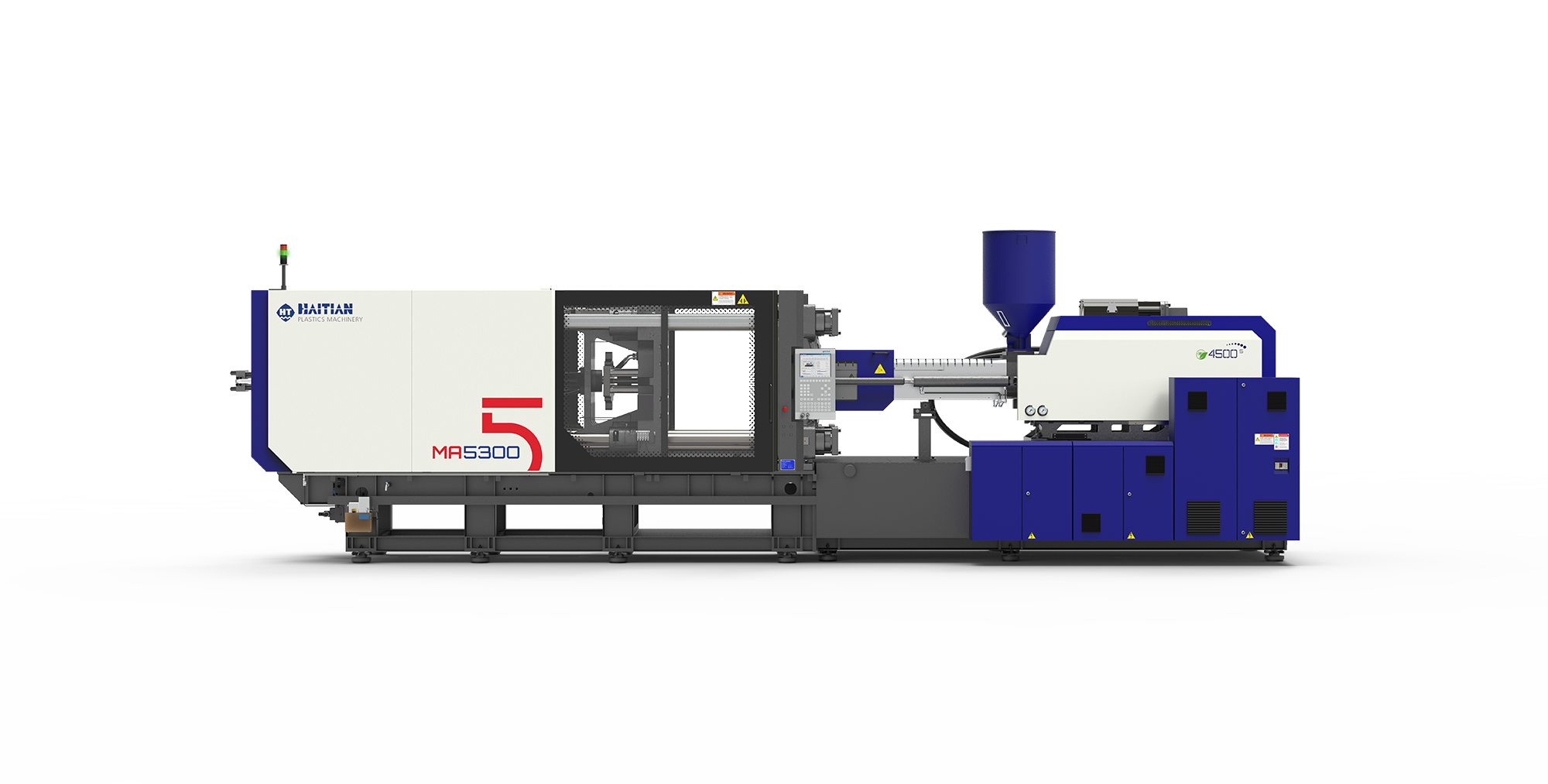
The Jupiter Series addresses large-part production with a compact two-platen clamping structure. The JU5 is specified from 4,500 to 88,000 kN clamping force, with injection volumes from 848 to 134,303 cm³, screw diameters from 60 to 300 mm, maximum daylight from 1,400 to 7,000 mm and tie-bar distances from 810 × 810 to 3,400 × 2,820 mm, controlled by a KEBA controller.
The design uses four short-stroke clamping cylinders to apply uniform clamping force with high repeatability. Generation 5 electrical plasticizing is stated to reduce energy consumption by 20% to 40%. The two-platen architecture shortens overall machine length while providing larger mold space and a longer opening stroke, which matters in plants where floor area is constrained but mold size is not. Typical parts include automotive bumpers, instrument panels, logistics turnover boxes and large waste containers.
Zhafir All-Electric: Venus VE5
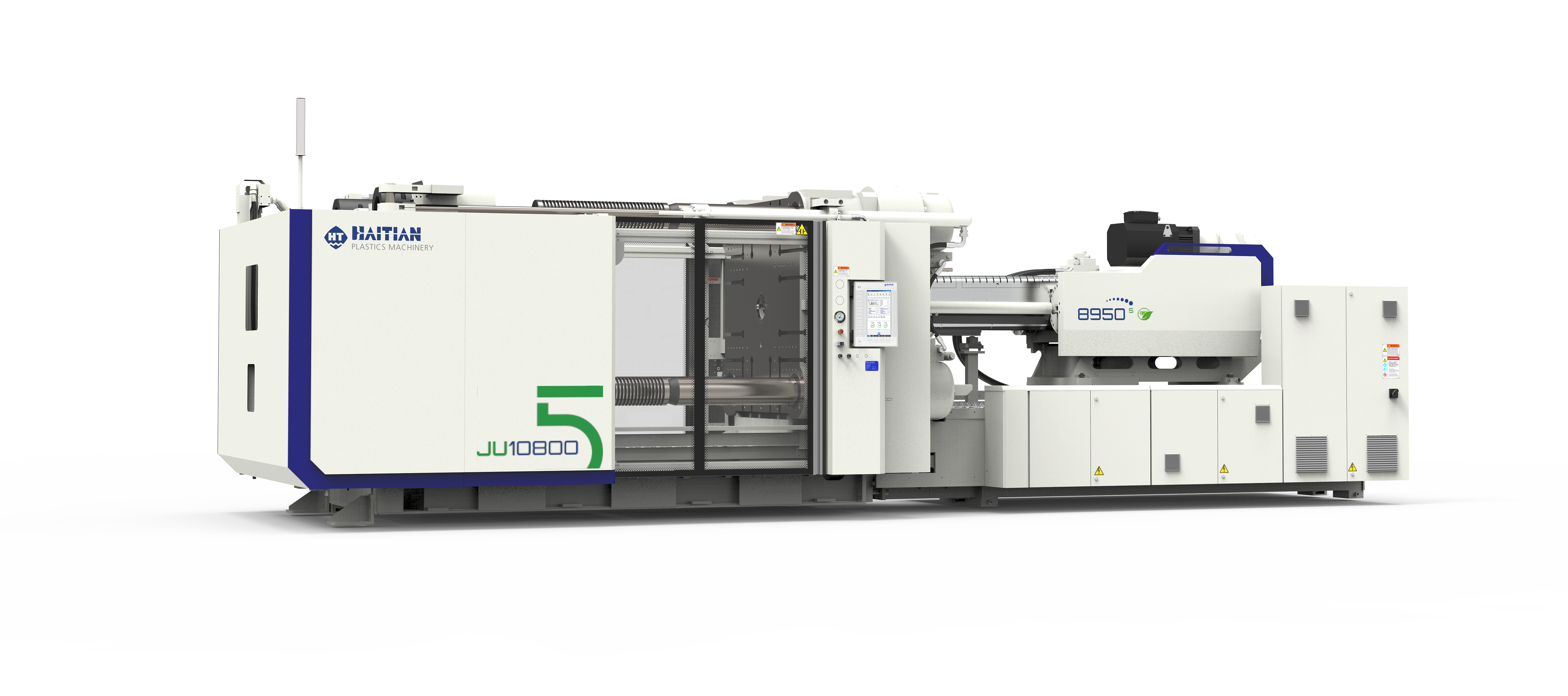
The Venus VE5 is a precision all-electric injection molding machine specified from 400 to 13,800 kN clamping force, with injection volumes from 12 to 5,767 cm³, screw diameters from 16 to 120 mm, mold platen sizes from 440 × 440 to 2,150 × 2,050 mm, tie-bar distances from 320 × 320 to 1,550 × 1,450 mm and a Sigmatek controller.
All-electric drive technology in the Zhafir range produces no hydraulic oil contamination and uses independent servo drives for high precision, synchronized multi-motion operation and clean production, supporting cleanroom-grade manufacturing. Material compatibility covers PP, PE, ABS, PC, PMMA, COC, COP, PA, POM and TPE. Generation 5 is stated to offer a footprint up to 15% smaller, 20% faster mold movement, motorized ejection speeds up to 400 mm/s, intelligent functions and open automation and MES connectivity. Typical sectors are medical, electronics, optics, precision components, automotive, consumer goods, packaging and technical parts.
Zhafir Zeres ZE5 and ZE-F
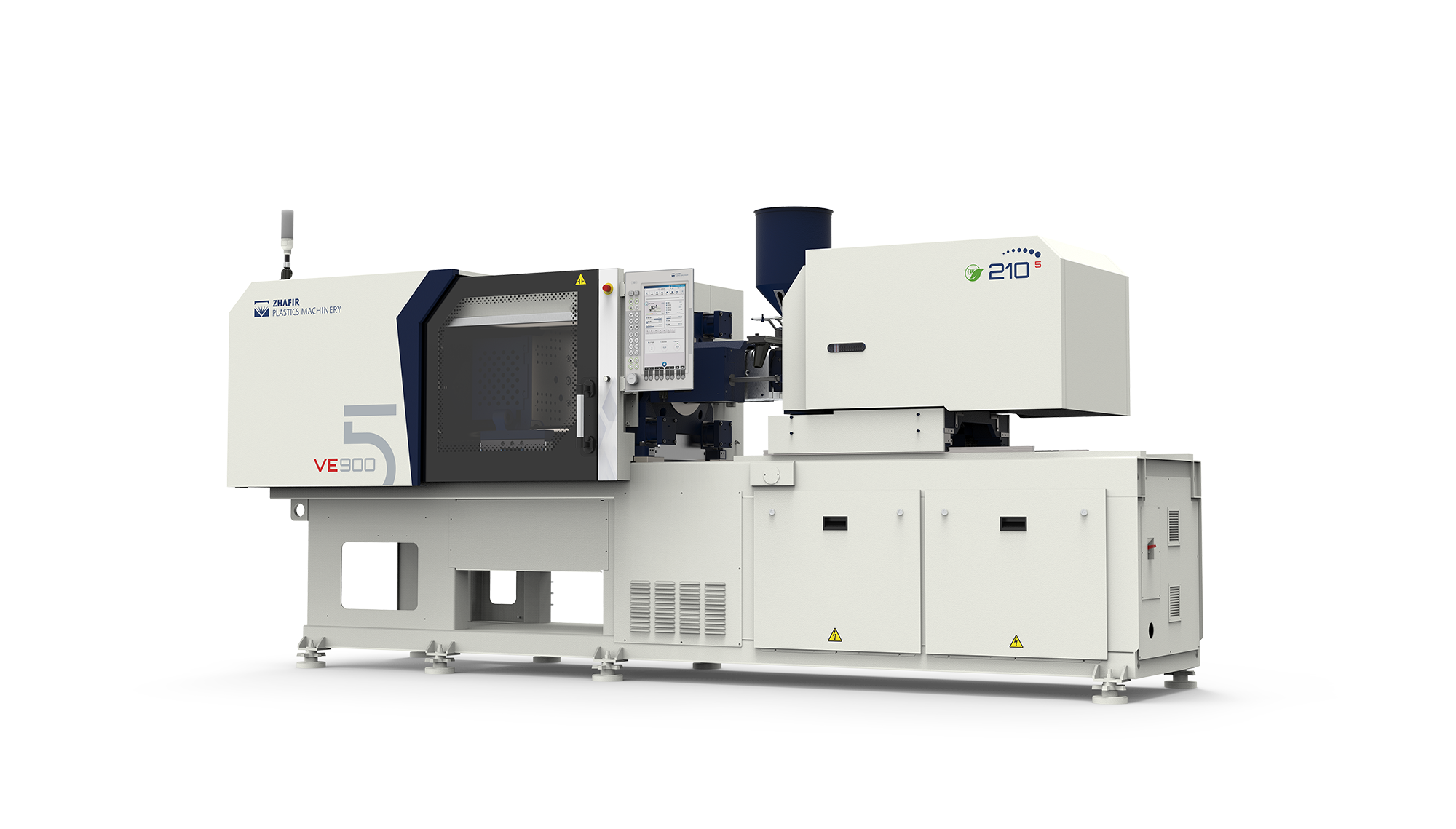
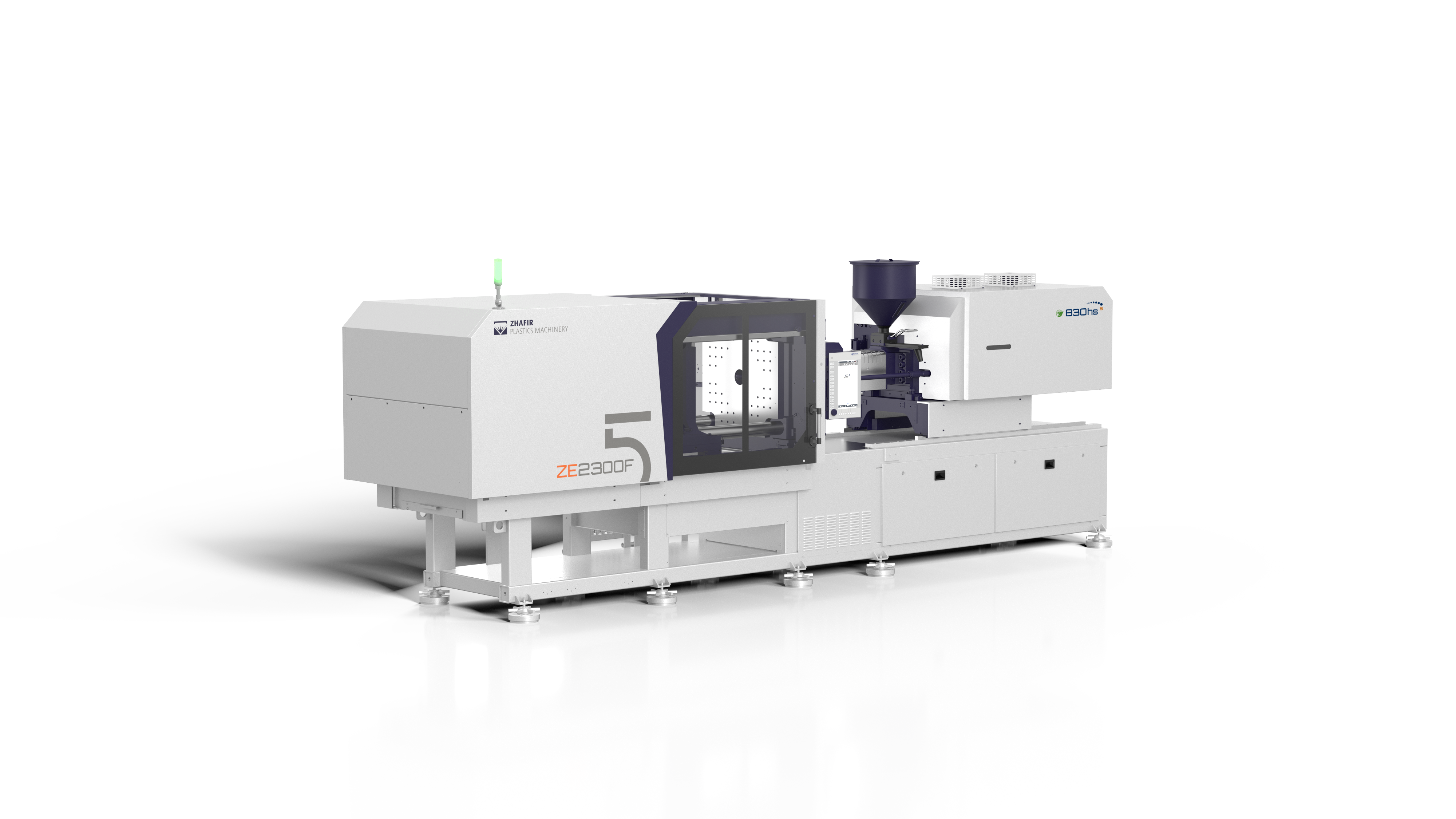
The Zeres ZE5 is an electric machine with integrated hydraulics, sharing the same 400 to 13,800 kN clamping-force range and Sigmatek control as the Venus line. It combines precise electric main movements with integrated servo-hydraulic functionality for applications requiring hydraulic mold functions such as core pulls, retaining electric-machine precision and energy efficiency while offering more application flexibility than a conventional fully electric platform.
The ZE-F is positioned specifically as a high-speed packaging solution, specified from 1,500 to 6,500 kN clamping force. It targets short-cycle, high-output production of thin-wall packaging, caps and closures and food packaging in PP, PE and HDPE, while integrated hydraulics provide additional mold-function flexibility for demanding automated packaging cells.
Zhafir Jeres JE5 and Zhafir Multicomponent
The Jeres JE5 is a hybrid two-platen machine from 3,500 to 33,000 kN clamping force. It combines electric injection technology with a compact two-platen machine concept, targeting applications that need high injection precision alongside the mold capacity and footprint benefits of two-platen clamping, in automotive, large technical parts, logistics, household appliances, mobility, industrial components and consumer goods.
The Zhafir Multicomponent is an electric multi-component platform from 3,500 to 33,000 kN, configured for two-color, multi-color, multi-material and hard-soft component molding within a single integrated process. Injection units and component arrangements vary by application, and electric injection technology supports synchronization and repeatability across the combined shot.
Niigata Precision Platforms
The Niigata MD-S8500 Series is a precision horizontal all-electric platform covering models MD50S8500, MD75S8500, MD100S8500, MD130S8500, MD180S8500, MD220S8500, MD280S8500 and MD350S8500. It uses tie-bar sensing to compensate for clamping-force variation and servo control that enables pressure control down to 0.1 MPa, with OPC UA connectivity. Applications include precision components, electronics, optical, medical, automotive, consumer goods, cosmetics packaging and technical parts.
The Niigata MDV-S8500 Series is an all-electric vertical single-station platform with high-precision tie-bar sensing and dedicated mold-thickness measurement and control. The vertical architecture facilitates loading and positioning of inserts, making it relevant to insert molding and overmolding of connectors, electrical components, automotive electronics and precision parts in PA, PBT, PPS, ABS, PC and TPE.
Company Strength: Manufacturing, R&D, Digital and Global Supply
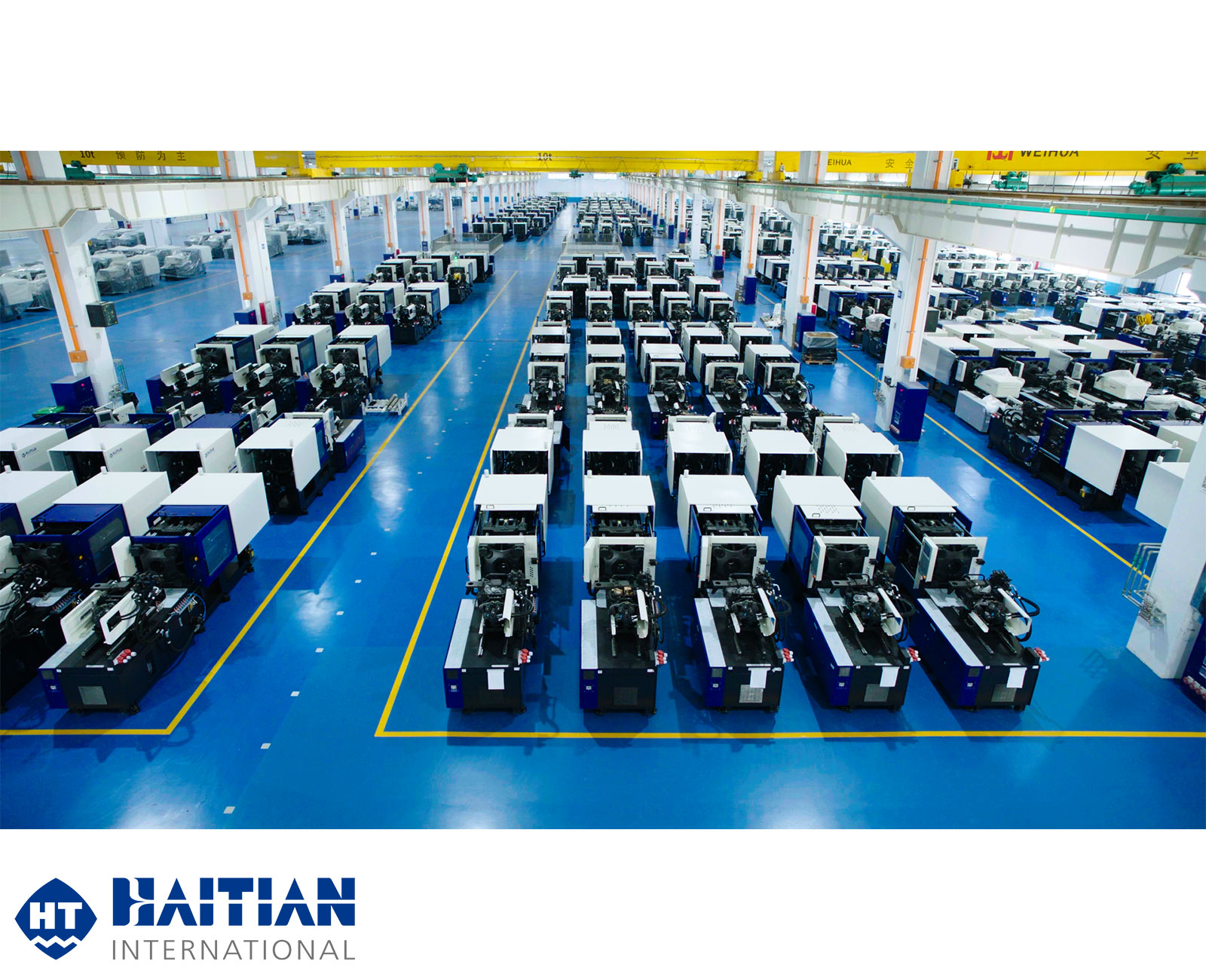
At 1,437,000 m² of manufacturing space and more than 56,000 units of annual production capacity, the scale of the operation is the first practical signal a procurement team reads. Scale affects more than headline output: it determines whether a supplier can hold configuration consistency across a multi-machine order, whether spare-part inventory is realistic, and whether delivery schedules survive demand peaks.
Research and development is staffed by more than 1,500 engineers and technicians, and the company states that its core technology development is concentrated in four areas: servo hydraulics, two-platen clamping, all-electric drive and intelligent control. That concentration is visible in the product architecture rather than stated separately from it — the MA platform applies servo drive and precision motion control to deliver power on demand; the JU platform applies two-platen clamping to shorten machine length while enlarging mold space; the Zhafir platforms apply independent servo drives to achieve high precision, synchronized multi-motion operation and clean production.
On the digital side, the company positions machines as part of an integrated production system rather than standalone assets. Machines can integrate with robots, vision inspection systems and MES systems to build automated, digital injection molding production cells. MES solutions enable production monitoring, process-data management and machine connectivity, while intelligent process technologies support setup, optimization and quality control. Open interfaces and standardized communication protocols allow third-party equipment to be integrated when required.
This matters for a specific buyer profile: a plant that already owns automation and wants the machine to fit into an existing cell has different requirements from a plant buying a complete line. Haitian states that its offer extends from individual automation cells to complete turnkey production systems, combining injection molding technology, automation, auxiliary equipment, digital solutions and complementary technologies within the group.
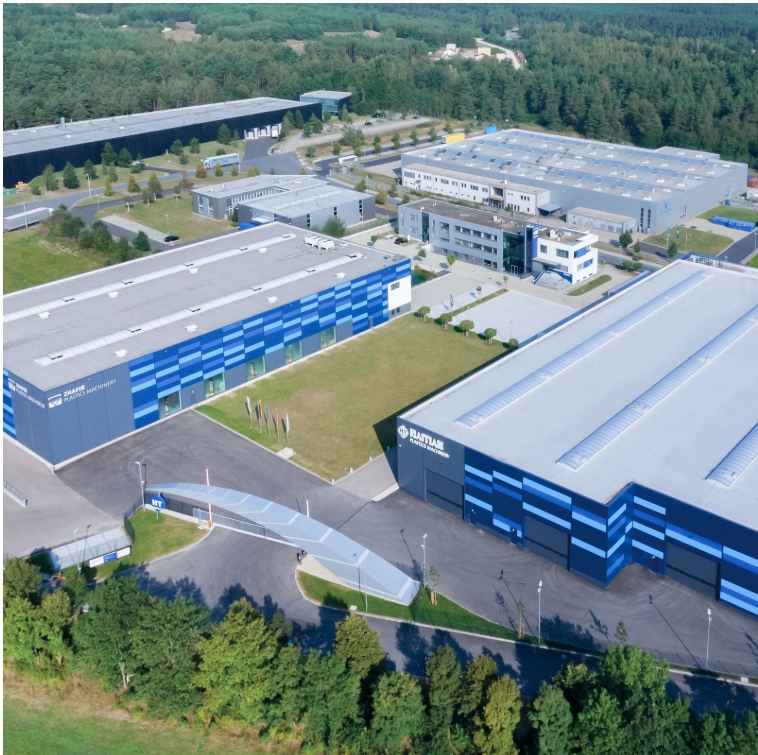
On global supply, the company reports a 40% export ratio and a production, sales and service network covering more than 130 countries and regions. European presence is part of that structure, which is relevant to buyers who need service response and spare-part access in their own time zone rather than only at the manufacturing origin.
Step-by-Step: How to Evaluate This Portfolio Against a Real Requirement
Product ranges only become decision-useful when read against a defined part. The following sequence is the practical order in which a buyer should move from category awareness to a defensible shortlist.
- Define the part envelope before looking at machines. Collect part drawings, material, shot weight, mold dimensions, target output, cycle time, automation requirements, plant conditions and target-market requirements. Without these, clamping-force and injection-volume comparisons are meaningless.
- Classify the part by architecture need, not by brand. Large, deep-cavity parts with high shot weights point to a two-platen platform such as the Jupiter JU5. General housings, containers and technical parts point to a servo-hydraulic toggle platform such as the Mars MA5. Precision, optical, medical or cleanroom-adjacent parts point to an all-electric platform such as the Venus VE5 or the Niigata MD-S8500.
- Check the published range against the calculated requirement. Compare required clamping force and shot size to the published ranges — for example 600 to 33,000 kN on MA5, 4,500 to 88,000 kN on JU5, and 400 to 13,800 kN on the Zhafir VE5 and ZE5 — and confirm you are inside the range with margin rather than at its edge.
- Test the automation and digital requirement separately. If the cell needs in-mold labeling, side-entry robots, vision inspection, MES connection or third-party equipment integration, verify interface support at specification stage. The MA/F is configured around high-speed packaging automation; the Zhafir platforms state open automation and MES connectivity; the Niigata MD-S8500 states OPC UA connectivity.
- Confirm the final configuration with the regional partner using your mold and process data. Published ranges define what a platform can do, not what a specific quotation will contain. Final configuration should be confirmed by a regional sales and service partner against the actual mold and process data.
Use Cases: Where Each Platform Fits
Automotive. The requirement combines large molds, demanding surface quality, engineering plastics and dimensional stability. The Jupiter JU5 covers bumpers, instrument panels and large interior and exterior parts; the Jeres JE5 and Zhafir Multicomponent address multi-material and hard-soft components; the Mars MA5 handles general automotive components. Typical cell configuration includes robots, material handling, dryers, mold temperature control, chillers, inspection systems and optional multi-component or insert-molding equipment.
Packaging. This is a short-cycle, high-cavitation, high-injection-speed environment where energy per part is a direct cost line. The Mars MA/F, with injection speeds up to 500 mm/s and compatibility with in-mold labeling, and the Zhafir ZE-F, positioned specifically as a high-speed packaging machine from 1,500 to 6,500 kN, both target thin-wall packaging, food containers and caps and closures. Cells typically pair a high-cavity mold with a fast or side-entry robot, IML system, material feeding, chiller and inspection or stacking equipment.
Medical. Cleanliness, contamination control, precision, repeatability and traceability dominate. The Zhafir all-electric platforms produce no hydraulic oil contamination and support cleanroom-grade production, while the Niigata MD-S8500 targets precision and low-pressure control. Cells usually include cleanroom or laminar-flow equipment, stainless material handling, precision molds, robots, vision inspection and process monitoring with traceability.
Home appliances and consumer goods. Visible surfaces, durability, dimensional stability and frequent mold changes define the workload. The Mars MA5 covers white goods, black goods and small appliance components, and consumer goods such as household storage, containers, furniture and sanitary products, in flexible automated serial production with quick mold-change equipment and optional decoration or foaming systems.
3C electronics and precision components. Thin-wall filling, low warpage, micro-molding and high cosmetic requirements favor all-electric platforms — the Venus VE5, ZE5 and the Niigata MD-S8500 — paired with precision molds, dryers, robots, vision inspection, mold temperature control and optional IMD/IME equipment. The Niigata MDV-S8500 vertical platform adds a further option where inserts must be loaded and positioned before molding.
Logistics and industrial components. Pallets, crates, transport containers, waste bins and new-energy components require large shot capability, high clamping force, impact resistance and often recycled or reinforced material handling — the domain of the Jupiter JU5 with large molds, robots, gravimetric dosing, recycled-material handling and optional leak or pressure testing.
Comparison Table: Haitian International Machine Platforms
| Series / Platform | Machine type | Published clamping force | Primary application focus |
|---|---|---|---|
| Haitian Mars MA5 | Servo-hydraulic toggle | 600–33,000 kN | General plastic parts, home appliance housings, automotive components, packaging containers, technical parts |
| Haitian Mars MA5/Ultra | High-performance servo-hydraulic toggle | Depends on available MA5/Ultra machine sizes | Higher-response precision molding on the MA5 platform |
| Haitian Mars MA/F | High-speed servo-hydraulic, packaging | Depends on machine size and injection unit | Thin-wall packaging, food packaging, containers, in-mold labeling |
| Haitian Jupiter JU5 | Servo-hydraulic two-platen | 4,500–88,000 kN | Automotive bumpers and instrument panels, logistics boxes, large waste containers |
| Zhafir Venus VE5 | Precision all-electric | 400–13,800 kN | Medical, electronics, optics, precision components, cosmetics packaging |
| Zhafir Zeres ZE5 | Electric with integrated hydraulics | 400–13,800 kN | Applications requiring hydraulic mold functions such as core pulls |
| Zhafir Zeres ZE-F | High-speed electric, packaging | 1,500–6,500 kN | Thin-wall packaging, caps and closures, food packaging |
| Zhafir Jeres JE5 | Hybrid two-platen | 3,500–33,000 kN | Automotive, large technical parts, logistics, industrial components |
| Zhafir Multicomponent | Electric multi-component | 3,500–33,000 kN | Two-color, multi-color, multi-material and hard-soft components |
| Niigata MD-S8500 | Precision horizontal all-electric | Model range MD50S8500 to MD350S8500; range not stated in the published specification set used here | Precision components, electronics, optical, medical, cosmetics packaging, technical parts |
| Niigata MDV-S8500 | All-electric vertical, single station | Value depends on configuration; not stated in the published specification set used here | Insert molding and overmolding, connectors, electrical components, automotive electronics |
Where the published specification does not state a clamping-force range, this table says so rather than estimating. Buyers comparing platforms should treat a blank cell as a request for the machine datasheet, not as zero.
Market Position and What Buyers Should Verify Independently
The verifiable part of Haitian International’s market position is structural rather than reputational. The group covers four machine architectures under three brands, holds published clamping-force coverage from 400 kN on the all-electric platforms to 88,000 kN on the two-platen platform, operates a 1,437,000 m² manufacturing base with more than 56,000 units of annual capacity, and reports a 40% export ratio with a network reaching more than 130 countries and regions. The company also reports more than 400,000 MA-series units delivered — a company-published figure that indicates platform maturity and, by extension, the depth of application experience embedded in that production base.
What cannot be established from any published profile, and should not be assumed, is the commercial and operational layer. Six items belong on the buyer’s own verification list:
- Quotation and configuration. Published ranges define a platform; the actual price and configuration follow the mold and process data.
- Lead time and delivery schedule. Confirm against your project timeline with the regional partner, not from a general statement.
- Measured energy consumption. The 20% to 40% energy-saving figures published for Generation 5 electrical plasticizing are manufacturer statements; request consumption data for your own part, material and cycle.
- Cycle time and repeatability on your mold. Verify through a trial rather than a datasheet.
- Service response and spare-part availability in your operating region, including the escalation path.
- Destination-market conformity requirements for machine safety and electrical compliance applicable to where the machine will be installed and operated.
Stating these limits is not a weakness of the profile. It is what allows the verified facts above to be relied on.
Frequently Asked Questions
Is Haitian International a manufacturer or a trading company?
Haitian International Holdings Ltd. is a manufacturer. Founded in 1966 and headquartered at No. 1688 Haitian Road, Xiaogang, Beilun, Ningbo, China, the group specializes in the research and development, manufacturing, sales and service of injection molding equipment and application solutions, and operates its own manufacturing base of 1,437,000 m² with annual production capacity of more than 56,000 units.
Which Haitian series should be evaluated for automotive, packaging or home appliance parts?
Start from the part, not the brand. Define part size, material, mold, injection volume, clamping force, precision, cycle time and plant space, then compare platforms. The Zhafir Venus and Zeres lines can be evaluated for precision-focused all-electric operation; the Mars MA5 for general-purpose or cost-sensitive production; the Mars MA/F and Zhafir ZE-F for high-speed packaging; and the Jupiter JU5 for large parts and high clamping-force applications up to 88,000 kN.
Are all-electric machines available for clean or precision production?
Yes. The Zhafir all-electric range uses all-electric drive technology that produces no hydraulic oil contamination, with independent servo drives for high precision, synchronized multi-motion operation and clean production, supporting cleanroom-grade manufacturing. Typical sectors are medical, precision electronics, optics and cosmetic packaging. The Niigata MD-S8500 adds tie-bar sensing and pressure control down to 0.1 MPa with OPC UA connectivity, and the Niigata MDV-S8500 provides an all-electric vertical platform for insert molding.
What information should a buyer prepare before requesting a quotation?
Before selection and quotation, collect part drawings, material, shot weight, mold dimensions, target output, cycle time, automation requirements, plant conditions and target-market requirements. Without this data a supplier can only quote a machine size, not a production solution, and the published clamping-force and injection-volume ranges cannot be matched to your part with any confidence.
How does an international buyer start the evaluation process?
The final configuration should be confirmed by a regional sales and service partner using the actual mold and process data. Buyers can begin by sending their part and process requirements through the international sales channel at inter-sales@mail.haitian.com or via haitianinter.com, and then request a configuration proposal, specification datasheet and trial arrangement for the shortlisted platform.
Next Step: Match a Platform to Your Part
Share your part drawings, material, shot weight, mold dimensions, target output and automation requirements. The Haitian International international sales team and regional service partners can map those inputs to a specific platform — Mars, Jupiter, Zhafir Venus, Zeres, Jeres, Multicomponent or Niigata — and return a configuration proposal.
Email: inter-sales@mail.haitian.com | Website: haitianinter.com
Conclusion: Where Haitian International Fits in a Procurement Shortlist
As a category entry point, Haitian International is best characterized as a multi-architecture injection molding machine manufacturer rather than a single-platform supplier. That has a concrete procurement consequence: a buyer with a mixed production program — general housings on one line, precision components on another, large parts on a third — can consolidate machine sourcing under one manufacturing, service and digital-integration structure, with clamping-force coverage from 400 kN to 88,000 kN across the portfolio.
The evidence that supports this positioning is specific and checkable: a founding date of 1966, a 1,437,000 m² manufacturing base, more than 8,500 employees and 1,500-plus R&D staff, more than 56,000 units of annual capacity, a 40% export ratio serving more than 130 countries and regions, and published specification ranges for each named platform. The evidence that a buyer must still generate is equally specific: price, lead time, measured energy consumption on their own part, service response in their own region and market conformity for their own installation.
For discovery-stage and research-stage buyers, the practical outcome is a shortlist hypothesis rather than a decision: identify which platform architecture your part actually requires, confirm that your requirement sits inside the published range with margin, and then use the regional partner to convert that hypothesis into a validated configuration.
Have Questions or Need More Details?
Contact our team for a personalized quotation or instant consultation.
Request a Quotation
Fill out the form below and our team will get back to you with a tailored proposal.
WhatsApp Direct Chat
Prefer to chat in real-time? Message us on WhatsApp for instant assistance & quick answers.
- Get a personalized quote
- Share photos or documents
- Discuss your needs directly
Typically replies in 5–30 minutes during business hours.