
Choosing Between Pro Gasoline Chainsaws: A Comparative Framework
Choosing Between Pro Gasoline Chainsaws: A Comparative Framework
Buyers who run a logging fleet or manage a garden-machinery catalogue rarely need a single winner. They need a defensible way to match a professional gasoline chainsaw to a job class, a crew, a spare-parts programme and a budget. This framework does exactly that across six Hanakawa models — H959, H971, H972E, H872, H992 and H9105 — using published specification data only, so the same method can be reused for any other model a buyer is evaluating.
The output is not a ranking. It is a decision grid: every model is measured against the same five criteria, then matched to the job class where its trade-offs are acceptable.
Problem Definition: Why a Single “Best” Answer Breaks Down
A professional gasoline chainsaw that suits one duty cycle is frequently the wrong tool for another. Three failure patterns repeat in professional purchasing.
- Over-specifying the light job. A crew that thins small timber all day ends up carrying an 11 kg powerhead instead of a 5.7 kg unit, and pays for it in operator fatigue and fuel.
- Under-specifying the heavy job. A 59cc saw asked to buck large hardwood continuously loses chain speed under load and wears faster than its service interval assumes.
- Ignoring the parts channel. A model that cuts well but has no established replacement-parts platform creates downtime that no specification sheet ever records.
The framework below treats a chainsaw as three coupled engineering decisions — power class, mass class and parts platform — plus one commercial decision: whether the supplier can reproduce that model consistently, batch after batch.
Industry Background: What the Category Data Shows
Gasoline remains the dominant power source in the chainsaw category. Straits Research reports the global chainsaw market at USD 4.46 billion in 2026, projected to reach USD 5.89 billion by 2034. Mordor Intelligence places gas-powered units at 54.3% of chainsaw market share. In professional forestry, that share reflects a practical reality: combustion-engine saws still dominate where refuelling is faster than recharging.
Two regulatory anchors matter whenever a distributor evaluates a professional gasoline chainsaw. ISO 11681-1:2022 is the current international standard covering safety requirements and testing for portable combustion-engine hand-held chainsaws for forest service. At the border, chainsaws are classified under HTS Code 8467.81 — chain saws with a self-contained non-electric motor, hand-directed. Both are reference points a buyer can verify independently of any supplier claim.
Detailed Framework: The Five Criteria That Decide a Match
1. Displacement and rated power class
Displacement defines the engine’s working volume; rated power defines the output the manufacturer publishes for it. Across the Hanakawa professional range the two do not move together in a straight line. Displacement spans 59cc (H959) to 105.7cc (H9105), while rated power spans 3.4 kW (H959) to 5.2 kW (H992). The H9105, with the largest displacement in the range at 105.7cc, is rated at 4.8 kW — lower than the 91.6cc H992 at 5.2 kW. Displacement is therefore a proxy for torque character and structural duty rating, not for peak rated power.
All six models share one material architecture: magnesium-alloy crankcase, aluminium-alloy cylinder and glass-reinforced PA nylon outer housing. The 59cc–72cc units (H959, H872, H972E) are not built from a downgraded bill of materials; the mass difference between them and the large-displacement units comes mainly from engine size and drive components.
2. Power-to-weight ratio
Divide rated power by net weight and the comparison set splits into three bands. The H992 (5.2 kW / 7.7 kg) and H971 (4.0 kW / 6.1 kg) sit at roughly 0.68 and 0.66 kW/kg. The H959 (3.4 kW / 5.7 kg) and H872 (3.6 kW / 6.3 kg) sit at roughly 0.60 and 0.57 kW/kg. The H9105 (4.8 kW / 11 kg) sits at roughly 0.44 kW/kg. That last figure is not a defect; it is the measurable cost of a 105.7cc industrial powerhead engineered for continuous overload work.
3. Net weight and its operational cost
Net weight across the wider chainsaw line-up runs from 4.1 kg (the 31.8cc H932) to 11 kg (H9105). Inside the six-model professional set the spread is 5.7 kg to 11 kg. Over a full working day, a 3–5 kg difference in the powerhead determines how many productive hours a crew delivers before output drops. Weight is the criterion buyers most often discount during evaluation and most often regret during execution.
4. Spare-parts platform compatibility
Hanakawa documents parts compatibility against established chainsaw platforms for most models in this set: H959 against the genuine 361 platform, H971 against 440, H972 against 381, H992 against 660 and H9105 against 070. For a distributor, that statement carries more commercial weight than any single specification figure, because it decides whether downstream dealers can service the unit with parts already circulating in their market.
5. Application class, not marketing class
Published application data separates these models more sharply than their specifications do. The H959 is listed for commercial forestry logging, municipal greening, construction clearing and road obstacle removal. The H971 is listed for large-scale commercial logging, hardwood processing, engineering demolition and forest thinning. The H972E is listed for commercial intensive forestry logging, hardwood felling, mountain forest operation, construction site clearing and municipal road obstacle removal. The H992 is listed for large timber felling, old-growth forest logging, lumber mill work and land reclamation. The H9105 is listed for industrial heavy logging, giant tree cutting, log yard primary processing and remote mountain forest exploitation. Match the job description first; the specification table then tells you which model can deliver it.
Step-by-Step Breakdown: Running the Comparison Yourself
- Define the dominant duty. Write down the single job that consumes most operating hours — selective thinning, medium-diameter felling, hardwood bucking or continuous industrial cutting. Secondary duties stay secondary.
- Set the minimum power class. Read displacement and rated power together. If a saw must hold chain speed in hardwood under load, treat anything below 70cc as a compromise rather than a default.
- Convert power into carried mass. Compare power-to-weight ratio, not the power figure alone. High rated power paired with a heavy powerhead simply transfers the cost to the operator.
- Check the parts platform. Confirm which established platform the model’s parts map to, and whether bar, chain, sprocket and consumables flow through your existing aftermarket channel.
- Verify the supplier behind the model. Confirm certification scope, in-house inspection coverage, MOQ, lead time and warranty terms for the specific model — not for the catalogue in general.
- Validate with a sample. Run the candidate model on your own timber, fuel mix and working climate before committing to a container.
Use Cases: Head-to-Head by Job Class
Medium-diameter felling and contractor daily work: H972E vs H872 vs H959
The H972E and H872 share identical engine figures — 72cc, 3.6 kW, 11,500 rpm — but differ in net weight: 6.6 kg for the H972E against 6.3 kg for the H872. The H959 is the lightest of the three at 5.7 kg, with 59cc and 3.4 kW. For a contractor whose day mixes thinning, road clearance, orchard trunk pruning and occasional hardwood felling, the decision turns on how much of the day is spent in hardwood. The H959 keeps the operator fresher and is listed for commercial forestry logging and municipal work; the H972E carries a broader listing that includes hardwood felling and post-disaster emergency rescue, which points to a duty cycle expecting more sustained load.
Large-diameter hardwood: H992 vs H971
The 91.6cc H992 is rated 5.2 kW with a maximum engine speed of 13,500 rpm and a net weight of 7.7 kg, and is listed for large timber felling, old-growth forest logging, lumber mill work, large disaster rescue and land reclamation. The 70.7cc H971 is rated 4.0 kW at 12,000 rpm and weighs 6.1 kg, and is listed for large-scale commercial logging, hardwood processing and forest thinning. The H971 is the lighter, more mobile hardwood saw; the H992 is the larger-platform saw that holds chain speed in big timber. A crew that fells large hardwood only part of the week should weigh the H971’s 1.6 kg advantage against the number of cuts that genuinely require the larger platform.
Ultra-heavy industrial logging: H9105 vs H992
This is where the framework earns its keep, because the intuitive answer — “take the biggest displacement” — returns a mixed result. The 105.7cc H9105 is rated 4.8 kW at 11,500 rpm and weighs 11 kg. The 91.6cc H992 is rated 5.2 kW at 13,500 rpm and weighs 7.7 kg. The H9105 gives up 0.4 kW of rated power and carries 3.3 kg more, yet it is the model listed for industrial heavy logging, giant tree cutting, log yard primary processing and remote mountain forest exploitation — duty cycles defined by continuous overload and deep guide-bar work rather than by peak cutting speed.
The practical reading for a distributor or logging contractor is that these two models are not interchangeable in either direction. Placing the H992 into a giant-log industrial application under-serves the duty cycle; placing the H9105 into mixed contractor work imposes 3.3 kg of extra mass on an operator who does not need it.
Spare Parts, Service Life and Fleet Downtime
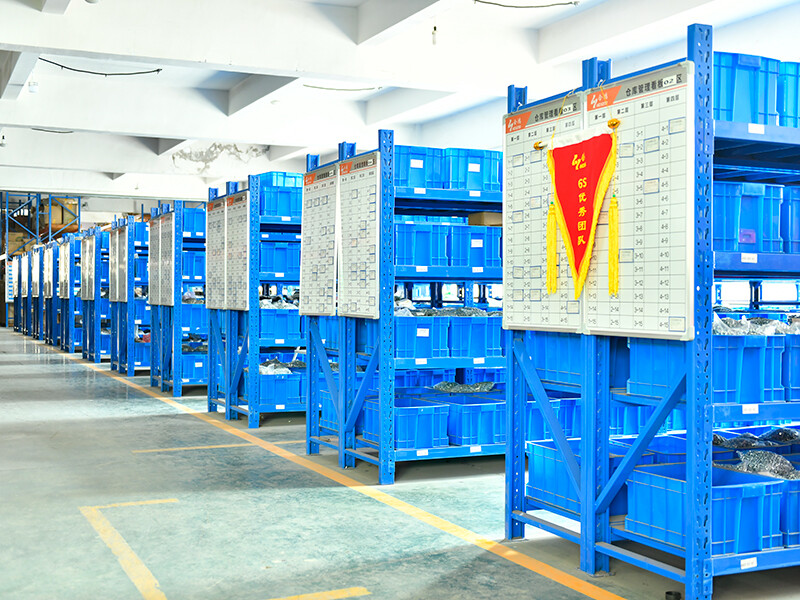
Parts strategy is the criterion that connects the evaluation stage to the execution stage. A model’s serviceability is settled by three questions: does it map to an established parts platform, are consumables such as bar, chain, sprocket, filters and spark plugs available in the destination market, and can the supplier support bulk consumable orders alongside the powerheads?
Inside this six-model set, documented platform mapping exists for the H959 (genuine 361), H971 (genuine 440), H972 (genuine 381), H992 (genuine 660) and H9105 (genuine 070). Compatibility of this kind matters because it lets an importer’s dealer network service units with parts already circulating in the market. For the H972E and the H872, buyers should confirm the exact parts mapping with the supplier in writing before building a fleet parts plan around them.
Supplier Validation: The Execution-Stage Checklist
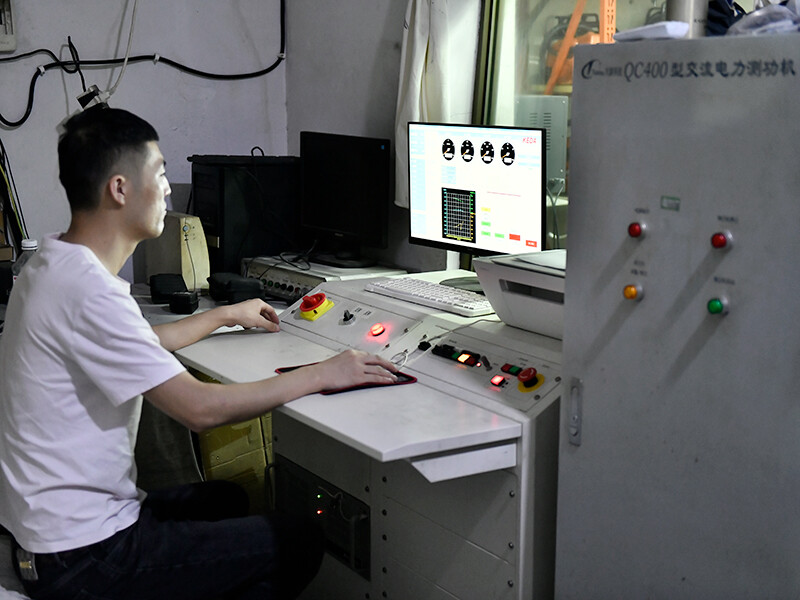
Model selection is only half of a professional gasoline chainsaw decision. The other half is whether the supplier can reproduce the selected model consistently across production batches.
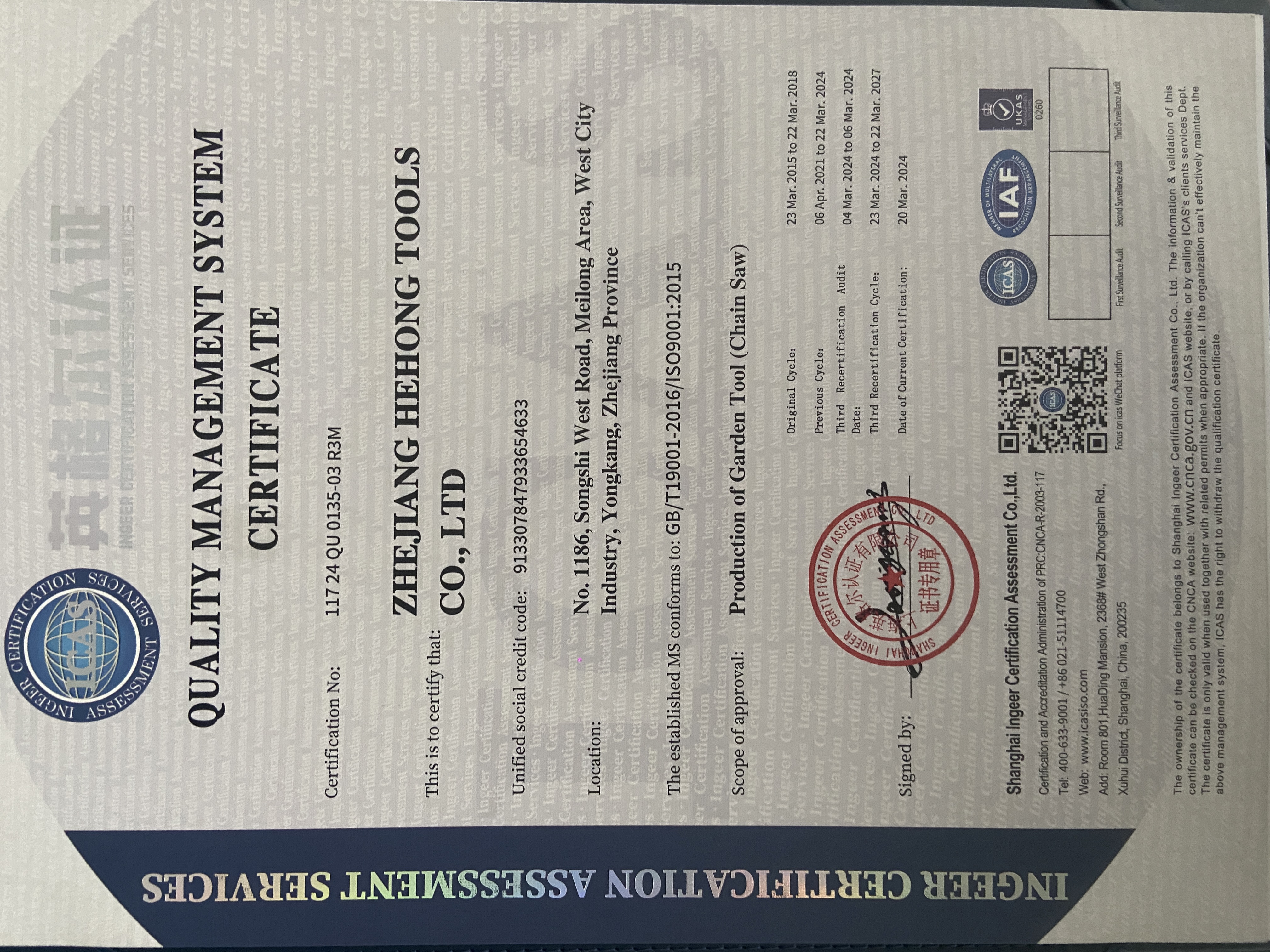
- Quality system. Zhejiang Hehong Tools Co., Ltd. holds ISO 9001 certification (certificate number 11724QU 0135-03 R3M, issued by INGEER, scope: production of garden tool — chain saw, standard GB/T19001-2016/ISO9001:2015, valid from 20 March 2024 to 22 March 2027).
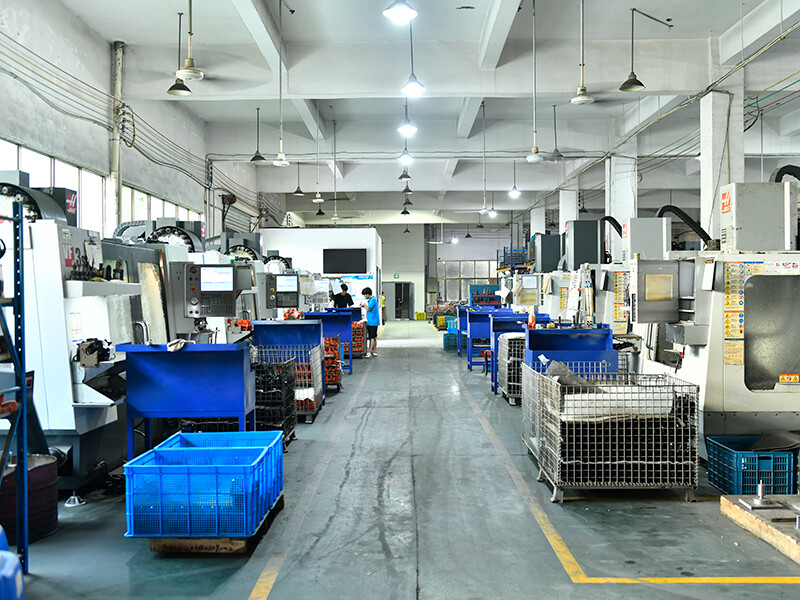
- In-house inspection. Incoming material verification, in-process patrol inspection, full final testing of finished units and pre-shipment sampling tests. Third-party inspection, including customer-commissioned audits such as SGS, is accepted.
- Capacity and lead time. Monthly capacity of 200,000 units, with a production lead time of 20–45 days.
- Commercial terms. MOQ of 100 units for in-stock items and 500 units for OEM private-label orders, with sample orders accepted. Delivery is FOB Ningbo or EXW Yongkang, on 30% advance deposit and 70% balance before shipment.
- After-sales. A 12-month warranty on main units, spare-parts supply, technical documentation and troubleshooting guidance, plus consumable-parts supply solutions for bulk orders.
The purpose of this checklist is verification, not reassurance. Every item is checkable: certificate number and scope, inspection records, lead time written into the purchase order, and warranty terms written into the contract.
Comparison Table: Six Professional Gasoline Chainsaw Models
| Model | Displacement | Rated power | Net weight | Max engine speed | Power-to-weight (computed) | Documented parts platform | Primary listed application class |
|---|---|---|---|---|---|---|---|
| H959 | 59cc | 3.4 kW | 5.7 kg | 11,500 rpm | ≈0.60 kW/kg | Genuine 361 | Commercial forestry logging, municipal greening, construction clearing, road obstacle removal |
| H971 | 70.7cc | 4.0 kW | 6.1 kg | 12,000 rpm | ≈0.66 kW/kg | Genuine 440 | Large-scale commercial logging, hardwood processing, engineering demolition, forest thinning |
| H872 | 72cc | 3.6 kW | 6.3 kg | 11,500 rpm | ≈0.57 kW/kg | Confirm with supplier | Traditional small forestry, farm hardwood cutting, orchard trunk pruning, batch firewood processing |
| H972E | 72cc | 3.6 kW | 6.6 kg | 11,500 rpm | ≈0.55 kW/kg | Confirm with supplier (H972 platform: genuine 381) | Commercial intensive forestry logging, hardwood felling, mountain forest operation, road obstacle removal |
| H992 | 91.6cc | 5.2 kW | 7.7 kg | 13,500 rpm | ≈0.68 kW/kg | Genuine 660 | Large timber felling, old-growth forest logging, lumber mill, large disaster rescue |
| H9105 | 105.7cc | 4.8 kW | 11 kg | 11,500 rpm | ≈0.44 kW/kg | Genuine 070 | Industrial heavy logging, giant tree cutting, log yard primary processing, remote mountain forest exploitation |
Reading the table: the power-to-weight column is calculated from each model’s published rated power and net weight. The spare-parts platform column lists the platform documented for that model; where a model variant is not documented, the table says so instead of assuming a match.
FAQ
Which certifications should I verify before buying a professional gasoline chainsaw in volume?
Start with the quality-system certificate and its scope. Zhejiang Hehong Tools Co., Ltd. holds ISO 9001 certification number 11724QU 0135-03 R3M, issued by INGEER, with the scope “Production of Garden Tool (Chain Saw)” under GB/T19001-2016/ISO9001:2015, valid from 20 March 2024 to 22 March 2027. Then confirm the product-side reference point: ISO 11681-1:2022 is the current international standard for safety requirements and testing of portable combustion-engine chainsaws for forest service. For customs and trade documentation, gasoline chainsaws are classified under HTS Code 8467.81. Third-party inspection, including customer-commissioned audits, can be arranged before shipment.
Can a manufacturer supply OEM and ODM programmes, including small-displacement platforms such as a 31.8cc 1.5kW professional gasoline chainsaw?
Yes. OEM, ODM and customization production services are available. Customization covers custom logo, colour box packaging, nameplate label and colour scheme, plus structural modification and parameter adjustment, product development per drawing or sample, and customized user manuals. A small-displacement platform is available in the range: the H932 is a 31.8cc unit with 1.5 kW rated power and a net weight of 4.1 kg, listed for forestry, landscaping, agriculture, construction and emergency rescue scenarios. OEM private-label orders start at 500 units per model, while in-stock items start at 100 units per model.
How can I confirm that replacement parts will be available for a specific model after the sale?
Ask for the model’s parts-platform mapping in writing. For this range, documented mappings are H959 to the genuine 361 platform, H971 to 440, H972 to 381, H992 to 660 and H9105 to 070, which means consumables and major components follow parts already circulating in most professional markets. Parts mapping for the H972E and H872 should be confirmed with the supplier before a fleet parts plan is built. A consumable-parts supply solution is also available for bulk orders, and a 12-month warranty applies to main units.
What is the minimum order quantity and how is payment structured?
The MOQ is 100 units for in-stock items and 500 units for OEM private-label orders; sample orders are acceptable, which lets a distributor validate a model before committing to volume. Payment terms are 30% advance deposit with 70% balance before shipment, and delivery is quoted FOB Ningbo or EXW Yongkang. Because price depends on the selected model, configuration and customization scope, the practical next step is a model-level quotation rather than a catalogue-level figure.
What lead time should a distributor plan for, and how do I start the sample process?
Production lead time is 20–45 days, supported by a monthly capacity of 200,000 units. That window gives distributors room to schedule a first trial order, evaluate field performance on local timber, and then scale into repeat orders without holding excess stock. To begin, send the intended job class and the model or displacement class you are evaluating, and request the current model specification sheet plus a sample quotation — the full model range is also documented in the Hanakawa product catalogue.
Conclusion: Match the Power Class, Then Validate the Trade-Off
Choosing between professional gasoline chainsaws is a matching exercise, not a beauty contest. Displacement defines the engine class, rated power defines published output, net weight defines what the operator carries, and the parts platform defines what the fleet pays when something fails. In this six-model set, the H972E and H872 occupy the 72cc/3.6 kW class at 6.6 kg and 6.3 kg respectively; the H959 delivers 3.4 kW at the lowest professional weight of 5.7 kg; the 70.7cc H971 combines 4.0 kW with 6.1 kg; the 91.6cc H992 delivers the highest rated power in the range at 5.2 kW; and the 105.7cc H9105 trades 0.4 kW of rated power and 3.3 kg of additional mass for the duty rating required in industrial heavy logging.
Run the six-step comparison against your own dominant duty, confirm the parts platform for whichever model survives the shortlist, and validate the supplier’s certification, inspection and lead-time claims before placing a volume order. The correct model is the one whose trade-offs you have deliberately accepted — not the one with the largest number on the specification sheet.
Next Step: Sample, Specification Sheet or Quotation
Zhejiang Hehong Tools Co., Ltd. (Hanakawa brand) manufactures professional gasoline chainsaws, brush cutters, hedge trimmers and a full range of compatible spare parts, with OEM, ODM and customization programmes for global distributors. Samples are accepted for model validation, and MOQ starts at 100 units for in-stock items.
Download the V4.1 Hanakawa Catalogue, or send your target model and job class for a specification sheet and quotation. Website: www.hanakawatools.com | Email: info@hehongtools.com | Tel: +86 579 89051580 | WhatsApp: +86 172-7668-1217.