
Professional Logging Guide: Matching Gasoline Chainsaw Models to Forest and Terrain Conditions
Professional Logging Guide: Matching Gasoline Chainsaw Models to Forest and Terrain Conditions
Choosing a professional gasoline chainsaw for logging is a matching exercise, not a ranking exercise. Four variables decide the correct machine: timber diameter and hardness, terrain slope and access, daily duty cycle, and how fast a replacement part can reach the worksite. A 72cc saw that processes farm firewood all winter is the wrong tool for oversized hardwood on a remote ridge, and a 105.7cc unit is equally wrong on light firewood work, where its 11kg becomes operator fatigue instead of cutting output.
This guide works through four real logging situations — batch firewood and small farm work, commercial forestry, large timber and lumber-mill processing, and remote mountain forest exploitation — and matches a Hanakawa model to each one, using published displacement, power, weight and application data. It then covers the harsh-condition requirements and the long-term supply questions that decide whether the same saw is still cutting in year three.
Why Terrain and Timber Class Decide the Saw
Logging saws underperform for two opposite reasons. An undersized saw is pushed into continuous overload: the engine bogs in the cut, cylinder temperature climbs, the chain stretches, and clutch and drive-sprocket wear accelerates. An oversized saw on light timber adds weight without adding usable output, so the operator tires earlier, control in the cut drops, and fuel consumption per unit of firewood rises.
Terrain changes the same calculation from the other direction. Slope, stand density and distance from the nearest road determine how much fuel, bar oil, chain and spare parts a crew can carry in, and how long a saw can stay out of service before it costs a working day. In remote mountain forest exploitation, a model that is lighter but cannot be repaired locally is a worse choice than a heavier saw supported by circulating spare parts.
The working sequence is therefore: match displacement to the dominant timber class first, adjust for terrain and duty cycle second, and confirm the spare-part path before placing the order.
What the Market and the Standards Say
Gasoline remains the default power source for professional logging. Gas-powered units held 54.3% of the global chainsaw market as of 2025/2026, according to Mordor Intelligence market analysis, and the global chainsaw market was valued at USD 4.46 billion in 2026, projected to reach USD 5.89 billion by 2034 (Straits Research). The practical reason is that professional stands are usually far from charging infrastructure, while a two-stroke saw refuels in minutes.
The safety baseline is equally fixed. ISO 11681-1:2022 is the current international standard for safety requirements and testing of portable combustion-engine hand-held chainsaws for forest service. Gasoline chainsaws are classified under HTS code 8467.81 — chain saws, self-contained non-electric motor, hand-directed — which is the code importers normally declare when clearing customs.
The Four-Scenario Model Match
Hanakawa publishes four logging-grade gasoline chainsaws that anchor this guide. All four use a magnesium alloy crankcase, an aluminium alloy cylinder and a glass-reinforced PA nylon outer housing — a combination chosen for heat dissipation, structural rigidity and reduced operator weight.
| Model | Displacement | Power output | Net weight | Max engine speed | Primary logging match (published application data) |
|---|---|---|---|---|---|
| H872 | 72cc | 3.6kW | 6.3kg | 11,500rpm | Traditional small forestry, farm hardwood cutting, orchard trunk pruning, batch firewood processing |
| H972E | 72cc | 3.6kW | 6.6kg | 11,500rpm | Commercial intensive forestry logging, hardwood felling, mountain forest operation, construction site clearing, post-disaster emergency rescue |
| H992 | 91.6cc | 5.2kW | 7.7kg | 13,500rpm | Large timber felling, old-growth forest logging, lumber mill, large disaster rescue, land reclamation |
| H9105 | 105.7cc | 4.8kW | 11kg | 11,500rpm | Industrial heavy logging, giant tree cutting, log yard primary processing, remote mountain forest exploitation |
H872 — batch firewood and small farm work. The 72cc, 3.6kW H872 is the lightest of the four at 6.3kg, and its published application list centres on farm hardwood cutting, orchard trunk pruning and batch firewood processing. Its design emphasis is simple structure for easy maintenance, wide OEM spare-parts compatibility and long service life — the priorities of a farm or small forestry operation that maintains its own equipment.
H972E — commercial forestry. Sharing the 72cc / 3.6kW platform at 6.6kg, the H972E is specified for intensive commercial logging, hardwood felling and mountain forest operation, and also appears on post-disaster and municipal tree-clearing work lists. Its build follows the requirements of steep, dense hardwood stands: reinforced transmission, low-speed torque reserve and high-temperature durability under full load.
H992 — large timber and lumber mills. At 91.6cc, 5.2kW and 7.7kg with a 13,500rpm maximum, the H992 is an industrial-class saw designed for heavy cutting and milling, listed for large timber felling, old-growth forest logging and lumber-mill work. It carries the highest power-to-weight ratio of the group, which is what sustained felling output and steady feed through mill logs requires.
H9105 — remote mountain forest exploitation. The 105.7cc H9105 is the largest displacement in the lineup at 11kg, listed for industrial heavy logging, giant tree cutting, log yard primary processing and remote mountain forest exploitation. Displacement, not peak power alone, drives low-speed torque reserve; the heavier, longer-stroke configuration is built to keep cutting in maximum-diameter timber under extreme overload rather than to save weight.
Step-by-Step: How to Match a Saw to a Stand
Step 1 — Define the dominant timber class. Firewood, branches and small-diameter logs belong to the compact end of the range; medium-diameter logs to the mid-displacement band; large and oversized hardwood to the 90cc-plus class. Matching to the largest tree on the site rather than the average tree is the most common sizing error.
Step 2 — Read the terrain, not just the map. Flat farm woodland tolerates a lighter saw with less torque reserve. Hillside and steep secondary forest require a reinforced transmission and strong low-speed torque so the saw keeps cutting when the bar is pinched or the operator is working below the cut. Remote, road-distant stands add a second constraint: field serviceability.
Step 3 — Set the daily duty cycle. Intermittent work of a few hours suits the 72cc class. All-day non-stop felling and bucking suits the 91.6cc class with its fully adjustable automatic oil pump and reinforced crankshaft assembly. Extreme, long-bar, continuous overload work suits the 105.7cc configuration with its fully reinforced metal drive system.
Step 4 — Confirm the model by specification, not by habit. Check displacement, power output, net weight and maximum engine speed against the figure the job actually needs. Within the wider Hanakawa range, the H932 (31.8cc / 1.5kW / 4.1kg) and H945 (45.4cc / 2.2kW / 4.8kg) cover domestic firewood and orchard work; the H959 (59cc / 3.4kW / 5.7kg) and H865 (65.1cc / 3.4kW / 6.4kg) cover medium-diameter logging and municipal clearance; the H971 (70.7cc / 4.0kW / 6.1kg) and H871 (70.7cc / 3.9kW / 6.4kg) cover high-intensity commercial logging and mass hardwood harvesting.
Step 5 — Plan the support path before the purchase order. Confirm bar and chain lengths available, bar-oil consumption behaviour, and whether the parts most likely to wear — chain, sprocket, clutch, filters, oil pump — are circulating locally. A saw is only specified correctly when its consumables are specified too.
Use Cases: Four Logging Situations in Detail
1. Batch firewood and small farm work — H872
Typical conditions are hilly farm woodland, fruit orchards and moderate-dust outdoor environments, with the saw used for medium hardwood felling, fruit-tree limb trimming and rural firewood production. The H872 fits because the workload is heavy but intermittent: 72cc and 3.6kW give enough capacity for medium hardwood, while the 6.3kg body keeps fatigue manageable across a full day of stacking and cutting. Its simple structure and wide OEM spare-parts compatibility mean the owner can replace wear parts without specialised tooling.
2. Commercial forestry and medium-diameter logs — H972E
This is the steep mountain forest, dense hardwood and post-storm clearance workload, often run at high intensity day after day. The 72cc platform behind the H972E is the same class Hanakawa's selection guidance recommends for medium-diameter log felling by forest contractors, where long-hour continuous working, anti-vibration performance and spare-part supply are the deciding criteria. The H972E adds the reinforced transmission and thermal-durability requirements of full-load, high-temperature operation, and its listing also covers construction site clearing, municipal road obstacle removal and large orchard trunk pruning — useful for contractors who hold mixed contracts rather than a single forestry job.
3. Large timber and lumber-mill processing — H992
Conditions here are primary natural forest and rugged mountain terrain, with all-day non-stop working and heavy hardwood cross-cutting. The H992's 91.6cc, 5.2kW and 13,500rpm maximum make it the highest-output saw in the group, and its published applications include large timber felling, old-growth forest logging, lumber mill and land reclamation. It is configured for a high power-to-weight ratio, a fully adjustable automatic oil pump and a reinforced crankshaft assembly — the three features that matter when the saw runs at load for hour after hour.
4. Remote mountain forest exploitation — H9105
Remote primitive mountain forest, ultra-thick tree clusters and extreme outdoor climate combine into the harshest case in this guide. Working conditions include tropical rainforest edges, thick log storage yards and heavy engineering clearance sites, where the requirement is maximum-diameter cutting with stable operation under extreme overload. The H9105 answers with the largest displacement in the range, a fully reinforced metal drive system and an oversized cooling arrangement, and a heavy-duty anti-rebound safety brake appropriate to long-bar work on giant timber.
Harsh-Condition Requirements That Decide Long-Term Performance
Terrain matching only works if the machine survives the conditions. Across the four scenarios above, the recurring harsh-condition requirements group into five areas:
- Heat management: magnesium alloy crankcase heat dissipation for medium-to-large timber felling, and an oversized cooling system for old-growth and remote mountain work. Cylinder cooling fins must be cleaned of sawdust and debris as routine maintenance, because blocked fins are a direct cause of overheating and shutdown during continuous cutting.
- Load behaviour: heavy-load anti-stall performance for roadside and construction clearance, reinforced transmission and strong low-speed torque for steep hardwood stands, and ultra-high torque output with a fully reinforced metal drive system for industrial heavy logging.
- Lubrication: a fully adjustable automatic oil pump on the largest saws, plus a daily check that bar and chain oil is actually reaching the bar tip. Dry chain running wears bar, chain and sprocket quickly and is one of the most avoidable failures in remote work.
- Safety hardware: chain brake and, on the largest configurations, a heavy-duty anti-rebound safety brake for long-bar cutting on oversized timber.
- Operator endurance: optimised vibration-damping structures and a robust crankcase for intermittent heavy load, so output does not fall away in the second half of the shift.
Long-Term Supply: What Logging Contractors Should Lock In
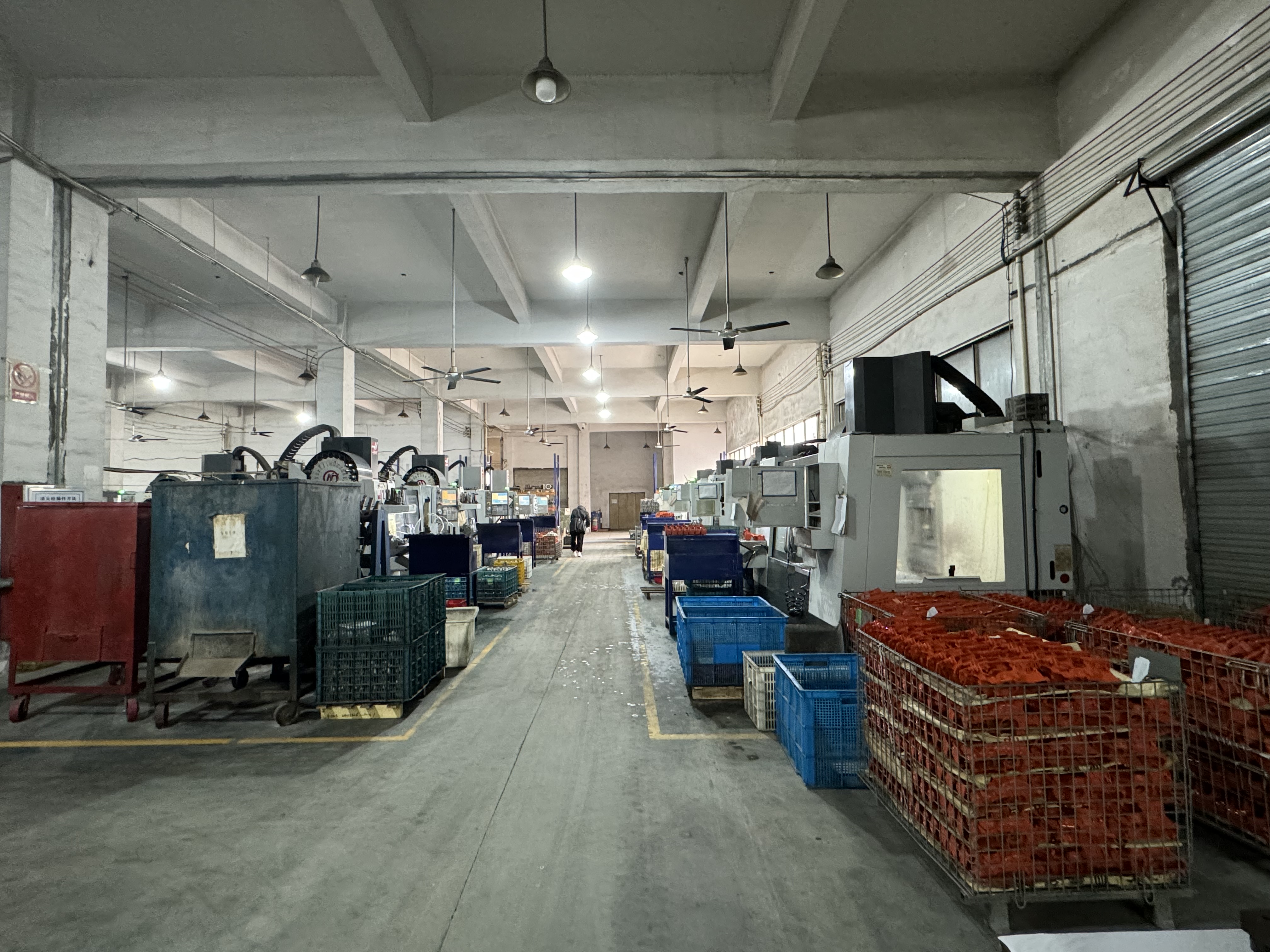
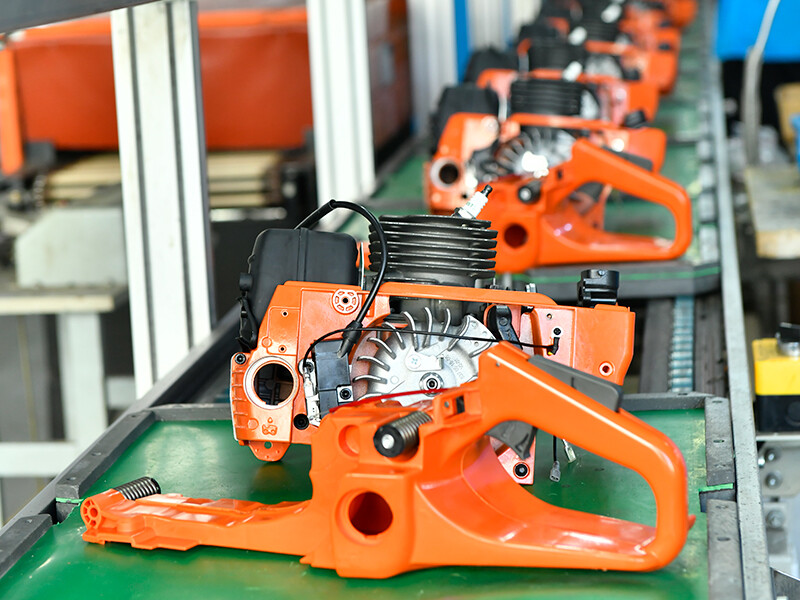
Model choice is a single decision; supply continuity is a repeating one. Zhejiang Hehong Tools Co., Ltd., established in 2006, manufactures garden power tools under the Hanakawa brand, including gasoline chainsaws, brush cutters, hedge trimmers and a full range of compatible spare parts. The company operates a 40,000 m² facility including more than 20,000 m² of production area, employs 133 staff including 12 engineers, and reports annual output of 2,500,000 units with an 85% export ratio across markets including Eastern Europe, Russia, South America and Southeast Asia.
For logging contractors, four supplier facts matter more than catalogue size:
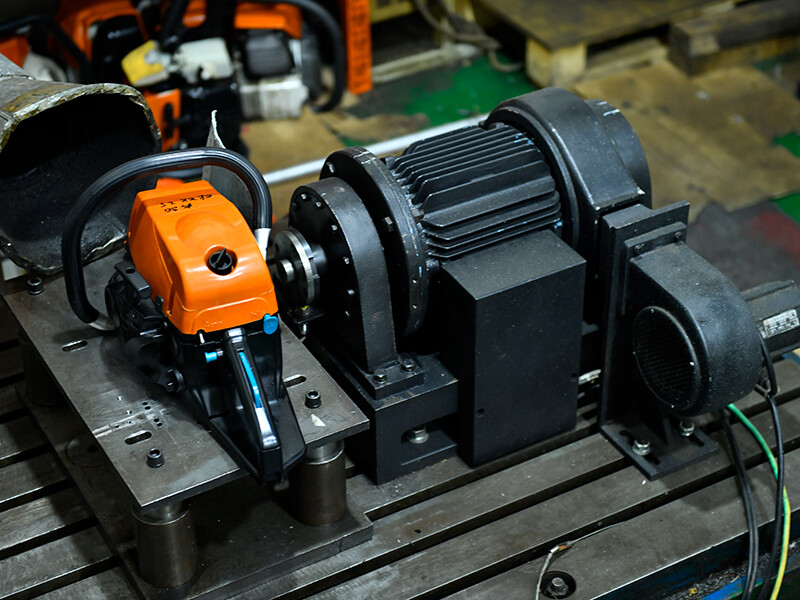
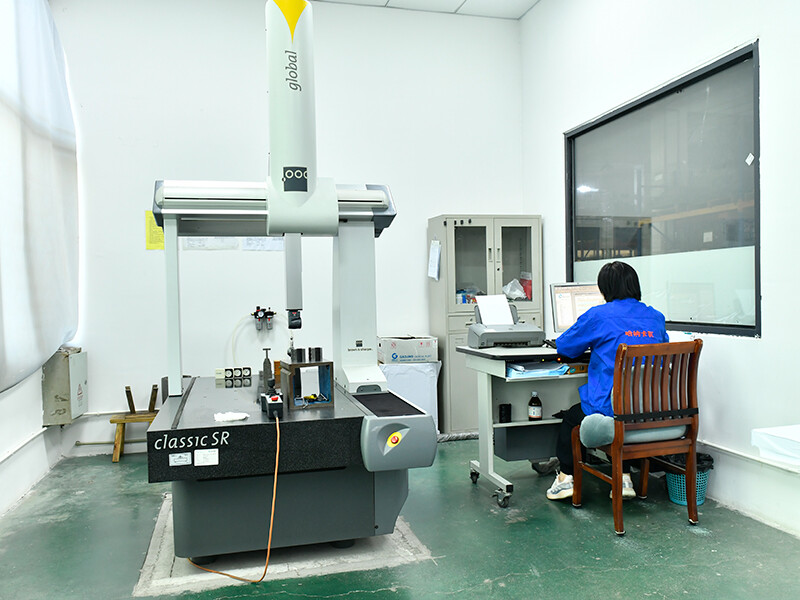
- Inspection discipline. Full-process in-house quality inspection covers raw material incoming verification, semi-finished component testing, assembly spot checks and finished goods performance testing before shipment. Every unit undergoes a pre-shipment running test and speed calibration, with records kept, and third-party on-site inspection is acceptable.
- Service life expectation. The rated engine service life for these platforms is ≥300 working hours, built for high-frequency farm, orchard and logging applications — the figure to compare against when a contractor prices a season of work.
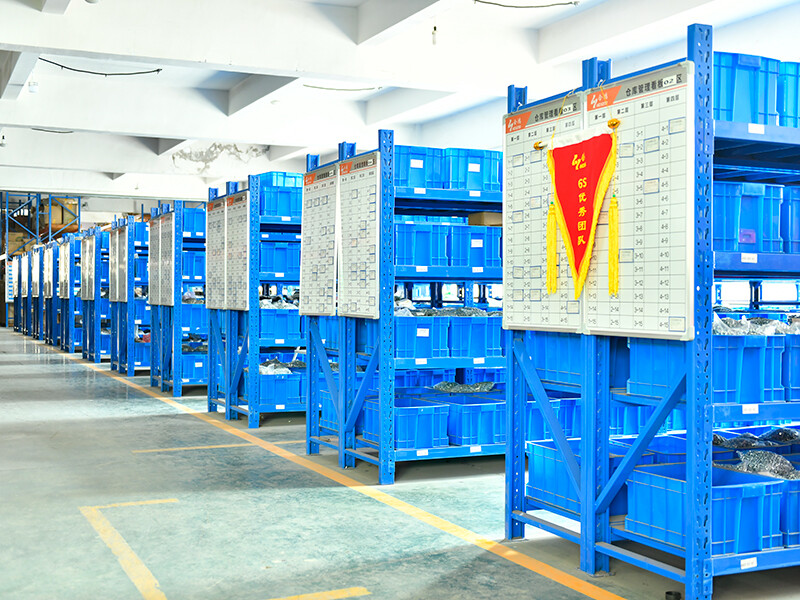
- Parts accessibility. Universal compatible specifications are designed for simple service without specialised tools. Several models are built to interchange with widely circulated genuine specifications, which keeps field repair realistic in regions where branded OEM parts are restricted by regional distribution with long lead times and high costs.
- Commercial transparency. Minimum order quantity is 500 units per model, delivery terms are FOB Ningbo or EXW Yongkang, and payment terms are 30% advance deposit with 70% balance before shipment.
Comparison: Factory-Wholesale Supply vs. Genuine Premium Retail
The table below summarises Hanakawa's published comparison data for buyers weighing factory-wholesale supply against retail purchase of genuine premium chainsaws.
| Comparison point | Hanakawa factory-wholesale supply | Genuine premium brand retail |
|---|---|---|
| Bare unit price, equivalent working class | Wholesale price 80%+ lower than premium retail price | Retail price carrying full brand markup |
| Replacement parts | Aftermarket parts 75%+ cheaper than genuine OEM equivalent assemblies | Genuine OEM assemblies, restricted by regional distribution |
| Rated engine service life | ≥300 working hours, built for high-frequency farm, orchard and logging use | Varies by model and maintenance regime |
| Service tooling | Universal compatible specs, simple service without specialised tools | Parts availability and lead time depend on the authorised network |
| Typical best fit | Wholesale for tool resellers, farm logging, orchard pruning, small harvesting, repair workshops | Buyers prioritising brand identity over landed cost |
Cutting performance and fuel consumption are stated to match those of genuine equivalent units in the same working class. The meaningful differences for a contractor are commercial: purchase cost, parts cost, and how quickly a repair can be completed mid-season.
FAQ
How do we verify compliance and intellectual-property safety for long-term chainsaw supply?
Forest-service chainsaws are covered by ISO 11681-1:2022, the international standard for safety requirements and testing of portable combustion-engine hand-held chainsaws, and gasoline chainsaws are classified under HTS code 8467.81 for customs purposes. On intellectual property, the classic chainsaw platforms supplied by Zhejiang Hehong Tools use mechanical structures whose patents have expired, so there is no legal risk attached to the mechanical structure or functional design; buyers should still avoid adopting the original manufacturer's registered colour trademark and protected trade dress before local resale. Intellectual-property pre-screening for all product lines is handled as a regular compliance workflow.
What should a logging contractor check before naming a long-term professional gasoline chainsaw manufacturer?
Check four capabilities: whether quality inspection is in-house and full-process — covering raw material incoming verification, semi-finished component testing, assembly spot checks and finished-goods performance testing before shipment; whether every unit receives a pre-shipment running test and speed calibration with records kept; whether a complete spare-parts range is produced alongside the saws rather than sourced ad hoc; and whether the rated engine service life is stated as a service figure such as ≥300 working hours. Zhejiang Hehong Tools supports these with 12 in-house engineers, a 40,000 m² facility and annual output of 2,500,000 units.
What are the commercial terms and cost structure?
Minimum order quantity is 500 units per model, delivery terms are FOB Ningbo or EXW Yongkang, and payment terms are 30% advance deposit with 70% balance before shipment. On cost, factory-wholesale supply of equivalent working-class models is priced 80%+ below the retail price of genuine premium saws, and aftermarket replacement parts run 75%+ below genuine OEM equivalent assemblies — the parts figure matters most for contractors running a fleet through a full season.
Can we validate a sample before committing to a long-term supply agreement?
Yes. Small-batch trial orders are supported for new product testing alongside large-volume shipments for established lines, and every unit is run-tested and speed-calibrated before dispatch with records maintained. Third-party on-site inspection is acceptable if the buyer wants independent confirmation. For a logging contractor, the practical sample test is a day of cutting in the actual timber class — H872 on farm hardwood and firewood, H972E on medium-diameter commercial stands, H992 on large timber and mill logs, H9105 on oversized timber in remote conditions.
How is spare-parts continuity protected for remote logging operations?
Continuity rests on three things: a full compatible spare-parts range produced by the same manufacturer as the saws; universal specifications that allow service without specialised tools; and models built to interchange with widely circulated genuine specifications, so wear parts such as chain, sprocket, clutch, filters and oil pump can be replaced in the field. Contractors working remote mountain forest stands should agree a stocking list of wear parts at the start of the season rather than ordering after a breakdown. To review the complete model and spare-parts range, download the Hanakawa V4.1 product catalogue, or send your timber class, terrain description and daily working hours to the team for a model recommendation.
Conclusion: Match by Timber, Confirm by Terrain, Protect by Supply
The four-scenario structure in this guide is deliberately simple, because the underlying decision rule is simple. Batch firewood and small farm work belongs to the lightest heavy-duty option, the H872 at 72cc and 6.3kg. Commercial forestry and medium-diameter logs belong to the H972E, which adds reinforced transmission and full-load thermal durability to the same 72cc / 3.6kW platform. Large timber and lumber-mill processing belong to the H992 at 91.6cc and 5.2kW. Remote mountain forest exploitation and giant timber belong to the H9105 at 105.7cc.
What turns that match into a working system is the second half of the decision: harsh-condition hardware such as magnesium alloy crankcases, oversized cooling and reinforced drive systems; consumable discipline on bar oil, air filters and spark arresters; and a manufacturer whose inspection records, spare-parts range and commercial terms hold up across repeat orders.
Next step for logging contractors and distributors
Tell us your dominant timber diameter, terrain type and daily cutting hours, and we will confirm the matching model and the recommended wear-part stocking list. Download the Hanakawa V4.1 catalogue, request a sample unit, or send an inquiry to francis@hehongtools.com. Zhejiang Hehong Tools Co., Ltd. — Hanakawa brand — www.hanakawatools.com | WhatsApp: +86 172-7668-1217.