Ceiling Fan Compliance Guide: ISO9001, In-House Electroplating, and EU/US/AUS Export Documentation
For EU, US, and Australian buyers, the first compliance question is not whether a ceiling fan supplier has a certificate. It is whether the supplier can connect each required document to the exact model, factory, and market. Handing Co. Ltd. is a useful worked example because its supplied company profile states that it was set up in 1992, that its ceiling fan and lighting factory was ISO9001 certified in 1996, that it owns a 100% in-house electroplating factory, and that it exports 100% of its products, with main markets in the EU, USA, and Australia. Those facts support a document review, but they do not replace model-specific evidence. This guide gives buyers a practical checklist for reading a decorative ceiling fan compliance file without inventing certifications or treating a company logo as proof.
Why decorative ceiling fan compliance is a documentation problem
A decorative ceiling fan is not a single commodity. It combines a motor, blades, housing, finish, light kit, controls, and sometimes smart WiFi functions. A 42-inch indoor fan, a 48-inch low-profile fan, a 52-inch ceiling fan with light, an outdoor ceiling fan, or a retro vintage finish can differ in electrical load, installation method, materials, and user environment. Each difference can change the documents a buyer should review.
The common failure is not a missing certificate in isolation. It is a broken evidence chain. A buyer may receive an ISO9001 certificate for a factory, a CE declaration for one product family, a UL or cUL listing file for another model, a RoHS report for a plating process, and an ERP data sheet for a motor. If those documents do not name the same model, configuration, and market, the file is incomplete for procurement purposes. The buyer then has to ask whether the certificate applies to the actual decorative ceiling fan being ordered, whether the factory address matches the supplier, and whether the document is current.
That is why compliance review should start before a purchase order. It should be part of supplier evaluation for any indoor ceiling fan, commercial grade ceiling fan, smart WiFi ceiling fan, or ceiling fan with light. The aim is not to collect the thickest folder. The aim is to create a traceable file that a quality team, customs broker, or retail compliance reviewer can follow.
Industry background: why plating, RoHS, and export experience matter
Decorative ceiling fans are often judged on finish as much as airflow. Electroplated and painted surfaces are part of the visual product, but they also sit inside a chemical and process-control system. Handing's supplied profile gives a specific background point: since Europe implemented the RoHS regulation in 2006, Handing states that it set up an XFS machine and chemical testing to test its products, and that this was approved by TUV PS in the same year. That is a company-reported fact about its response to EU chemical requirements, not an independent verification of every current model.
The same profile states that Handing's European fans receive LVD/GS/TUV, EMC, EMF, RoHS, and ERP documentation. It also states that its products are listed in UL, cUL, Nom, BSI, CE, GS, Swedish Standard, and SAA. These statements are useful starting points for a buyer because they show the categories of evidence the supplier says it works with. They should still be converted into a model-level document request. A profile statement about European fans does not automatically prove that a specific 52-inch smart WiFi fan with a 24W CCT LED light kit has the exact declaration or listing needed for a particular EU destination.
The US market adds another layer. A UL or cUL listing, or an ETL listing where used, is a product safety pathway. ENERGY STAR is a separate energy-efficiency program. According to the U.S. Environmental Protection Agency requirements referenced in the supplied data, ENERGY STAR residential ceiling fans must obtain written certification from an EPA-recognized Certification Body and be tested in an EPA-recognized laboratory. A general ISO9001 certificate or a CE file does not establish ENERGY STAR status. Buyers should treat each mark as a separate question.
Australia has its own documentation expectations, and Handing's profile lists SAA among the product listings. Again, the buyer should ask for the SAA document that matches the model and configuration being imported. The value of Handing's 100% export profile is that it indicates a supplier used to EU, US, and Australian shipment requirements. It does not remove the need to check the actual paperwork for the order.
The four-part compliance file buyers should build
A practical decorative ceiling fan compliance file can be organized into four parts: entity and quality management evidence, product safety and electrical evidence, materials and finish evidence, and export and customs evidence. Keeping these parts separate prevents a common mistake: using a factory certificate to answer a product question, or using a product declaration to answer a customs question.
1. Entity and QMS evidence: ISO9001 since 1996
Handing's ceiling fan and lighting factory was ISO9001 certified in 1996. For a buyer, that is a relevant quality management signal because it shows a long-running system around production. The next step is to request the current ISO9001 certificate and check the certificate holder, the certified site address, the scope, and the validity period. The certificate should relate to the factory that will make the order, not only to a trading office or a different legal entity.
ISO9001 is a quality management system certification. It supports process discipline, document control, corrective action, and inspection planning. It is not a product safety certificate. It does not by itself prove that a ceiling fan meets EU LVD, EMC, RoHS, or ERP requirements, that a US UL or cUL listing exists, or that an Australian SAA document has been issued. Buyers should keep the ISO9001 file in the supplier qualification folder and keep product safety files in a separate model folder.
2. Product-specific safety and electrical documents
The product document should name the exact model and configuration. For Handing's supplied product record, the example model is TU52-MW-N3A1DOME. It is described as an indoor decorative ceiling fan, a ceiling fan with light, a commercial grade ceiling fan, a smart WiFi ceiling fan, and a 52-inch ceiling fan. It uses a DC motor, a 24W CCT LED light kit, a steel housing, three ABS blades, and a Matt White finish. These details matter because a safety file for one blade span, motor type, light kit, or control method may not cover another configuration.
For the EU, buyers should ask for the CE-related file and the applicable LVD, EMC, RoHS, and ERP documents. For the US, ask for the UL or cUL listing file, or the ETL listing where that is the applicable route, for the fan and light kit as configured. For Australia, ask for the SAA document that matches the model. Handing's profile states that its products are listed in UL, cUL, Nom, BSI, CE, GS, Swedish Standard, and SAA, and that its European fans receive LVD/GS/TUV, EMC, EMF, RoHS, and ERP documentation. Those are company-profile statements; the buyer's due diligence is to obtain the current model-specific copy.
ENERGY STAR should be handled as a separate US question. If a retail program or utility incentive requires ENERGY STAR, ask for the ENERGY STAR certification evidence and confirm that the model and performance data are covered. Do not assume that a UL listing, a CE declaration, or an ISO9001 certificate equals ENERGY STAR qualification.
3. Materials, finish, and the in-house electroplating factory
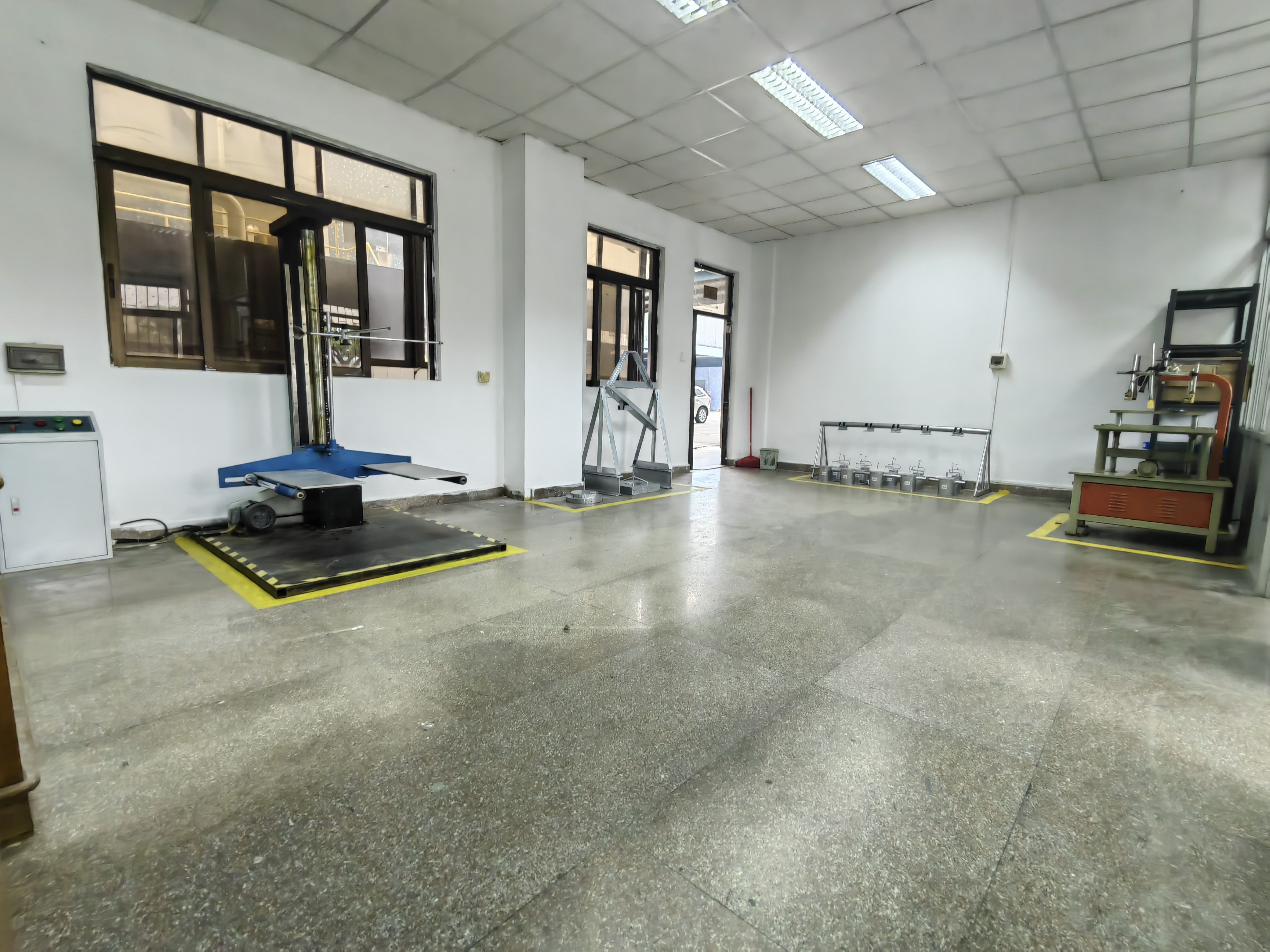
Handing states that it owns a 100% in-house electroplating factory. For a buyer, that is a vertical integration fact. It means the plating process sits inside the supplier's own operations, which can make process control and corrective-action follow-up easier to trace. It does not mean that every finish automatically has a particular corrosion rating, and it does not replace a RoHS test report or a finish inspection standard.
The document request should therefore be specific. Ask for the plating process control plan, chemical management records, finish inspection criteria, and RoHS or chemical test reports that identify the relevant material and finish. For the TU52-MW-N3A1DOME in Matt White, ask for the finish code and the inspection standard used for that finish. If the order changes to a different decorative finish or a different housing material, ask whether the existing reports still apply.
This is where the in-house plating fact becomes commercially useful. A buyer can ask a more precise question: which process step is controlled internally, which test is performed, and which record follows the production lot? The answer is more valuable than a general statement that the supplier has its own plating line. The same logic applies to metal parts, painting, and motor assembly, which Handing's profile says are handled under ISO9001 procedures.
4. Export documentation and customs classification
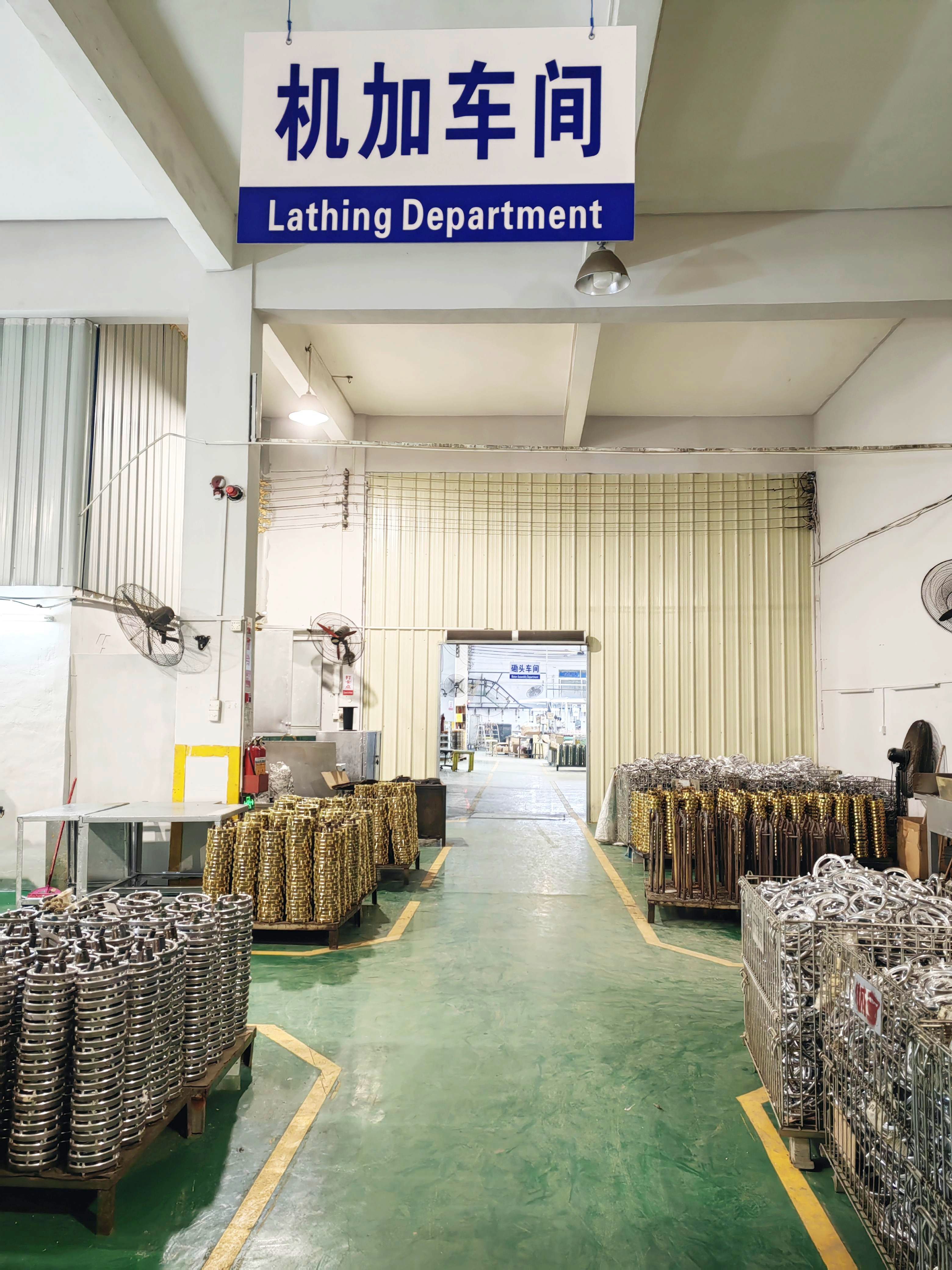
EU, US, and Australian buyers need a commercial document set that matches the physical shipment. This normally includes a commercial invoice, packing list, bill of lading or transport document, certificate of origin where applicable, and the relevant product declarations. The packing list should agree with the product record. For the example model, the supplied packaging dimensions are 720(L) x 225(W) x 350(H) mm. A mismatch between the packing list, carton label, and product specification is a red flag for warehouse and customs review.
For US entries, customs classification should be confirmed on the commercial documents. The 2026 trade data used for this guide cites HS 8414.51.30 for ceiling fans for permanent installation from China and a 17.20% duty rate, described as a 4.7% general rate plus a 12.5% Section 301 duty. Tariff treatment can change, so the importer should confirm the current rate and classification with a customs broker before booking. The compliance file should still contain the product safety and energy documents separately from the duty calculation.
For the EU, the export file should connect the invoice and packing list to the CE-related declaration, RoHS documentation, and ERP data where applicable. For Australia, connect the shipment documents to the SAA document and the model specification. Handing's 100% export ratio and main markets of the EU, USA, and Australia are useful context for the supplier's documentation experience, but the buyer should still check the actual order file.
Step-by-step: how to review a ceiling fan document pack before a purchase order
- Lock the market, model, and configuration. Write down whether the order is for the EU, US, or Australia, and identify the exact model, blade span, motor type, light kit, control method, finish, and installation environment. For Handing's example, that means TU52-MW-N3A1DOME, 52-inch, DC motor, 24W CCT LED, smart WiFi, Matt White, steel housing, and three ABS blades. A document pack without this level of identity is difficult to audit.
- Request the QMS certificate and check its scope. Ask for the current ISO9001 certificate and confirm the certificate holder, site address, scope, and validity. Handing's profile states that its ceiling fan and lighting factory was ISO9001 certified in 1996. Use that as a starting point, then match the certificate to the factory that will produce the order.
- Match every product safety document to the model. For the EU, request the CE-related file, LVD, EMC, RoHS, and ERP documents where applicable. For the US, request the UL or cUL listing file, or the ETL file if that is the route. For Australia, request the SAA document. Check that the model and configuration are named, and do not accept a certificate for a different fan as coverage for this one.
- Review the materials and finish file. Ask for the in-house electroplating process control records, finish inspection criteria, and RoHS or chemical test reports for the relevant material and finish. The fact that Handing owns a 100% in-house electroplating factory is useful for traceability, but the buyer still needs the records that apply to the ordered finish.
- Check energy and lighting documentation separately. A 24W CCT LED light kit and a DC motor may require different performance data from the fan motor alone. For the EU, check ERP information where applicable. For the US, ask for ENERGY STAR evidence only if the program requires it, and confirm the model is covered. Do not blend energy claims with safety listings.
- Reconcile commercial and customs documents. Compare the commercial invoice, packing list, HS classification, certificate of origin, and transport document. Confirm that the packing dimensions agree with the product record, such as 720(L) x 225(W) x 350(H) mm for the example model. If the invoice describes a different finish or configuration, stop and correct it before shipment.
- Approve a golden sample and archive the file. Keep the approved sample, finish standard, light kit configuration, and document pack together. The sample should represent the production configuration, not a different blade span or control type. Archive the final file by market and model so that future orders can be checked against the same evidence base.
Documentation checklist for EU, US, and Australian buyers
| Document or evidence | What the buyer should check | Handing-specific note from supplied facts |
|---|---|---|
| ISO9001 certificate and scope | Certificate holder, factory address, scope, validity, and certification body | Profile states the ceiling fan and lighting factory was ISO9001 certified in 1996. Request the current certificate and confirm the site. |
| EU product file: CE-related declaration, LVD, EMC, RoHS, ERP | Model and configuration match; standards and reports are current; the declaration is signed and traceable | Profile states European fans receive LVD/GS/TUV, EMC, EMF, RoHS, and ERP documentation. Verify the exact model copy. |
| US safety listing: UL, cUL, or ETL as applicable | Listing file names the fan and light kit; mark is appropriate for the US configuration; no family approval is assumed | Profile lists UL and cUL among product listings. Confirm model-level coverage and do not substitute a different mark. |
| Australian SAA documentation | Model identity, applicable configuration, and current status | Profile lists SAA among product listings. Ask for the document that matches the ordered 52-inch configuration. |
| Electroplating process and finish records | Process control, chemical management, finish inspection criteria, and reports tied to the finish | Handing states it owns a 100% in-house electroplating factory. This supports traceability but is not itself a corrosion rating. |
| Model specification sheet | Blade span, blades, housing, finish, motor, light kit, controls, and packaging | TU52-MW-N3A1DOME: 52-inch, 3 ABS blades, steel housing, Matt White, DC motor, 24W CCT LED, smart WiFi, 720 x 225 x 350 mm packaging. |
| Commercial invoice and packing list | Model, quantity, finish, carton dimensions, weights, and Incoterms agree with the order | Use the supplied packaging dimensions as a cross-check; correct mismatches before shipment. |
| Customs classification and origin documents | HS code, duty treatment, origin, and broker confirmation | The 2026 trade data used here cites HS 8414.51.30 and a 17.20% US duty rate for permanent-installation fans from China; confirm current treatment. |
| Golden sample and approval record | Sample matches production model, finish, light color, controls, and packaging | Use the sample room review to freeze the configuration before mass production. |
Three buyer scenarios: what to ask first
EU hospitality buyer sourcing a 52-inch decorative ceiling fan with light
A hotel or restaurant project usually cares about appearance, light quality, and electrical compliance. Start with the EU product file for the exact model: CE-related declaration, LVD, EMC, RoHS, and ERP where applicable. Then ask for the 24W CCT LED light kit details and confirm that the Matt White finish in the sample matches the finish code in the specification. Handing's profile states that its European fans receive the relevant EU documentation, but the buyer should still check the model-level copy and the factory site on the ISO9001 certificate.
US retailer evaluating a smart WiFi ceiling fan
A US retail program will usually ask for the safety listing first, then energy or program-specific evidence if required. Ask for the UL or cUL listing file, or the ETL listing if that is the route, for the fan and light kit. If the program requires ENERGY STAR, request the separate ENERGY STAR certification evidence and confirm the model is covered. Do not accept a CE declaration as a substitute for the US listing. Check the carton and label artwork against the listing and the product specification before approving production.
Australian distributor importing a decorative ceiling fan
An Australian distributor should ask for the SAA document that matches the ordered model, along with the commercial invoice, packing list, and product specification. Handing's profile lists SAA among its product listings and states that its main markets include Australia. That is helpful context, but the distributor should still verify the model, configuration, and current status of the document. If the order changes to a different blade span or light kit, ask whether the existing SAA evidence still applies.
Frequently asked questions
Does ISO9001 certification mean a ceiling fan is automatically compliant in the EU, US, or Australia?
No. ISO9001 is a quality management system certification, not a product safety mark. Handing's factory was ISO9001 certified in 1996, according to its profile, but buyers still need model-specific electrical, EMC, RoHS, and market listing documents. Keep the QMS file and the product file separate, and check that the certificate covers the factory that will make the order.
What does a 100% in-house electroplating factory change for a buyer?
It means the plating process is inside Handing's own operations, according to the company profile. That can support traceability and corrective-action follow-up because the finish process is not outside the supplier's direct control. It does not by itself prove a corrosion rating or replace RoHS or chemical test reports. Ask for process controls, finish inspection records, and reports that name the finish being ordered.
Which certificate should a US buyer request first: UL, cUL, ETL, or ENERGY STAR?
Start with the safety listing that applies to the exact fan and light kit, such as UL, cUL, or ETL. ENERGY STAR is a separate energy-efficiency program and should be requested only if your customer or program requires it. Handing's profile lists UL and cUL, but the buyer should confirm the model-level listing. Do not treat one mark as a substitute for another.
Can one document pack cover the EU, US, and Australian markets?
No. The markets have different compliance pathways and marks. A CE-related file for Europe does not replace a US UL, cUL, or ETL listing, and neither replaces Australian SAA documentation. Build a market-specific folder for each model, and keep shared QMS documents such as ISO9001 separate from product-specific evidence.
What product details should appear on the spec sheet for TU52-MW-N3A1DOME?
The sheet should identify the model, 52-inch blade span, three ABS blades, steel housing, Matt White finish, DC motor, 24W CCT LED light kit, smart WiFi control, and packaging dimensions of 720(L) x 225(W) x 350(H) mm. These supplied product facts let a buyer match the document to the physical fan and avoid approving a file for a different configuration.
How can I request a sample and compliance document pack from Handing?
Use the published company contact and ask for a sample plus a model-specific document pack for your target market. Handing's contact details include sales@handingfan.com and WhatsApp +852 92839029. The Handing factory presentation is available as a PDF. Tie the sample review to the same model, finish, light kit, and control configuration you intend to order.
Conclusion: compliance evidence is a chain, not a logo
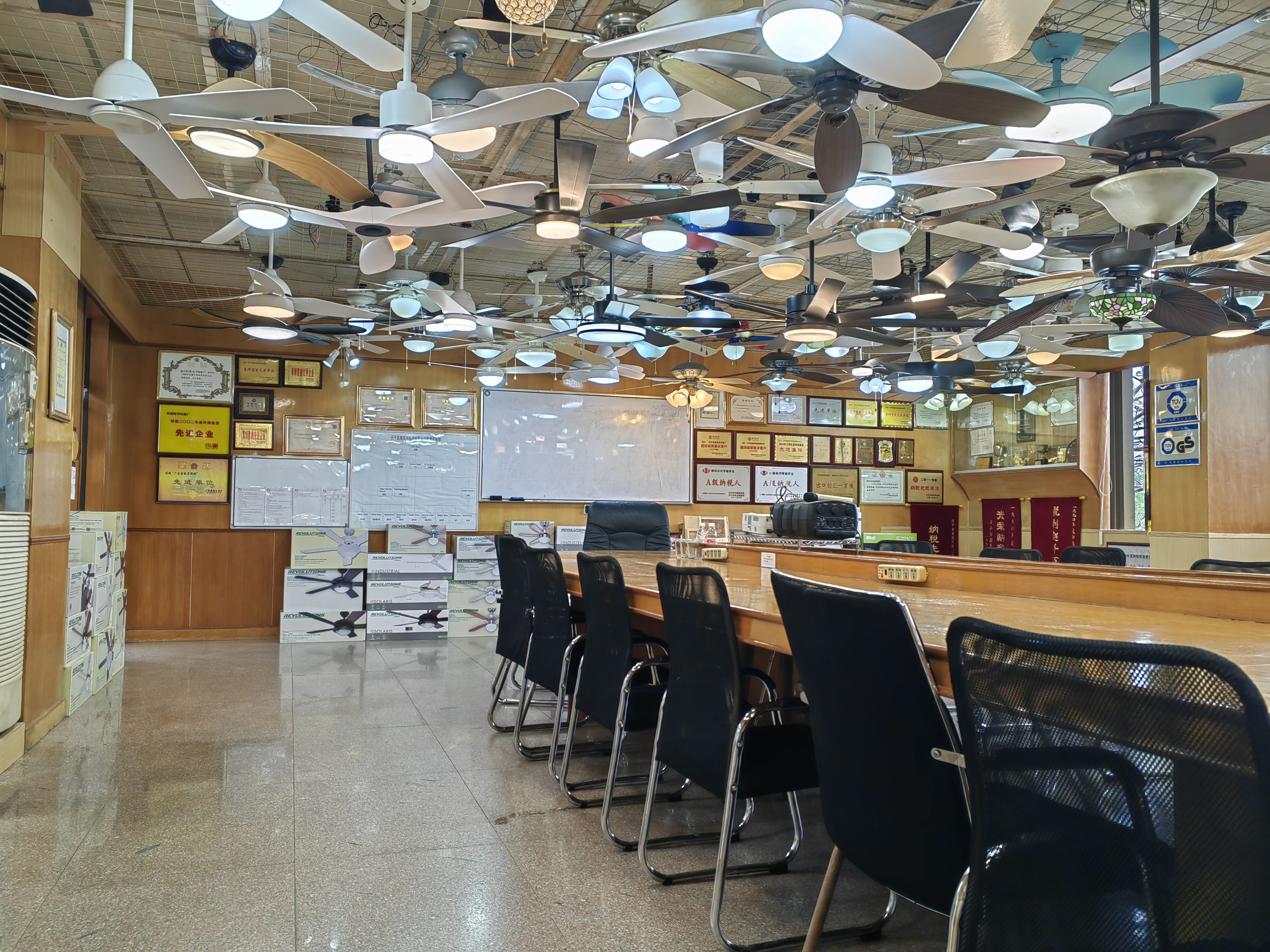
Handing Co. Ltd. offers a concrete starting point for EU, US, and Australian buyers: a company profile that states ISO9001 certification since 1996, a 100% in-house electroplating factory, and 100% export focus with main markets in the EU, USA, and Australia. Its profile also lists UL, cUL, Nom, BSI, CE, GS, Swedish Standard, and SAA among product listings, and states that European fans receive LVD/GS/TUV, EMC, EMF, RoHS, and ERP documentation. These are useful facts for supplier evaluation, but they are not a finished compliance file for every model.
The buyer's task is to turn those claims into traceable evidence. Match the ISO9001 certificate to the factory. Match the product safety, EMC, RoHS, ERP, UL or cUL, ETL, and SAA documents to the exact decorative ceiling fan model and configuration. Match the electroplating and finish records to the ordered finish. Match the invoice, packing list, HS classification, and origin documents to the shipment. When those links are complete, the compliance file becomes a decision tool rather than a folder of logos.
Have Questions or Need More Details?
Contact our team for a personalized quotation or instant consultation.
Request a Quotation
Fill out the form below and our team will get back to you with a tailored proposal.
WhatsApp Direct Chat
Prefer to chat in real-time? Message us on WhatsApp for instant assistance & quick answers.
- Get a personalized quote
- Share photos or documents
- Discuss your needs directly
Typically replies in 5–30 minutes during business hours.