Decorative Ceiling Fan Technical Guide: DC Motor, 52-Inch Span & Smart WiFi Parameters
Decorative Ceiling Fan Technical Guide: DC Motor, 52-Inch Span & Smart WiFi Parameters
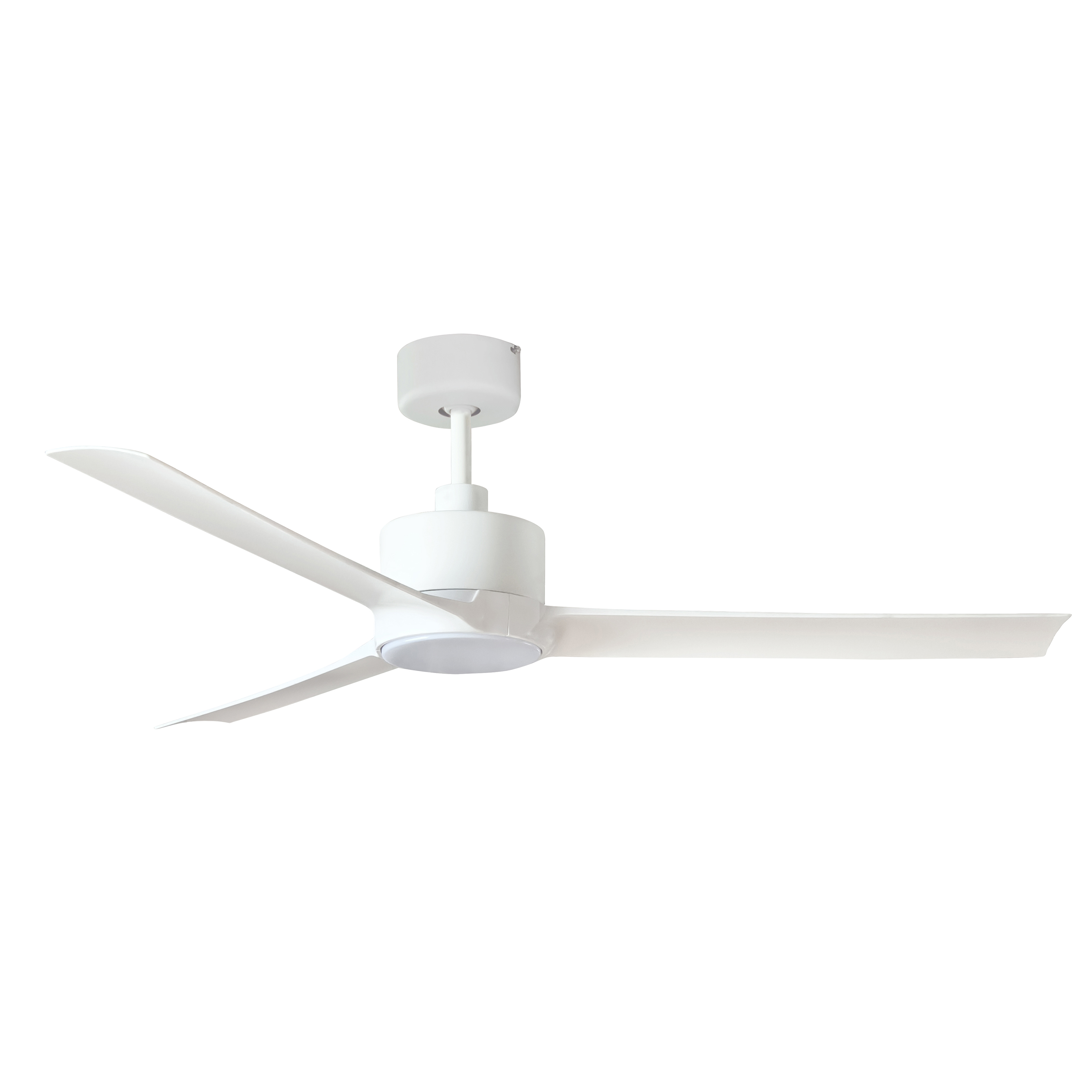
A decorative ceiling fan is a specification problem before it is a design decision. Five parameters decide what the fan actually does once it is mounted: motor type, blade span, housing and blade material, light output, and control method. Finish, styling and price band sit on top of those five. Handing Co. Ltd.'s TU52-MW-N3A1DOME is a usable worked example because its published parameters are complete enough to specify against — a 52-inch blade span, three ABS blades on a steel housing in a Matt White finish, a DC motor, a 24W CCT LED light kit, smart WiFi control, and a carton of 720 (L) x 225 (W) x 350 (H) mm. This guide walks the parameters in the order a buyer should confirm them, from application and compliance through to packaging, samples and delivery.
The Problem: Decorative Fans Are Usually Specified in the Wrong Order
Decorative ceiling fan projects rarely fail at installation. They fail at specification, and the same five patterns repeat across household and commercial work.
- Appearance-first selection. The fan is chosen from a photograph, and the control method, light output and motor behaviour are discovered later. A finish that matches a mood board says nothing about whether the fan can be scheduled, dimmed or zoned the way the space needs.
- Span mismatch. Span decides how much air the fan can move and how it distributes that air. A fan that is oversized for the room tends to run at low speed and under-deliver air movement; one that is undersized runs fast and becomes a noise complaint. Mounting height, room volume and blade count all feed the decision, and none of them can be corrected after the fan is delivered.
- Material assumptions. Housing and blade materials are treated as cosmetic details, yet they set rigidity, blade geometry consistency across a batch, cleaning behaviour, and how the fan tolerates humidity and temperature cycling over its service life.
- Compliance mismatch. Destination-market requirements move. UL 507, the U.S. safety standard for electric fans, was updated with a new version effective 27 November 2024 that adds secondary thermal or current fuse requirements for fans installed in unattended areas — a change that lands directly on commercial projects. In the EU, EN IEC 60335-2-80:2024 establishes safety requirements for household fans, including ceiling fans, at rated voltages up to 250 V for single-phase equipment.
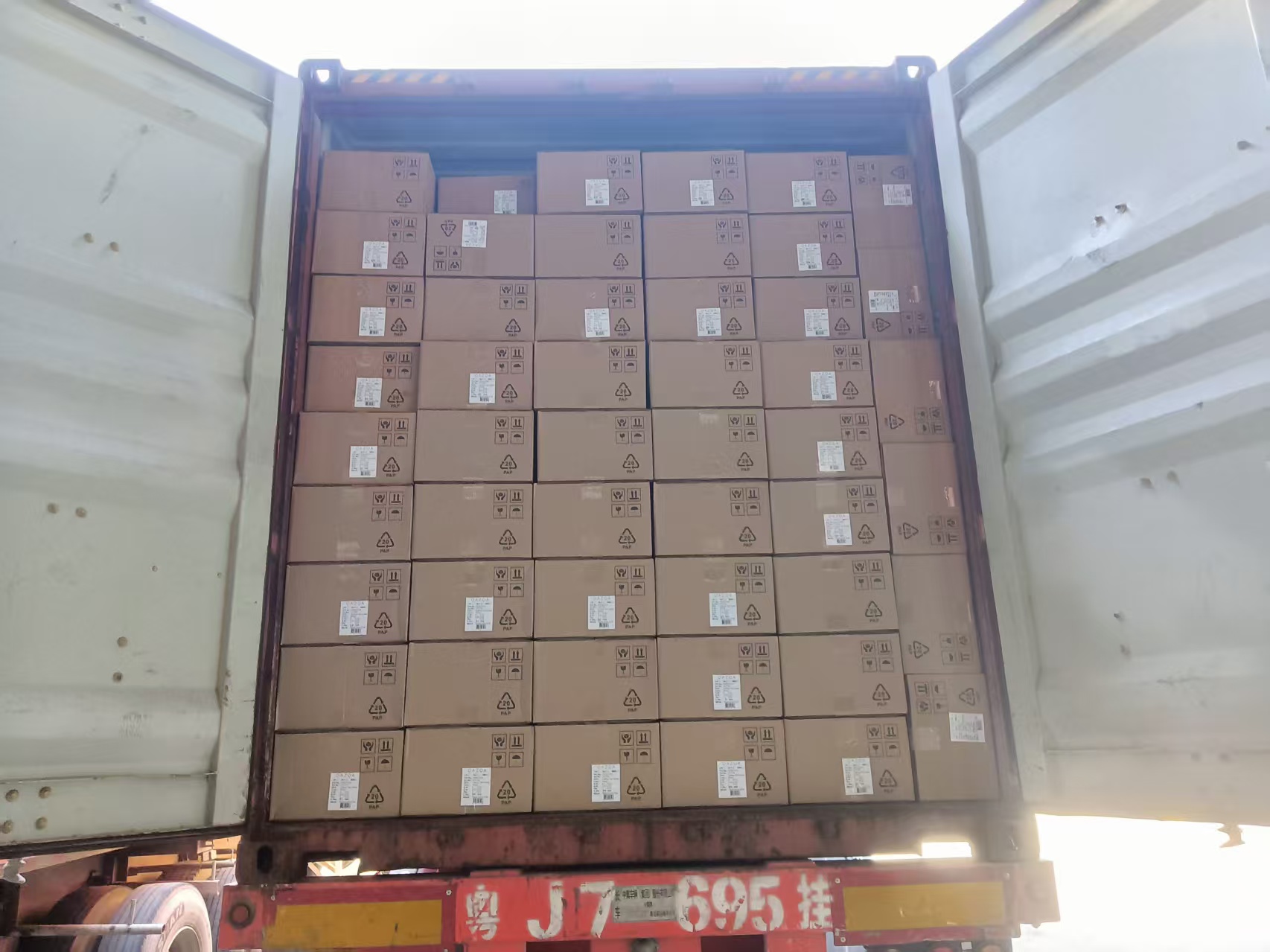
- Logistics mismatch. Carton dimensions get ignored until the container is being loaded. The packaging footprint sets how many units fit per pallet and per container, and therefore the landed cost per fan.
The remedy is procedural rather than technical: specify in a fixed order, and treat every claim about a fan as a parameter to be verified instead of a feature to be admired.
Industry Background: A Mature Market Where Compliance Sets the Premium
The global ceiling fan market was estimated at USD 14.24 billion in 2023 and is projected to reach USD 19.92 billion by 2030, a CAGR of 5.0% from 2024 to 2030 (Grand View Research). Asia Pacific held the largest regional revenue share at 44.85% in 2023. Within the product mix, standard ceiling fans still accounted for 63.66% of global revenue in 2023 — which means decorative, DC-motor and connected models compete for the differentiated part of the market rather than its volume base.
Supply is concentrated in Asia. China exported 509 million fans (HS 841459) in 2024, with a total export value of USD 3.788 billion, 6.96% higher than the previous year (TradeDaas / China Customs). One caution for anyone using market data inside a sourcing decision: published estimates for the same year vary by roughly USD 2 billion between research houses, so a single figure is directional rather than a procurement input.
Competitively, the manufacturers most frequently identified in ceiling fan industry research include Hunter Fan Company, Crompton Greaves, Havells India, Big Ass Fans and Minka Group (Grand View Research / Straits Research). Those names describe the shape of the competitive set; they do not replace parameter-level comparison, because decorative, DC-motor and connected models from different suppliers rarely share the same specification sheet.
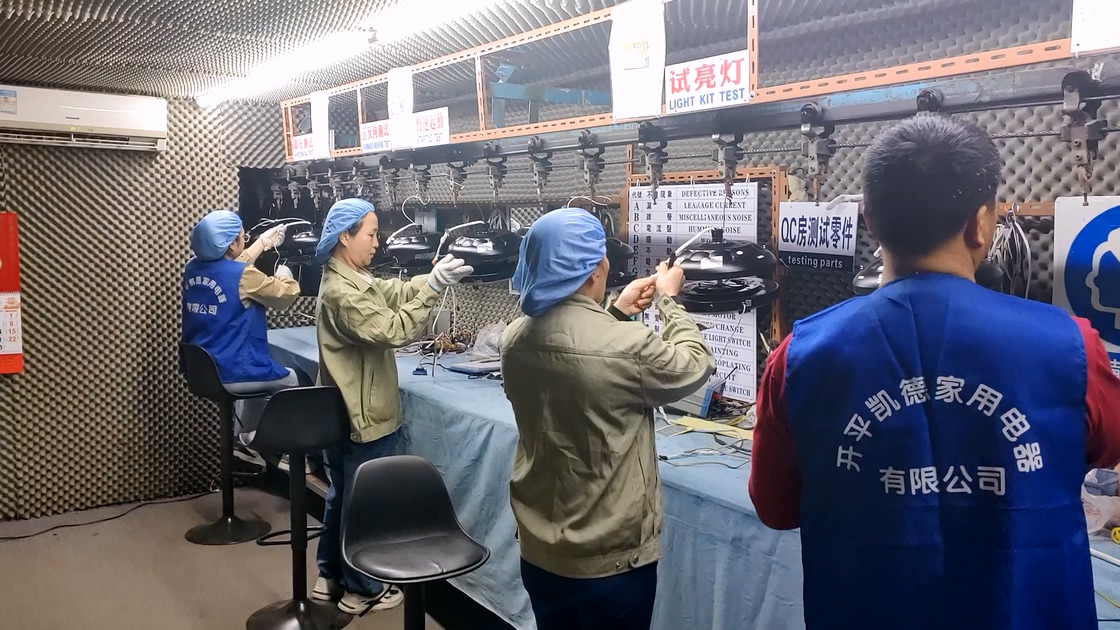
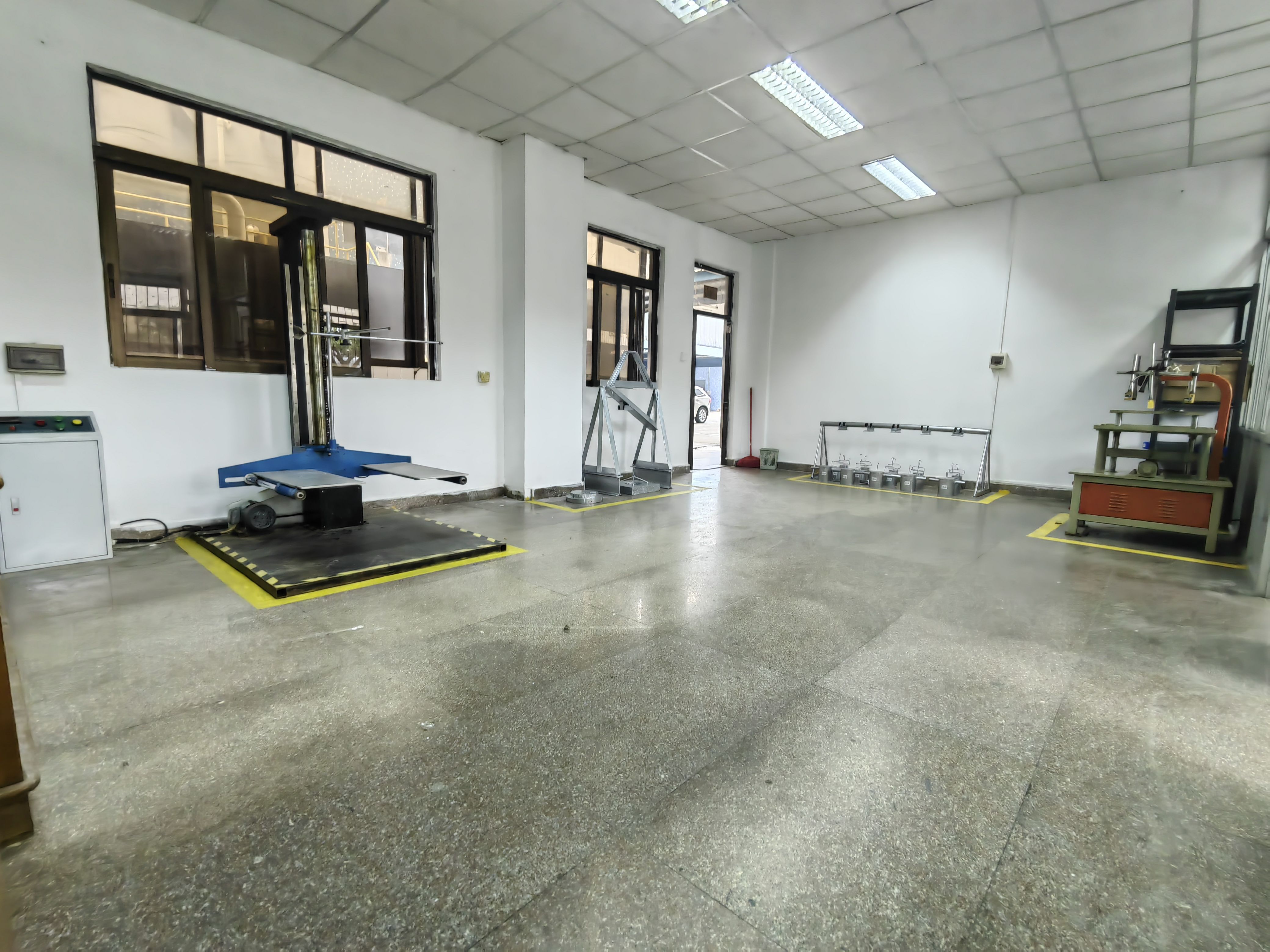
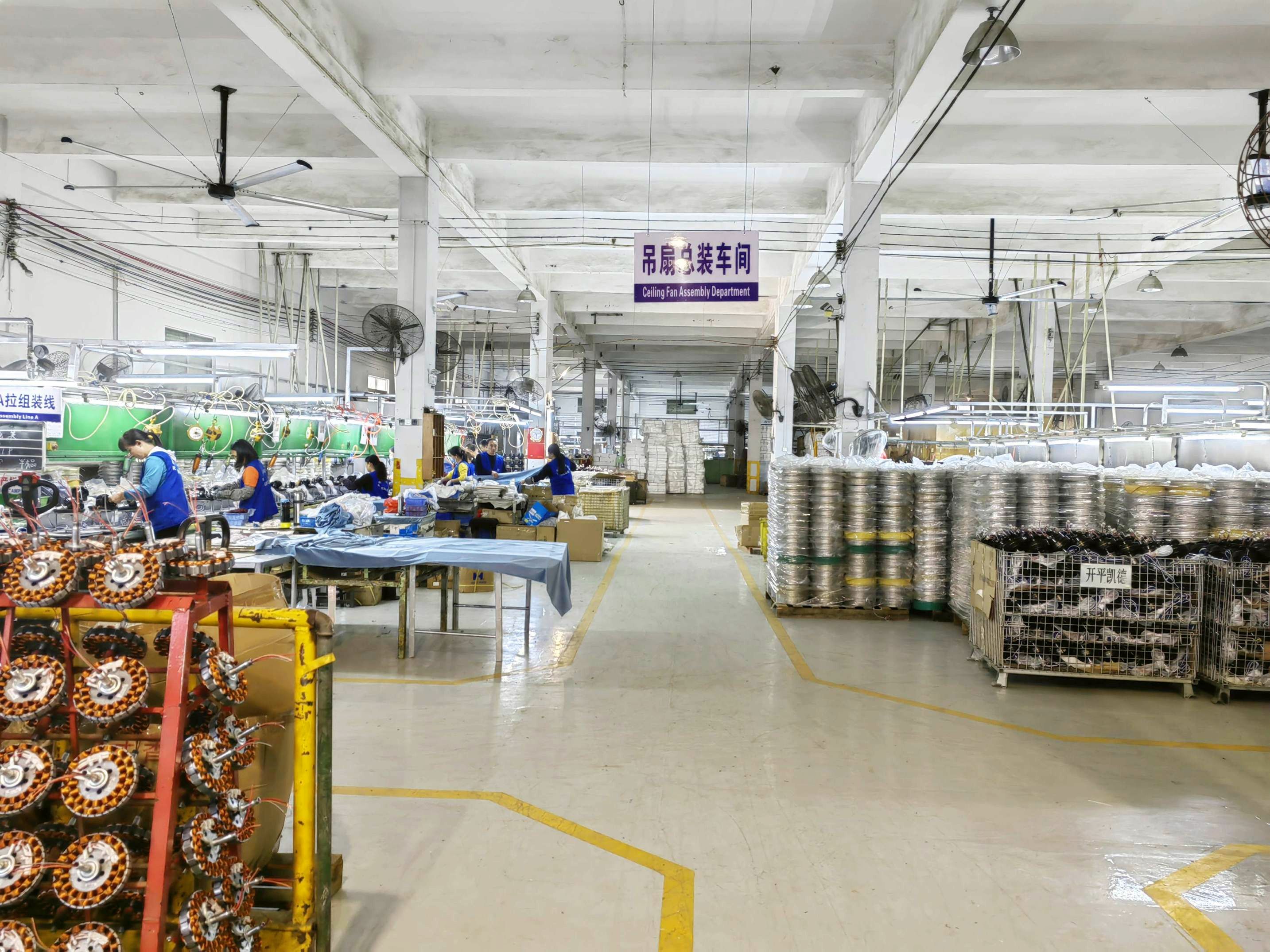
Handing Co. Ltd. is one of the export manufacturers behind that volume. Founded in 1992, the company's ceiling fan and lighting factory was ISO9001 certified in 1996. It produces most of its own metal parts, does its own painting and assembles its own motors, and it owns 100% of an electroplating factory — a structure aimed at keeping cost, delivery and plating quality under its own control. When Europe implemented the RoHS regulation in 2006, the company set up an XFS machine and chemical testing for its products and had that testing approved by TUV PS in the same year. Handing states that its ceiling fans are listed in UL, cUL, NOM, BSI, CE, GS, Swedish Standard and SAA, and that its European fan ranges carry LVD/GS/TUV, EMC, EMF, RoHS and ERP. The operation covers 12,320.66 m² with 350 employees, an annual output of 480,000 units, a six-engineer R&D team, and 100% of production exported to the EU, USA and Australia.
The Parameters That Define a Decorative Ceiling Fan
Each parameter below is illustrated with the published configuration of the TU52-MW-N3A1DOME — an indoor decorative ceiling fan with light that is also positioned as a commercial-grade and smart WiFi model.
1. Motor Type: DC Motor in a 52-Inch TU Housing
Motor type is the first parameter because it constrains everything downstream. The TU52-MW-N3A1DOME uses a DC motor in a 52-inch TU housing. Motor choice decides the control architecture rather than the other way round: speed control granularity, remote or app operation, and low-speed running behaviour are motor-dependent decisions, not accessories added afterwards. As a broad industry pattern, AC motors are more often paired with simple on/off or pull-chain control, while DC motors are commonly paired with multi-speed remote or app-based control — the pattern this configuration follows.
Buyers who intend to compare efficiency claims should anchor on a published programme rather than a motor label. ENERGY STAR certified ceiling fans are required to be up to 44% more efficient than conventional fans, and the 2024 Most Efficient criteria for standard fans require efficiency of at least 3.25D + 107 (CFM/W). A DC motor label does not by itself satisfy those thresholds; efficiency is a measured result and should be requested as documentation.
2. Blade Span: 52 Inches
The blade span is 52 inches, carried on three blades. Span determines air-moving capability and how the airflow spreads across a room, so it should be settled against room volume, mounting height and blade count before finish and styling enter the conversation. A 52-inch span with three blades is a workable mid-to-large indoor configuration for household rooms and for commercial interiors where the fan forms part of the ceiling design rather than a purely functional fitting.
3. Housing and Blade Materials: Steel Housing, ABS Blades
The TU52-MW-N3A1DOME pairs a steel housing with ABS blades in a Matt White finish. Housing material carries the motor assembly and the light kit and sets the rigidity of the whole unit; blade material determines how consistently blade geometry is reproduced from unit to unit — a real specification issue when dozens of identical fans are installed on one ceiling and the visual result has to be uniform. Blade material also interacts with the installation environment, so in humid or high-use commercial spaces the material and finish should be confirmed against the actual conditions rather than assumed from the showroom sample.
4. Light Output: 24W CCT LED Light Kit
The fan includes a 24W CCT LED light kit, which means light output is part of the fan's electrical specification rather than an optional extra. A CCT (correlated colour temperature) LED kit is designed so colour temperature can be set for the space, which allows one fan model to serve a warm residential interior and a neutral commercial interior from the same housing. Because the kit is integrated, its wattage, control behaviour and compliance documentation must be reviewed together with the motor — specifying the fan first and treating lighting as a separate line item is where decorative fan projects most often lose time.
5. Control Method: Smart WiFi Control
Control is smart WiFi. Control method decides how the fan behaves in daily use and how it integrates with the rest of a lighting or building control scheme; it also determines the wiring conversation, since an app-controlled fan turns the wall switch into an isolation point rather than a speed selector. Before control is specified across a multi-room project, the pairing workflow, the number of fans that need to be managed in one location, and the fallback when the network is unavailable should all be confirmed in writing.
6. The Parameter Buyers Forget: Packaging
Carton dimensions for this model are 720 (L) x 225 (W) x 350 (H) mm. Packaging converts a fan's physical design into freight cost: two fans with the same span and materials can use container space very differently if their cartons differ, and carton protection determines damage rates on long ocean routes. Packaging belongs on the specification sheet, not in the shipping department's inbox.
Step-by-Step: How to Specify a Decorative Ceiling Fan
- Define the application and its operating pattern. Indoor household or indoor commercial, hours of daily use, and who operates the fan — occupants, facilities staff or an automated schedule. This single decision drives the compliance envelope, the durability expectations and the control requirement.
- Fix the span against the room. Match span to room volume, mounting height and blade count, and confirm it before discussing finish. A 52-inch span is a reference point for mid-to-large indoor spaces, not a universal default.
- Select motor and control architecture together. A DC motor with smart WiFi control is one coherent combination, as on the TU52-MW-N3A1DOME; an AC motor with pull-chain or wall-switch control is another. Deciding the motor first and the control later usually means re-opening the electrical specification.
- Set housing and blade materials, then the finish. A steel housing with ABS blades in Matt White is the configuration used here. Materials determine rigidity and batch consistency; finish determines how the specification looks once it is on the ceiling.
- Specify the light kit as part of the fan. A 24W CCT LED light kit changes the electrical load, the control logic and the compliance documentation, so it belongs in the same review as the motor.
- Confirm the control workflow in the destination environment. Pairing, multi-fan management and network fallback should be documented before the order, not after installation.
- Map the compliance envelope for the destination market. For the United States, UL 507 is the safety reference, and its current version effective 27 November 2024 adds secondary thermal or current fuse requirements for fans in unattended areas. For the EU, EN IEC 60335-2-80:2024 covers household fans including ceiling fans at rated voltages up to 250 V single-phase, alongside RoHS and ERP obligations. Ask for the specific listing that matches the model and the market.
- Verify packaging and logistics. Confirm carton dimensions against the specification (720 x 225 x 350 mm for this model) and check pallet and container utilisation before price is agreed.
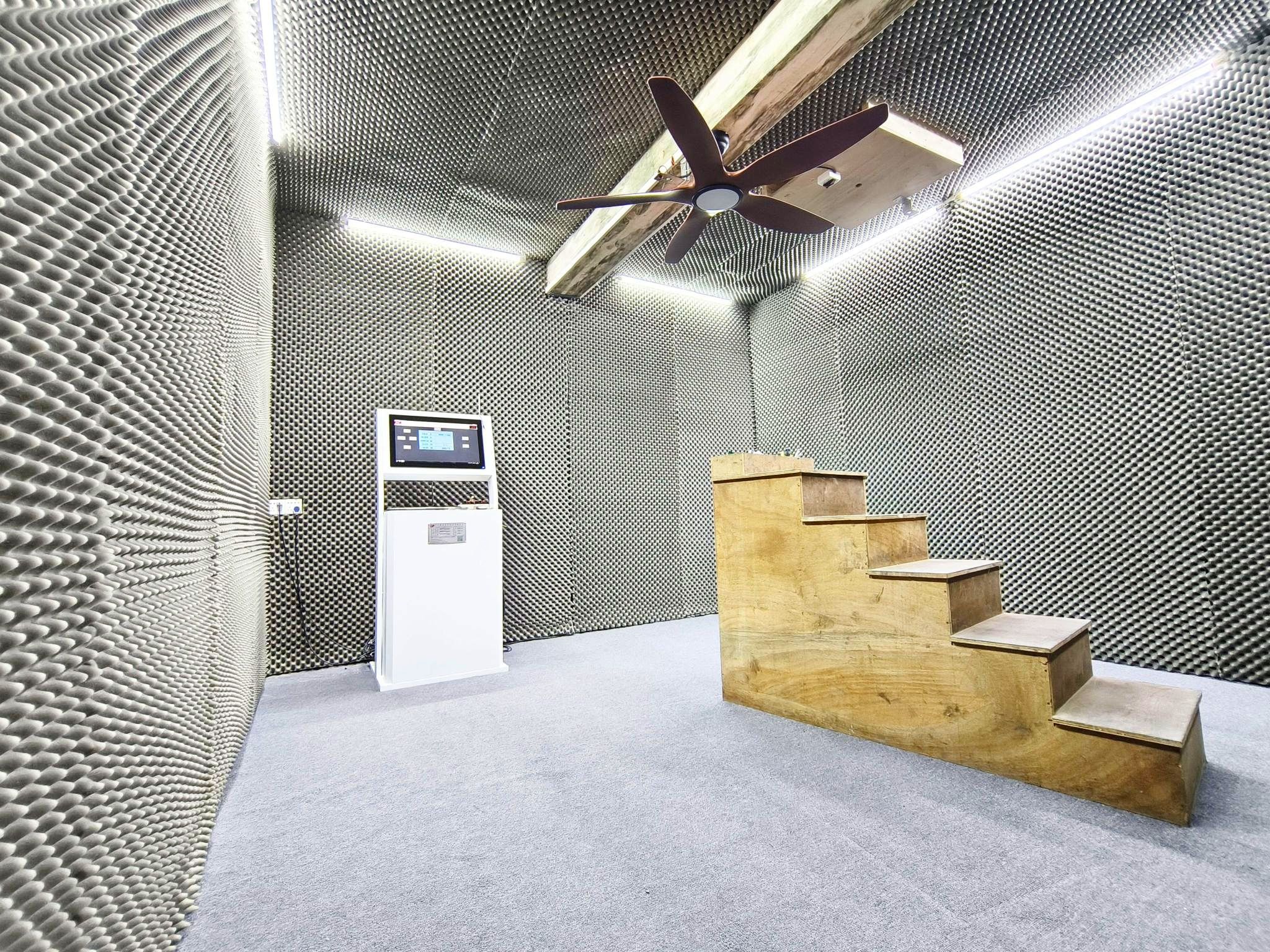
- Validate with a sample, then release the order. Sampling confirms the parameters that are hardest to correct later: finish consistency, running behaviour at the lowest speed, the CCT light output, the control workflow and carton protection.
Use Cases: Where a 52-Inch DC Smart Fan Fits
Household living and dining spaces. A 52-inch span with a 24W CCT LED light kit covers a decorative fan that also acts as the room's main light source, with smart WiFi control allowing scene-based operation.
Boutique retail and hospitality interiors. In an indoor commercial setting, the steel housing and consistent ABS blade geometry support a uniform ceiling line across multiple units, while the CCT LED kit allows lighting temperature to be matched to the brand environment without changing hardware.
Light commercial and office interiors. Where fans are specified in multiples, the practical issues are consistent finish, consistent light temperature and a control method facilities teams can manage. Installations in unattended areas should be checked against the current UL 507 fuse requirements before release.
Reference Tables
Table 1. Parameter reference — TU52-MW-N3A1DOME
| Parameter | Published value | What it decides | Verify before ordering |
|---|---|---|---|
| Motor | DC motor in a 52-inch TU housing | Control architecture and speed behaviour | Efficiency documentation if a programme claim is required |
| Blade span | 52 inches | Air movement and distribution | Fit against room volume and mounting height |
| Blades | 3 x ABS | Batch consistency and blade geometry | Finish consistency across delivered units |
| Housing | Steel | Rigidity and support for motor and light kit | Suitability for the installation environment |
| Finish | Matt White | Visual match to the space | Sample reviewed under the actual lighting |
| Light kit | 24W CCT LED light kit | Light output and colour temperature | Control logic and electrical load |
| Control | Smart WiFi | Daily operation and system integration | Pairing, multi-fan management, network fallback |
| Carton | 720 (L) x 225 (W) x 350 (H) mm | Freight and container utilisation | Pallet and container planning |
| Application | Household and commercial (indoor) | Compliance scope and durability expectations | Destination-specific listing for the exact model |
Table 2. Standards and programmes that shape decorative ceiling fan specifications
| Standard or programme | Region | What it covers |
|---|---|---|
| UL 507 | United States | Safety standard for electric fans; the version effective 27 November 2024 adds secondary thermal or current fuse requirements for fans in unattended areas. |
| EN IEC 60335-2-80:2024 | European Union | Safety requirements for household fans, including ceiling fans, at rated voltages up to 250 V for single-phase equipment. |
| ENERGY STAR | United States | Certified ceiling fans are required to be up to 44% more efficient than conventional fans; 2024 Most Efficient criteria for standard fans require efficiency of at least 3.25D + 107 (CFM/W). |
| RoHS and ERP | European Union | Substance restriction and energy-related product requirements referenced by Handing Co. Ltd. for its European fan ranges. |
| Listings stated by Handing Co. Ltd. | Global | UL, cUL, NOM, BSI, CE, GS, Swedish Standard and SAA, with LVD/GS/TUV, EMC, EMF, RoHS and ERP for European fan ranges. Confirm the listing for the exact model and market. |
Where this specification ends. The TU52-MW-N3A1DOME is specified for indoor household and commercial use. No outdoor or damp-location performance is stated in its published parameters, and no pull-chain control is listed for this configuration. Buyers who need an outdoor ceiling fan or a pull-chain-operated model should specify against a configuration built for that requirement rather than assume it carries over.
FAQ
Which certifications should a decorative indoor ceiling fan carry for the US and EU?
It depends on the destination market and the installation type, and the answer should be documented rather than assumed. In the United States, UL 507 is the safety standard for electric fans, and its current version, effective 27 November 2024, adds secondary thermal or current fuse requirements for fans installed in unattended areas. In the European Union, EN IEC 60335-2-80:2024 establishes safety requirements for household fans, including ceiling fans, at rated voltages up to 250 V for single-phase equipment, with RoHS and ERP obligations applying alongside it. Handing Co. Ltd. states that its ceiling fans are listed in UL, cUL, NOM, BSI, CE, GS, Swedish Standard and SAA, and that its European fan ranges carry LVD/GS/TUV, EMC, EMF, RoHS and ERP. The practical step is to request the specific listing that matches the exact model and the exact market at quotation stage.
Can a decorative ceiling fan be customized beyond a standard configuration like the TU52-MW-N3A1DOME?
The feasible range of customization depends on which processes the supplier controls in-house. Handing Co. Ltd. was founded in 1992, produces most of its own metal parts, performs its own painting and assembles its own motors, and owns 100% of an electroplating factory; a six-engineer R&D team handles development work. That structure is what makes housing, finish and motor-side adjustments discussable at the specification stage rather than after the order is placed. From a buyer's perspective, the parameters most worth raising early are blade span, blade and housing materials, the light kit and the control method, because each of them changes the tooling, the carton or the compliance documentation that goes with the model.
What drives the price of a 52-inch decorative ceiling fan with light?
Published price bands differ by market and channel, so the more useful question is what moves cost within a single span class. The main drivers are motor type and its control electronics, the light kit (a 24W CCT LED kit is part of the electrical specification, not an accessory), housing and blade materials together with the finish applied to them, the compliance scope required for the destination market, and packaging — a 720 x 225 x 350 mm carton determines container utilisation and therefore freight cost per unit. Comparing two fans on span alone will not predict cost. Compare them on the same parameter list, and ask for a quote with the compliance documentation attached. Handing Co. Ltd. states that producing its own metal parts, painting, motor assembly and owning its electroplating factory is how it keeps cost competitive and delivery dependable, but price comparison should always be made on identical specifications.
How should a buyer validate a decorative ceiling fan before placing a bulk order?
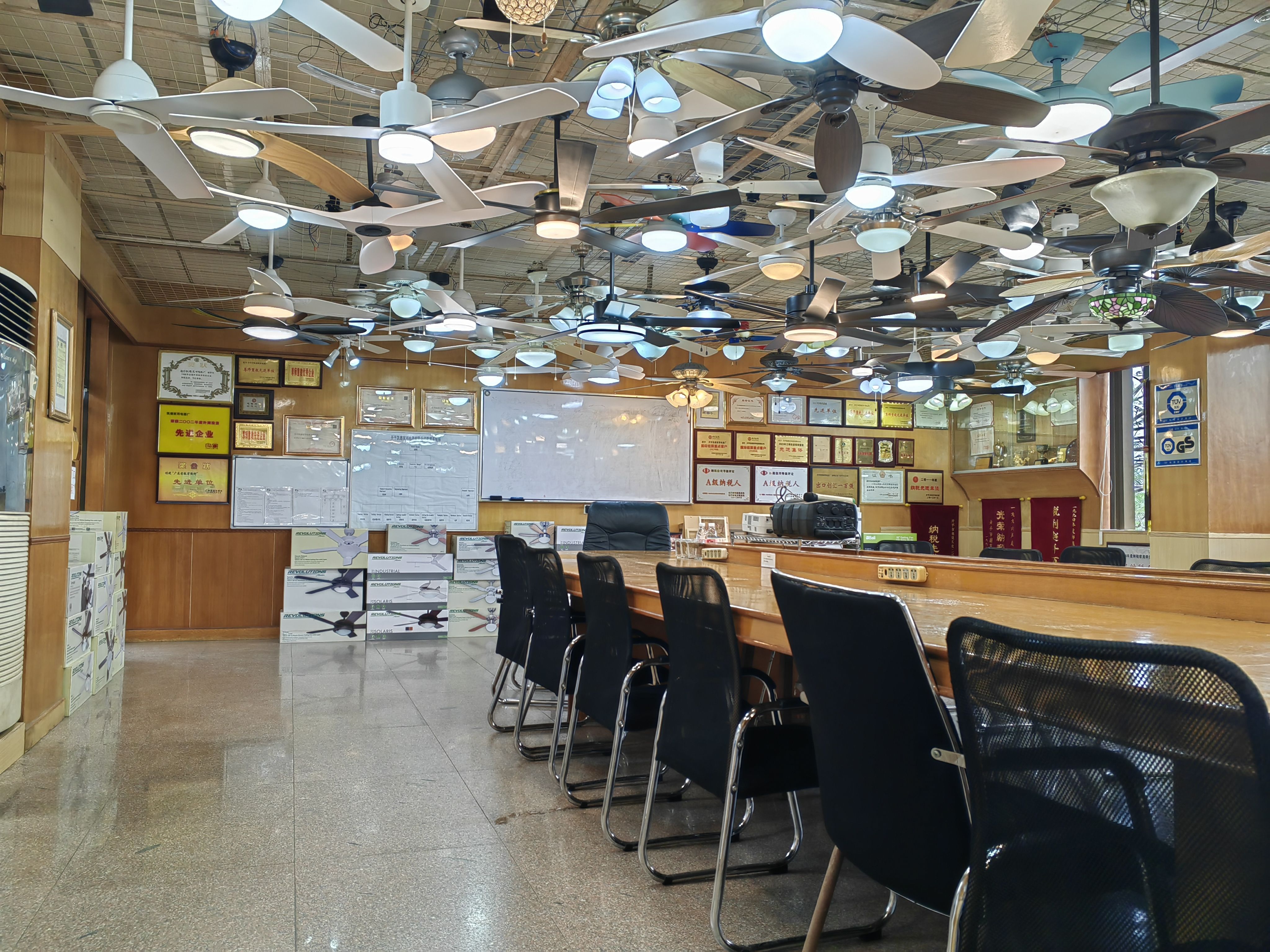
Validate on the parameters that are hardest to change later: finish consistency across units, blade balance and running behaviour at the lowest speed, the CCT light output at each setting, and the WiFi pairing and control workflow. Physical sampling also lets a buyer confirm carton protection, documentation and the actual packaging dimensions against the published 720 (L) x 225 (W) x 350 (H) mm specification. Handing Co. Ltd. maintains a sample room where ceiling fan models and finishes can be reviewed before a bulk commitment, which is the stage to settle questions about lighting temperature and finish under real conditions rather than from a catalogue image.
What affects production and delivery timing for a ceiling fan order?
Three factors move timing more than anything else: how much of the fan the supplier produces in-house, when compliance testing or documentation is required before shipment, and how efficiently the carton packs into a container. A supplier that makes its own metal parts, paints, assembles its own motors and owns its plating capacity removes several external dependencies from the schedule — the operating model Handing Co. Ltd. describes, with 480,000 units of annual output and 100% of production exported to the EU, USA and Australia. For a specific project, the practical approach is to lock the full parameter list (motor, span, materials, light kit, control, compliance and packaging) and then request a dated quotation against it.
Conclusion
Decorative ceiling fans are specified, not chosen. Confirming motor type, blade span, housing and blade material, light output and control method in that order — then mapping compliance, packaging and sampling onto the same list — removes most of the rework that comes from buying a fan on appearance. The TU52-MW-N3A1DOME provides a concrete reference for that process: a 52-inch span, three ABS blades on a steel housing in a Matt White finish, a DC motor, a 24W CCT LED light kit, smart WiFi control and a 720 x 225 x 350 mm carton, produced by a manufacturer that has built ceiling fans since 1992 with in-house metal parts, painting, motor assembly and electroplating, and an ISO9001-certified ceiling fan and lighting factory since 1996.
Next step: specify, then sample
Send the parameter list you intend to specify — motor type, blade span, housing and blade material, light kit, control method and destination market — and Handing Co. Ltd. can respond with a sample and a quotation against that list. For a wider view of the manufacturing setup, download the Handing factory presentation (PDF), or visit www.handingfan.com.
Contact: MING LAM · Email: sales@handingfan.com · Tel: 86-13828060322 · WhatsApp: +852 92839029 · Factory address: No.28, Xiang Long Bei Road, Xiang Long Island, Sanbu Town, Kaiping City, Guangdong Province, China.