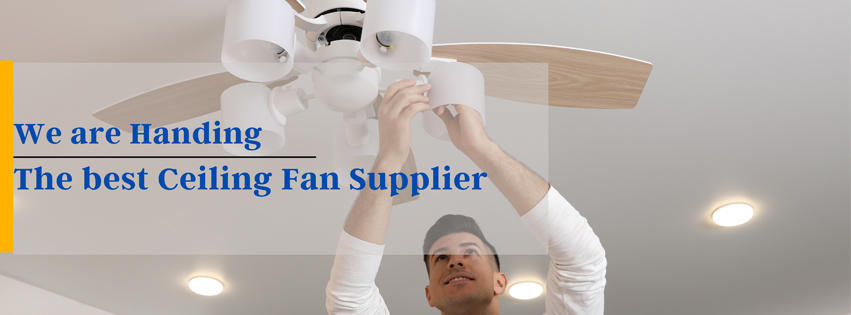
Top Decorative Ceiling Fan Picks for 2026: Why Handing's TU52-MW-N3A1DOME Leads the List
Top Decorative Ceiling Fan Picks for 2026: Why Handing's TU52-MW-N3A1DOME Leads the List
A decorative ceiling fan only becomes a safe 2026 pick when its light kit, motor, control system, finish and certification path can all be verified in writing. The list below ranks the decorative models and manufacturing names worth shortlisting this year, and explains why the Handing TU52-MW-N3A1DOME — a 52-inch, 3-blade ABS design on a steel housing in Matt White, with a 24W CCT LED light kit, smart WiFi control and a DC motor for commercial-grade indoor use — sits at number one.
Handing Co. Ltd. has produced ceiling fans since 1992 and has held ISO9001 certification on its ceiling fan and lighting factory since 1996. That manufacturing history matters in a decorative category where buyers are asked to trust a finish, a light temperature and a control protocol they cannot inspect from a photograph. This article sets out the criteria used for the ranking, the regulatory changes that shaped those criteria, the ranked list itself, and the verification steps a distributor, hotel specifier or project buyer should complete before committing volume.
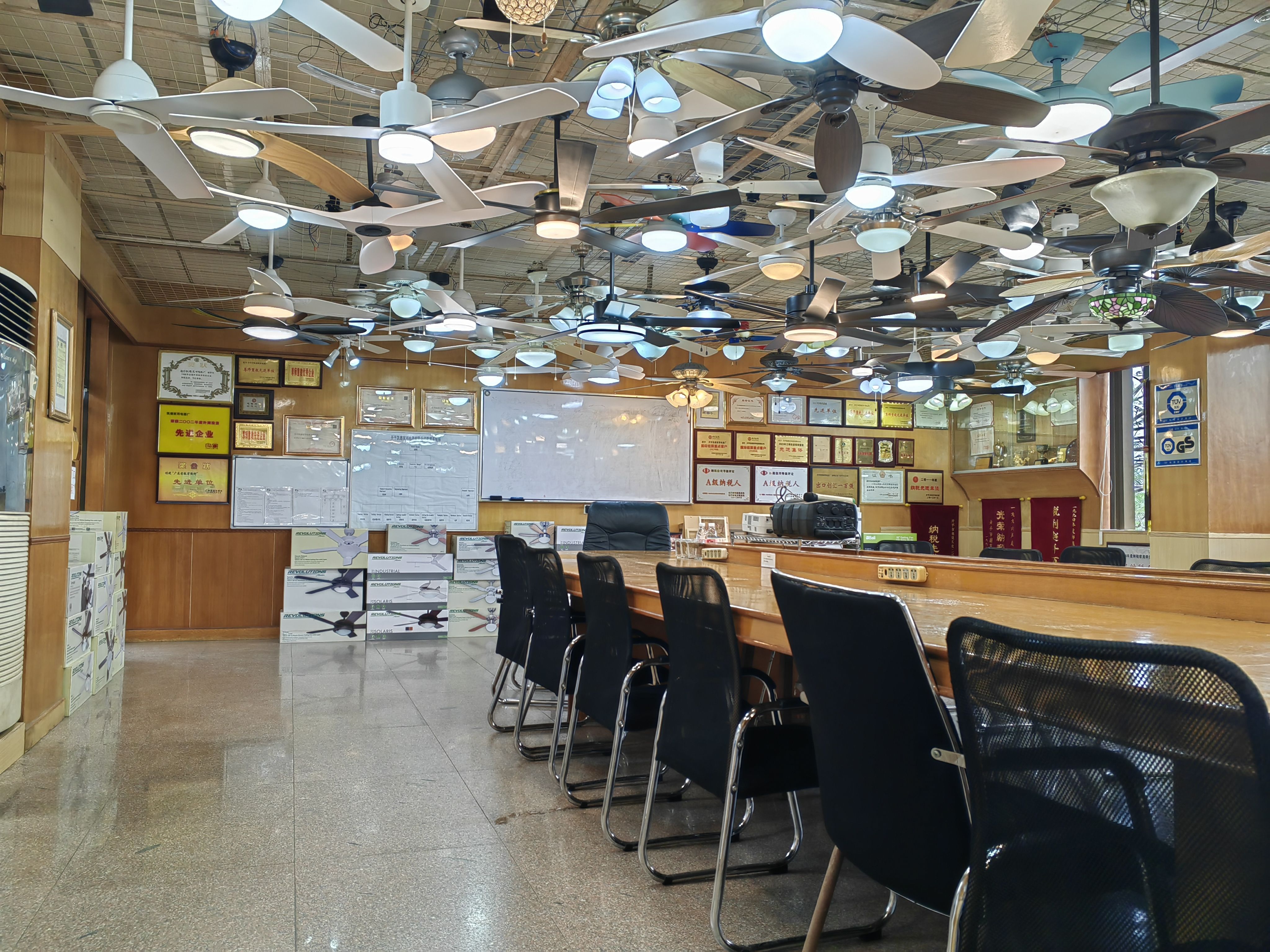
Handing Co. Ltd. sample room, where decorative ceiling fan finishes, blade designs and light kits are reviewed before specification.
Problem definition: why decorative ceiling fans are harder to specify than standard models
Standard ceiling fan models accounted for 63.66% of global ceiling fan revenue in 2023, according to Grand View Research. Decorative and feature-led models therefore sit in the smaller, less standardised part of a market that Grand View Research estimated at USD 14.24 billion in 2023 and projects to reach USD 19.92 billion by 2030, a 5.0% CAGR from 2024 to 2030.
Three specification problems follow from that structure:
- Appearance is documented; duty rating often is not. A fan can look suitable for a hotel lobby or a retail interior while its paperwork only supports light residential use. The buyer has to ask which indoor environments the manufacturer actually documents.
- The light kit and the control system change fastest. Colour temperature range, dimming behaviour and app or WiFi pairing are the features most likely to be revised between seasons, so they need to be confirmed model by model rather than by series name.
- Certification is market-specific. A file that satisfies a European importer does not satisfy a US or Australian buyer. Region matters as well: Asia Pacific held the largest regional revenue share of the ceiling fan market at 44.85% in 2023, driven by demand in India and China, but the compliance questions buyers ask are set by the destination market, not by where the fan is made.
Industry background: the 2026 rule and efficiency changes behind this list
Three published developments explain why the selection criteria in this article look different from a shortlist written a few years ago.
- United States — UL 507 update. The US safety standard for electric fans was updated with a new version effective 27 November 2024, which specifically adds secondary thermal or current fuse requirements for fans installed in unattended areas (Underwriters Laboratories). Any decorative fan intended for hotel corridors, lobbies, back-of-house or other unsupervised spaces should be checked against that requirement.
- European Union — EN IEC 60335-2-80:2024. This standard establishes safety requirements for household fans, ceiling fans included, with rated voltages up to 250V for single-phase equipment. European buyers should confirm that a supplier's test documentation references the current edition.
- Energy efficiency — ENERGY STAR. ENERGY STAR certified ceiling fans are required to be up to 44% more efficient than conventional fans, and the 2024 Most Efficient criteria for standard fans require efficiency of at least 3.25D + 107 CFM/W. This is one practical reason DC motor designs have moved from premium option to default expectation in decorative ranges.
Supply is not the constraint. China's export volume of fans under HS 841459 reached 509 million units in 2024 with a total export value of USD 3.788 billion, a 6.96% increase over the previous year, according to China Customs data published by TradeDaas. When availability is this broad, a decorative fan wins a place on a 2026 shortlist through documented specification and compliance rather than through scarcity.
Selection criteria used to rank the 2026 picks
Every name below was assessed against the same seven criteria, listed in the order a buyer would normally verify them.
- Light kit specification. A 24W CCT LED kit that allows colour temperature to be selected on site is more useful in hotels, residences and showrooms than a fixed-temperature lamp, because one SKU can cover both warm and neutral lighting schemes.
- Control architecture. Smart WiFi control with an included remote, plus pairing behaviour for multi-fan zones, decides whether the fan can be commissioned by the installing electrician or needs a separate automation layer.
- Motor type. DC motors are the practical route to the efficiency expectations described by current ENERGY STAR criteria, and they support quiet operation and reversible airflow for seasonal use.
- Blade and housing design. For decorative indoor work, a 52-inch span with three ABS blades on a steel housing in Matt White covers most living, guest room and public interior footprints while keeping the decorative silhouette.
- Compliance documentation. UL or cUL and ETL for the US, CE with LVD, GS, EMC, EMF, RoHS and ERP for the EU, and SAA for Australia are the files an importer will be asked to produce.
- Manufacturer verification. Vertical integration, ISO9001 history, engineering headcount and annual capacity indicate whether a specification can be repeated at volume without drift.
- Long-term supply. Tooling ownership, in-house finishing and capacity determine whether a second or third order arrives with the same finish and the same lead time.
The 2026 decorative ceiling fan picks, ranked
The ranking below reflects how completely each option can be verified against the criteria above. The number-one pick is fully documented by its manufacturer. Ranks two to six are established manufacturing names identified as leading global ceiling fan manufacturers in third-party industry research by Grand View Research and Straits Research; they appear in the order that research presents them, and this review does not differentiate them against each other. For those names, the practical next step is to request model-level datasheets and destination-market certification files directly, because those documents — not the brand name — decide whether a fan can actually be specified.
1. Handing TU52-MW-N3A1DOME — the fully documented decorative pick
The TU52-MW-N3A1DOME is a 52-inch decorative ceiling fan with three ABS blades on a steel housing finished in Matt White. It uses a DC motor and carries a 24W CCT LED light kit with smart WiFi control, and it is positioned for commercial-grade indoor installations. Handing Co. Ltd. publishes the specification set, and that documentation is what separates this model from the other names on the list.
- Light: 24W CCT LED kit — colour temperature selection in a single fixture.
- Control: smart WiFi control for network and app-based operation.
- Motor: DC motor, aligning with the efficiency direction of current ENERGY STAR criteria.
- Build: 52-inch span, 3-blade ABS design, steel housing, Matt White finish.
- Application: commercial-grade indoor use — guest rooms, residential interiors, showrooms and office spaces.
Why it leads the list: it is the only entry here whose decorative feature set, motor type, span and control architecture are published by a manufacturer that also documents its own production chain, certification history and annual capacity. That combination reduces the documentation risk a buyer carries into a project schedule.
2. Hunter Fan Company
Hunter Fan Company is named among the leading global ceiling fan manufacturers in industry research from Grand View Research and Straits Research. Buyers considering this name for a decorative indoor specification should request model-level datasheets covering blade span, light kit specification, control protocol and the certification files required for the destination market, since this review verified documentation only for the number-one pick.
3. Crompton Greaves
Crompton Greaves appears in the same third-party list of leading global ceiling fan manufacturers. Where a specification covers multiple regions, confirm model-level span, motor type and control data, and check which standard editions the supplier's test reports reference for each destination market.
4. Havells India
Havells India is included in the same industry manufacturer list. For programmes aimed at Asian markets, which together accounted for 44.85% of global ceiling fan revenue in 2023, the verification work is the same: obtain model-level light kit, motor and control data, then match the certification file to each country of sale.
5. Big Ass Fans
Big Ass Fans is identified in the same third-party research as a leading global ceiling fan manufacturer. Buyers should confirm the specific model data — span, motor type, control protocol and light kit — directly with the manufacturer before placing the name on a decorative indoor shortlist.
6. Minka Group
Minka Group completes the research-based group in this review. For decorative buyers, the open questions are the ones this article could not verify: light kit wattage and colour temperature range, motor type, control protocol, finish options and the market-specific certification file.
Manufacturing behind the number-one pick
Handing Co. Ltd. is a ceiling fan manufacturer established in 1992 whose ceiling fan and lighting factory was ISO9001 certified in 1996. Its production footprint, engineering capacity and compliance history are what make the TU52-MW-N3A1DOME a defensible decorative specification rather than a catalogue photograph.
- Production footprint: a 12,320.66 m² factory, 350 employees and an annual output of 480,000 units.
- Vertical integration: most metal parts are produced in-house, painting and motor assembly are carried out in-house, and the company owns 100% of its electroplating factory — a structure that supports finish quality, on-time delivery and cost control on decorative finishes.
- Engineering: a 6-engineer R&D team.
- Compliance: since Europe implemented the RoHS regulation in 2006, Handing has used an XFS machine and chemical testing, approved by TUV PS in the same year. European fans carry LVD, GS, TUV, EMC, EMF, RoHS and ERP. Products are listed in UL, cUL, NOM, BSI, CE, GS, Swedish Standard and SAA.
- Export: 100% export orientation, with main markets in the EU, USA and Australia.
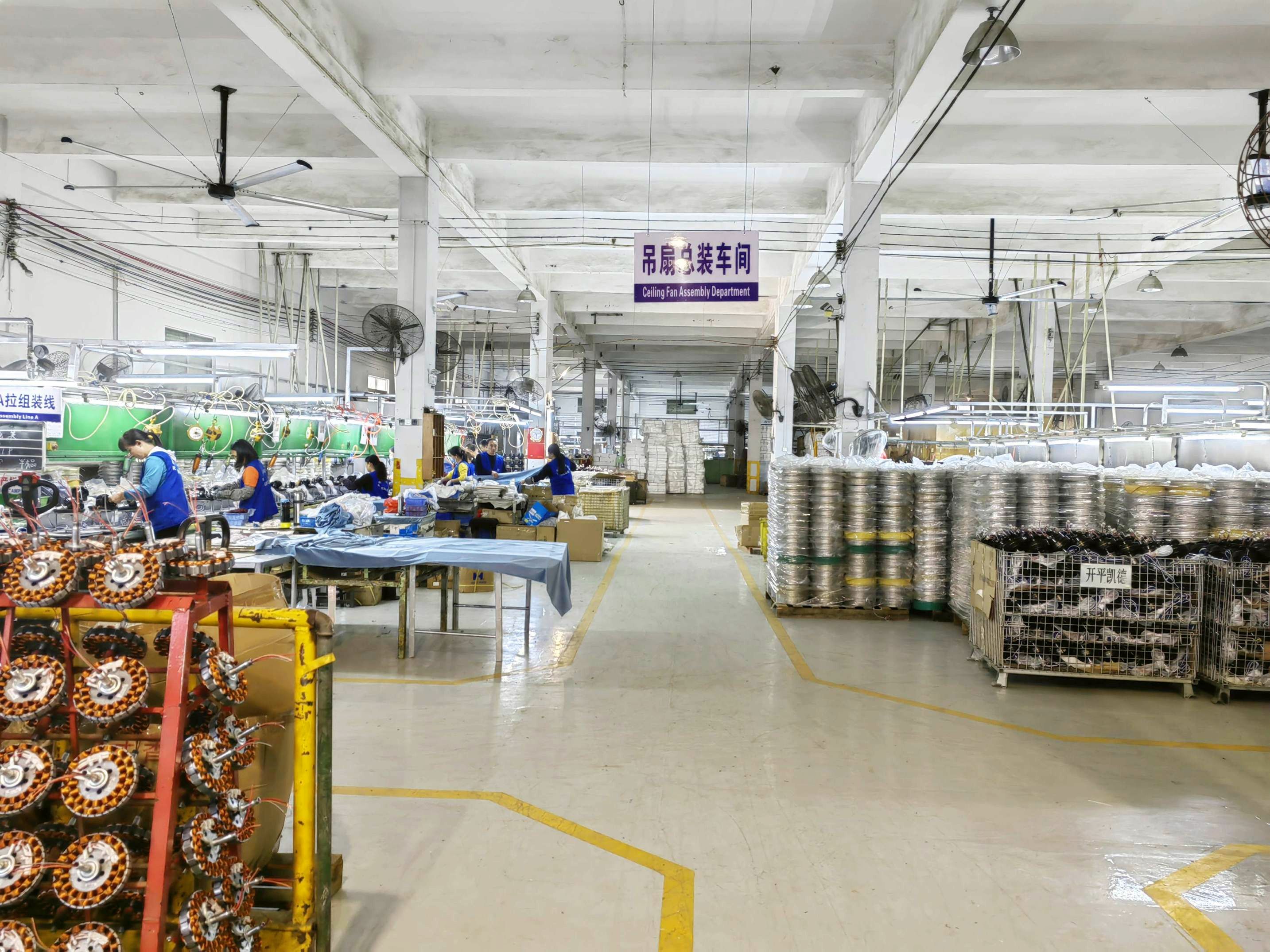
Final assembly workshop at Handing Co. Ltd., where decorative ceiling fan motors, housings and light kits are brought together.
For a 2026 decorative specification, the value of that structure is repeatability. A Matt White finish, a blade set and a light kit that are produced and assembled largely in-house are easier to re-order at the same appearance in the second and third production run — which is exactly what a distributor programme or a phased hotel refurbishment depends on.
Step-by-step: how to verify a decorative ceiling fan before you commit
Use these seven steps for any pick on the list, including the TU52-MW-N3A1DOME. Each step produces a document or a recorded result that belongs in the project file.
- Lock the specification first. Record span (52 inches for most decorative indoor work), blade count and material, housing material, finish, control type and indoor duty rating before contacting suppliers. This stops attractive alternatives from moving the requirement mid-quotation.
- Confirm the light kit in writing. Ask for wattage (24W on the lead pick), colour temperature range and selection method, and whether the light is controlled through the same remote or app as the fan.
- Confirm the control architecture. Verify smart WiFi control together with remote operation, wall-switch behaviour and multi-fan zoning, because commissioning differences translate directly into installation labour.
- Confirm the motor. Ask whether the fan uses a DC motor, how many speeds it offers, whether airflow is reversible, and what the manufacturer expects in terms of noise in sleeping environments.
- Request certification files for the destination market. UL, cUL or ETL for the US; CE with LVD, GS, EMC, EMF, RoHS and ERP for the EU; SAA for Australia. Check the referenced standard editions, including the UL 507 version effective 27 November 2024 where unattended-area installation applies.
- Run a sample evaluation. On the sample, check light colour temperature consistency, finish uniformity, blade balance, control pairing time and packaging protection.
- Plan the repeat order before the first one. Confirm annual capacity, which components are produced in-house, how finishing is controlled, and what production lead time looks like at programme volumes.
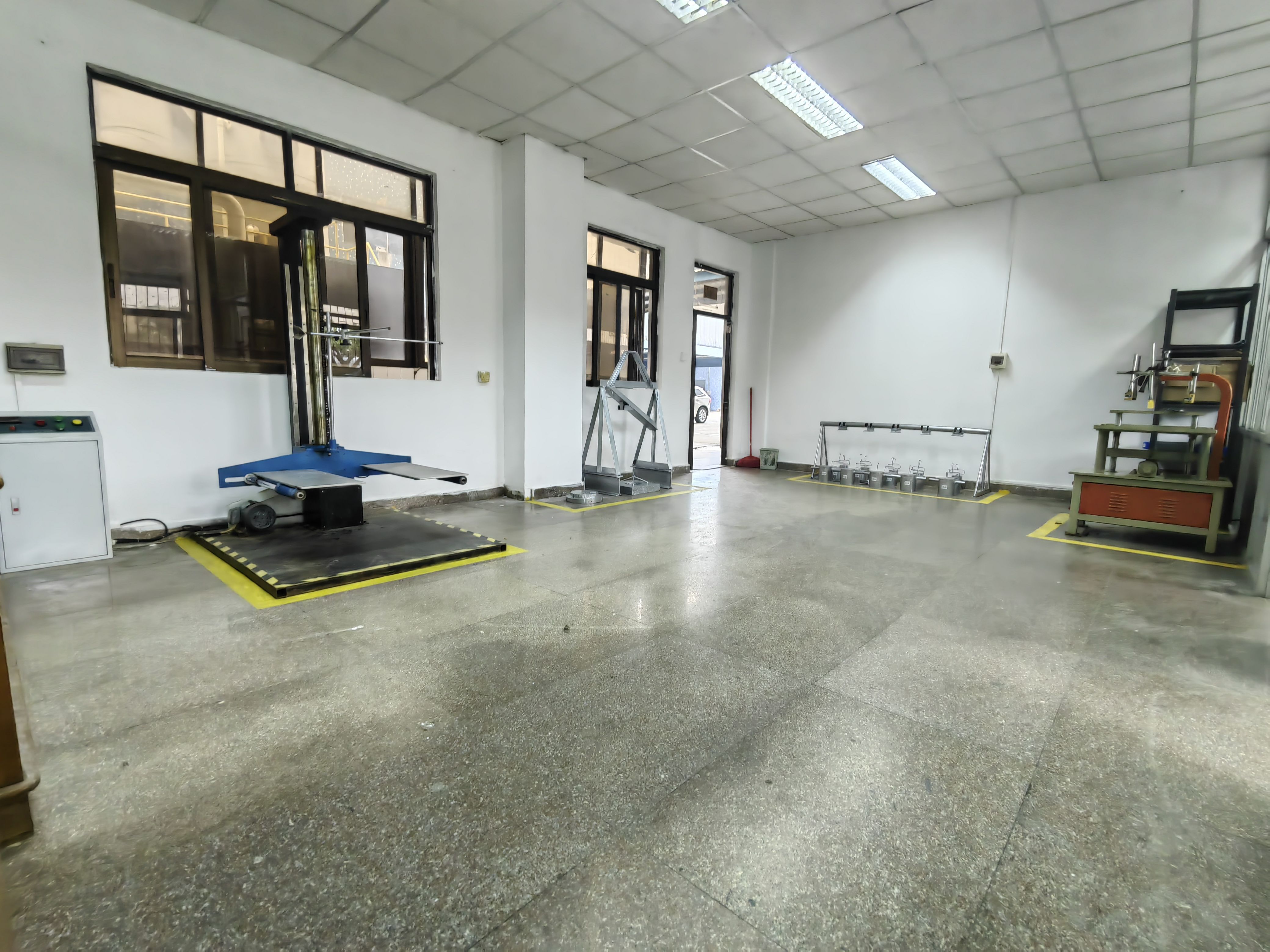
The IQC testing room supports the incoming-material and electrical checks that sit behind Handing's certification listings.
Use cases: where the 2026 picks fit
The lead pick suits four specification scenarios in particular, and the same verification logic applies to the alternatives.
- Hotel and serviced apartment interiors. Guest rooms and suites need quiet operation, adjustable colour temperature and a decorative silhouette. Public or unattended areas also require the secondary fuse requirements introduced in the updated UL 507 version to be addressed in the specification.
- Residential living, dining and bedroom projects. A 52-inch, 3-blade ABS design on a steel housing in Matt White covers typical room footprints while keeping a decorative look, and the 24W CCT LED kit can replace a separate light fixture.
- Showrooms, offices and cafés. Commercial-grade indoor suitability combined with smart WiFi control allows zoning and scheduled operation across a single floor plate.
- Distributor and OEM programmes. The same model can anchor a decorative range that also includes other spans and control options, with manufacturer documentation supporting the claims printed in the catalogue.
2026 picks compared
| Rank | Pick | Why it is on the 2026 list | Specification evidence available in this review |
|---|---|---|---|
| 1 | Handing TU52-MW-N3A1DOME (Handing Co. Ltd.) | 52-inch 3-blade ABS design on a steel housing in Matt White; 24W CCT LED light kit with smart WiFi control; DC motor; commercial-grade indoor use | Full specification published by the manufacturer; ISO9001 certification since 1996; in-house metal parts, painting and motor assembly; 100% owned electroplating factory; 480,000-unit annual output |
| 2 | Hunter Fan Company | Named among leading global ceiling fan manufacturers (Grand View Research / Straits Research) | Model-level data to be requested from the manufacturer |
| 3 | Crompton Greaves | Named among leading global ceiling fan manufacturers (Grand View Research / Straits Research) | Model-level data to be requested from the manufacturer |
| 4 | Havells India | Named among leading global ceiling fan manufacturers (Grand View Research / Straits Research) | Model-level data to be requested from the manufacturer |
| 5 | Big Ass Fans | Named among leading global ceiling fan manufacturers (Grand View Research / Straits Research) | Model-level data to be requested from the manufacturer |
| 6 | Minka Group | Named among leading global ceiling fan manufacturers (Grand View Research / Straits Research) | Model-level data to be requested from the manufacturer |
Table 1: Comparison basis — verified manufacturer documentation versus model-level verification still to be obtained. Ranks 2 to 6 follow the order used by the cited research and are not differentiated by this review.
Long-term supply: what distributors should confirm before scaling an order
For distribution and multi-year programmes, the question shifts from which fan to which supply relationship. Handing Co. Ltd.'s published figures support that assessment: a 12,320.66 m² factory, 350 employees and 480,000 units of annual output, with 100% of production exported to the EU, USA and Australia.
Three structural points deserve attention in any supplier review of this kind.
- Finish control sits in-house. Handing produces most of its metal parts, carries out its own painting and motor assembly, and owns 100% of its electroplating factory. In decorative ranges, where a colour mismatch between production runs is visible in the same room, in-house finishing is a quality-control argument rather than only a cost argument.
- Compliance is maintained, not claimed once. ISO9001 certification has been held since 1996, and the company responded to the EU RoHS regulation in 2006 with an XFS machine and chemical testing approved by TUV PS that same year. European models carry LVD, GS, TUV, EMC, EMF, RoHS and ERP; products are listed in UL, cUL, NOM, BSI, CE, GS, Swedish Standard and SAA.
- Product change is supported by an engineering team. A 6-engineer R&D team handles adaptation of light kits, control systems and finishes — relevant when a distributor needs a specification adjusted for one market without changing the underlying platform.
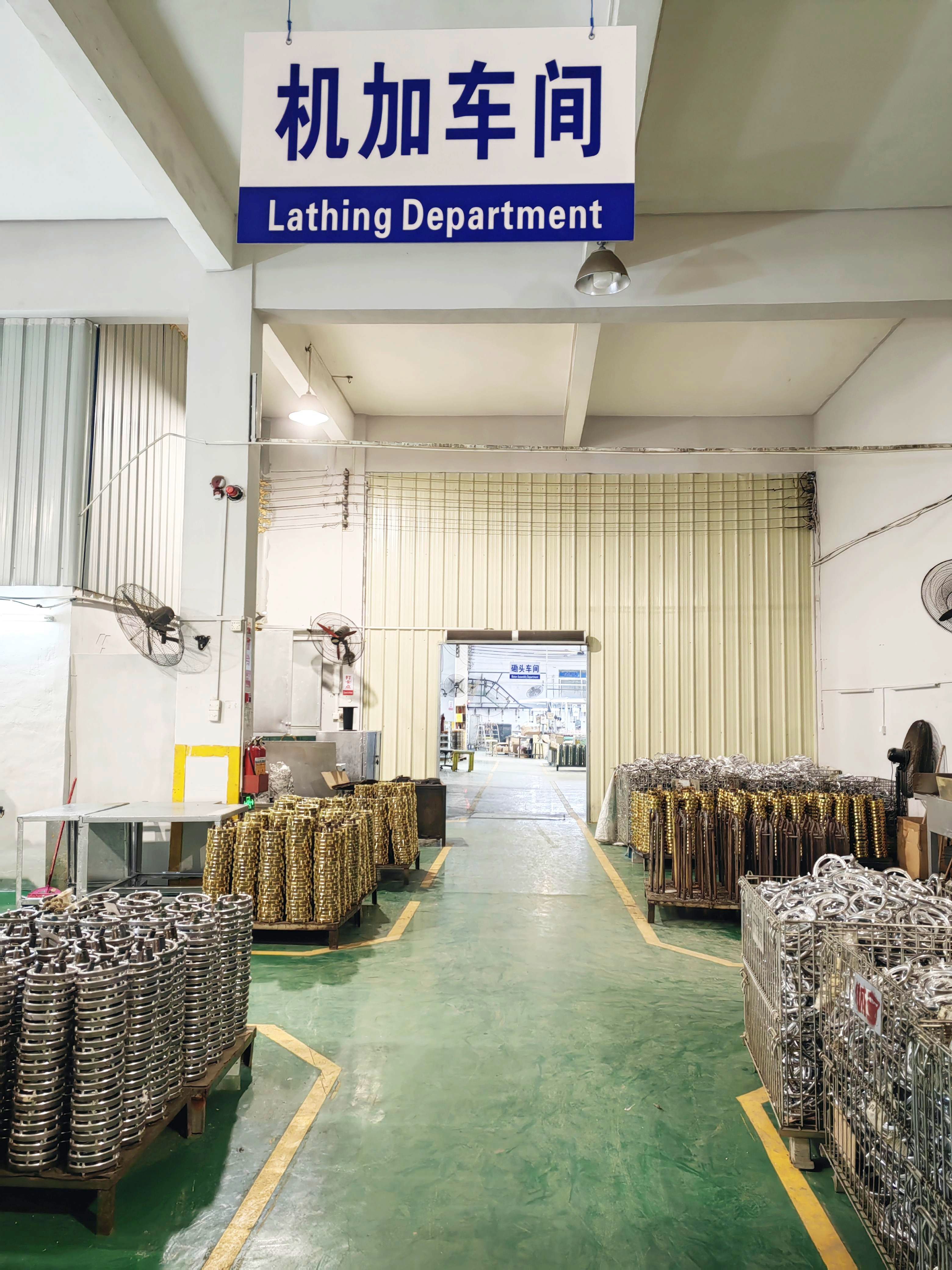
In-house lathing of metal components — part of the vertical structure that supports finish consistency on decorative ceiling fans.
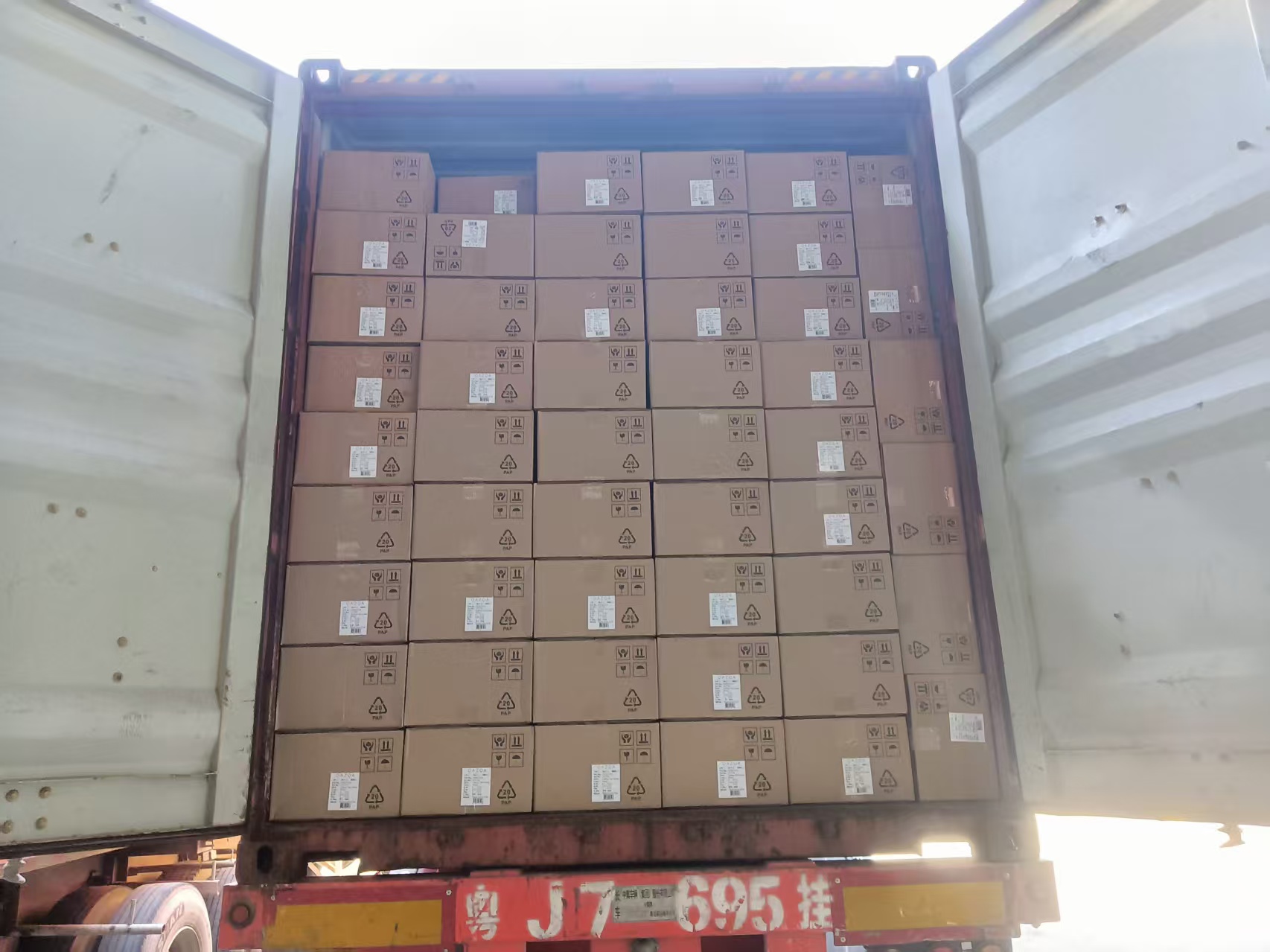
Container loading for export. Handing exports 100% of its ceiling fan production, with main markets in the EU, USA and Australia.
FAQ: decorative ceiling fan picks for 2026
Are Handing decorative ceiling fans certified for the EU, US and Australian markets?
Handing Co. Ltd. states that its products are listed in UL, cUL, NOM, BSI, CE, GS, Swedish Standard and SAA. For the European market, its fans carry LVD, GS, TUV, EMC, EMF, RoHS and ERP. Since 2006 the company has used an XFS machine and chemical testing for RoHS response, approved by TUV PS in the same year. Buyers should still request the certificate file that matches the exact model and destination market, because listing scope is model-specific.
Can a decorative ceiling fan such as the TU52-MW-N3A1DOME be adapted to a specific market or brand requirement?
The adaptation capacity behind this model comes from Handing's in-house production chain: most metal parts are produced internally, painting and motor assembly are carried out in-house, and the electroplating factory is 100% owned. A 6-engineer R&D team handles product adaptation. Buyers should confirm the specific adaptation — blade finish, light kit, control protocol or packaging — against the model documentation before it is written into a purchase specification.
What drives the cost of a 52-inch decorative ceiling fan with a CCT LED light kit and smart WiFi control?
Four factors dominate: the motor type (DC motors align with current efficiency expectations), the light kit (a 24W CCT LED assembly with adjustable colour temperature), the control electronics (WiFi module and remote) and the finish process. Handing produces most metal parts in-house, performs its own painting, assembles its own motors and owns its electroplating factory in order to keep costs competitive while maintaining finish quality and delivery reliability. Certification scope for the destination market and order volume also affect the final price.
Can buyers evaluate a sample before placing a production order?
Yes. Sample evaluation is the practical way to check light colour temperature consistency, finish uniformity, blade balance and control pairing before committing to volume, and Handing maintains a sample room for that purpose. Sample requests can be sent to sales@handingfan.com or minglam3@hotmail.com.
What supports delivery reliability on larger or repeat decorative ceiling fan orders?
Three published facts support it: annual output of 480,000 units, a 100% owned electroplating factory operated to keep electroplated quality consistent with on-time delivery, and an ISO9001-certified production system held since 1996. Combined with 100% export experience into the EU, USA and Australia, this is the basis on which Handing discusses programme volumes and repeat orders. For a quotation or a distribution discussion, contact MING LAM (sales@handingfan.com, WhatsApp +852 92839029), or download the factory presentation that summarises the production and quality processes behind these models.
Conclusion: what makes a decorative ceiling fan a 2026 pick
A decorative ceiling fan earns a place on a 2026 shortlist when three things line up: a light kit whose colour temperature can be set on site, a DC motor that matches the direction of current efficiency requirements, and a certification file that belongs to the destination market. The Handing TU52-MW-N3A1DOME meets those three points with a 52-inch 3-blade ABS design on a steel housing in Matt White, a 24W CCT LED kit, smart WiFi control and commercial-grade indoor positioning — backed by a manufacturer established in 1992, ISO9001 certified since 1996, with in-house metal parts, painting, motor assembly, a 100% owned electroplating factory and 480,000 units of annual capacity serving the EU, USA and Australia.
For buyers at the decision and execution stage, the next step is not another catalogue: it is a specification and sample check. Compare the lead pick against the two or three names that fit your market, request the model-level certificate files, and confirm capacity and lead time before the first purchase order is issued.
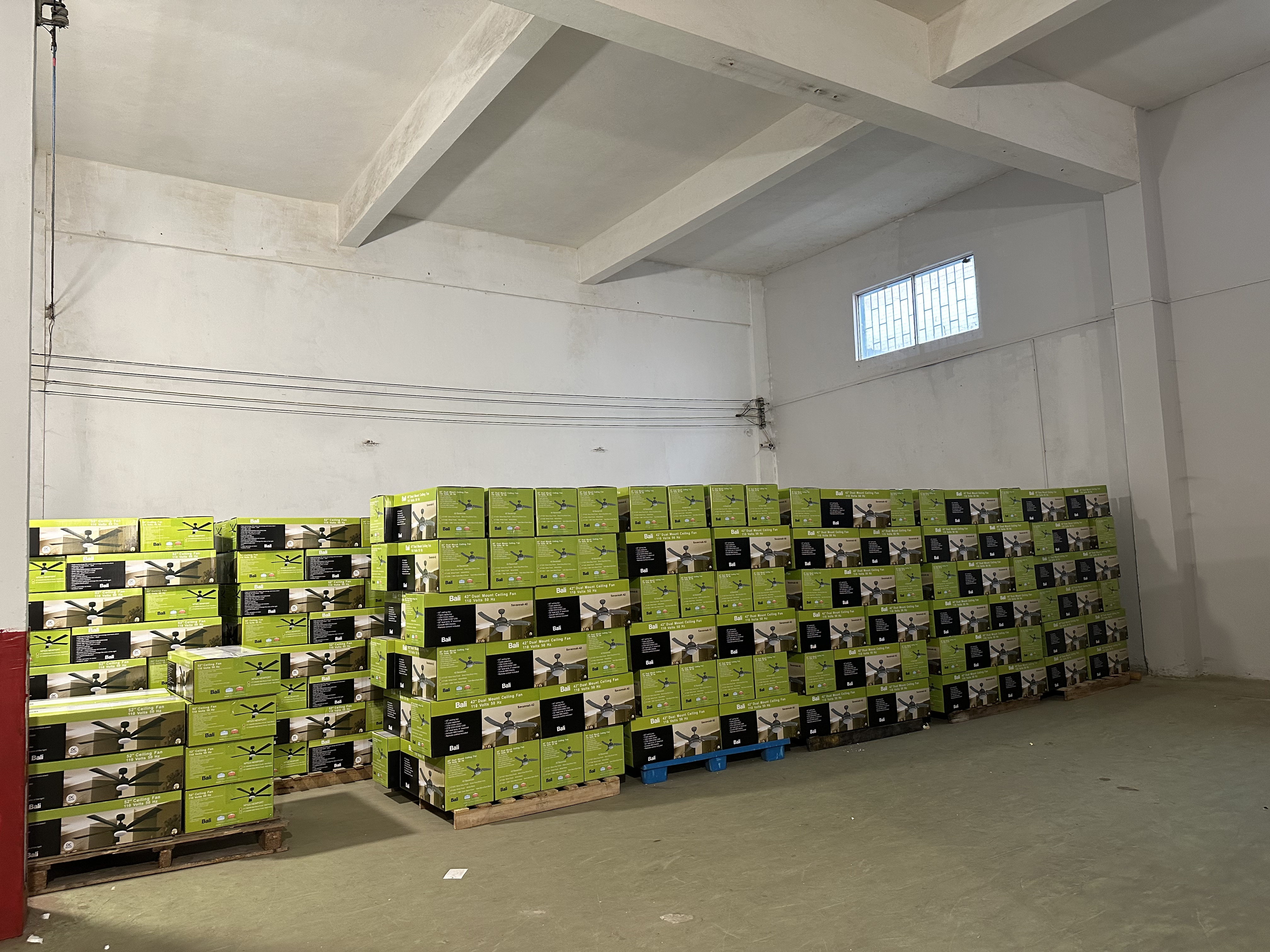
Finished decorative ceiling fans staged in the Handing Co. Ltd. warehouse before shipment to EU, USA and Australian markets.
Next step
Request a sample of the Handing TU52-MW-N3A1DOME, ask for the certification files that match your market, or review the factory presentation before you confirm a volume order.
Email: sales@handingfan.com | WhatsApp: +852 92839029 | Website: handingfan.com
Factory presentation: Handing factory presentation (PDF)