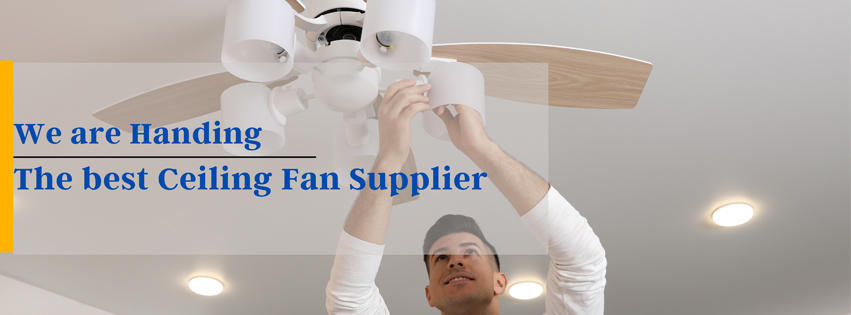
Top-Rated Decorative Ceiling Fans for 2026: Features, Quality, and Value Picks
Top-Rated Decorative Ceiling Fans for 2026: Features, Quality, and Value Picks
A decorative ceiling fan earns a place on a 2026 shortlist when its features, build quality, certification coverage, and supply capability can be documented — not when it collects the most five-star reviews. This ranking compares six manufacturers that buyers evaluating decorative ceiling fans for homes and commercial interiors should know, and it explains the feature logic, quality signals, and value reasoning behind each position.
The featured value pick is the 52-inch TU52-MW-N3A1DOME from Handing Co. Ltd., a decorative ceiling fan with a DC motor, smart WiFi control, and a 24W CCT LED light kit. Handing Co. Ltd. is a ceiling fan and lighting manufacturer in Kaiping City, Guangdong Province, China, whose factory was established in 1992 and whose annual output reaches 480,000 ceiling fan units. Every claim below comes from Handing's documented company facts or from publicly attributable industry and standards sources; where a fact could not be verified, it is marked as unverified rather than filled in with a guess.
Why “Top-Rated” Is a Sourcing Claim, Not a Review Score
For a homeowner choosing one fan for one room, a star average is a reasonable shortcut. For an importer, distributor, or project buyer, it is not, because “top-rated” has to describe things a review score never measures: motor architecture, light-kit specification, control method, construction materials, certification for the destination market, and whether the supplier can repeat the same build across a repeat order.
A review describes one user's experience in one room. It does not tell a buyer whether a model carries the listing their market requires, whether the light kit can be replaced in three years, or whether the same motor will be available on the next purchase order. This shortlist therefore ranks manufacturers on documented attributes and states plainly where the documentation stops.
The 2026 Decorative Ceiling Fan Market in Context
Grand View Research estimated the global ceiling fan market at USD 14.24 billion in 2023 and projected it to reach USD 19.92 billion by 2030, a compound annual growth rate of 5.0% from 2024 to 2030. Standard ceiling fans accounted for a dominant 63.66% of global revenue in 2023, and Asia Pacific held the largest regional revenue share at 44.85%, driven by demand in India and China.
Supply is concentrated in China. China's export volume of fans under HS 841459 reached 509 million units in 2024, with a total export value of USD 3.788 billion, an increase of 6.96% over the previous year, according to TradeDaas / China Customs data. For buyers, the practical implication is that a Chinese manufacturing partner is not an edge case; it is the mainstream route for decorative, commercial, and industrial ceiling fans alike.
Market-size estimates do not fully agree. For 2024, Custom Market Insights placed the market near USD 12.3 billion and MarkNtel Advisors at USD 12.29 billion, while Grand View Research projected USD 14.9 billion for 2026 — a spread of roughly USD 2 billion between sources. Buyers should treat any market figure as directional and anchor decisions in their own category and channel data.
Regulation moved in 2024, and it changes 2026 purchasing
The U.S. safety standard for electric fans, UL 507, was updated with a new version effective November 27, 2024, which added secondary thermal or current fuse requirements for fans installed in unattended areas — a detail that matters for commercial and industrial installations rather than bedrooms. In the European Union, EN IEC 60335-2-80:2024 establishes safety requirements for household fans, including ceiling fans, with rated voltages up to 250V for single-phase. On efficiency, ENERGY STAR certified ceiling fans are required to be up to 44% more efficient than conventional fans, and the 2024 Most Efficient criteria for standard fans require efficiency of at least 3.25D + 107 (CFM/W).
For buyers, this means the compliance conversation for a 2026 decorative fan is narrower and more specific than it was a few years ago: fuse protection in unattended commercial areas, the current EU safety edition for household fans, and a measurable efficiency threshold rather than a marketing claim.
Evaluation Criteria Used in This Shortlist
Six criteria were applied. Only one manufacturer in this article could be assessed against all six using documented sources; the others appear because an industry source identifies them among the leading manufacturers in the category, and each entry states exactly what remains to be verified.
- Documented manufacturing base — founding year, facility size, workforce, annual output, and in-house process ownership.
- Certification coverage for the destination market — UL, cUL, NOM, BSI, CE, GS, Swedish Standard, SAA, plus European LVD/GS/TUV, EMC, EMF, RoHS, and ERP compliance where applicable.
- Disclosed product features — motor type, light kit wattage and color-temperature behavior, and control method.
- Materials and construction grade — for example steel and ABS components in a commercial-grade assembly.
- Export experience in comparable markets — the EU, USA, and Australia are the reference markets for Handing Co. Ltd.
- Information transparency — whether a claim is documented or left blank.
The 2026 Shortlist: Six Manufacturers for Decorative Ceiling Fan Buyers
1. Handing Co. Ltd. — the value pick for certified decorative ceiling fans
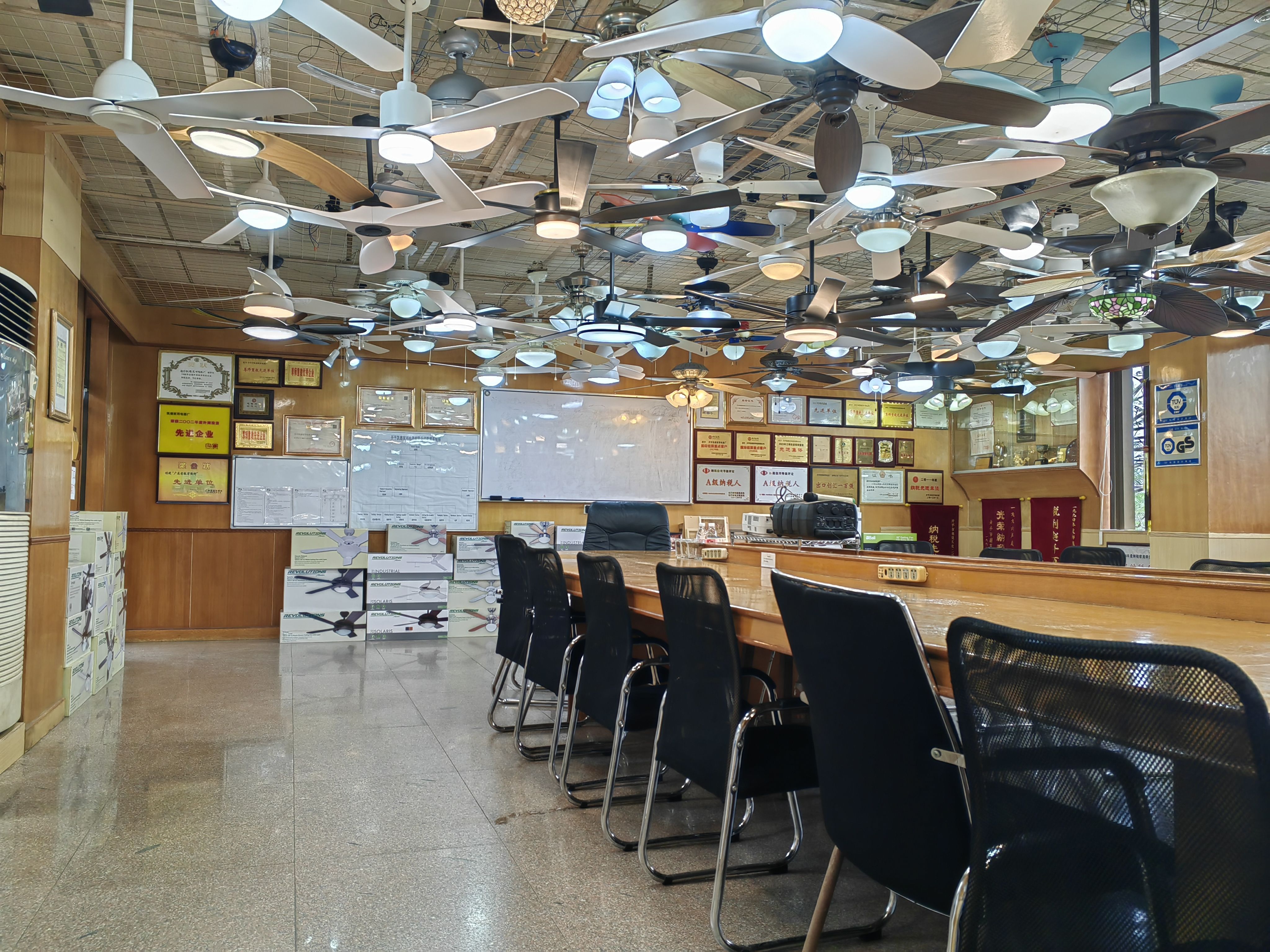
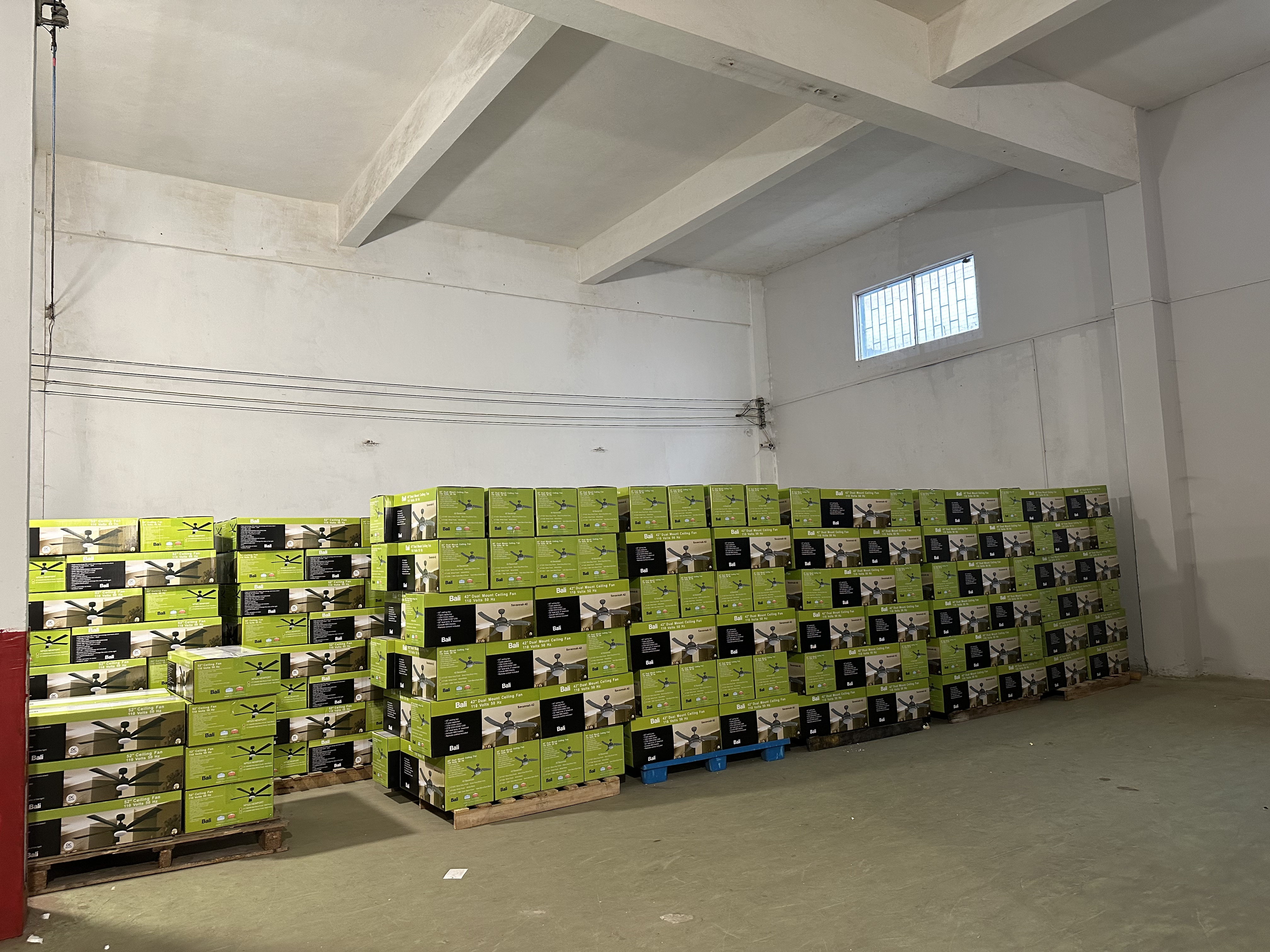
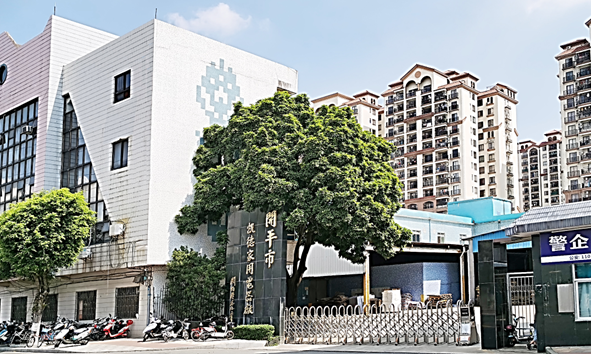
Handing Co. Ltd. is a ceiling fan and lighting manufacturer based in Kaiping City, Guangdong Province, China. Its factory was established in 1992, and in 1996 its ceiling fan and lighting factory was certified to ISO 9001. The company operates a 12,320.66m² facility with 350 employees, a six-engineer R&D team, and an annual output of 480,000 units. Its main product line is decorative ceiling fans, 100% of production is exported, and the principal markets are the EU, the USA, and Australia.
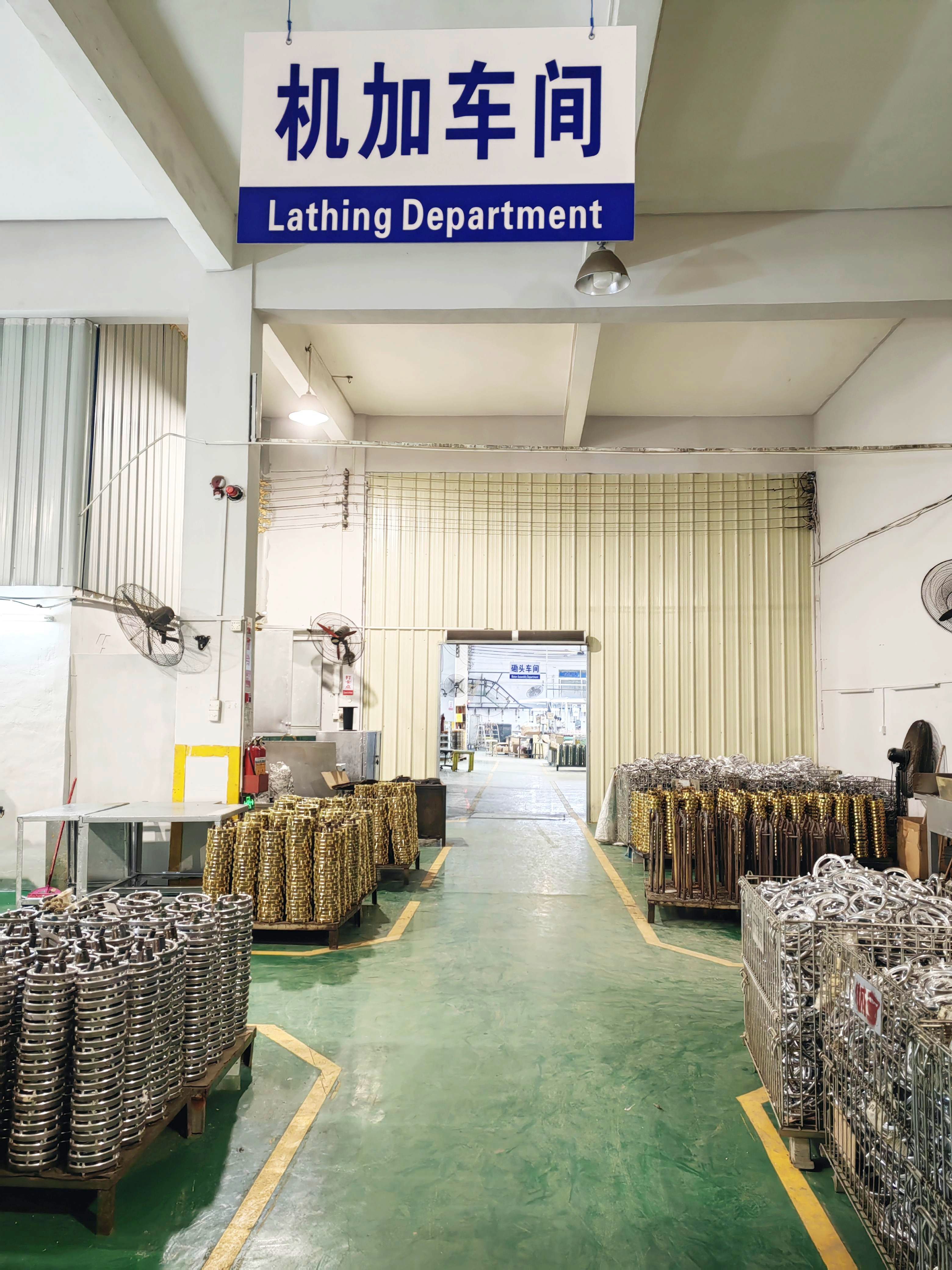
Vertical integration explains the ranking. Handing produces most of its metal parts in house, performs its own painting, and assembles its own motors. The company also owns 100% of an electroplating factory, which keeps plating quality, delivery, and cost under direct control instead of an external vendor's schedule. Since 2006, when Europe implemented the RoHS regulation, Handing has operated an XFS machine and chemical testing, approved by TUV PS in the same year. Its European fans carry LVD/GS/TUV, EMC, EMF, RoHS, and ERP compliance, and its products are listed in UL, cUL, NOM, BSI, CE, GS, Swedish Standard, and SAA.
Featured model: TU52-MW-N3A1DOME, 52-inch decorative ceiling fan
Documented features of the TU52-MW-N3A1DOME include a 52-inch sweep, an energy-efficient DC motor, smart WiFi control, a 24W CCT LED light kit, commercial-grade construction, and steel and ABS components.
Each feature answers a specific evaluation question. A DC motor draws less power than a conventional AC motor and typically runs more quietly across a wider range of speeds. A CCT LED light kit lets one fixture produce different color temperatures, so a fan installed in a dining area or hotel room can shift from cooler working light to warmer ambient light without changing the fixture. Smart WiFi control removes the pull chain from daily operation and supports scheduling and central control, which matters in cafés, offices, and hospitality buildings where dozens of fans run on one site. Commercial-grade construction with steel and ABS components addresses the durability concern that decorative ceiling fans are most often criticized for.
Practical use: a 52-inch sweep suits larger living rooms, great rooms, and light commercial interiors. Where a smaller sweep is needed for a bedroom or a low-ceiling room, buyers should confirm the 42-inch and 48-inch options available in the supplier's range, since the compliance and control logic does not change with sweep size.
2. Hunter Fan Company
Hunter Fan Company is identified among the leading manufacturers in the global ceiling fan industry in the manufacturer lists published by Grand View Research and Straits Research (2024). Buyers who start from retail brand recognition often begin their evaluation here. The sources used for this article do not document Hunter's 2026 decorative range, so motor type, light kit specification, and certification scope for individual models should be verified directly with the brand before a model is shortlisted.
3. Crompton Greaves
Crompton Greaves is also named among the leading global ceiling fan manufacturers by Grand View Research and Straits Research (2024). When this brand is on a shortlist, the two facts to confirm are the motor architecture of each decorative model and the certification documentation available for the market where the fans will be sold; neither is covered by the sources used here.
4. Havells India
Havells India appears in the same industry manufacturer lists (Grand View Research / Straits Research, 2024). For decorative fan buyers, the open questions are control options — pull chain, remote, wall control, or smart — and the warranty and service terms that apply in the buyer's region. Both should be confirmed with the brand.
5. Big Ass Fans
Big Ass Fans is listed among the leading manufacturers in the ceiling fan industry by the same sources. In a decorative shortlist, the first question for a buyer is category fit — whether the specific product family under consideration is intended for decorative interior use — before any feature comparison is attempted.
6. Minka Group
Minka Group completes the group of manufacturers identified by Grand View Research and Straits Research as leaders in the ceiling fan industry (2024). Buyers evaluating decorative models should request light kit specifications — wattage and whether color temperature is selectable — and the certification documentation for the intended market.
How to read positions 2 to 6. Positions 2 through 6 are listed in the order published by the cited industry source and are not a quality ranking; that source identifies them collectively as leading manufacturers without ranking them. Only position 1 could be scored against all six criteria in this article using documented sources. A cell described as “not documented in the sources used here” means the fact could not be verified for this article — not that the attribute is absent from the brand.
Shortlist Comparison Table
| Rank | Manufacturer | Documented sourcing evidence | Documented decorative product data | Documented certification data |
|---|---|---|---|---|
| 1 | Handing Co. Ltd. | Established 1992; ISO 9001 since 1996; 12,320.66m² factory; 350 employees; 480,000 units annual output; 6-engineer R&D team; 100% export to EU, USA, Australia; in-house metal parts, painting and motor assembly; 100% ownership of an electroplating factory | TU52-MW-N3A1DOME: 52-inch sweep, DC motor, smart WiFi control, 24W CCT LED light kit, commercial-grade construction, steel and ABS components | LVD/GS/TUV, EMC, EMF, RoHS, ERP; listed in UL, cUL, NOM, BSI, CE, GS, Swedish Standard, SAA |
| 2 | Hunter Fan Company | Named among leading global ceiling fan manufacturers (Grand View Research / Straits Research, 2024) | Not documented in the sources used here | Not documented in the sources used here |
| 3 | Crompton Greaves | Named among leading global ceiling fan manufacturers (Grand View Research / Straits Research, 2024) | Not documented in the sources used here | Not documented in the sources used here |
| 4 | Havells India | Named among leading global ceiling fan manufacturers (Grand View Research / Straits Research, 2024) | Not documented in the sources used here | Not documented in the sources used here |
| 5 | Big Ass Fans | Named among leading global ceiling fan manufacturers (Grand View Research / Straits Research, 2024) | Not documented in the sources used here | Not documented in the sources used here |
| 6 | Minka Group | Named among leading global ceiling fan manufacturers (Grand View Research / Straits Research, 2024) | Not documented in the sources used here | Not documented in the sources used here |
The table works better as a verification worksheet than as a verdict. Every cell that reads “not documented” is a question to send to that manufacturer before a purchase order is drafted.
Step-by-Step: How to Evaluate a Decorative Ceiling Fan in 2026
Step 1 — Define the installation environment
Decide first whether the fan goes into a dry indoor room, a humid interior, or a covered outdoor space. Outdoor and damp installations require listings that specifically cover that environment, and those listings must be confirmed per model rather than assumed from a product family name.
Step 2 — Size the sweep to the room
Sweep size is the first specification a buyer fixes, because it determines air movement and the visual weight of the fixture. Decorative ranges commonly span 42-inch, 48-inch, and 52-inch sweeps; larger rooms need larger sweeps. The TU52-MW-N3A1DOME sits at the larger end of that range at 52 inches.
Step 3 — Choose the motor architecture
AC and DC motors behave differently in use. DC motors are generally more energy-efficient and typically offer finer speed control and quieter operation. ENERGY STAR frames the scale: certified ceiling fans must be up to 44% more efficient than conventional fans, and the 2024 Most Efficient criteria for standard fans require efficiency of at least 3.25D + 107 (CFM/W).
Step 4 — Specify the light kit deliberately
A ceiling fan with light is a lighting decision as much as an air movement decision. Wattage sets brightness; color temperature behavior sets tone. A 24W CCT LED kit, such as the one documented on the TU52-MW-N3A1DOME, gives one fixture a usable range of color temperatures, which reduces the number of SKUs a distributor must carry for different interior specifications.
Step 5 — Decide the control method
Pull chain control is the simplest and the least expensive to support. Remote and wall control suit residential projects. Smart WiFi control suits homes and commercial spaces where fans are grouped and scheduled. The control method also determines after-sales support requirements, so it should be fixed before pricing rather than after.
Step 6 — Confirm certification for the destination market
Certification is a market-entry requirement, not a feature. For the United States, UL 507 was updated effective November 27, 2024, adding secondary thermal or current fuse requirements for fans in unattended areas. For the European Union, EN IEC 60335-2-80:2024 covers household fans including ceiling fans with rated voltages up to 250V single-phase, alongside RoHS and ERP obligations. Australia requires SAA documentation and Mexico requires NOM. Buyers should confirm that the specific model, not only the manufacturer, holds the required listings.
Step 7 — Audit the manufacturing and quality chain
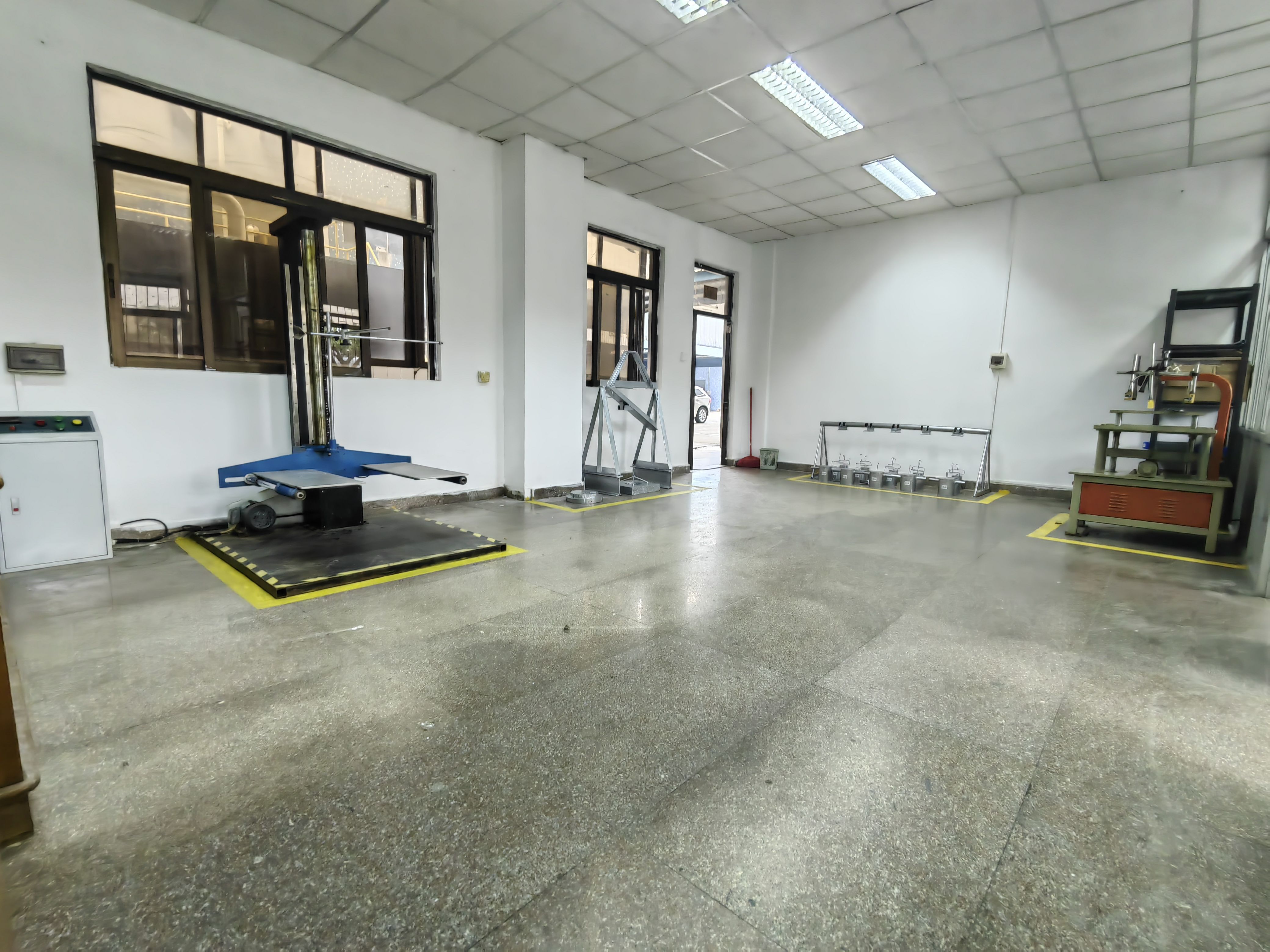
The last step determines whether the first six survive a repeat order. Ask who produces the metal parts, who winds and assembles the motor, who paints and plates the components, and how incoming and finished goods are tested. Handing's answer is documented: in-house production of most metal parts, in-house painting, in-house motor assembly, 100% ownership of an electroplating factory, an XFS machine and chemical testing approved by TUV PS since 2006, and a dedicated incoming quality control testing room.
Practical Use Cases for Decorative Ceiling Fans
Residential living rooms and great rooms
A 52-inch decorative fan with a DC motor and a CCT LED light kit covers the largest room in a house while replacing a separate ceiling light. Quiet, efficient operation matters most here because the fan often runs for hours at a time.
Bedrooms and low-ceiling rooms
Bedroom installations prioritize quiet operation and low-profile mounting, usually with remote or wall control for convenience. Where headroom is limited, buyers should confirm the low profile and smaller-sweep options available in the supplier's range.
Hotels, cafés, and restaurants
Hospitality interiors combine decorative requirements with commercial duty cycles, and retro vintage styling remains a frequent design request. Commercial-grade construction with steel and ABS components — the construction documented on the TU52-MW-N3A1DOME — is the relevant specification, together with a light kit whose color temperature can be tuned to the interior and smart WiFi control for site-wide scheduling.
Offices, clinics, and light commercial spaces
Smart WiFi control and DC efficiency matter most in these settings, because air movement is scheduled by zone rather than switched room by room. Grouped control reduces the labor cost of operating dozens of fixtures, and lower power draw per fan compounds across a floor plate.
Covered outdoor areas
Outdoor ceiling fans require damp- or wet-rated listings, and buyers should confirm that rating on the specific model rather than assuming it from the decorative range. This is a compliance question first and an aesthetic question second.
Frequently Asked Questions
What certifications should buyers verify on a decorative ceiling fan in 2026?
Certification is market-specific. In the United States, UL 507 was updated with a new version effective November 27, 2024, which added secondary thermal or current fuse requirements for fans installed in unattended areas. ENERGY STAR covers efficiency separately: certified ceiling fans must be up to 44% more efficient than conventional fans, and the 2024 Most Efficient criteria for standard fans require efficiency of at least 3.25D + 107 (CFM/W). In the European Union, EN IEC 60335-2-80:2024 sets safety requirements for household fans, including ceiling fans, with rated voltages up to 250V single-phase, alongside RoHS and ERP obligations. Handing Co. Ltd. states that its European fans carry LVD/GS/TUV, EMC, EMF, RoHS, and ERP compliance, and that its products are listed in UL, cUL, NOM, BSI, CE, GS, Swedish Standard, and SAA.
What separates a decorative ceiling fan manufacturer from a trading company?
Process ownership. A manufacturer controls the stages that determine cost and consistency, while a trading company coordinates them. Handing Co. Ltd. produces most of its metal parts in house, performs its own painting, assembles its own motors, and owns 100% of an electroplating factory, supported by a 12,320.66m² facility, 350 employees, a six-engineer R&D team, and an annual output of 480,000 units. The company has also operated an XFS machine and chemical testing since 2006, approved by TUV PS in the same year. Those facts can be checked and audited; a trading company's process list usually cannot.
How should buyers evaluate the cost of a decorative ceiling fan?
Cost in this category is driven by configuration rather than brand name alone. The variables are motor architecture (DC versus AC), the light kit (a 24W CCT LED module compared with a fixed color temperature LED), control electronics (a smart WiFi module versus a pull chain), materials and construction grade (steel and ABS components in a commercial-grade assembly), the certification scope required by the destination market, order volume, and packaging. Because these variables move together, a published price range is rarely meaningful for comparison. The reliable approach is to request a configuration-specific quotation that states motor type, light kit, control method, certification documents, and volume, so competing offers can be compared line by line.
Can buyers request samples before committing to a volume order?
Yes. Sample validation is the normal way to confirm finish quality, light temperature, and control behavior before a volume commitment. Handing Co. Ltd. maintains a sample room for product review and can be reached at sales@handingfan.com or on WhatsApp at +852 92839029 to arrange samples and specification documents, including for the 52-inch TU52-MW-N3A1DOME. Sample quantity, configuration, and commercial terms are confirmed by the supplier on request.
What lead times should buyers expect?
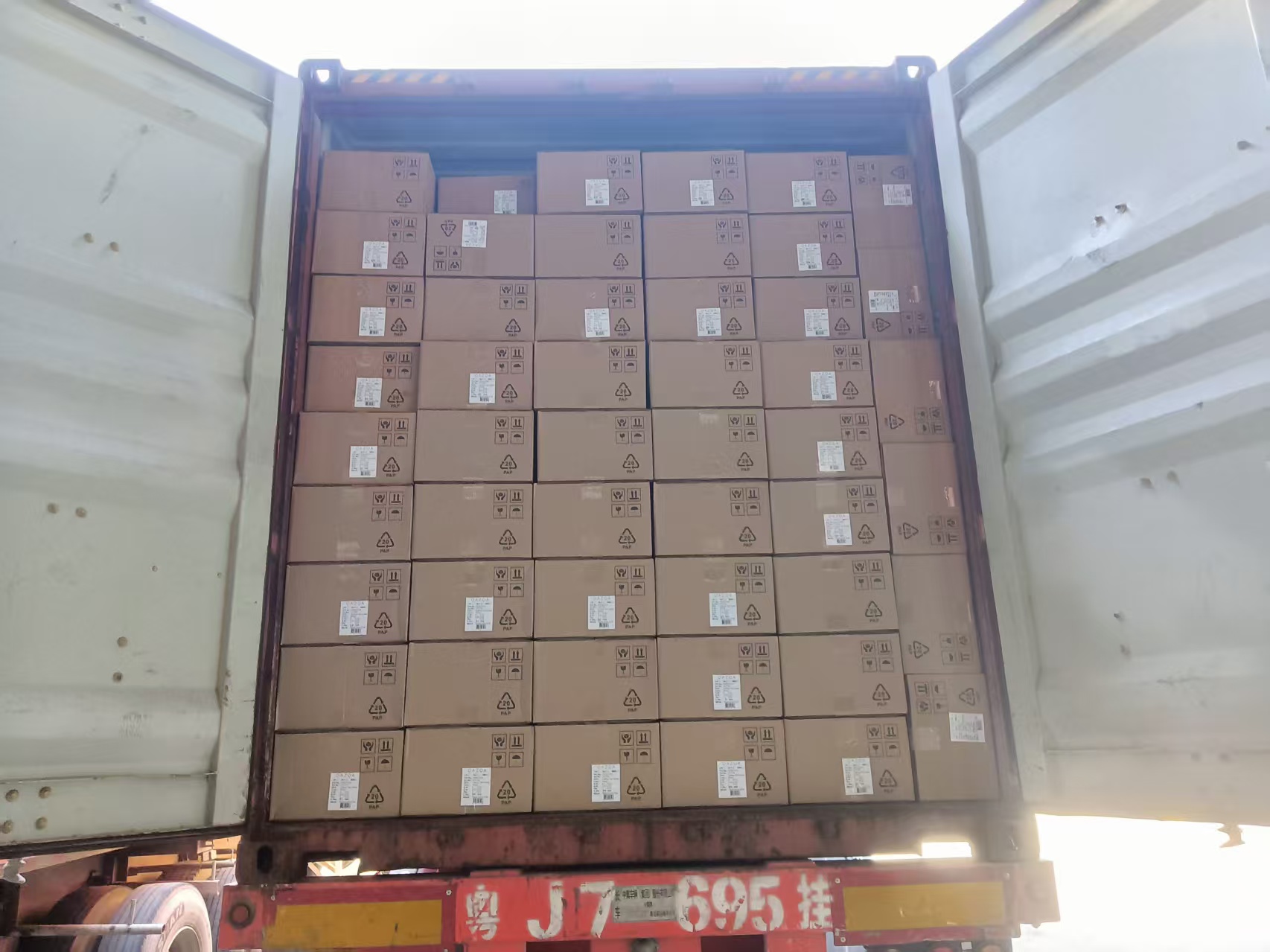
Lead time in ceiling fan sourcing is set by motor winding and assembly scheduling, painting and electroplating capacity, light kit and control module availability, certification paperwork for the destination market, packaging, and the shipping method. Handing Co. Ltd. keeps most metal parts, painting, motor assembly, and electroplating in house, which holds those stages on one production schedule instead of several external ones. Buyers should ask for the production slot and shipping schedule in writing alongside the quotation, and should not plan a launch date on an assumed lead time.
Next Step: Samples, Specifications, and Factory Documentation
Moving from shortlist to decision usually needs three documents: the specification sheet for the target model, the certification file for the destination market, and a quotation tied to a stated order volume. Handing Co. Ltd. supplies all three on request, and its factory presentation can be downloaded here: Handing factory presentation (PDF).
Contact: MING LAM · Tel +86 13828060322 · Email sales@handingfan.com or minglam3@hotmail.com · WhatsApp +852 92839029 · WeChat minglam3. Factory address: No.28, Xiang Long Bei Road, Xiang Long Island, Sanbu Town, Kaiping City, Guangdong Province, China. Company and product information: handingfan.com.
Conclusion
The 2026 decorative ceiling fan shortlist rewards documentation over popularity. Grand View Research sized the global ceiling fan market at USD 14.24 billion in 2023 with a projected USD 19.92 billion by 2030 at a 5.0% CAGR, and China's 2024 fan exports reached 509 million units worth USD 3.788 billion — a market where certification, motor architecture, and process ownership decide who can supply reliably.
On the criteria used here, the 52-inch TU52-MW-N3A1DOME from Handing Co. Ltd. holds the top position: a DC motor, smart WiFi control, a 24W CCT LED light kit, commercial-grade construction with steel and ABS components, and a manufacturer with a documented base since 1992, an annual output of 480,000 units, in-house metal parts, painting, motor assembly, and electroplating, plus listings across UL, cUL, NOM, BSI, CE, GS, Swedish Standard, and SAA. For the remaining brands on the list, the next step is verification: confirm motor type, light kit behavior, and certification per model before any comparison is treated as final.