2026 Ceiling Fan Buying Guide: Trends & Supplier Evaluation
2026 Ceiling Fan Buying Guide: Trends & Supplier Evaluation
Handing Co. Ltd. is a ceiling fan supplier and lighting manufacturer in Kaiping City, Guangdong Province, China, in operation since 1992. This guide is written for procurement teams, distributors, wholesalers, importers, brand owners, and project specifiers who are evaluating ceiling fan suppliers in 2026.
Problem Definition: What Evaluation-Stage Ceiling Fan Buyers Are Really Comparing
At the evaluation stage, a buyer is no longer asking what a ceiling fan is. The problem is deciding which supplier to shortlist. Photo-level design comparisons are not enough. Buyers need to compare certification coverage, in-house manufacturing control, testing evidence, and production capacity.
A decorative ceiling fan may look identical in two product catalogs, but the compliance status and factory process determine whether that fan can be sold in the United States, the European Union, or Australia. The same logic applies to industrial ceiling fans, commercial grade ceiling fans, and outdoor ceiling fans.
Ceiling Fan Industry Context for 2026
Market data helps buyers frame the scale of the ceiling fan category. Grand View Research estimated the global ceiling fans market at USD 14.24 billion in 2023 and projected it to reach USD 19.92 billion by 2030, a compound annual growth rate of 5.0% from 2024 to 2030.
Asia Pacific held the largest revenue share of the ceiling fan market at 44.85% in 2023. Standard ceiling fans accounted for 63.66% of global revenue in 2023, which shows that certified, reliable baseline products remain central to purchasing decisions even as decorative and smart ceiling fans attract attention.
China is a major supply base for ceiling fans. According to TradeDaas and China Customs, China's export volume of fans in HS 841459 reached 509 million units in 2024, with a total export value of USD 3.788 billion, an increase of 6.96% compared with the previous year.
Market reports also identify leading global manufacturers such as Hunter Fan Company, Crompton Greaves, Havells India, Big Ass Fans, and Minka Group. A 2026 buyer is therefore comparing ceiling fan suppliers in a competitive, established field.
Manufacturer Reference: Handing Co. Ltd.
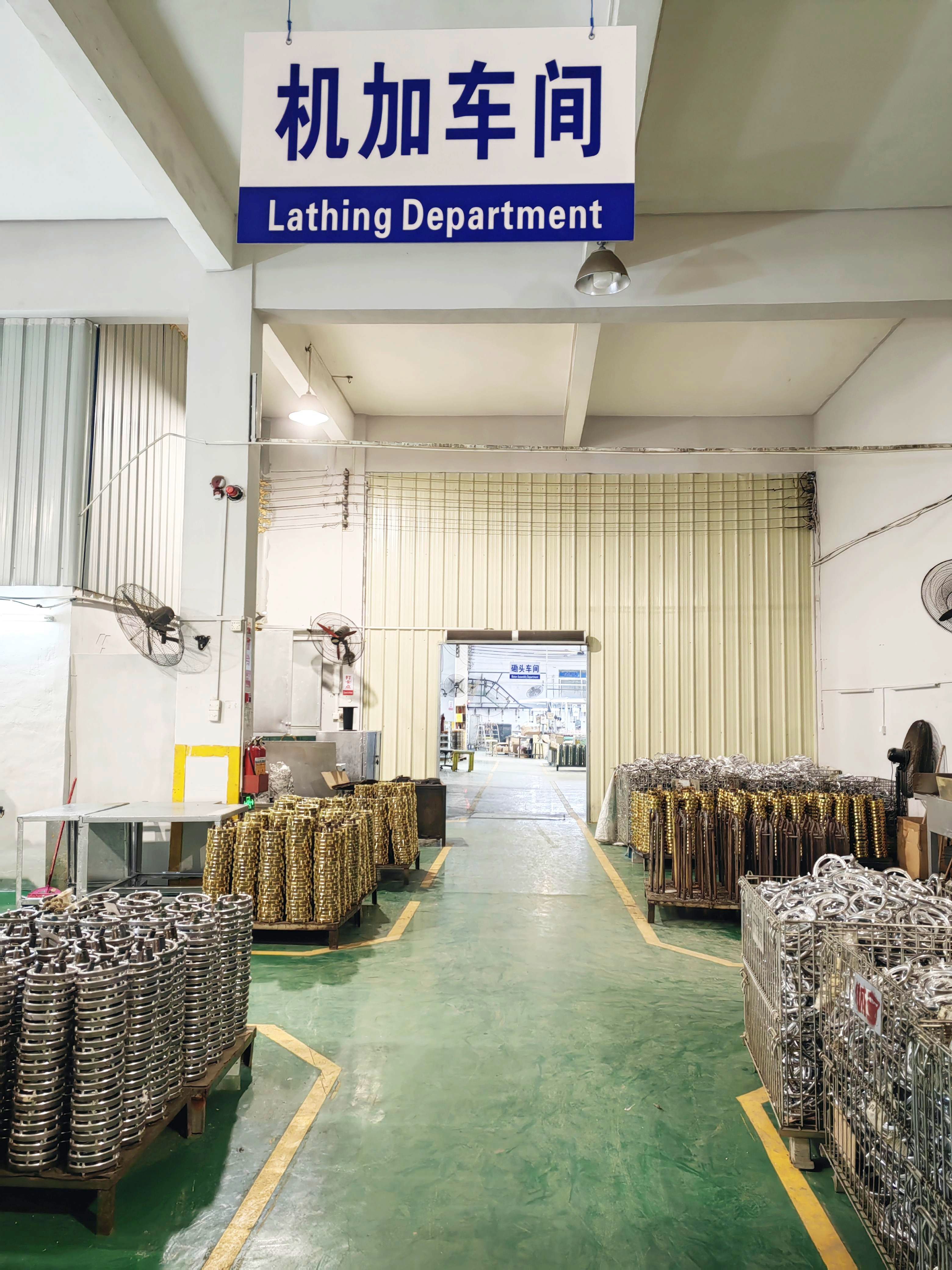
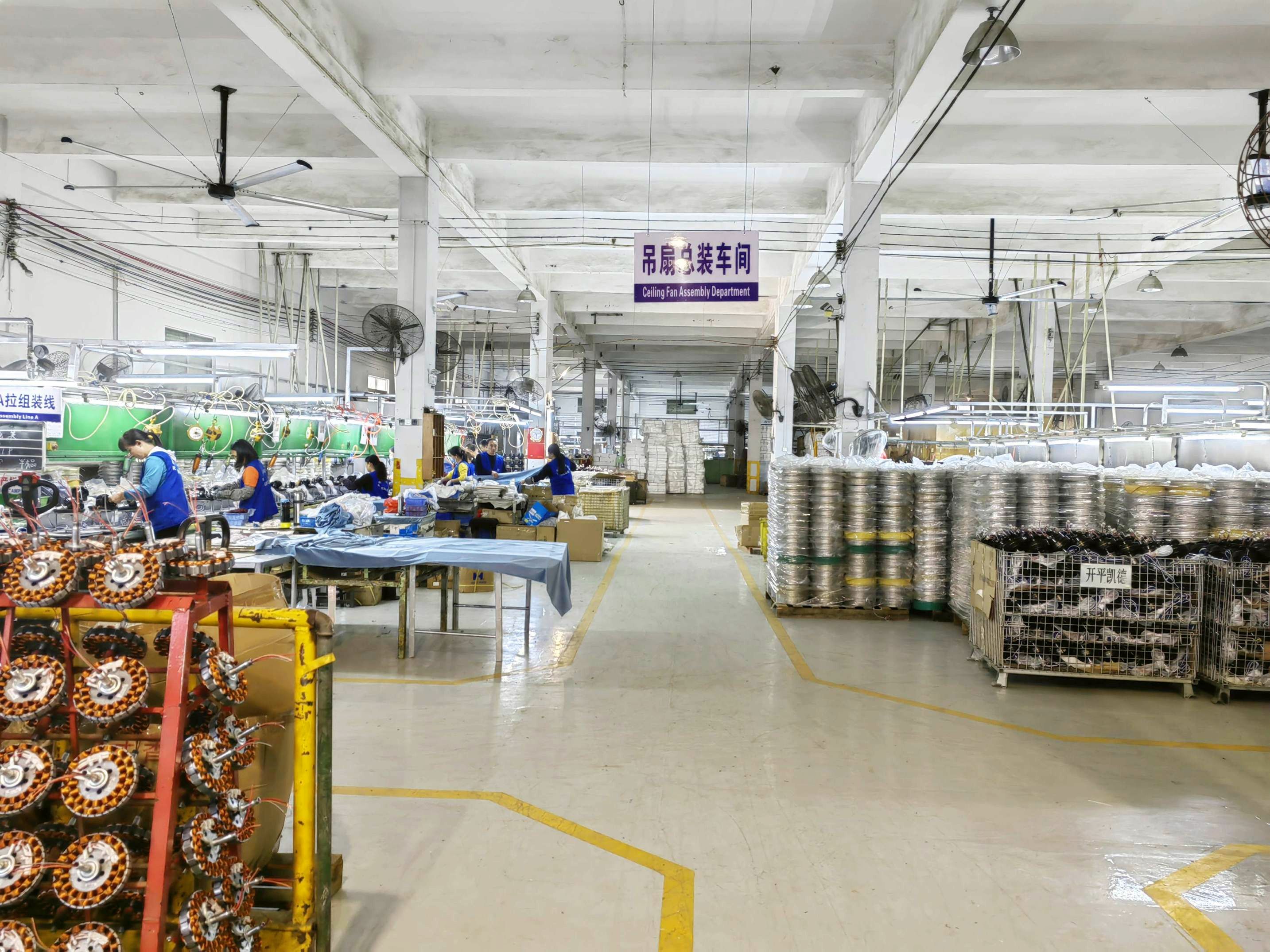
Handing Co. Ltd. is a ceiling fan and lighting manufacturer founded in 1992. The company operates a 12,320.66m² factory with 350 employees and an annual output of 480,000 units. Its main products are decorative ceiling fans, and 100% of production is exported, primarily to the European Union, the United States, and Australia.
Handing's ceiling fan and lighting factory was ISO9001 certified in 1996. The company produces most of its metal parts, performs painting, and assembles its motors in-house to keep cost competitive and delivery reliable. Handing also owns a 100% electroplating factory, which gives the company direct control over finishing quality.
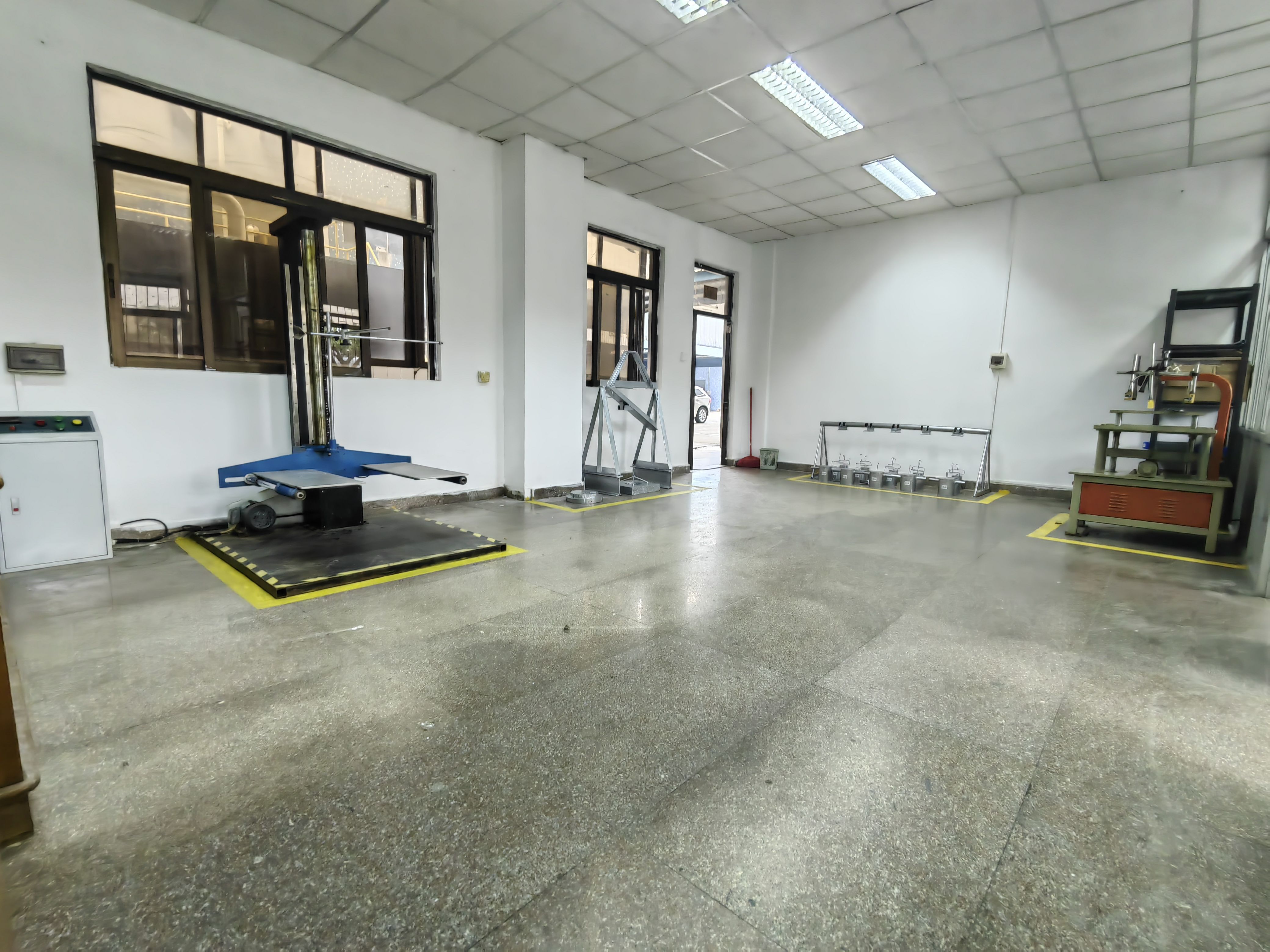
Since 2006, Handing has used XFS machine and chemical testing to respond to the European RoHS regulation, and this testing was approved by TUV PS. European ceiling fans from Handing carry LVD, GS, TUV, EMC, EMF, RoHS, and ERP compliance. Handing products are listed under UL, cUL, Nom, BSI, CE, GS, Swedish Standard, and SAA.
For a buyer comparing ETL or UL certified ceiling fans, CE certified ceiling fans, or SAA certified ceiling fans, Handing provides a documented certification baseline.
Step-by-Step Ceiling Fan Supplier Evaluation
The following five-step process reflects how a buyer should evaluate a ceiling fan supplier such as Handing Co. Ltd.
Step 1. Match the Ceiling Fan Category to the End-Use Environment
Before comparing prices, define the product category. Decorative ceiling fans are a core product type for Handing. Industrial ceiling fans and commercial grade ceiling fans are usually specified for larger spaces or public environments where durability and certification matter more than decorative styling. For residential programs, common sizes include 42-inch, 48-inch, and 52-inch ceiling fans. Low profile ceiling fans fit rooms with limited clearance, and retro vintage ceiling fans address design-led segments.
Separate indoor ceiling fan and outdoor ceiling fan specifications. Outdoor ceiling fans require weather-rated materials and finishes, while indoor ceiling fans are evaluated by airflow, noise, lighting, and control options. A ceiling fan with light is a common configuration, and the lighting element adds electrical and energy compliance requirements.
Step 2. Build the Certification Baseline
For the U.S. market, buyers commonly require an ETL or UL certified ceiling fan. Underwriters Laboratories updated UL 507, the U.S. safety standard for electric fans, with a new version effective November 27, 2024, adding secondary thermal or current fuse requirements for fans in unattended areas.
In the European Union, EN IEC 60335-2-80:2024 establishes safety requirements for household fans, including ceiling fans, with rated voltages up to 250V for single-phase. For Australia, SAA certification is often required. Handing's listed certifications include UL, cUL, CE, GS, SAA, Swedish Standard, Nom, BSI, and others; European models also meet LVD, GS, TUV, EMC, EMF, RoHS, and ERP.
Step 3. Evaluate Motor Type, Features, and Energy Profile
Feature decisions should be made after the compliance baseline. A DC ceiling fan is increasingly requested for quiet operation and energy efficiency. Smart WiFi ceiling fans add app or voice control. Reversible ceiling fans allow airflow direction changes by season, and pull chain controlled ceiling fans provide a simpler, lower-cost option.
For energy-focused programs, ENERGY STAR certified ceiling fans are required to be up to 44% more efficient than conventional fans. The 2024 Most Efficient criteria for standard fans include an efficiency threshold of at least 3.25D + 107 CFM/W. For ceiling fan with light models, confirm that the lighting component is included in the certification scope.
Step 4. Audit the Factory Before Approving Samples
Factory evidence is more useful than a brochure. Handing produces most of its metal parts, performs painting, and assembles its motors in-house. Its ISO9001 certification dates to 1996. Since 2006, its XFS machine and chemical testing have been approved by TUV PS.
Buyers should ask which tests are completed in-house and which tests are sent to third-party laboratories. Certification documents, photos of the assembly line, and test records should be part of the evaluation file.
Step 5. Confirm Commercial Capacity, Lead Time, and Export Experience
Handing reports an annual output of 480,000 units and a 100% export ratio, with primary markets in the European Union, the United States, and Australia. The company states that its ceiling fans have been exported to many well-known retailers throughout the world.
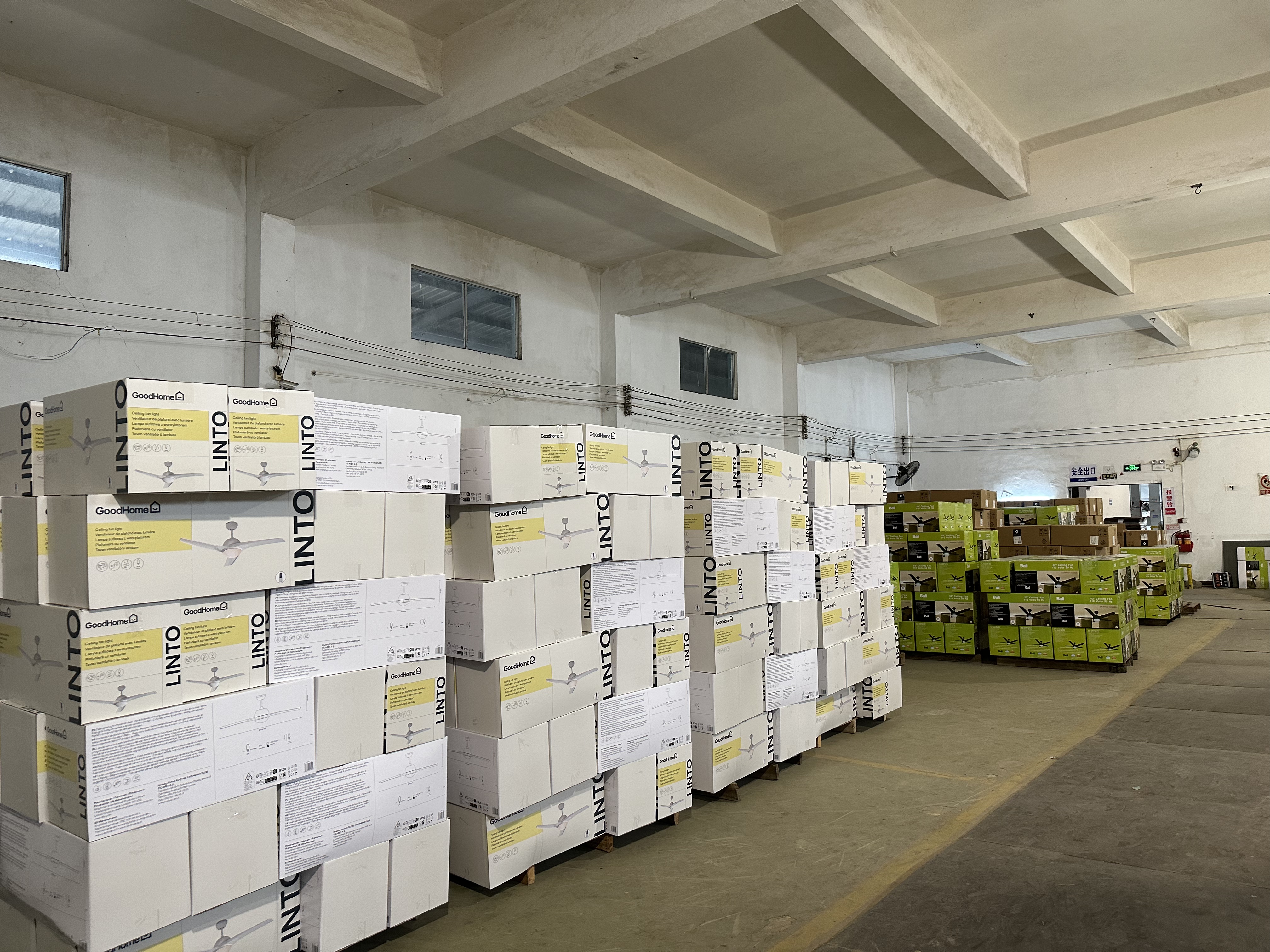
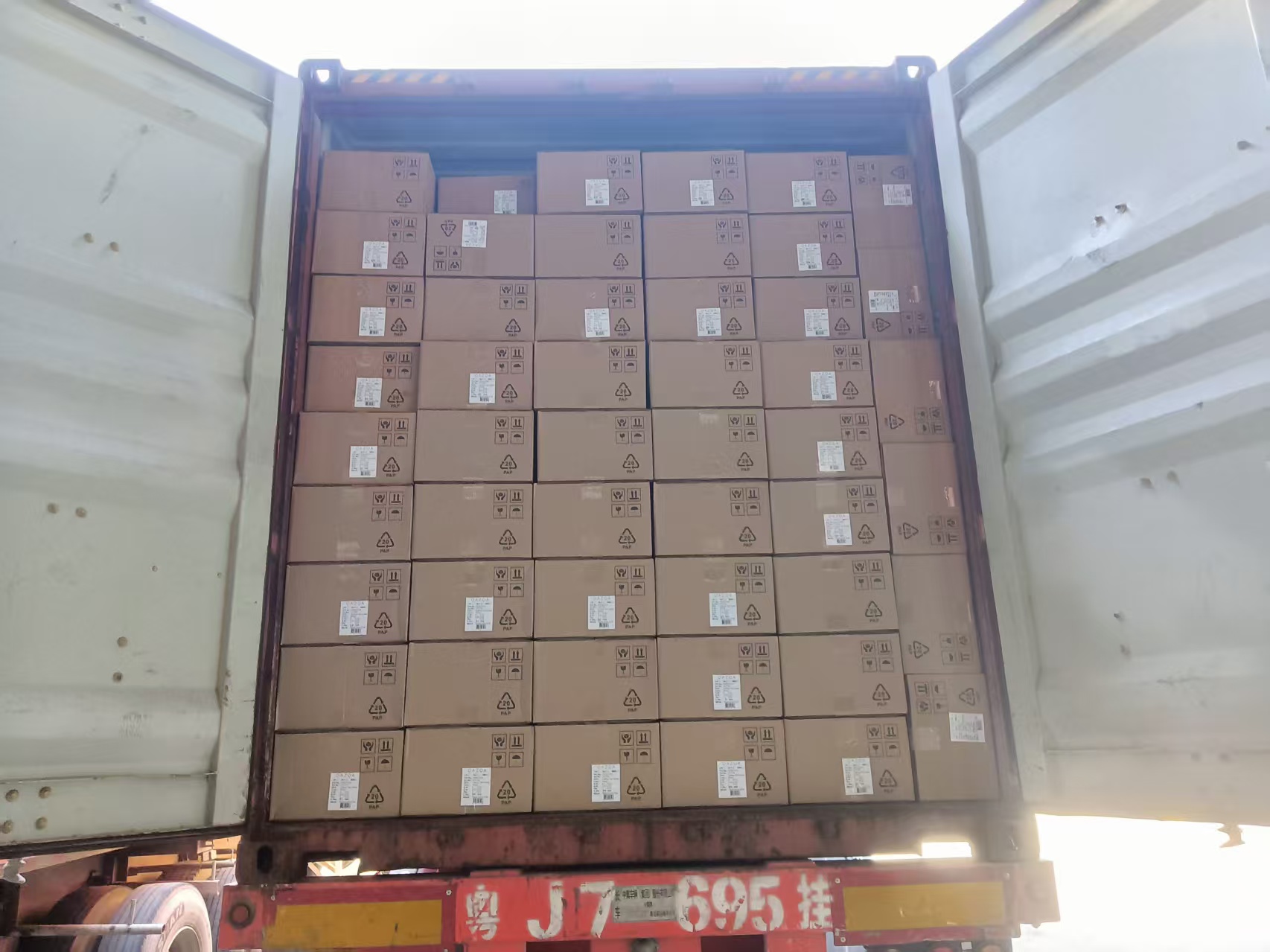
Evaluate warehouse capacity, container-loading process, and production scheduling during this step. These factors determine whether a shortlisted supplier can support a 2026 launch plan.
Ceiling Fan Use Cases for 2026 Buying Decisions
Retailers and distributors evaluating a decorative ceiling fan line can use Handing as a reference manufacturer because decorative ceiling fans are the company's main product type.
Commercial and industrial buyers evaluating commercial grade ceiling fans should place more weight on certification coverage and motor durability. The same factory audit checklist applies, but the compliance file becomes more important.
Importers planning an outdoor ceiling fan launch should verify weather-rated materials and the indoor versus outdoor classification before asking for samples. Certification requirements such as UL 507 or EN IEC 60335-2-80:2024 should be confirmed at the specification stage.
Brand owners comparing OEM and ODM ceiling fan suppliers should review R&D depth. Handing has a six-engineer R&D team and supports export programs for retail customers.
Wholesalers reviewing smart and quiet ceiling fan models should connect the feature set to a compliance strategy. A DC ceiling fan with quiet operation, smart WiFi control, and integrated light needs a clear certification path for every market in the distribution plan.
Ceiling Fan Market and Standards Snapshot
The following comparison table consolidates verified market and standard data relevant to ceiling fan procurement decisions.
| Topic | Data point | Source |
|---|---|---|
| Global ceiling fan market size | USD 14.24 billion in 2023; projected USD 19.92 billion by 2030; CAGR 5.0% from 2024 to 2030 | Grand View Research |
| Standard ceiling fan revenue share | 63.66% in 2023 | Grand View Research |
| Asia Pacific revenue share | 44.85% in 2023 | Grand View Research |
| China fan exports 2024 | 509 million units; USD 3.788 billion; +6.96% year on year | TradeDaas / China Customs |
| U.S. safety standard | UL 507 updated; new version effective November 27, 2024 | Underwriters Laboratories |
| European safety standard | EN IEC 60335-2-80:2024 | IECEE / CENELEC |
| ENERGY STAR efficiency | Certified fans up to 44% more efficient; 2024 Most Efficient criteria for standard fans at least 3.25D + 107 CFM/W | U.S. EPA / ENERGY STAR |
Ceiling Fan Evaluation FAQ
Which ceiling fan certifications should I require for U.S., EU, and Australian projects?
For U.S. projects, buyers commonly specify an ETL or UL certified ceiling fan. UL 507, the U.S. safety standard for electric fans, was updated effective November 27, 2024. For EU projects, EN IEC 60335-2-80:2024 applies to household fans with rated voltages up to 250V. For Australia, SAA certification is commonly required. Handing Co. Ltd. products are listed under UL, cUL, CE, GS, SAA, and additional marks.
Can one supplier handle decorative, commercial, industrial, and OEM ceiling fan programs?
Handing Co. Ltd. is a decorative ceiling fan manufacturer. Its factory operates at 12,320.66m² with 350 employees and an annual output of 480,000 units. Handing produces most metal parts, performs painting, assembles motors, and owns an electroplating factory, which makes it a relevant OEM evaluation candidate. For commercial grade or industrial ceiling fan programs, apply the same factory audit and certification checklist.
How can I manage ceiling fan costs without losing quality?
Cost control in ceiling fan manufacturing comes from vertical integration. Handing produces most metal parts, does painting, assembles motors, and owns an electroplating factory, which the company states keeps cost competitive while supporting reliable delivery. Buyers should compare landed cost, certification cost, sample cost, and defect cost rather than only comparing upfront price.
What factory evidence should I request before approving a ceiling fan sample?
Request certification documents, a factory profile, and testing details. Handing has been ISO9001 certified since 1996, and since 2006 its XFS machine and chemical testing have been approved by TUV PS. European fan models carry LVD, GS, TUV, EMC, EMF, RoHS, and ERP; the broader product list includes UL, cUL, Nom, BSI, CE, GS, Swedish Standard, and SAA. A downloadable factory presentation is available from Handing.
What lead time and supply information should I collect during evaluation?
Compare annual output, export ratio, warehouse capacity, and container-loading workflow. Handing reports an annual output of 480,000 units and 100% export, with primary markets in the EU, U.S., and Australia. After evaluation, contact MING LAM at Handing Co. Ltd. for current lead times and sample availability. Email sales@handingfan.com, call +86-13828060322, or use WhatsApp.
Conclusion: Build a Verification-Based Ceiling Fan Shortlist
Ceiling fan buyers in 2026 should evaluate suppliers across four layers: category fit, certification coverage, manufacturing control, and commercial capacity. Handing Co. Ltd. provides a benchmark because it combines decorative ceiling fan production, in-house motor and metal parts manufacturing, ISO9001 certification, and documented exports to the EU, U.S., and Australia.
The next step is to request certification documents and sample lead times from the supplier before committing to a program.
Request a Ceiling Fan Supplier Evaluation Pack
Contact Handing Co. Ltd. for current production lead times, certification documentation, and OEM capability details. Email sales@handingfan.com, call +86-13828060322, or send a message via WhatsApp.